dual personalities

Tag: History

Flyover hilights

by chuckofish

Yesterday we ventured to the Ulysses S. Grant historic site at White Haven…

…where Katie and Ida did the scavenger hunt and became Junior Rangers.

They got badges and everything!

I thought it was pretty cool…and free!

We didn’t go to Grant’s Farm, but we saw some Clydesdales running along the fence–always a thrill.

Today we are going to daughter #1’s pool and to Ted Drewe’s for frozen custard.

And, of course, we have indulged in a lot of driveway sittin’!

Flyover good times.

And this made me LOL:

Hail to the chief

by chuckofish

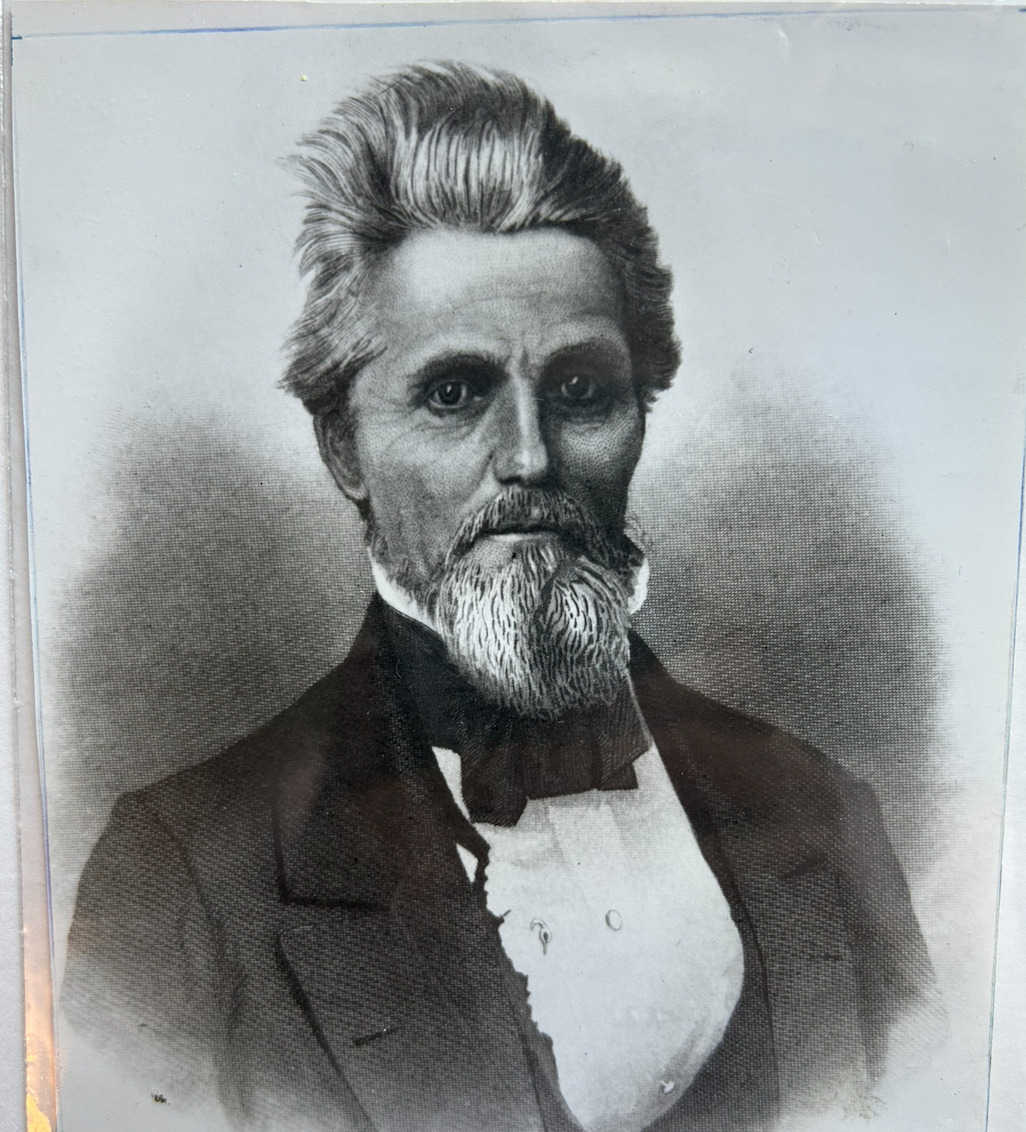
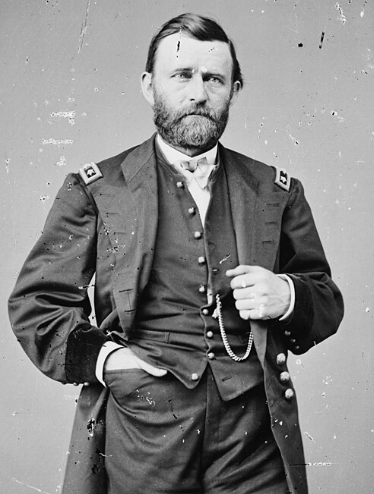
It is our custom to remember Ulysses S. Grant on July 23, the day he died in 1885.

Maybe I’ll swing by White Haven today and walk through the grounds.

As Mark Twain said: “The greatest man I have ever had the privilege of knowing personally. And I have not known a man with a kinder nature or a purer character. He was called the Silent Man — the Sphynx — and he was that, in public, but not in private. There he was a fluent and able talker — with a large sense of humor, and a most rare gift of compacting meaty things into phrases of stunning felicity.”

Let’s all take a moment.

And don’t you just love stories like this?

Have a good day! The heat has broken here–enjoy!

“I would rather wear out than rust out”*

by chuckofish

Well, I finally watched A Great Awakening (2026), the new movie about the friendship between the Rev. George Whitefield and Benjamin Franklin and I loved it.

It is available to rent on Amazon Prime. I have the DVD, because I will definitely watch it again. And you know how I feel about physical media.

As Greg Morse writes, “The story of the man whom God used to spark revival on two continents cannot be fully told in a running time of just over two hours. Whitefield was a force, a hurricane that swept through Britain and the colonies with Christian zeal, resistless spirituality, and renowned oratory. The facts are almost unbelievable. On many weeks, he preached nearly as much, if not more, than he slept. When not preaching, he rode on horseback miles upon miles to his next speaking engagement. He preached and taught one thousand times every year for thirty years, most of the time to thousands of people, all without microphones and notes, and often outside. John Piper notes in his excellent sermon, ‘Estimates are that eighty percent of the entire population of the American colonies (this is before TV or radio) heard Whitefield at least once.'”

Yes, it is an amazing story and this movie tells it well. The production values are high. I had never heard of anyone in it, but the acting is excellent. The direction is solid. It is not a Hallmark movie. It won’t win any awards, because it doesn’t check any of the woke boxes, but it checked all of mine.

*George Whitefield

This and that, here and there

by chuckofish

Are you having a good summer? It is half over already! Not that that matters to us retired folks.

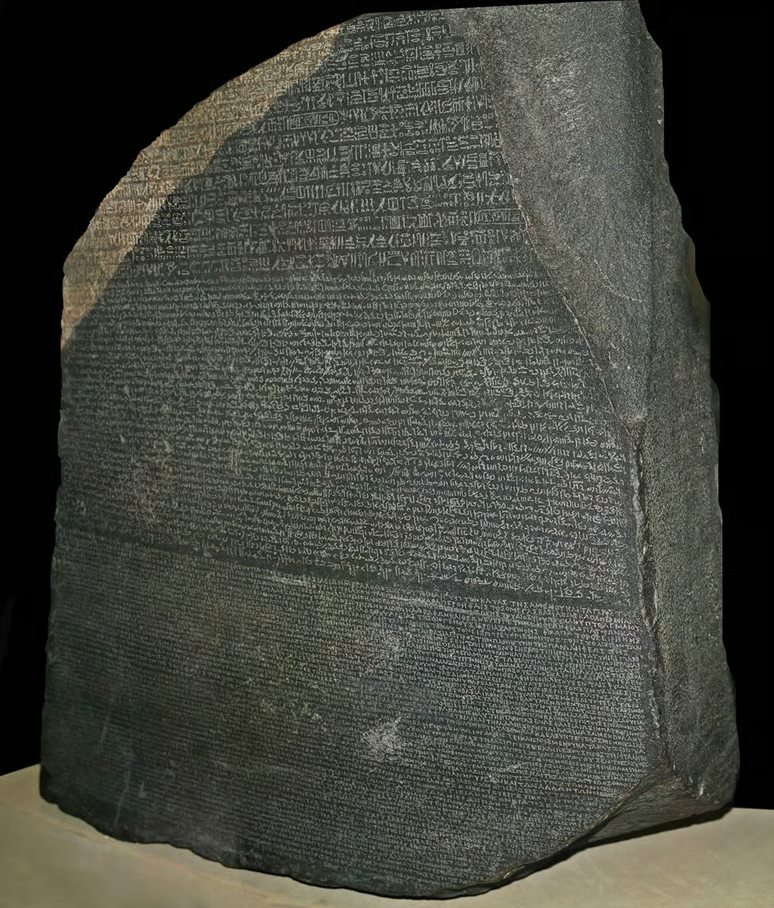
Today we remember the day in 1799 when the Rosetta Stone was discovered in the Egyptian village of Rosetta by French Captain Pierre-François Bouchard during Napolean’s Egyptian Campaign. The stone is famous for being inscribed with three versions of a decree in Ancient Egyptian hieroglyphics, Demotic (the cursive Egyptian script used for daily purposes, meaning ‘language of the people’), and the Ancient Greek script. The Ancient Greek was translated into English in 1803. This allowed for the Egyptian hieroglyphics to be deciphered for the first time, by Jean-François Champollion in 1822. It now resides in the British Museum in London.

Pretty cool.

Here are a few things from the internet.

Yesterday was the first anniversary of the passing into glory of the great John MacArthur. Here’s a video reflecting on his life and ministry.

Interesting! Here’s a video about a German who moved to America to get married, only to discover most of what he thought he knew was wrong. “Two years ago, on July 1st, I moved from Germany to the United States of America. And I did not just move countries. I moved from a culture of caution into a culture of courage. And I was not ready for what [that] would do to me.”

Good advice! “The 80-year-olds I admire most were not born different. They made a thousand small choices, over decades, that compounded in their favor. You are making those same choices right now, whether you notice them or not. It is never too late, nor too early, to begin.”

And here’s a little Billy Strings for your Wednesday music treat:

Have a good day. Watch an old movie. Read an old book. Listen to some good Bluegrass music.

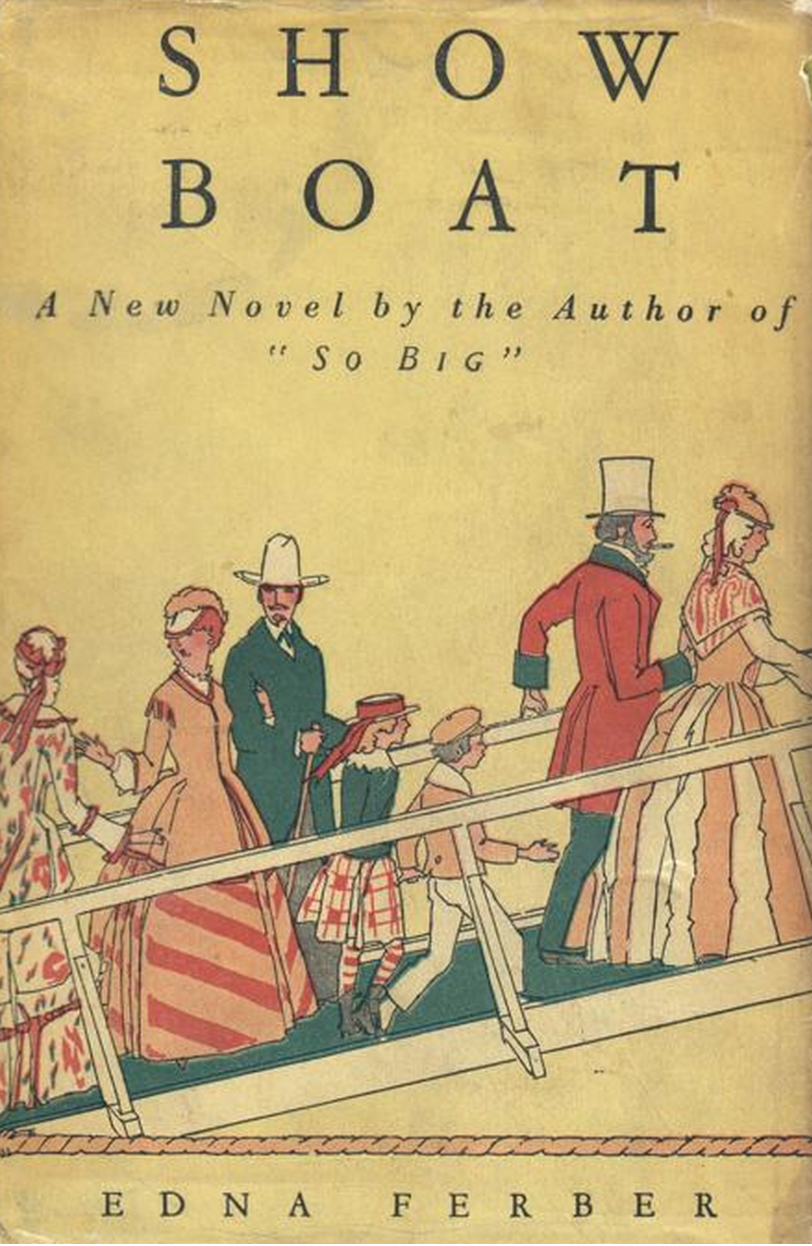
Steaming down the Mississippi

by chuckofish

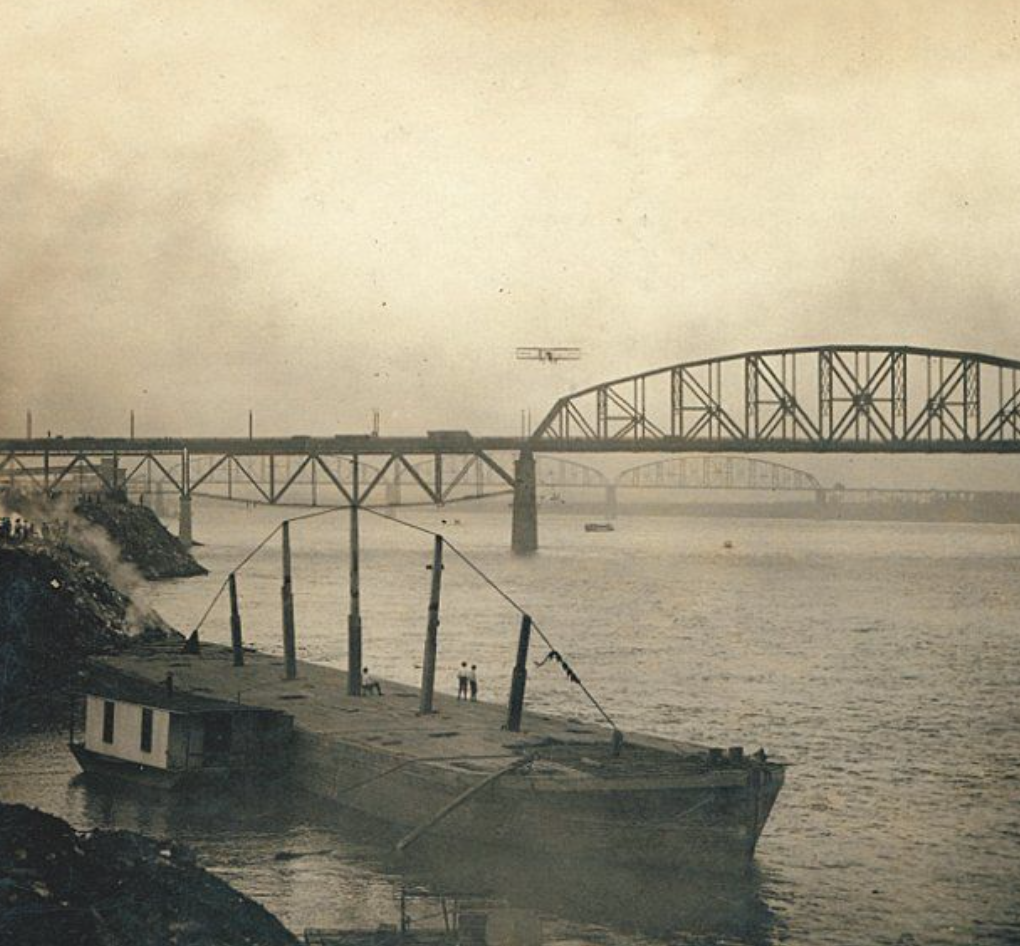
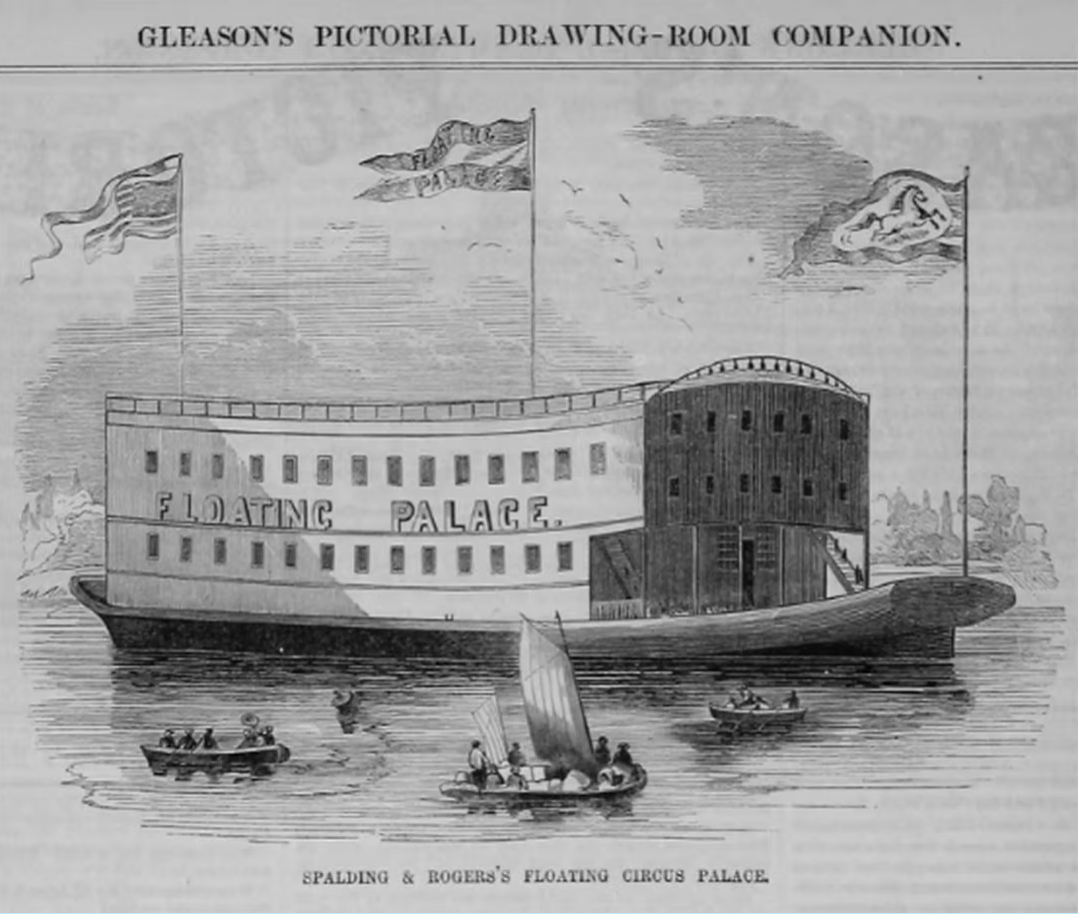
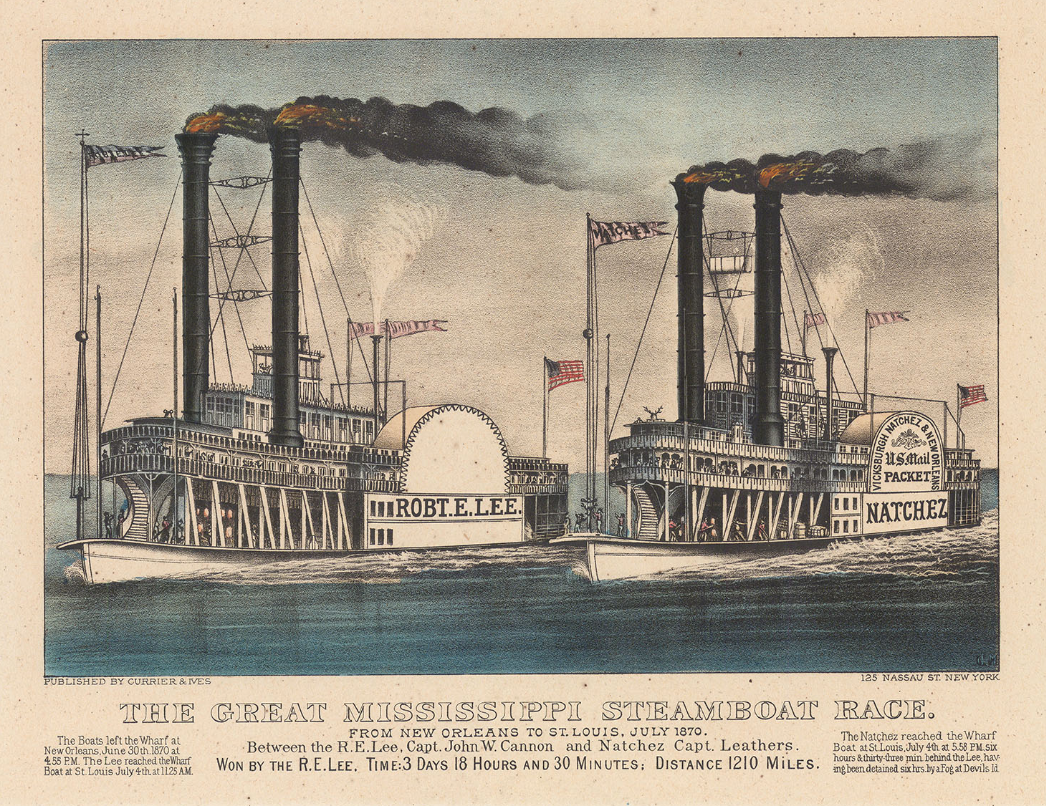
In the summer of 1870 a celebrated race took place between two steamboats, the Robert E. Lee and the Natchez. Leaving New Orleans on June 30, the Robert E. Lee reached St. Louis, a distance of 1,154 miles (1,857 km), in 3 days, 18 hours and 14 minutes. Indeed, it was one of the most thrilling events in the history of the Mississippi River. For days newspapers had been full of predictions, and bets were placed all over the world on the result. A crowd of thousands lined the levee to cheer the boat and its crew when it landed on July 4 several hours ahead of the Natchez.

It was very exciting, as you can imagine, because such racing involved major risks. Steamboats were inherently dangerous. The steam boilers were prone to exploding and igniting fires. The boats were wooden and much of their cargo could be highly flammable. These hazards came in addition to the snags and submerged bars that could rip a hull open. Between 1816 and 1848, boiler explosions alone killed more than 1,800 passengers and crew and injured another 1,000. Racing added significantly to the chance for an explosion.

Mark Twain described steamboat racing thusly:

“Two red-hot steamboats raging along, neck-and-neck, straining every nerve—that is to say, every rivet in the boilers—quaking and shaking and groaning from stem to stern, spouting white steam from the pipes, pouring black smoke from the chimneys, raining down sparks, parting the river into long breaks of hissing foam—this is sport that makes a body’s very liver curl with enjoyment.”

And, gee, nobody seemed to be overly offended by the name of Robert E. Lee, so soon after the Civil War. Interesting, n’est-ce pas?

Fun fact: The song “Steamboat Bill”, written in 1910, is an extended reference to the 1870 race. Mickey Mouse whistling a verse from “Steamboat Bill” in Steamboat Willie has been used as the production logo of Walt Disney Animation Studios since 2007.

Have a good day! Relax.

Freedom an’ whisky gang thegither!

by chuckofish

Today we celebrate the Battle of Bunker Hill, fought on June 17, 1775, during the early months of the American Revolutionary War. The battle took place after New England forces moved onto the Charlestown peninsula and built defenses on Breed’s Hill, close to Bunker Hill. British forces attacked on June 17, 1775, and eventually took the ground, but the fighting was costly. The battle showed that colonial forces could stand against the British army in a major engagement, even when they lacked the training, supplies, and structure of a professional military force.

Today is also the birthday of my grandfather Daniel Herbert Hilton Cameron, who was always called Bunker. The nickname suited him.

He would have fit right in with those Sons of Liberty. As it was, he was too young for WWI and too old for WWII. He missed out on the opening of the frontier. Like a lot of men, living a conventional life was sometimes a challenge. But he loved his wife and three daughters and he did the best he could. We toast you, Bunker, on your 126th birthday!

Here’s tae us
Wha’s like us
Damn few,
And they’re a’ deid
Mair’s the pity!


The little hills rejoice*

by chuckofish

Quelle stormy Monday! Always a good time to clean the house and catch up on chores and desk work.

I forgot to mention that Sunday marked the 250th anniversary of the Continental Congress’s 1776 “day of Humiliation, Fasting and Prayer.” William Livingston submitted the resolution calling for a national day of prayer, and wrote, “it becomes the indispensable duty of these hitherto free and happy colonies, with true penitence of heart, and the most reverent devotion, publickly to acknowledge the over ruling providence of God.” This was celebrated on the National Mall by tens of thousands of Americans gathering, lifting their voices, and re-dedicating this nation to God, under sunny skies with worship music, praise, prayer, and Bible readings. Of course, this made a lot of people crazy, but who cares? As one wag commented, “By all accounts, it was a warm, family-friendly, faith-forward event, with no shootings, leatherwear parades, naked bicycle riders, or even a single fistfight breaking out at the food truck line. It must have been pure misery for corporate media reporters assigned to cover it.”

William Livingston, by the way, was a Presbyterian and the brother of Philip Livingston, one of 12 Presbyterian signers of the Declaration of Independence. This is an interesting article by Kevin DeYoung about those 12 signers.

And here’s a little Barney Fife pick-me-up for the start of the week:

(It’s a silly show, but I feel better knowing that J.D. Salinger was also a fan of The Andy Griffith Show and, in particular, Barney Fife.) We can’t always be reading the Psalms.

*Psalm 65:12

 Fast and Furious

by chuckofish

Today we toast William George Beers (May 5, 1841 – December 26, 1900) who was a Canadian dentist who founded Canada’s first dental journal and served as the founding dean of the Dental College of the Province of Quebec. In addition, he is referred to as the “father of modern lacrosse” for his work establishing the first set of playing rules for the game.

In 1860, Beers began to codify the first written rules of the modern game. Prior to this, all rules of the game needed to be decided prior to each game. Some of the rules established by Beers were the size of, and the use of a rubber lacrosse ball, that the lacrosse stick could be any length, but the pocket needed to be flat in the absence of a ball, length of the field to 200 yards (180 m), size of the goal and goal crease, twelve members of a team on the field at a time, and the length of a match to first to reach five goals, or lead by three. In the process of standardizing the game, Beers removed the spiritual and ritual components present in its predecessor, the First Nations game of baggataway, and was unapologetic in its appropriation: “Just as we claim as Canadian the rivers and lakes and land once owned exclusively by Indians, so we now claim their field game as the national field game of our dominion”.

Did you know that field lacrosse was a medal sport in the 1904 and the 1908 Summer Olympics? It will be again in 2028! This time around the appropriation of lacrosse from the Native Americans will no doubt have to be recognized by some sort of “game acknowledgement”, but c’est la vie.

(Ball Players by George Catlin)

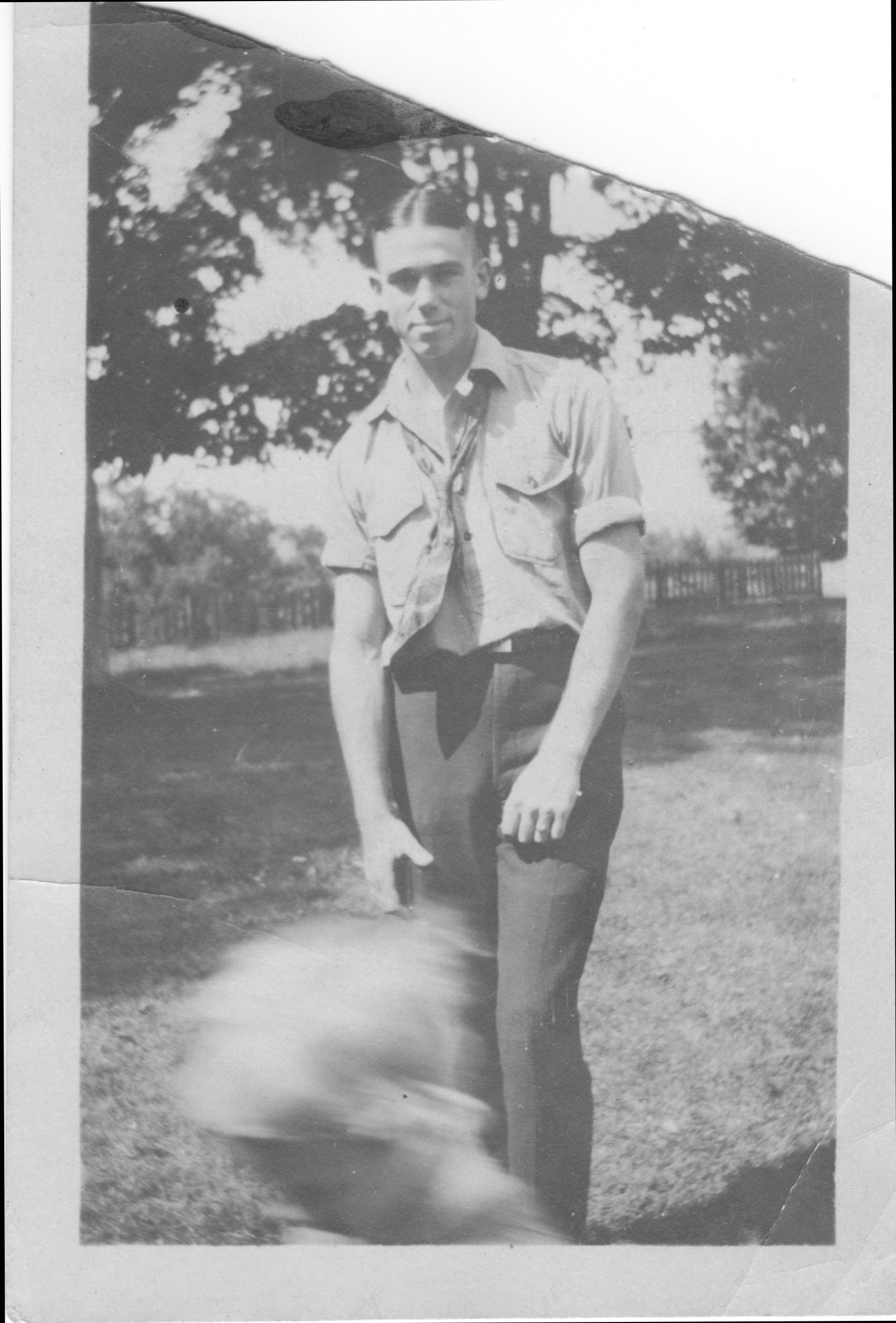
Recently an ADT tech came to my house to update my alarm system and he noticed this photo on my wall. He asked if it was my son and if he played lacrosse. I said, yes, it was, and he said that he played lacrosse and we had a nice conversation about the sport. He had learned to play at Matthews-Dickey Boys Club in the city and then played at Lutheran North. Character-building, I tell ya! It’s a small world.

Praise the Lord.

No matter how hopeless, no matter how far*

by chuckofish

The other night I watched Man of La Mancha (1972) on TCM for want of anything else to watch. A film adaption of the hit Broadway musical, it is not a great movie. However, while I watched, I remembered going to the Cinerama Theater to see it with my mother and sister. I was a junior in high school. We were big Peter O’Toole fans at the time and we enjoyed it. My mother reacted very emotionally to it, weeping at the end when Cervantes goes up the prison stairs with the loyal Sancho to meet the Inquisition tribunal.

When the movie was over, after pulling ourselves together, we did something I don’t ever remember doing before or since–we went to Famous-Barr and bought the movie soundtrack on the way home! We listened to that record so much I practically knew it by heart. Peter O’Toole was (sadly) dubbed in his singing scenes, but the record included several short scenes which included his dialog. “I shall impersonate a man!” That dialog came back to me so clearly watching the movie!

The lyrics to “The Impossible Dream” may seem corny to some now, but they weren’t then. It is still a pretty great song.

I forgot to mention that Monday was the birthday of cousin Ulysses S. Grant (1822-85).

Yes, Grant was not cut out for politics–too humble, too honest, too trusting. I do love USG. Let’s all take a moment.

Also, I somehow missed that they recently filmed Antiques Roadshow at Grant’s Farm here in town. The first episode of three at Grant’s Farm aired on Monday. You can watch it here.

And this made me laugh:

*The Impossible Dream

Ten thousand charms

by chuckofish

Have you been watching the Olympics? Me neither. Every night I try, but it is just so uninspiring, and, I’m sorry, I do not want to watch women’s curling! No one does, outside Canada. Ugh. If they showed a replay of the 1980 Olympics in Lake Placid, I would watch that…or the ones in Lillehammer–they were great! I have no doubt that the ratings would be much better. Well, I’ll just keep watching Lonesome Dove from back in 1989.

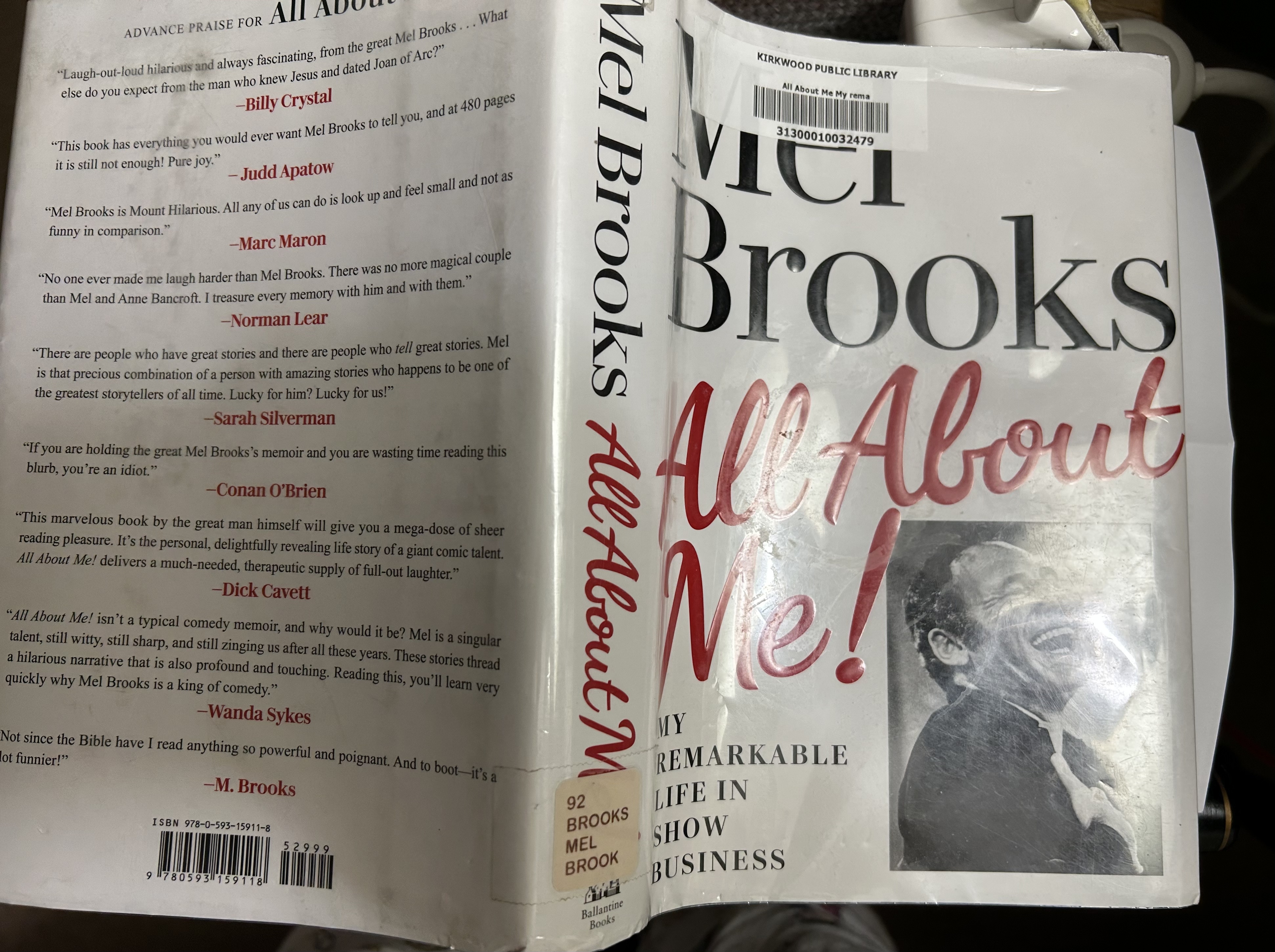
Meanwhile I am reading this biography of William Tecumseh Sherman…

It is “popular” history and therefore quite readable, and I am enjoying it. The author understands context and does not judge his subject by 21st century standards. I have always liked Sherman. He hated politicians and journalists and he was fiercely loyal. I can relate to that.

I am also reading this…

…which is also very interesting. The emphasis is on Sarah Edwards, the “godly wife”. By all evidence, Jonathan and Sarah Edwards had a very happy marriage and 11 children, all of whom lived to at least young adulthood–an amazing thing in the early 18th century. Noel Piper wrote this long article about the book and the impressive couple.

I couldn’t have said this better: “The church has always lived in changing times, even if today’s changes might feel more aggressive and chaotic than before. But our hope has never rested in the stability of society. It rests in the stability of God: ‘I the Lord do not change'(Mal. 3:6). The world may reinvent itself every decade, but God does not evolve, and His truth does not expire. It does not need updating. It does not need rebranding. Truth that shifts with the culture isn’t truth at all—it’s marketing.”

And here’s a new rendition of one of my favorite hymns:

Read some history and stand fast.