Another history lesson
by chuckofish
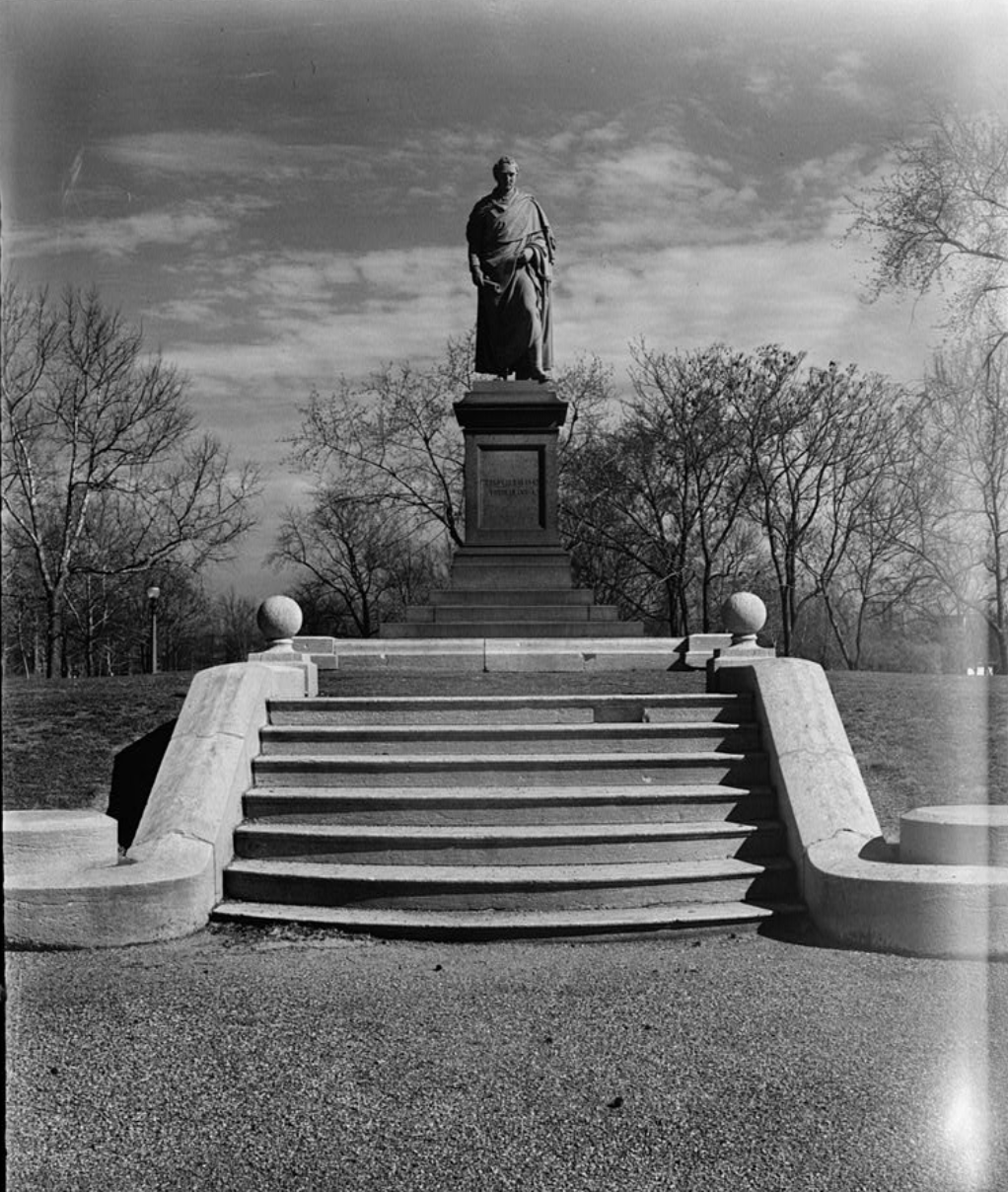
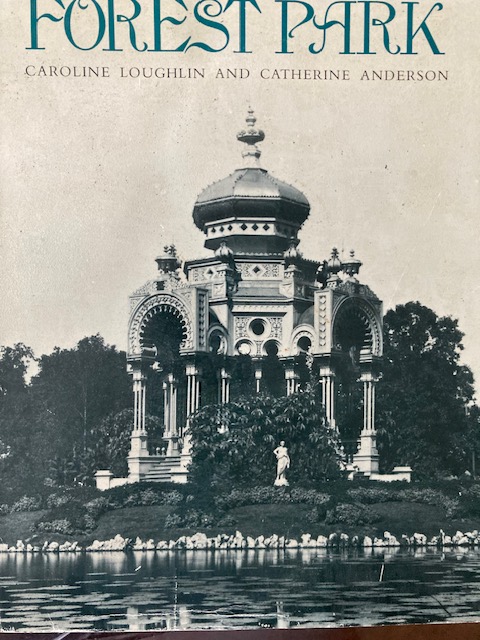
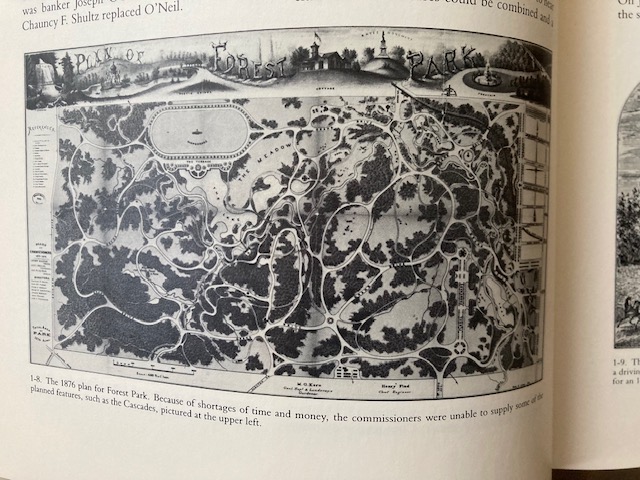
Yesterday I worked on an article about Hiram Wheeler Leffingwell, one of the founders of Kirkwood. Did you know that he was also one of the movers and shakers of St. Louis who promoted the idea of establishing a large public park–Forest Park–in the mid-19th century? Well, he was.
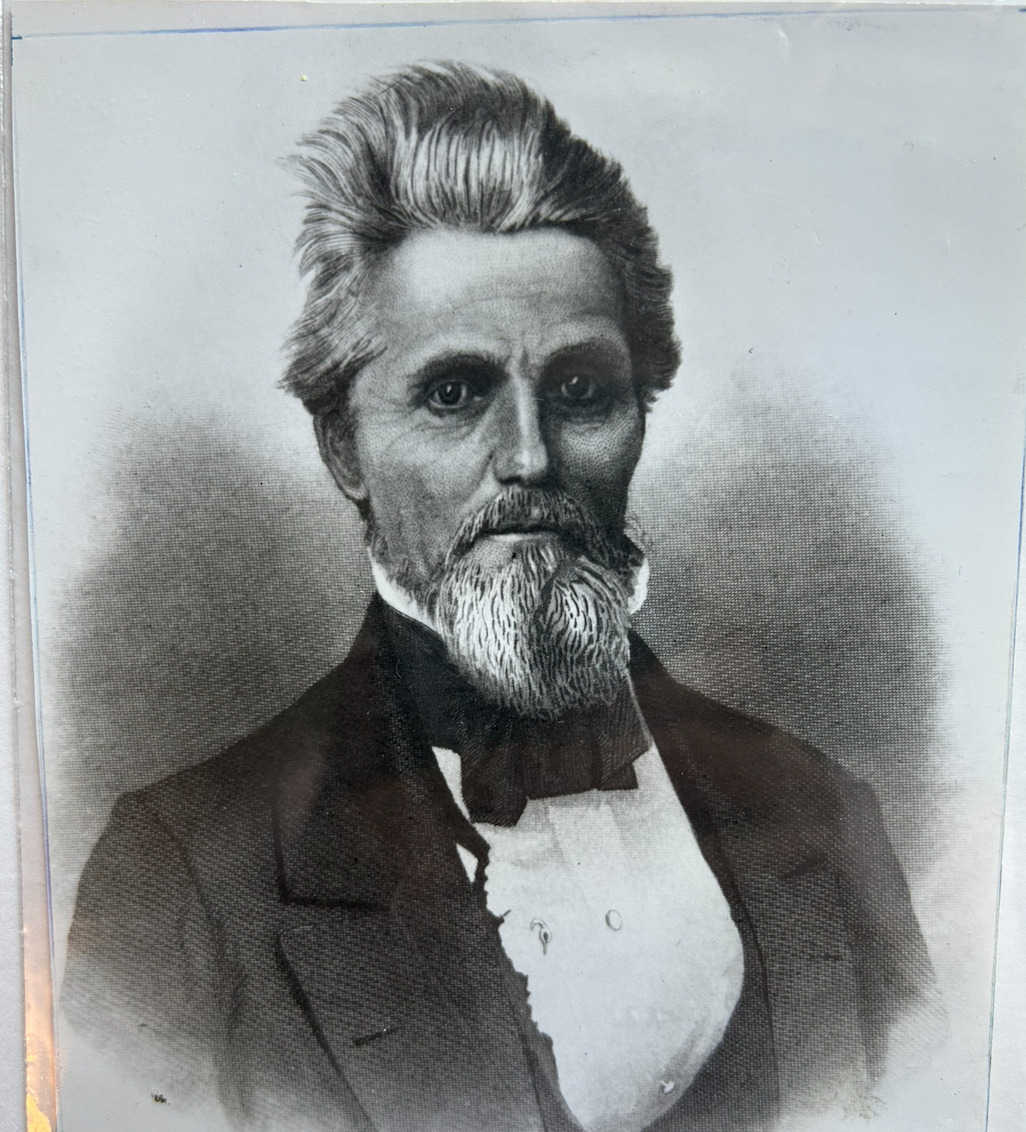
There was quite a bit of opposition to his proposal from land holders and taxpayers and it took five years to see the plan through. The park was half the size as initially imagined, but in 1874 Governor Silas Woodson signed three acts establishing Forest Park as well as O’Fallon Park on the north side and Carondelet Park on the south.
There is no statue of Leffingwell in the park, but in the early 1990s Forest Park Forever did create an award named after him, given annually to a person who has devoted considerable time, talent or resources to restoring and maintaining the park. I guess that’s something.
Well, he was indeed quite a fellow. After retiring from the real estate business and serving a term as a U.S. Marshall, he retired to Bradenton, Florida where he died in 1897.
I also went to my public library to return some books and while perusing the stacks I found All About Me! by Mel Brooks. I am presently reading about his happy childhood in Brooklyn during the depression. He is 100 years old now, the same age as my mother would be. I am enjoying it. I have known a lot of guys in my life like Mel, i.e. funny Jewish guys.
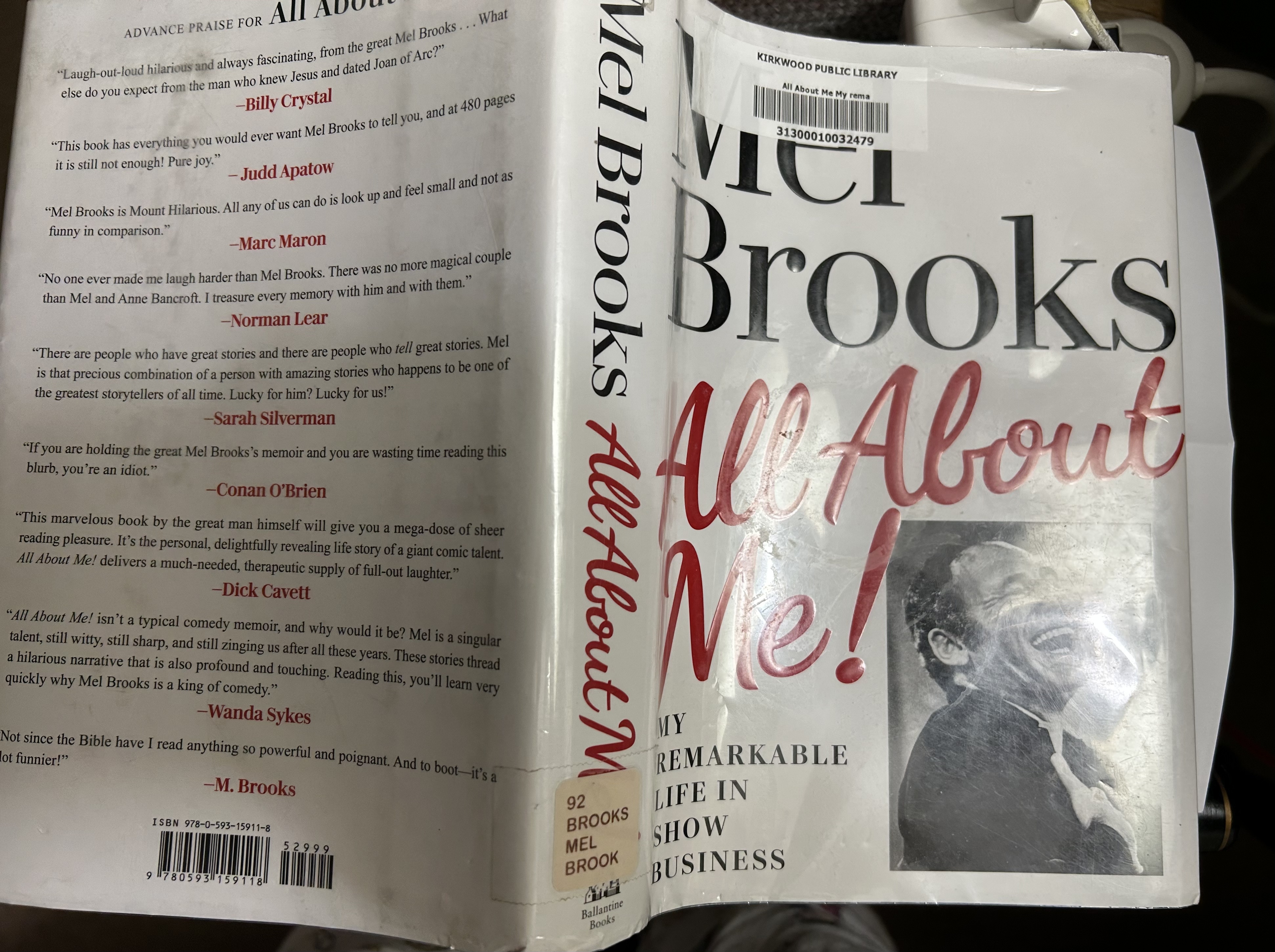
“A lot of people think that comedy and getting laughs and applause is making up for an unhappy childhood. Au contraire! I think it’s just the opposite. All I can say is that in my case comedy was keeping the joy of a happy childhood going strong. I definitely wanted a continuum of the love that I got from my mother, brothers, and aunts and uncles.”
So a toast tonight to Hiram Leffingwell and to Mel Brooks! L’chaim!





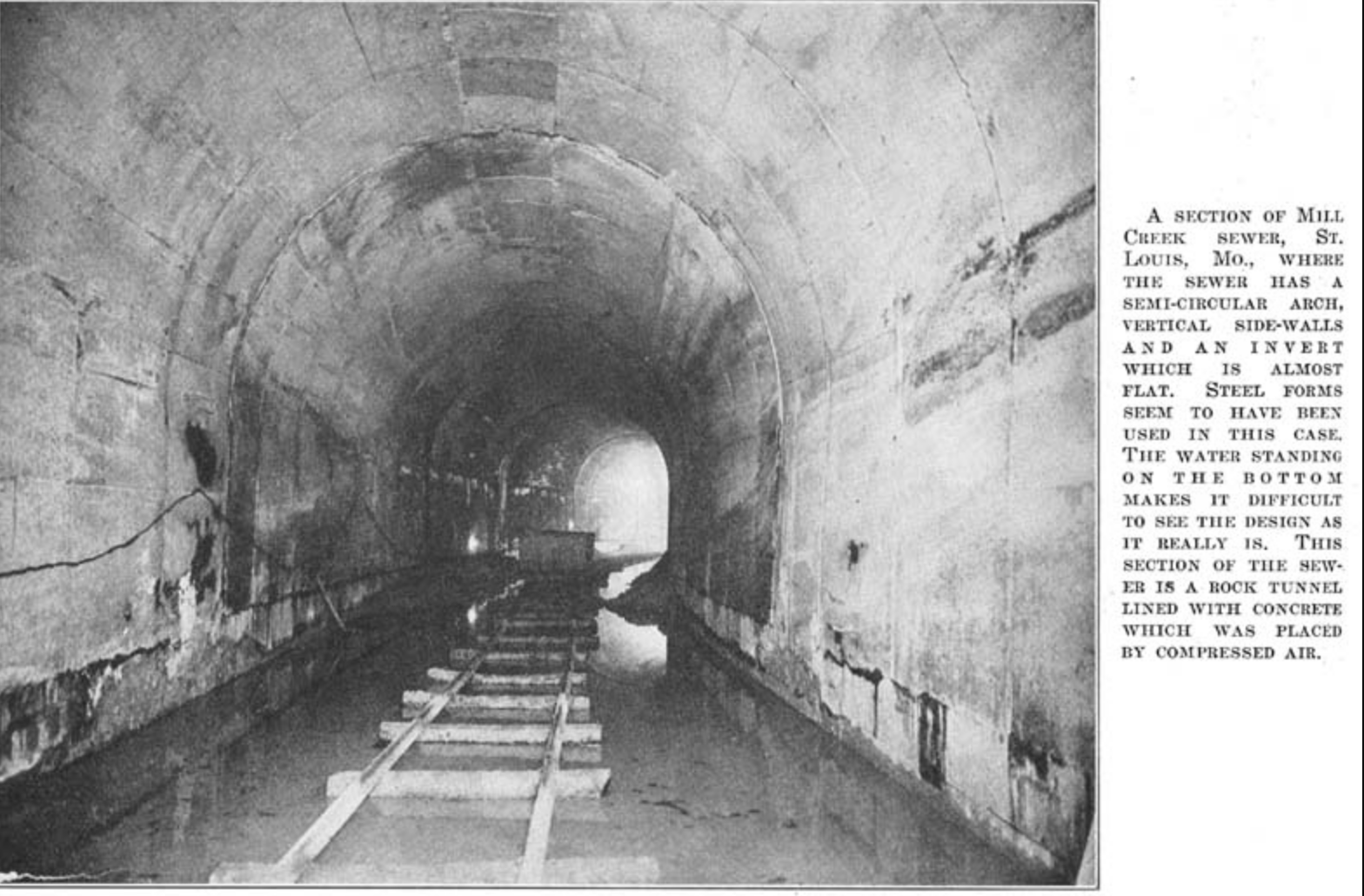
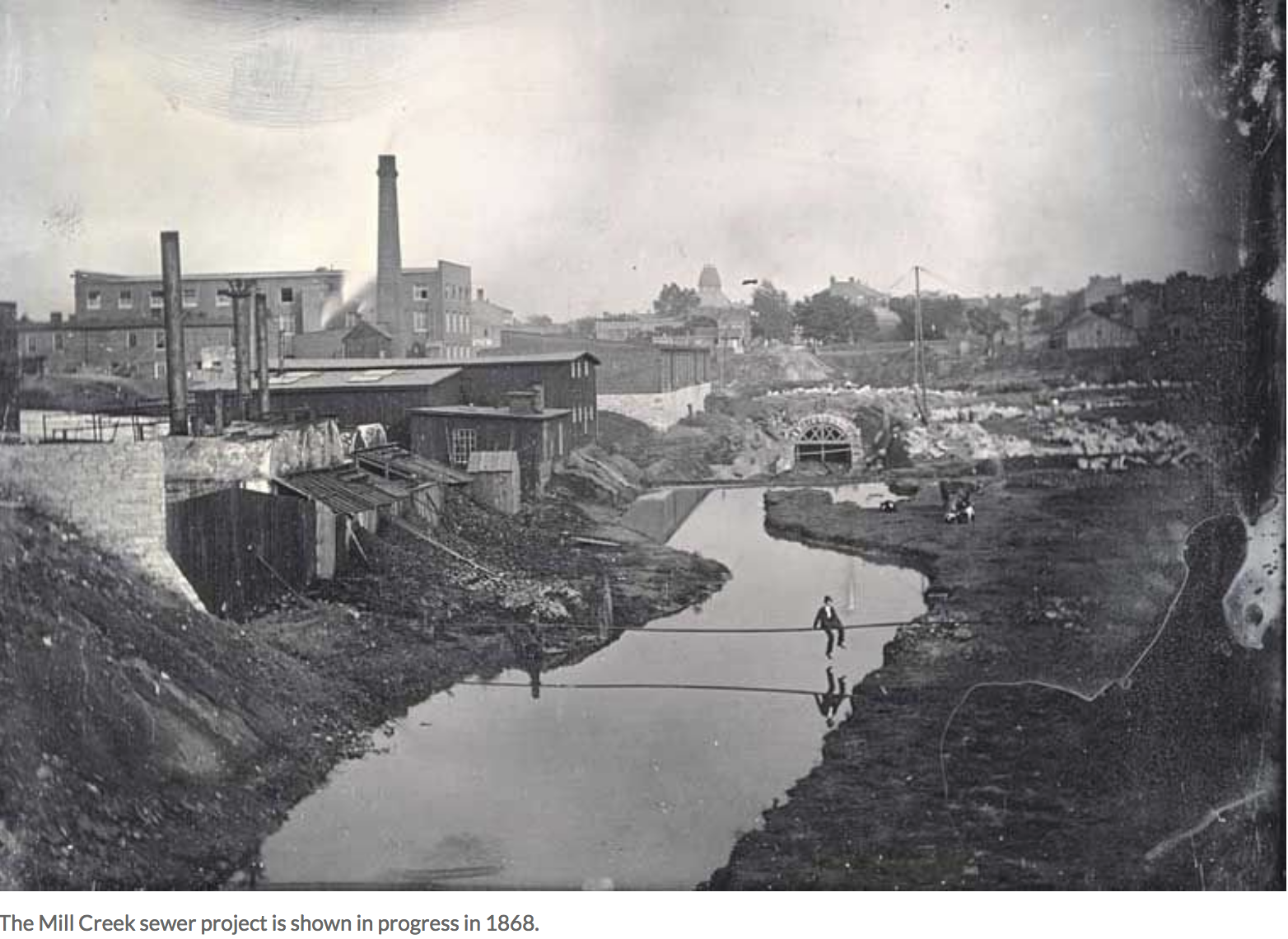 When the sewer was finally finished all the way to Vandeventer Avenue in 1890, it was considered the marvel of its time. It measured twenty feet wide, fifteen feet high, and more than three miles long. Wider than a single railroad track tunnel, the sewer pipe was described as large enough “to allow the passage of a train of cars or a four-horse omnibus.”
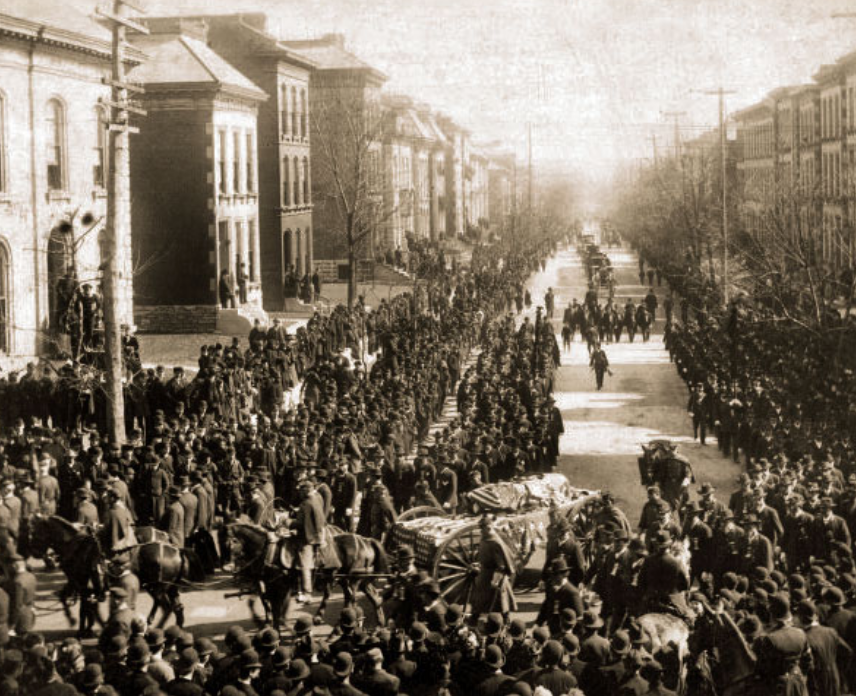
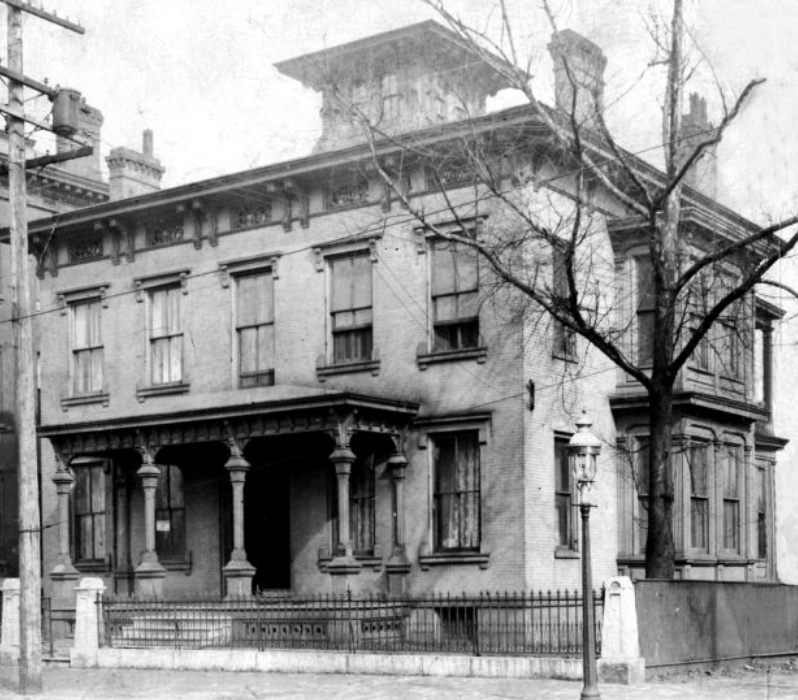 The Shermans lived there for 11 years before moving back to New York City. When his wife, a devout Catholic, died in 1888, she was buried in Calvary Cemetery back in St. Louis. Three years later when the great man died, their children buried WTS (an Episcopalian) beside his wife.
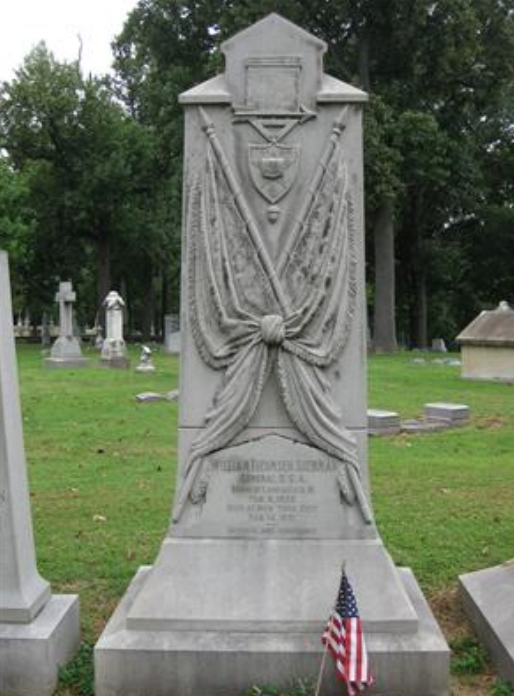 For four hours on February 21, 1891, a procession of 12,000 soldiers, veterans and notables marched past mourners on a winding, seven-mile path from downtown St. Louis to Calvary Cemetery.