dual personalities

Tag: quotes

No instructions

by chuckofish

This is how I felt yesterday trying to think of something to blog about.
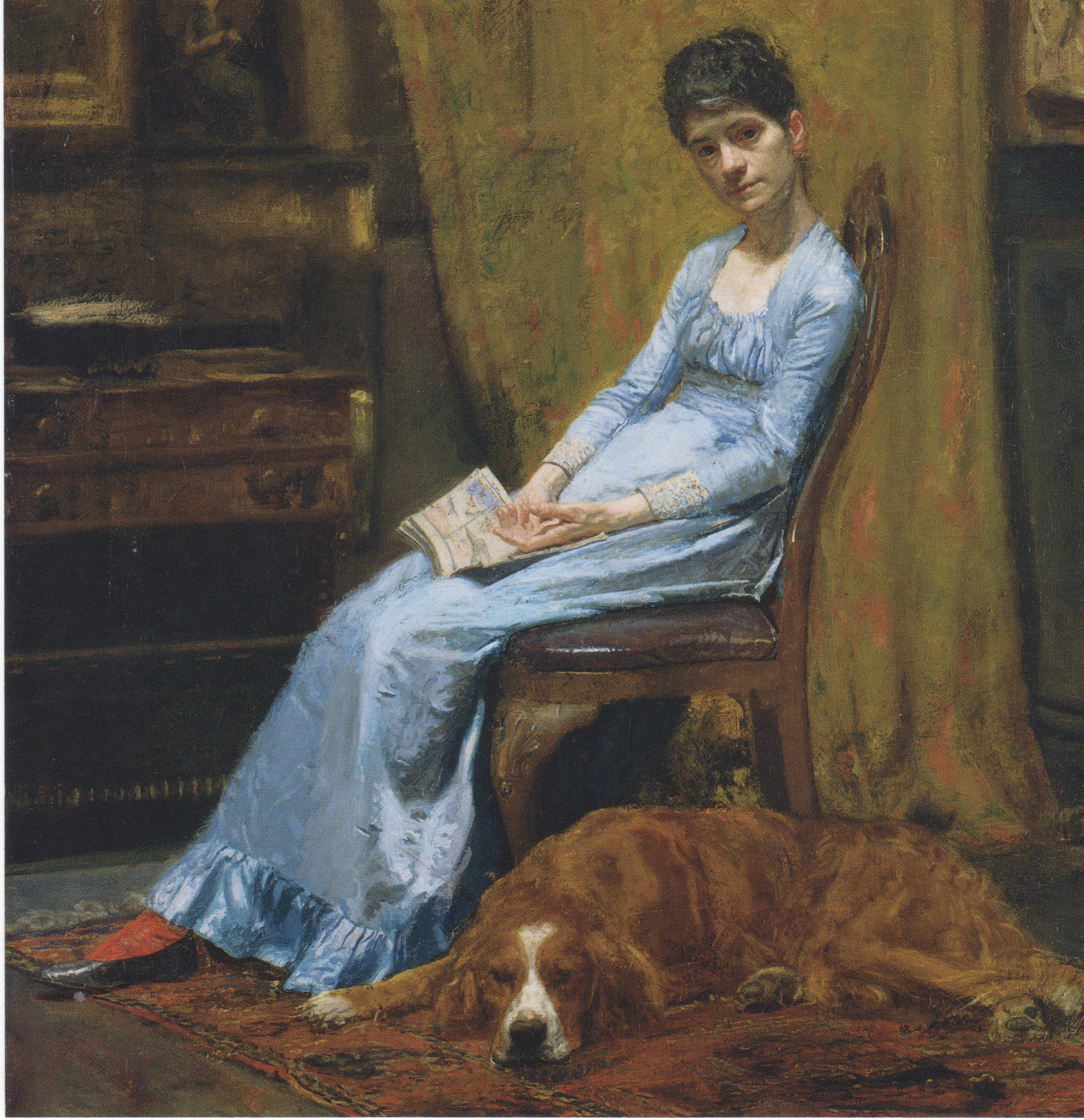
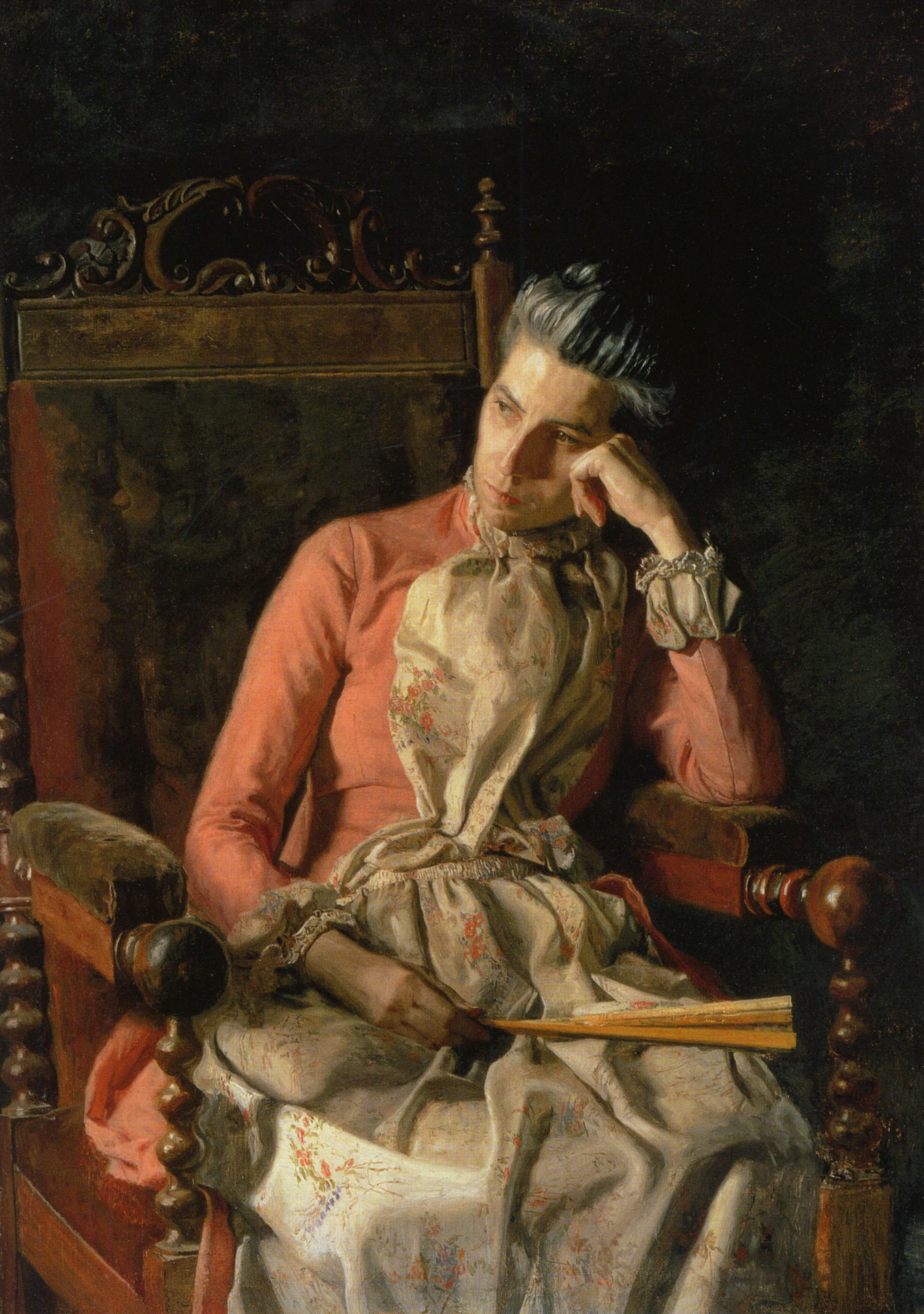
Thomas Eakins' "The Artist's Wife and His Setter"

Thomas Eakins’ “The Artist’s Wife and His Setter”

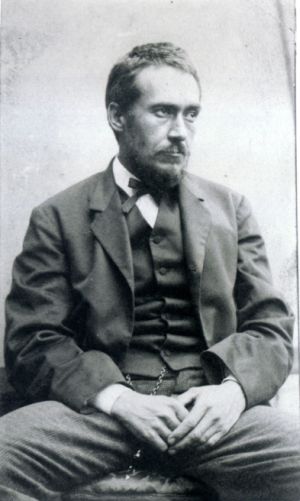
I tried to get excited about Thomas Eakins, the artist who painted this picture,
53

but I couldn’t.

portrait-of-amelia-van-buren

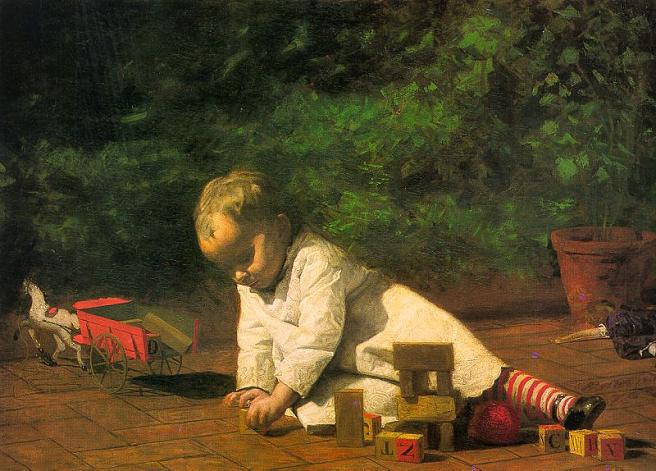
Even the babies in his paintings were thoughtful and looked depressed.
baby

So I will just offer you this thought for the day from Anne Lamott:

“You will go through your life thinking there was a day in second grade that you must have missed, when the grown-ups came in and explained everything important to other kids. They said, ‘Look, you’re human, you’re going to feel isolated and afraid a lot of the time, and have bad self-esteem, and feel uniquely ruined, but here is the magic phrase that will take this feeling away. It will be like a feather that will lift you out of that fear and self-consciousness every single time, all through your life.’ And then they told the children who were there that day the magic phrase that everyone else in the world knows about and uses when feeling blue, which only you don’t know, because you were home sick the day the grown-ups told the children the way the whole world works.

But there was not such a day in school. No one got the instructions. That is the secret of life. Everyone is flailing around, winging it most of the time, trying to find the way out, or through, or up, without a map. This lack of instruction manual is how most people develop compassion, and how they figure out to show up, care, help and serve, as the only way of filling up and being free. Otherwise you grow up to be someone who needs to dominate and shame others so no one will know that you weren’t there the day the instructions were passed out.”

One more anniversary post

by chuckofish

Reblogged from Bless This Mess who reblogged it from somewhere else.

Reblogged from Bless This Mess who reblogged it from somewhere else.

Who knew July was such a month for wedding anniversaries? My dual personality’s. The boy’s. And our brother celebrated one back in June.

Well, it’s okay to be proud of some things.  I ran across this picture on a blog and I thought it was worth sharing with our readers. Something to aspire to, as it were–the long marriage, that is, not the shirts!

I know a couple who has been married for 70 years–they’re in their nineties! This is mind-boggling to say the least.  And awesome.

Likewise awesome is this poem by Anne Bradstreet (the 17th-century Puritan who was the first poet and first female writer in the British North American colonies to be published.*)–To My Dear and Loving Husband

If ever two were one, then surely we.
If ever man were loved by wife, then thee.
If ever wife was happy in a man,
Compare with me, ye women, if you can.
I prize thy love more than whole mines of gold,
Or all the riches that the East doth hold.
My love is such that rivers cannot quench,
Nor ought but love from thee give recompense.
Thy love is such I can no way repay;
The heavens reward thee manifold, I pray.
Then while we live, in love let’s so persevere,
That when we live no more, we may live ever.

I better end this post before I get started on Puritans. Most the people who read this popular poem at their own weddings nowadays probably don’t even know who Anne Bradstreet was and that she was a Puritan! Zut alors!

*According to Wikipedia.

“I was surrounded by phonies…They were coming in the goddam window.”

by chuckofish

Some time back I wrote a post about those historical figures with whom it would be awesome to share a meal. You may recall that daughter #2 brought up fictional characters and I said that that was a whole ‘nother post.

Well, it being mid-summer and Friday, I thought I’d get the ball rolling on that post. Here is a list of fictional (literary) characters I would invite to dinner. (Note: this list does not include any film or television characters and definitely no phonies.)

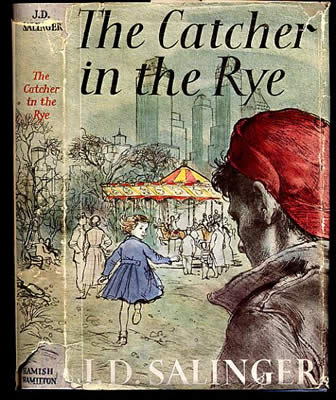
1. Holden Caulfield, The Catcher In the Rye (J.D. Salinger)
Any members of the Glass family would be welcome to stand in for Holden if he was AWOL and couldn’t make it.

catcher_rye_7408

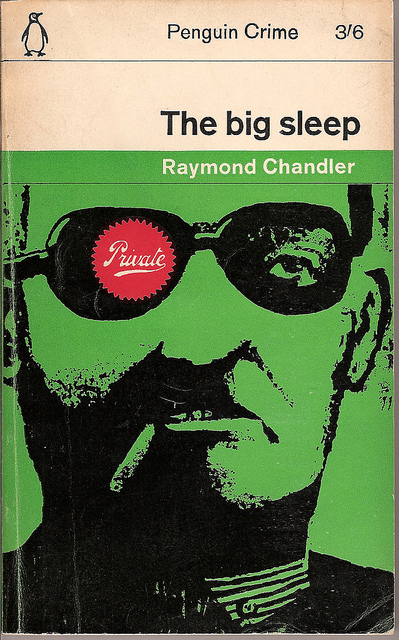
2. Philip Marlowe, numerous books and stories by Raymond Chandler
He really is my perfect man and no one, even Bogart, has done him justice on film.

the big sleep

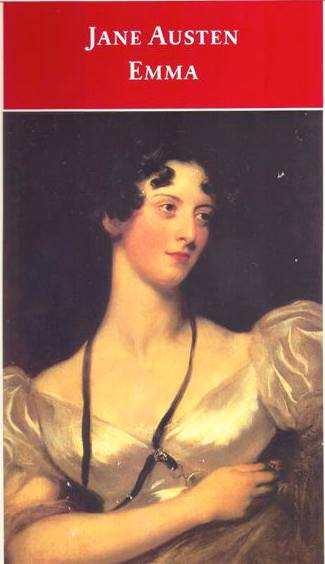
3. Mr. Knightley, Emma (Jane Austen)
Sigh. Understanding, sensitive, handsome, humble, and rich.

Emma-by-Jane-Austen

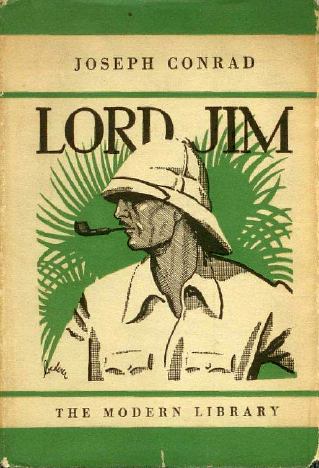
4. James Burke, Lord Jim (Joseph Conrad)
In addition to Jim, I would invite his friends Stein and Marlow. One of the quotes on my senior page was from this book.

ConradJim35.big

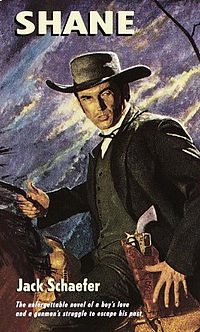
5. Shane, Shane (Jack Schaefer)
The archetype.

-JackSchaefer_Shane

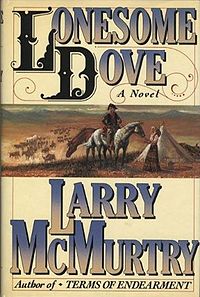
6 and 7. Captain Call and Augustus McCrae, Lonesome Dove (Larry McMurtry)
Some people might only invite Gus, but I love Captain Call just as much.

LarryMcMurtry_LonesomeDove

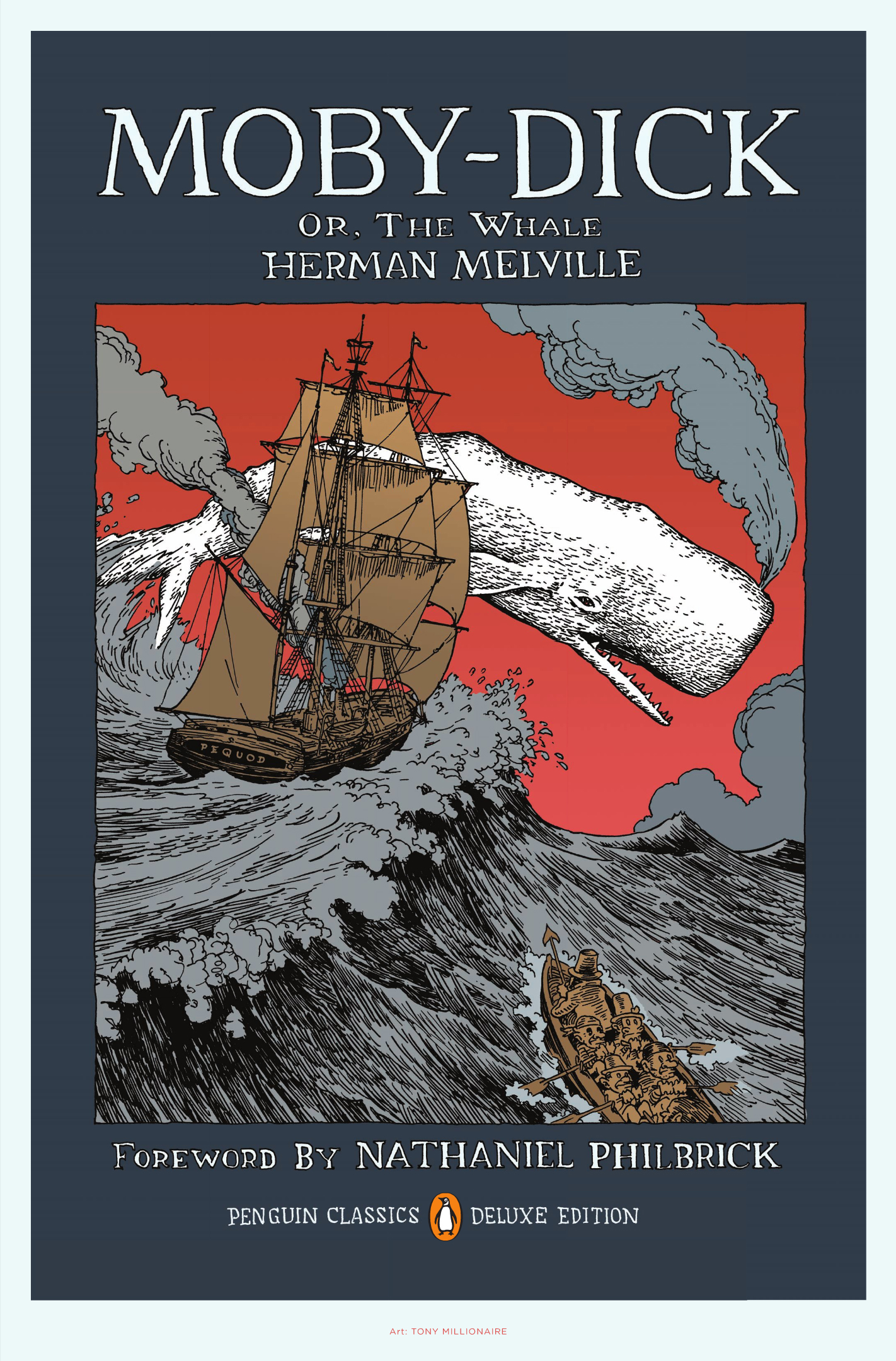
8. Starbuck, Moby-Dick (Herman Melville)
Ahab’s Quaker first mate, who, alone among the crew, has his doubts about the captain’s motives. He just wants to make it home.

MobyDickTonyMillionaireCoverPoster

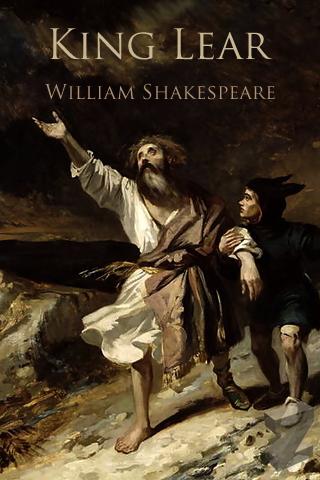
9. The Fool, King Lear (W. Shakespeare)
The great secret of the successful fool – that he is no fool at all.

kinglear

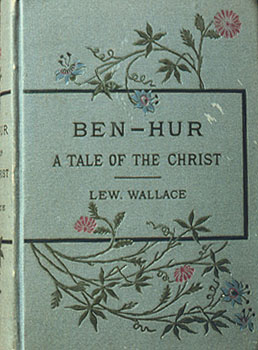
10. Judah Ben Hur, Ben Hur (Lew Wallace)
He was devoted to his mother and his sister–in addition to being awesome.

benhur

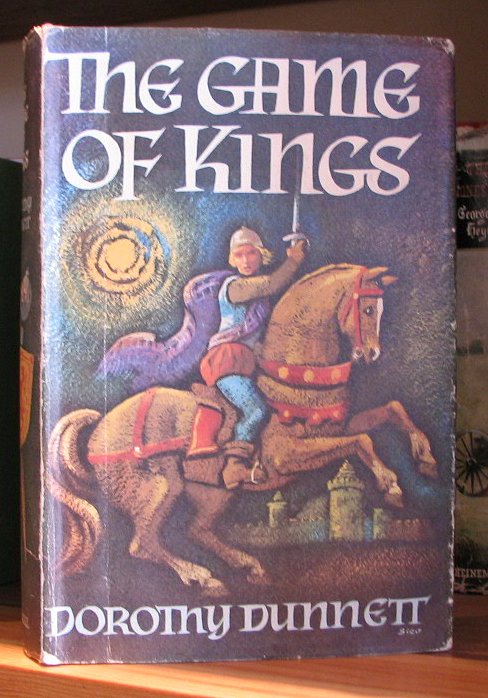
11. Francis Crawford of Lymond,The Game of Kings et al (Dorothy Dunnett)
Living by his wits and his sword-arm in 16th-century Scotland…

game of kings

12. Dick Summers, The Big Sky (A.B. Guthrie)
Mountain man and gentleman. Such a great character–the author had to bring him back in The Way West.

bigsky

13. Father Tim, At Home in Mitford et al (Jan Karon)
I’ll admit he’s a bit of a goodie-goodie and it’s true that he and his wife can be a bit much, but I do love this series of books and what would they be without Father Tim Kavanaugh at the center of them? Also he would probably agree to bring the main dish to the dinner and would offer the blessing.

At Home in Mitford

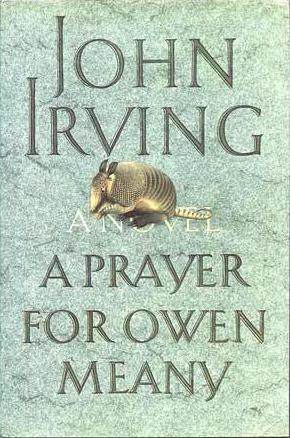
14. Owen Meany, A Prayer for Owen Meany (John Irving)
A REALLY GREAT GUY!

PrayerForOwenMeany

If we wanted to spice things up a bit, maybe I would invite Raskolnikov, the young, stressed-out ex-student of law in Dostoyevsky’s Crime and Punishment, but I’m not sure if that would be a good idea.

I did not intend for this list to be all male, but that’s the way it ended up. In order to give equal time (not quite) to the ladies, I’ll add:

13 and 14. Lady Dona St. Columb (Frenchman’s Creek)

Frenchman's Creek

and Mary Yellan (Jamaica Inn) by Daphne DuMaurier

-Jamaica_Inn_novel

15. Jane Eyre, Jane Eyre (Charlotte Bronte)

janeeyre-thumb-323x500-9866

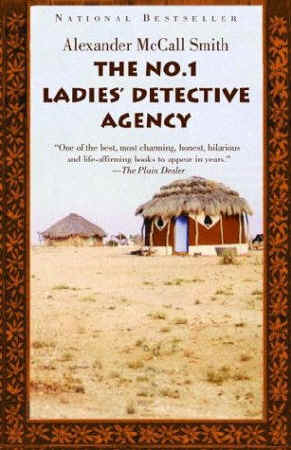
16. Precious Ramotswe, The #1 Ladies’ Detective Agency (Alexander McCall Smith)

1-no-1-ladies-detective-agency-450h

and from the animal kingdom: Miss Bianca, The Rescuers (Margery Sharp)

rescuers-1

and Charlotte, Charlotte’s Web (E.B. White)

charlottes-web

All these ladies are smart, resourceful, brave, and do the right thing. Charlotte was also “a true friend and a good writer.”

As you can see, it is really easy to get carried away with an exercise such as this! I could go on and on. Who have I left out? Atticus Finch? TinTin? Richard Hannay? David Copperfield? Pippi Longstocking? Who would you invite?

You took the words right out of my mouth

by chuckofish

“I want less love of money, less judging others, less tattling, less dependence upon external appearance. I want to see more fruit of the Spirit in all things, more devotion of heart, more spirit of prayer, more real cultivation of mind, more enlargement of heart towards all; more tenderness towards delinquents, and above all more of the rest, peace and liberty of the children of God.”

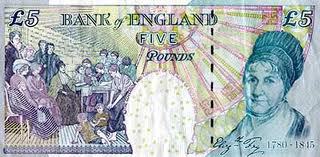
Elizabeth Fry (21 May 1780 – 12 October 1845) was an English prison reformer, social reformer and, and a prominent Quaker of her day. She had many admirers, among them Queen Victoria, who granted her an audience a few times and contributed money to her cause. Another admirer was Robert Peel who passed several acts to further her cause including the Gaols Act 1823.

elizabeth-fry-c2a35-note

Since 2001 Fry has been depicted on the reverse of £5 notes issued by the Bank of England. She is shown reading to prisoners at Newgate Prison. The design also incorporates a key, representing the key to the prison which was awarded to Fry in recognition of her work. However, as of 2016, Fry’s image on these notes will be replaced by that of Winston Churchill.

This is how my brain works

by chuckofish

“[Adamsberg] had recently seen a photograph that had struck him as a clear illustration of his own idea of his brain. It showed the contents of a fishing net unloaded on the deck of a large vessel, a pile taller than the fishermen themselves, a heap of all kinds of things, defying identification, in which the silvery colours of the fish mingles with the dark brown of seaweed, the grey of the crustaceans…the blue of lobsters, the white of seashells, making it hard to distinguish the different elements. That was what he was always fighting, the confused, multiform and shifting mass, always ready to change or vanish, and float off again into the sea. The sailors were sorting out the pile, throwing back creatures that were too small, lumps of seaweed or detritus, and saving the familar useful species. Adamsberg, it seemed to him, did the opposite, throwing out all the sensible items and then looking at the irrelevant fragments of his personal collection.”

–Fred Vargas, The Ghost Riders of Ordebec

This other Eden

by chuckofish

RIchard II, King of England

RIchard II, King of England

Richard II (6 January 1367 – ca. 14 February 1400) was King of England from 1377 until he was deposed in 1399. Richard, a son of Edward, the Black Prince, was born during the reign of his grandfather, Edward III. Richard was the younger brother of Edward of Angoulême; upon the death of this elder brother, Richard—at four years of age—became second in line to the throne after his father. Upon the death of Richard’s father prior to the death of Edward III, Richard, by agnatic succession, became the first in line for the throne. With Edward III’s death the following year, Richard succeeded to the throne at the age of ten. (Read more about him here.)

If you are wondering why you are reading about Richard II, it is because today is the anniversary of his coronation in 1377. Huzzah! The history major in me likes to remind you of these important facts which I fear you may have forgotten. (I had.) And I am always happy to dig out a good Shakespeare quote, especially this one, which conjures up images, not of Sir John Gielgud and Derek Jacobi, but of Leslie Howard as the Scarlet Pimpernel!

“This royal throne of kings, this sceptered isle,
This earth of majesty,
this seat of Mars,
This other Eden, demi-paradise,
This fortress built by Nature for herself
Against infection and the hand of war,
This happy breed of men, this little world,
This precious stone set in the silver sea,
Which serves it in the office of a wall
Or as a moat defensive to a house,
Against the envy of less happier lands,–
This blessed plot, this earth, this realm, this England.”

― William Shakespeare, Richard II, Act 2, Scene 1

You remember Leslie Howard at the end of the movie, reciting these lines to Raymond Massey, don’t you?

scarletP

You felt that he meant every word and he did. No one loved England more than he. He proved it a few years later by dying for his country during WWII. (I blogged about that previously here.)

Well, this post is further proof that I can bring just about any reference around to a movie. Who, sir? Me, sir? Yes, sir. You, sir.

Into each life some rain must fall

by chuckofish

richscarry

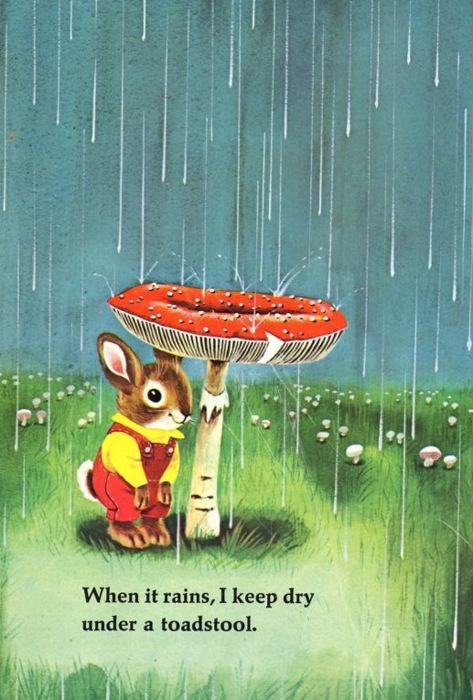
I was talking to daughter #1 yesterday–I was at work and she was walking down Columbus Avenue on her way to work in New York City. It started to rain and she had to run. There were no toadstools to wait under.

AP photo

AP photo

It was rainy as well in my flyover town, and I was reminded of this poem by Henry Wadsworth Longfellow (1807–1882).

The Rainy Day

THE DAY is cold, and dark, and dreary;
It rains, and the wind is never weary;
The vine still clings to the mouldering wall,
But at every gust the dead leaves fall,
And the day is dark and dreary.

My life is cold, and dark, and dreary;
It rains, and the wind is never weary;
My thoughts still cling to the mouldering Past,
But the hopes of youth fall thick in the blast,
And the days are dark and dreary.

Be still, sad heart! and cease repining;
Behind the clouds is the sun still shining;
Thy fate is the common fate of all,
Into each life some rain must fall,
Some days must be dark and dreary.

But you know, the sun always comes out again…and the tiger lilies are blooming!

lillys

lilys2

lillys3

Who can be sad for long when these wonderful flowers are blooming in our backyard and all along flyover byways?

Where are you, my little object of art?

by chuckofish

“She’s beautiful,’ he murmured.
‘She’s a metre across the hips, easily,’ said Julia.
‘That is her style of beauty,’ said Winston.”

― George Orwell, 1984

fatlady

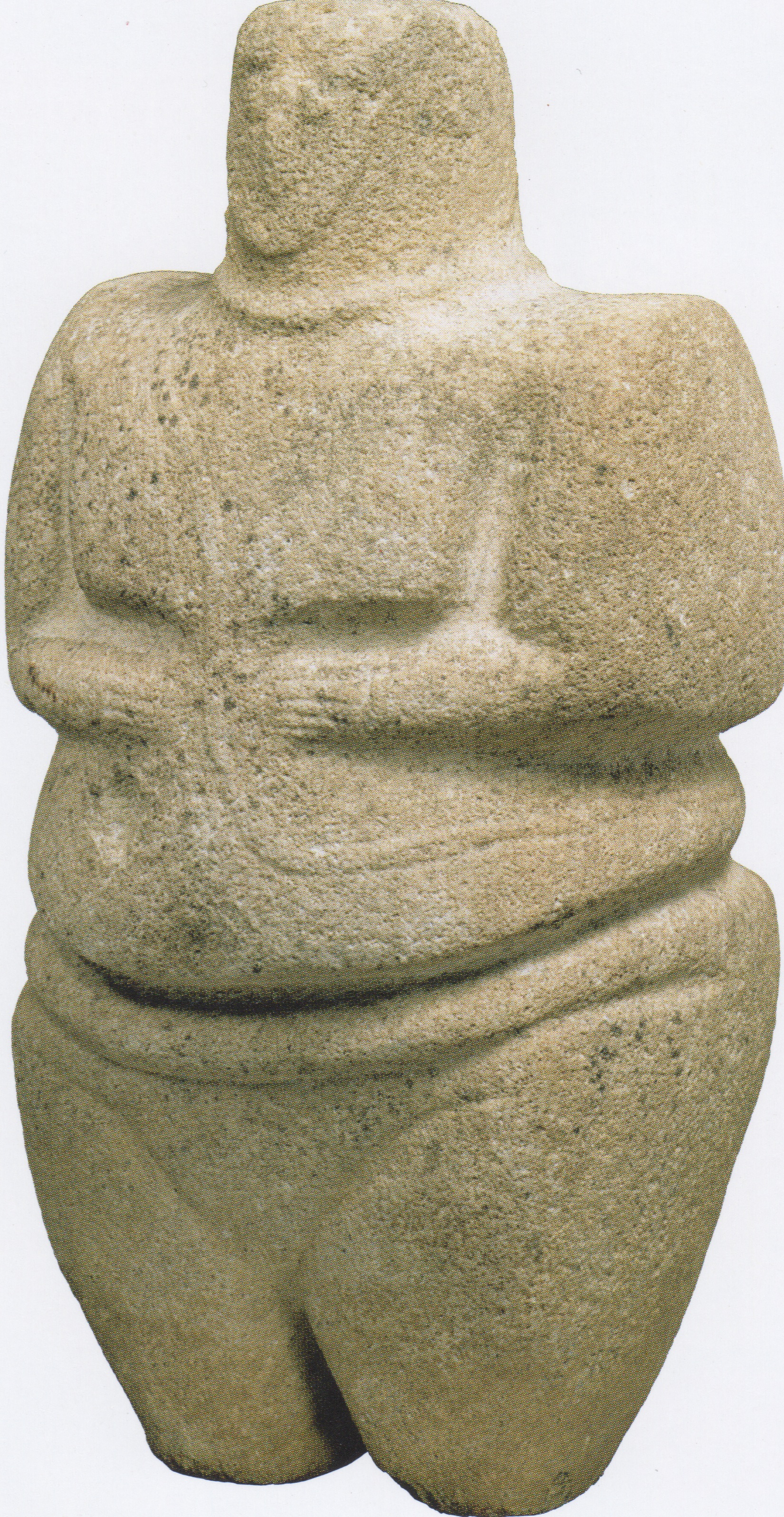
I have a Metropolitan Museum of Art day-by-day calendar in my bathroom. Every day there is a new art work to view. This piece of ancient Arabian sculpture appeared the other day and I couldn’t help thinking that she looks familiar. Oh, yes, I see her in the mirror every day!

Well, all I have to say is that I totally agree with George Eliot: “It’s an uncommonly dangerous thing to be left without any padding against the shafts of disease.” (Middlemarch: A Study of Provincial Life)

I learn something new every day

by chuckofish

“Never grow a wishbone, Daughter, where your backbone ought to be.”

–Clementine Paddleford

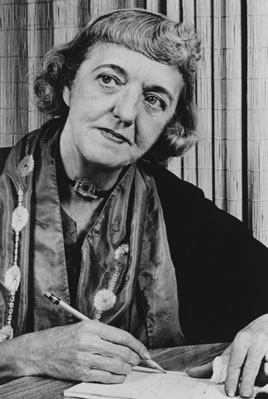
I read this quote on a blog (of course) and then looked up Clementine Paddleford on Wikipedia to see if she was a real person. Well, yes, she was a real person.

food-editor

Clementine Paddleford (September 27, 1898 – November 13, 1967) was an American food writer active from the 1920s through the 1960s, writing for several publications, including the New York Herald Tribune, the New York Sun, The New York Telegram, Farm and Fireside, and This Week magazine. She was born in Stockdale, Riley County, Kansas and graduated from Kansas State University in 1921 with a degree in journalism. She then studied at New York University’s school of journalism and lived most of her life in New York City, where she introduced her readers to the global range of food to be found in that city. She was also a pilot, and flew a Piper Cub around the country to report on America’s many regional cuisines.

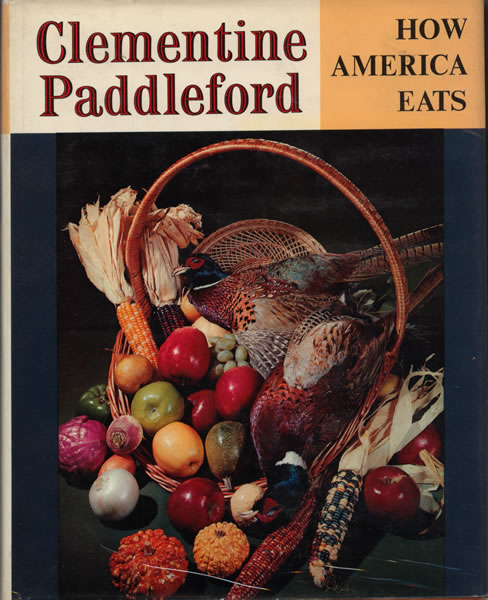
Paddleford’s book How America Eats, published in 1960, was the culmination of her career.

how-america-eats

It was eclipsed, however by The New York Times Cookbook by Craig Claiborne, published in 1961, and Mastering the Art of French Cooking by Mesdames Beck, Bertholle and Julia Child the same year.

The afore-quoted admonition, although attributed to Clementine Paddleford, actually was something her mother used to say to her (according to her memoir called “A Flower for My Mother.”) I’m sure they both were fascinating women.

You can read all about Clementine here in The New York Times. I must say I was glad to discover her.

The world is more than we know.

Speaking of teacups

by chuckofish

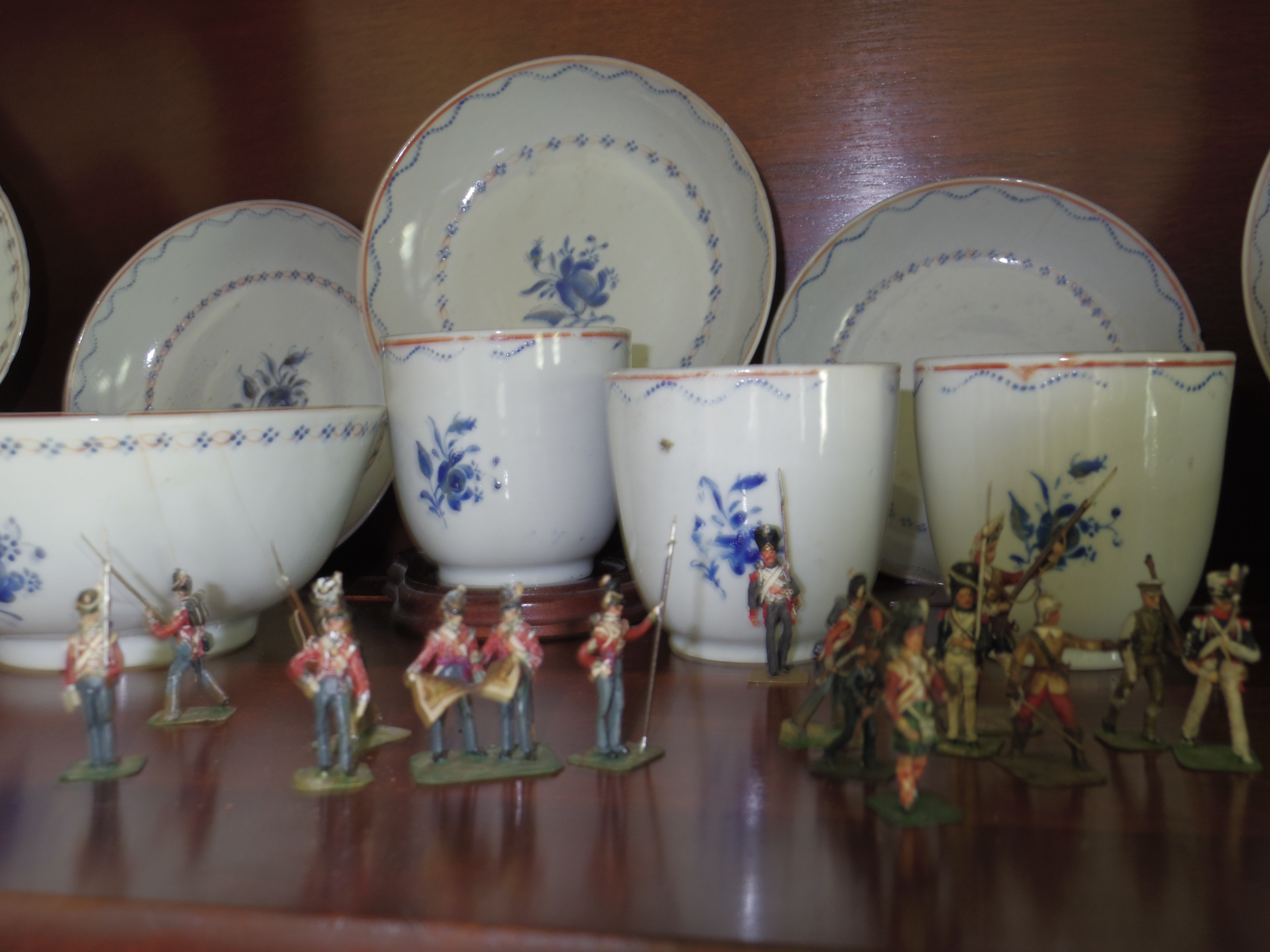
cups

“Your great-great-great-great-grandmother had these cups, when she was married,” said Hepzibah to Phoebe. “She was a Davenport, of a good family. They were almost the first teacups ever seen in the colony; and if one of them were to be broken, my heart would break with it. But it is nonsense to speak so about a brittle teacup, when I remember what my heart has gone through without breaking.”

I had no plans for the 4th of July, so I finished reading The House of Seven Gables by Nathaniel Hawthorne, which I had started (prompted by daughter #2) while on my vacation in Florida. What a great way to spend a good chunk of a day off! It is, indeed, a luxury to be able to read, uninterrupted, for any length of time during the daytime hours when one is a working person who normally crawls into bed exhausted quite early.

I must say, I agree with daughter #2 that old Nathaniel Hawthorne is wonderful and should not be relegated to the reading lists of bored high schoolers.

Published in 1851, the same year as Moby-Dick, The House of Seven Gables explores themes of guilt, retribution, and atonement in a New England family and includes supernatural aspects and witchcraft.

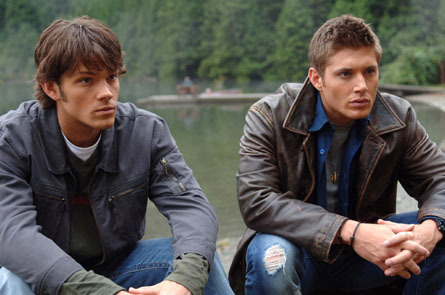
dean-and-sam

I wonder what Dean and Sam would think of it?

But I digress…The story was inspired by a gabled house in Salem belonging to Hawthorne’s cousin Susanna Ingersoll and by those of Hawthorne’s ancestors who played a part in the Salem Witch Trials of 1692. Since we are descendants of one of the teenage girls who was a chief accuser in those same trials (Ann Putnam), I can relate.

It is extremely readable and modern in its approach and organization. I was impressed and will read more Hawthorne! How did I miss him in all my years of reading?

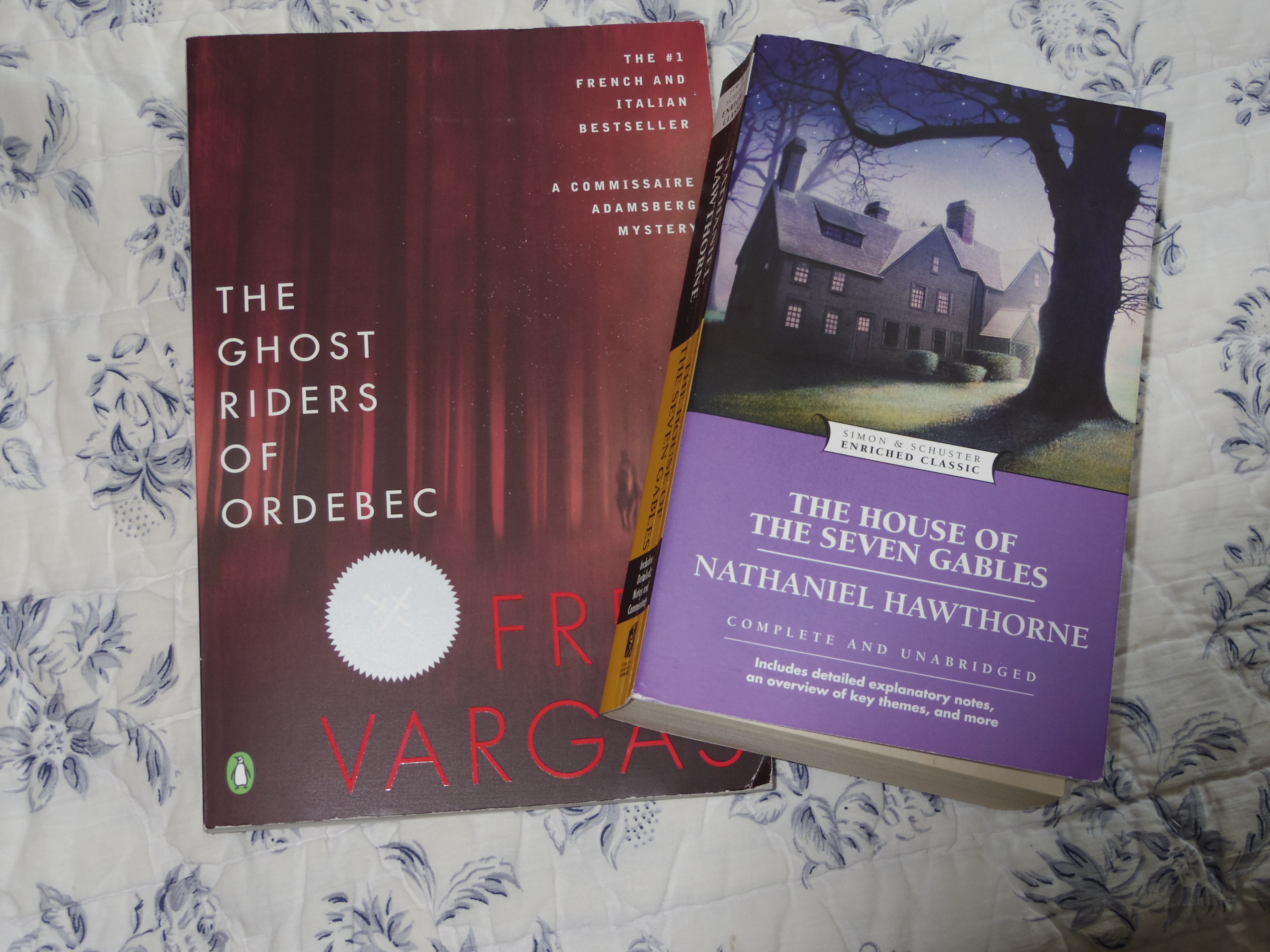
books2

Now I am going to read Fred Vargas’ newest Commissaire Adamsberg mystery The Ghost Riders of Ordebec. If you are not acquainted with Fred Vargas, you should be. I am not a big fan of mysteries, but I like her very much.

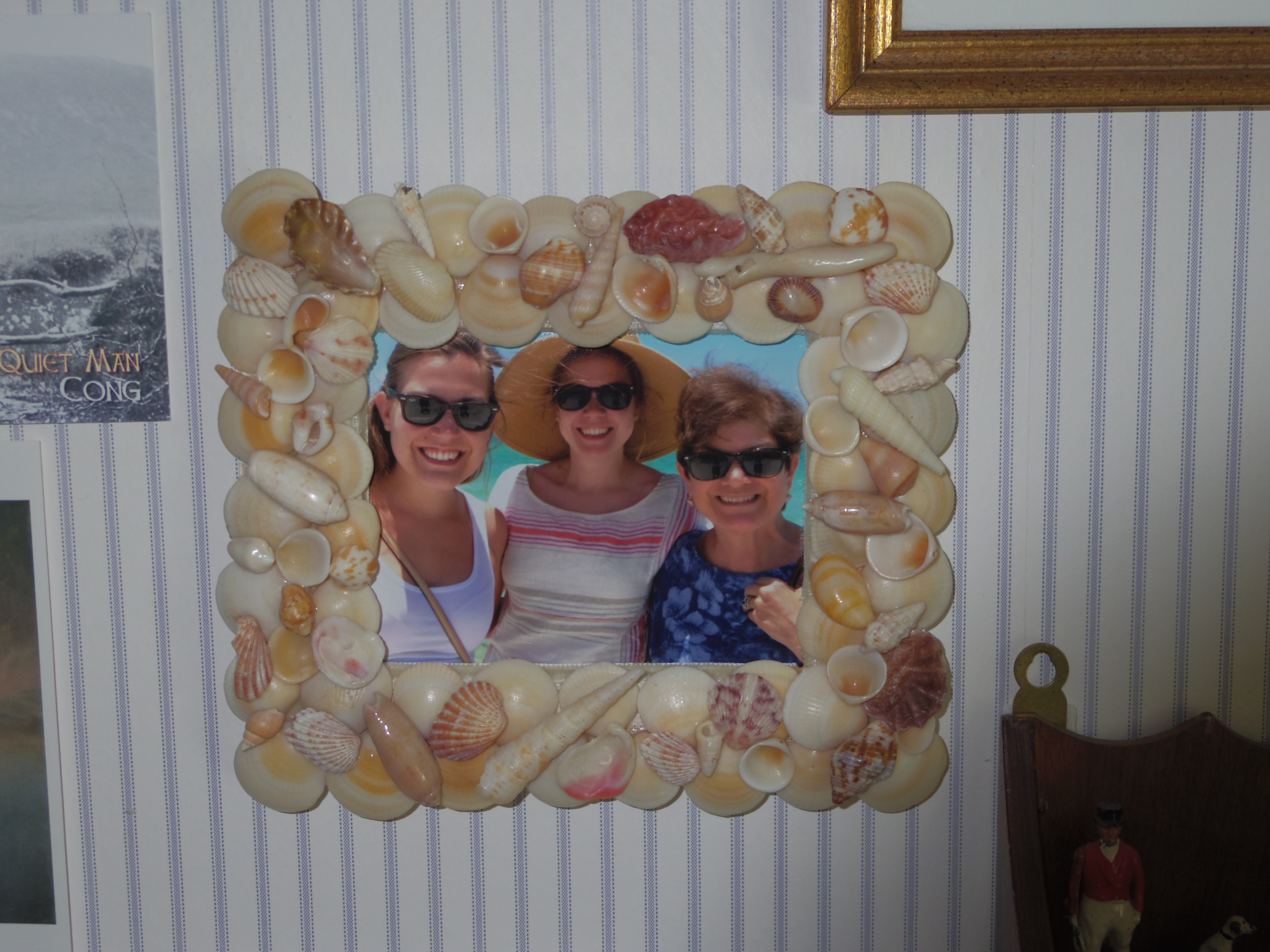
I also framed a Florida memory in an estate sale frame

IMGPfloridapic0081

and hung it on my office wall.

wallpics2

Well, it’s the little things in life that make us the most happy, right? That and fireworks on the levee!

Randys-Fireworks