dual personalities

Tag: quotes

Let me think about that for a moment

by chuckofish

greenleaves 3

Here is some food for thought on this Thursday n November. Take a moment (or two or three) for some deep thoughts.

1. “The trouble with you,” Walter had said in a recent phone conversation, “is that you’re too prepared. You don’t give the Holy Spirit room to do wondrous things. You need to take risks now and then–that’s what makes life snap, crackle and pop.”

–Jan Karon, At Home in Mitford

2. “When I was an object of much contempt and derision in the university,” he later wrote, “I strolled forth one day, buffeted and afflicted, with my little Testament in my hand … The first text which caught my eye was this: ‘They found a man of Cyrene, Simon by name; him they compelled to bear his cross.'”

–Charles Simeon

3. “That man is the richest whose pleasures are the cheapest.”

–Henry David Thoreau

4.

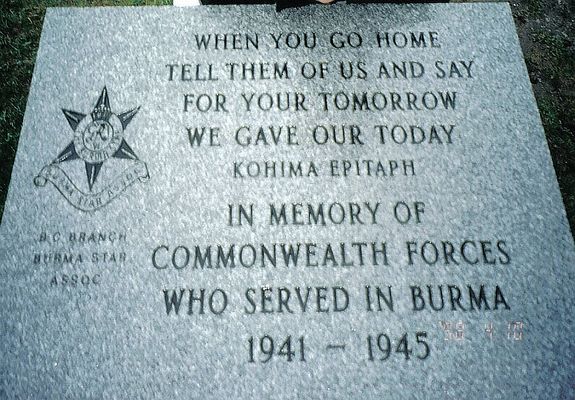
British 2nd Division at Kohima, India war memorial

British 2nd Division at Kohima, India war memorial

Discuss among yourselves.


Strengthen such as do stand

by chuckofish

Today is the lesser feast day of evangelical Anglican Charles Simeon (1759–1836) on the Episcopal calendar. Simeon is best known for serving Holy Trinity Church, Cambridge, and Cambridge University for 54 years, practicing and popularizing biblical, expository preaching and pioneering on-campus discipleship among university students. He is also credited with starting the evangelical revival in the Church of England.

Two hundred years ago students at the English Universities were required to attend church regularly, and to receive the Holy Communion at least once a year. This latter requirement often had bad effects, in that it encouraged hypocrisy and an irreverent reception of the sacrament. Occasionally, however, it had a very good effect, as with the Cambridge student Charles Simeon. He wrote: “On 29 January 1779 I came to college. On 2 February I understood that at division of term I must attend the Lord’s Supper. The Provost absolutely required it. Conscience told me that, if I must go, I must repent and turn to God.”

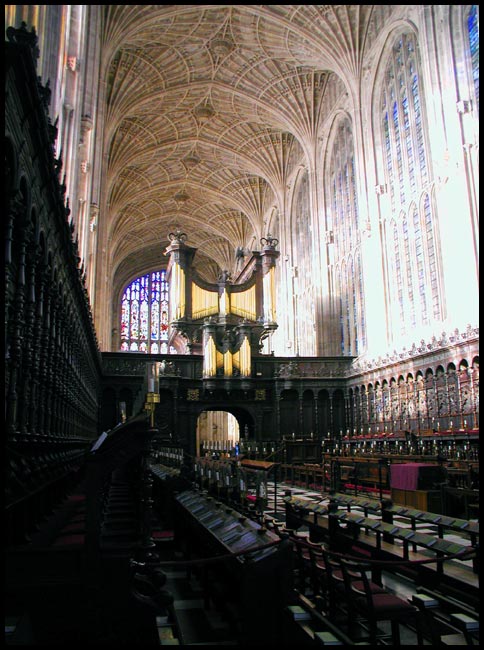
Kings College Chapel

Kings College Chapel

By this experience his life was transformed. Upon finishing his college work he was ordained, and shortly appointed chaplain of Holy Trinity, Cambridge, where he remained for 55 years, until shortly before his death on 12 November 1836. His ministry helped to transform the lives of many undergraduates, of whom we may mention two in particular. Henry Martyn inspired by Simeon, abandoned his intention of going into law and instead devoted his life and his considerable talents to preaching the Gospel in India and Persia. William Wilberforce, also led in part by Simeon’s ministry of teaching and example, devoted his life to the abolition of slavery throughout the British Empire. Simeon’s enthusiasm and zeal brought him much ridicule and abuse, which he bore uncomplainingly. Though he himself remained in one place, his influence extended through the Anglican world. (Lectionary Home Page)

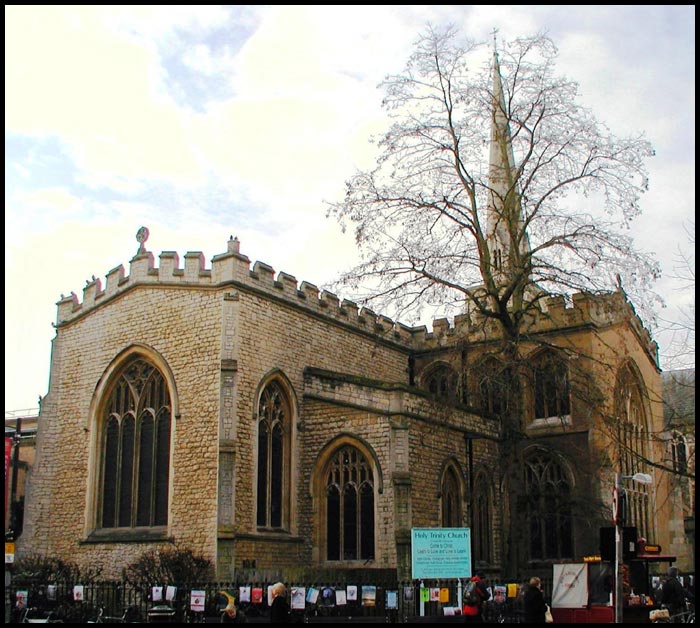
Holy Trinity, Cambridge

Holy Trinity, Cambridge

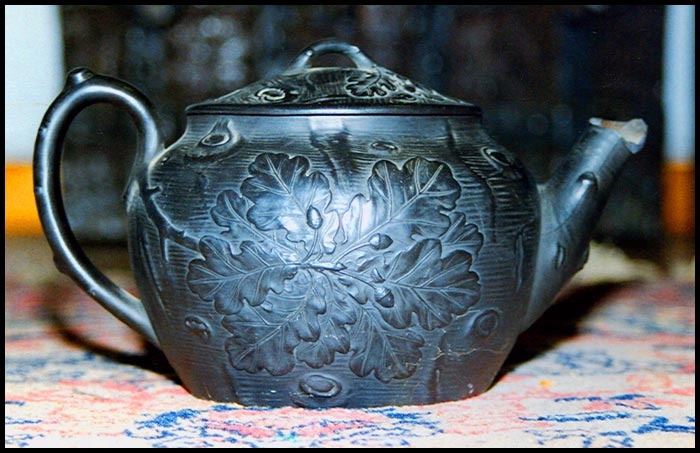
Simeon's black Wedgewood teapot used at his Friday night Conversation Parties

Simeon’s black Wedgewood teapot used at his Friday night Conversation Parties

Simeon's preaching Bible

Simeon’s preaching Bible

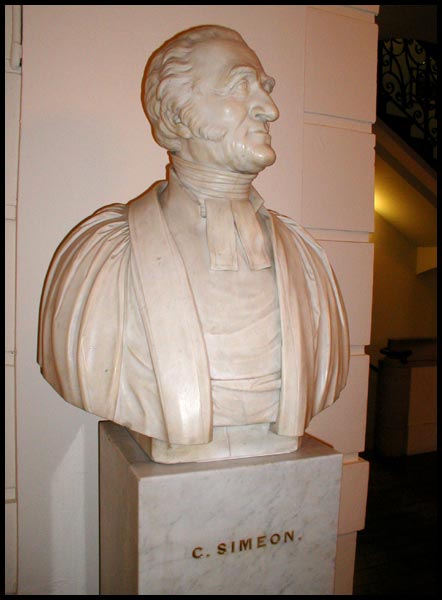
Bust of Simeon just outside the entrance to the Gonville and Caius Library.

Bust of Simeon just outside the entrance to the Gonville and Caius Library.

Simeon prayed the following prayer each Sunday before delivering his sermon:

“O God, who hast caused all Holy Scriptures to be written for our hearing, be with us now to sanctify unto us the truths that shall be delivered from them.
“Be with us especially to enlighten our minds by the Holy Spirit; and by the mighty working of thy power, bring in to the way of truth all such as have erred and are deceived.
“Be pleased also O Lord, to strengthen such as do stand, and comfort and help the weak hearted, and raise up them that fall, and finally to beat down Satan under all our feet.
“All this we humbly ask in the name and for the sake of Jesus Christ our Lord. Amen.”

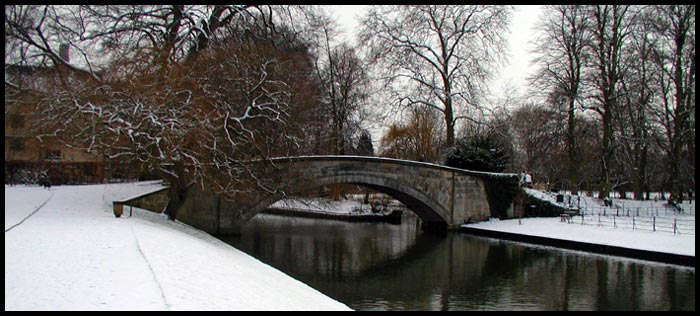
Looking south, down the River Cam, is Simeon's Bridge. In 1816 Simeon financed the major portion of this bridge connecting King's College property on both sides of The Backs. This is also the river into which Simeon threw a guinea (coin) as a self-prescribed punishment for not rising at the hour to which he had committed himself for Bible reading and prayer.

Looking south, down the River Cam, is Simeon’s Bridge. In 1816 Simeon financed the major portion of this bridge connecting King’s College property on both sides of The Backs. This is also the river into which Simeon threw a guinea (coin) as a self-prescribed punishment for not rising at the hour to which he had committed himself for Bible reading and prayer.

I like that prayer. And I want to go to there.

Photos are from the Charles Simeon website.


“He was a good man. Make sure that it says so on the patrol report.”*

by chuckofish

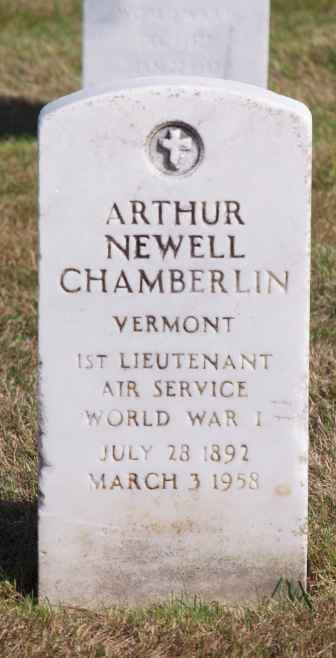
Arthur Newell Chamberlin grave

Our grandfather’s grave in San Francisco

Veterans Day was once known as Armistice Day. The term comes from an armistice between Germany and the Allied Nations on November 11, 1918. World War I actually ended on June 28, 1919, during the Treaty of Versailles. The first Armistice Day was acknowledged on November 11, 1919.

On June 1, 1954, Armistice Day had its named changed to Veterans Day, so that the veterans of WWII and all the men and women who have served in the U.S. Armed Forces would be honored.

So take some time today to think about your ancestors who served their country in the Armed Forces. A favorite fighting ancestor of mine is Moses Wheeler who fought in the French and Indian War. He was a soldier on the frontier as early as 1746,

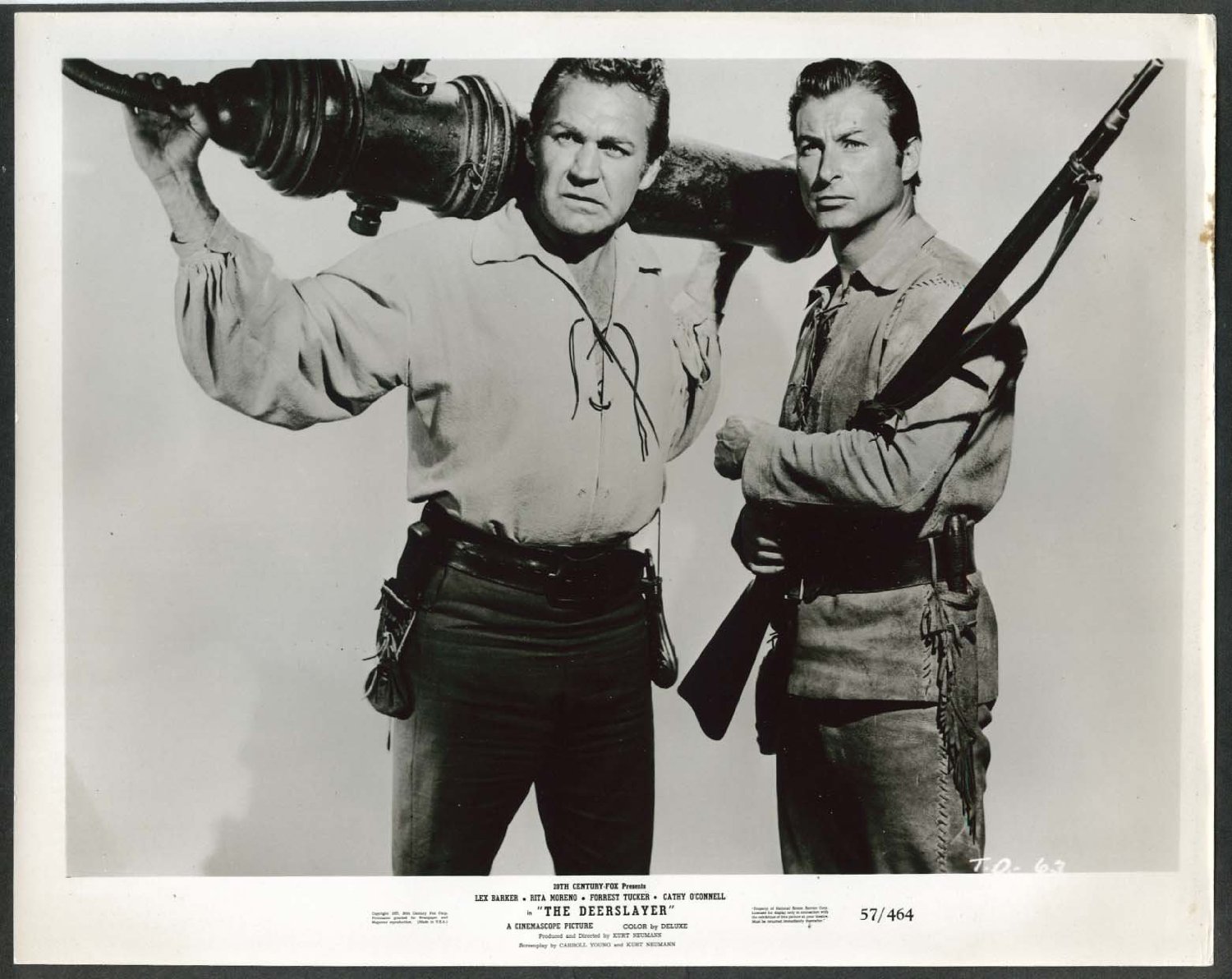
and was one of the company of Capt. Stevens in his celebrated defense of the Fort at No. 4…and was also with Hobbs in his terrible encounter with Sackett…[Wheeler] was a very large man, yet of good proportions, and was said to have been, in his prime, the strongest man in the cordon of forts on the frontier. One time Wheeler and five others were detailed to take a cannon to the top of Hoosac Mountain. It appeared to some of them a hard task and they stood around it a long time earnestly discussing the way in which it should be done. At length, tiring of their suggestions, Wheeler threw up his arms, at the same time exclaiming “Stand aside boys, I am going to take the cannon up the mountain myself,” and swinging it upon his shoulder bore it to the place which had been designated for it, pausing only once for rest upon the way.

It is related that the reason of his pausing as he did was to get a drink from a spring which he saw bubbling up beside his path. As soon as he saw this he flung his cannon from his shoulder and throwing himself flat on his stomach, the more readily to get at the water, he commenced drinking, as the soldiers expressed it, “like a horse.” Thinking he would kill himself they warned him to desist, but as he gave no heed to their admonition three of them seized one leg and two the other and drew him forcibly away. He thought it rather hard usage but concluded on the whole it was best to submit to it. After resting awhile he again resumed his cannon and bore it to its place, when he found that he had burst his shoes open which were new when he started from the foot of the mountain, and his pantaloons were such a wreck that they were good for nothing afterwards. The officers and soldiers were, however, so pleased with his exploit they they clubbed together and very generously more than made up the loss. After this he became quite a hero to the Indians, who, whenever they came where he was, always wanted to see “The Strong Man.”

(History of Charlestown, New-Hampshire by Rev. Henry H. Saunderson, 1876)

If this story sounds a bit familiar, it is because James Fenimore Cooper used some of Wheeler’s story to embellish a character in The Deerslayer. In the 1957 movie he was played by Forrest Tucker.

71SddV15GAL._SL1500_

Is it any wonder that 240 years later we named the boy after this ancestor?

If I had a copy of The Deerslayer, I would surely watch it tonight.  I’ll find something suitable. How about you?

*John Wayne in Operation Pacific

Smoting the Babylonian Dame

by chuckofish

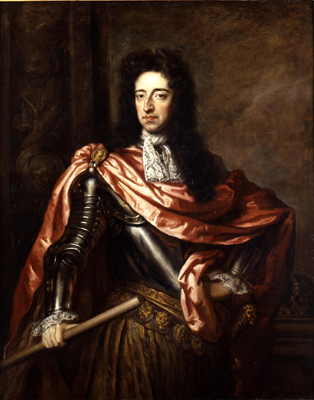
On this day in 1688, William of Orange invaded England in an action that ultimately deposed King James II and won him the crowns of England, Scotland and Ireland. Huzzah!

King_William_III_of_England,_(1650-1702)_(lighter)

William’s mother, Mary Stuart, was the oldest daughter of King Charles I and sister of King Charles II and King James II.  His wife was the daughter of King James II and his cousin. I can never keep all that royal genealogy straight, can you? I had forgotten that old William was the grandson of Charles I. It’s good to dust off the history books once in awhile, eh?

You will recall that the OM’s ancestor Henry Compton, the Bishop of London, crowned William King a few months later. He reigned jointly with his wife, Mary II, until her death in 1694–as William and Mary–and then alone until his death in 1702.

So a toast to William and Mary is definitely in order tonight, and to the Glorious Revolution when

Englands Church so much opprest
Of all its Rights now re-possest,
With all its Sacred Glories blest,
it shines in Heavenly splendor,
May it ever so endure,
And everlasting peace procure,
For him who keeps our Church secure,
and crush’d the Romish Grandieur.

(For the whole poem (ENGLANDS Triumph, OR, The Kingdoms Joy for the proclaiming of King William , and His Royal Consort, Queen Mary , in
the Throne of ENGLAND , on the 13th. of this instant February . 1688. To the Tune of, Thundering Cannons roar, click here.)


An attitude of gratitude

by chuckofish

givethanks

It being November again (!) it seems liked a good time to talk about thankfulness. “Nothing,” says Billy Graham “turns us into bitter, selfish, dissatisfied people more quickly than an ungrateful heart. And nothing will do more to restore contentment and the joy of our salvation than a true spirit of thankfulness.”

I have been re-reading Jan Karon’s seventh Mitford book In This Mountain and this is one of her main themes. Toward the end of the book, Father Tim preaches on this very subject (and I Thessalonians 5:18).

I admit to you that although I often thank God for my blessings, even the smallest, I haven’t thanked Him for my afflictions.

I know the fifth chapter of First Thessalonians pretty well, yet it just hadn’t occurred to me to actually take Him up on this notion. I’ve been too busy begging Him to lead me out of the valley and onto the mountaintop. After all, I have work to do, I have things to accomplish…alas, I am the White Rabbit everlastingly running down the hole like the rest of the common horde.

I want to tell you that I started thanking Him last night–this morning at two o’clock, to be precise–for something that grieves me deeply. And I’m committed to continue thanking Him in this hard thing, no matter how desperate it might become, and I’m going to begin looking for good in it. Whether God caused it or permitted it, we can rest assured–there is great good in it.

So no matter what happens to us, no matter how difficult our situation or how much our friends disappoint us, no matter how alone we feel–we must never forget that God is with us. No matter what happens, God has promised that He will be with us in whatever tribulation or trial that comes. God will not waste this experience. He doesn’t waste anything. And so we are thankful for everything. We try to be anyway.

Nobody said it would be easy, right?


“Everything passes, only the truth remains.”*

by chuckofish

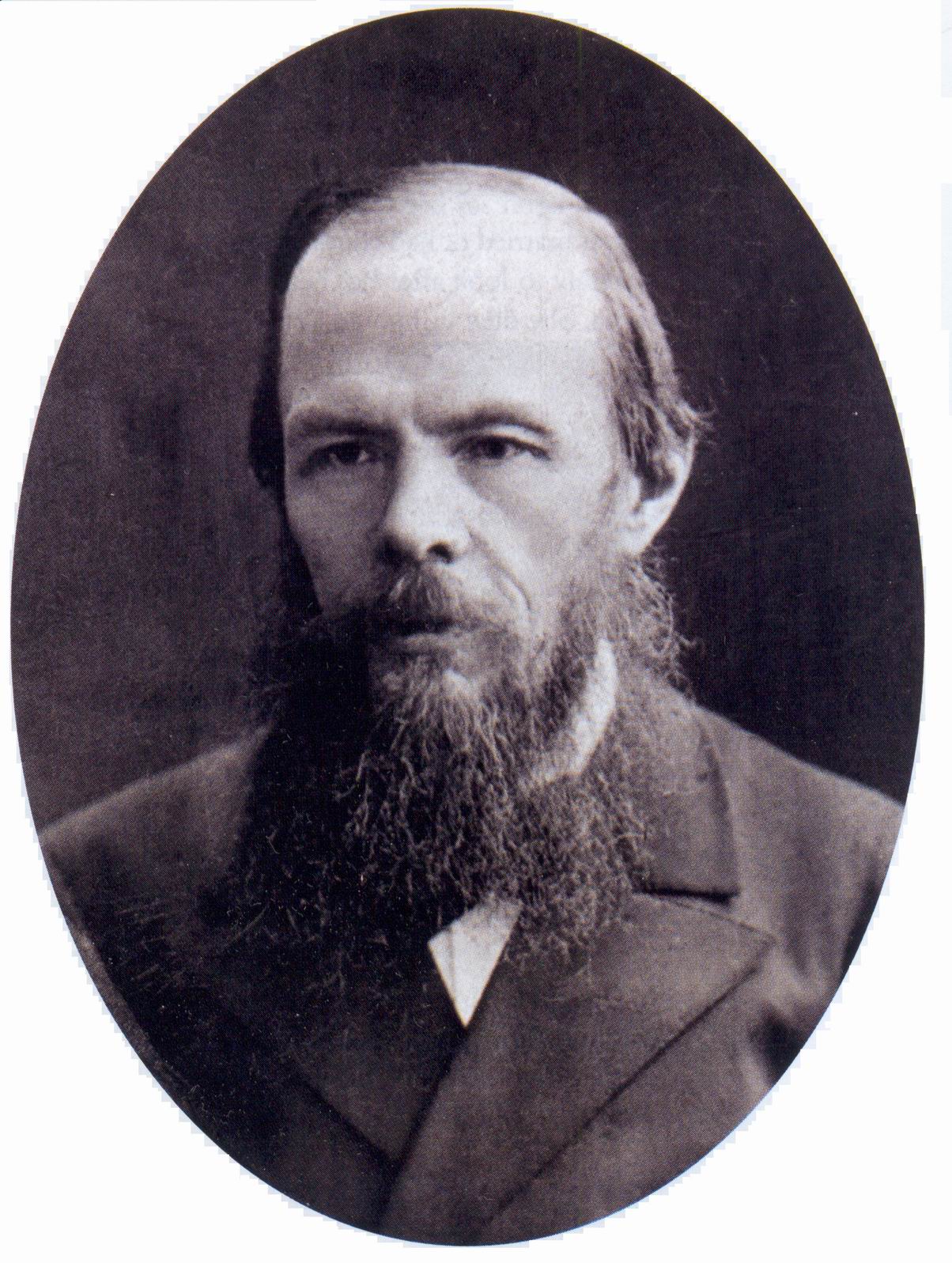
According to some sources, Fyodor Dostoyevsky was born on this day in 1821.

Dostoevsky

Russian novelist, short story writer, essayist, journalist, and philosopher, Dostoyevsky was also, Malcolm Muggeridge wrote, “a God-possessed man if ever there was one, as is clear in everything he wrote and in every character he created.”

“What’s mystery? Everything’s mystery, my friend, everything is God’s mystery. There’s mystery in every tree, in every blade of grass. When a little bird sings or all those many, many stars shine in the sky at night–it’s all mystery, the same one. But the greatest mystery is what awaits man’s soul in the world beyond, and that’s the truth, my boy….

…No, my friend, you’ve got me wrong; I’ve always respected science since I was a boy and, although I can’t understand it myself, that’s all right: science may be beyond my ken, but it is within the ken of other men. And it’s best that way because then everyone has what comes to him, and not everyone is made to understand science…”

–Fyodor Dostoyevsky, The Adolescent

Fyodor and I are on the same page.

I have read Crime and Punishment and a wonderful book of excerpts edited by the Bruderhof, The Gospel in Dostoyevsky. I think it is time for me to tackle The Brothers Karamazov this winter. I have read parts, but never the whole thing.

So a toast to the great Dostoyevsky! Поехали! (Let’s get started!)

* Father Zossima in The Brothers Karamazov 

“In silence the three of them looked at the sunset and thought about God.”*

by chuckofish

trees

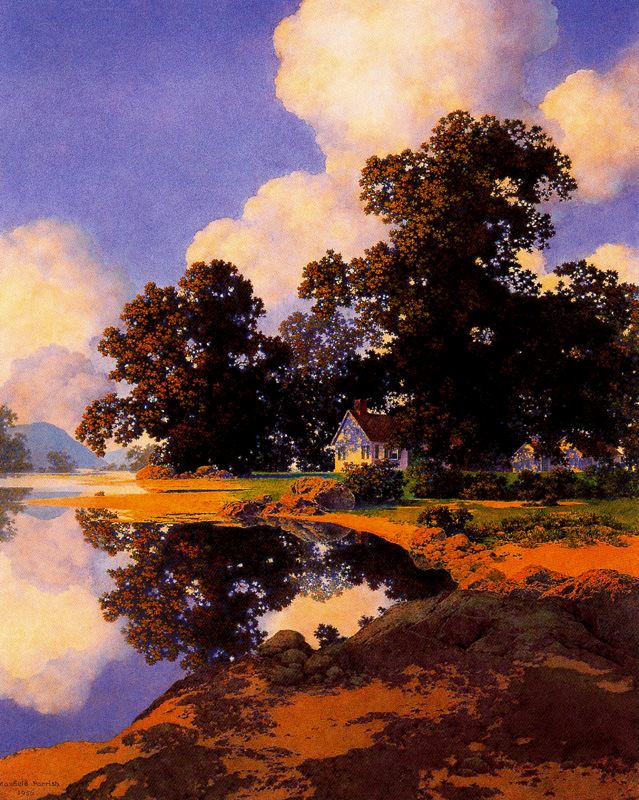
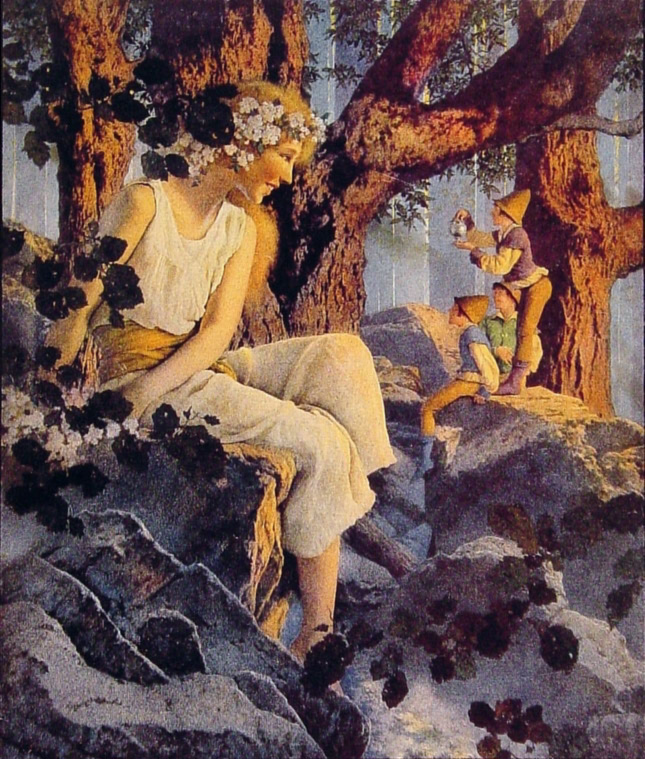
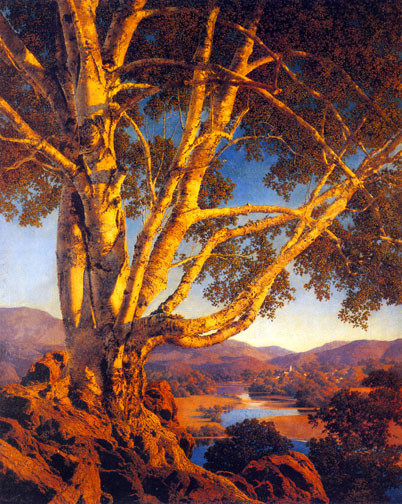
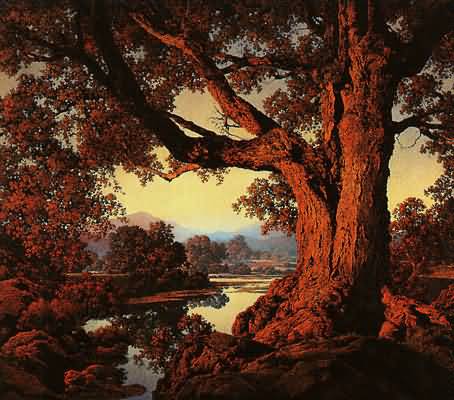
This is one of the trees in my front yard. These last few days of Indian Summer have really reminded me of Maxfield Parrish paintings–especially the light at the end of the day when the setting sun reflects so beautifully off of the orange leaves.

Maxfield Parrish (2)

Maxfield-Parrish-Girl-wit1

MAXFIELD-PARRISH-OLD-WHITE-BIRCH

maxfield-parrish-riverbank-in-autumnKnow what I mean?

If you haven’t noticed, be sure to look this evening.

*Maude Hart Lovelace, Betsy-Tacy and Tib

In Xanadu

by chuckofish

Samuel Taylor Coleridge, a leader of the British Romantic movement and famous opium addict, was born on this day in 1772, in Devonshire, England.

In honor of his birthday, here is one of his famous poems to read aloud.

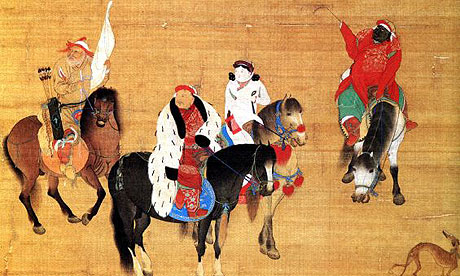
xanadtaipeinationalmuseum46

Kubla Khan Or a Vision in a Dream. A Fragment

In Xanadu did Kubla Khan

A stately pleasure-dome decree:

Where Alph, the sacred river, ran

Through caverns measureless to man

Down to a sunless sea.

So twice five miles of fertile ground

With walls and towers were girdled round;

And there were gardens bright with sinuous rills,

Where blossomed many an incense-bearing tree;

And here were forests ancient as the hills,

Enfolding sunny spots of greenery.


But oh! that deep romantic chasm which slanted

Down the green hill athwart a cedarn cover!

A savage place! as holy and enchanted

As e’er beneath a waning moon was haunted

By woman wailing for her demon-lover!

And from this chasm, with ceaseless turmoil seething,

As if this earth in fast thick pants were breathing,

A mighty fountain momently was forced:

Amid whose swift half-intermitted burst

Huge fragments vaulted like rebounding hail,

Or chaffy grain beneath the thresher’s flail:

And mid these dancing rocks at once and ever

It flung up momently the sacred river.

Five miles meandering with a mazy motion

Through wood and dale the sacred river ran,

Then reached the caverns measureless to man,

And sank in tumult to a lifeless ocean;

And ’mid this tumult Kubla heard from far

Ancestral voices prophesying war!

The shadow of the dome of pleasure

Floated midway on the waves;

Where was heard the mingled measure

From the fountain and the caves.

It was a miracle of rare device,

A sunny pleasure-dome with caves of ice!


A damsel with a dulcimer

In a vision once I saw:

It was an Abyssinian maid

And on her dulcimer she played,

Singing of Mount Abora.

Could I revive within me

Her symphony and song,

To such a deep delight ’twould win me,

That with music loud and long,

I would build that dome in air,

That sunny dome! those caves of ice!

And all who heard should see them there,

And all should cry, Beware! Beware!

His flashing eyes, his floating hair!

Weave a circle round him thrice,

And close your eyes with holy dread

For he on honey-dew hath fed,

And drunk the milk of Paradise.
If you prefer, here is the great Sir Ralph Richardson reciting the poem: 

http://www.dailymotion.com/video/xjn7vh_samuel-taylor-coleridge-kubla-khan-ralph-richardson_creation

Here is the deepest secret nobody knows

by chuckofish

"The Tree of Life", 1909, Gustav Klimt

“The Tree of Life”, 1909, Gustav Klimt

Yesterday was the birthday of e.e. cummings, the poet, essayist, author,  playwright, and Unitarian (October 14, 1894 – September 3, 1962). So I thought I’d share this famous poem of his which I like very much.

i carry your heart with me(i carry it in
my heart) i am never without it(anywhere
i go you go, my dear; and whatever is done
by only me is your doing, my darling)
                                                      i fear
no fate (for you are my fate, my sweet) i want
no world (for beautiful you are my world, my true)
and it’s you are whatever a moon has always meant
and whatever a sun will always sing is you

here is the deepest secret nobody knows

(here is the root of the root and the bud of the bud
and the sky of the sky of a tree called life; which grows
higher than soul can hope or mind can hide)
and this is the wonder that’s keeping the stars apart

i carry your heart (i carry it in my heart)

If you want to read more about Cummings, here’s an interesting article  by Susan Cheever.

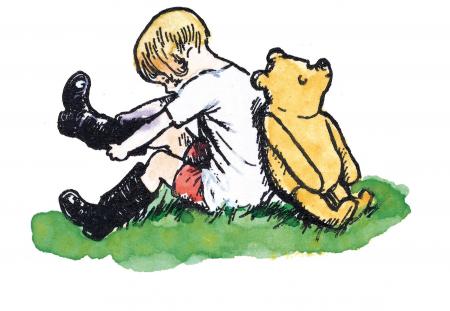
“When you see someone putting on his Big Boots, you can be pretty sure that an Adventure is going to happen.”

by chuckofish

Mottisfont - Winnie the Pooh, -® The E.H.Shepard Trust reproduced with permission of Curtis Brown Group

On this day in 1926 Winnie-the-Pooh by A.A. Milne was published in England.

As I have mentioned before, our pater was a big fan of Winnie-the-Pooh, and, therefore, so were we. No one read A.A. Milne’s stories and poems better than our father. This ability was one of his most endearing qualities.

So in honor of old A.A. Milne, maybe we should put on our Big Boots and have an adventure! But first we need some of these I guess.

Side note: It has been raining cats and dogs here for days on end. Big Boots have been on my mind.