dual personalities

Tag: History

No time to read?

by chuckofish

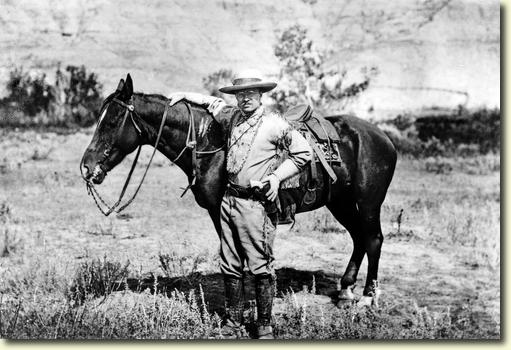
“Once upon a time in the dead of winter in the Dakota Territory, Theodore Roosevelt took off in a makeshift boat down the Little Missouri River in pursuit of a couple of thieves who had stolen his prized rowboat. After several days on the river, he caught up and got the draw on them with his trusty Winchester, at which point they surrendered. Then Roosevelt set off in a borrowed wagon to haul the thieves cross-country to justice. They headed across the snow-covered wastes of the Badlands to the railhead at Dickinson, and Roosevelt walked the whole way, the entire 40 miles. It was an astonishing feat, what might be called a defining moment in Roosevelt’s eventful life. But what makes it especially memorable is that during that time, he managed to read all of Anna Karenina. I often think of that when I hear people say they haven’t time to read.”

― David McCullough

roosevelt

They sure don’t make ’em like him anymore.

Happy birthday, Oliver Cromwell!

by chuckofish

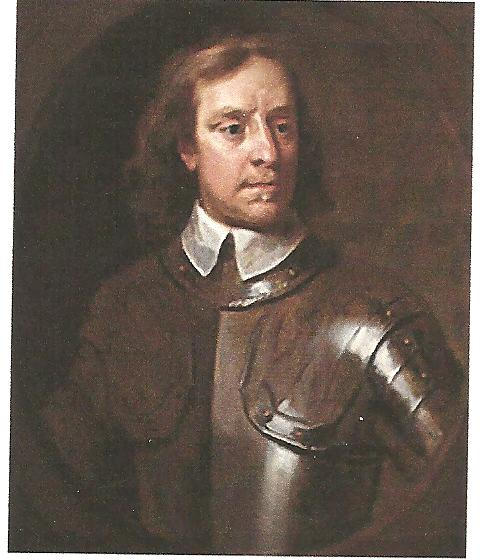
Well, this week we celebrate the birthdays of many worthy souls, but I have to say, none so worthy as Oliver Cromwell (25 April 1599 – 3 September 1658). I do love old Oliver, great-great-great-nephew, by the way, of another favorite, Thomas Cromwell. As an American and a member of the “rabble,” a lover of liberty, as a believer in public education for all and a Puritan at heart, I certainly sympathize with this Roundhead who rebelled against the absolute power of the monarchy and the divine right of kings.

“I had rather have a plain russet-coated captain that knows what he fights for, and loves what he knows, than that which you call a gentleman and is nothing else.”

–Letter from Cromwell to Sir William Spring. Sept. 1643

Indeed.

“I confess I have an interest in this Mr Cromwell; and indeed, if truth must be said, in him alone. The rest are historical, dead to me; but he is epic, still living. Hail to thee, thou strong one; hail across the longdrawn funeral-aisle and night of time!…”

Thomas Carlyle, Historical Sketches

oliver cromwell

You either love him or hate him. But even those who despise him, have to admit he was a good Protector of England.

“To give the devil (Cromwell) his due, he restored justice, as well distributive as comutative, almost to it’s ancient dignity and splendour; the judges without covetousness discharging their duties according to law and equity…..His own court also was regulated according to a severe discipline; here no drunkard, nor whoremonger, nor any guilty of bribery, was to be found, without severe punishment. Trade began again to prosper; and in a word, gentle peace to flourish all over England.”

Physician to the Cromwellian Court, George Bate, Post-Restoration indictment of his master Oliver Cromwell.

There seems to be little middle ground.

“He was a practical mystic, the most formidable and terrible of all combinations, uniting an aspiration derived from the celestial and supernatural with the energy of a mighty man of action; a great captain, but off the field seeming, like a thunderbolt, the agent of greater forces than himself ; no hypocrite, but a defender of the faith; the raiser and maintainer of the Empire of England.”

Lord Rosebery, in W.C. Abbott, The Writings and Speeches of Oliver Cromwell

I can relate to that “practical mystic.”

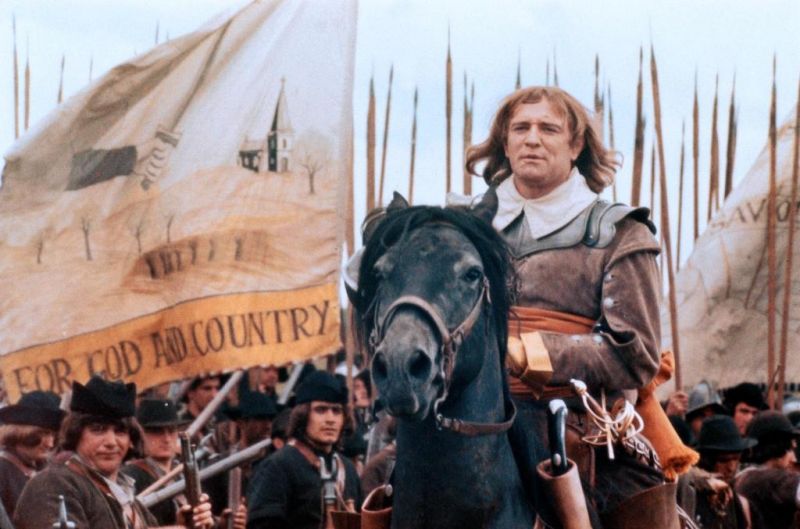
Anyway, I think this is a perfect occasion to watch Cromwell (1970) starring Richard Harris as Cromwell and Alec Guinness as Charles I. This is actually a really good movie, and I think Harris, although an Irishman and raised to be a hater, gets Cromwell just right. It is, indeed, one of his best film roles. Alec Guinness looks eerily like the King and manages to make him real and sympathetic.

richard harris

Here’s a clip to whet your appetite:

While the nearer waters roll

by chuckofish

Remember_John_Wesley,_Wroot

On this day in 1784 Charles Wesley chartered the Methodist Church in America. He believed he could not wait any longer for the Bishop of London to ordain someone for the American Methodists, who were without the sacraments after the American War of Independence. The Church of England had been disestablished in the United States and had not yet appointed a United States bishop for what would become the Protestant Episcopal Church in America. In a bold move Wesley ordained Thomas Coke by the laying on of hands although Coke was already a priest in the Church of England. Wesley appointed him to be superintendent of Methodists in the United States.

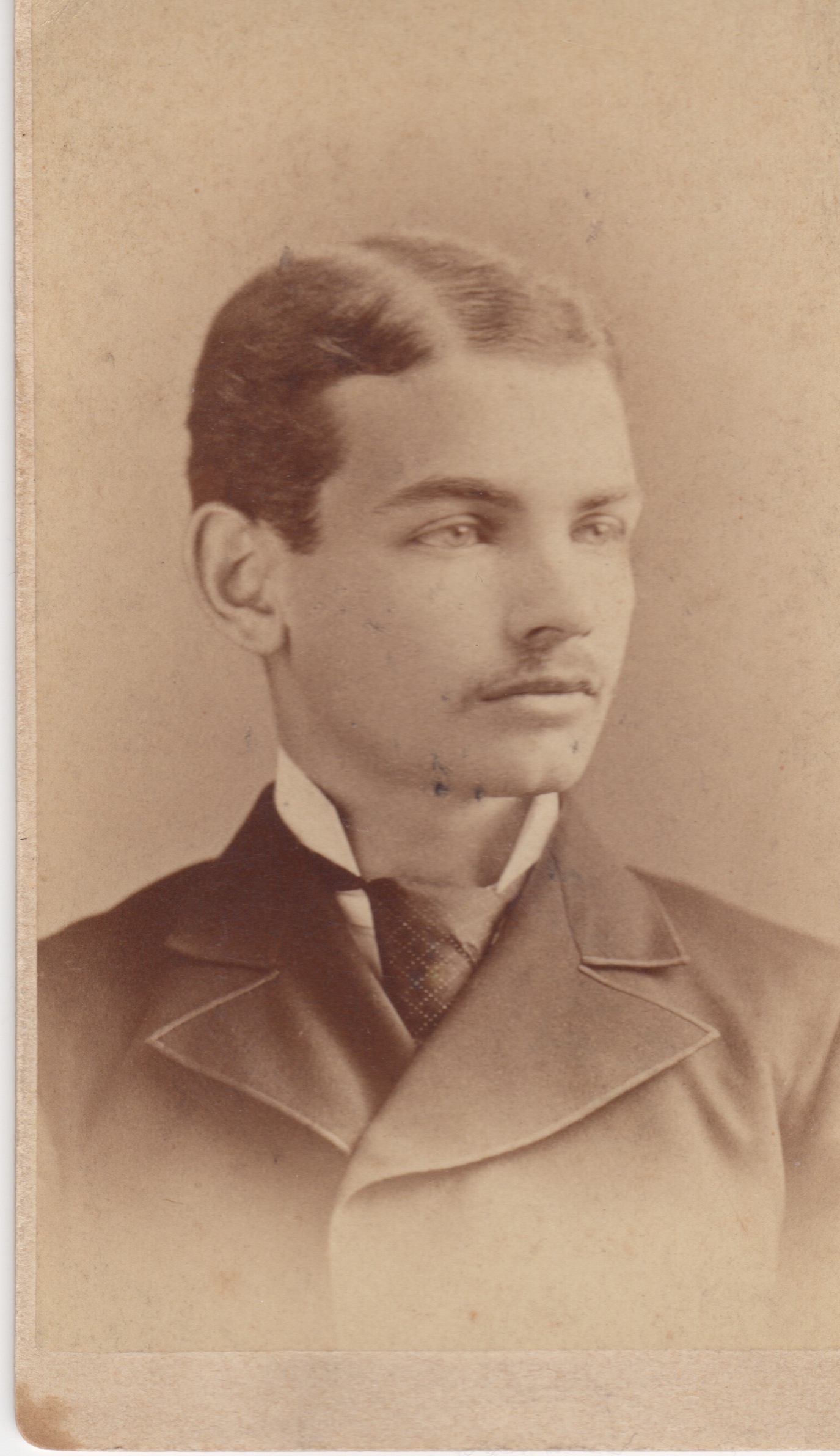
In a side note, Wesleyan University in Middletown, CT (founded in 1831) was the first institution of higher education to be named after John Wesley, the founder of Methodism. About 20 unrelated colleges and universities were subsequently named after Wesley. Several members of our family attended Wesleyan in the 19th century, including the brothers of our great-grandfather William Carnahan. He was thought too sickly to go to college and was sent instead to Colorado for his health.

william carnahan

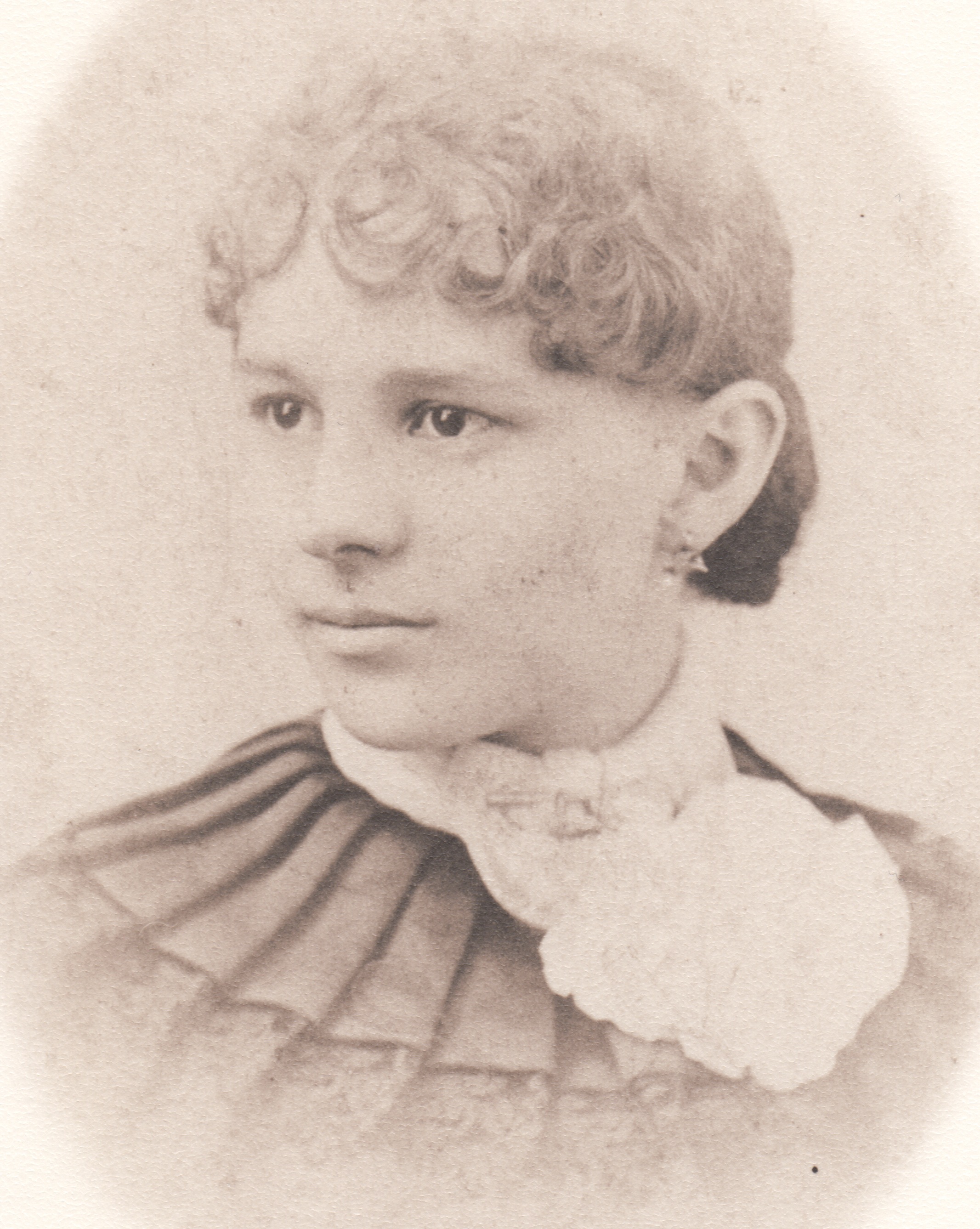
He doesn’t look too fragile to me. Anyway, he met our great-grandmother Anna Barnsley Hough in Lake City.

annahough

Several years later they were married in Las Animas, Colorado, moving to Chicago thereafter. Their youngest child was our maternal grandmother.

None of them were Methodists, although you will remember that Anna’s uncle, the Colorado cattle baron, was named…John Wesley Prowers.

This is how my brain works.

William and Mary loved of old

by chuckofish

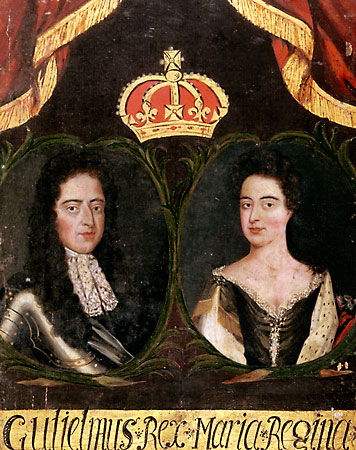
On this day in 1693, the College of William and Mary in Williamsburg, Virginia was granted a charter by King William III and Queen Mary II.

William and Mary

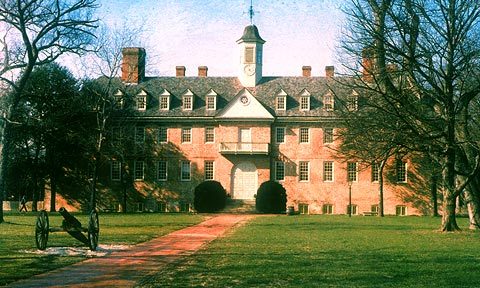
Privately founded in 1693 by letters patent issued by King William III and Queen Mary, it is the second-oldest institution of higher education in the United States after Harvard University. (Some at W&M would argue that point.)

college-of-william-and-mary

U.S. Presidents Thomas Jefferson, James Monroe, and John Tyler were educated at William and Mary, as well as other key figures important in the development of the nation, including U.S. Supreme Court Chief Justice John Marshall, Speaker of the House Henry Clay, and 16 signers of the Declaration of Independence. And lest we forget, John Stewart is a graduate.

I have a Masters Degree (in history) from the College and spent a year living happily in Williamsburg.

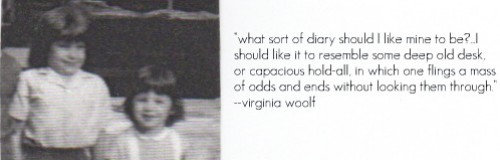
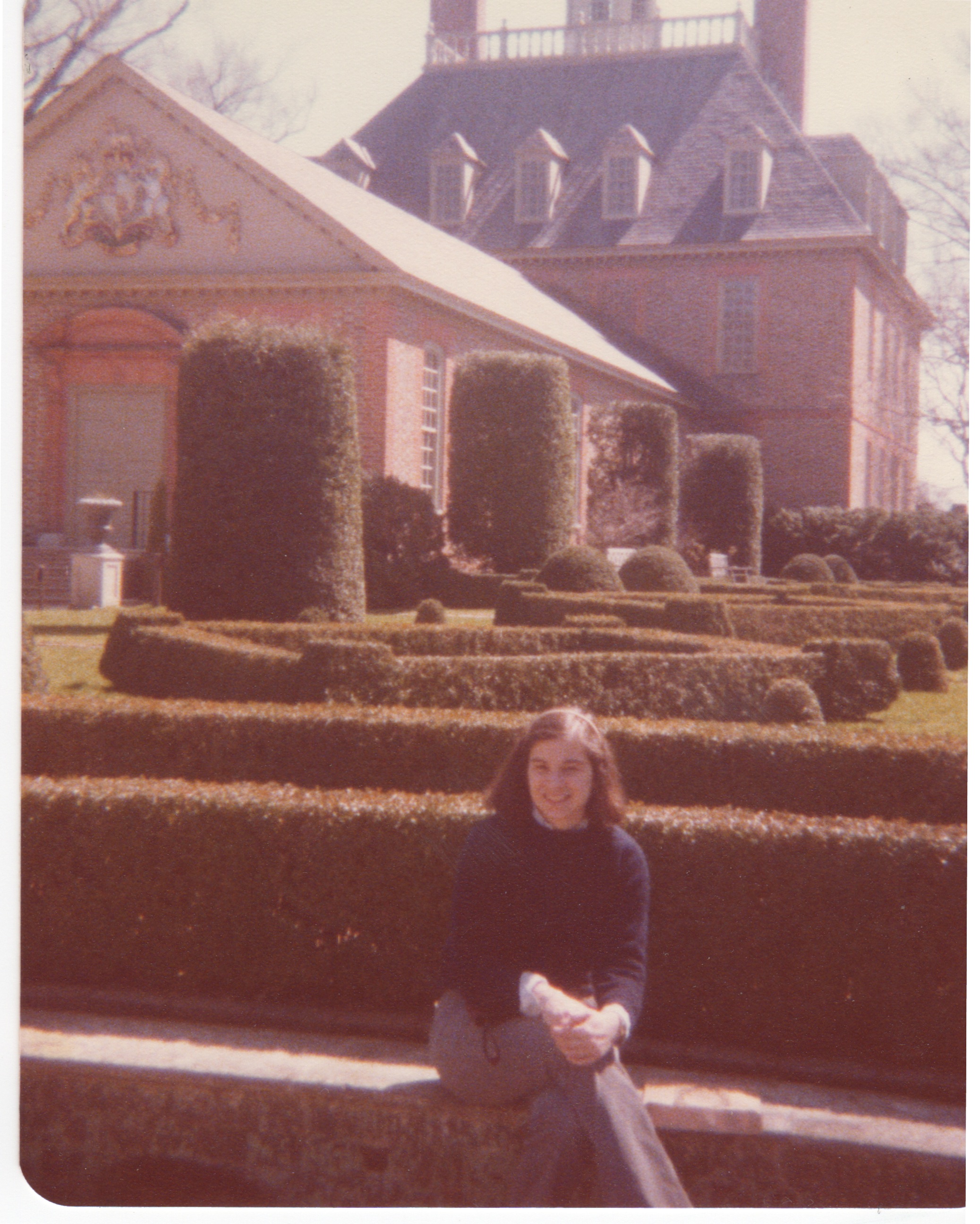
Here is my dual personality in a Williamsburg garden when she visited me during her spring break at Smith.

Here is my dual personality in a Williamsburg garden when she visited me during her spring break at Smith.

I went back almost 30 years later when daughter #2 was visiting colleges in Virginia and North Carolina in 2007. A lot had changed, but much was the same. I was amazed by how little I actually remembered of the campus. Outside of the library and a few classrooms, I guess I didn’t spend a lot of time on campus. I think I had been much more engaged with Colonial Williamsburg, which was and still is a very cool place.

And now for the Interesting Family Sidebar!

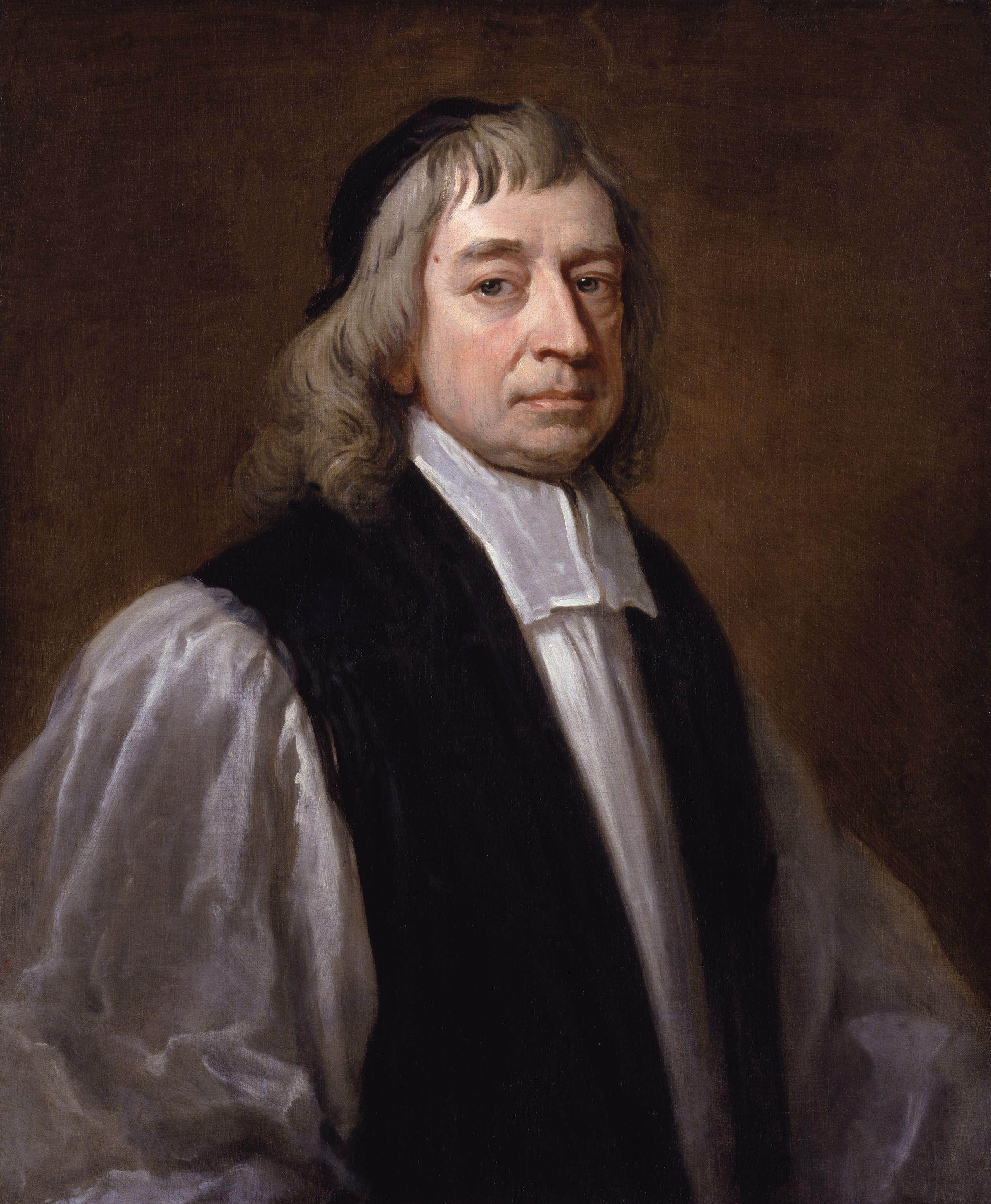
Henry Compton, my husband’s ancestor, was the first chancellor of William and Mary (from 1693–1700 and again from 1707–1713). But this long-distance post was the least of his accomplishments!

Henry Compton was born in 1623, the 6th son of Spencer Compton, the Earl of Northampton. He and his brothers all served with their father during the English Civil War (on the Royalist side–boo). After the death of his father at the Battle of Hopton Heath, Henry left the army and made a career in the Church.

Henry_Compton_by_Sir_Godfrey_Kneller,_Bt

He was made Bishop of Oxford in 1674, and in the following year was translated to the see of London. He was also appointed a member of the Privy Council, and entrusted with the education of the two princesses – Mary and Anne. Being a staunch Protestant, he had nothing but trouble with James II, so it is no surprise that at the Glorious Revolution, Henry Compton embraced the cause of William and Mary. Indeed, he was one of the “Immortal Seven” who invited William to invade England. He stepped up and performed the ceremony of their coronation when others would not. His old position was restored to him, and among other appointments, he was chosen as one of the commissioners for revising the liturgy. During the reign of Anne he remained a member of the Privy Council, and was one of the commissioners appointed to arrange the terms of the union of England and Scotland. However, to his bitter disappointment, his claims to the primacy were twice passed over. He died at Fulham on 7 July 1713 and is buried at Compton Wynyates.

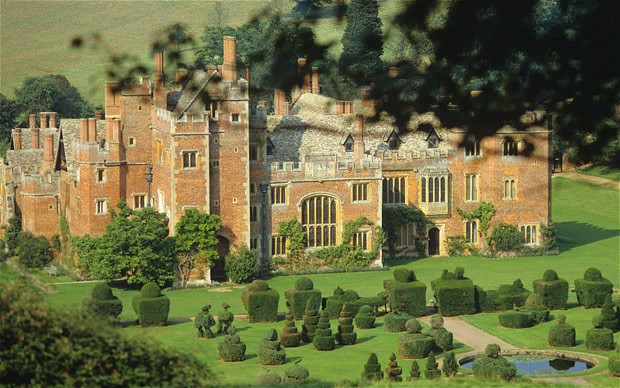
The old family home

The old family home

My husband’s progenitor, however, was actually Henry’s adopted son, the son of his cousin John Compton, who died in battle. Typical. Another hero who is merely a cousin! Well, Henry adopted the 14-year old and it was this man, John Compton II, who went to Maryland where Henry had been given a land grant. From afar, Henry helped set up the Anglican Church in Maryland.

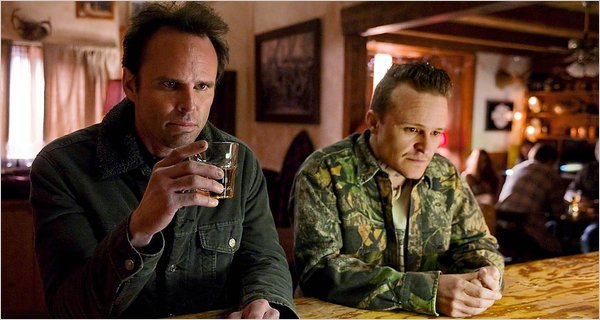
As you can see, the Comptons started off rather brilliantly in this country. Unfortunately they went to seed in Kentucky (not without good reason I’m sure) following the Civil War and for some generations were probably akin to some of our favorite characters on “Justified”.

JUSTIFIED-1-articleLarge

All families have their ups and downs! It keeps us humble, right?

Rest in peace, Winston Churchill

by chuckofish

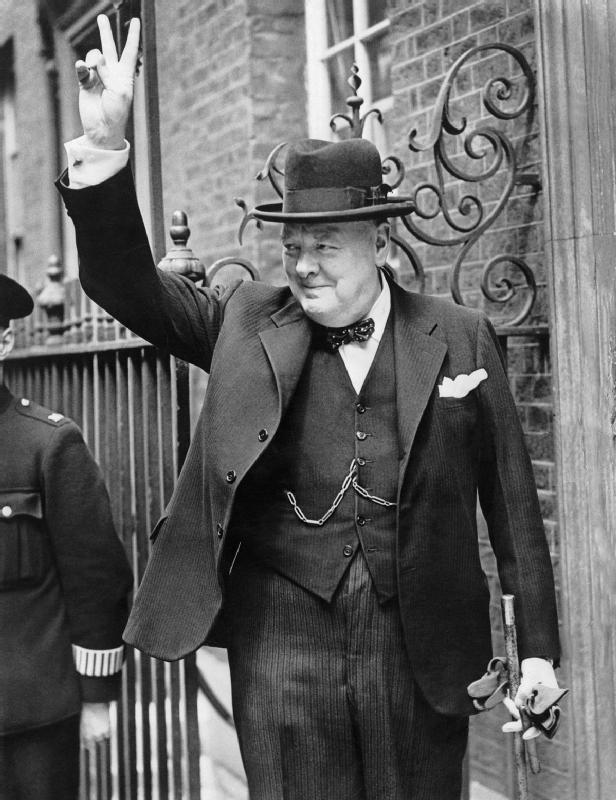
As you know, Sir Winston Leonard Spencer-Churchill, KG, OM, CH, TD, PC, DL, FRS, Hon. RA was a British politician, best known for his leadership of the United Kingdom during the Second World War. He died on this day in 1965 at the age of 90.

Churchill_V_sign_HU_55521

Widely regarded as one of the greatest wartime leaders of the 20th century, he served as Prime Minister twice (1940–45 and 1951–55). A noted statesman and orator, Churchill was also an officer in the British Army, a historian, a writer, and an artist. He is the only British prime minister to have received the Nobel Prize in Literature and was the first person to be made an Honorary Citizen of the United States.

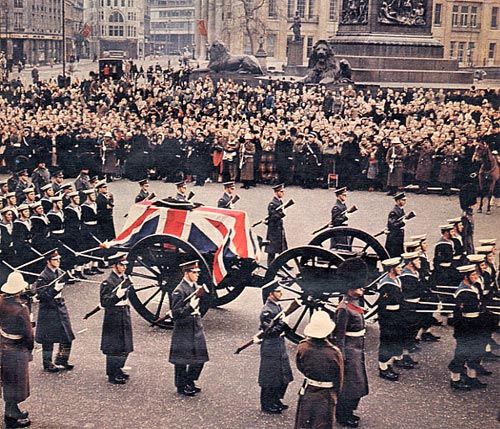
I remember how really sad my parents (especially my father) were when Winston died. We watched the entire televised funeral.

churchill_funeral

In our family, it was a Big Deal. My father probably used it as an excellent excuse to drink way too much and to entertain gloomy thoughts about the state of the world.

A few years later, my family went to visit the Churchill Memorial in Fulton, Missouri when it opened in 1969. This Church, St. Mary the Virgin Aldermanbury, had stood in London since 1677 when it replaced an earlier structure that had sat on the same site since the 12th century. A magnificent building, it was badly damaged during the London Blitz, and was moved stone by stone to the campus of Westminster College in Fulton and rebuilt to Wren’s original specifications. Beneath this Church is the National Churchill Museum itself. I have always meant to go back.

St Mary Aldermanbury

Maybe this year!

Anyway, a toast to Winston Churchill and to our pater who revered him!

“All the greatest things are simple, and many can be expressed in a single word: freedom; justice; honour; duty; mercy; hope.” (1947)

Fun facts to know and tell

by chuckofish

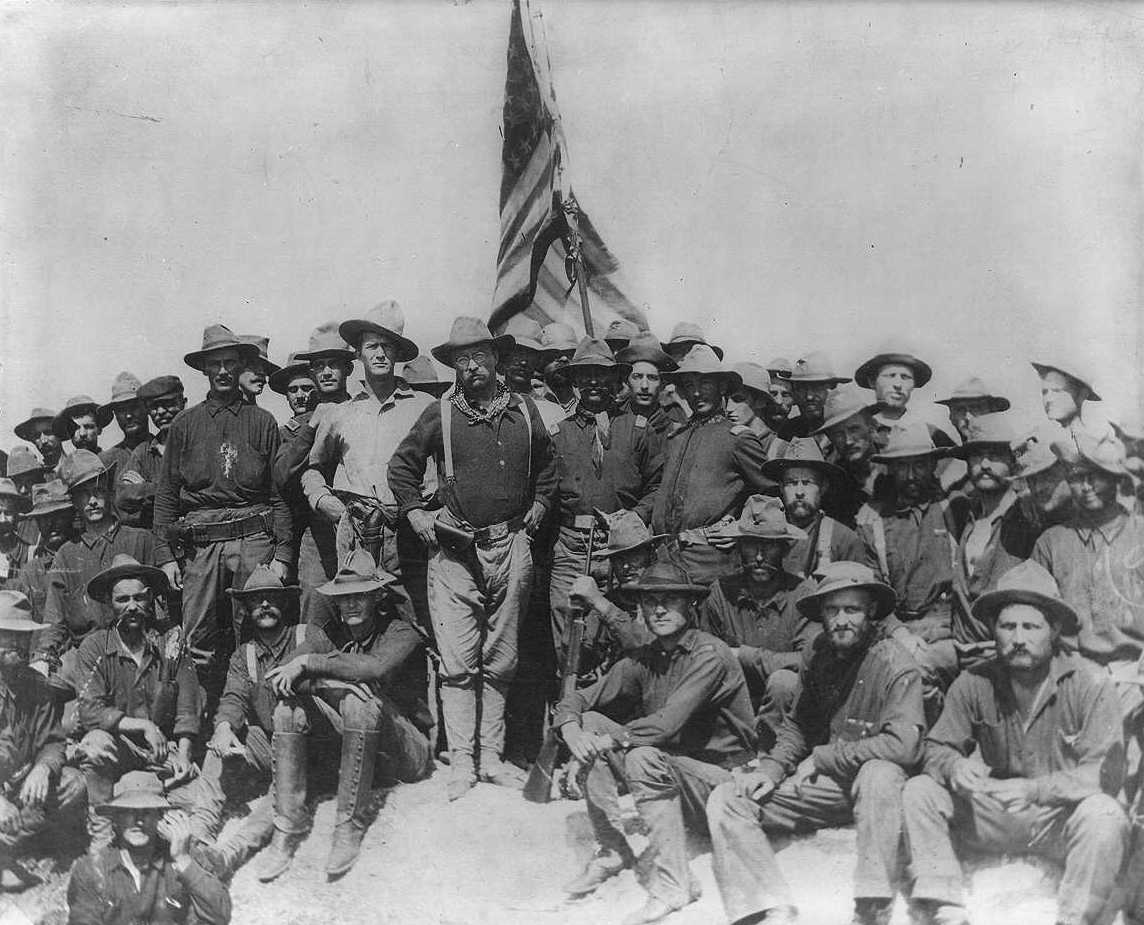
For his gallantry at San Juan Hill, his commanders recommended Theodore Roosevelt for the Medal of Honor.

TR_San_Juan_Hill_1898

He was not awarded the medal at that time, but 100 years later in the late 1990s, Roosevelt’s supporters again took up the flag for him. On January 16, 2001, President Bill Clinton awarded Theodore Roosevelt the Medal of Honor posthumously for his charge up San Juan Hill, Cuba, during the Spanish–American War. Roosevelt’s eldest son, Brigadier General Theodore Roosevelt, Jr., received the Medal of Honor for heroism at the Battle of Normandy in 1944. The Roosevelts thus became one of only two father-son pairs to receive this honor (the other pair being Arthur and Douglas MacArthur).

If I ever knew that, I had forgotten it. I am glad to know that T.R. got his Medal of Honor. I suggest a toast to him tonight!

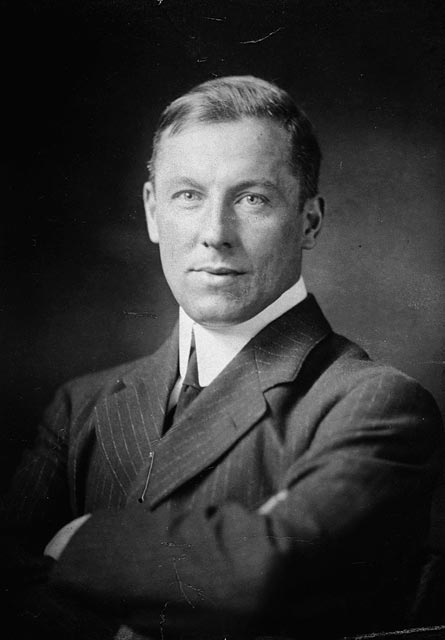
Today is also the birthday of Robert W. Service, the Bard of the Yukon (January 16, 1874 – September 11, 1958).

Robert_W._Service

When I was in Middle School, I was a big fan of Robert Service. (Yes, I was really cool.) I asked for and was given his collected poems for Christmas. I memorized large portions of my favorite poems, including “The Shooting of Dan McGrew.”

A bunch of the boys were whooping it up in the Malamute saloon;
The kid that handles the music-box was hitting a jag-time tune;
Back of the bar, in a solo game, sat Dangerous Dan McGrew,
And watching his luck was his light-o’-love, the lady that’s known as Lou.

Margaret Rutherford gave a dramatic recitation of the aforementioned poem in Murder Most Foul. Priceless. Here it is (with Italian subtitles!)–watch the whole thing! (Si. Si. Prego.)

Have a great Wednesday!

On the banks of the Wabash

by chuckofish

On this day in 1816 Indiana (“Land of the Indians”) became the 19th U.S. state. The Hoosier (“country bumpkin”) state is the 38th largest by area and the 15th most populace.

usa-indiana-map1

The Wabash River, which is the longest free-flowing river east of the mighty Mississippi River, is the official river of Indiana. Thus, its state song is “On the Banks of the Wabash, Far Away” written in 1897 by Paul Dresser, the brother of noted Hoosier writer Theodore Dreiser. (Apparently Paul Dresser was horrified by his brother’s shocking novels and changed the spelling of his name to differentiate them.)

usa_indiana_flag-2222px

The official state flag of Indiana was adopted in 1917. It was designed by Paul Hadley of Mooresville, Indiana; he won a flag design contest sponsored by the DAR for Indiana’s 100th anniversary of statehood in 1916. There are 19 golden stars on a blue field. The 13 stars in the outer circle represent the 13 original colonies of the United States of America; the 5 stars in a half circle represent the states admitted prior to Indiana (but after the original 13), and the larger star atop the flame of the torch of Liberty represents Indiana.

In our family we have a fondness for the state of Indiana because daughter #1 attended and graduated from DePauw University in the charming town of Greencastle.

Depauw

During those four years we spent a lot of time in Indiana. We have been to many charming bergs in the state, including Indianapolis, Bloomington, Muncie, Terre Haute, New Harmony, Crawfordsville, Evansville–some a lot more charming than others. Indiana is, of course, a state boasting many fine colleges and universities, including Butler, Purdue, Valparaiso, Earlham, Ball State, Wabash, Notre Dame, and, of course, Indiana University.

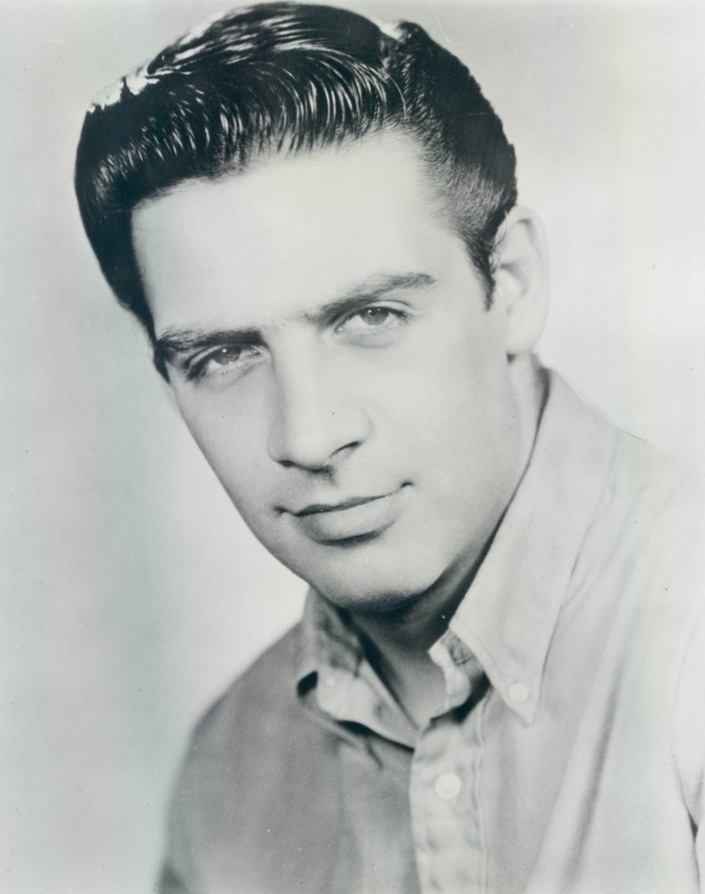
Indiana is a state full of history and the birthplace of many famous Americans, including Johnny Appleseed, Gen. Lew Wallace, V.P. Dan Quayle, Presidents William Henry Harrison and Benjamin Harrison, Booth Tarkington, Bill Blass, Cole Porter, Kurt Vonnegut, Red Skelton, David Letterman, Hoagy Carmichael, and my personal favorites:

Mcqueen-steve-mcqueen-32021464-366-488

Steve McQueen and James Dean

James-Dean-james-dean-11731876-300-300

Yes, Indiana. Way to go.

I could go on and on about the great state of Indiana, but I’ll stop here. I’ll just make one suggestion. In honor of the anniversary of Indiana’s statehood, I recommend watching a really good movie that celebrates the state’s love of basketball: Hoosiers (1986) with Gene Hackman and Dennis Hopper. (BTW, One of the players on the high school team was played by a DePauw basketball player. The NCAA gave him a three-game suspension and he was charged 5% of his acting fee.)

We must also note that today is the birthday of two great actors (neither one from Indiana):

Victor McLaglan (1883-1959)

McL3

and Jean Marais (1913-1998)

Jean_Marais_by_van_Vechten,_1947

Bon anniversaire!

Who would you choose?

by chuckofish

If you read a variety of blogs, you have certainly come across more than one of those posts where the writer asks the question: Who would you choose if you could have lunch with anyone? Usually they go on to tell you how they would love to get together with Audrey Hepburn, Princess Diana, Thomas Jefferson, Mother Theresa, Steven Spielberg and so on. Blah, blah, blah, boring celebrities. And, yes, I include Thomas Jefferson in that company. He would probably choose to have lunch with Marilyn Monroe.

Not that I’m judging anyone for their choices. Everyone is free to choose whom they want to choose. This is America after all! Come on.

Anyway, I’m sure you can guess who I would choose. Just in the last few days I’ve talked about Bob Dylan and Hilary Mantel and Marty Stuart–all would be charming companions at a meal. And you know how I feel about Frederick Buechner and Raymond Chandler. A conversation with them–to die for! As for movie stars, we’d need a big table to accommodate all my favorites.

But if we’re really talking about conversation, let’s invite:


Thomas Cranmer. He wrote the book.


General Sherman. He had Grant’s back.


U.S. Grant. He epitomized humility and courage. He had Lincoln’s back. And he was a really good writer.


Dorothy Rabinowitz. She tells it like it is in the WSJ.


T.E. Lawrence. He would be awesome, but we’d need someone to come along with us who could make him feel comfortable and draw him out of his shell–like Mrs. George Bernard Shaw.


Mary Prowers Hough, my great-great grandmother and the classiest lady to ever set foot in Colorado. I’d have a million questions for her.


J.D. Salinger. We could talk about Jesus over a glass of ginger ale in the kitchen.


Eudora Welty. We’d talk about stories and the art of writing them. I think I would like to invite


Shirley Jackson to come along too. The three of us would get along famously.


Saint Timothy. He received letters from Saint Paul containing personal advice which I take very personally: God did not give you a spirit of timidity!

Well, I’m sure I’ve left out some obvious choices. Who would you want to share a meal with? Alexander? Sargon the Great? Thomas Cromwell? Oliver Cromwell? Johnny Depp?

I want to go to there

by chuckofish

On this day in 1890 Wyoming entered the Union as the 44th U.S. state.

As daughter #1 says, quoting Liz Lemmon, I want to go to there. In fact, it is at the top of my list.

The state flower is Indian Paintbrush.

And my favorite movie was filmed there.

Sigh.

Too true (this is how my brain works)

by chuckofish

“I find that a great part of the information I have was acquired by looking up something and finding something else on the way.”
–Franklin Pierce Adams

FPA made that comment back in the 1930s–what would he have made of Wikipedia?

For instance, I looked up May 10 on Wikipedia and found out that in 1863 Confederate General Stonewall Jackson died eight days after he was accidentally shot by his own troops. So I clicked on Stonewall Jackson:

I read all about Stonewall, including this fascinating bit about his ancestry:

Thomas Jonathan Jackson was the great-grandson of John Jackson (1715 or 1719 – 1801) and Elizabeth Cummins (also known as Elizabeth Comings and Elizabeth Needles) (1723 – 1828). John Jackson was a Protestant in Coleraine, County Londonderry, Ireland. While living in London, he was convicted of the capital crime of larceny for stealing £170; the judge at the Old Bailey sentenced him to a seven-year indenture in America. Elizabeth, a strong, blonde woman over 6 feet tall, born in London, was also convicted of larceny in an unrelated case for stealing 19 pieces of silver, jewelry, and fine lace, and received a similar sentence. They both were transported on the prison ship Litchfield, which departed London in May 1749 with 150 convicts. John and Elizabeth met on board and were in love by the time the ship arrived at Annapolis, Maryland. Although they were sent to different locations in Maryland for their indentures, the couple married in July 1755.

The family migrated west across the Blue Ridge Mountains to settle near Moorefield, Virginia, (now West Virginia) in 1758. In 1770, they moved further west to the Tygart Valley. They began to acquire large parcels of virgin farmland near the present-day town of Buckhannon, including 3,000 acres in Elizabeth’s name. John and his two teenage sons were early recruits for the American Revolutionary War, fighting in the Battle of Kings Mountain on October 7, 1780; John finished the war as captain and served as a lieutenant of the Virginia Militia after 1787. While the men were in the Army, Elizabeth converted their home to a haven, “Jackson’s Fort,” for refugees from Indian attacks.

John and Elizabeth had eight children. Their second son was Edward Jackson (March 1, 1759 – December 25, 1828), and Edward’s third son was Jonathan Jackson, Thomas’s father.

Stonewall’s ancestors sound awesome, don’t they? Then I saw this picture of a stained glass window depicting Jackson’s life in the Washington National Cathedral.

This took me over to the National Cathedral page:

Did you know that Woodrow Wilson, 28th U.S. president and a Presbyterian, is the only American president buried in the Cathedral and, in fact, the District of Columbia? His grandson, Francis Bowes Sayre, Jr., later became dean of the Cathedral and was also buried here. I also found out that “Stuart Symington, U.S. senator, presidential candidate” and the grandfather of a boy who was in my Sunday School class, is buried there.

I went back to Stonewall Jackson’s page.

Stonewall” Jackson statue, Manassas National Battlefield Park

Very cool indeed. But where were we? Oh yes. May 10! Lots of interesting people from Karl Barth and Fred Astaire to Dimitri Tiomkin and Maybelle Carter have birthdays today. Well, you see how it goes. Have a good day.