dual personalities

Tag: books

Happy birthday, Maud Hart Lovelace

by chuckofish

Maud Hart Lovelace (April 25, 1892—March 11, 1980) was an American author best known for the 10-book Betsy-Tacy series.
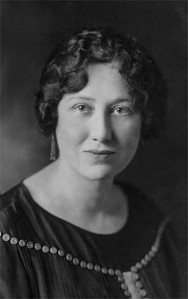
Maud_Hart_Lovelace

Maud Palmer Hart was born in Mankato, Minnesota. She was the middle child; her sisters were Kathleen (Julia in the Betsy-Tacy books) and Helen (book character, Margaret). Maud reportedly started writing as soon as she could hold a pencil.

Shortly before Maud’s fifth birthday a “large merry Irish family” moved into the house directly across the street. Among its many children was a girl Maud’s age, Frances, nicknamed Bick, who was to be Maud’s best friend and the model for Tacy Kelly.

Baptized in a Baptist church, she joined the Episcopal church as a teenager. She went on to the University of Minnesota but took a leave of absence to go to California to recover from an appendectomy at her maternal grandmother’s home. It was while in California that she made her first short story sale. She returned to the university and worked for the Minnesota Daily, but did not graduate.

While spending a year in Europe in 1914, she met Paolo Conte, an Italian musician (who later inspired the character Marco in Betsy and the Great World). She married Delos Lovelace when she was twenty-five years old. Delos and Maud met in April 1917 and were married on Thanksgiving Day the same year.

Lovelace began the Betsy-Tacy series in 1938, having told stories about her childhood to her own daughter Merian. The first book in the series, Betsy-Tacy, was published in 1940, and the last book, Betsy’s Wedding, was published in 1955. The first four books increase in reading difficulty so that a child can grow up along with Betsy-Tacy. The Betsy-Tacy books take place mostly in the fictional town of Deep Valley, Minnesota, which is based on Mankato.
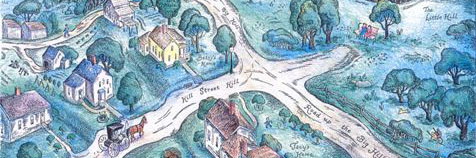
Lenski-Hill-Street-map-from-B-T-books-cropped

You can read more about her here.

Daughters #1 and #2 were (and are) both big fans of the Betsy-Tacy books. They read and re-read them when they were growing up. Occasionally they pick one up even now.

PT-AM666_BETSY_F_20091002160412

Betsy and Tacy were the original BFFs.
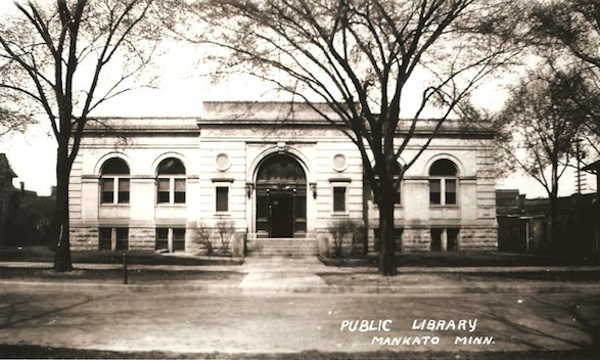
Pleasant-Grovelibrary

“She thought of the library, so shining white and new; the rows and rows of unread books; the bliss of unhurried sojourns there and of going out to a restaurant, alone, to eat.”

― Maud Hart Lovelace, Betsy and Tacy Go Downtown

What are you reading?

by chuckofish

girl-reading-758651

This past weekend I went to several really good estate sales. One was at the home of a woman who had gone to my school, graduating 20 years earlier. Clearly it was a home she had moved to after either getting a divorce or being widowed. You can always tell when this is the case, because the woman has painted the inside of the house pink and redone the closets to suit herself. She has said, in effect, finally I’m going to have things the way I like.

She had obviously been an avid needlepointer. I bought a couple of unfinished kits and two books.

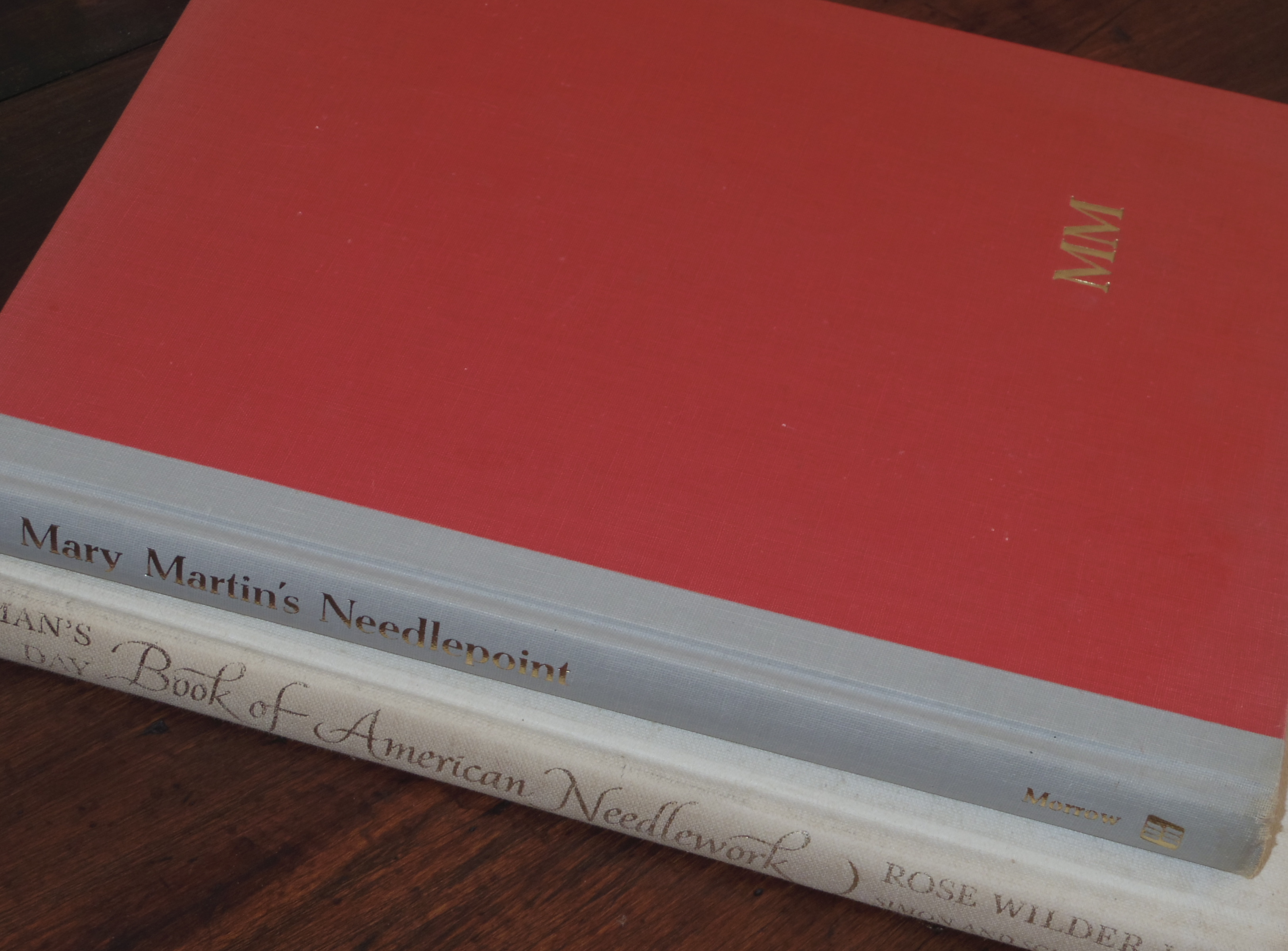
One is a vintage copy of Mary Martin’s Needlepoint (1969)–a delightful look into the hobby and home of the famous Broadway star.

MMbook

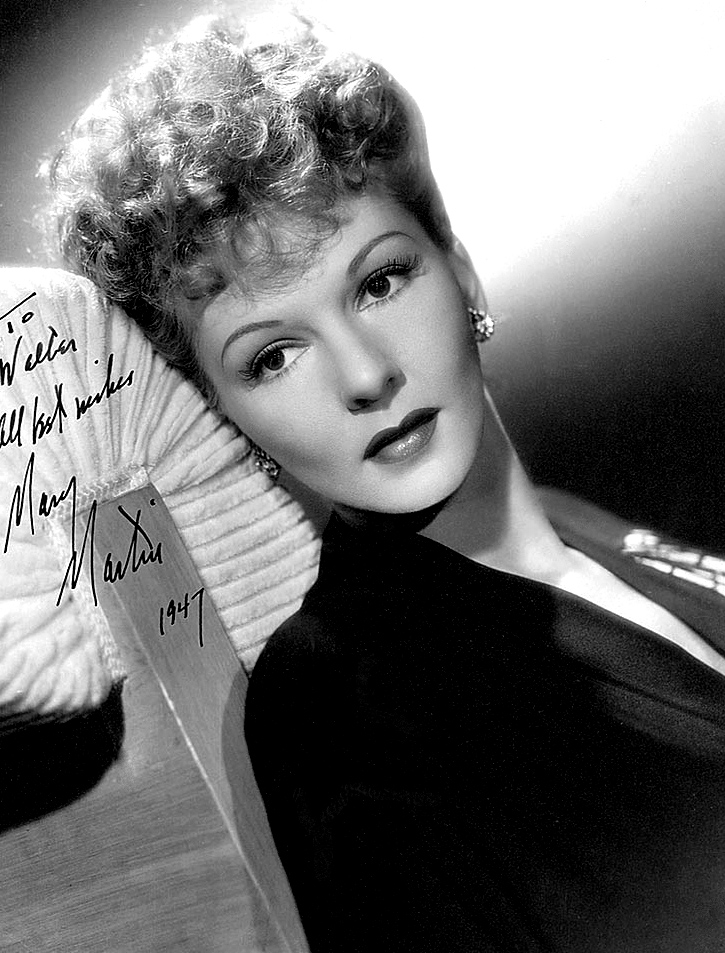
You remember Mary Martin–she starred on Broadway in the original productions of Annie Get Your Gun,  South Pacific, The Sound of Music and a host of other shows.

Mary_Martin_-_still

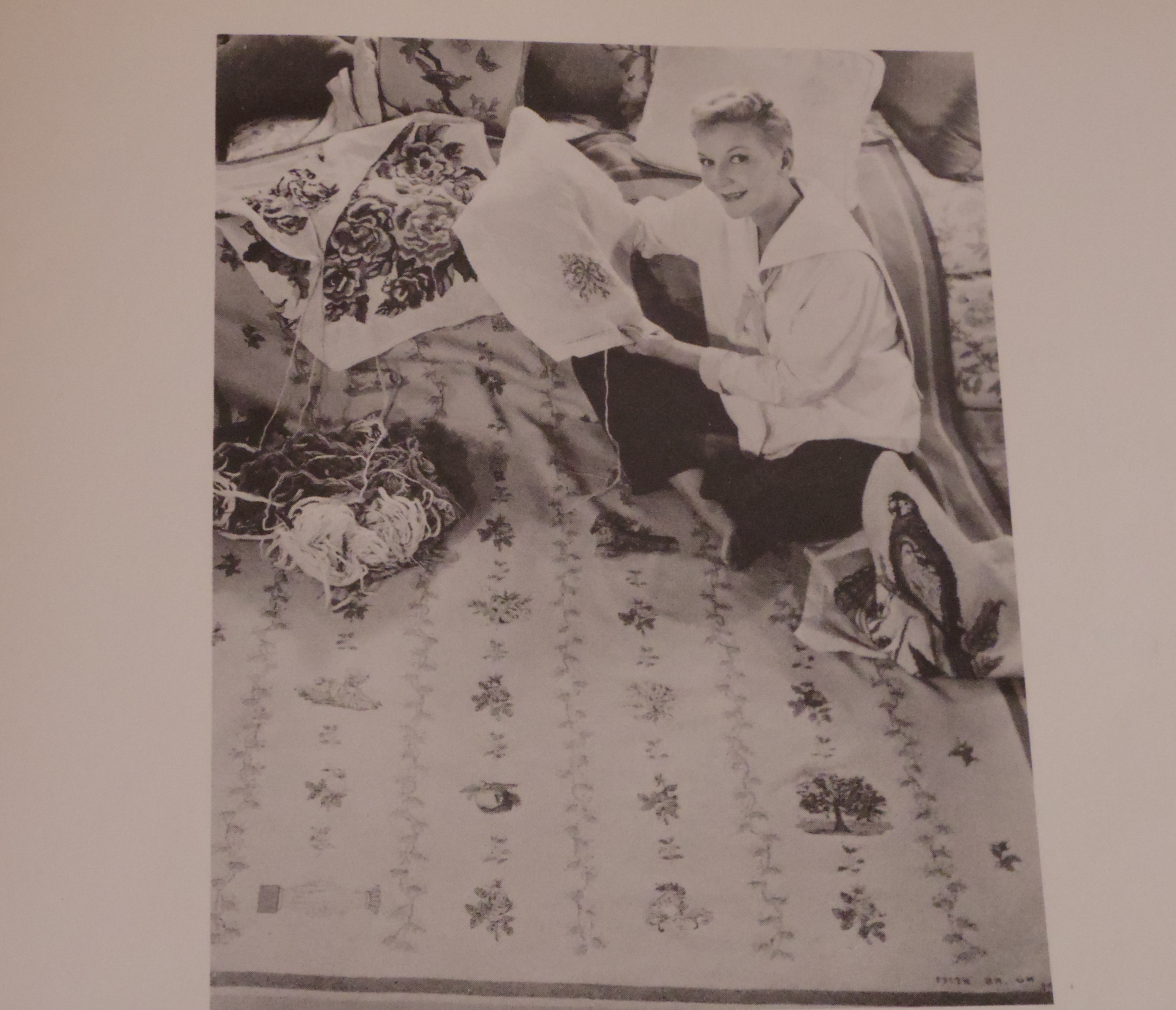
She took up needlepointing as a way to pass the time waiting in the wings offstage and on sets. She started BIG…with a rug!

Mary posing on "the rug" with other projects

Mary posing on “the rug” with other projects

“The Rug is known by a variety of names. It was the innocent, impulsive beginning—all five and a half by seven and a half feet of it!—of my doing needlepoint.”  She designed it herself, incorporating symbols that represented important aspects of her life. It took a few years, but she kept going. Impressive. Also impressive is the fact that she designed all her own work. No  kits for her! Her stitching is all very personal and heart-felt.

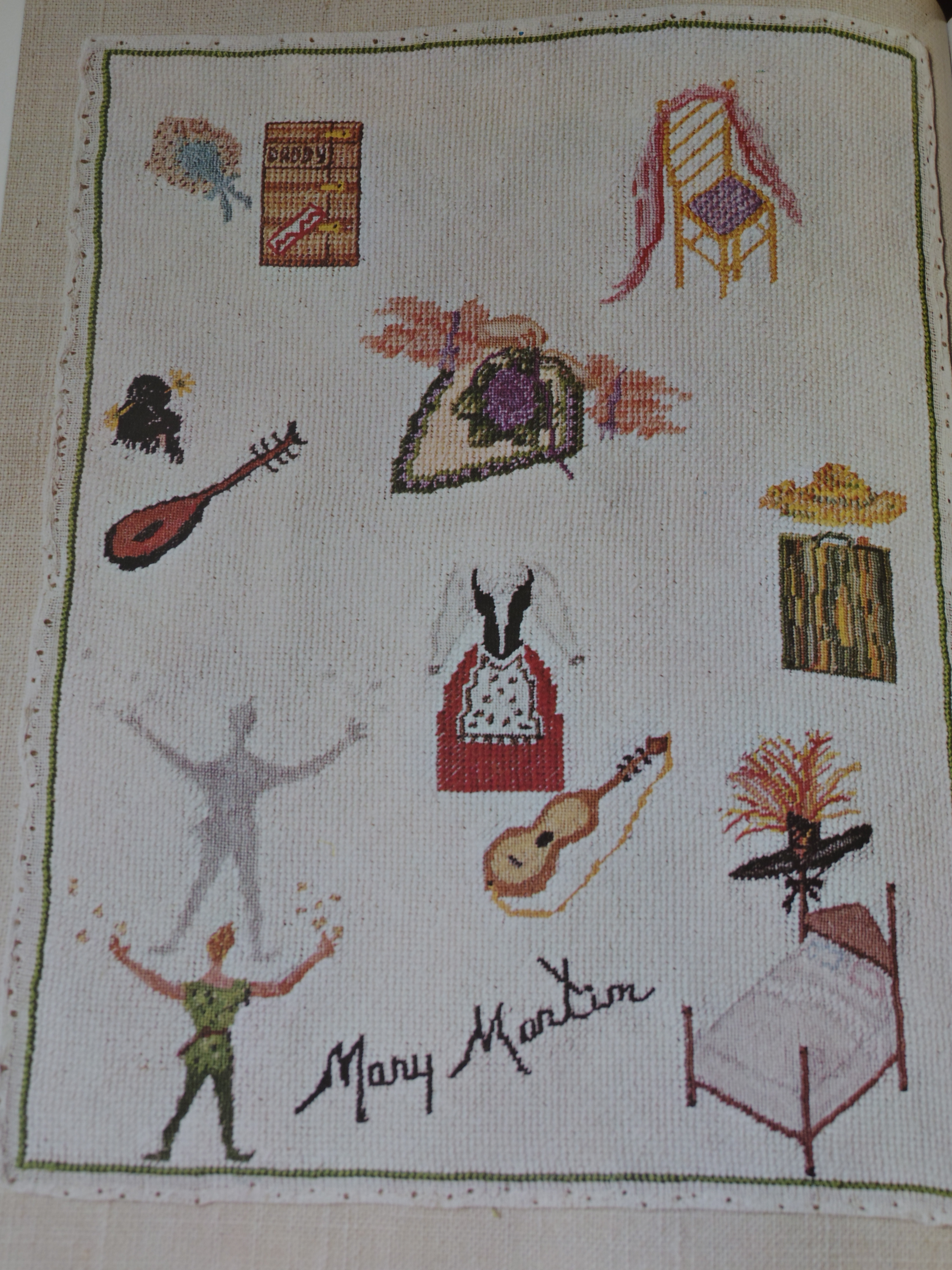
Through the years several of her friends found and bought antique samplers from the 18th and 19th centuries for her that included the name “Mary Martin” on them. Nice friends! Eventually she designed her own sampler incorporating motifs from shows that meant the most to her.

Mary's theater sampler

Mary’s theatre sampler

Mary Martin made pillows, purses, pictures, upholstered furniture, and more throughout her storied life. For needlepointers or theater-lovers, this is a fun book.

Meanwhile I continue to work my way through The Goldfinch by Donna Tartt. I am determined to finish this rather Dickensian opus, but I do think it is overly long. The author writes very well; we’ll see.

I must say that I believe I would get along famously with the author, who is considered one of the most reclusive contemporary authors around. Moreover, she’s indifferent to technology, avoids social media and does most of her writing by hand in notebooks. According to one of the very few articles I could find about her (in Business Day), “when her novels are released, she grants few interviews in which she reveals very little about herself. She’s known to become prickly when journalists dare suggest certain characters in her books are based on people she knows. Her private life is just that, private.”

What are you reading?

The weekend approacheth

by chuckofish

Well, this time last week I was going out to dinner with cute boys and hanging out with daughter #2. This week it has been back to the salt mines for me as usual. Work, work, work.

One bright spot was going to my first lacrosse game of the season.

WRC Hounds Pioneers 2 20130326

The boy’s Varsity Hounds creamed his old high school team 15-3.

IMG_2069

It was kind of weird sitting in the KHS football stadium cheering for the “visitors”. It was also quite cold! Once it started to get dark, I had to bail and go home even with my winter coat and a Bean’s wool blanket to sit on.

At home I am keeping my spirits up with these pretty flowers–and, yes, the Christmas Cactus is blooming again.

photo

On the reading front, having finished Peter Carey’s wonderful Olivier and Parrot, I started reading The Goldfinch by Donna Tartt and I am hooked. The book, which took more than 10 years to write, is narrated by Theo Decker, a 13-year-old New York boy whose world is violently disrupted during a routine visit to the Metropolitan Museum of Art with his mother. A terrorist bomb explodes, killing Theo’s mother and other innocents, including a man who, just before dying, implores Theo to take “The Goldfinch” out of the smoking wreckage of the museum. I have not read Tartt’s other two books, but I am impressed. We’ll see if she holds me for 700 pages. I plan to find out this weekend.

Have a great weekend!

Just as I am

by chuckofish

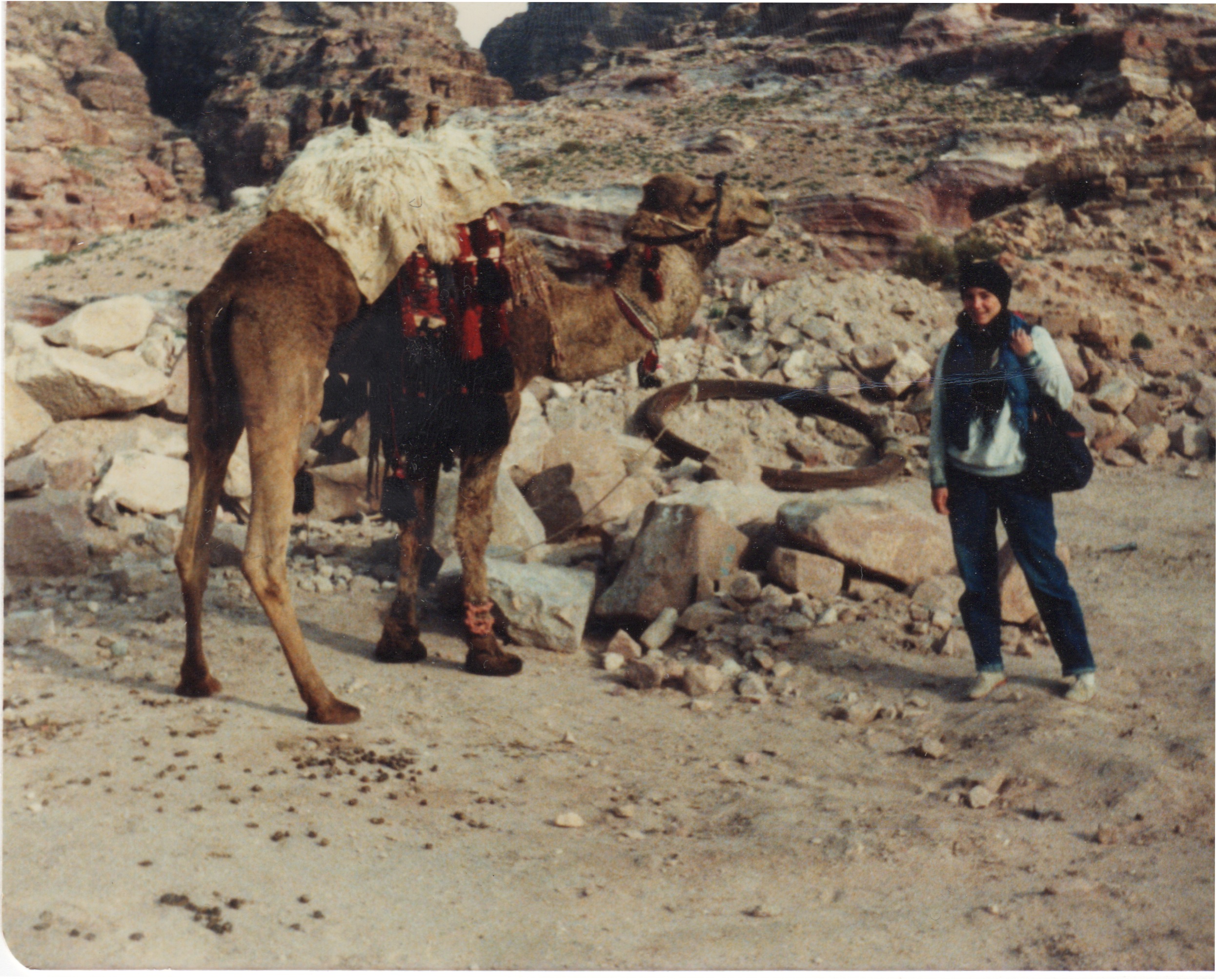
While organizing a whole mess of some old photos, I found this great one of my dual personality when she was on a dig in Jordan back in the 1980s. I think it was when she was getting a master’s in archaeology at Mizzou, before she went on to Yale, but if I am wrong she can set us straight. She was always much less timid than I, more like our mother. Being in the desert with a camel (and without a hairdryer) would not have fazed her much.

sarah and camel

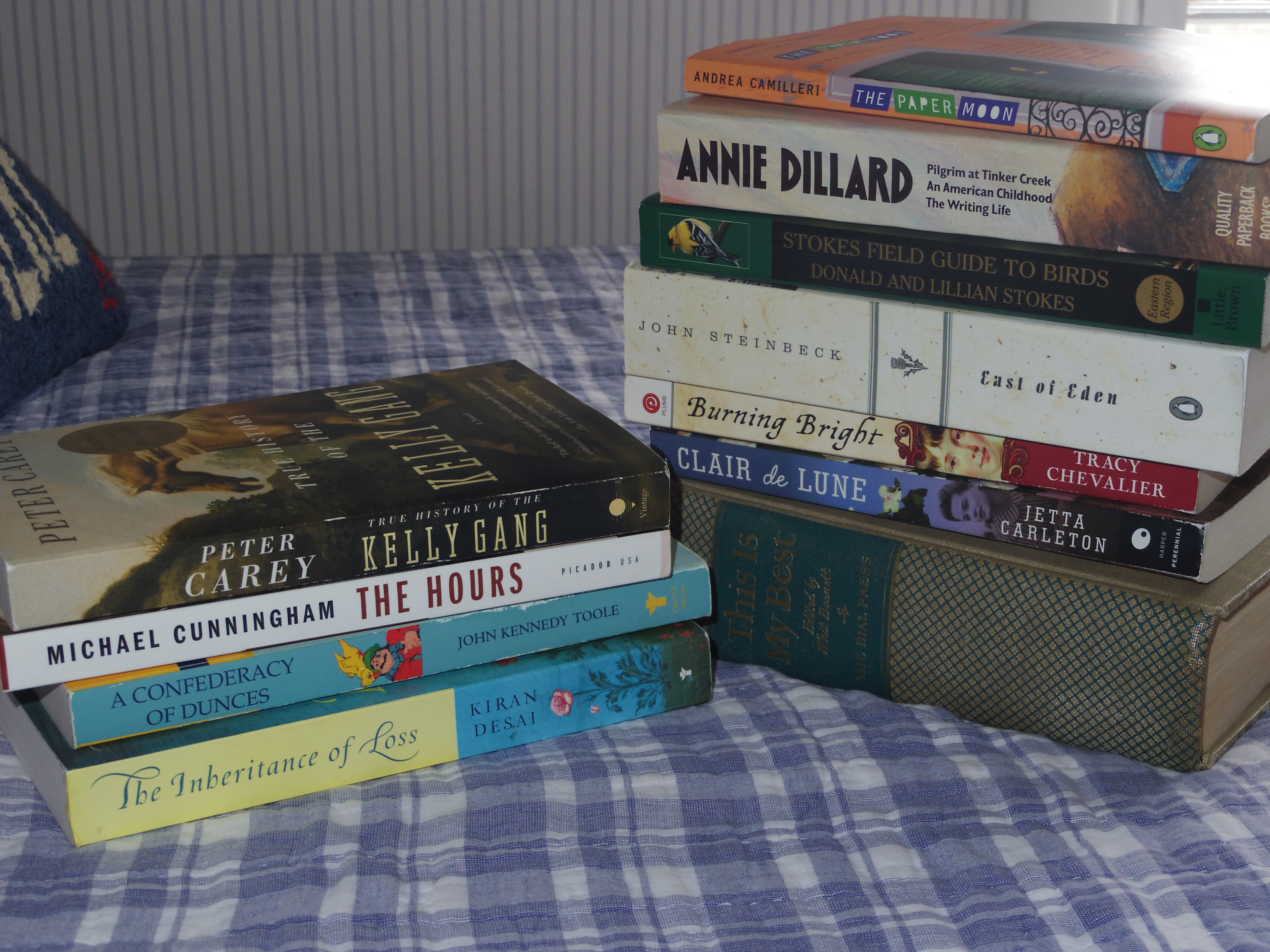
Anyway, I spent my weekend per usual. I went to the book sale at the Unitarian Church, braving the Prius-filled parking lot in order to search through their treasure trove of books. Their thinking may be a little to the left of whoopee, but they are good readers.

IMGP0945

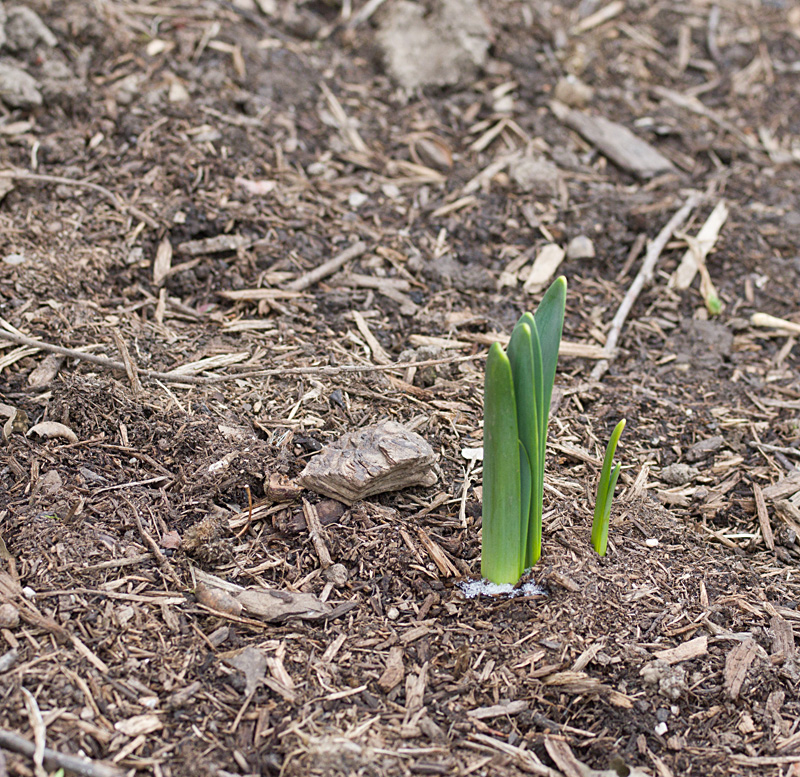
I went to three estate sales and got a few more books and then I came home and worked in the yard for awhile. It was a beautiful day–the sun was shining, the sky was blue and the daffodils were poking up.

Bed 1

By Sunday, the temperature had plummeted, the wind was howling and it was sleeting, but I forged on to church nevertheless. I sat with my good friend Marty. It always amuses me to remember that her son was the coolest guy in school forty years ago and wouldn’t have known me from Doris Day, but it is proof positive that all things come to those who wait, if not in a semi-skewed fashion. It is the skewed part that is the point.

God does have a sense of humor and so should we.

Write deeply upon our minds, O Lord God, the lesson of thy holy Word, that only the pure in heart can see thee. Leave us not in the bondage of any sinful inclination. May we neither deceive ourselves with the thought that we have no sin, nor acquiesce idly in aught of which our conscience accuses us. Strengthen us by thy Holy Spirit to fight the good fight of faith, and grant that no day may pass without its victory; through Jesus Christ our Lord.

–C. J. Vaughan

Have a good Monday!

March comes in like a rockety ride

by chuckofish

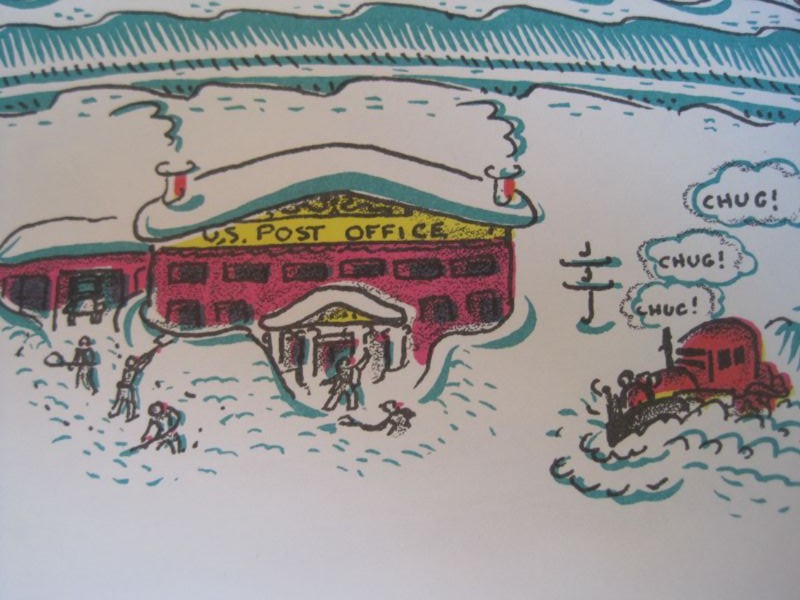
A new month has commenced! March, the weather forecasters predicted, would come in like a lion.

From "Katy and the Big Snow" by Virginia Lee Burton

From “Katy and the Big Snow” by Virginia Lee Burton

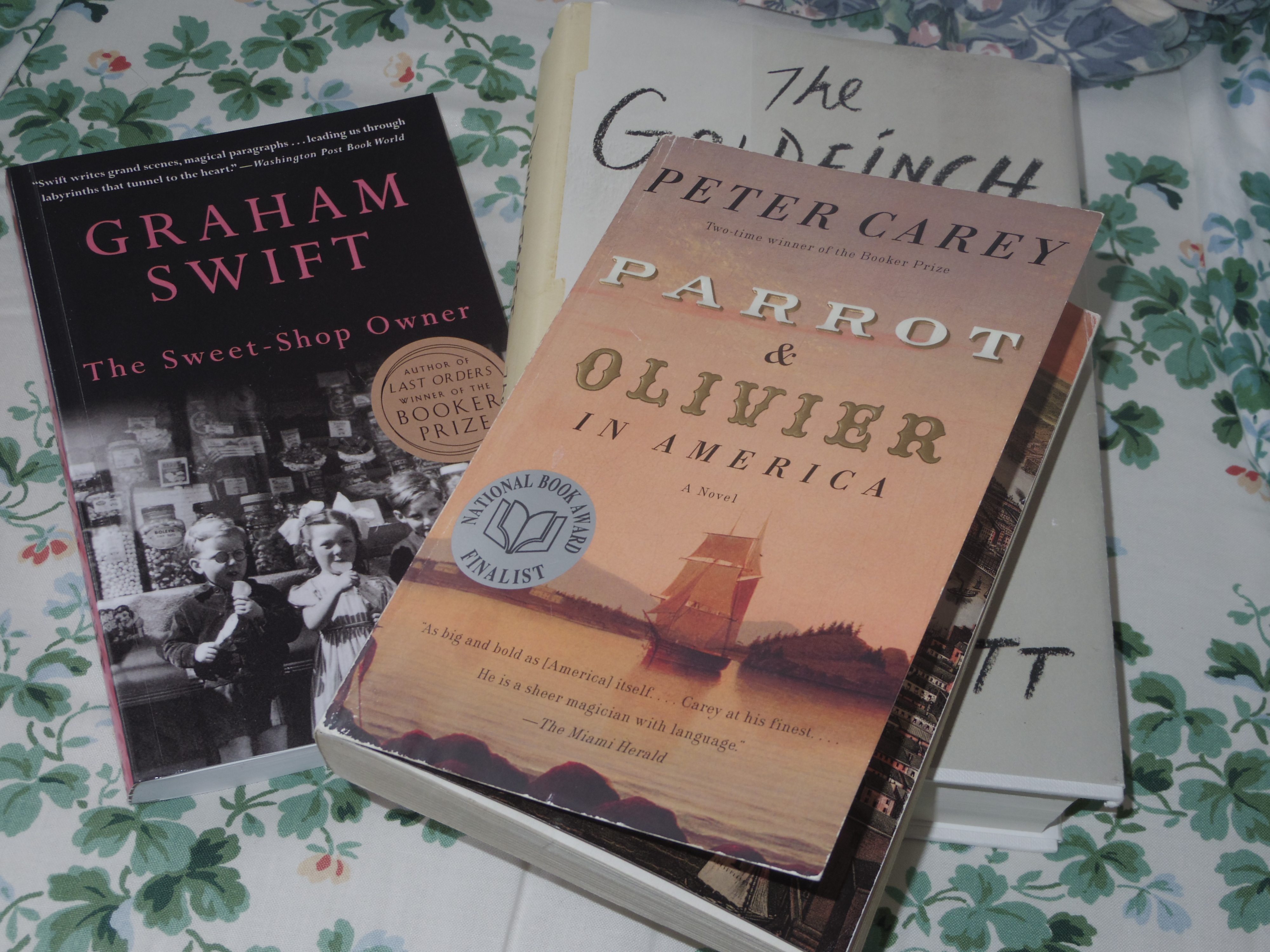
They sure had everyone in a tizzy of expectation. Church was even called off yesterday! (The rector is in the holy land–is this what happens when the cat’s away?) In fact, most churches in the area canceled all services because of the expected 10″ of snow/sleet. Unheard of in the “olden” days! Can’t say that I wasn’t pleased to be able to stay in bed and read Olivier and Parrot by Peter Carey.

books

I also finished The Sweet-Shop Owner by Graham Swift, which was well-written and held my interest, but I can’t say I recommend it unless you are in the mood for a depressing story about post-WWII England.

But back to the weather and our snow-pocalypse that didn’t happen.

In fact, not much happened.

hoiuse4

But Spring will be here before we know it! You know this is true.

Here’s evidence:

mikemathenymeme

P.S. I did not watch the Oscars. I watched Serenity (2005) which was nominated for no Academy Awards (although 8 years later Chiwetel Ejiofor was nominated for Best Actor in 12 Years a Slave). However, it is a favorite of mine. I am a leaf on the wind…

“To be, or not to be; that is the bare bodkin”

by chuckofish

On this day in 1885 The Adventures of Huckleberry Finn was first published in the United States. What a book! It is still controversial, lo, these many years later.

An illustration by Thomas Hart Benton

An illustration by Thomas Hart Benton

We will not go into all that today. I will let ol’ Huck speak for himself in this, one of the greatest scenes in literature:

“It made me shiver. And I about made up my mind to pray, and see if I couldn’t try to quit being the kind of a boy I was and be better. So I kneeled down. But the words wouldn’t come. Why wouldn’t they? It warn’t no use to try and hide it from Him. Nor from ME, neither. I knowed very well why they wouldn’t come. It was because my heart warn’t right; it was because I warn’t square; it was because I was playing double. I was letting ON to give up sin, but away inside of me I was holding on to the biggest one of all. I was trying to make my mouth SAY I would do the right thing and the clean thing, and go and write to that nigger’s owner and tell where he was; but deep down in me I knowed it was a lie, and He knowed it. You can’t pray a lie–I found that out.

So I was full of trouble, full as I could be; and didn’t know what to do. At last I had an idea; and I says, I’ll go and write the letter–and then see if I can pray. Why, it was astonishing, the way I felt as light as a feather right straight off, and my troubles all gone. So I got a piece of paper and a pencil, all glad and excited, and set down and wrote:

Miss Watson, your runaway nigger Jim is down here two mile below Pikesville, and Mr. Phelps has got him and he will give him up for the reward if you send.

HUCK FINN.

I felt good and all washed clean of sin for the first time I had ever felt so in my life, and I knowed I could pray now. But I didn’t do it straight off, but laid the paper down and set there thinking–thinking how good it was all this happened so, and how near I come to being lost and going to hell. And went on thinking. And got to thinking over our trip down the river; and I see Jim before me all the time: in the day and in the night-time, sometimes moonlight, sometimes storms, and we a-floating along, talking and singing and laughing. But somehow I couldn’t seem to strike no places to harden me against him, but only the other kind. I’d see him standing my watch on top of his’n, ‘stead of calling me, so I could go on sleeping; and see him how glad he was when I come back out of the fog; and when I come to him again in the swamp, up there where the feud was; and such-like times; and would always call me honey, and pet me and do everything he could think of for me, and how good he always was; and at last I struck the time I saved him by telling the men we had small-pox aboard, and he was so grateful, and said I was the best friend old Jim ever had in the world, and the ONLY one he’s got now; and then I happened to look around and see that paper.

It was a close place. I took it up, and held it in my hand. I was a-trembling, because I’d got to decide, forever, betwixt two things, and I knowed it. I studied a minute, sort of holding my breath, and then says to myself:

“All right, then, I’ll GO to hell”–and tore it up.”

–Mark Twain, The Adventures of Huckleberry Finn 

What are you reading?

by chuckofish

Girl-reading-758651

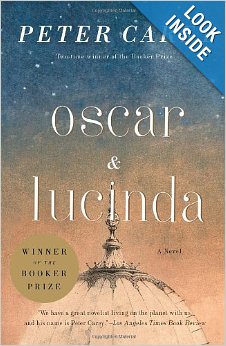
I have been reading Oscar and Lucinda by the Australian Peter Carey, winner of the Booker Prize in 1988. It tells the story of Oscar Hopkins, an Anglican priest, and Lucinda Leplastrier, a young Australian heiress who buys a glass factory. They meet on a ship going to Australia and discover that they are both gamblers, one obsessive the other compulsive. Lucinda bets Oscar that he cannot transport a glass church from Sydney to a remote settlement.

oscar and L

I have been reading it slowly, appreciatively, with care. Because it is SO good.

The writing is excellent. The characters are wonderful. Oh my. All of the characters, even the most minor, are drawn with fine, detailed strokes. I care so much for the two main characters, Oscar and Lucinda.

“Our whole faith is a wager, Miss Leplastrier. We bet–it is all in Pascal and very wise it is too…we bet that there is a God. We bet our life on it. We calculate the odds, the return, that we shall sit with the saints in paradise. Our anxiety about our bet will wake us before dawn in a cold sweat. We are out of bed and on our knees, even in the midst of winter. And God sees us, and sees us suffer. And how can this God, a God who sees us at prayer beside our bed…I cannot see,” he said, “that such a God, whose fundamental requirement of us is that we gamble our mortal souls, every second of our temporal existence…It is true! We must gamble every instant of our allotted span. We must stake everything on the unprovable fact of His existence.”

…”That such a God,” said Oscar, “knowing the anguish and the trembling hope with which we wager…That such a God can look unkindly on a chap wagering a few quid on the likelihood of a dumb animal crossing the line first, unless…unless–and no one has ever suggested such a thing to me–it might be considered blasphemy to apply to common pleasure that which is by its very nature divine.”

Religion in the novel is not absurd. There is a pattern in everything.

The book is composed of 111 short, titled chapters (like in Moby-Dick), each a self-contained episode, each one a testimony to luck.

I find myself constantly scribbling in the margins–I read with a pencil at hand–and underlining passages. I have not been so excited since I discovered Willa Cather last year!

She had judged him too hastily. This was a bad habit. It had caused her trouble before. She had compared him to Dennis Hasset and had pursed her lips when he picked up his tea-cup a certain way, or placed the pot back on the table a little too heavily. She had felt slighted when he had scurried back into his room and shut the door on her. And yet–how quickly it happened–she had come to be proud of the propriety with which they now shared a house, the sense of measured discipline (a virtue she much admired) that they brought to their conduct so that there was great closeness, the closeness of intimates, but also a considerable distance, the distance not of strangers, but of neighbors. They occupied a position well above the Philistines who snubbed and slighted them. God, who saw all things, would not find their conduct unbecoming.

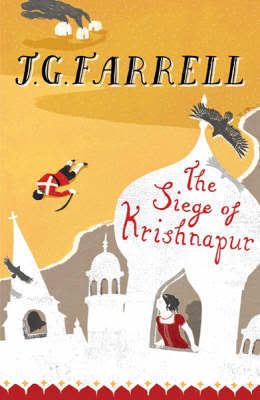
My oldest friend, who has similar taste in literature, has suggested I read The Siege of Krishnapur by J.G. Farrell, which won the Booker Prize in 1973.

seige

She is trying to read Booker prize-winners she has missed over the years, which is a great idea, and one I may embrace.

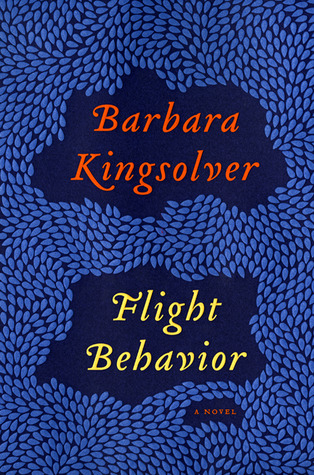
Another friend handed me a copy of Barbara Kingsolver’s new book Flight Behavior.

flight

Since I have it in my hot little hand, it will probably be next on my list, although BK tends to be too political for me. I’ll give it a try.

What are you reading?

What are you reading?

by chuckofish

Girl-reading-758651

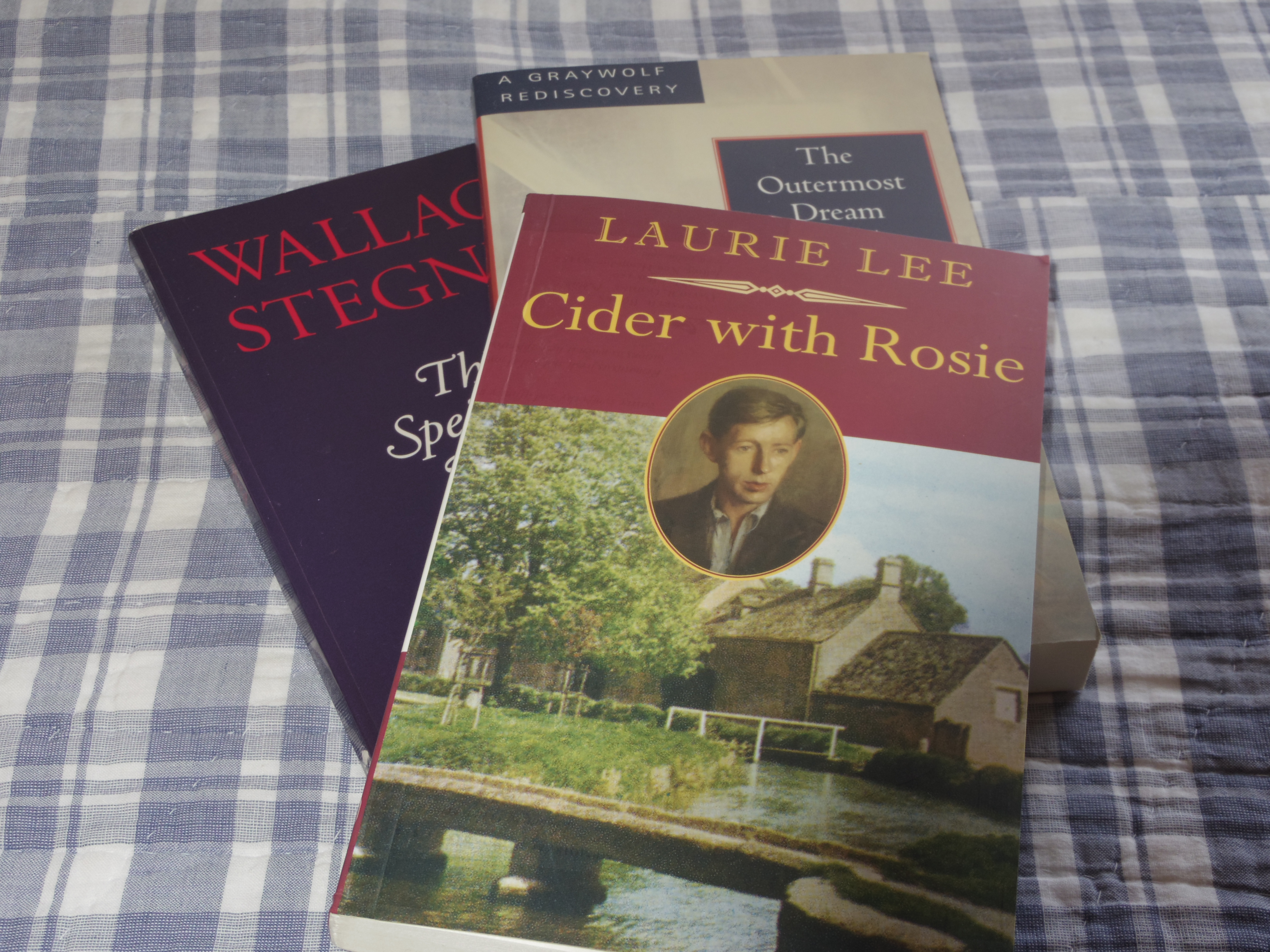
I finished The Spectator Bird by Wallace Stegner on MLK Day. I think I had tried to read this book several years ago, but had put it aside. Not in the mood. When I opened it up a few days ago, however, it immediately grabbed me and held my interest. Isn’t that funny how that works? I am that much older, I guess, and receptive, therefore, to this wonderful book about a retired literary agent who starts reading his journals from a trip he took with his wife to seek his roots in Denmark twenty years earlier. Although a spring chicken myself in my fifties, I have a lot of friends who are in their seventies and eighties, and what Stegner writes struck me as very true.

“What was it? Did I feel cheated? Did I look back and feel that I had given up my chance for what they call fulfillment? Did I count the mountain peaks of my life and find every one a knoll?”

Anyway, I liked it a lot and highly recommend it. Some of the things his hero gripes about back in 1973 seem like nothing to what we put up with now. They are the same things, of course. It won the National Book Award for fiction in 1977. It always surprises me when a book I like actually receives an award.

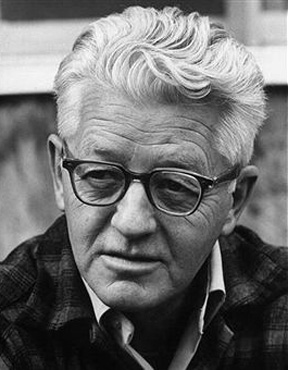
Wallace_Stegner

Wallace Stegner, you will recall, was an American novelist, short story writer and environmentalist. He won the Pulitzer Prize for Angle of Repose in 1972. He was an Eagle Scout.

IMGP0897

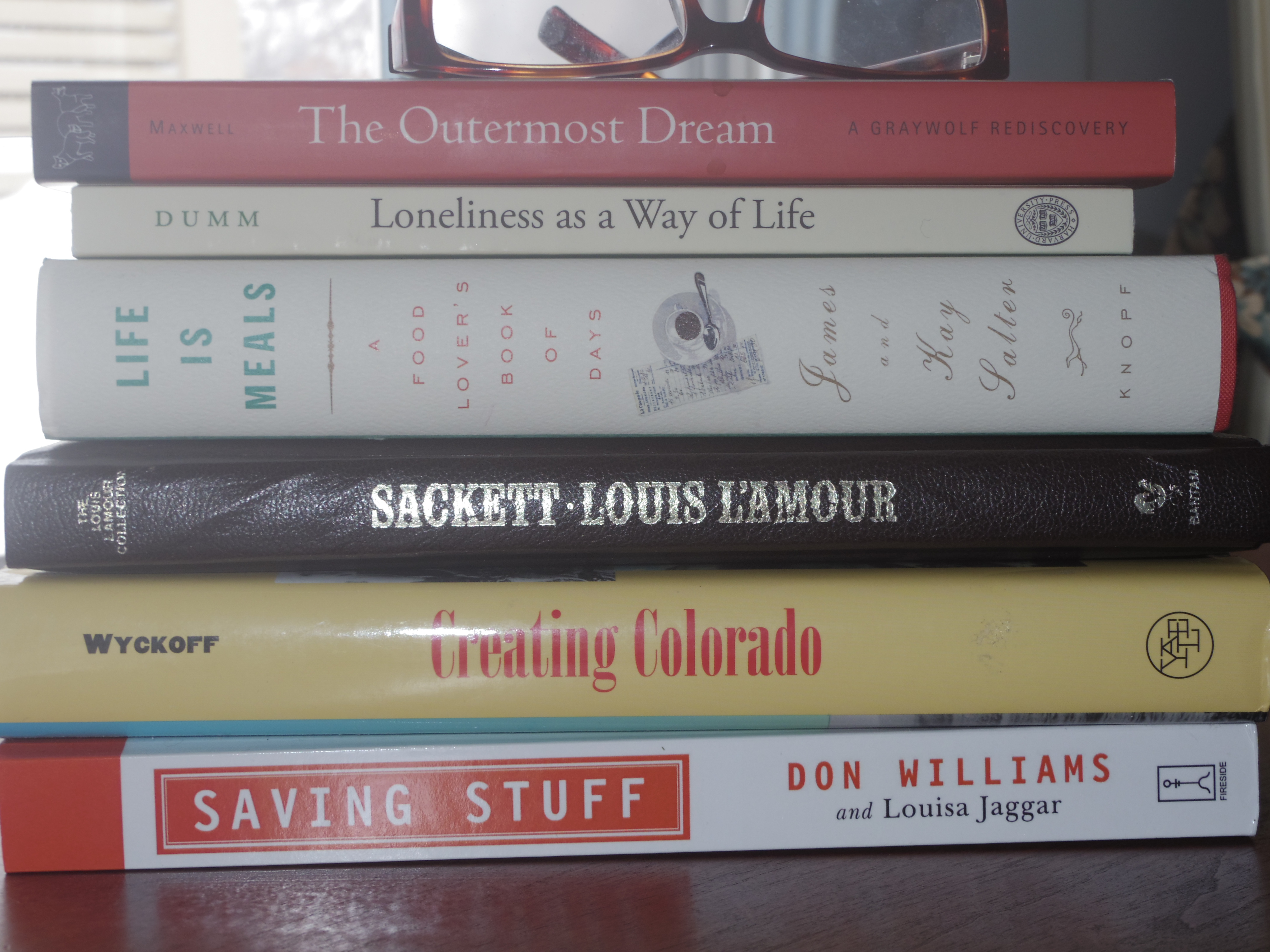
I also recently read Cider With Rosie by the English poet Laurie Lee published in 1959. I read about it in The Outermost Dream, a collection of essays by William Maxwell, the wonderful New Yorker editor who also wrote some good fiction and had impeccable taste. Laurie Lee was unknown to me, but my dual personality tells me that he is quite well known in Britain and that his aforementioned memoir is dearly loved there.

Well, who knew? Thanks to William Maxwell, I found out. Laurence Edward Alan “Laurie” Lee, MBE (26 June 1914 – 13 May 1997) was an English poet, novelist, and screenwriter. And, by the way, his memoir of a bygone way of life really is wonderful.

What are you reading?

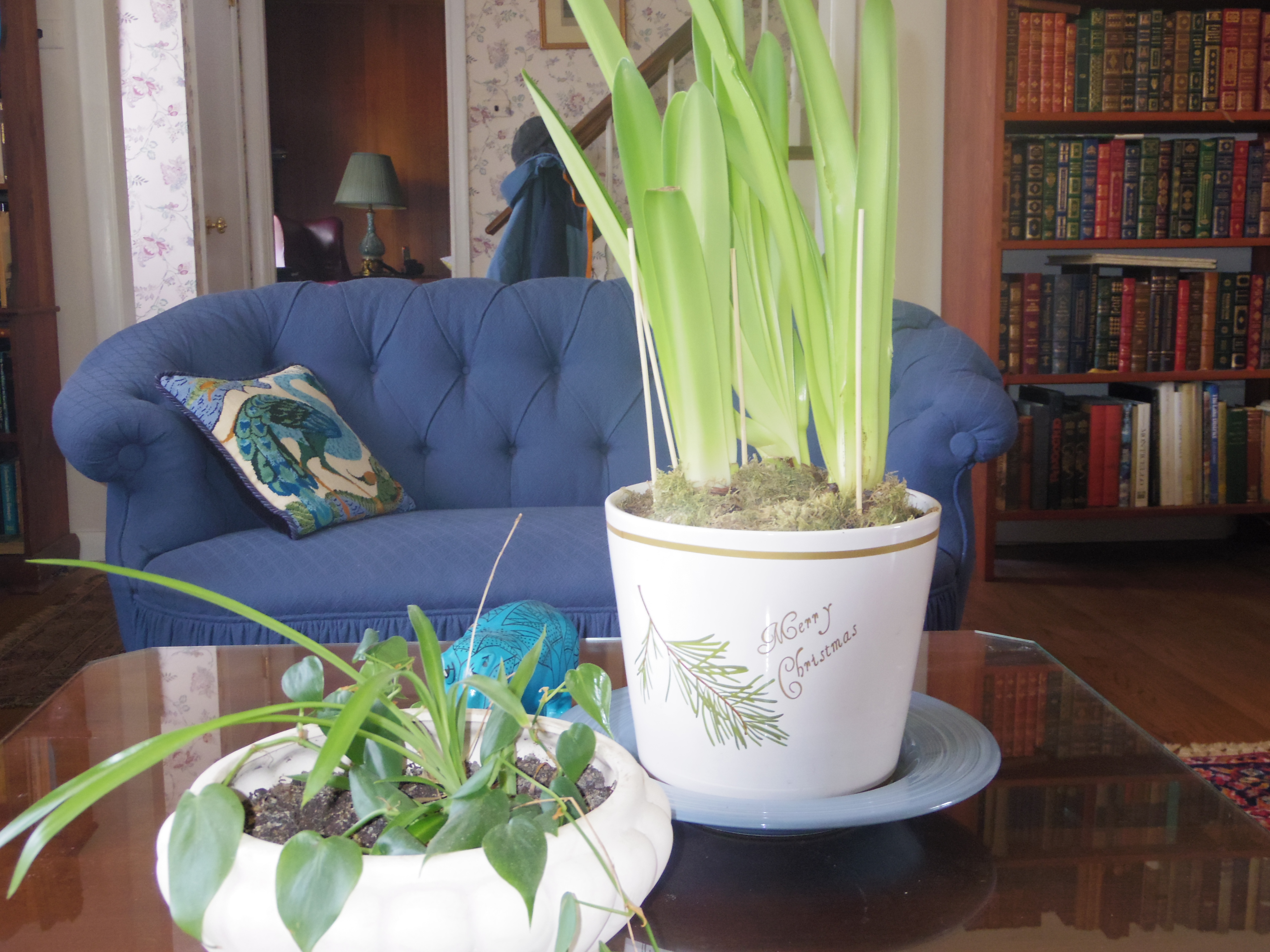
P.S. The paperwhite bulbs my brother sent for Christmas are growing–not blooming yet–but soon!

IMGP0901

Weekend update: Another chance to disapprove, Another brilliant zinger, Another reason not to move, Another vodka stinger*

by chuckofish

Mostly this weekend was a time for catching up. I had no social plans beyond a birthday lunch with my girlfriends and church on Sunday.  We had a baptism and it was good to renounce Satan and all the spiritual forces of wickedness with my brethren. At the end of the service we sang the interminably long but deeply wonderful “St. Patrick’s Breastplate”. Verse 6 always brings tears to my eyes:

Christ be with me,
Christ within me,
Christ behind me,
Christ before me,
Christ beside me,
Christ to win me,
Christ to comfort and restore me,
Christ beneath me,
Christ above me,
Christ in quiet,
Christ in danger,
Christ in hearts of all that love me,
Christ in mouth of friend and stranger.

On the literary front, I finished In the Skin of a Lion by Michael Ondaatje, which daughter #2 had encouraged me to read. I enjoyed it, but it was the kind of book where you are always aware that you are reading “literary” fiction. Not really my cup of tea. Great literature does not hit you over the head with its worthiness. Furthermore, I have to say that while some of the characters are engaging, they are also anarchists/terrorists. So again, how can you really care what happens to them? In point of fact, I didn’t.

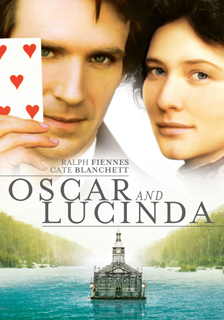
I watched two movies–one was a really good one: Oscar and Lucinda (1997), an Australian movie directed by Gillian Armstrong and based on the Booker Award-winning novel by Peter Carey. Boy, I really liked it.

oscar

Ralph Fiennes plays an Anglican priest in the mid-18th century who is an obsessive gambler. His reasons for gambling are pure and his Pascalian argument for his legitimate use of it as a Christian, completely righteous. He meets Cate Blanchett, who is a compulsive gambler, on the ship going to Melbourne and they become friends. Lucinda bets Oscar her entire inheritance that he cannot transport a glass church to the Outback safely. Oscar accepts her wager, and this leads  “to the events that will change both their lives forever.”

oscarlucinda2

I was so impressed with Ralph Fiennes who plays the innocent and devout minister without the least bit of irony or judgement. He is totally believable and likable. Cate Blanchett is as always intelligent and precise and believable. Both are so good as kindred spirits. Plus there are lots of fine actors in smaller roles. The production is beautiful. The music is by Thomas Newman.

Just a great movie! I will have to read the book now.

I also watched Company (2011)–a filmed version of the Broadway show which won the Tony for Best Musical back in 1971.

MV5BMTUzNjQyMjE1Nl5BMl5BanBnXkFtZTcwMDI2Mjk2OA@@._V1_SY317_CR51,0,214,317_

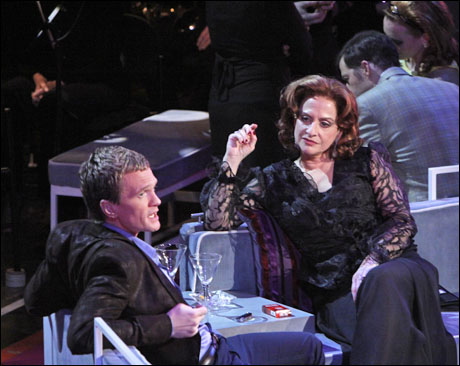
I was talking to someone at work awhile back and I said I hadn’t ever seen Company and the next thing I knew he had brought it in for me. He said I’d like it. Well, I finally got around to watching it and I did not like it. Stephen Sondheim’s negative take on marriage and relationships (and women in general) is very cynical and “sophisticated”.  

comp460

Puff puff. But there is not one likable/relatable character in the bunch. The main character, played by one of my least favorite actors–Neil Patrick Harris–is a jerk. Poor Mr. Sondheim. I feel that he was writing from experience.

On the home front, I took down our outside Christmas lights. It was 60-degrees yesterday so it seemed like the smart thing to do. I was impressed with what a good job the boy did putting them up. I guess he isn’t an Eagle Scout for nothin’!

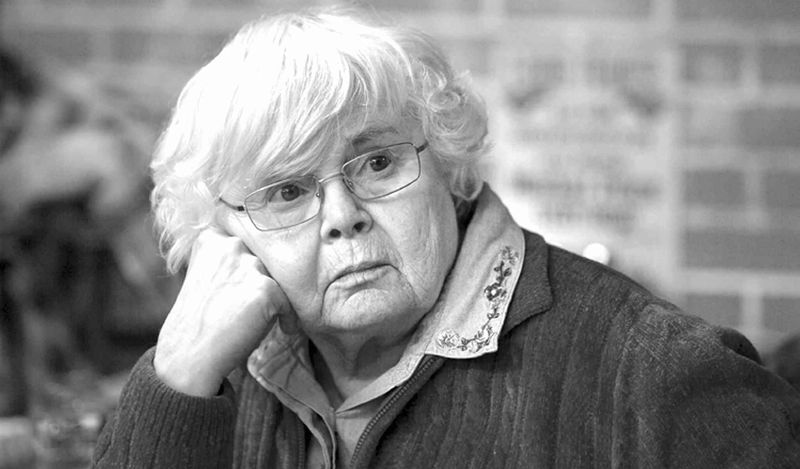
Golden Globe update: FYI June Squibb is from Vandalia, Illinois. You go, Flyover Girl!

5545232

And I thought Diane Keaton was lovely.

* “Ladies Who Lunch” by Stephen Sondheim

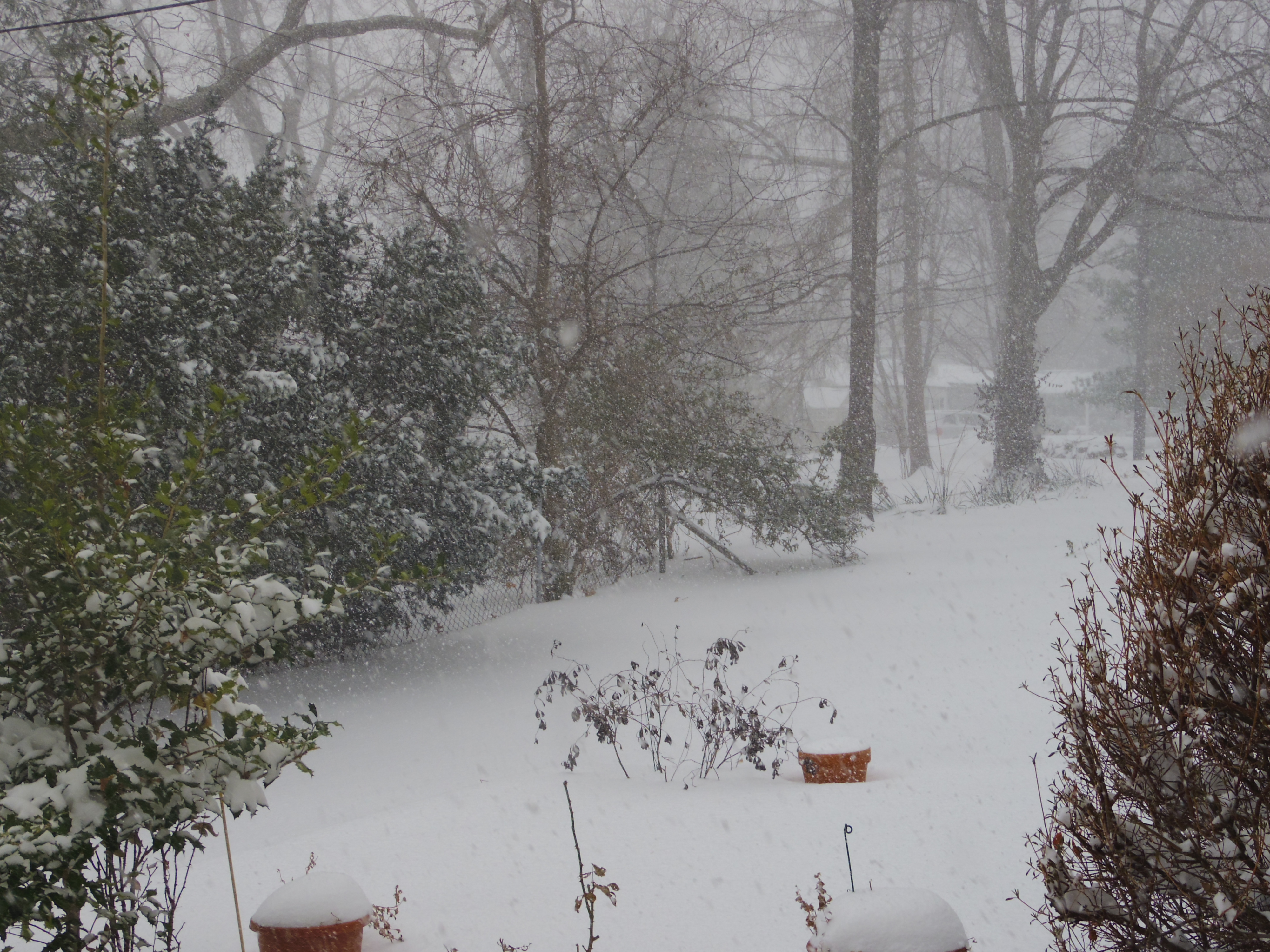
The snow doesn’t give a soft white damn whom it touches*

by chuckofish

IMGP0872

Yes, yesterday we had a blizzard.

IMGP0873

I ventured out in my trusty college boots, but the snow was way over the rolled cuffs of my jeans and the wind was howling so I headed back inside.

I put away the rest of the Christmas decorations–back to the basement–and tidied up. A blizzard is a great time to get one’s house back in order.

I also responded to some new interest in my old blogpost on the Sand Creek Massacre. The comments section was blowing up! I heard from a Japanese-American who lived as a child in the Amache Internment Camp during WWII and also from a retired history teacher who lived in Lamar, Colorado. It is amazing how the internet connects people.

IMGP0876

Blizzards are also excellent for encouraging reading without guilt. I finished re-reading Sackett by Louis L’Amour. L’Amour, you will recall, was the author of 89 novels, 14 short-story collections, and two full-length works of nonfiction and was considered “one of the world’s most popular writers” during his lifetime. A lot of what he wrote is not that great, but I like Hondo and Sackett. As I have said before, sometimes you are just not in the mood for great literature and need a good yarn.

“People who live in comfortable, settled towns with law-abiding citizens and a government to protect them, they never think of the men who came first, the ones who went through hell to build something.

“I tell you, ma’am, when my time comes to ride out, I want to see a school over there with a bell in the tower, and a church, and I want to see families dressed up of a Sunday, and a flag flying over there. And if I have to do it with a pistol, I’ll do it!”

Sackett–a man after my own heart.

Today, of course, is a snow day as there is no getting out of our driveway. Daughter #2 and I shall attempt to clear it. Onward and upward.

*e.e. cummings