dual personalities

Tag: Art

“Simplicity is the greatest adornment of art”*

by chuckofish

In case you missed it, Albrecht Dürer (1528), Matthias Grünewald (1529), and Lucas Cranach the Elder (1553), artists, were remembered on the Episcopal Church calendar on Tuesday.

You may recall, that in the turbulent sixteenth century, as the Renaissance and the Reformation changed the cultural, social, political and religious face of northern Europe from medieval to modern, these three artists were emblematic of those revolutions. You can read about them here.

Ever since I was a child I have been a big fan of Albrecht Dürer. I seem to remember that we had several of his woodcuts and engravings (watercolors?) in the collection of the Saint Louis Art Museum, but when I searched their online catalogue I could not find any. (What’s up with that?))
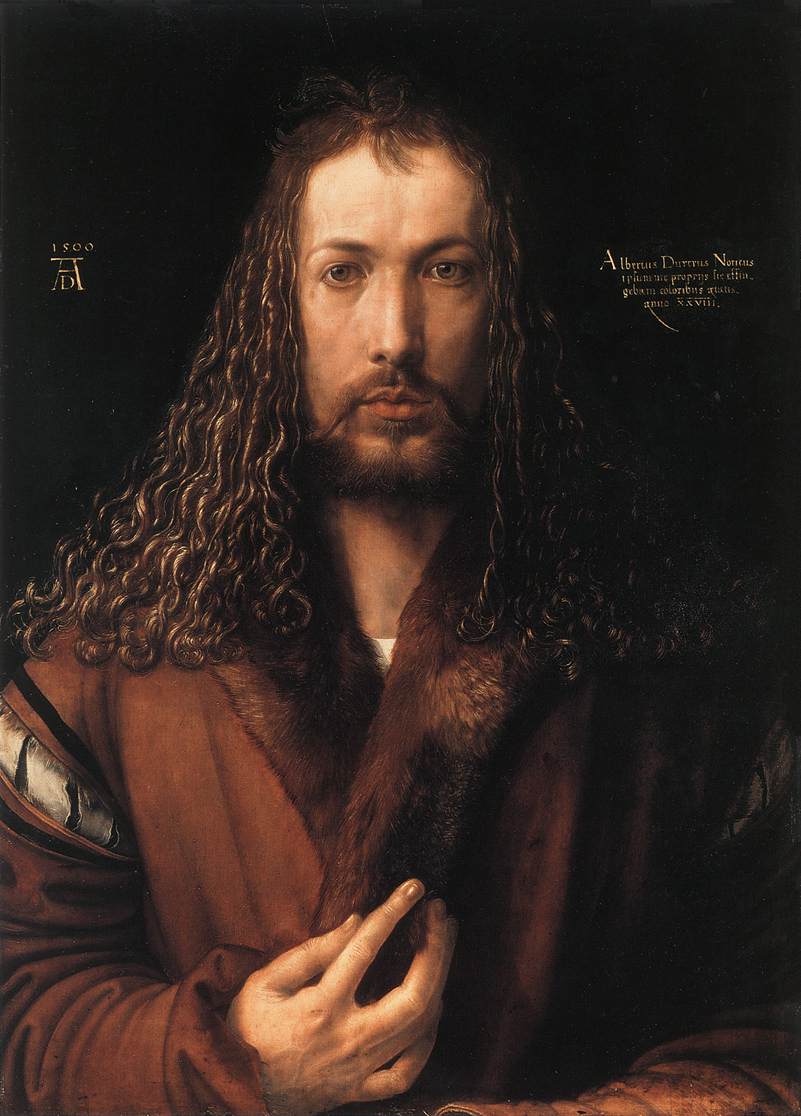
Durer_selfporitrait

He was good looking too!

Anyway, Albrecht Dürer was born in Nuremberg and is generally regarded as the greatest German artist of the Renaissance. “His talent, ambition and sharp, wide-ranging intellect earned him the attention and friendship of some of the most prominent figures in German society.” He became official court artist to Holy Roman Emperors Maximilian I and his successor Charles V. In Nuremberg, a vibrant center of humanism and one of the first cities to officially embrace the principles of the Reformation, Dürer had access to some of Europe’s outstanding theologians and scholars, including Erasmus, Philipp Melanchthon and his good friend Willibald Pirkheimer–each of whom he made portraits.
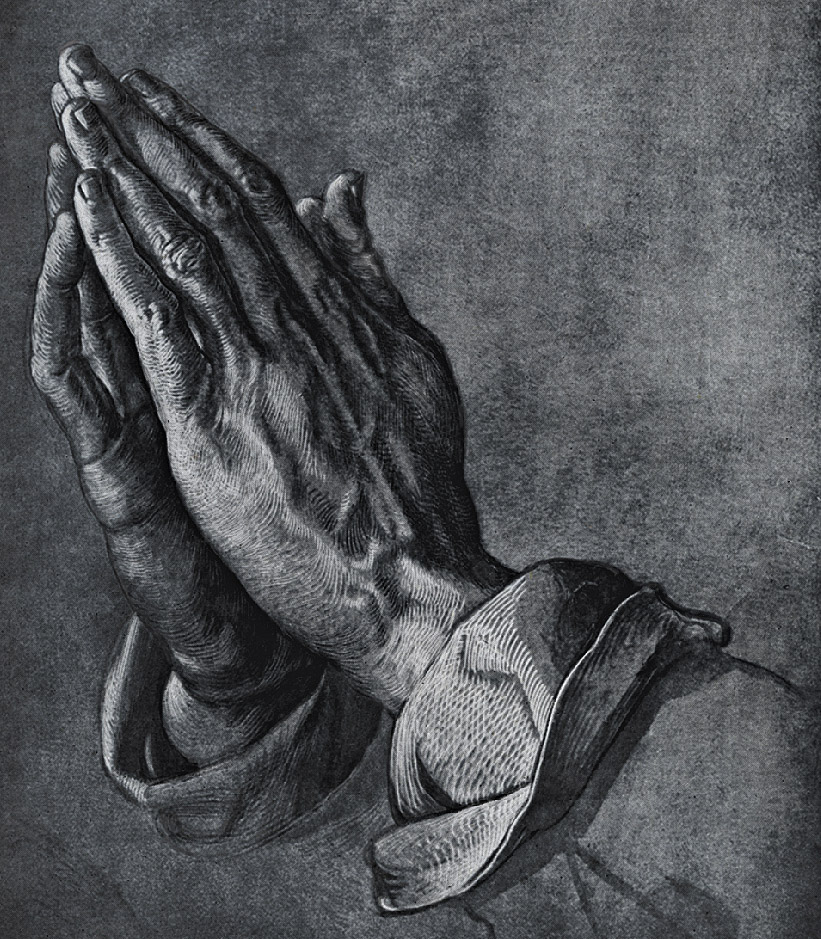
praying_hands_albrecht_durer

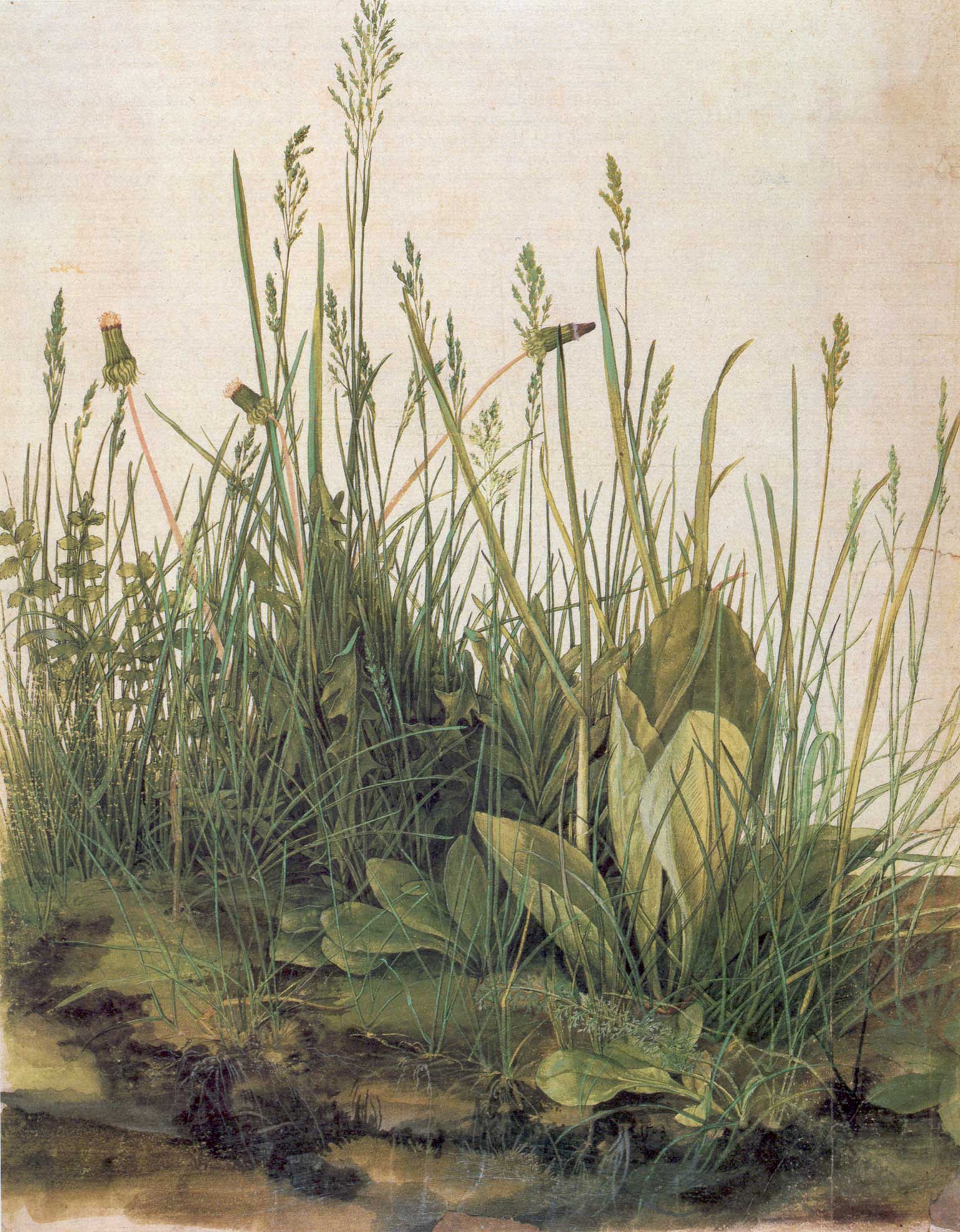
Hundreds of surviving drawings, letters and diary entries document his travels through Italy and the Netherlands, attesting to his insistently scientific perspective and demanding artistic judgment.
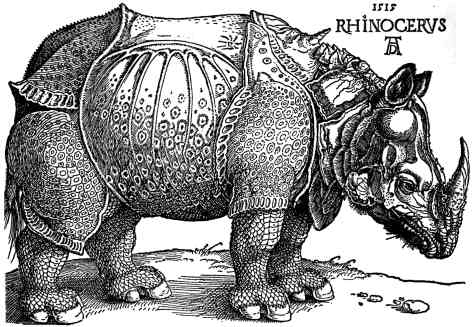
Dürer_-_Rhinoceros

Albrecht_Dürer05

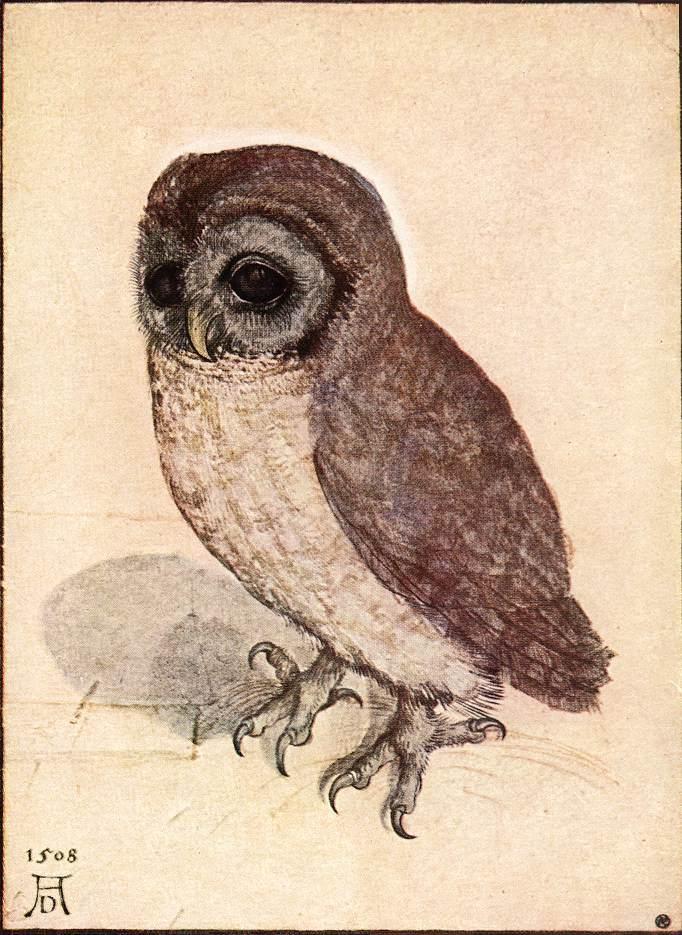
little_owl

Dürer attended the Augustinian Church in Nuremberg and was heavily influenced by the teachings of Luther and the emphasis on Christ’s passion as the only key to forgiveness from sin. When Luther disappeared after the Diet of Worms and few knew whether he was living or dead, Dürer offered a prayer:

“If we have lost this man, who has written more clearly than any that has lived for 140 years, and to whom Thou hast given such a spirit of the Gospel, we pray Thee, O Heavenly Father, that Thou wouldst again give Thy Holy Spirit to another . . . O God, if Luther is dead, who will henceforth deliver the Holy Gospel to us with such clearness?

Of course, unknown to Dürer at the time, Luther was very much alive and had been placed in hiding by his friends to protect him from capture by the imperial or papal forces.

In 1525 Nuremberg became a Protestant city. The following year Dürer made a present to the Nuremberg City Council of The Four Holy Men — Saints John, Peter, Mark and Paul. Below the painting Dürer wrote, “All worldly rulers in these dangerous times should give good heed that they receive not human misguidance for the Word of God, for God will have nothing added to His Word nor taken away from it. Hear therefore these four excellent men, Peter, John, Paul, and Mark and their warning.”
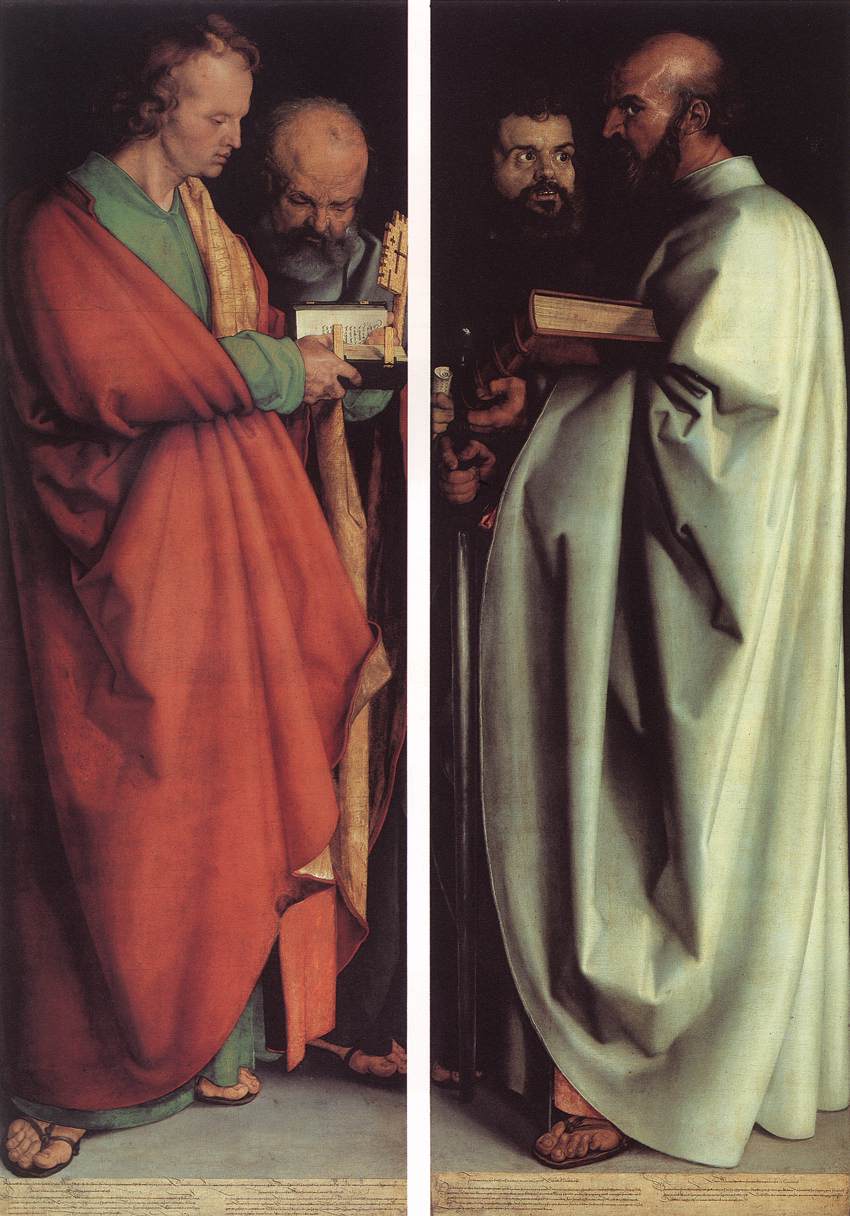
The Four Holy Men, 1526. Oil on lindenwood

The Four Holy Men, 1526. Oil on lindenwood

We give thanks to you, O Lord, for the vision and skill of Albrecht Dürer, Matthias Grünewald and Lucas Cranach the Elder, whose artistic depictions helped the peoples of their age understand the full suffering and glory of your incarnate Son; and we pray that their work may strengthen our faith in Jesus Christ and the mystery of the Holy Trinity; for you live and reign, one God, for ever and ever. Amen.

* Albrecht Dürer
“Though many brave unwritten tales were simply told in vapour trails”*

by chuckofish

Let’s take a moment to remember that the Battle of Britain began on July 10, 1940 as Nazi forces attacked shipping convoys in the English Channel. It was the first major assault by the Luftwaffe. Although heavily outnumbered, the British fighter pilots put up a fierce fight and succeeded in driving off the attackers.

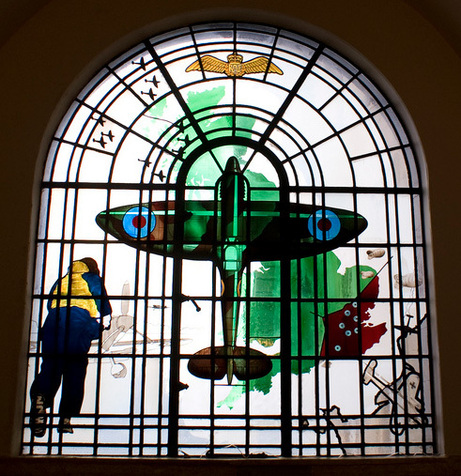
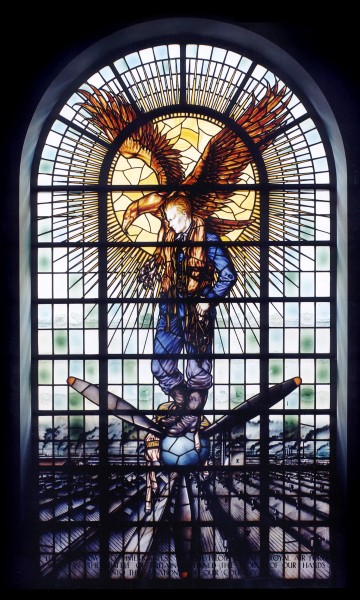
The Battle of Britain Memorial Window for Rolls-Royce, dedicated in 1947 in the Lady Chapel in Westminster Abbey

The Battle of Britain Memorial Window for Rolls-Royce, dedicated in 1947 in the Lady Chapel in Westminster Abbey

“Spitfire” window was created to honour all members of RAF Fighter Command. It’s located at the former RAF Bentley Priory, headquarters of Fighter Command during the Second World War

“Spitfire” window created to honor all members of RAF Fighter Command. It’s located at the former RAF Bentley Priory, headquarters of Fighter Command during the Second World War.

Battle of Britain Memorial in Kent, England

Battle of Britain Memorial in Kent, England

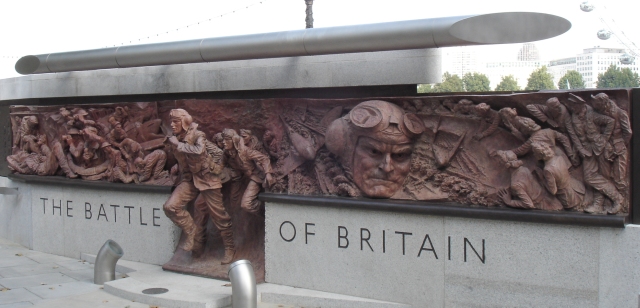
A section of the Battle of Britain Monument in London, England

A section of the Battle of Britain Monument in London, England

I might have to dust off my copy of The Battle of Britain (1969), an “historical reenactment of the air war in the early days of World War Two for control of the skies over Britain as the new Luftwaffe and the Royal Air Force determine whether or not an invasion can take place.”

10448

Directed by Guy Hamilton, there is a lot of aerial action by Spitfires and it boasts a who’s who of British actors, including Michael Caine, Trevor Howard, Ian McShane, Laurence Olivier, Michael Redgrave, Kenneth More, Ralph Richardson, and on and on.

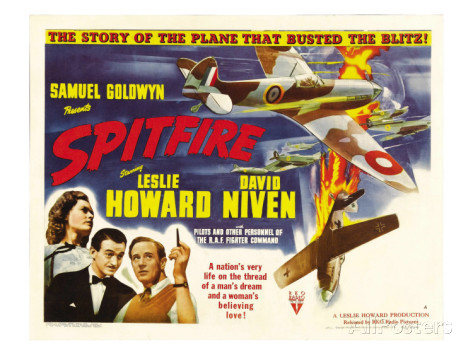
If I had not just recently seen Spitfire–The First of Few (1942) starring Leslie Howard and David Niven, I would certainly watch it.

spitfire-rosamund-john-david-niven-leslie-howard-1942

Leslie Howard is great as aircraft designer R.J. Mitchell and, as usual, he is doing his best to support the war effort in the best way he can.

It goes without saying that I will toast those few brave flyers who fought so valiantly to save so many. Will you join me?

* Lines from “Our Wall” by Flight Lieutenant William Walker, 616 Squadron, inscribed on a plaque next to the memorial wall in Kent.


In flowery June

by chuckofish

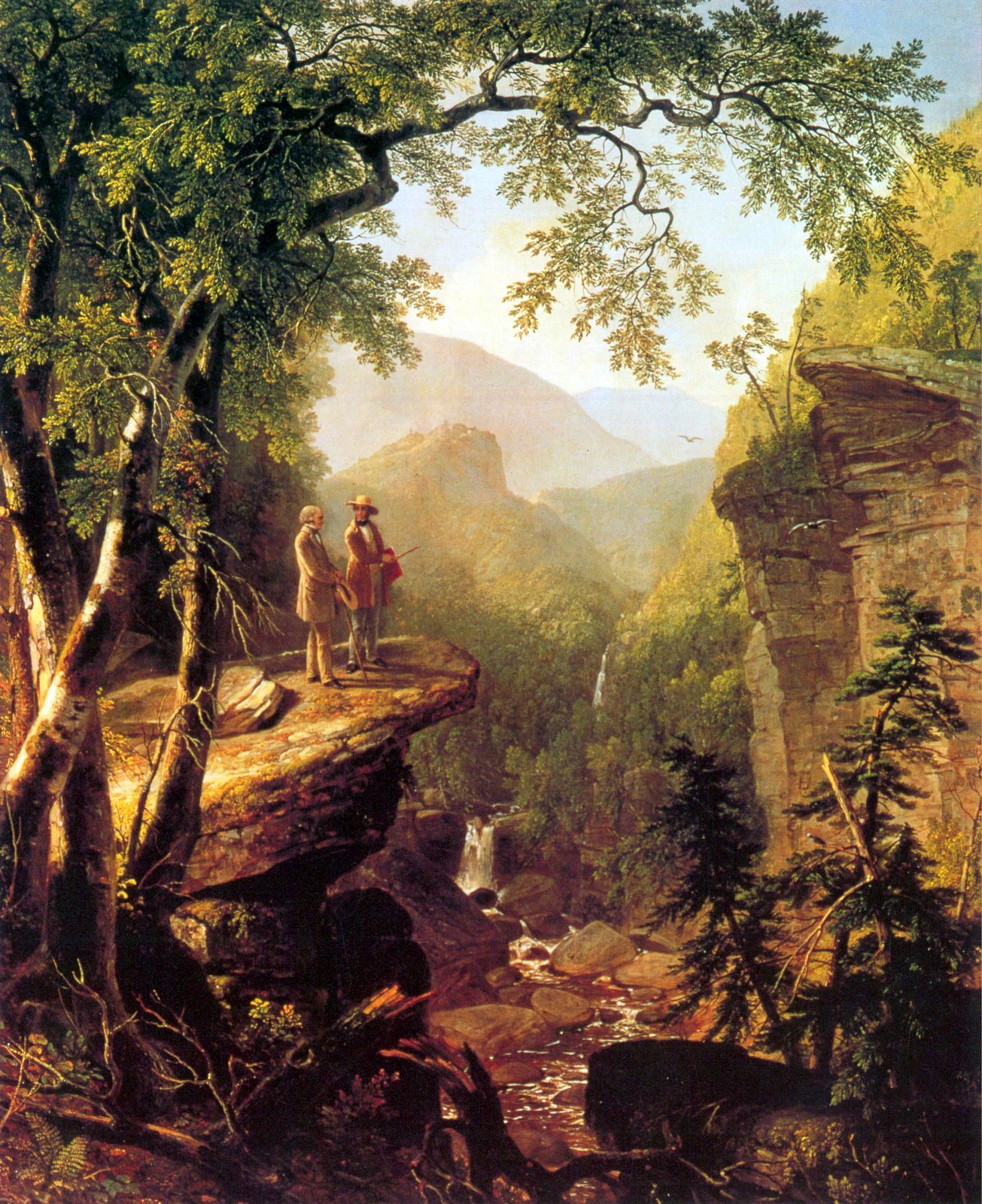
Kindred spirits by Asher Brown Durand.jpg

I gazed upon the glorious sky

And the green mountains round,

And thought that when I came to lie

At rest within the ground,

‘Twere pleasant, that in flowery June

When brooks send up a cheerful tune,

And groves a joyous sound,

The sexton’s hand, my grave to make,

The rich, green mountain-turf should break.

–William Cullen Bryant

Interesting side note to my art and poetry choice today: Asher B. Durand finished “Kindred Spirits” (above) in March 1849. It was a memorial to his friend and mentor Thomas Cole, who stands in the landscape with writer and poet William Cullen Bryant. The painting was commissioned by art patron John Sturges following the death of Cole at age 47. He gave the painting to Bryant, a close friend and “kindred spirit” of Cole and Durand. The painting remained in Bryant’s family until 1904 when it was donated to the New York Public Library.

“Kindred Spirits” was sold by the NYPL to Alice Walton at a private auction for a purported $35 million dollars in 2005. She bought the painting to be the centerpiece of the Crystal Bridges Museum of American Art in Bentonville, Arkansas. Some New Yorkers resented this greatly and the New York newspapers were outraged by the sale, one critic writing that its sale meant “not just the removal of a beloved painting from a beloved setting, but also a diminishment of New York City itself.”

Well, I can see how they felt and I’m pretty sure that the heirs of William Cullen Bryant would be disappointed that the NYPL sold their gift–although the price it got would blow their minds–but it’s one more reason for me to head south to Crystal Bridges. I have been meaning to do this for quite some time.

2012-10-31-museums_cb

Anyone want to go with?

What are you reading?

by chuckofish

girl-reading-758651

This past weekend I went to several really good estate sales. One was at the home of a woman who had gone to my school, graduating 20 years earlier. Clearly it was a home she had moved to after either getting a divorce or being widowed. You can always tell when this is the case, because the woman has painted the inside of the house pink and redone the closets to suit herself. She has said, in effect, finally I’m going to have things the way I like.

She had obviously been an avid needlepointer. I bought a couple of unfinished kits and two books.

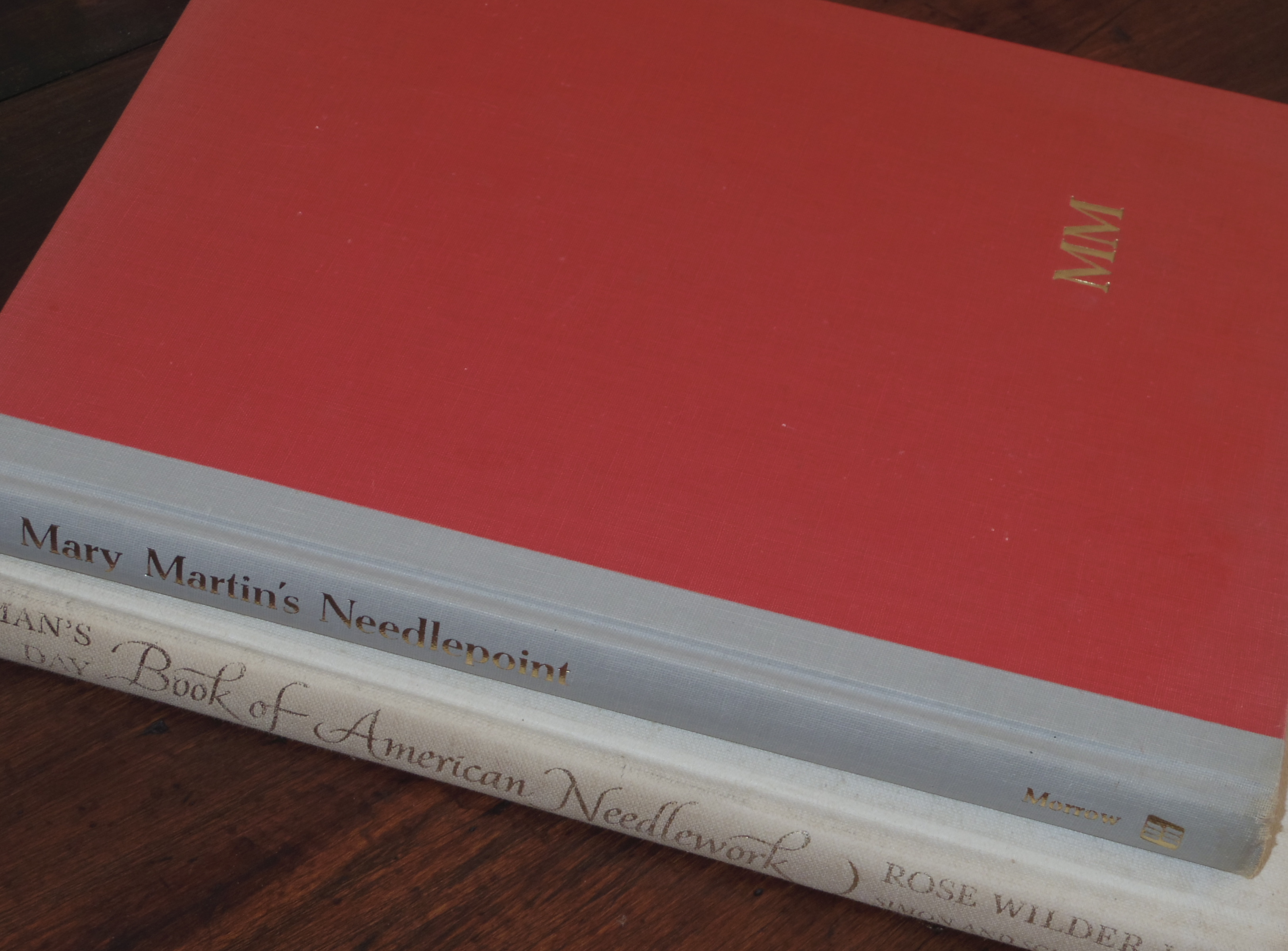
One is a vintage copy of Mary Martin’s Needlepoint (1969)–a delightful look into the hobby and home of the famous Broadway star.

MMbook

You remember Mary Martin–she starred on Broadway in the original productions of Annie Get Your Gun,  South Pacific, The Sound of Music and a host of other shows.

Mary_Martin_-_still

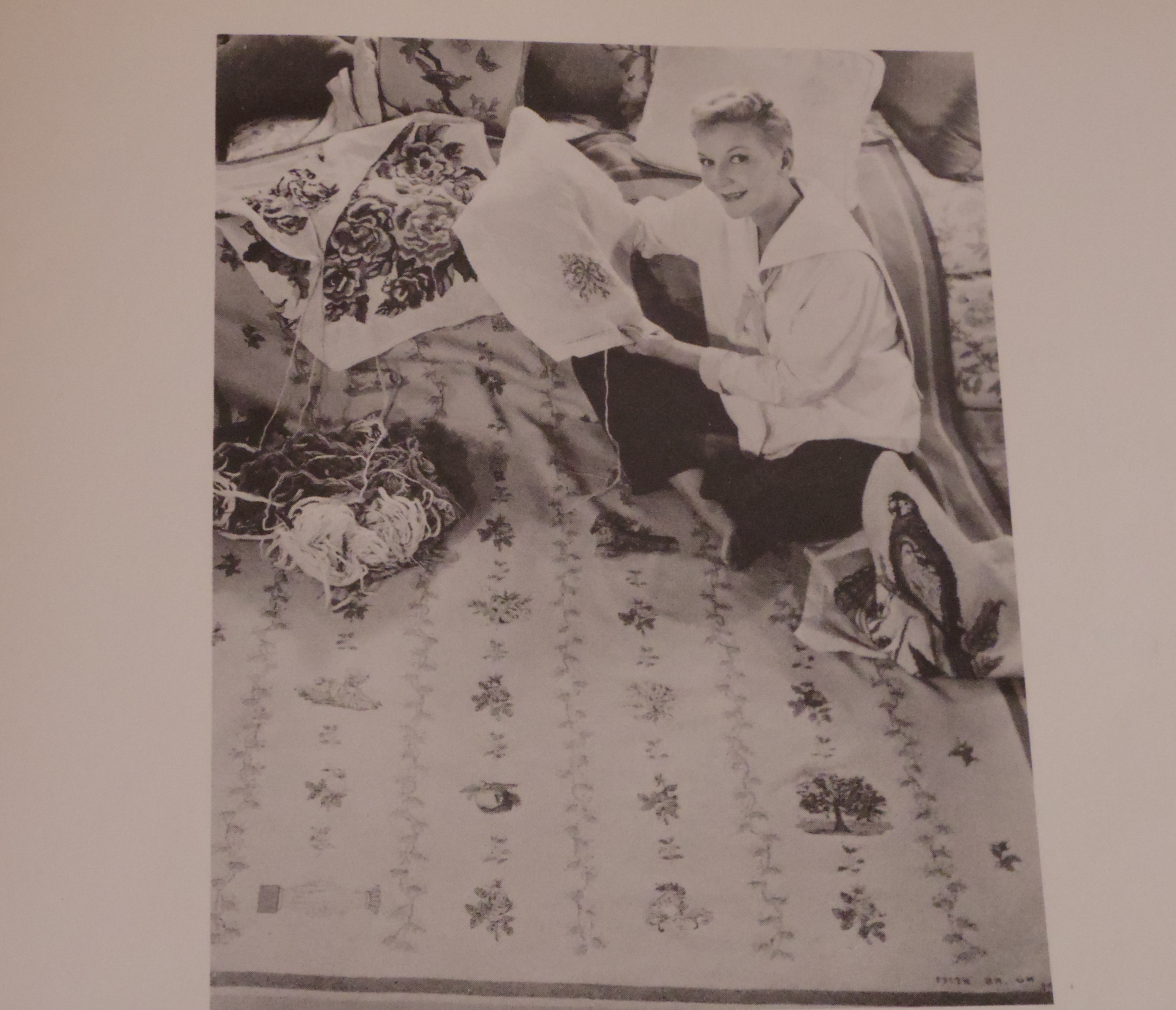
She took up needlepointing as a way to pass the time waiting in the wings offstage and on sets. She started BIG…with a rug!

Mary posing on "the rug" with other projects

Mary posing on “the rug” with other projects

“The Rug is known by a variety of names. It was the innocent, impulsive beginning—all five and a half by seven and a half feet of it!—of my doing needlepoint.”  She designed it herself, incorporating symbols that represented important aspects of her life. It took a few years, but she kept going. Impressive. Also impressive is the fact that she designed all her own work. No  kits for her! Her stitching is all very personal and heart-felt.

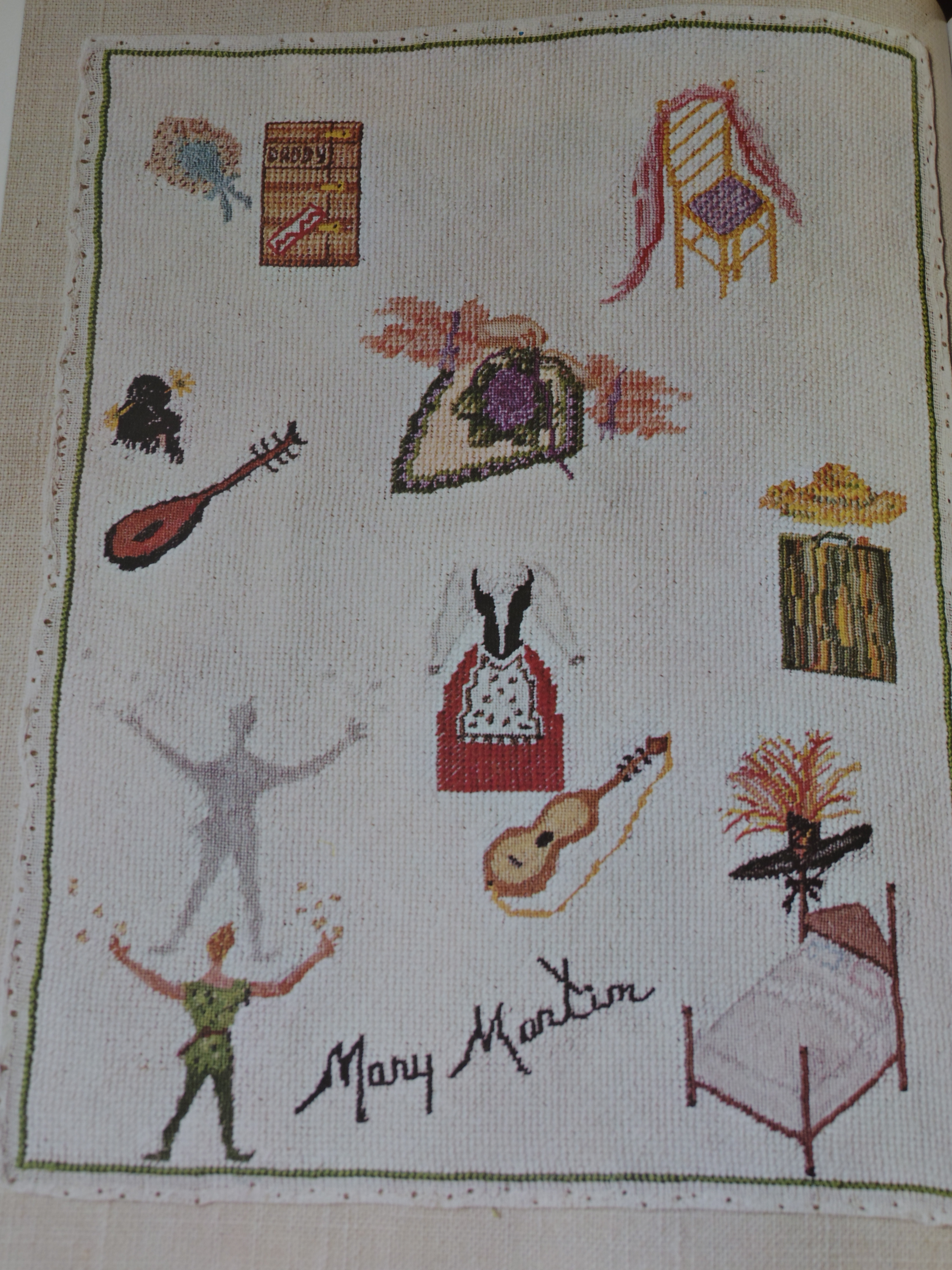
Through the years several of her friends found and bought antique samplers from the 18th and 19th centuries for her that included the name “Mary Martin” on them. Nice friends! Eventually she designed her own sampler incorporating motifs from shows that meant the most to her.

Mary's theater sampler

Mary’s theatre sampler

Mary Martin made pillows, purses, pictures, upholstered furniture, and more throughout her storied life. For needlepointers or theater-lovers, this is a fun book.

Meanwhile I continue to work my way through The Goldfinch by Donna Tartt. I am determined to finish this rather Dickensian opus, but I do think it is overly long. The author writes very well; we’ll see.

I must say that I believe I would get along famously with the author, who is considered one of the most reclusive contemporary authors around. Moreover, she’s indifferent to technology, avoids social media and does most of her writing by hand in notebooks. According to one of the very few articles I could find about her (in Business Day), “when her novels are released, she grants few interviews in which she reveals very little about herself. She’s known to become prickly when journalists dare suggest certain characters in her books are based on people she knows. Her private life is just that, private.”

What are you reading?

Lazarus, come forth!

by chuckofish

Sunday’s gospel lesson was John 11:1-45 which is a long lesson, the story of Jesus raising Lazarus from the dead. Our associate rector gave a really good sermon comparing the tomb of Lazarus to ourselves when we lose interest in life, when we are no longer fully alive. Our savior does not come into the tomb with us, but stands at the door and calls us to come out. I thought that he made a good point.

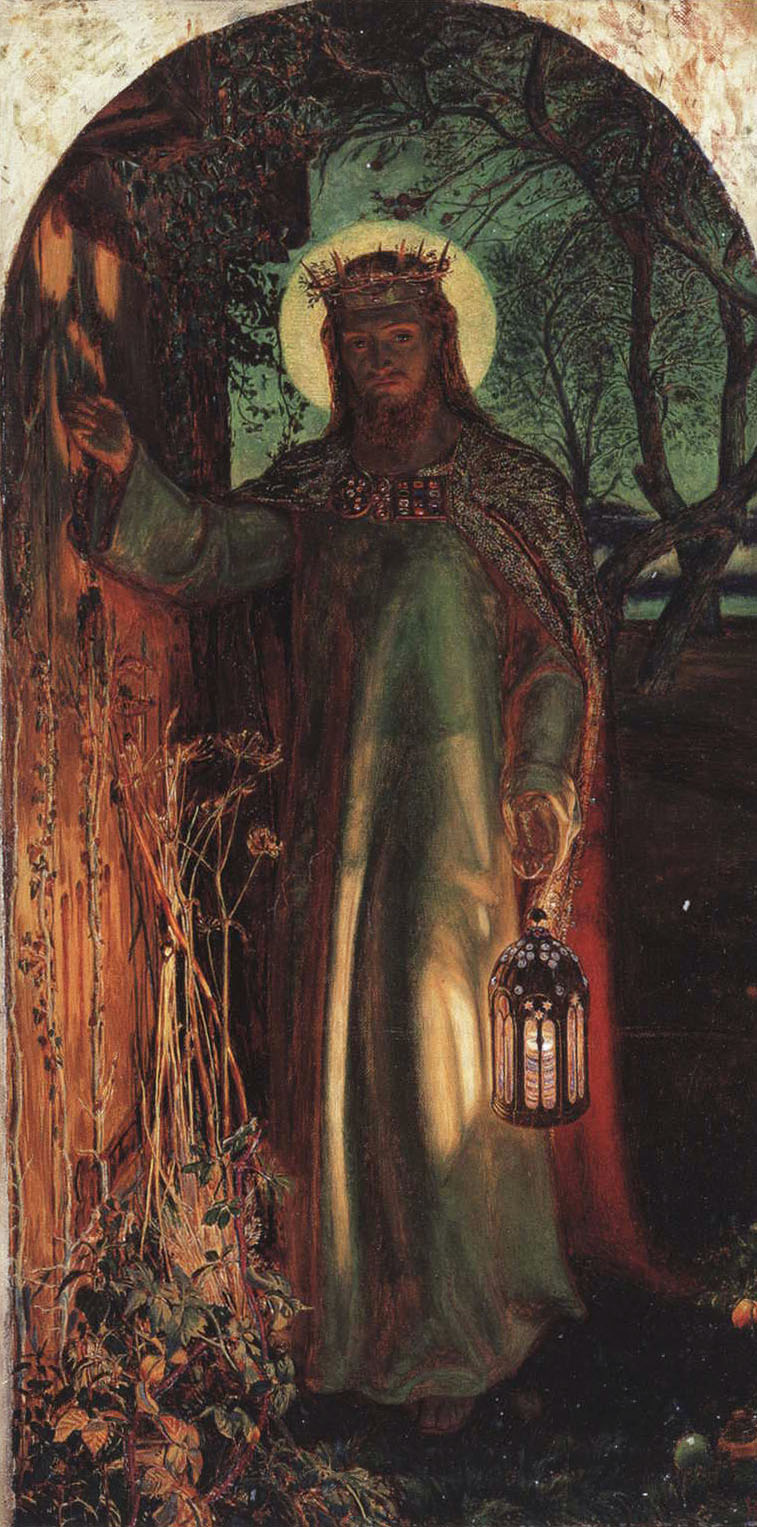
This made me think of the famous painting, the Light of the World by William Holman Hunt:

Hunt_Light_of_the_World

This is an allegorical painting illustrating Revelation 3:20: “Behold, I stand at the door and knock; if any man hear My voice, and open the door, I will come in to him, and will sup with him, and he with Me”. The door in the painting has no handle, and can therefore be opened only from the inside, representing (according to Hunt) “the obstinately shut mind”.

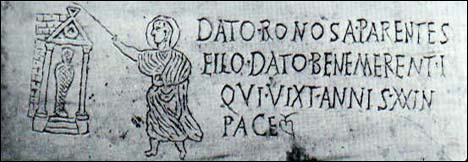
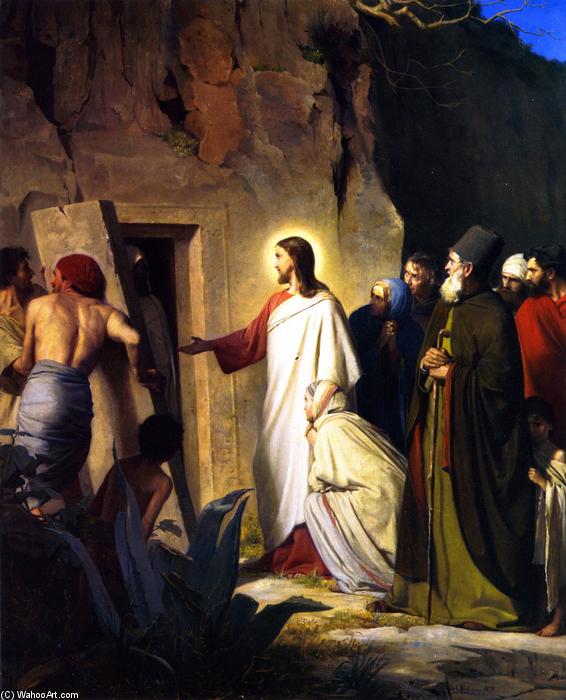
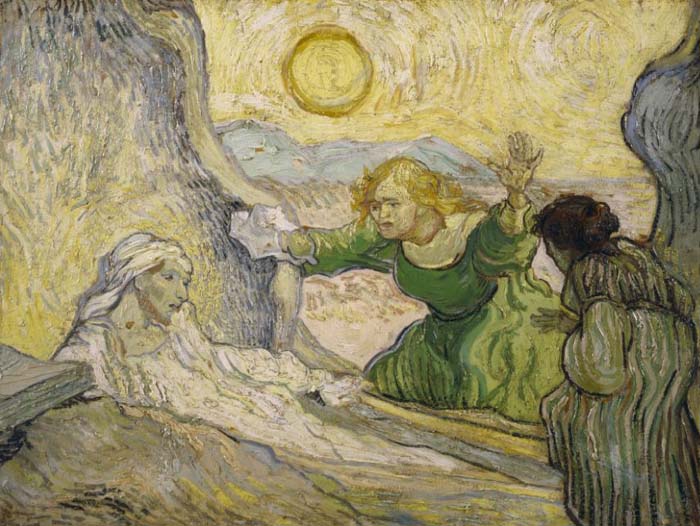
Here are some artistic representations of Jesus calling Lazarus forth:

A 3rd century version

A 3rd century version

Giotto's version

Giotto’s version

Rembrandt's version

Rembrandt’s version

Carl Heinrich Bloch's version

Carl Heinrich Bloch’s version

Vincent Van Gogh's Lazarus

Vincent Van Gogh’s Lazarus

None of them do much for me. These images are, however, as Frederick Buechner says, “the wordless, eloquent, tongue-tied, clumsy, joyous and grieving cry of centuries” trying to depict the un-depictable.

But to get back to what I started to say…We must come forth and live our lives and do the work we are meant to do.

Robert Powell as Jesus calls Lazarus forth

Robert Powell as Jesus calls Lazarus forth

Thoughts? Discuss among yourselves.

Home again, home again

by chuckofish

I am home from my short, easy-breezy trip back east. I was smart this time and came home on Saturday so I had Sunday to de-compress and settle back into my world once again before heading to a jam-packed day at work on Monday. (And I also got a chance to clean up the house after the OM was alone for 4 days.)

Darling daughter #2 posted yesterday about my visit and she hit all the high points. We had a super fun time in and out of the City and in the suburban sprawl around it. We did what we love to do: estate-saled, looked at art, shopped at IKEA, went out to eat with her friends, drank wine, walked and talked.

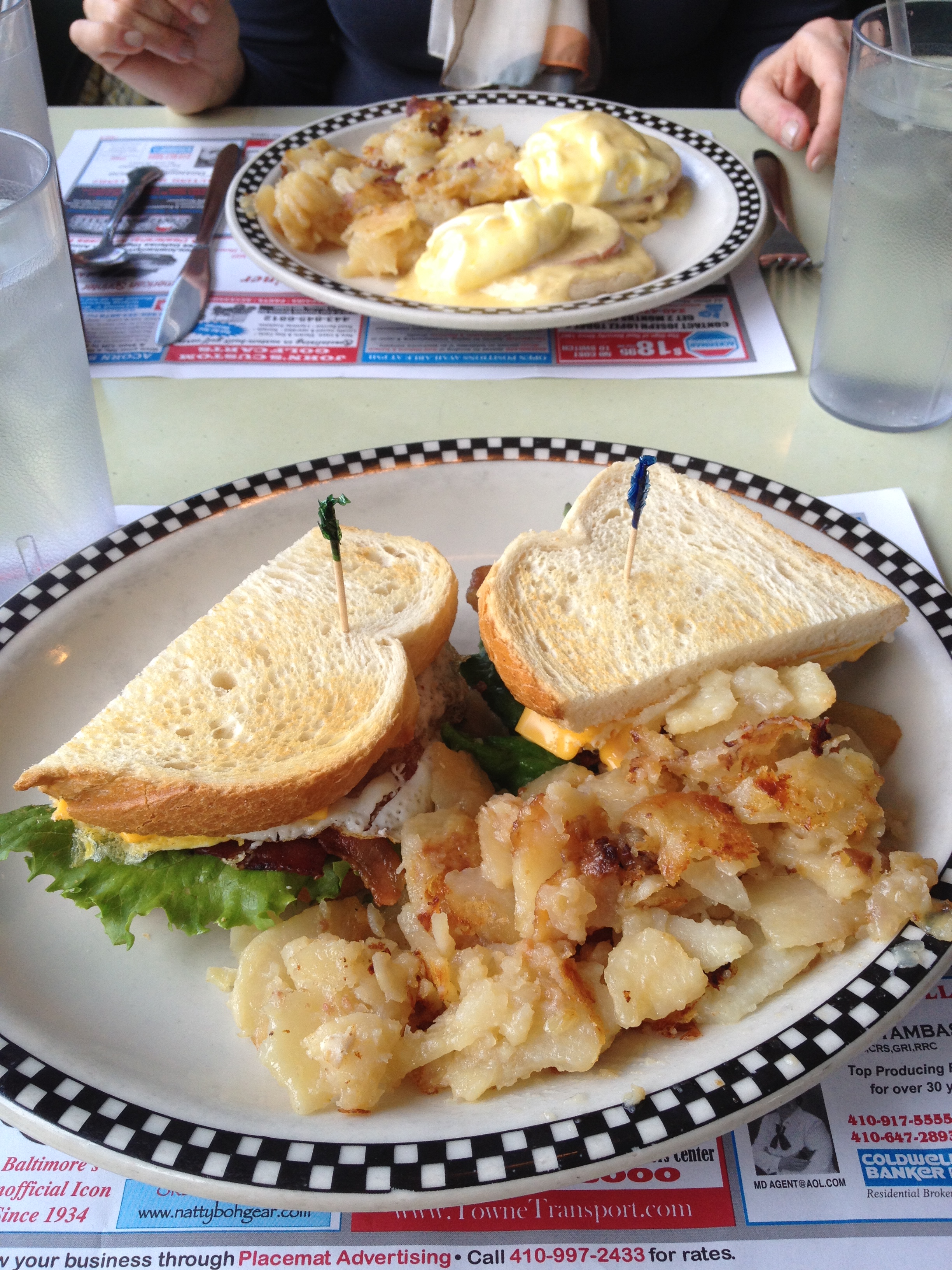
Mmmm--diner food

Mmmm–diner food

But as a mother it is mostly wonderful to see where one’s beloved child lives and spends her time. Now I can picture where she is sitting when we talk on the phone. I know how she has arranged her things.

jewelry

IMGP0956

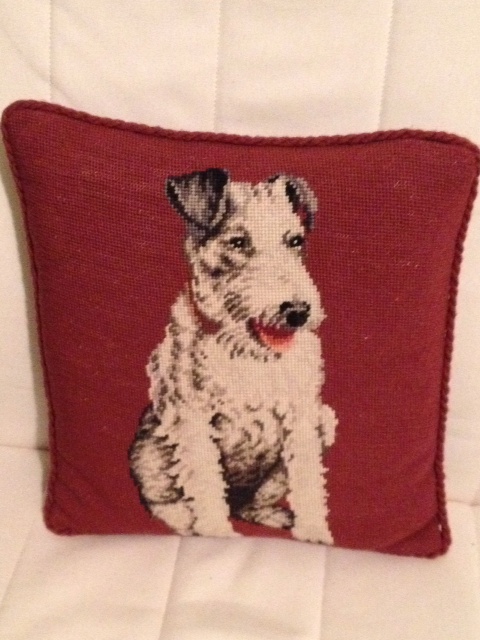
dog

IMGP0955

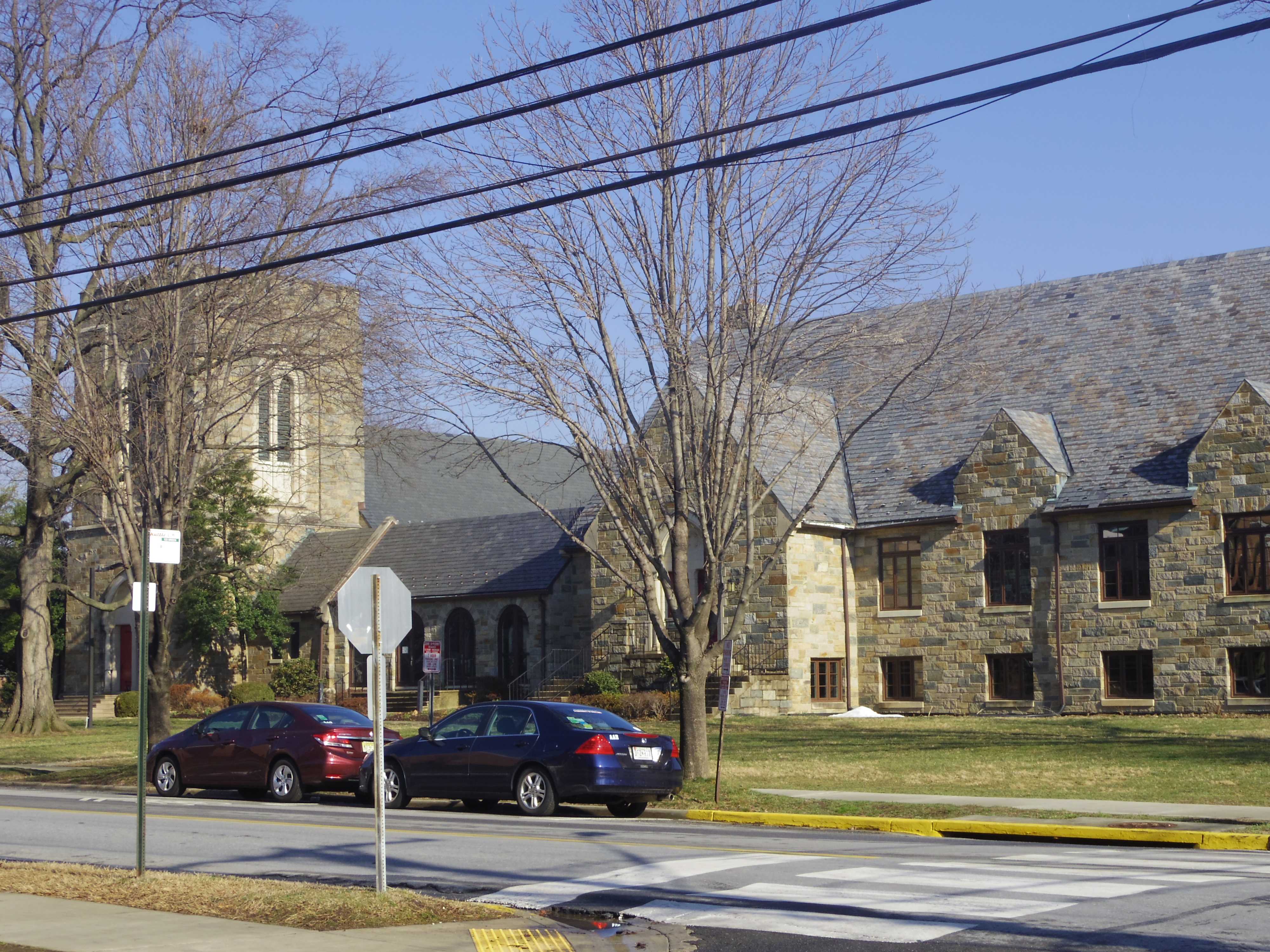
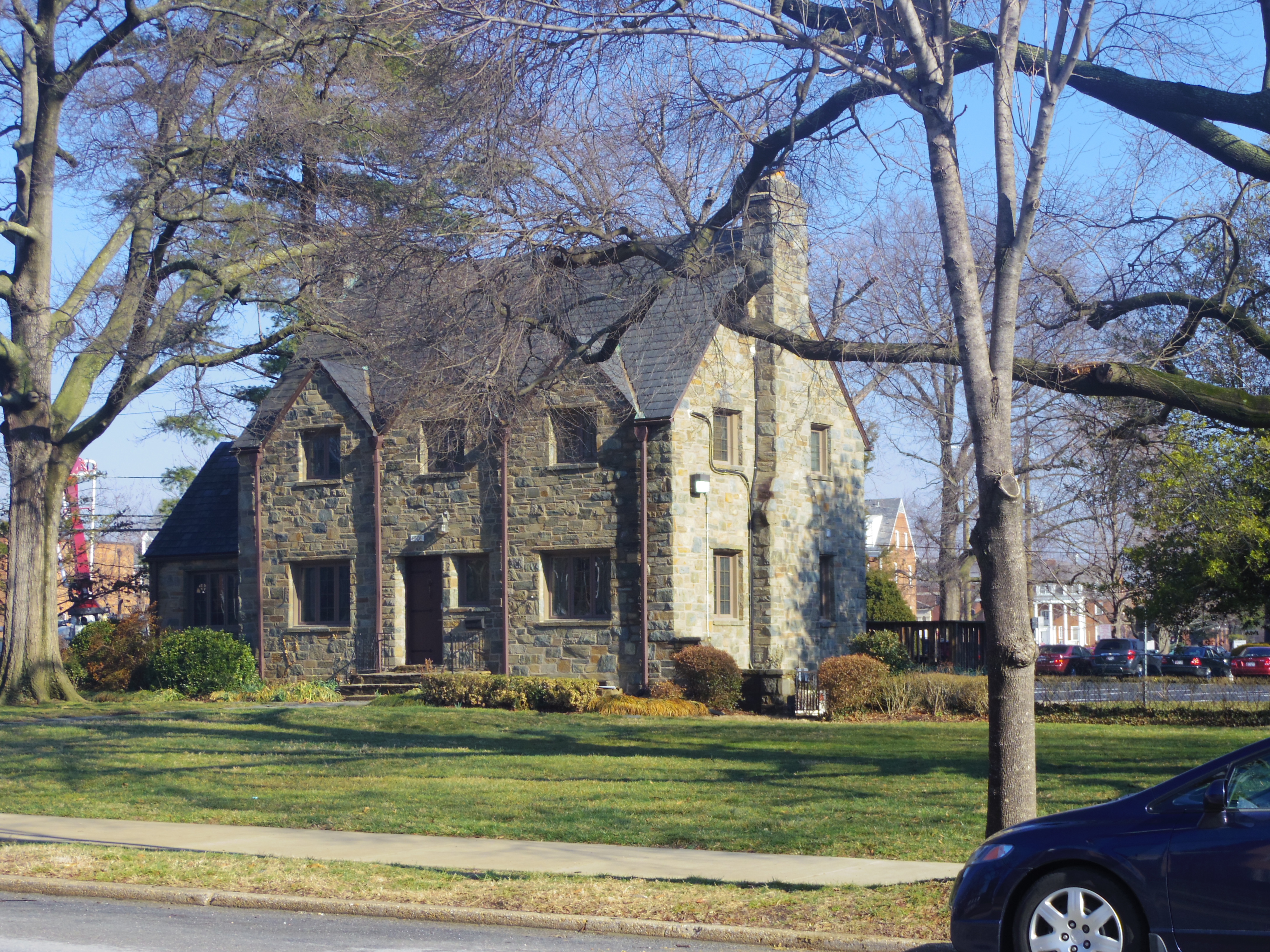
Her apartment is a block away from the picture-perfect U of Maryland sorority houses and also the Episcopal Church where my flyover friend Becky lived as a child when her father was the rector there.

church

IMGP0949

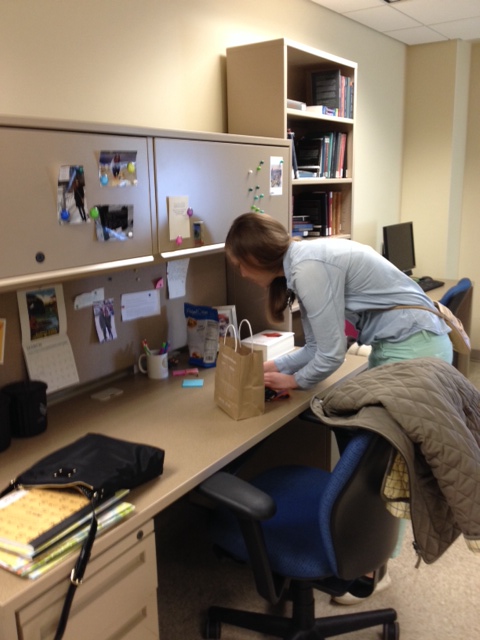
I saw her office in the English Department at school.

office

I guess only a mother (or parent) can understand how important all of this is. I feel the same way after visiting daughter #1 in NYC–relieved that she has made a home for herself and that she has nice friends and that she has carried something of her flyover home to her new abode.

Sigh.

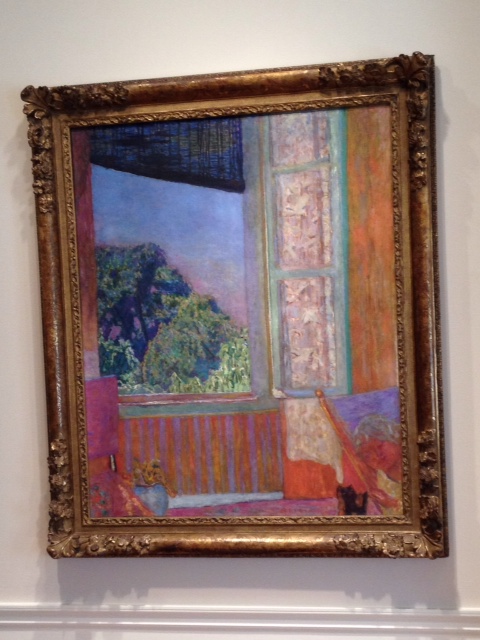
'The Open Window' by Pierre Bonnard (1867-1947), The Phillips Collection

‘The Open Window’ by Pierre Bonnard (1867-1947), The Phillips Collection

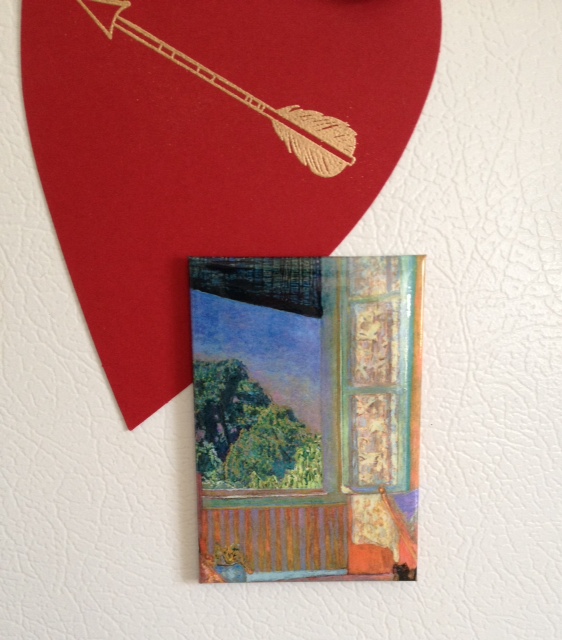
And I have a magnet to remind me of my visit.

magnet

Some art for Wednesday: “Look at nature, work independently, and solve your own problems.”*

by chuckofish

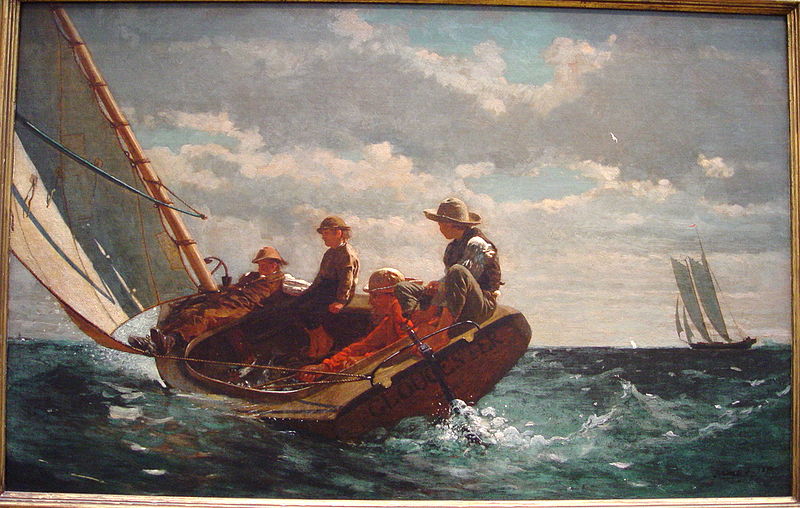
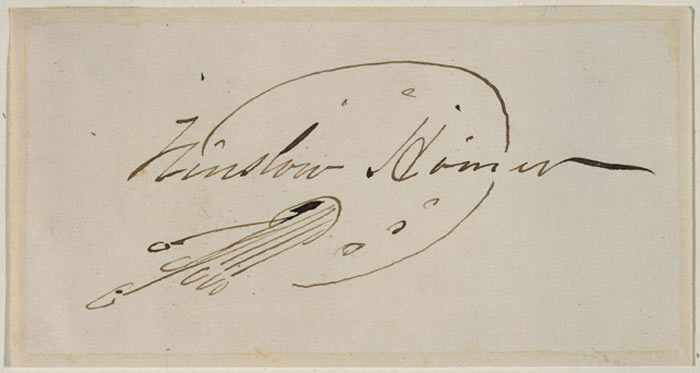
Monday was the birthday of Winslow Homer (February 24, 1836 – September 29, 1910) whom readers of this blog know has always been one of my favorite artists. Like me, he came from a long line of New Englanders and so the landscapes he painted are both familiar and dear to me. Our mother was also a great admirer of Homer and we were introduced to his art at an early and impressionable age. What is not to like?
Here are a few of my favorites.

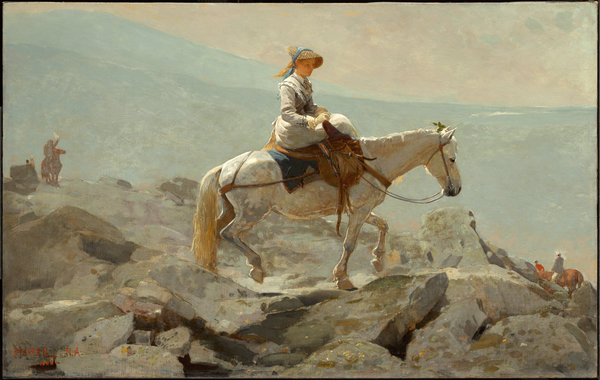
This poster hung on my dorm room wall in college. It can be seen on the bottom of this blog.
A print of this painting hung on my dorm room wall in college. It can be seen on the bottom of this blog.

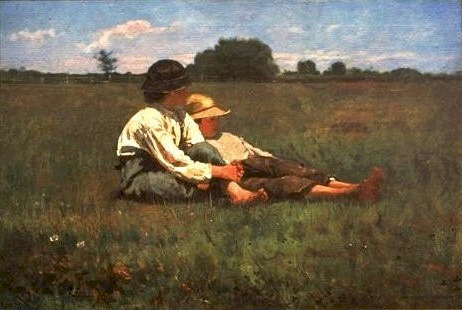
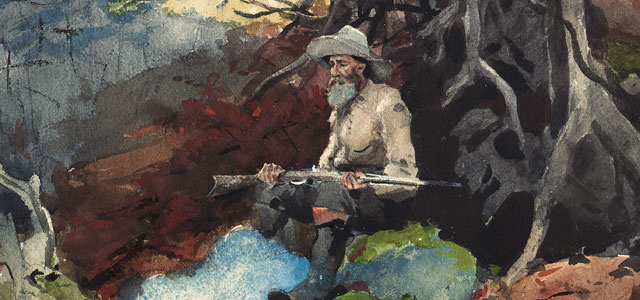
My kind of guy

My kind of guy

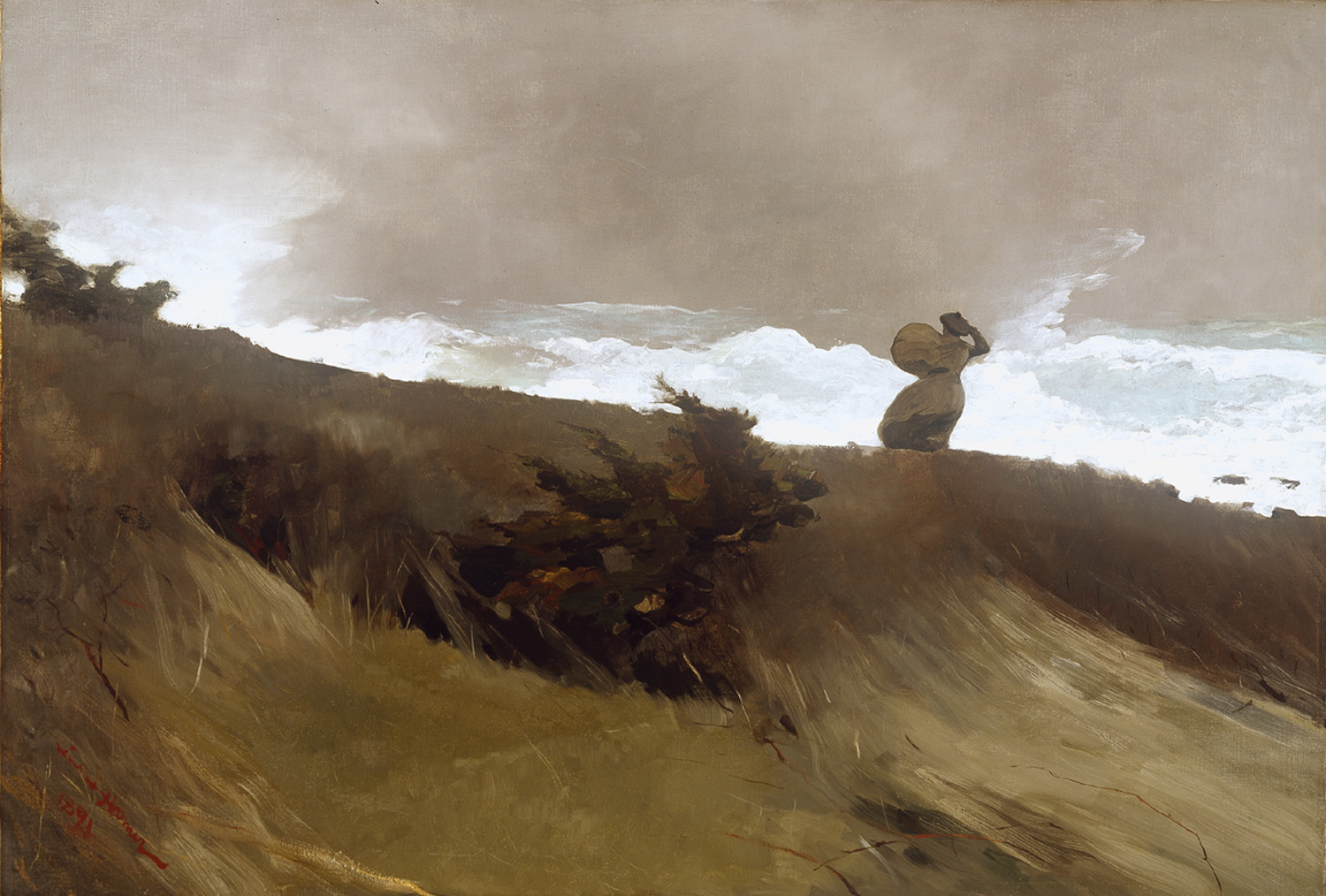
The West Wind

The West Wind

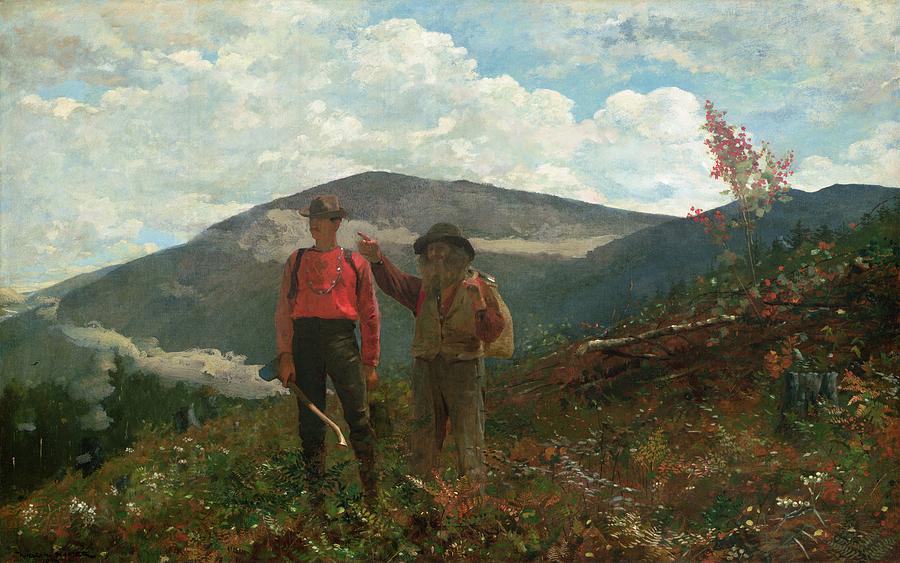
Two Guides

Two Guides

This painting hangs in the Sterling and Francine Clark Art Institute in Williamstown, MA and I stared at it a lot in college.

This painting hangs in the Sterling and Francine Clark Art Institute in Williamstown, MA and I stared at it a lot in college.

Breezing Up

Breezing Up

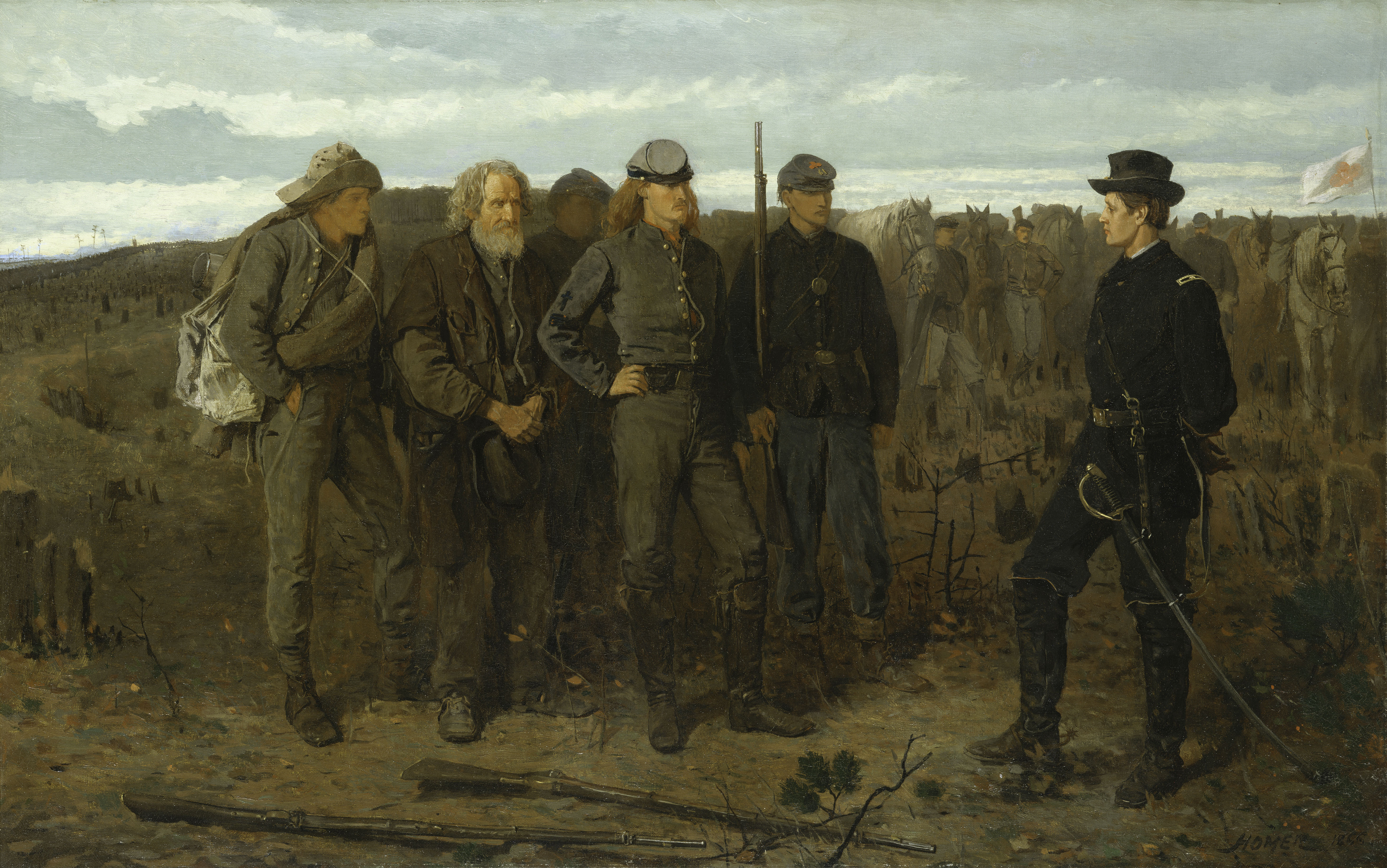
Prisoners From the Front--I always loved this picture.

Prisoners From the Front–I always loved this picture.

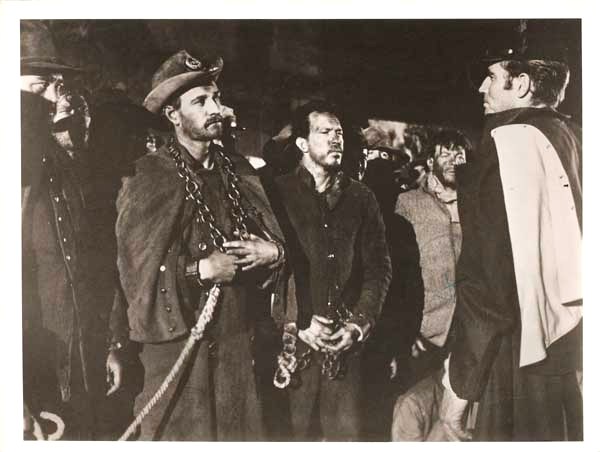
I think they were going for that same look in this movie. (By the way, this is a terrible movie, but the stars did look great.)

Richard Harris and Charlton Heston in "Major Dundee" (1965)

Richard Harris and Charlton Heston in “Major Dundee” (1965)

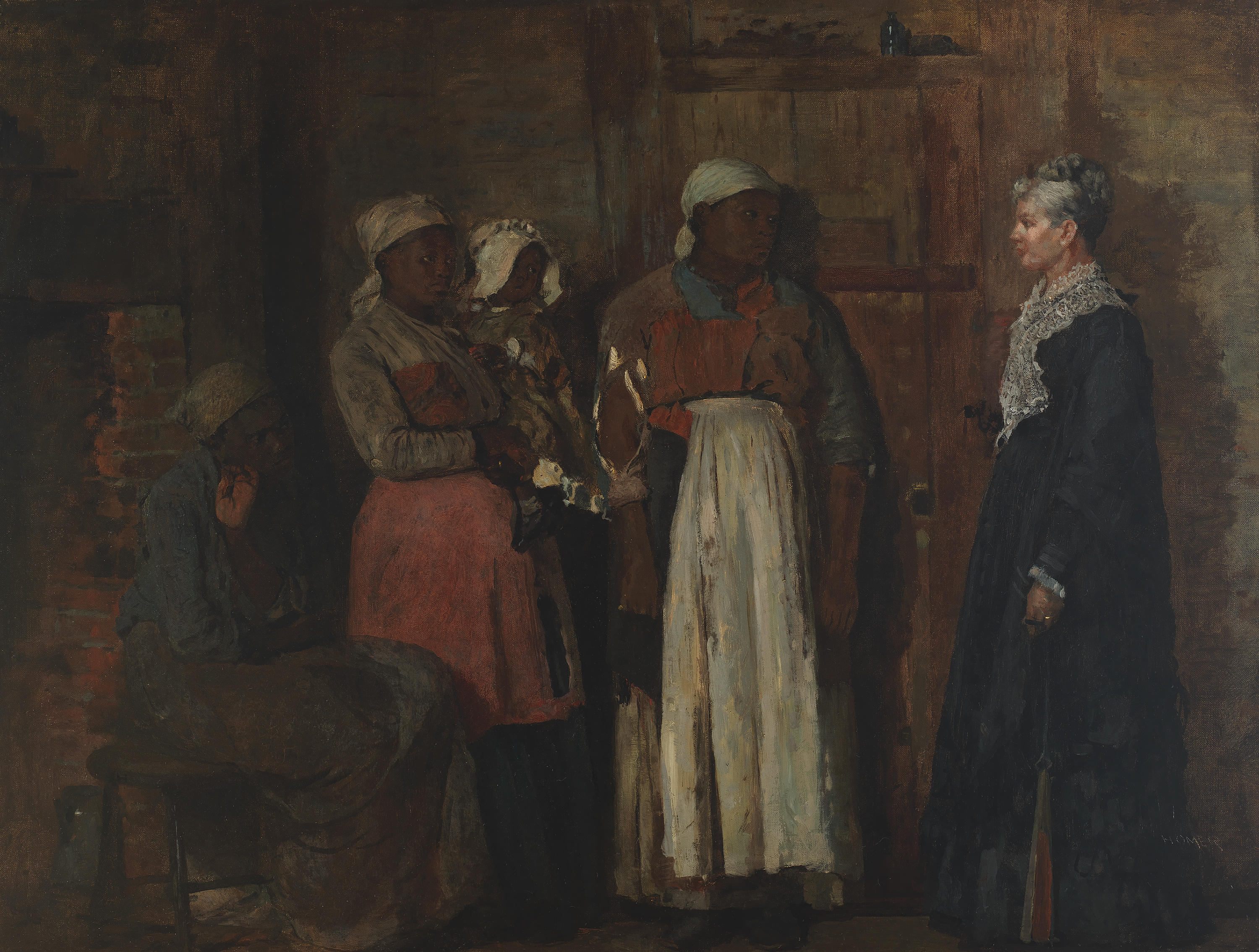
A Visit From the Old Mistress, which mirrors the composition of the Prisoners From the Front painting

A Visit From the Old Mistress, which mirrors the composition of the Prisoners From the Front painting

For more pictures, here is a good slideshow from the National Gallery of Art.

homergallery_credits

* Good advice for artists (and others) from Winslow Homer

Food for thought: fear not

by chuckofish

St. George window in the Princeton United Methodist Church by Tiffany Studio of New York City

St. George window in the Princeton United Methodist Church by Tiffany Studio of New York City

“How should we be able to forget those ancient myths that are at the beginning of all peoples, the myths about dragons that at the last moment turn into princesses; perhaps all the dragons of our lives are princesses who are only waiting to see us once beautiful and brave. Perhaps everything terrible is in its deepest being something helpless that wants help from us.

So you must not be frightened if a sadness rises up before you larger than any you have ever seen; if a restiveness, like light and cloud shadows, passes over your hands and over all you do. You must think that something is happening with you, that life has not forgotten you, that it holds you in its hand; it will not let you fall. Why do you want to shut out of your life any uneasiness, any miseries, or any depressions? For after all, you do not know what work these conditions are doing inside you.”

― Rainer Maria Rilke, Letters to a Young Poet

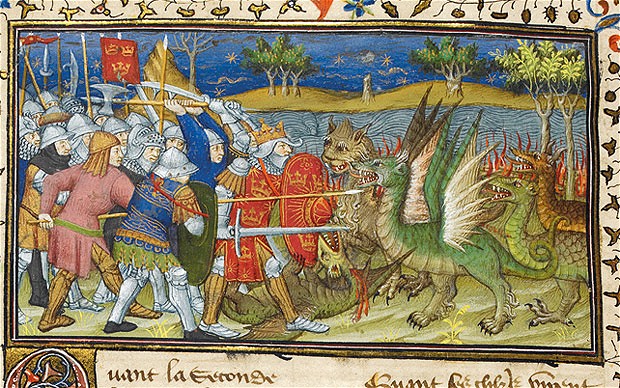
Alexander fighting dragons, Le livre et la vraye hystoire du bon roy Alixandre, Paris, c. 1420–25

Alexander fighting dragons, Le livre et la vraye hystoire du bon roy Alixandre, Paris, c. 1420–25

Kunisada dragon

Kunisada dragon

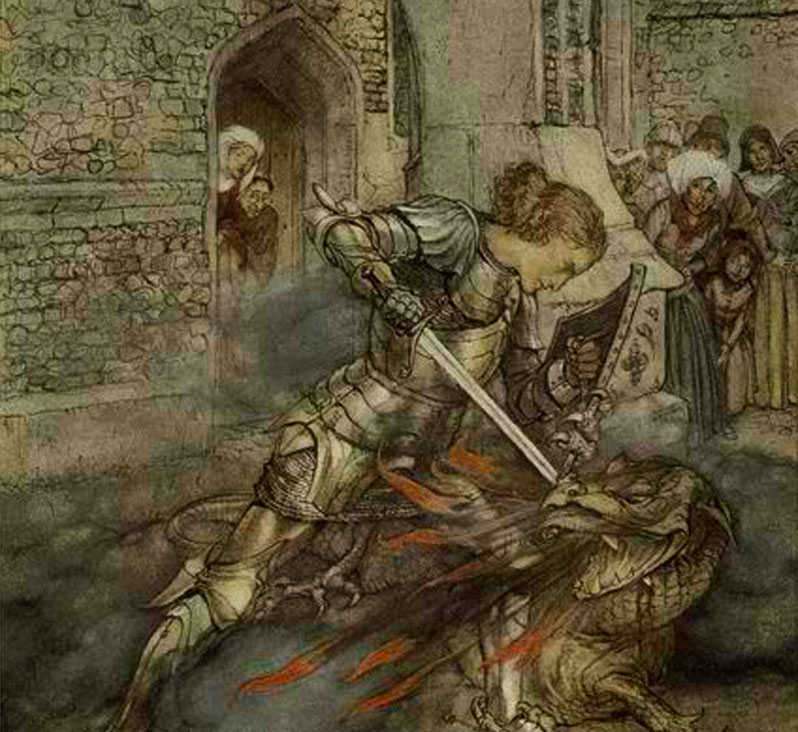
Arthur Rackham

Arthur Rackham

'St. George and the Dragon', by Wassily Kandinsky, 1911

‘St. George and the Dragon’, by Wassily Kandinsky, 1911

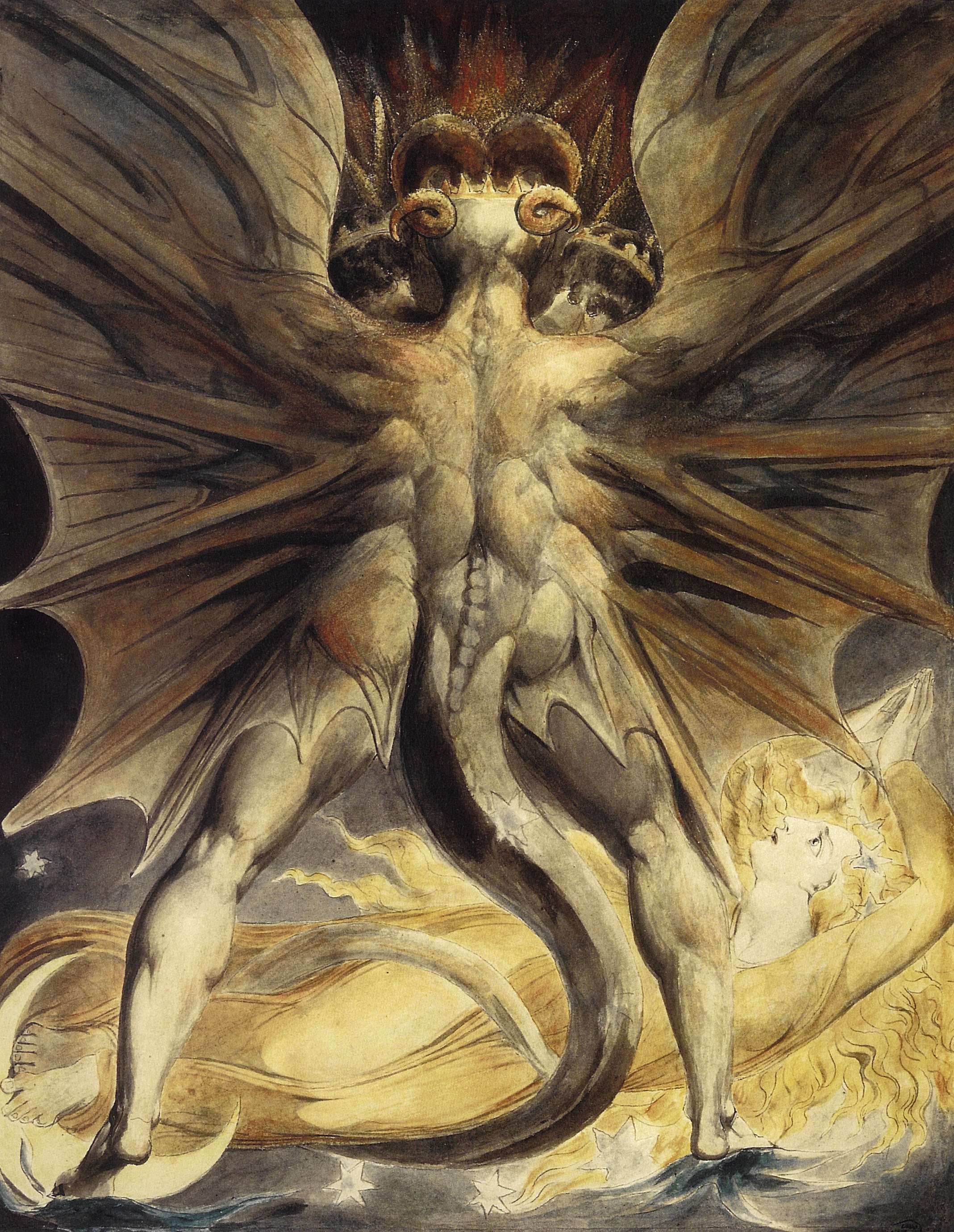
 'The Great Red Dragon and the Woman Clothed in Sun', by William Blake


‘The Great Red Dragon and the Woman Clothed in Sun’, by William Blake

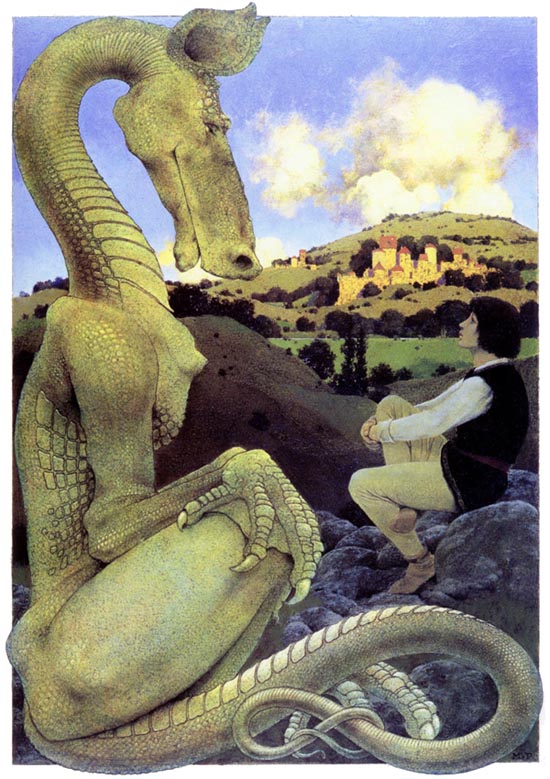
The Reluctant Dragon by Maxfield Parrish

The Reluctant Dragon by Maxfield Parrish

*No cloud above, no earth below,— A universe of sky and snow!”*

by chuckofish

Yesterday’s post with the wonderful Hiroshige landscape got me thinking about my love of landscape paintings that include snow. I have always loved them. I don’t know why.

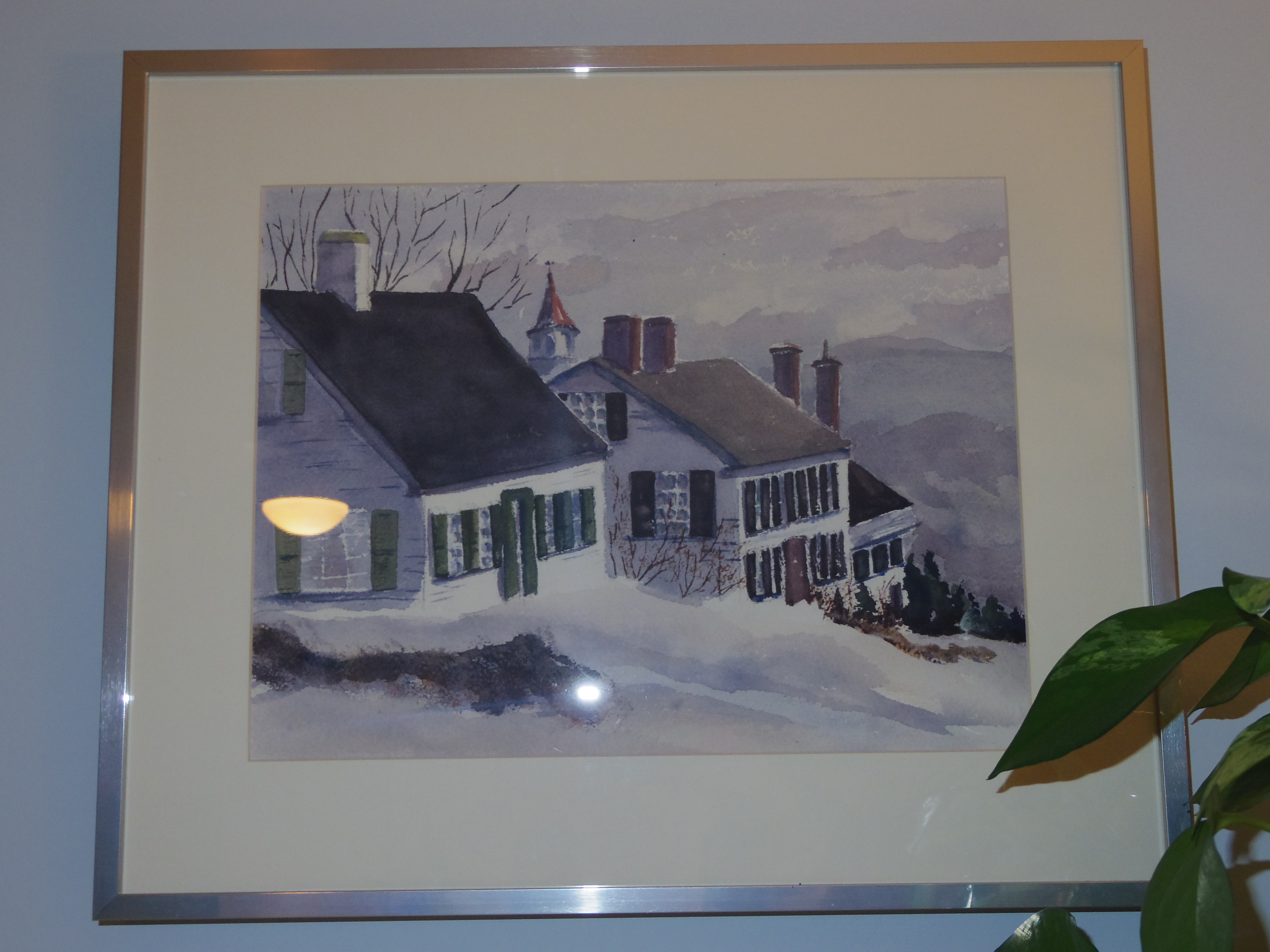
I have one in my kitchen which I love.

IMGP0906

I bought it on eBay and had it framed. It is a watercolor, painted by a talented amateur. Every day it makes me happy.

Here are a few examples of my favorite landscapes in snow:

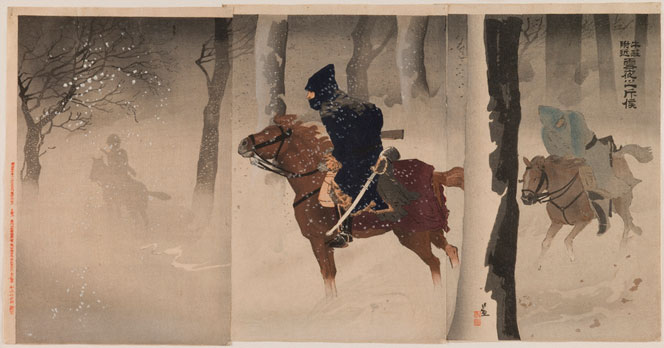
Japanese, "Scouting Party near Niuzhuang on a Snowy Night" 1894

Japanese, “Scouting Party near Niuzhuang on a Snowy Night” 1894

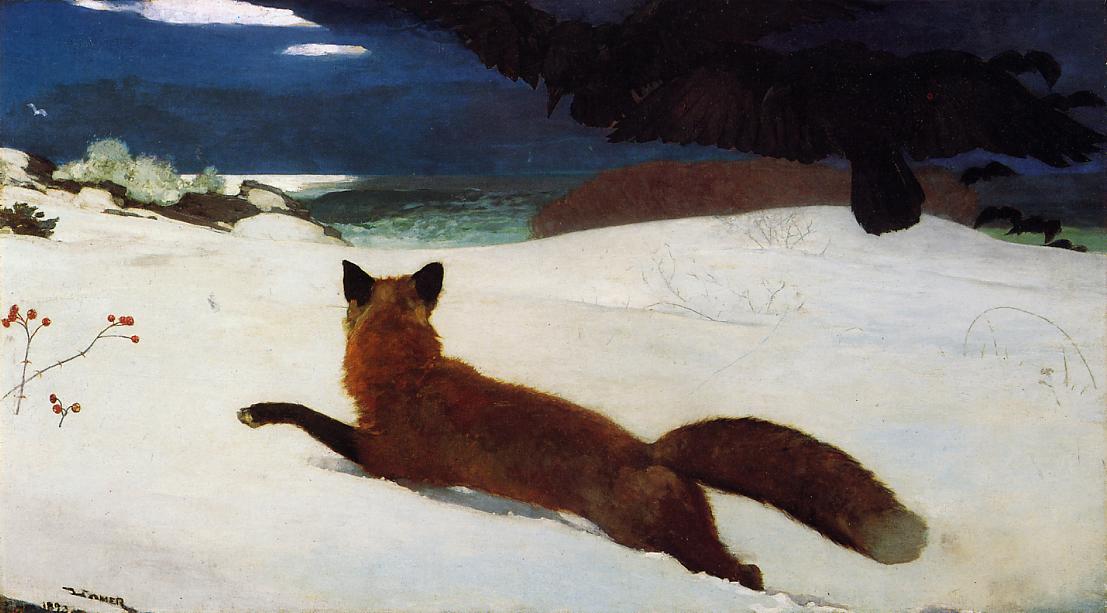
Winslow Homer, "Fox Hunt" 1893

Winslow Homer, “Fox Hunt” 1893

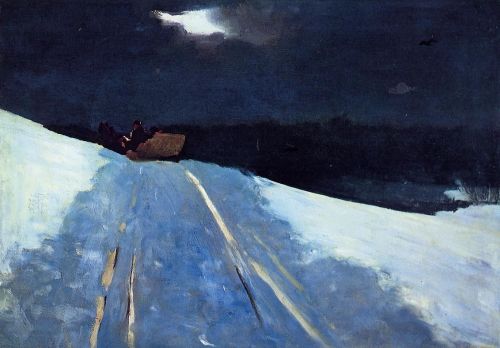
Winslow Homer, "Sleigh Ride"

Winslow Homer, “Sleigh Ride”

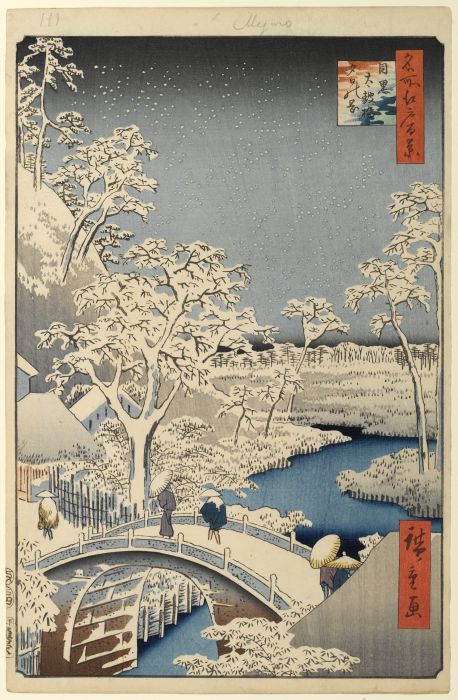
Hiroshige, Bridge in Snow

Hiroshige, Bridge in Snow

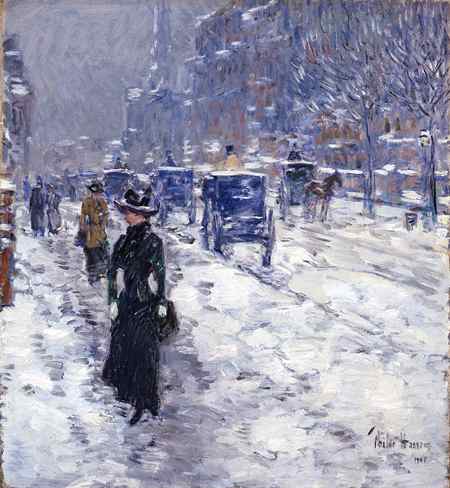
Childe Hassam, "Melting Snow"

Childe Hassam, “Melting Snow”

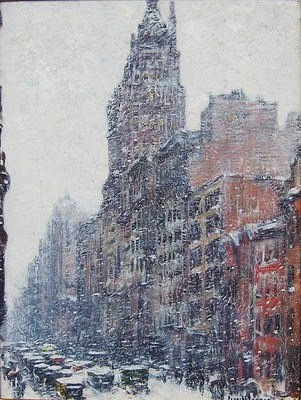
Childe Hassam, "Heckscher Tower"

Childe Hassam, “Heckscher Tower”

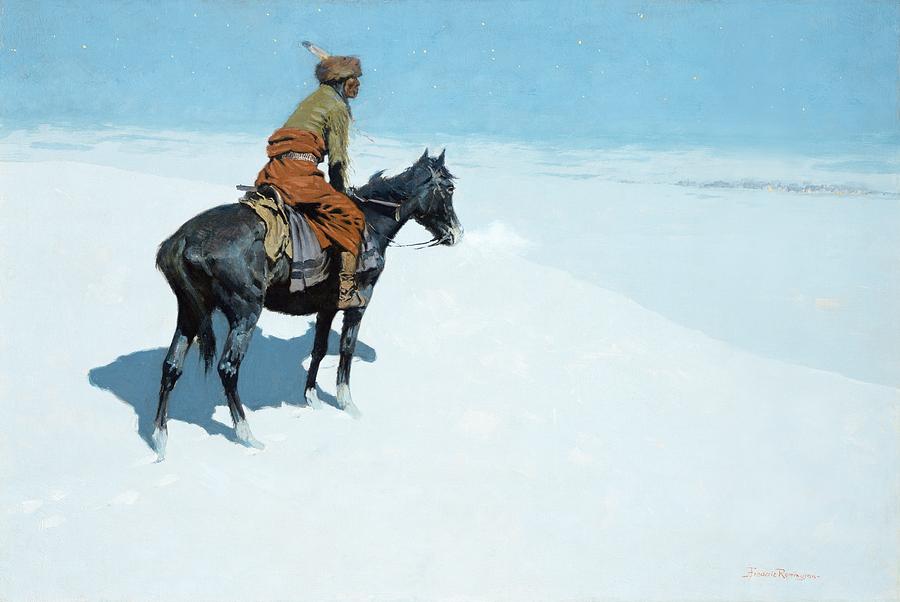
Frederic Remington, "The Scout--Friends or Foes"

Frederic Remington, “The Scout–Friends or Foes”

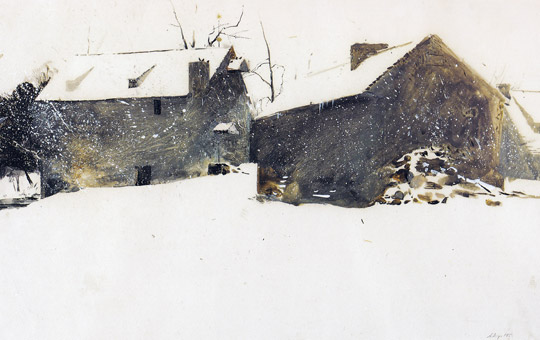
Andrew Wyeth, Winter Landscape

Andrew Wyeth, Winter Landscape

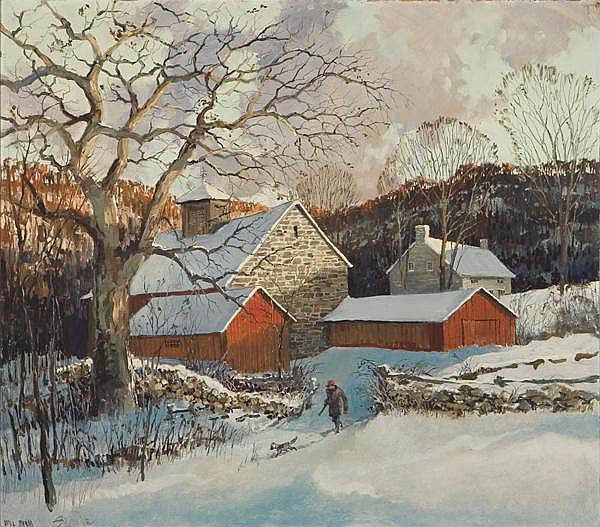
Eric Sloane

Eric Sloane

Maxfield Parrish may be too popular to be “art”, but these are among my absolute favorites:

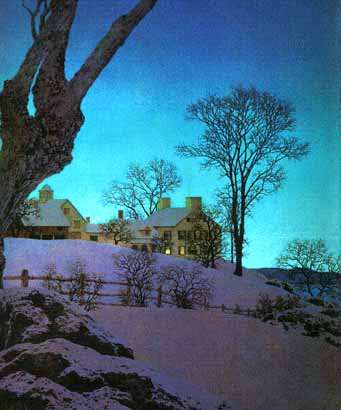
Maxfield Parrish, "Christmas Morning 1949"

Maxfield Parrish, “Christmas Morning 1949”

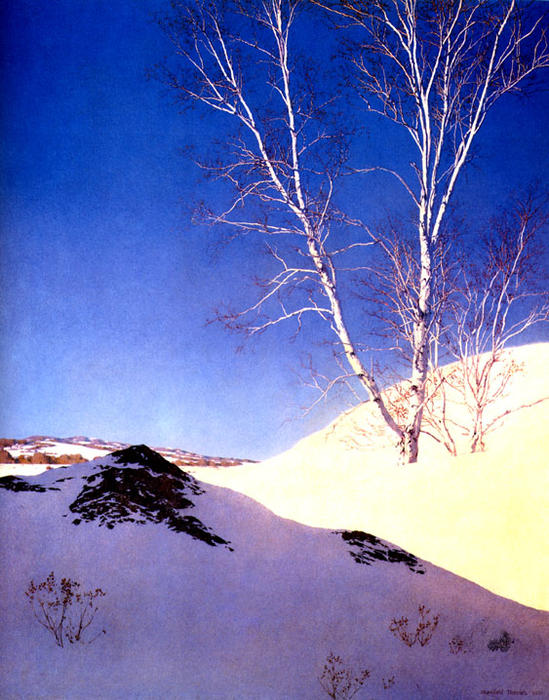
Maxfield Parrish, "White Birches in the Snow"

Maxfield Parrish, “White Birches in the Snow”

Aren’t they all wonderful? So many pictures, so little wall space left!

Well, onward to February! And have a nice weekend! Go, Broncos!

Peyton Manning...in the snow!

Peyton Manning…in the snow!

*John Greenleaf Whittier

A picture is worth a 1000 words

by chuckofish

littlegirl


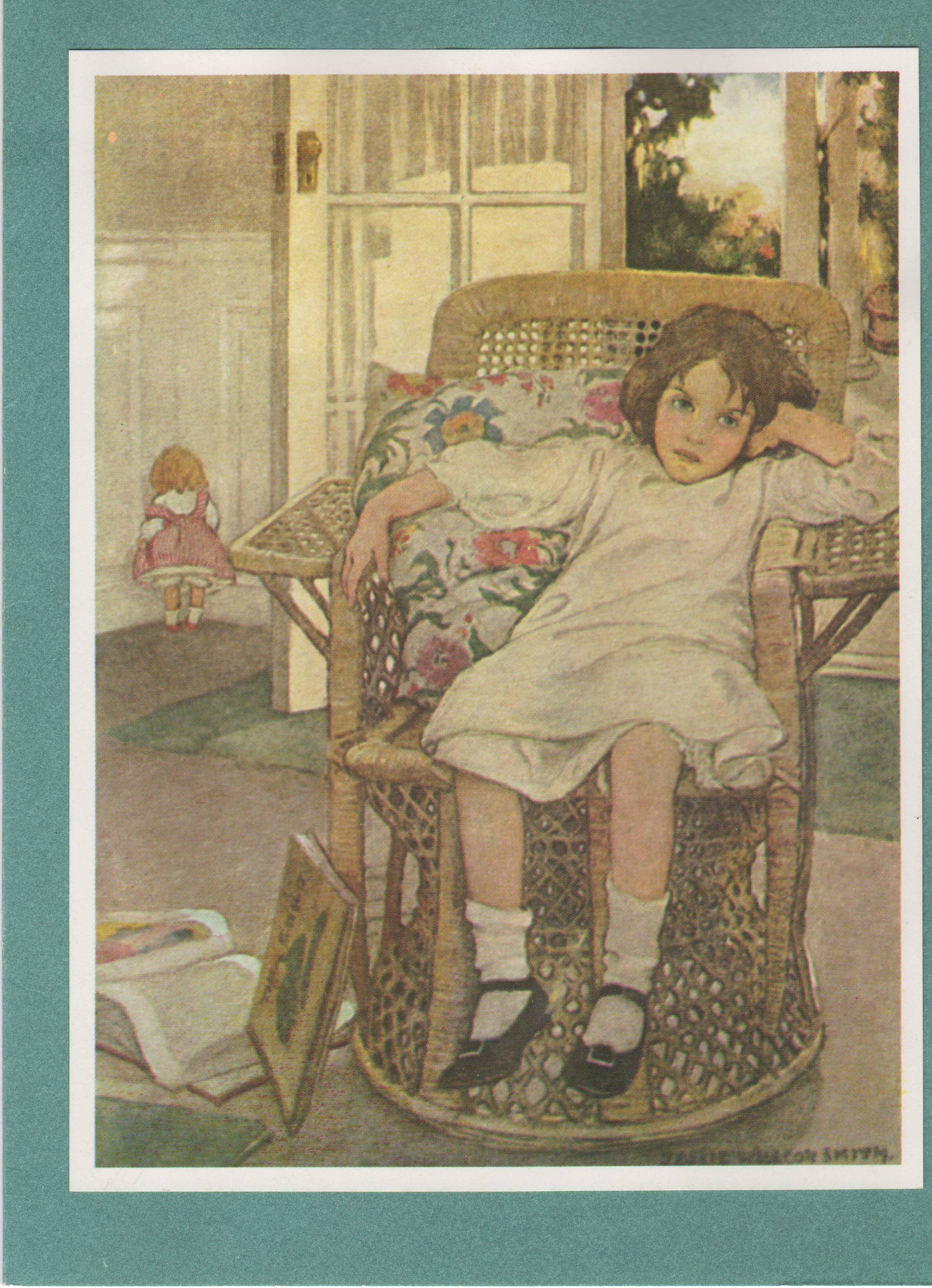
I have always loved this illustration by Jessie Willcox Smith (1863 – 1935). I love the cranky little girl who has been sent to her room. I can relate. Her body language. Her droopy socks and carelessly dropped books. She is not a happy camper. And I am right there with that doll in time out. And isn’t that a wonderful wicker chair and pillow?

Smith was a prolific contributor to books and magazines during the late nineteenth and early twentieth centuries, illustrating stories and articles for clients such as Good Housekeeping and the Ladies’ Home Journal. She also illustrated many books, notably A Child’s Garden of Verses and The Seven Ages of Childhood.

Here is a selection of her wonderful pictures on Pinterest. Funnily enough, my favorite is not included, but aren’t they great?