dual personalities

Tag: writers

What do you seek so pensive and silent?* What are you reading?

by chuckofish

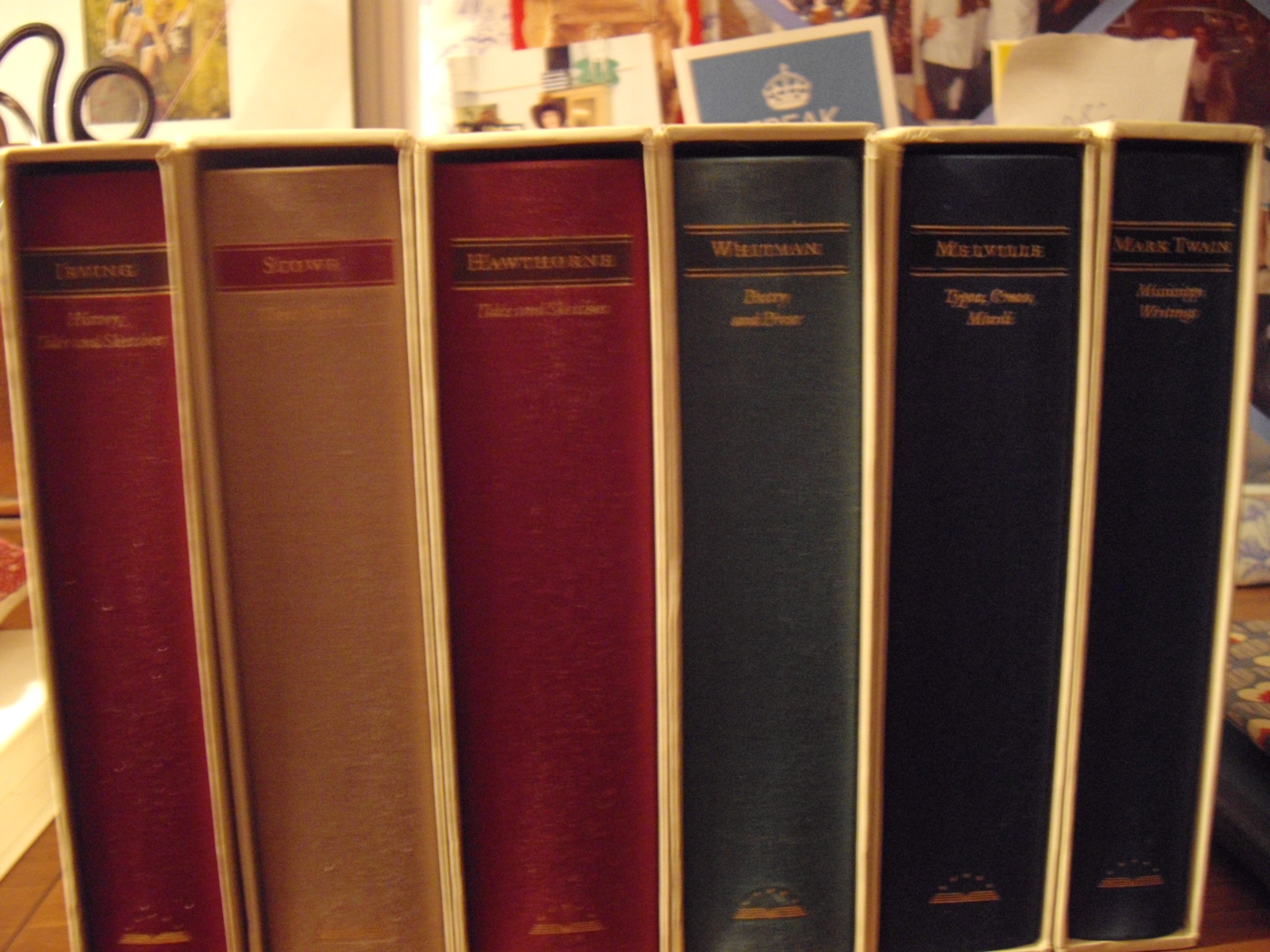
IMGP0816

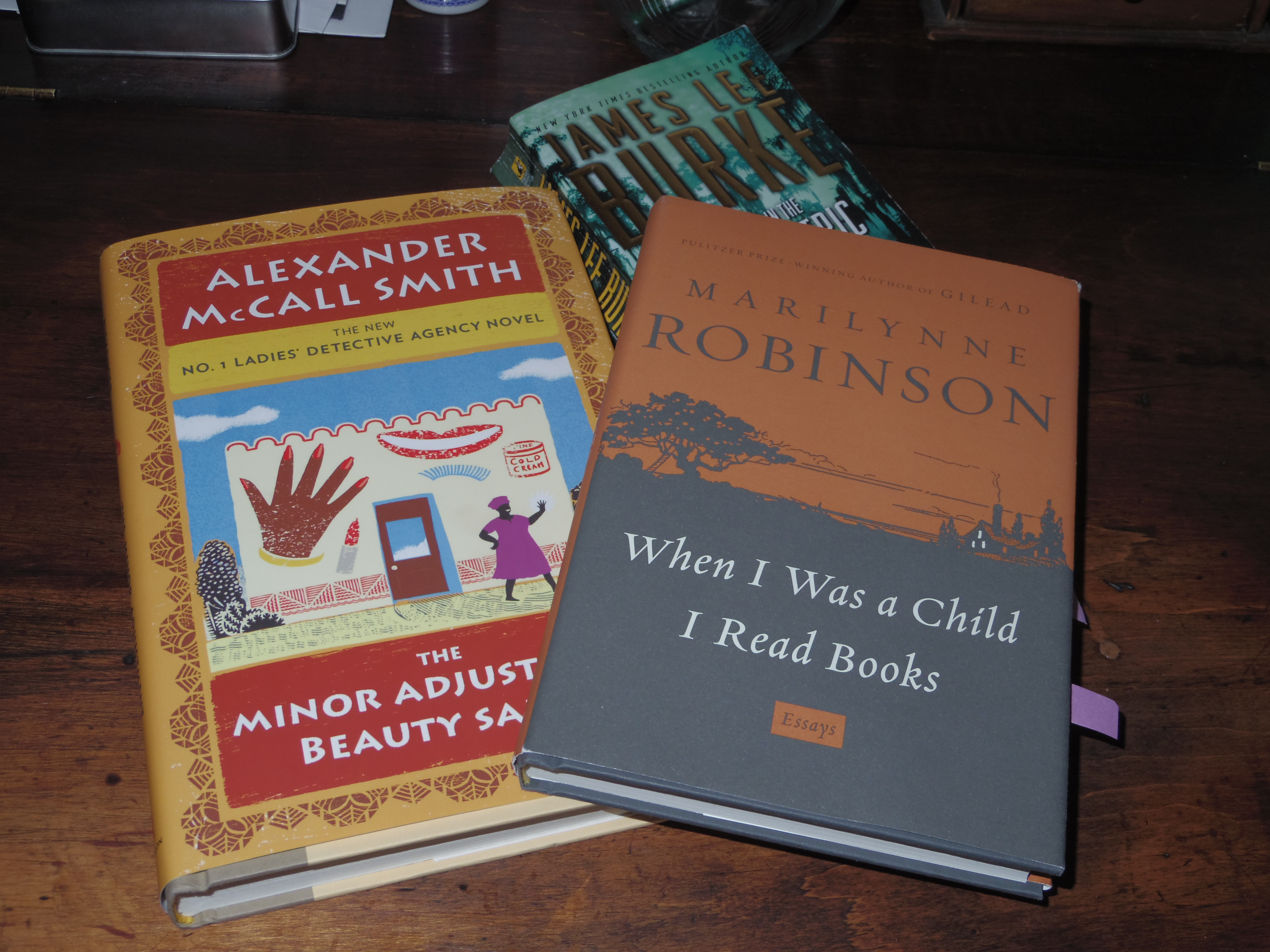
I have been all over the board (and map) recently with my reading choices. I read a good mystery by James Lee Burke, In the Electric Mist with Confederate Dead. I like the detective Dave Robicheaux and the author knows what he is writing about. The characters are not wooden and/or cardboard and the locale is detailed and real. A lot of bad things happen, however, and so I probably will not be in a hurry to read more, but if you like good, well-written mysteries, here you go.

From the low life in Louisiana I headed to lovely Botswana and the fourteenth entry in the #1 Ladies Detective series by Alexander McCall Smith. As I have said before, there is certainly not a lot to these novels. Nothing much happens and some of the characters are downright annoying, but when I am in the right mood, I don’t care. I like Precious Romotswe and her little white van. The author skillfully weaves a gentle tale of friendship and family. We are reminded that people are the same everywhere and the important things in life do not change. It is good to be reminded of this.

From there I moved on to the wonderful Marilynne Robinson and her engagingly titled book of essays When I Was a Child I Read Books. I can relate to that. I love everything Marilynne has ever published–and sadly that is not a whole lot–but she is one of those people who, if I ever met her and tried to have a conversation with her, I would feel like this:

Speechless

She just knows so much and is so articulate. But she is on my page. She looks at history in context. She likes to give credit where it is due. She questions arrogant scientists. She is a Calvinist. I highly recommend her, if you are up to it.

Now I am back to the what-to-read-next question. What are you reading?

*Old Walt Whitman

O powerful, western, fallen star!

by chuckofish

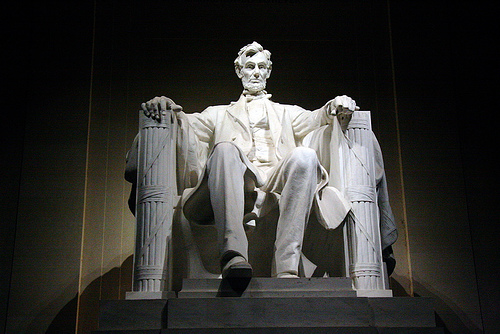
lincoln-memorial-flickr

On this day 150 years ago, President Abraham Lincoln gave this short address at the dedication of the military cemetery ceremony in Gettysburg, Pennsylvania. He wrote it himself and he did not have a teleprompter. Read the whole thing.

FOUR SCORE AND SEVEN YEARS AGO OUR FATHERS BROUGHT FORTH ON THIS CONTINENT A NEW NATION CONCEIVED IN LIBERTY AND DEDICATED TO THE PROPOSITION THAT ALL MEN ARE CREATED EQUAL •
NOW WE ARE ENGAGED IN A GREAT CIVIL WAR TESTING WHETHER THAT NATION OR ANY NATION SO CONCEIVED AND SO DEDICATED CAN LONG ENDURE • WE ARE MET ON A GREAT BATTLEFIELD OF THAT WAR • WE HAVE COME TO DEDICATE A PORTION OF THAT FIELD AS A FINAL RESTING PLACE FOR THOSE WHO HERE GAVE THEIR LIVES THAT THAT NATION MIGHT LIVE • IT IS ALTOGETHER FITTING AND PROPER THAT WE SHOULD DO THIS • BUT IN A LARGER SENSE WE CAN NOT DEDICATE~WE CAN NOT CONSECRATE~WE CAN NOT HALLOW~THIS GROUND • THE BRAVE MEN LIVING AND DEAD WHO STRUGGLED HERE HAVE CONSECRATED IT FAR ABOVE OUR POOR POWER TO ADD OR DETRACT • THE WORLD WILL LITTLE NOTE NOR LONG REMEMBER WHAT WE SAY HERE BUT IT CAN NEVER FORGET WHAT THEY DID HERE • IT IS FOR US THE LIVING RATHER TO BE DEDICATED HERE TO THE UNFINISHED WORK WHICH THEY WHO FOUGHT HERE HAVE THUS FAR SO NOBLY ADVANCED • IT IS RATHER FOR US TO BE HERE DEDICATED TO THE GREAT TASK REMAINING BEFORE US~THAT FROM THESE HONORED DEAD WE TAKE INCREASED DEVOTION TO THAT CAUSE FOR WHICH THEY GAVE THE LAST FULL MEASURE OF DEVOTION~THAT WE HERE HIGHLY RESOLVE THAT THESE DEAD SHALL NOT HAVE DIED IN VAIN~THAT THIS NATION UNDER GOD SHALL HAVE A NEW BIRTH OF FREEDOM~AND THAT GOVERNMENT OF THE PEOPLE BY THE PEOPLE FOR THE PEOPLE SHALL NOT PERISH FROM THE EARTH •

(This is the version of the text inscribed on the walls at the Lincoln Memorial in Washington D.C.)

Awesome.

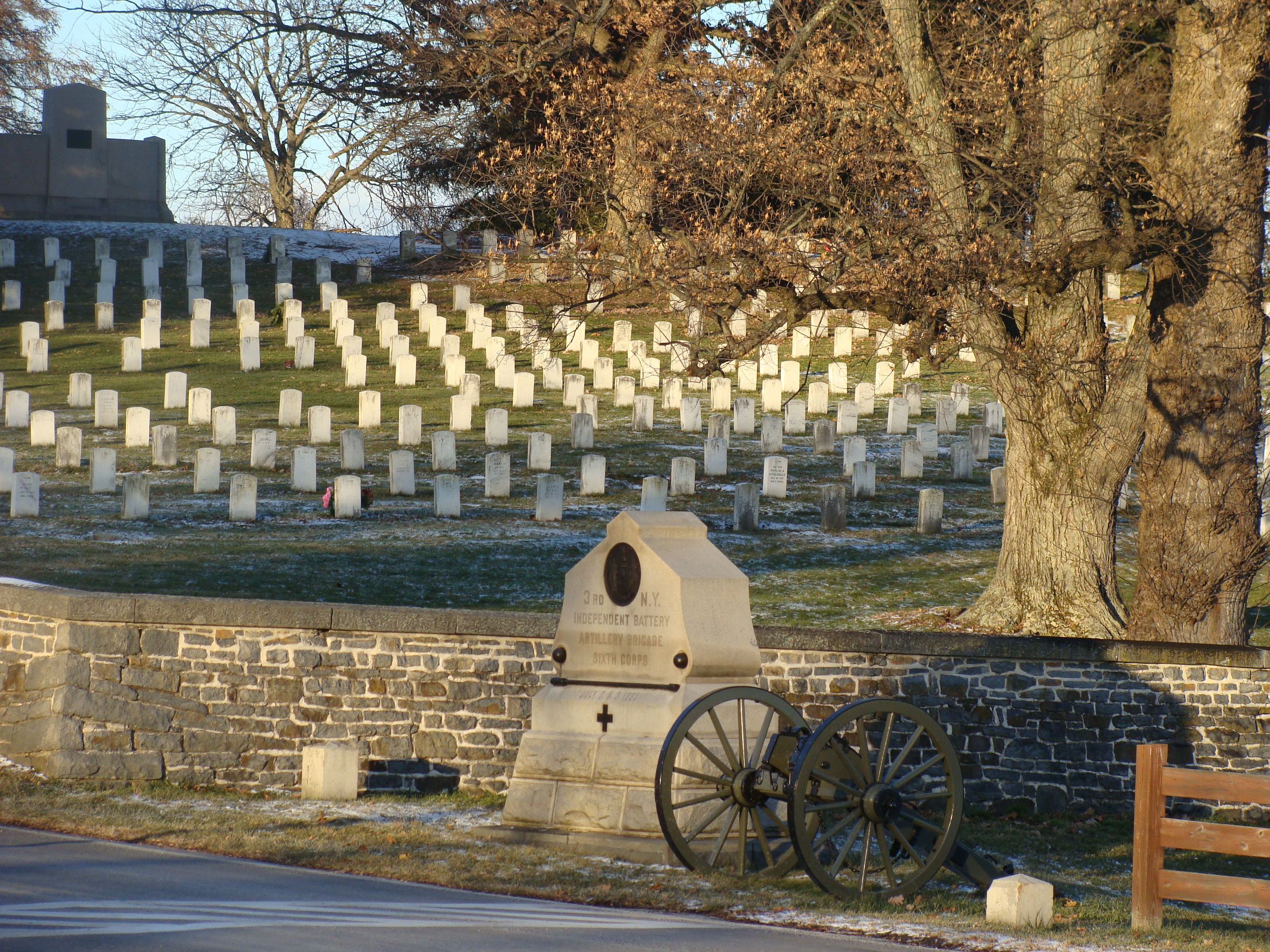
The Lincoln Address Memorial (top left) at the Gettysburg National Cemetery

The Lincoln Address Memorial (top left) at the Gettysburg National Cemetery

Another place for the bucket list.

Who are these like stars appearing*

by chuckofish

Sunday was All Saints’ Sunday when we Episcopalians remember “all the saints” –and by saints I mean that “glorious band” of Christians who have gone before us, leading by example. Protestants generally regard all true Christian believers as saints.

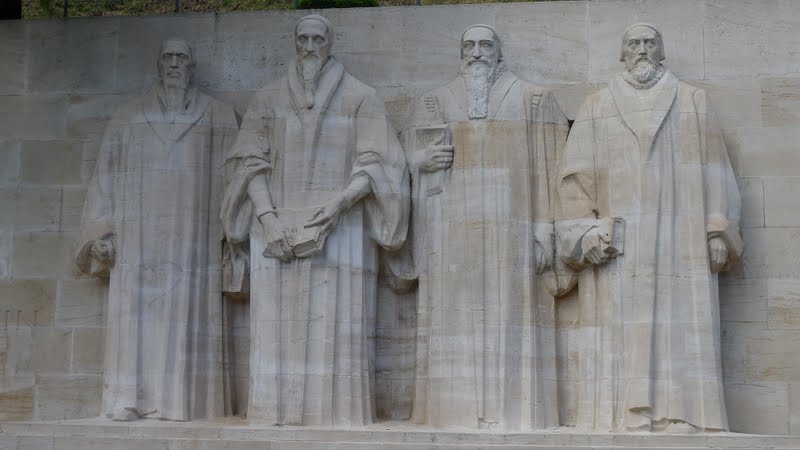
William Farel, John Calvin, Théodore de Bèze, and John Knox in Reformation Park, Geneva

William Farel, John Calvin, Théodore de Bèze, and John Knox in Reformation Park, Geneva

We are reminded on All Saints” Sunday to think of those saints who have influenced our lives. We all have them, starting usually, if we are lucky, with our mothers. I believe in God–Father, Son and Holy Ghost–chiefly because she told me about Him. Furthermore, I followed her example and her advice to remember that “this is the day which the Lord hath made. Let us rejoice and be glad in it.”

Of course, there have been teachers, ministers, friends who throughout my life have supported and guided me. Some I’ve written about here, but their names wouldn’t mean anything to you, so I won’t make a list. (But a list is a good idea.)

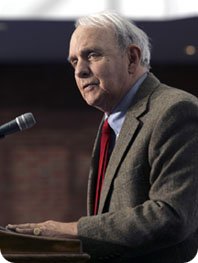
Frederick Beuchner, however, is a saint you have probably heard of. I am happy to say that I have heard him preach and even shaken his hand. I brought my three children to hear him and they too have shaken his hand.

FrederickBuechner_r_03

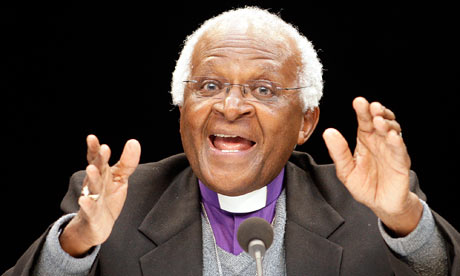
I have also heard Archbishop Desmond Tutu preach and shaken his hand.

Desmond-Tutu-001

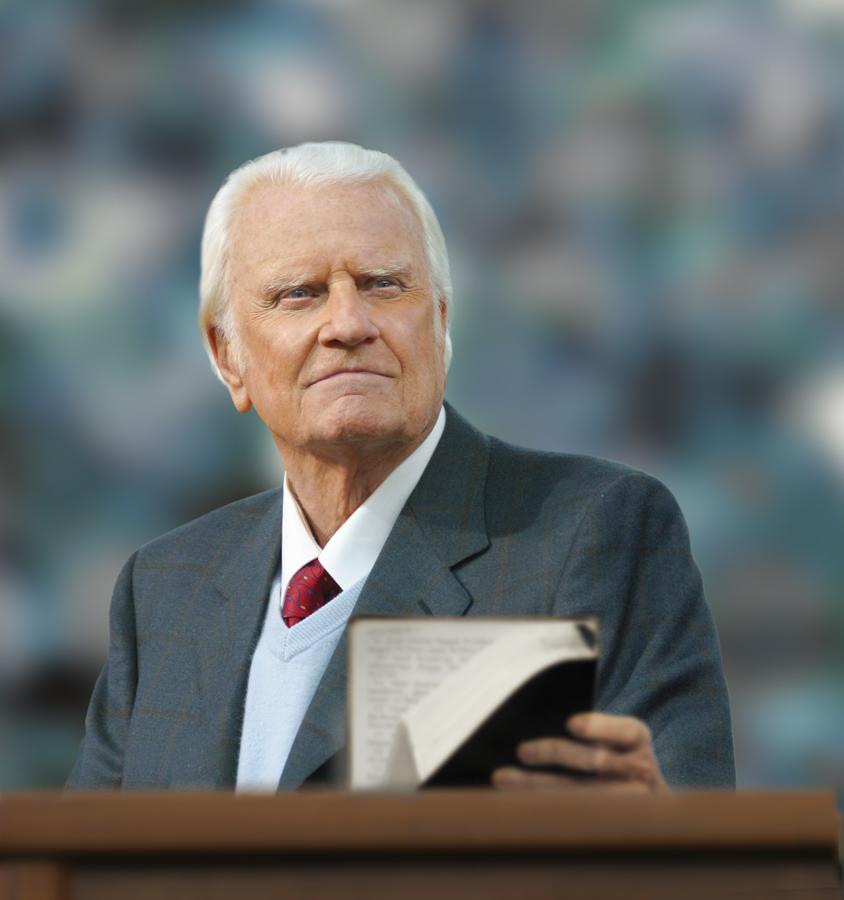
I went to a Billy Graham “revival” and that, too, was an awesome experience. There were thousands of people present, so I did not get to shake his hand.

BGEAinK.C.04-56

All three men are saints in my book and their words–both spoken and written–have helped me along on my journey.

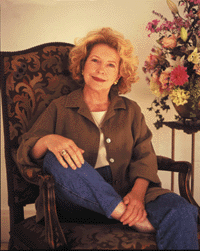
I feel that I need to include a woman here in my personal army of saints–how about Jan Karon? She has done what is nearly impossible: written popular fiction with a palatable Christian message that is not “Christian literature” per se. She has sold millions–you go, girl!

karon_2001

It has never been an easy thing to be a saint out in the world. One might argue, today especially. They are not feeding us literally to the lions, but metaphorically, it happens every day.

What God says…is ‘The life you save is the life you lose.’ in other words, the life you clutch, hoard, guard, and play safe with is in the end a life worth little to anybody, including yourself, and only a life given away for love’s sake is a life worth living. To bring his point home, God shows us a man who gave his life away to the extent of dying a national disgrace without a penny in the bank or a friend to his name. In terms of human wisdom, he was a Perfect Fool. And if you think you can follow him without making something like the same kind of a fool yourself, you are laboring under not a cross but a delusion.

There are two kinds of fools in the world: damned fools, and what Saint Paul calls ‘fools for Christ’s sake’ (I Cor. 4:10).

–Frederick Buechner

Our dedication to Christ may sometimes make us look like fools, but I like the company.

*Hymn 286, The Hymnal, 1982

What are you reading?

by chuckofish

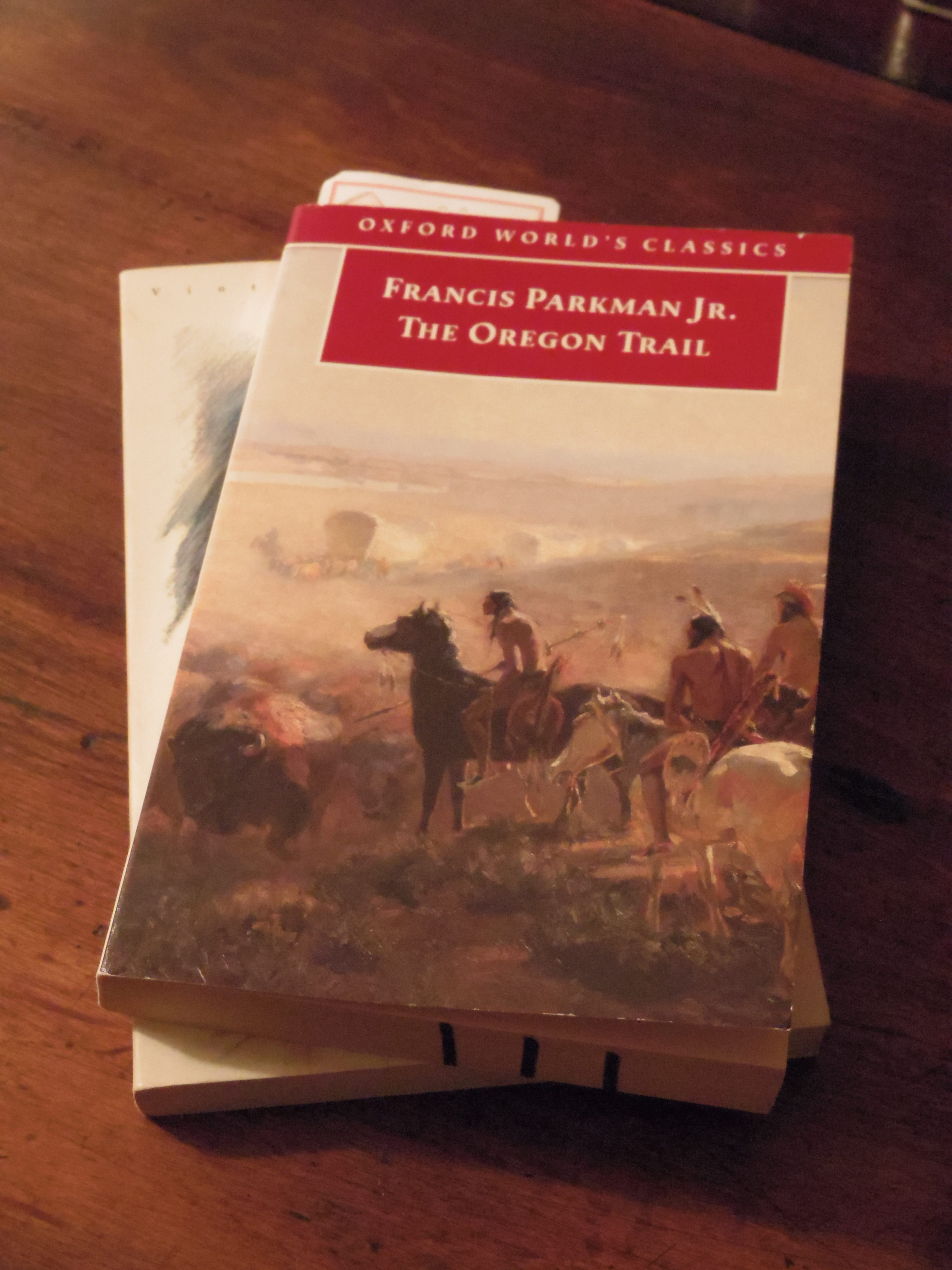
Recently I was looking around for something to read. It dawned on me, after looking something up in The Oregon Trail by Francis Parkman–something to do with our great-great grandmother’s stepfather (the mysterious Austrian Louis Vogel, whom Parkman describes as shifty-eyed)–that I should just read the whole thing.

oregon trail

The Oregon Trail: Sketches of Prairie and Rocky-Mountain Life, you will recall, was originally serialized in twenty-one installments in Knickerbocker’s Magazine (1847–49) and subsequently published as a book in 1849. It is an engaging first-person account of a 2-month summer tour in 1846 of territory that would become the U.S. states of Nebraska, Wyoming, Colorado, and Kansas. Parkman, a Harvard graduate from a distinguished Boston family, was 23 at the time.

Young_Francis_Parkman

The heart of the book covers the three weeks he spent hunting buffalo with a band of Oglala Sioux.

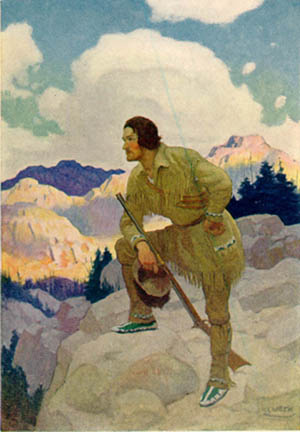
Francis Parkman by N.C. Wyeth

Francis Parkman by N.C. Wyeth

Through much of his trip Parkman suffers terribly from dysentery, but he soldiers on admirably and his tone never reflects the misery he must have experienced. At one point he considers,

“Am I,” I thought to myself, “the same man who a few months since, was seated, a quiet student of belles-lettres, in a cushioned arm-chair by a sea-coal fire?”

He undertook this adventure in large part because he had been fascinated by the American Indian since childhood. If he was expecting the “noble red man” of popular fiction, however, he appears to have been disappointed. What he finds and documents without prejudice is far from that stereotype. He sees too that change is bound to come.

Great changes are at hand in that region. With the stream of emigration to Oregon and California, the buffalo will dwindle away, and the large wandering communities who depend on them for support must be broken and scattered. The Indians will soon be corrupted by the example of the whites, abased by whisky, and overawed by military posts; so that within a few years the traveler may pass in tolerable security through their country. Its danger and its charm will have disappeared together.

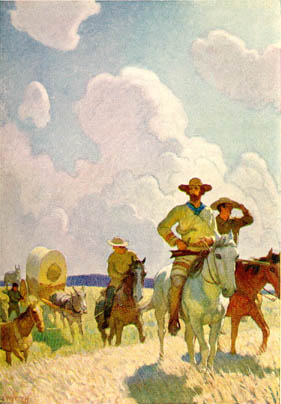
The Parkman Outfit. Henry Chatillon, Guide and Hunter, by N.C. Wyeth

The Parkman Outfit. Henry Chatillon, Guide and Hunter, by N.C. Wyeth

I am enjoying the book immensely. Parkman evokes the same mid-19th-century youth and optimism found in Whitman and to some extent in Melville–who reviewed the book favorably when it was published.

It is indeed a remarkable thing that this brave young scion of Boston made this arduous trip and recorded it. We should be grateful, because it is amazing to me how little exists in the way of reliable records from this period. Most westerners were too busy (and some illiterate as well) to write anything down. Parkman’s travels with his friend John Quincy Shaw and his telling of them are a treasure. Clearly he learned a lot on his journey–about the land and about himself.

Shaw and I were much better fitted for this mode of traveling than we had been on betaking ourselves to the prairies for the first time a few months before. The daily routine had ceased to be a novelty. All the details of the journey and the camp had become familiar to us. We had seen life under a new aspect; the human biped had been reduced to his primitive condition. We had lived without law to protect, a roof to shelter, or garment of cloth to cover us. One of us at least had been without bread, and without salt to season his food. Our idea of what is indispensable to human existence and enjoyment had been wonderfully curtailed, and a horse, a rifle, and a knife seemed to make up the whole of life’s necessities. For these once obtained, together with the will to use them, all else that is essential would follow in their train, and a host of luxuries besides. One other lesson our short prairie experience had taught us; that of profound contentment in the present, and utter contempt for what the future might bring forth.

One lesson I have learned from reading this volume is that there are hundreds of books on my own shelves worth reading and re-reading!

booksebay

What are you reading?

Friday movie pick: He which hath no stomach to this fight, Let him depart

by chuckofish

The battle of Agincourt took place on Friday, October 25, 1415 (Saint Crispin’s Day) in northern France. You can read all about it here. And here’s the rousing speech by (Shakespeare’s) Henry V. (Every day is a good day to read this out loud; you will feel smarter having done so.)
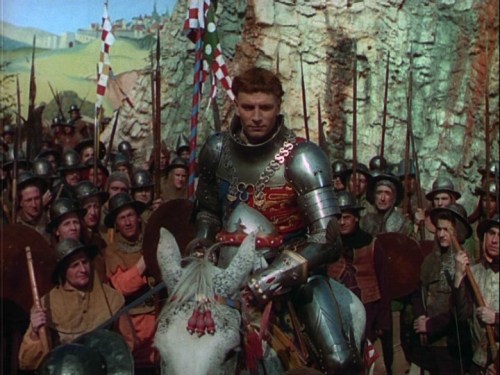
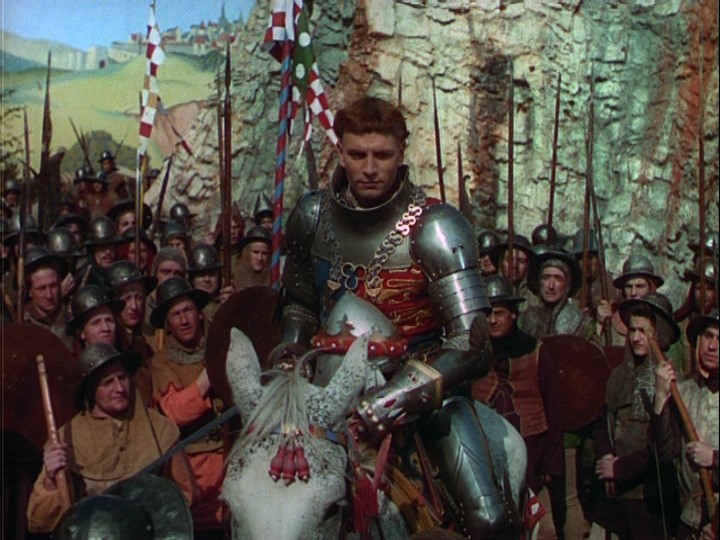
Laurence Olivier--the best Henry V

Laurence Olivier–the best Henry V

What’s he that wishes so?
My cousin Westmoreland? No, my fair cousin:
If we are mark’d to die, we are enow
To do our country loss; and if to live,
The fewer men, the greater share of honour.
God’s will! I pray thee, wish not one man more.
By Jove, I am not covetous for gold,
Nor care I who doth feed upon my cost;
It yearns me not if men my garments wear;
Such outward things dwell not in my desires:
But if it be a sin to covet honour,
I am the most offending soul alive.
No, faith, my coz, wish not a man from England:
God’s peace! I would not lose so great an honour
As one man more, methinks, would share from me
For the best hope I have. O, do not wish one more!
Rather proclaim it, Westmoreland, through my host,
That he which hath no stomach to this fight,
Let him depart; his passport shall be made
And crowns for convoy put into his purse:
We would not die in that man’s company
That fears his fellowship to die with us.
This day is called the feast of Crispian:
He that outlives this day, and comes safe home,
Will stand a tip-toe when the day is named,
And rouse him at the name of Crispian.
He that shall live this day, and see old age,
Will yearly on the vigil feast his neighbours,
And say ‘To-morrow is Saint Crispian:’
Then will he strip his sleeve and show his scars.
And say ‘These wounds I had on Crispin’s day.’
Old men forget: yet all shall be forgot,
But he’ll remember with advantages
What feats he did that day: then shall our names.
Familiar in his mouth as household words
Harry the king, Bedford and Exeter,
Warwick and Talbot, Salisbury and Gloucester,
Be in their flowing cups freshly remember’d.
This story shall the good man teach his son;
And Crispin Crispian shall ne’er go by,
From this day to the ending of the world,
But we in it shall be remember’d;
We few, we happy few, we band of brothers;
For he to-day that sheds his blood with me
Shall be my brother; be he ne’er so vile,
This day shall gentle his condition:
And gentlemen in England now a-bed
Shall think themselves accursed they were not here,
And hold their manhoods cheap whiles any speaks
That fought with us upon Saint Crispin’s day.

Today is also the anniversary of the Charge of the Light Brigade, a charge of British light cavalry led by Lord Cardigan against Russian forces during the Battle of Balaclava in the Crimean War in 1854.

Here is the famous poem written by Alfred, Lord Tennyson to commemorate the event. I think my older brother had to memorize this poem in fifth grade and that was my first introduction to it. My kindergarten self thought it was pretty dramatic.

The Charge of the Light Brigade

Half a league, half a league,
  Half a league onward,
All in the valley of Death,
  Rode the six hundred.
‘Forward, the Light Brigade!
Charge for the guns’ he said:
Into the valley of Death
  Rode the six hundred.

‘Forward, the Light Brigade!’
Was there a man dismay’d?
Not tho’ the soldiers knew
  Some one had blunder’d:
Theirs not to make reply,
Theirs not to reason why,
Theirs but to do and die:
Into the valley of Death
  Rode the six hundred.

Cannon to right of them,
Cannon to left of them,
Cannon in front of them
  Volley’d and thunder’d;
Storm’d at with shot and shell,
Boldly they rode and well,
Into the jaws of Death,
Into the mouth of Hell
  Rode the six hundred.

Flash’d all their sabres bare,
Flash’d as they turned in air
Sabring the gunners there,
Charging an army while
  All the world wonder’d:
Plunged in the battery-smoke
Right thro’ the line they broke;
Cossack and Russian
Reel’d from the sabre-stroke
Shatter’d and sunder’d.
Then they rode back, but not
Not the six hundred.

Cannon to right of them,
Cannon to left of them,
Cannon behind them
  Volley’d and thunder’d;
Storm’d at with shot and shell,
While horse and hero fell,
They that had fought so well
Came thro’ the jaws of Death,
Back from the mouth of Hell,
All that was left of them,
  Left of six hundred.

When can their glory fade?
O the wild charge they made!
  All the world wonder’d.
Honour the charge they made!
Honour the Light Brigade,
  Noble six hundred!

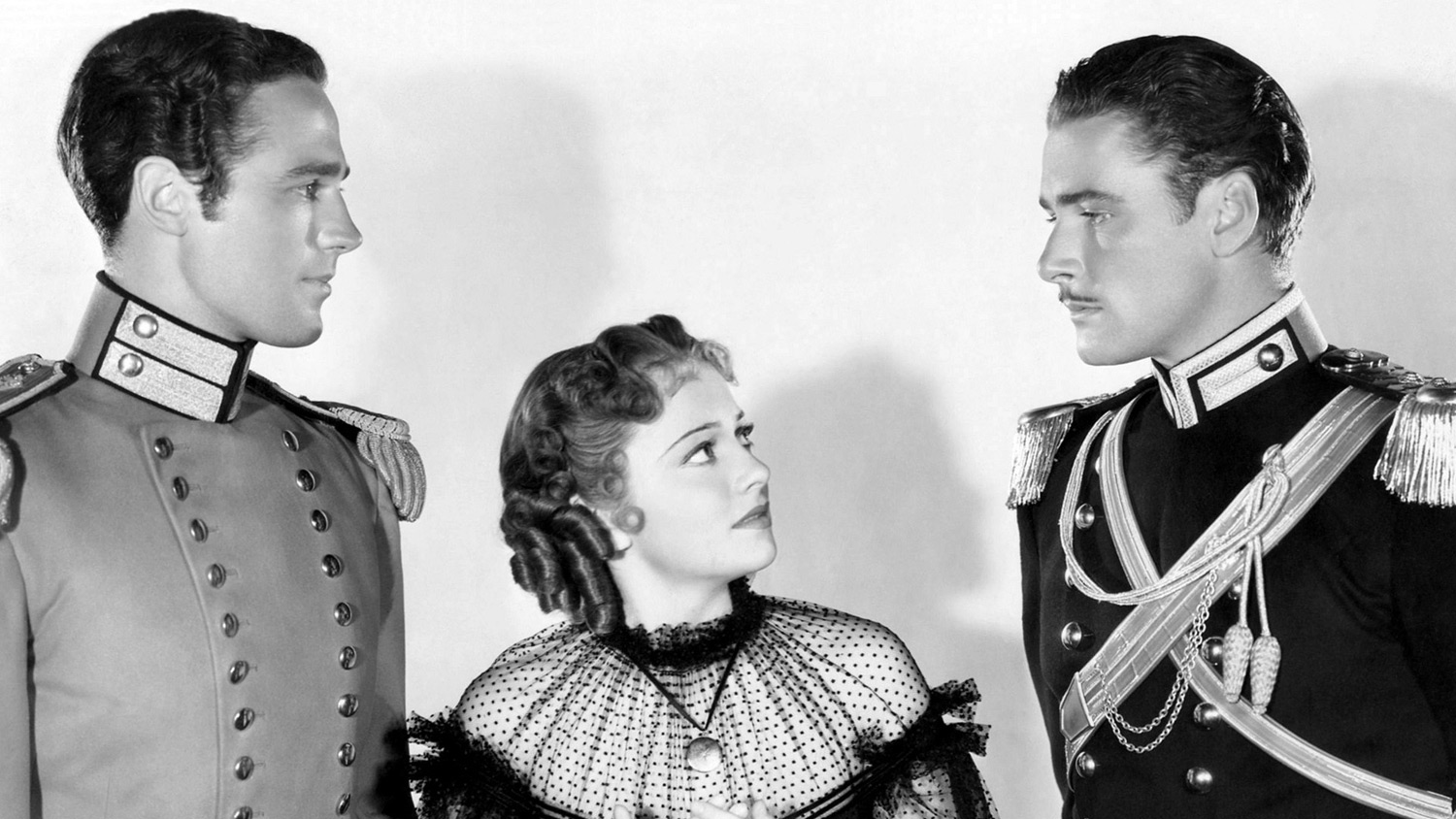
Where is this post going? you ask. Well now, I don’t know about you, but all this patriotic English hoo-haw puts me in the mood for some Errol Flynn! However, the film version of The Charge of the Light Brigade (1936) is notable mostly for the fact that Errol Flynn does not “get the girl” (Olivia de Haviland).
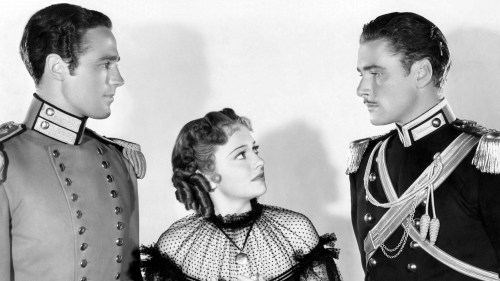
photo-La-Charge-de-la-brigade-legere-The-Charge-of-the-Light-Brigade-1936-5

No, his brother, played by the handsome Patric Knowles, does. This is hardly satisfactory.

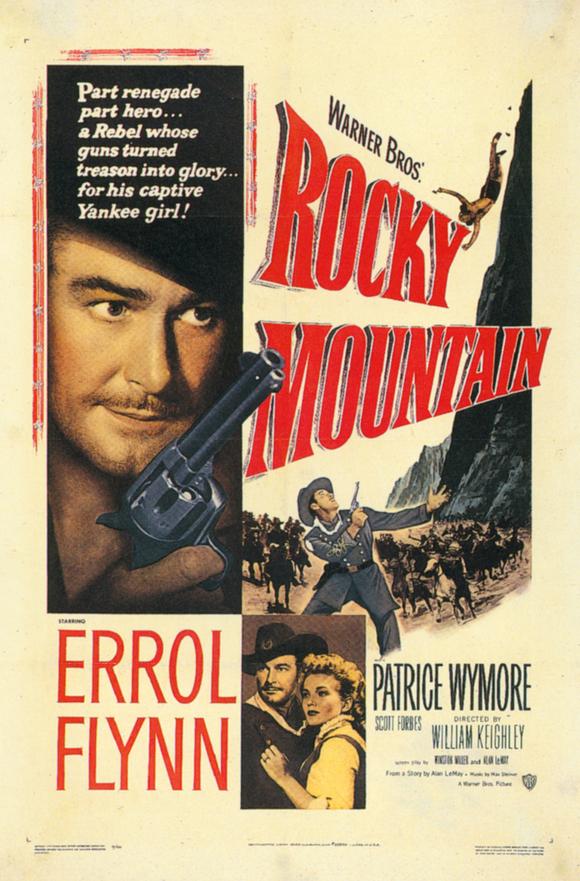
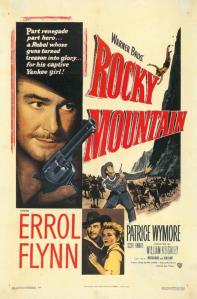
I am more in the mood for something like Rocky Mountain (1950), which dishes up some large helpings of Confederate hoo-haw.
rocky-mountain-movie-poster-1950-1020308754

My movie pick for this week tells the story of a Confederate troop, led by Captain Lafe Barstow (Flynn), prowling the far ranges of California and Nevada in “a last desperate attempt” to build up an army in the West for the faltering Confederacy. The troop fails in its mission but the honor of the Old South is upheld as they too make a charge into “the valley of Death”. Although it features an aging Errol Flynn, it is not as bad as it sounds, due mostly to a pretty good screenplay by Alan Le May who wrote The Unforgiven and The Searchers. Also, Flynn does not phone in his performance as usual during this phase of his career, probably because he was trying to impress his co-star, the 24-year old Patrice Wymore, whom he married when filming ended.
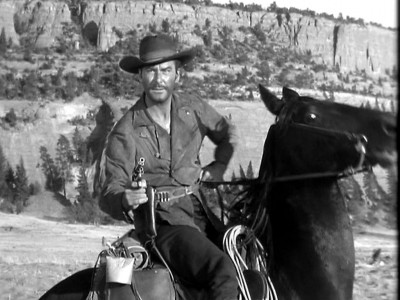
Flynn was always impressive on horseback.

Flynn was always impressive on horseback.

Anyway, I like this movie and its old-fashioned gallantry. There is even an obsessively loyal dog. And the tune “Dixie” is prominently featured in the tear-inducing score. I am hoping that it will be a good respite from baseball stress. Our Cardinals who have…fought so well…we hope will come…

…thro’ the jaws of Death,
Back from the mouth of Hell…

Well, you get the idea. In other news: Eminem’s daughter Hailee was named homecoming queen at her high school. I don’t know about you, but this makes me very happy.
Waste not

by chuckofish

“…I cannot endure to waste anything so precious as autumnal sunshine by staying in the house. So I have spent almost all the daylight hours in the open air.”

~Nathaniel Hawthorne, 10th October 1842

The view from my back door in the morning

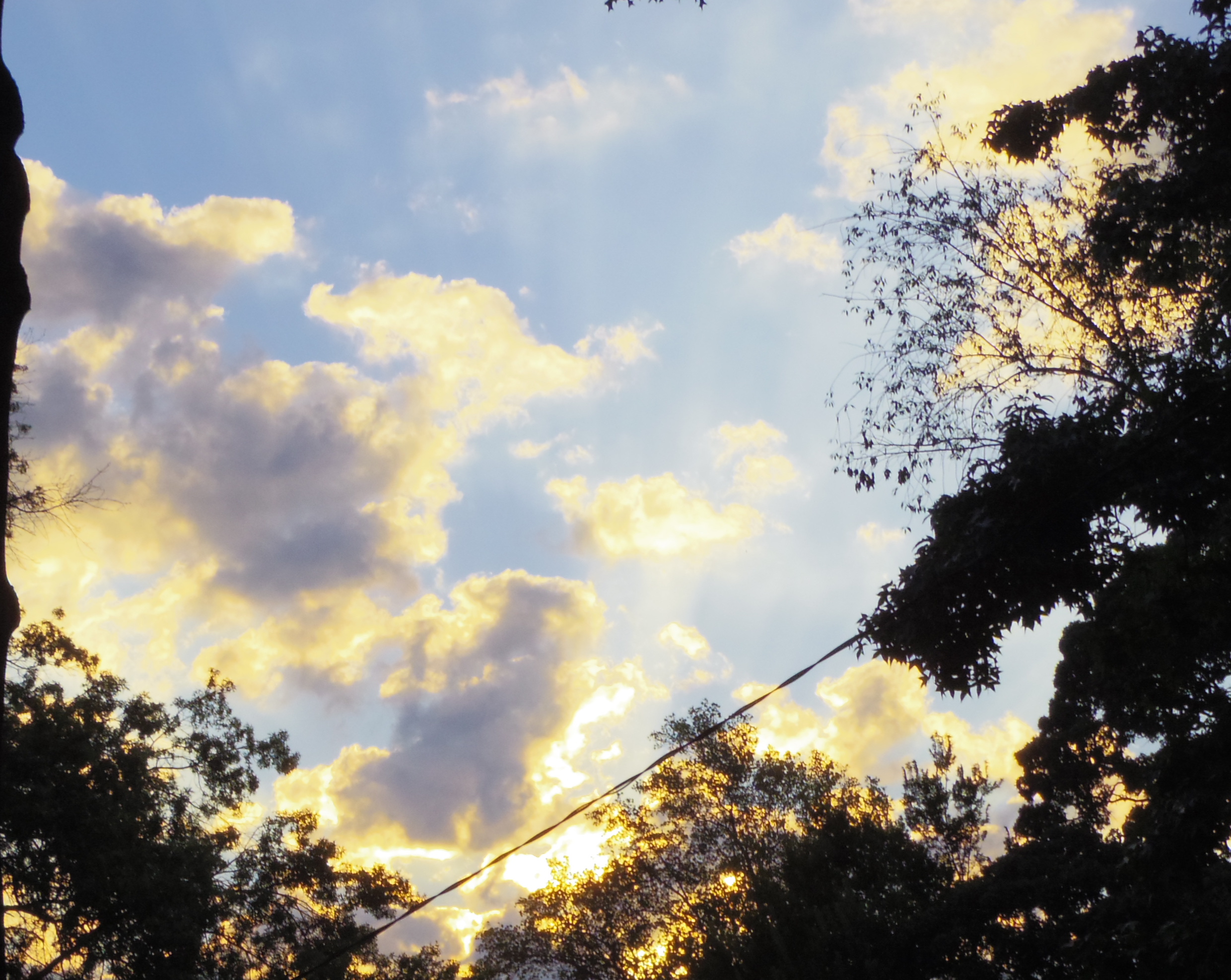
The view from my backdoor yesterday morning

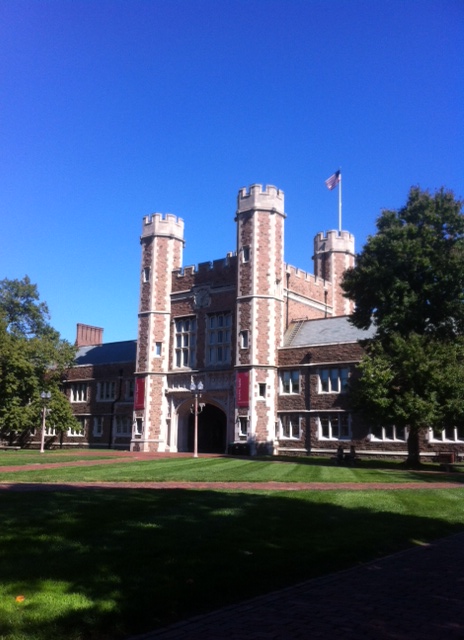
I am with Hawthorne all the way. Unfortunately I do not have the option of staying outside all day. I will, however, take a walk around the block if work allows. Yesterday I had a meeting on my flyover campus and so I got to walk around. It was nice. I mean look at that sky!

wustl

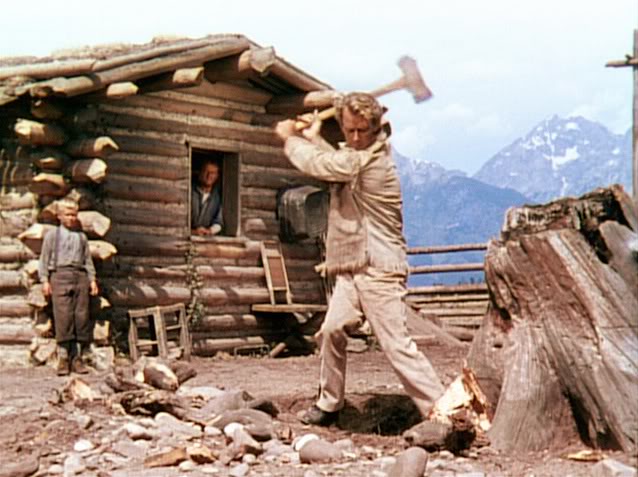
And when I get home today I will attack some more vines–strenuous yard work which bears visible results is good for the soul, right? But sometimes I feel like Shane and that stump.

ShaneStump

And, yes…

adam-wainwright-smi2

We won the NLDS! Just look at the wing span on old Adam Wainwright! Onward and upward, Cardinals! Bring on the Dodgers!

This is a moment

by chuckofish

thomas wolfe

“A destiny that leads the English to the Dutch is strange enough; but one that leads from Epsom into Pennsylvania, and thence into the hills that shut in Altamont over the proud coral cry of the cock, and the soft stone smile of an angel, is touched by that dark miracle of chance which makes new magic in a dusty world.

Each of us is all the sums he has not counted: subtract us into nakedness and night again, and you shall see begin in Crete four thousand years ago the love that ended yesterday in Texas.

The seed of our destruction will blossom in the desert, the alexin of our cure grows by a mountain rock, and our lives are haunted by a Georgia slattern, because a London cutpurse went unhung. Each moment is the fruit of forty thousand years. The minute-winning days, like flies, buzz home to death, and every moment is a window on all time.

This is a moment.”

–Thomas Wolfe (October 3, 1900 – September 15, 1938)
Look Homeward, Angel (1929)

I read this book a long, long time ago and this quote was in one of my earliest quote books. It reminds me a lot of William Faulkner and also Thornton Wilder. Both would have agreed with him.

What are you reading?

by chuckofish

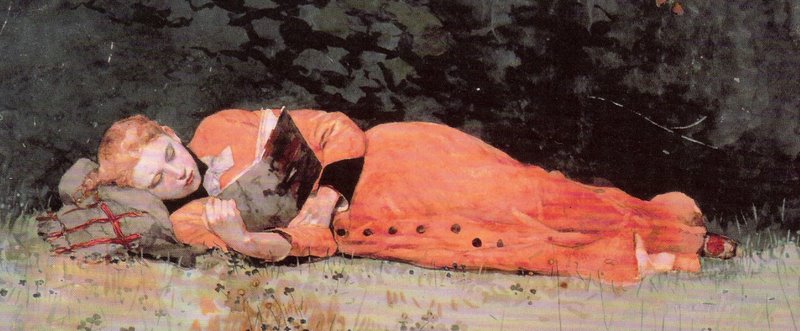
Girl-reading-758651

Lately I have had a hard time finding something good to read. I have started several novels, but never gotten too far with any of them.

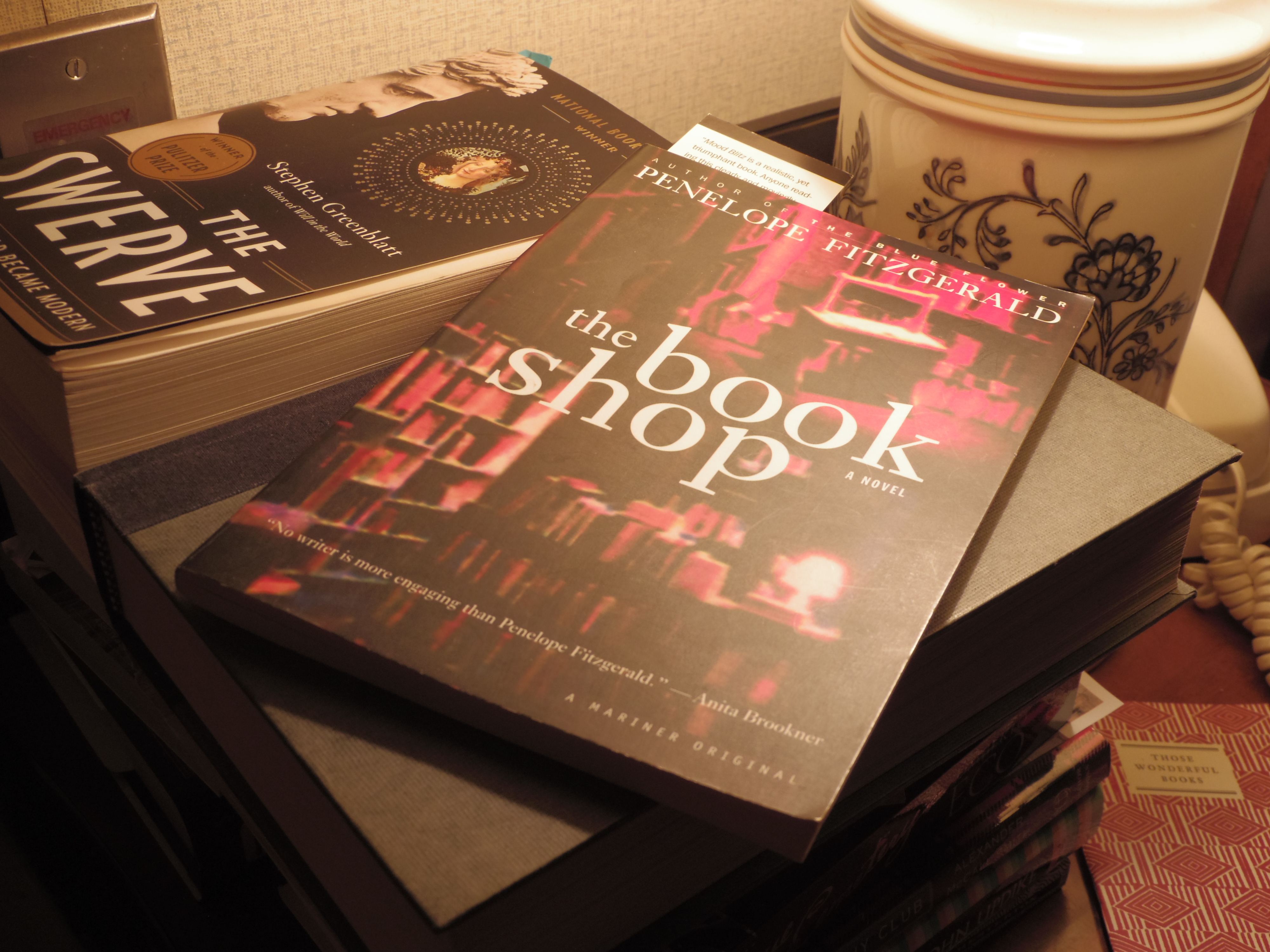
Then someone at work handed me a copy of The Bookshop by Penelope Fitzgerald. It is really good!

books

The novel, set mainly in 1959, centers around Florence Green, a middle-aged widow, who decides to open a bookshop in the small fictional town of Hardborough, Suffolk. The characters are expertly wrought with few wasted words.

“What seemed delicacy in him was usually a way of avoiding trouble; what seemed like sympathy was the instinct to prevent trouble before it started. It was hard to see what growing older would mean to such a person. His emotions, from lack of exercise, had disappeared almost altogether. Adaptability and curiosity, he had found, did just as well.”

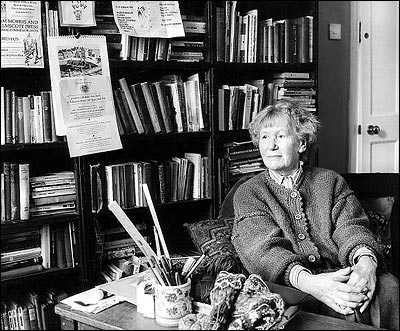
Penelope Fitzgerald (17 December 1916 – 28 April 2000) was a Booker Prize-winning English novelist, poet, essayist and biographer. I had read Fitzgerald’s highly-touted final novel, The Blue Flower, published in 1995, which centers on the 18th century German poet and philosopher Novalis. I liked it, but I didn’t go on a Penelope Fitzgerald binge like I sometimes do with a newly discovered author.

I can relate.

I can relate.

She launched her literary career in 1975, at the age of 58, when she published a biography of Pre-Raphaelite artist Edward Burne-Jones (1833–1898). This was followed two years later by The Knox Brothers, a biography of her well-known father and uncles. Later, in 1977, she published her first novel, The Golden Child, a comic murder mystery with a museum setting inspired by the Tutankhamun mania earlier in the decade. Clearly a girl after my own heart.

I love a late-bloomer, don’t you? It gives one hope.

What are you reading?

Happy birthday, F. Scott Fitzerald

by chuckofish

(September 24, 1896 – December 21, 1940)

(September 24, 1896 – December 21, 1940)

I always felt kind of sorry for Fitzgerald. He had talent, but he also had a serious drinking problem and he married the wrong woman. That can be a deadly combination.

According to Wikipedia, Fitzgerald died at age 44 and was originally buried in Rockville Union Cemetery, an Anglican cemetery and the oldest burying ground in Rockville, Maryland. His daughter Scottie Smith worked to overturn the Archdiocese of Baltimore’s ruling that Fitzgerald had died a non-practicing Catholic, so that he could be buried at the Roman Catholic Saint Mary’s Cemetery where his father’s family was interred; this involved “re-Catholicizing” Fitzgerald after his death. His remains (and those of his Episcopalian wife Zelda) were moved to the family plot in Saint Mary’s Cemetery in Rockville, Maryland, in 1975.

Seriously?

“Oh, the poor son-of-a-bitch.”*

But I got a little side-tracked there. Here’s a quote:

“He did not understand all he had heard, but from his clandestine glimpse into the privacy of these two, with all the world that his short experience could conceive of at their feet, he had gathered that life for everybody was a struggle, sometimes magnificent from a distance, but always difficult and surprisingly simple and a little sad.”

― F. Scott Fitzgerald, Babylon Revisited and Other Stories

*The Great Gatsby

Worthy of consideration

by chuckofish

hermann-hesse1

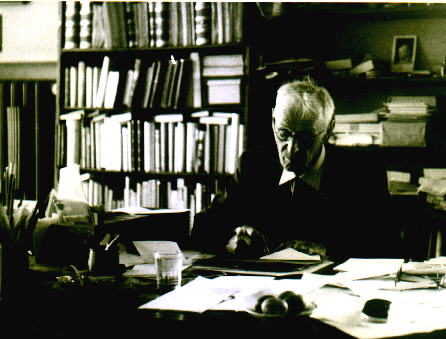
“Every man is more than just himself; he also represents the unique, the very special and always significant and remarkable point at which the world’s phenomena intersect, only once in this way, and never again. That is why every man’s story is important, eternal, sacred; that is why every man, as long as he lives and fulfills the will of nature, is wondrous, and worthy of consideration. In each individual the spirit has become flesh, in each man the creation suffers, within each one a redeemer is nailed to the cross.”

–Hermann Hesse