dual personalities

Tag: writers

“Who in these latter days was born for blessing to a world forlorn”*

by chuckofish

four Advent candles

Advent Four. In the gospel lesson Mary is visited by the angel Gabriel, who says, “Greetings, favored one! The Lord is with you.” Mary, not surprisingly, is perplexed by this and “pondered what kind of greeting this might be.” Our assisting priest, who gave the sermon, informed us that the word “ponder” is only used twice in the gospels, both times referring to Mary. He advised us to do more of our own pondering, but not to worry when the Big Questions remain unanswered. He reminded us that we don’t have to wait for complete understanding to act in faith. I get that.

I will miss our assisting priest–who is technically retired–as he heads off to Florida for several months. His sermons actually make sense. C’est la vie.

tree1

Since daughter #2 came home on Friday, I have been busier than probably in the entire prior four weeks (combined).
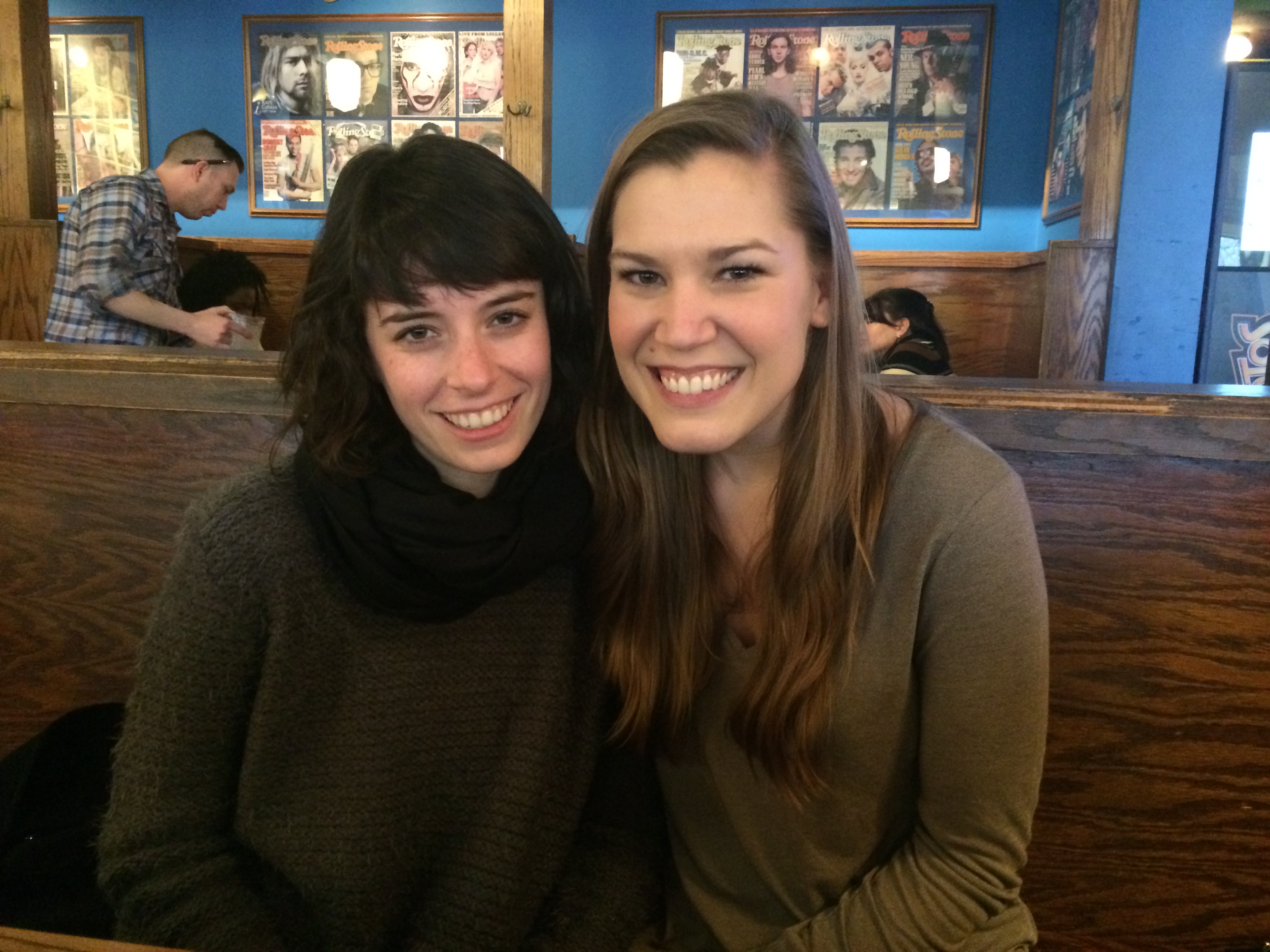
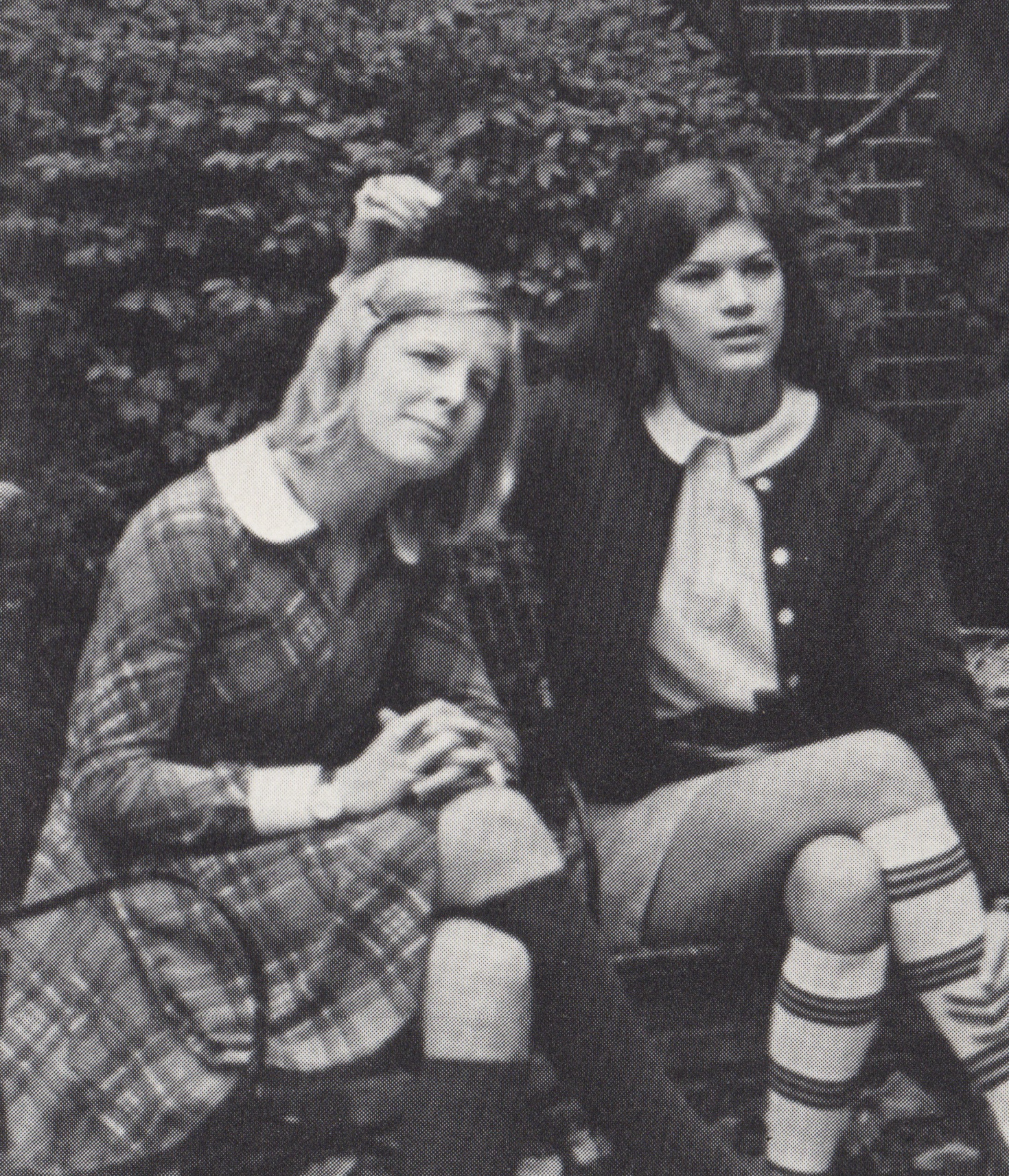
Best friends since Vacation Bible School

Best friends since Vacation Bible School

No kidding. Well, I expect to be busy when we have a full house at this time of year. And that’s okay.

I will do my best to fit in some ponder-time during the twelve days of Christmas,  but I ain’t makin’ any promises, y’hear? There will be plenty of time in January for pondering.

By the way, I just finished a ponder-worthy book: Beyond Black by Hilary Mantel.

518g35OtbSL._SY344_BO1,204,203,200_

A.S. Byatt described it as “a terrible and swirling horror comedy about a very fat medium on the perimeter of the M25, haunted by mean and nasty spirits veering between damnation and the trivial.” Mantel really is a genius and this book is pretty disturbing. She reminds me of Shirley Jackson–brilliant and slightly cracked and a great, great writer. I highly recommend it.

* Hymn 63

This and that: “Um Dasher, Dancer… Prancer… Nixon, Comet, Cupid… Donna Dixon?”*

by chuckofish

img_1224090636638_291

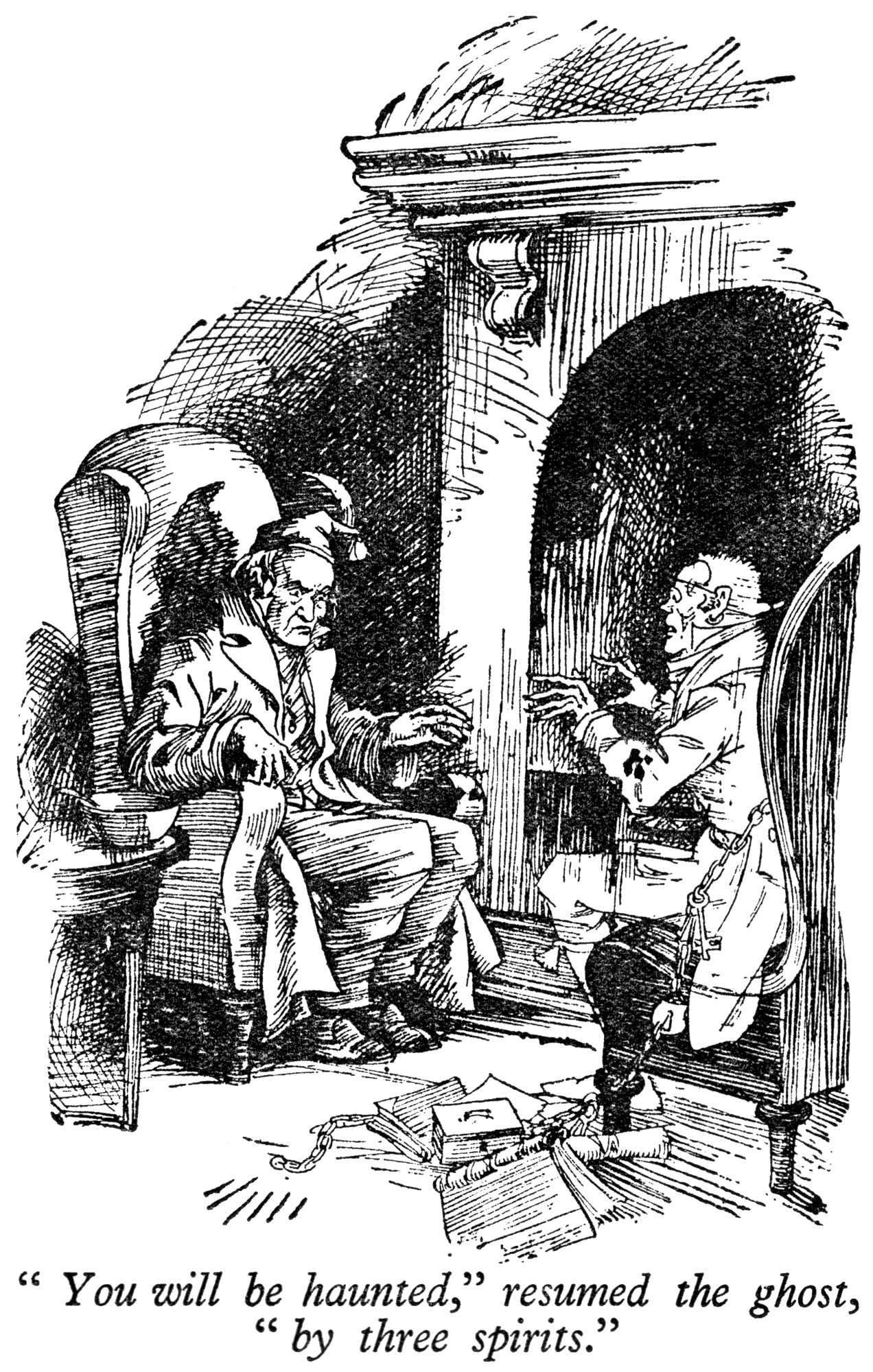
A Christmas Carol  was published on December 19 in 1843.

childrens387_2000

Have you read it recently? One year our headmaster read it in chapel and was much mocked for his efforts. He was new, following a genuine Englishman who could read anything he liked (although there may have been some eye-rolling when he hauled out A Child’s Christmas in Wales every year). Unfortunately the new guy set the tone badly for his tenure at our school with his oafish and over-dramatic reading of this classic (“God bless us every one!”). At least that’s the way I remember it.

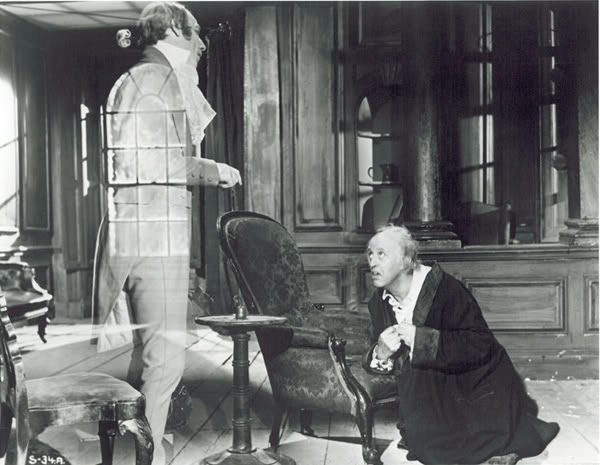
I usually watch one of the many versions filmed over the years. Scrooge, made in England in 1951, stars Alistair Sim, and is I believe a very close rendition of the original.

SCrooge8

Indeed, much of the dialogue is taken word-for-word from the book (“An intelligent boy!” said Scrooge. “A remarkable boy!”).

I’ll admit I cheated yesterday and read the end of the book online. Dickens writes that the reformed Scrooge:

…went to church, and walked about the streets, and watched the people hurrying to and fro, and patted children on the head, and questioned beggars, and looked down into the kitchens of houses, and up to the windows: and found that everything could yield him pleasure. He had never dreamed that any walk — that anything — could give him so much happiness.

Dickens himself was a great walker in the city and this passage probably is a pretty good description of himself, don’t you think?

Anyway, I think a re-reading might be in order.

img_1224090636638_291In other news, here’s some interesting advice for my fellow introverts.

img_1224090636638_291I love the  “Humans of New York” blog, but I really liked this one. Is the world random or is there an unseen finger guiding us? Hello.

img_1224090636638_291The first episode of The Simpsons, “Simpsons Roasting on an Open Fire,” aired on this day in 1989–25 years ago!

Simpsons_Roasting_on_an_Open_Fire_promo

You will recall that in this episode Homer gets a second job as a Santa Claus in a shopping mall in order to pay for Christmas presents. He doesn’t make enough, of course, so he goes to the dog track where Santa’s Little Helper enters into the story and Homer says, “Did you hear that, Boy? Santa’s Little Helper. It’s a sign. It’s an omen.” Bart replies, “It’s a coincidence, Dad.”

Again with the random/not-so-random question. Hmmm. Amazingly, it all ends well.

Have a good Wednesday–we’re over the hump! Daughter #2 arrives on Friday! Can daughter #1 be far behind?

mantel1

*”Simpsons Roasting on an Open Fire” (1989)

Yet what I can, I give Him

by chuckofish

Today we celebrate the birthday of Christina Rosetti (December 5, 1830 – December 29, 1894), a 19th century English poet and devout Anglican. She wrote the poem that was set to music and is one of my favorite Christmas carols, In the Bleak Midwinter.

In the bleak mid-winter
Frosty wind made moan,
Earth stood hard as iron,
Water like a stone;
Snow had fallen, snow on snow,
Snow on snow,
In the bleak mid-winter
Long ago.

Our God, Heaven cannot hold Him
Nor earth sustain;
Heaven and earth shall flee away
When He comes to reign:
In the bleak mid-winter
A stable-place sufficed
The Lord God Almighty,
Jesus Christ.

Enough for Him, whom cherubim
Worship night and day,
A breastful of milk,
And a mangerful of hay;
Enough for Him, whom angels
Fall down before,
The ox and ass and camel
Which adore.

Angels and archangels
May have gathered there,
Cherubim and seraphim
Thronged the air –
But only His mother
In her maiden bliss
Worshipped the Beloved
With a kiss.

What can I give Him,
Poor as I am?
If I were a shepherd
I would bring a lamb;
If I were a wise man
I would do my part;
Yet what I can, I give Him –
Give my heart.

Here is a lovely rendition of this beautiful carol:

This may get you headed in the right direction–that is, not toward the mall, but to wherever you go to listen to that still, small voice in your heart.

Have a great weekend and enjoy Advent II.

Let me think about that for a moment

by chuckofish

greenleaves 3

Here is some food for thought on this Thursday n November. Take a moment (or two or three) for some deep thoughts.

1. “The trouble with you,” Walter had said in a recent phone conversation, “is that you’re too prepared. You don’t give the Holy Spirit room to do wondrous things. You need to take risks now and then–that’s what makes life snap, crackle and pop.”

–Jan Karon, At Home in Mitford

2. “When I was an object of much contempt and derision in the university,” he later wrote, “I strolled forth one day, buffeted and afflicted, with my little Testament in my hand … The first text which caught my eye was this: ‘They found a man of Cyrene, Simon by name; him they compelled to bear his cross.'”

–Charles Simeon

3. “That man is the richest whose pleasures are the cheapest.”

–Henry David Thoreau

4.

British 2nd Division at Kohima, India war memorial

British 2nd Division at Kohima, India war memorial

Discuss among yourselves.


Here in Missouri

by chuckofish

How was your weekend? The OM and I had an adventure–a roadtrip on Saturday over to Fulton in the rolling green hills of central Missouri to visit the Winston Churchill Memorial on the campus of Westminster College.

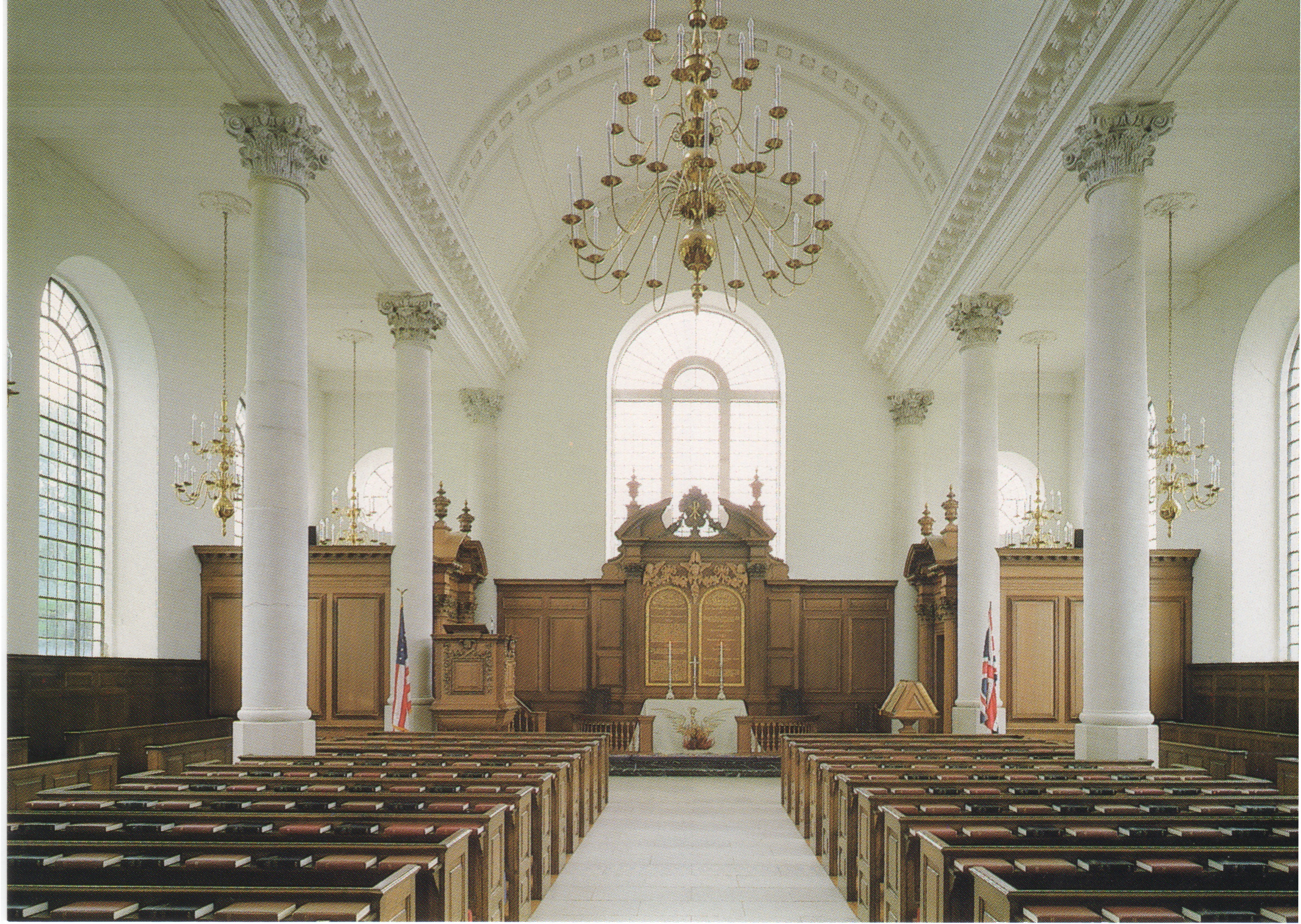
You will recall that in 1946 it was at Westminster College that Winston Churchill delivered one of the most significant speeches of his long and illustrious career–the “Iron Curtain” speech. In the 1960s Westminster College set out to mark what would be the 20th anniversary of Churchill’s visit. After due consideration of traditional modes of commemoration, Westminster College settled on the rather more ambitious notion of moving a Christopher Wren designed Church from London. This Church, St. Mary the Virgin Aldermanbury, had stood in London since 1677 when it replaced an earlier structure that had sat on the same site since the 12th century until it was destroyed in the great fire of 1666. This magnificent building, badly damaged during the London Blitz, was moved stone by stone to Westminster’s campus and rebuilt to Wren’s original specifications.

54016226

What an incredible undertaking! I had not been there since 1969 when it was dedicated. It is breathtaking.

stmarys

It is a popular venue for weddings, as you can imagine, and there was one about to take place when we ducked in, so this postcard view will have to suffice. It is my favorite type of church, reflecting the puritan branch of the Anglican church. I love those clear glass windows and brass chandeliers and the Ten Commandments behind the altar.

kneeler

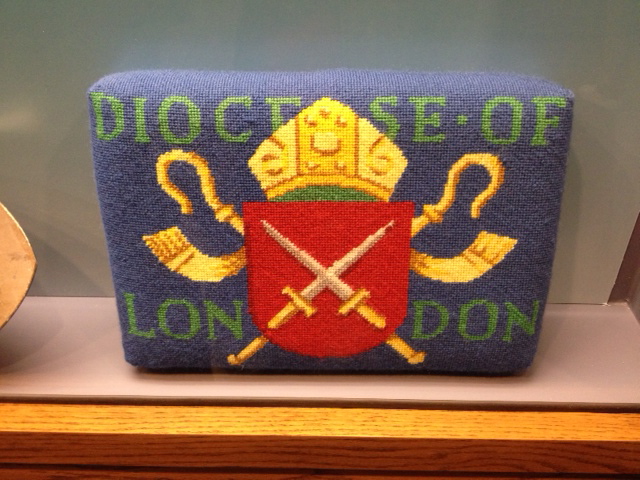
A needlepoint kneeler in the museum downstairs

The National Churchill Museum which opened in 2006 is downstairs under the church. I was quite impressed.

ANC III woud have approved

ANC III would have approved of these toy soldiers.

museuem

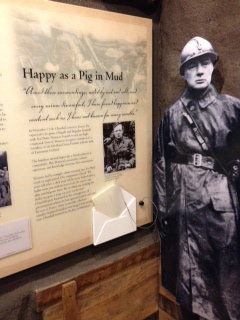
Indeed, ANC would have liked the museum as it illustrates the life and career of W.C.

window

Iron Curtain Speech sculpture

Iron Curtain Speech sculpture

Anyway, it is well-worth the trip to Fulton which is a nice college town, not unlike Greencastle, Indiana which we visited many times over the years when daughter #1 was a student at DePauw University. I like college towns and am always up for visiting one.

Sunday was All Saints Sunday and we had three baptisms in church. All three children, who ranged in age from infant to toddler, wailed for dear life. (Bill Baker who baptized daughter #1 and the boy always said that that was the devil leaving the child and not to worry.) Well, I always enjoy renouncing “Satan and all the spiritual forces of wickedness that rebel against God”, including “the evil powers of this world which corrupt and destroy the creatures of God”--especially a few days before an election.

Don’t forget to vote tomorrow!

“Everything passes, only the truth remains.”*

by chuckofish

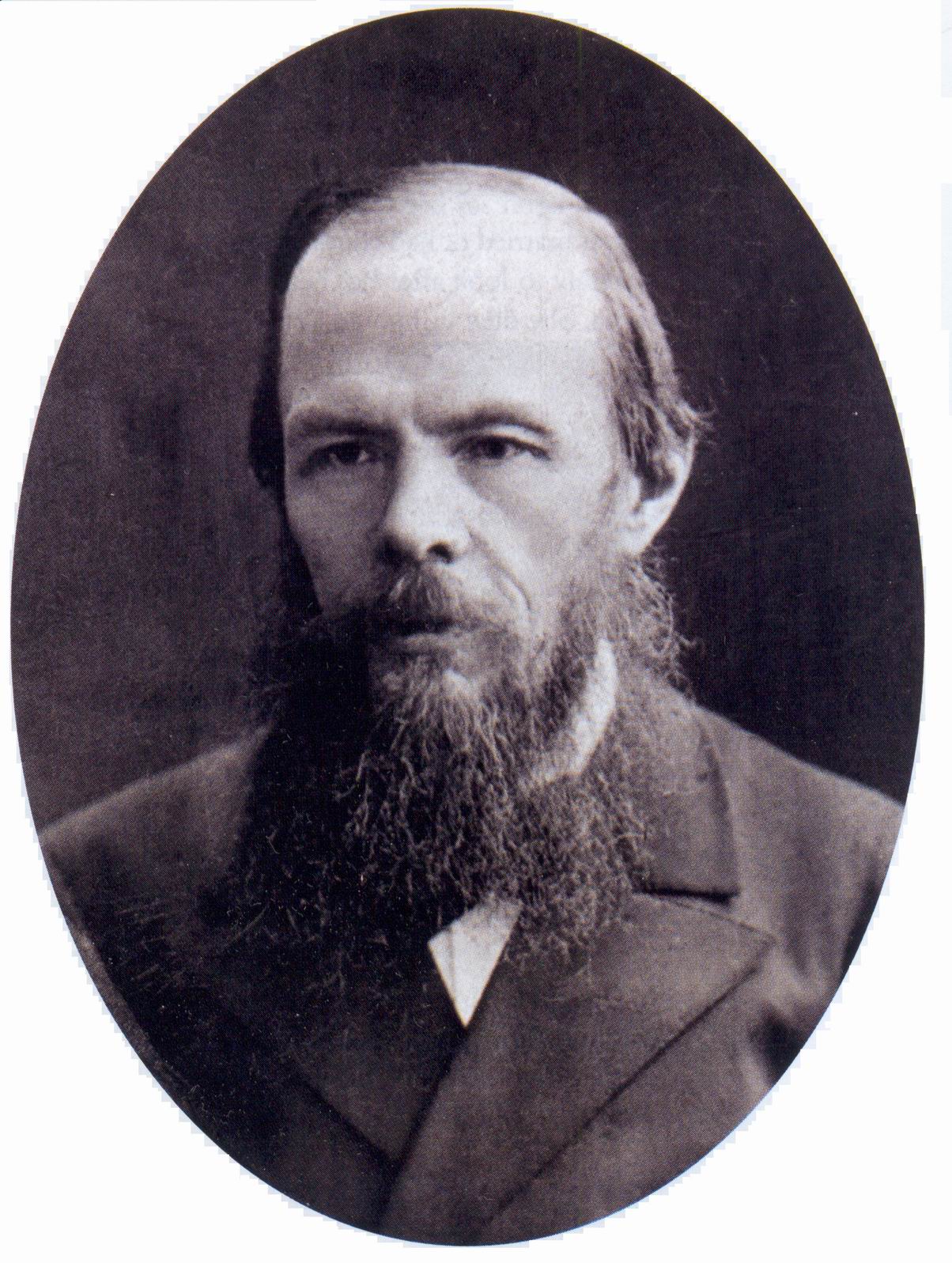
According to some sources, Fyodor Dostoyevsky was born on this day in 1821.

Dostoevsky

Russian novelist, short story writer, essayist, journalist, and philosopher, Dostoyevsky was also, Malcolm Muggeridge wrote, “a God-possessed man if ever there was one, as is clear in everything he wrote and in every character he created.”

“What’s mystery? Everything’s mystery, my friend, everything is God’s mystery. There’s mystery in every tree, in every blade of grass. When a little bird sings or all those many, many stars shine in the sky at night–it’s all mystery, the same one. But the greatest mystery is what awaits man’s soul in the world beyond, and that’s the truth, my boy….

…No, my friend, you’ve got me wrong; I’ve always respected science since I was a boy and, although I can’t understand it myself, that’s all right: science may be beyond my ken, but it is within the ken of other men. And it’s best that way because then everyone has what comes to him, and not everyone is made to understand science…”

–Fyodor Dostoyevsky, The Adolescent

Fyodor and I are on the same page.

I have read Crime and Punishment and a wonderful book of excerpts edited by the Bruderhof, The Gospel in Dostoyevsky. I think it is time for me to tackle The Brothers Karamazov this winter. I have read parts, but never the whole thing.

So a toast to the great Dostoyevsky! Поехали! (Let’s get started!)

* Father Zossima in The Brothers Karamazov 

In Xanadu

by chuckofish

Samuel Taylor Coleridge, a leader of the British Romantic movement and famous opium addict, was born on this day in 1772, in Devonshire, England.

In honor of his birthday, here is one of his famous poems to read aloud.

xanadtaipeinationalmuseum46

Kubla Khan Or a Vision in a Dream. A Fragment

In Xanadu did Kubla Khan

A stately pleasure-dome decree:

Where Alph, the sacred river, ran

Through caverns measureless to man

Down to a sunless sea.

So twice five miles of fertile ground

With walls and towers were girdled round;

And there were gardens bright with sinuous rills,

Where blossomed many an incense-bearing tree;

And here were forests ancient as the hills,

Enfolding sunny spots of greenery.


But oh! that deep romantic chasm which slanted

Down the green hill athwart a cedarn cover!

A savage place! as holy and enchanted

As e’er beneath a waning moon was haunted

By woman wailing for her demon-lover!

And from this chasm, with ceaseless turmoil seething,

As if this earth in fast thick pants were breathing,

A mighty fountain momently was forced:

Amid whose swift half-intermitted burst

Huge fragments vaulted like rebounding hail,

Or chaffy grain beneath the thresher’s flail:

And mid these dancing rocks at once and ever

It flung up momently the sacred river.

Five miles meandering with a mazy motion

Through wood and dale the sacred river ran,

Then reached the caverns measureless to man,

And sank in tumult to a lifeless ocean;

And ’mid this tumult Kubla heard from far

Ancestral voices prophesying war!

The shadow of the dome of pleasure

Floated midway on the waves;

Where was heard the mingled measure

From the fountain and the caves.

It was a miracle of rare device,

A sunny pleasure-dome with caves of ice!


A damsel with a dulcimer

In a vision once I saw:

It was an Abyssinian maid

And on her dulcimer she played,

Singing of Mount Abora.

Could I revive within me

Her symphony and song,

To such a deep delight ’twould win me,

That with music loud and long,

I would build that dome in air,

That sunny dome! those caves of ice!

And all who heard should see them there,

And all should cry, Beware! Beware!

His flashing eyes, his floating hair!

Weave a circle round him thrice,

And close your eyes with holy dread

For he on honey-dew hath fed,

And drunk the milk of Paradise.

If you prefer, here is the great Sir Ralph Richardson reciting the poem: 

http://www.dailymotion.com/video/xjn7vh_samuel-taylor-coleridge-kubla-khan-ralph-richardson_creation

Weekend reading

by chuckofish

leavesin street

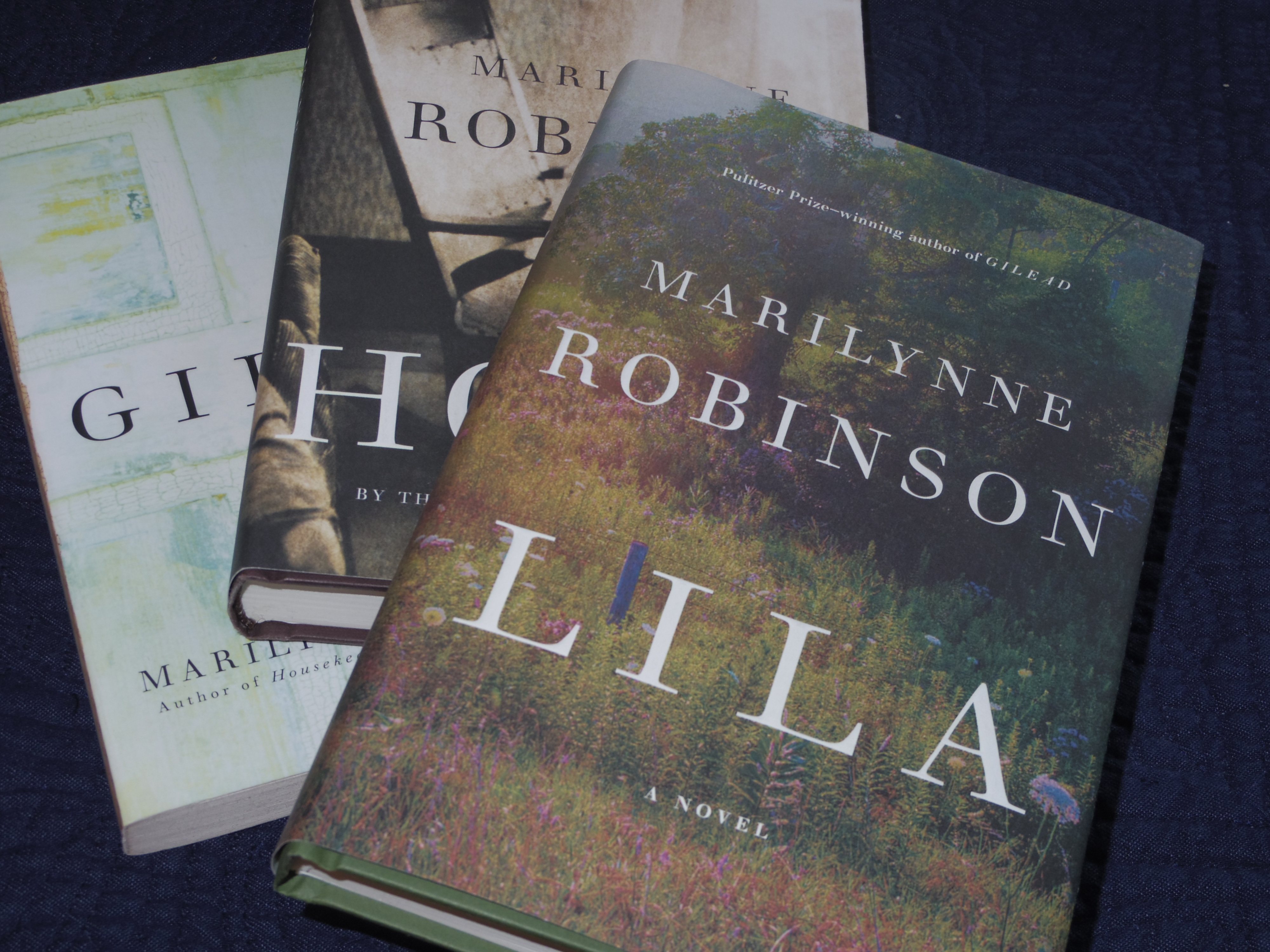
I had a quiet weekend and spent a good part of it reading Marilynne Robinson’s new novel Lila. 

2014-10-19 15.31.28

In this third novel that takes place in the town of Gilead, Robinson revisits the characters we have met in the earlier books (Gilead and Home), in particular the mysterious woman who marries the old minister John Ames. As usual, the author examines the mystery of existence. She quotes John Calvin freely–without smirking. It is terrific.

Robinson just blows me away. Her characters are thoughtful and have inner monologues that are deep and penetrating. The story takes place some time after WWII when people did not have attention spans reduced to tweets. They still think about things. And we are encouraged to think about them (and the mystery of existence) as well.

Anyway, of course, I highly recommend this book and the first two if you haven’t already read them. (Why haven’t you already read them?)

Have a great week!

Almighty God, who hast bestowed thy grace upon thy people by thy Son Jesus Christ: Grant us, we beseech thee, to be enriched with his manifold gifts; that patiently enduring through the darkness of this world, we may be found shining like lamps in the day of our Lord Jesus Christ, when he cometh in his kingdom; to whom be praise and glory for ever and ever.

(Prayer posted by Kendall Harmon on TitusOneNine)

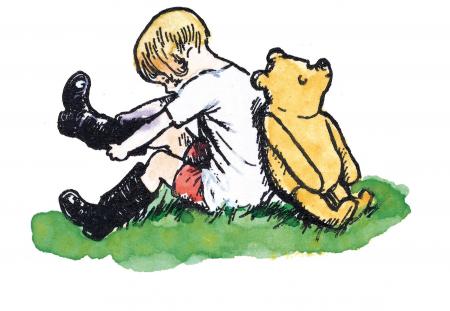
“When you see someone putting on his Big Boots, you can be pretty sure that an Adventure is going to happen.”

by chuckofish

Mottisfont - Winnie the Pooh, -® The E.H.Shepard Trust reproduced with permission of Curtis Brown Group

On this day in 1926 Winnie-the-Pooh by A.A. Milne was published in England.

As I have mentioned before, our pater was a big fan of Winnie-the-Pooh, and, therefore, so were we. No one read A.A. Milne’s stories and poems better than our father. This ability was one of his most endearing qualities.

So in honor of old A.A. Milne, maybe we should put on our Big Boots and have an adventure! But first we need some of these I guess.

Side note: It has been raining cats and dogs here for days on end. Big Boots have been on my mind.

“I can’t look at everything hard enough.”*

by chuckofish

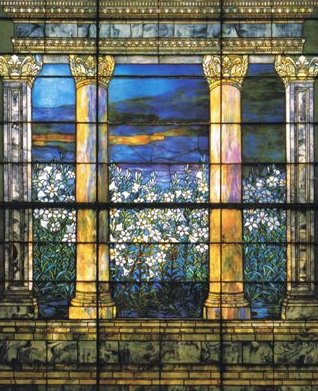
Field of Lilies, Louis Comfort Tiffany

“Field of Lilies”, Louis Comfort Tiffany

Last week I watched The Ghost and Mrs. Muir  (1947) and cried through much of it. Then this weekend I watched Our Town (1940) and wept through the entire third act.  I must say that much of this was due to the great musical scores of both films, by Bernard Hermann and Aaron Copland, respectively, but still. They even changed the end of Our Town! (Spoiler alert) Emily doesn’t die! They softened up the hard ending of the play, but it was still effective.

Then I finished Jan Karon’s Somewhere Safe With Somebody Good and got a little weepy. It is not a sad book at all, but it reminds us all to rejoice and be glad and you know that that can make me tear up.

Then we sang hymn #624 in church–“Jerusalem the Golden”–and I was done (or undone as the case may be).

Well, you know what Frederick Buechner says about tears:

You never know what may cause them. The sight of the Atlantic Ocean can do it, or a piece of music, or a face you’ve never seen before. A pair of somebody’s old shoes can do it. Almost any movie made before the great sadness that came over the world after the Second World War, a horse cantering across a meadow, the high school basketball team running out onto the gym floor at the start of a game. You can never be sure. But of this you can be sure. Whenever you find tears in your eyes, especially unexpected tears, it is well to pay close attention.

They are not only telling you something about the secret of who you are, but more often than not God is speaking to you through them of the mystery of where you have come from and summoning you to where, if your soul is to be saved, you should go next.

(Whistling in the Dark)

So keep your eyes and your heart open as you go forth into the world this week. Thanks be to God.

*Emily in “Our Town” by Thornton Wilder