dual personalities

Tag: Williams College

“Do not be conformed to this world, but be transformed by the renewal of your mind”*

by chuckofish

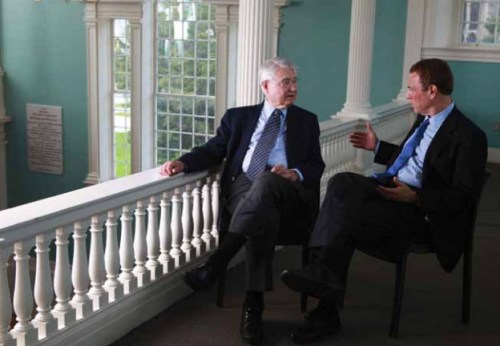
Recently I was reading my Williams College alumni magazine and ran across an article about former President John Wesley Chandler who was head of the college when I attended.

definingdecade5.jpg

Chandler is on the left

His standard CV includes the following facts: Chandler assumed the office of president on July 1, 1973, after serving as president of Hamilton College since 1968. He was born in Mars Hill, N.C. on Sept. 5,1923 and attended Wake Forest College, where he was a member of Phi Beta Kappa and received his B.A. in 1945. He received a B.D. from Duke University in 1952 and earned his Ph.D., also from Duke, in 1954. Sixteen colleges and universities, including Williams, have awarded him honorary doctorates.

However, as I read further, I found out that his CV leaves out a lot. It seems he wrote an autobiography last year–there was a link in the article and I followed it. The son of a tobacco farmer, Chandler grew up in rural North Carolina.

Screen Shot 2017-04-04 at 10.43.06 AM.png

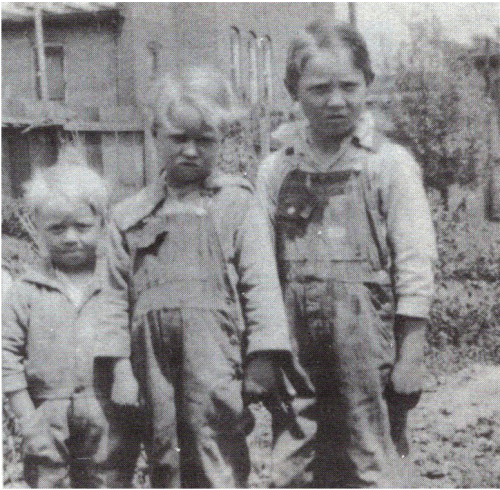
Chandler (far right) with two of his brothers in 1931

When his father died during the Great Depression he was sent with two of his brothers to the Mills Home, a Baptist orphanage. From the age of 10 when he entered the orphanage in 1934, it was his home as well as his school until he graduated and went to college.

Life was disciplined at the Mills House, but “there was considerable intellectual stimulation…and an informed awareness of what was going on in the larger world. The institutional ethos was that of a school.” The children studied, worked, went to chapel, and played sports–the classic boarding school agenda. Indeed, President Sawyer, Chandler’s predecessor at Williams, remarked to him that “[Mills House] sounds like Deerfield”! Well, maybe that was a stretch, but he was well prepared for college when he graduated.

You can download the PDF (see above) and read all about Chandler’s life at the orphanage. It is a fascinating read. I find it all amazing and absurdly impressive. It is the kind of story you don’t hear much any more. Hard work. Faith. Perseverance.

It is also a good reminder not to assume about people. How often do we really have no idea about who a person really is and what he/she has gone through!

*Romans 12: 2

Dedication to a mountain

by chuckofish

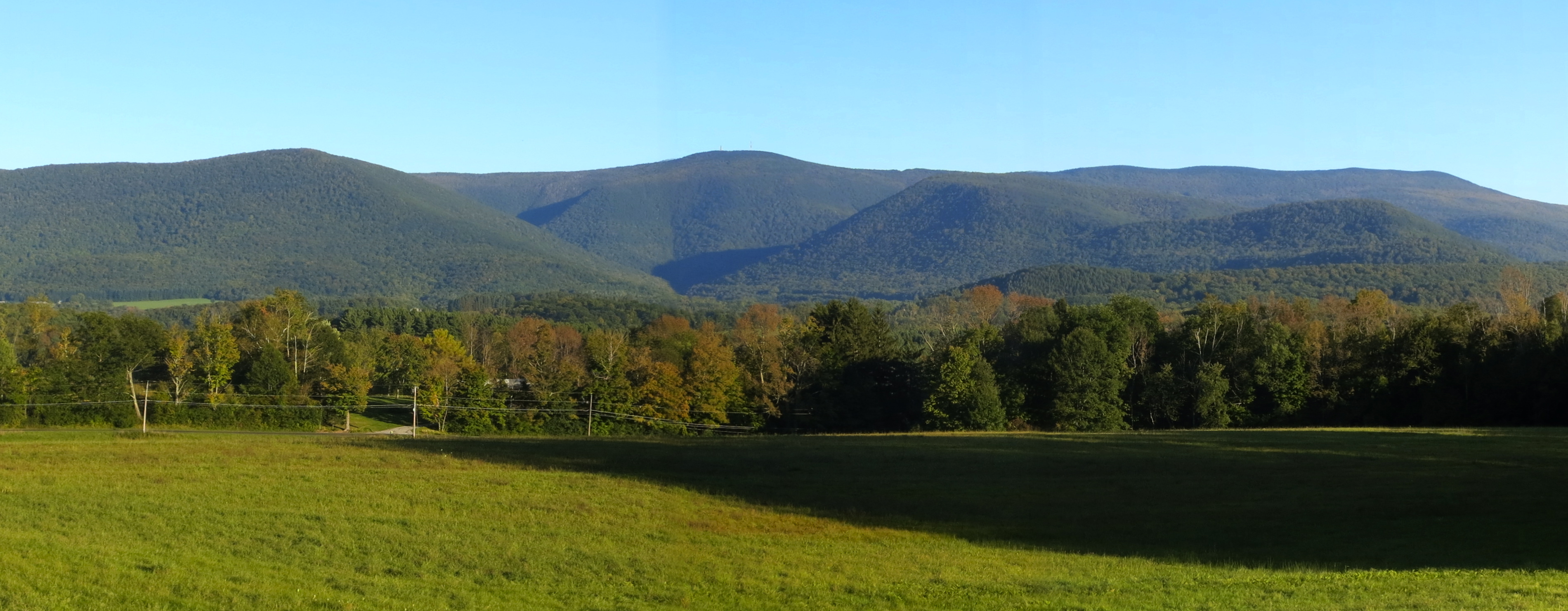
I was reminded recently that Herman Melville dedicated Pierre: or, The Ambiguities to a particular mountain, which I saw every day when I was a student at Williams College. I climbed Mt. Greylock one Saturday with members of the Mountain Club and enjoyed the view which encompasses five states.

Mount_Greylock_Massive

It was always in the background of all our shenanigans.

mt greylock

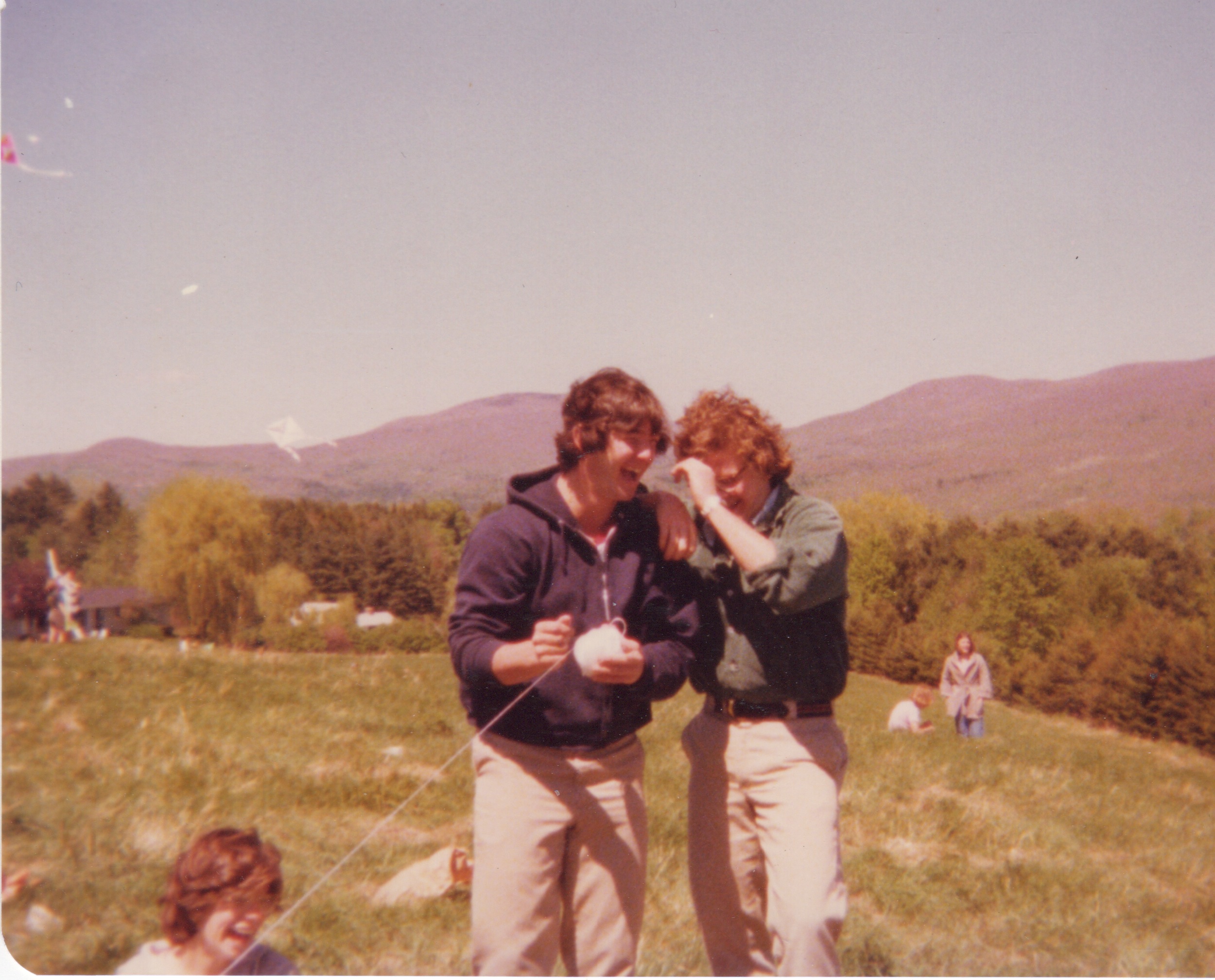
Kite flying in the spring of 1977 with Spud and Emmett

I miss those mountains, and I suppose those big-hearted football players.

Anyway, here is Melville’s most gracious dedication:

To Greylock’s Most Excellent Majesty

In old times authors were proud of the privilege of dedicating their works to Majesty. A right noble custom, which we of Berkshire must revive. For whether we will or no, Majesty is all around us here in Berkshire, sitting as in a grand Congress of Vienna of majestical hill-tops, and eternally challenging homage.

But since the majestic mountain, Greylock–my own more immediate sovereign lord and king–hath now, for innumerable ages, been the one grand dedicatee of the earliest rays of all the Berkshire mornings, I know not how his Imperial Purple Majesty (royal born: Porphyrogenitus) will receive the dedication of my own poor solitary ray.

Nevertheless, forasmuch as I, dwelling with my loyal neighbours, the Maples and the Beeches, in the amphitheatre over which his central majesty presides, have received his most bounteous and unstinted fertilisations, it is but meet, that I here devoutly kneel, and render up my gratitude, whether, thereto, The Most Excellent Purple Majesty of Greylock benignantly incline his hoary crown or no.

Don’t you just love old Herman? I mean really.

Stir up thy power

by chuckofish

Yesterday, in case you were unaware, was “Stirring-it-up Sunday”–at least in merry old England. My friend Carla, who has an English mother-in-law like my dual personality, told me that the third Sunday in Advent is when everyone goes home from church and prepares/stirs up the Christmas pudding. It is also the Sunday when the collect of the day is:

Stir up thy power, O Lord, and with great might come among us; and, because we are sorely hindered by our sins, let they bountiful grace and mercy speedily help and deliver us; through Jesus Christ our Lord, to whom, with thee ad the Holy Ghost, be honor and glory, world without end. Amen.

Jolly appropriate, don’t you think?

I did not go home and stir up anything in my kitchen, but I thought fondly of Carla’s husband Chris stirring it up in his.

No, I spent my weekend–spoiler alert–wrapping presents. It is one of those things that takes a long time and can be as hard on the back as some forms of physical labor. I also worked on getting the house ready for the arrival of daughter #2 on Wednesday night. Once she is home we will decorate our big tree. As planned the boy came over and put the tree up in its stand, so that the branches can come down.

IMGP0836

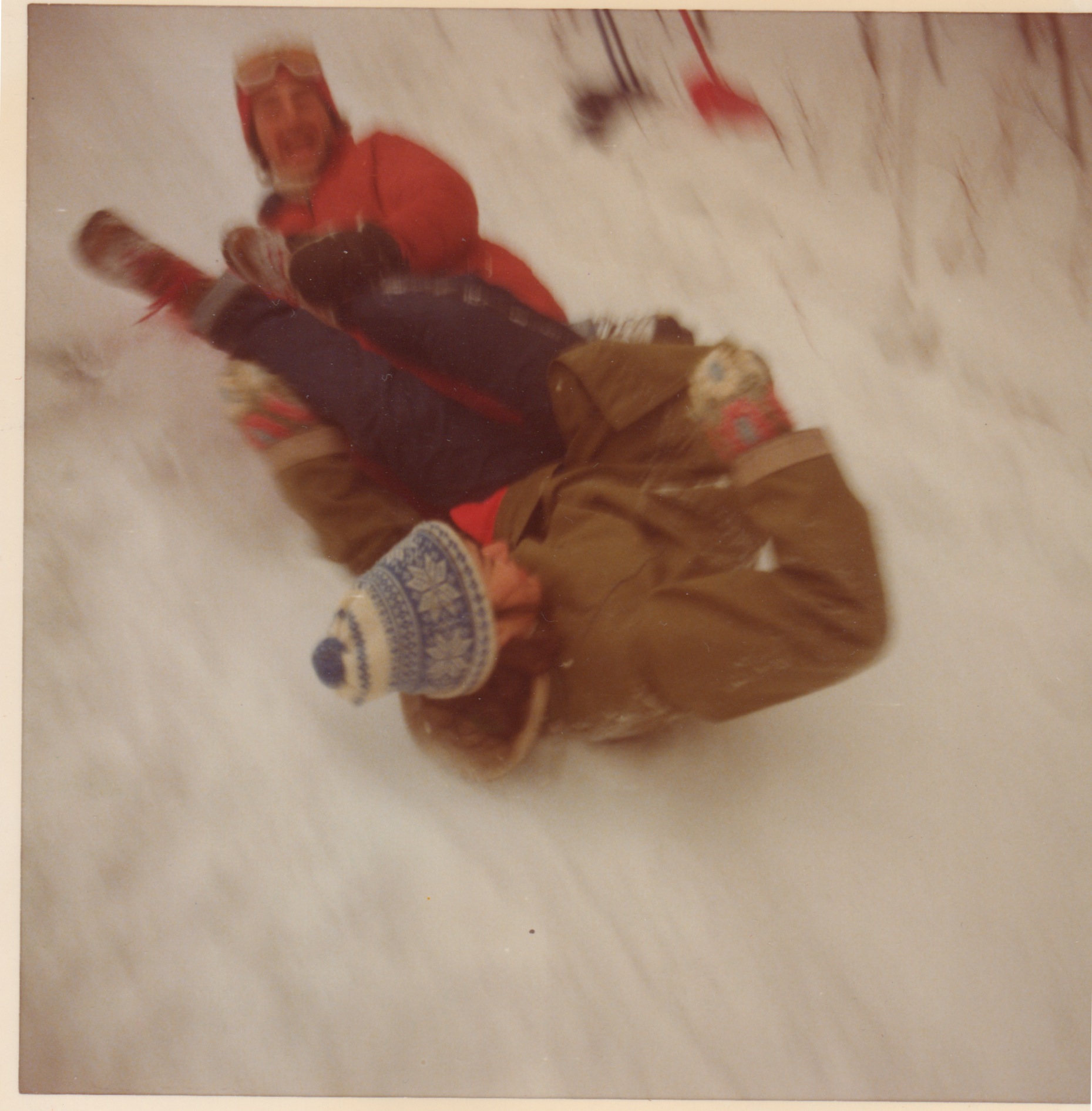
I also shoveled the front walk. I like to get out in the snow. It reminds me of my college days. Here I am at the Williams College Winter Carnival in 1977 falling down the slalom course with a friend. We were gate keepers. We picked up the flags when they got knocked down.

Winter Carnival 1977

Winter Carnival 1977

Unlike my mother who skied for Middlebury, I couldn’t even handle gate-keeping apparently. You might be surprised how steep that hill is.

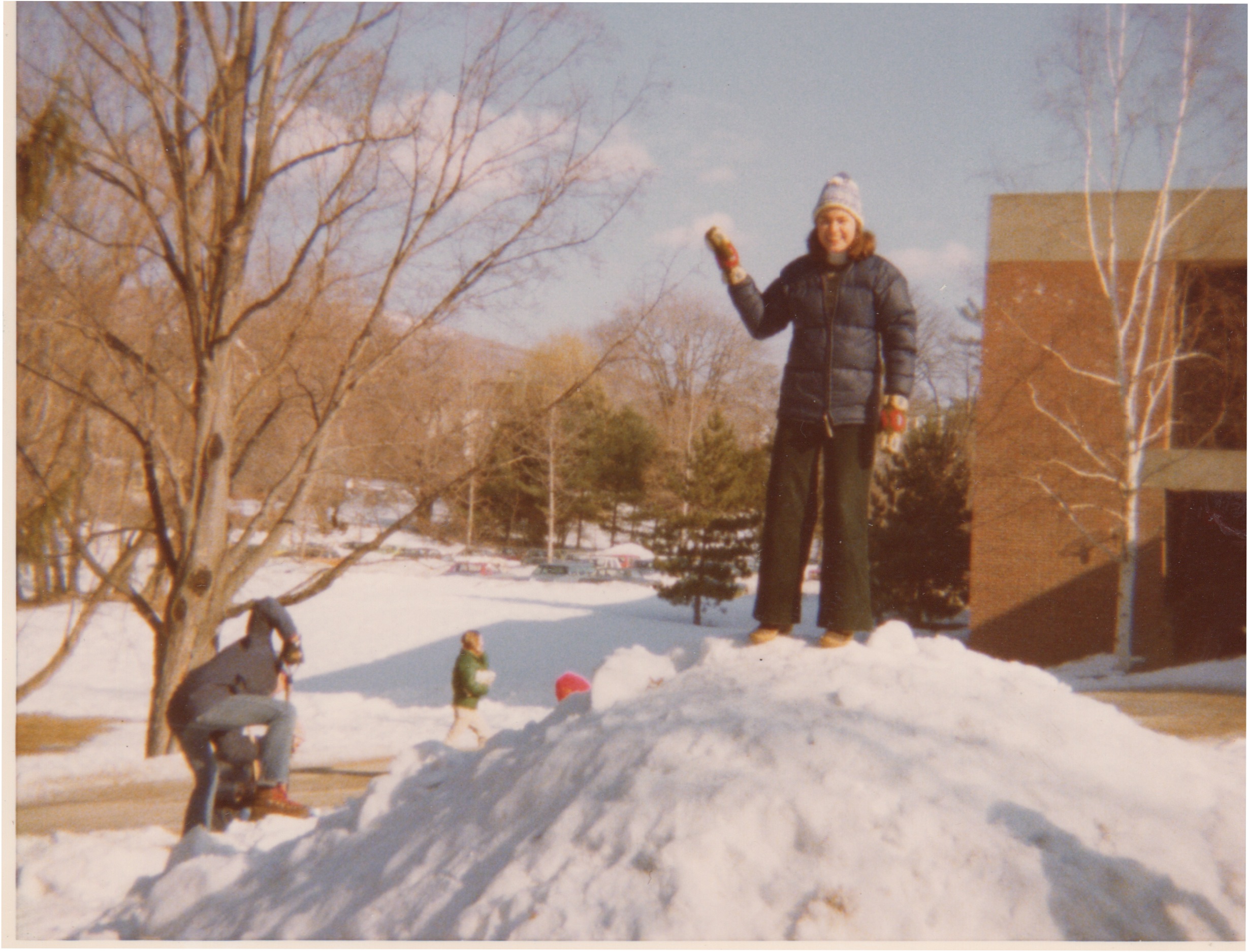
I was better at this kind of winter activity.

snow turtle

…watching while other people built snow sculptures. It is good to know one’s limitations.

How was your weekend?

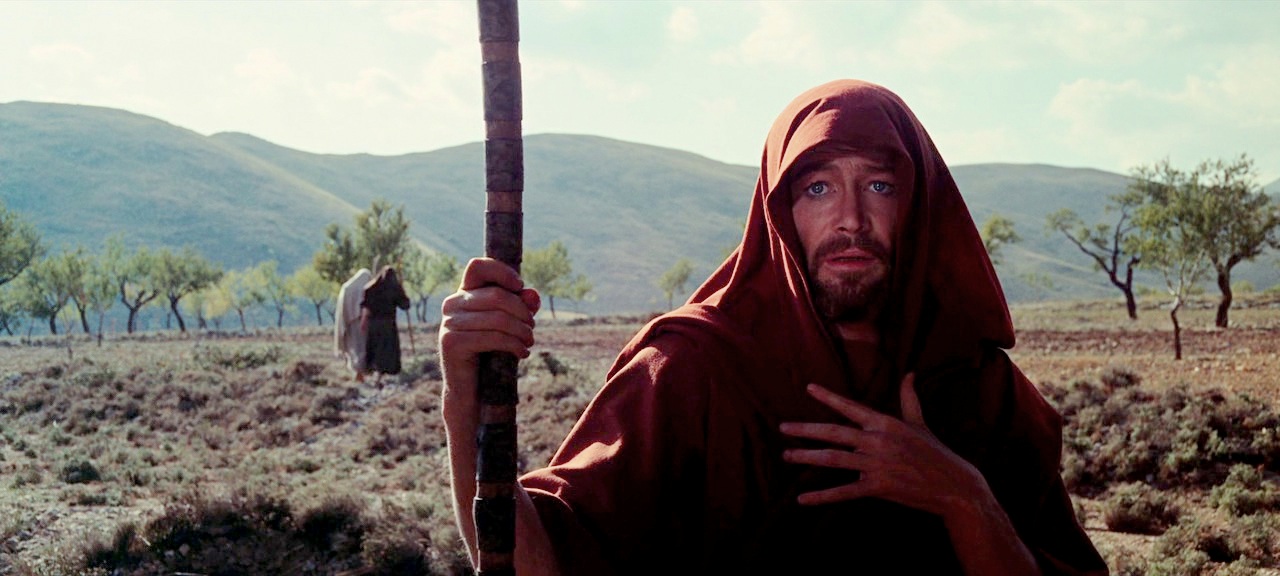
P.S. R.I.P. Peter O’Toole:
Into paradise may the angels lead thee; and at thy coming may the martyrs receive thee, and bring thee into the holy city Jerusalem.
–BCP, Burial of the Dead, Rite I

Peter O'Toole made a hellavu good angel in "The Bible".

Peter O’Toole made a hellavu good angel in “The Bible”.

Blast from the past: Mountain Day

by chuckofish

Yesterday was Mountain Day at my Alma Mater Smith College. Every year the President of the college announces Mountain Day without prior notice, and the student body heads to the mountains or a park when the bells are rung early in the morning signaling no classes. Students are supposed to enjoy the beautiful fall day out and about appreciating the foliage. It has been a Smith tradition since 1877.

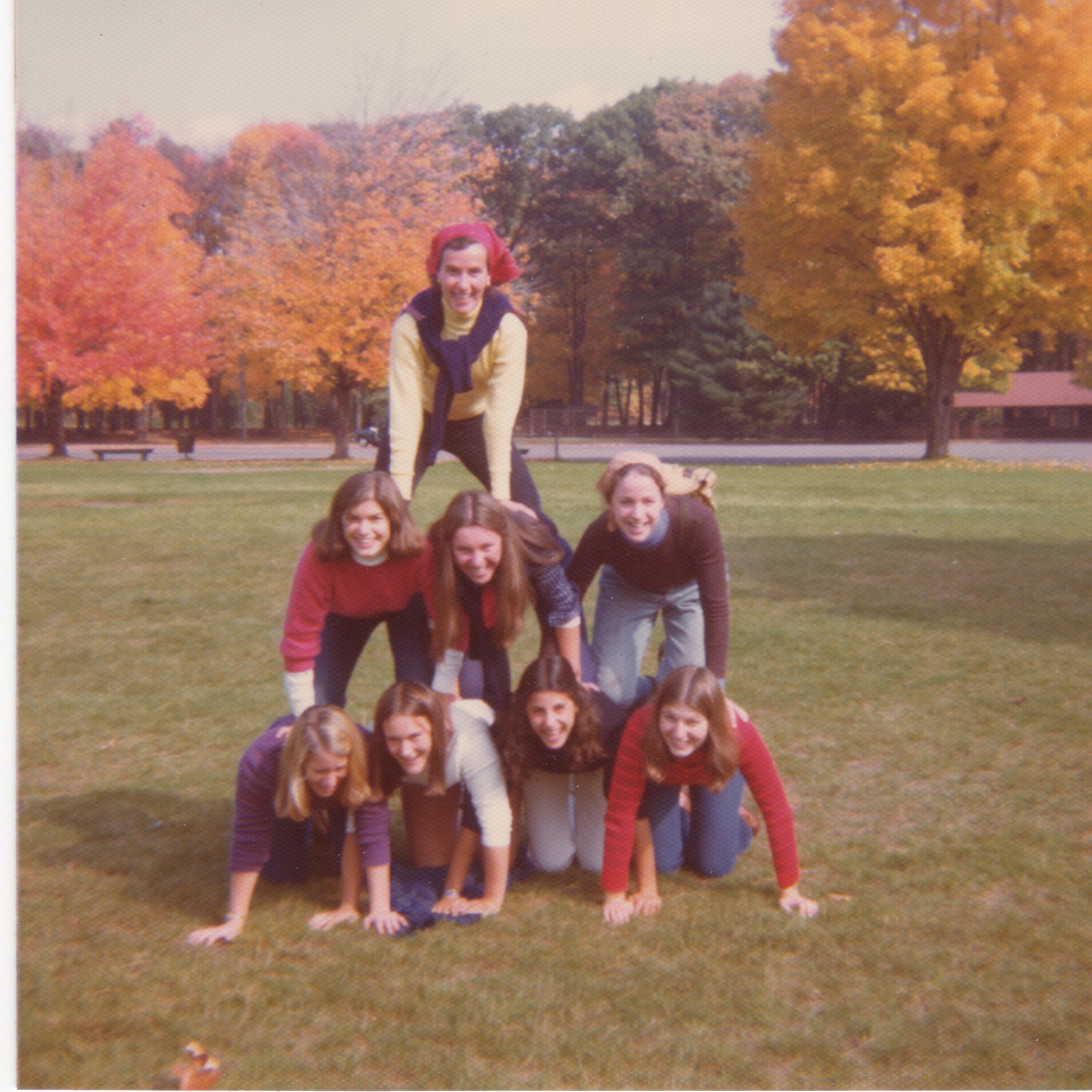
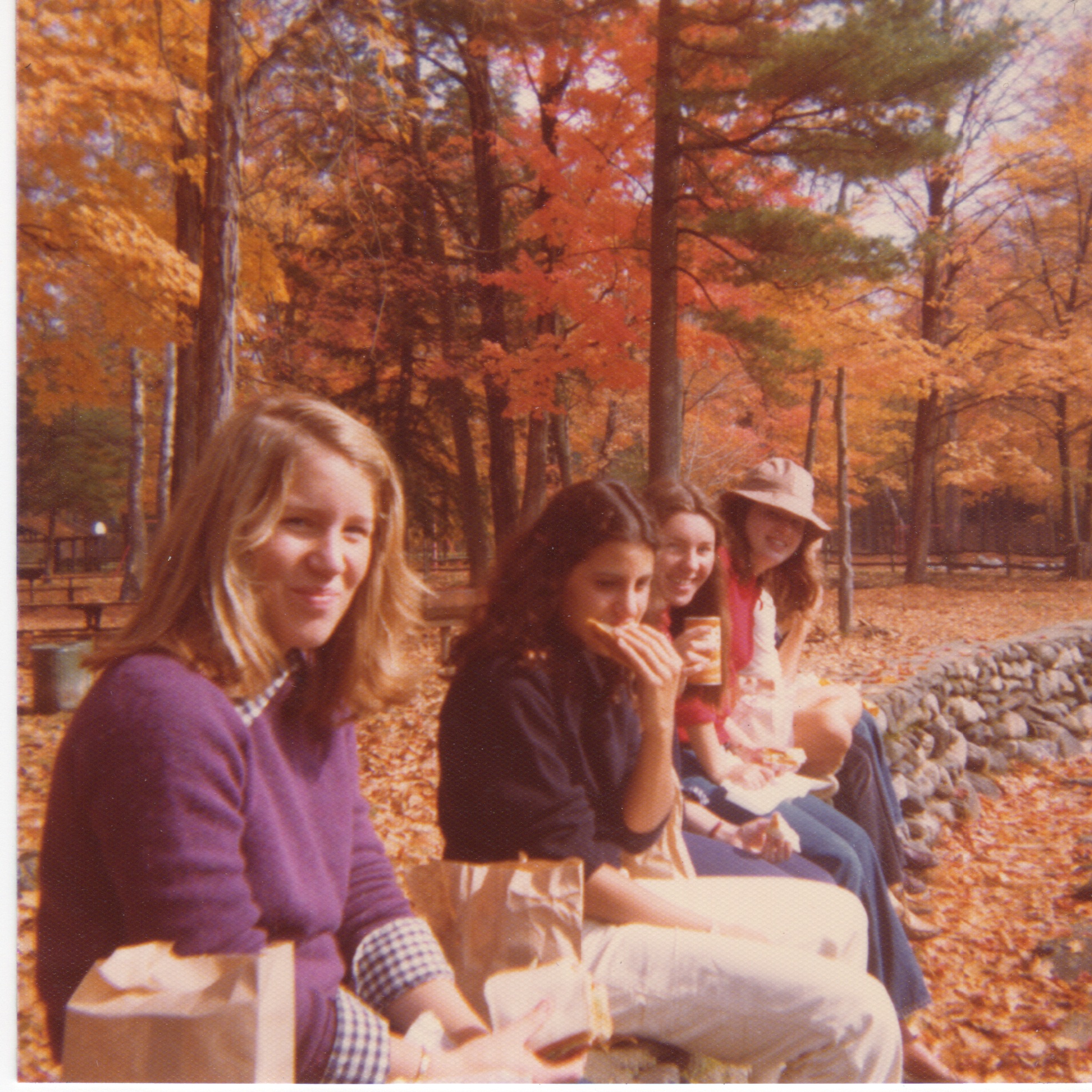
Here is the sophomore me circa 1975 doing just that with some fellow nerds who took the call seriously. The cool kids were still in bed.

I am in the middle row on the left in the pink sweater.

I am in the middle row on the left in the pink sweater.

We rode our bicycles out to Look Park with a picnic lunch. Of course we did.

mountain day 75

And it really was wonderful.

Today I spoke to a fellow alum who is 15 years older than I, and she said that when the Mountain Day bells chimed she hopped on the train to New Haven. Well, she would.

In the spirit of Mountain Day, here are the lyrics to “The Mountains”, the Alma Mater of Williams College, which I hope is still sung lustily and with feeling by the gallant and the free.

The Mountains

O, proudly rise the monarchs of our mountain land,
With their kingly forest robes, to the sky,
Where Alma Mater dwelleth with her chosen band,
And the peaceful river floweth gently by.

CHORUS
The mountains! the mountains! we greet them with a song,
Whose echoes rebounding their woodland heights along,
Shall mingle with anthems that winds and fountains sing.
Till hill and valley gaily, gaily ring.

Beneath their peaceful shadows may old Williams stand,
Till suns and mountains nevermore shall be,
The glory and the honor of our mountain land,
And the dwelling of the gallant and the free.

–Written by Washington Gladden, class of 1859

This is how my mind works

by chuckofish

I was reading daughter #2’s blog yesterday and her latest Emerson quote and I began thinking about one of my favorite mid-19th-century American poets, William Cullen Bryant, who, by the way, went to Williams College. I lived in the dorm next to Bryant House, named after the prominent alum, when I was an exchange student.

Anyway, I looked Bryant up on Wikipedia and found out (among other things) that Bryant Park in midtown Manhattan is named after him! Who knew?
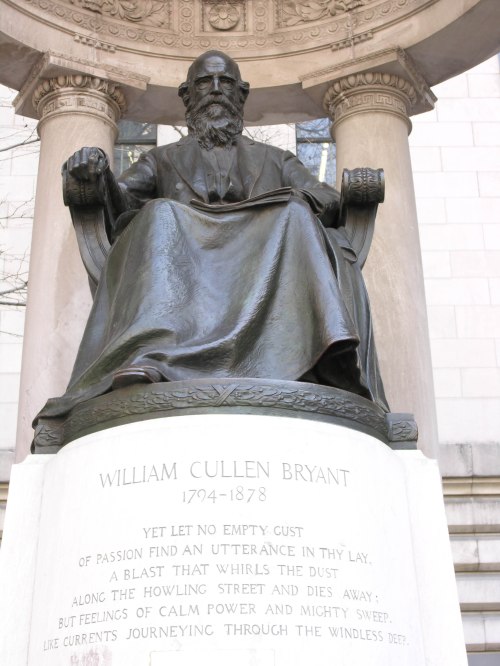
Bryantstatue

Bryant Park is located between 5th and 6th Avenues and between 40th and 42nd Streets. Formerly known as Reservoir Square, it was renamed Bryant Park to honor the New York Evening Post editor and abolitionist in 1884.

Although he is usually thought of as a New Englander, Bryant was, for most of his lifetime, a New Yorker—and a very dedicated one at that. He was a major force behind the idea that became Central Park, as well as a leading proponent of creating the Metropolitan Museum of Art. He was one of a group of founders of New York Medical College. He had close affinities with the Hudson River School of art and was an good friend of Thomas Cole.

Here he is portrayed in Asher Durand’s famous painting:

Asher Durand's 'Kindred Spirits' depicts William Cullen Bryant with Thomas Cole, in this quintessentially Hudson River School work.

Asher Durand’s Kindred Spirits depicts William Cullen Bryant with Thomas Cole, in this quintessentially Hudson River School work.

As a writer, Bryant was an early advocate of American literary nationalism, and his own poetry focusing on nature as a metaphor for truth established a central pattern in the American literary tradition. I think daughter #2 definitely needs to add William Cullen Bryant to her list of must-reads for Christmas break.

I seem to remember that he was very nice looking, but I couldn’t find a picture of him when he was young. This gives you some idea:
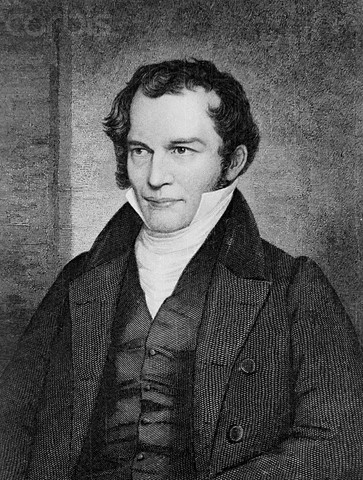
Portrait of William Cullen Bryant

Anyway, here is Thanatopsis, which he wrote when he was a mere 19 or 20-years old. Makes you want to shoot yourself.

To him who in the love of nature holds
Communion with her visible forms, she speaks
A various language; for his gayer hours
She has a voice of gladness, and a smile
And eloquence of beauty; and she glides
Into his darker musings, with a mild
And healing sympathy that steals away
Their sharpness ere he is aware. When thoughts
Of the last bitter hour come like a blight
Over thy spirit, and sad images
Of the stern agony, and shroud, and pall,
And breathless darkness, and the narrow house,
Make thee to shudder, and grow sick at heart;–
Go forth, under the open sky, and list
To Nature’s teachings, while from all around–
Earth and her waters, and the depths of air–
Comes a still voice. Yet a few days, and thee
The all-beholding sun shall see no more
In all his course; nor yet in the cold ground,
Where thy pale form was laid, with many tears,
Nor in the embrace of ocean, shall exist
Thy image. Earth, that nourished thee, shall claim
Thy growth, to be resolved to earth again,
And, lost each human trace, surrendering up
Thine individual being, shalt thou go
To mix forever with the elements,
To be a brother to the insensible rock
And to the sluggish clod, which the rude swain
Turns with his share, and treads upon. The oak
Shall send his roots abroad, and pierce thy mold.

Yet not to thine eternal resting-place
Shalt thou retire alone, nor couldst thou wish
Couch more magnificent. Thou shalt lie down
With patriarchs of the infant world — with kings,
The powerful of the earth — the wise, the good,
Fair forms, and hoary seers of ages past,
All in one mighty sepulchre. The hills
Rock-ribbed and ancient as the sun, — the vales
Stretching in pensive quietness between;
The venerable woods — rivers that move
In majesty, and the complaining brooks
That make the meadows green; and, poured round all,
Old Ocean’s gray and melancholy waste,–
Are but the solemn decorations all
Of the great tomb of man. The golden sun,
The planets, all the infinite host of heaven,
Are shining on the sad abodes of death
Through the still lapse of ages. All that tread
The globe are but a handful to the tribes
That slumber in its bosom. — Take the wings
Of morning, pierce the Barcan wilderness,
Or lose thyself in the continuous woods
Where rolls the Oregon, and hears no sound,
Save his own dashings — yet the dead are there:
And millions in those solitudes, since first
The flight of years began, have laid them down
In their last sleep — the dead reign there alone.

So shalt thou rest — and what if thou withdraw
In silence from the living, and no friend
Take note of thy departure? All that breathe
Will share thy destiny. The gay will laugh
When thou art gone, the solemn brood of care
Plod on, and each one as before will chase
His favorite phantom; yet all these shall leave
Their mirth and their employments, and shall come
And make their bed with thee. As the long train
Of ages glides away, the sons of men–
The youth in life’s fresh spring, and he who goes
In the full strength of years, matron and maid,
The speechless babe, and the gray-headed man–
Shall one by one be gathered to thy side,
By those, who in their turn, shall follow them.

So live, that when thy summons comes to join
The innumerable caravan, which moves
To that mysterious realm, where each shall take
His chamber in the silent halls of death,
Thou go not, like the quarry-slave at night,
Scourged to his dungeon, but, sustained and soothed
By an unfaltering trust, approach thy grave
Like one who wraps the drapery of his couch
About him, and lies down to pleasant dreams.

William Cullen Bryant. Also makes you want to Go forth, under the open sky…