dual personalities

Tag: Ulysses Grant

One generation passeth away, and another generation cometh*

by chuckofish

Today we toast Ulysses S. Grant and Julia Boggs Dent who were married on this day in 1848 in the Dent family townhouse in St. Louis. The ceremony was performed by Reverend Dr. William S. Potts, who was a close friend of the Dent family.

The Dent townhouse was torn down some time ago, but the Dent’s country home, named “White Haven”, still remains. Julia’s father, Col. Frederick Fayette Dent, was a fur trader operating along the Mississippi River. He became quite wealthy and built a 850-acre plantation outside of St. Louis. Julia Dent, the fifth of seven children, grew up at White Haven. She attended the Misses Mauros boarding school in St. Louis and graduated at the age of seventeen.
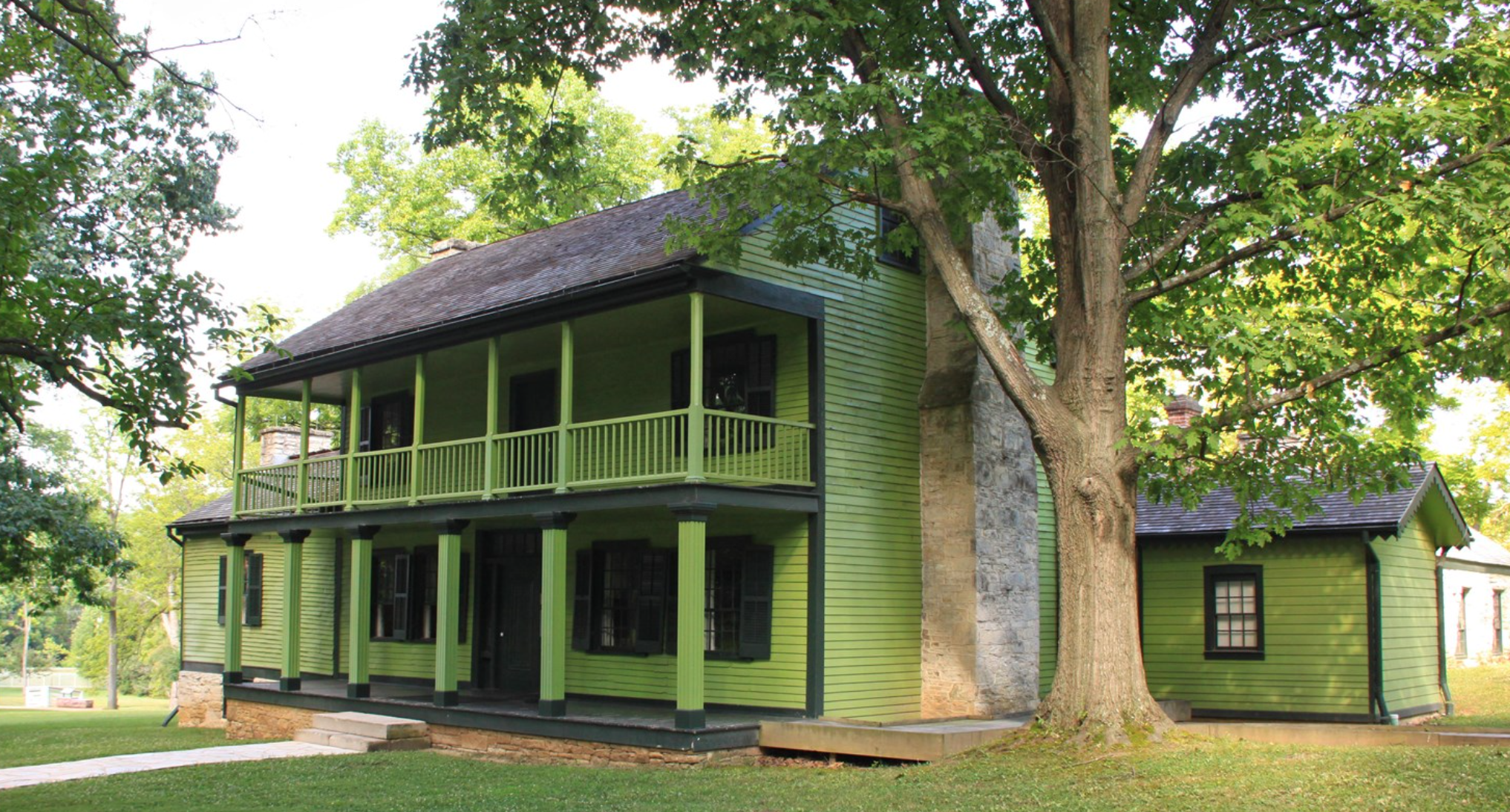
Following his marriage and after serving with distinction in the Mexican-American War, Ulysses Grant resigned from the army in 1854 and returned to civilian life somewhat impoverished. Grant tried several business ventures but failed. Julia and Ulysses returned to White Haven and lived there for five years until Grant reenlisted in the army to serve in the American Civil War. In 1866 Grant purchased parts of the property and established a commercial farm and horse breeding operation. Amid an increasingly volatile economy, Grant sold off livestock in 1875 before losing the estate outright in 1885 to William Henry Vanderbilt, just three months before his death.

A portion of the plantation was later purchased by Adolphus Busch where he developed his Grant’s Farm property. The acreage around the main house was initially rescued from development of a Grant-themed amusement park in 1913 by Albert Wenzlick, a St. Louis real estate developer. The house was maintained by Wenzlick and his son until the latter’s death in 1979 when, after years of public engagement and fundraising by local advocates, the 9.6-acre property was finally acquired by a joint venture between the Missouri Department of Natural Resources and St. Louis County.  The property was listed on the National Register of Historic Places in 1979, and was designated a National Historic Landmark in 1986.

This is a fascinating article about the years-long struggle to save White Haven, which once again underscores the importance of grassroots support of historic preservation. I was surprised to learn that I knew several of the major players, but was unaware of all that was going on at the time.

Earlier this year I also learned that part of the original acreage where Grant’s Hardscrabble log cabin was located is now a cemetery owned and maintained by the St. Paul’s UCC Church since 1926.
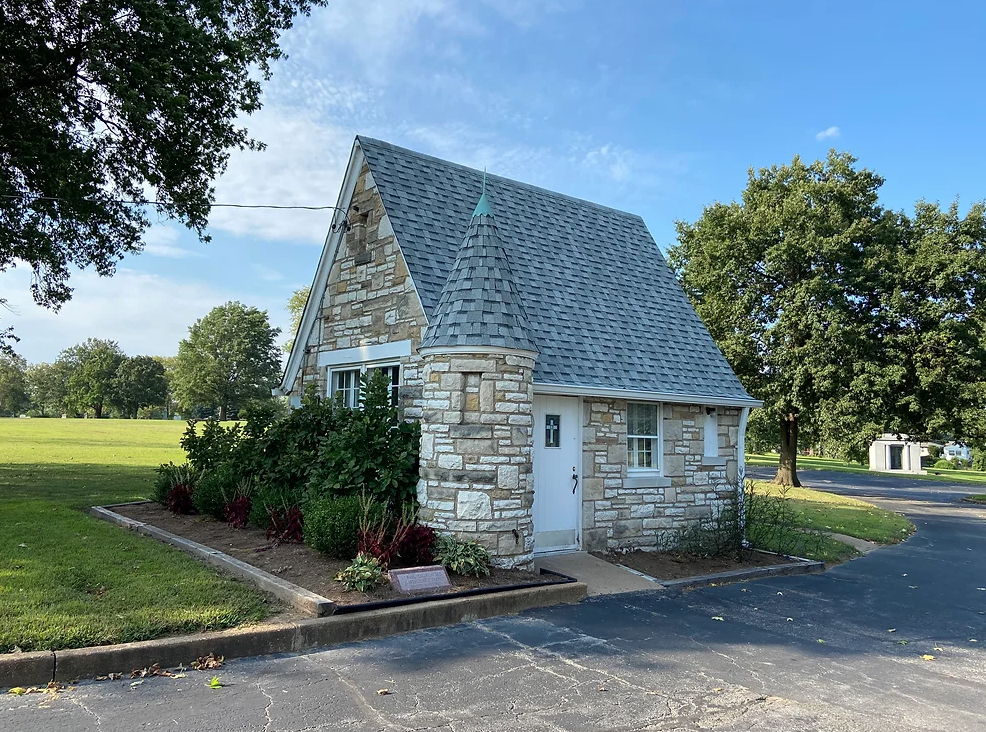
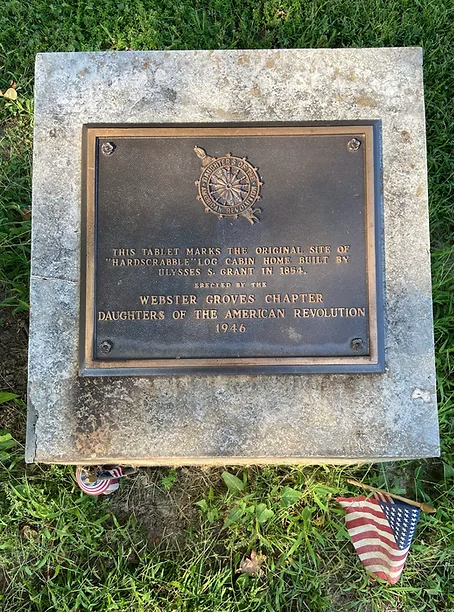
A marker was placed in 1946 by the Webster Groves chapter of the Daughters of the American Revolution to mark the site of Hardscrabble in the current St. Paul Churchyard. (The cabin now resides at Grant’s Farm.)
Since then the OM and I have bought grave sites at the cemetery. It seems entirely appropriate that the final resting place for our earthly remains will be in Cousin Lyss’s Hardscrabble farm.

*Ecclesiastes 1:4
Whoopee ti yi yo, git along little dogies

by chuckofish

Well, the summer is meandering along and soon will be over! We seem to do the same things over and over. Time like an ever rolling stream…

Anyway, it is a good time to re-read Thoreau’s A Walk to Wachusett, which he recorded on July 19, 1842.

It was at no time darker than twilight within the tent, and we could easily see the moon through its transparent roof as we lay; for there was the moon still above us, with Jupiter and Saturn on either hand, looking down on Wachusett, and it was a satisfaction to know that they were our fellow-travelers still, as high and out of our reach as our own destiny. Truly the stars were given for a consolation to man.

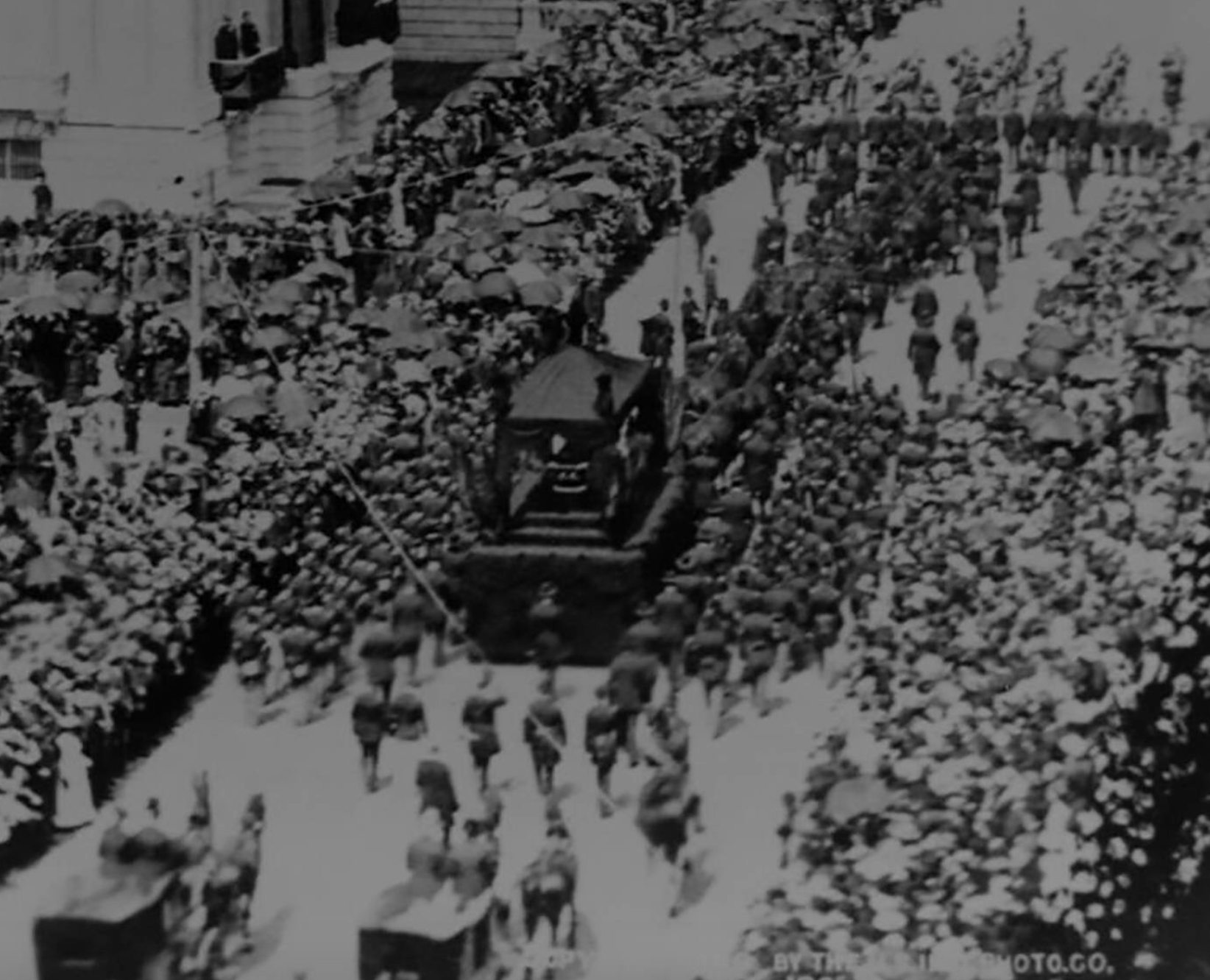
Tomorrow is the anniversary of the death of Ulysses Grant in 1885. Let’s all take a moment to remember our 18th president. His funeral in New York City demonstrated the great love and admiration the country felt for their former president and Civil War hero. He was respected not only by comrades in arms but also by former enemies. Marching as pallbearers beside the Union generals William Tecumseh Sherman and Philip Sheridan were two Confederate generals, Joe Johnston and Simon Buckner.

The column of mourners who accompanied Grant was seven miles long. (This is an interesting thread with photos of all the honorary pall bearers.)

Placed in a “temporary” tomb in Riverside Park, Grant’s body stayed there for nearly 12 years, while supporters raised money for the construction of a permanent resting place. In what was then the biggest public fundraising campaign in history, some 90,000 people from around the world donated over $600,000 to build Grant’s Tomb. A million people, including President William McKinley, attended the tomb’s dedication on April 27, 1897, 10 days after Grant’s body had been moved there. Grant’s Tomb was — and is —the largest tomb in North America.

I’ll also remind you that Saturday is the National Day of the Cowboy. Celebrate it in appropriate style!

As Emerson Hough wrote in his “Passing of the Frontier,” the time of the Cattle Kings, though short, was

…a wild, strange day…There never was a better life than that of the cowman who had a good range on the Plains and cattle enough to stock his range. There never will be found a better man’s country in all the world than that which ran from the Missouri up to the low foothills of the Rockies.

I plan, of course, to watch some good cowboy movies, including (but not limited to) Red River (1948), as is my tradition.

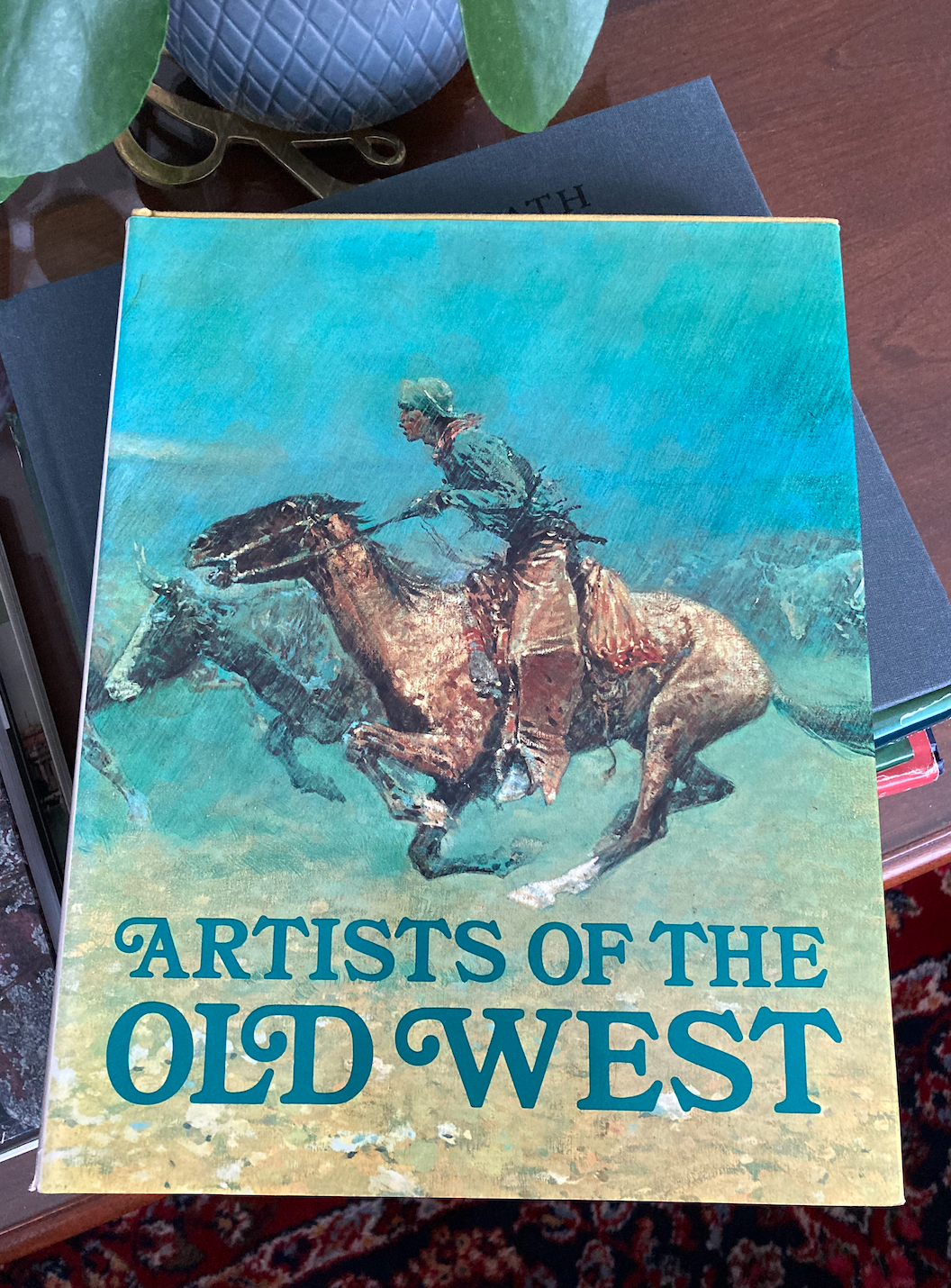
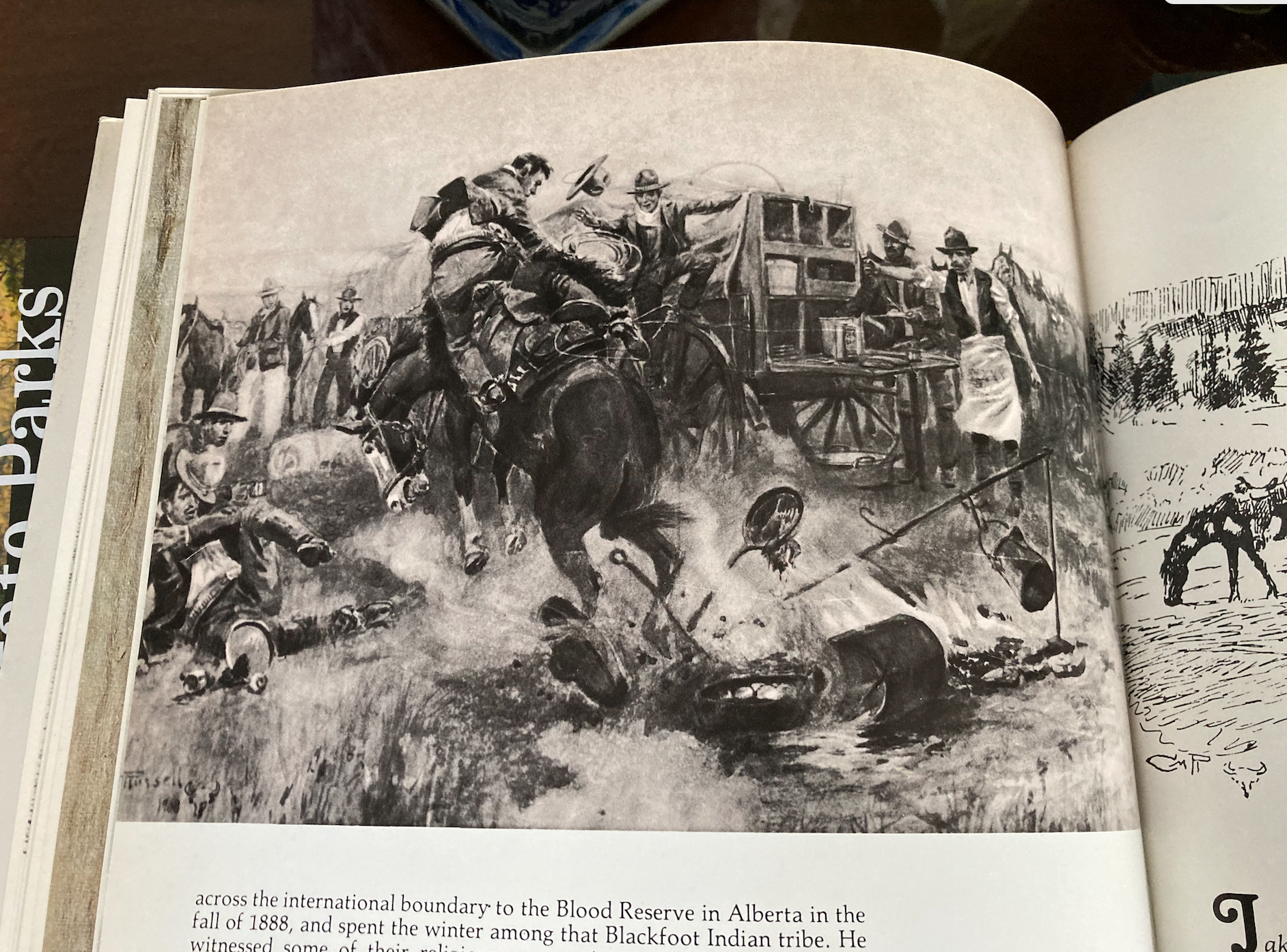
You might also want to read up on some of your favorite western artists or just look at some great western art…

They’ll be celebrating in Oklahoma City at the National Cowboy and Western Heritage Museum with numerous events, but we can all plan our own party. Life is a banquet and most poor suckers are starving, as Auntie Mame said. So heat up some beans and join me in watching Red River!

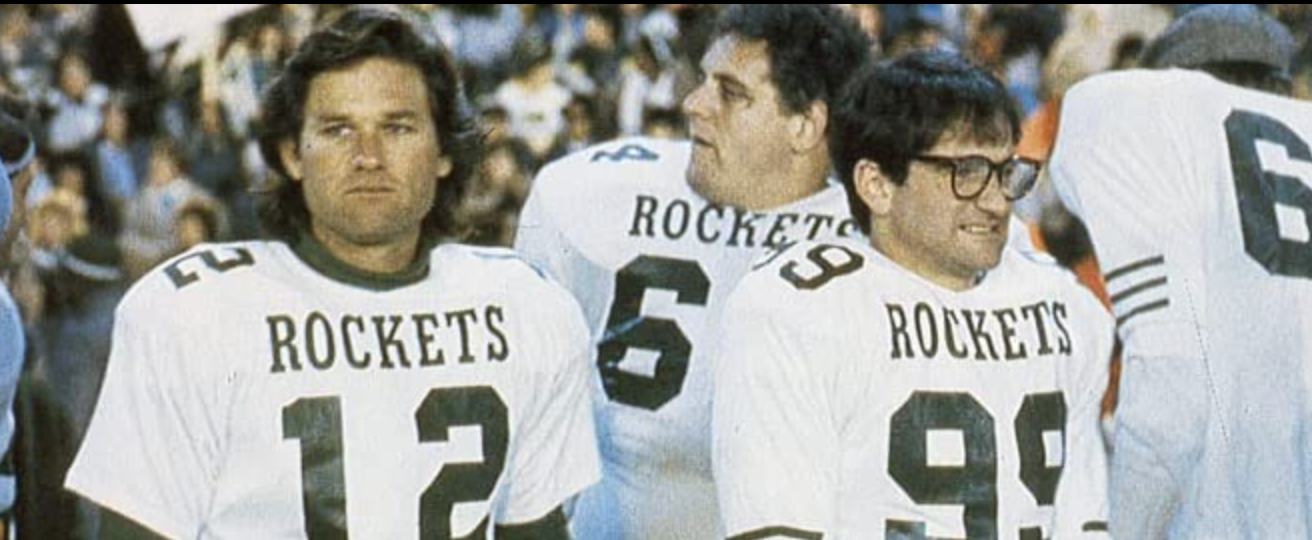
By the way, last night we watched The Best of Times (1986), a movie I have a great fondness for, in memory of Robin Williams. You will recall that it is about re-playing a high school football game played in the fall of 1972, which was a disaster for the characters played by Robin Williams and Kurt Russell. (The OM was playing football that year and so it always resonates with him.) It’s a classic and I highly recommend it.

Men and angels sing

by chuckofish

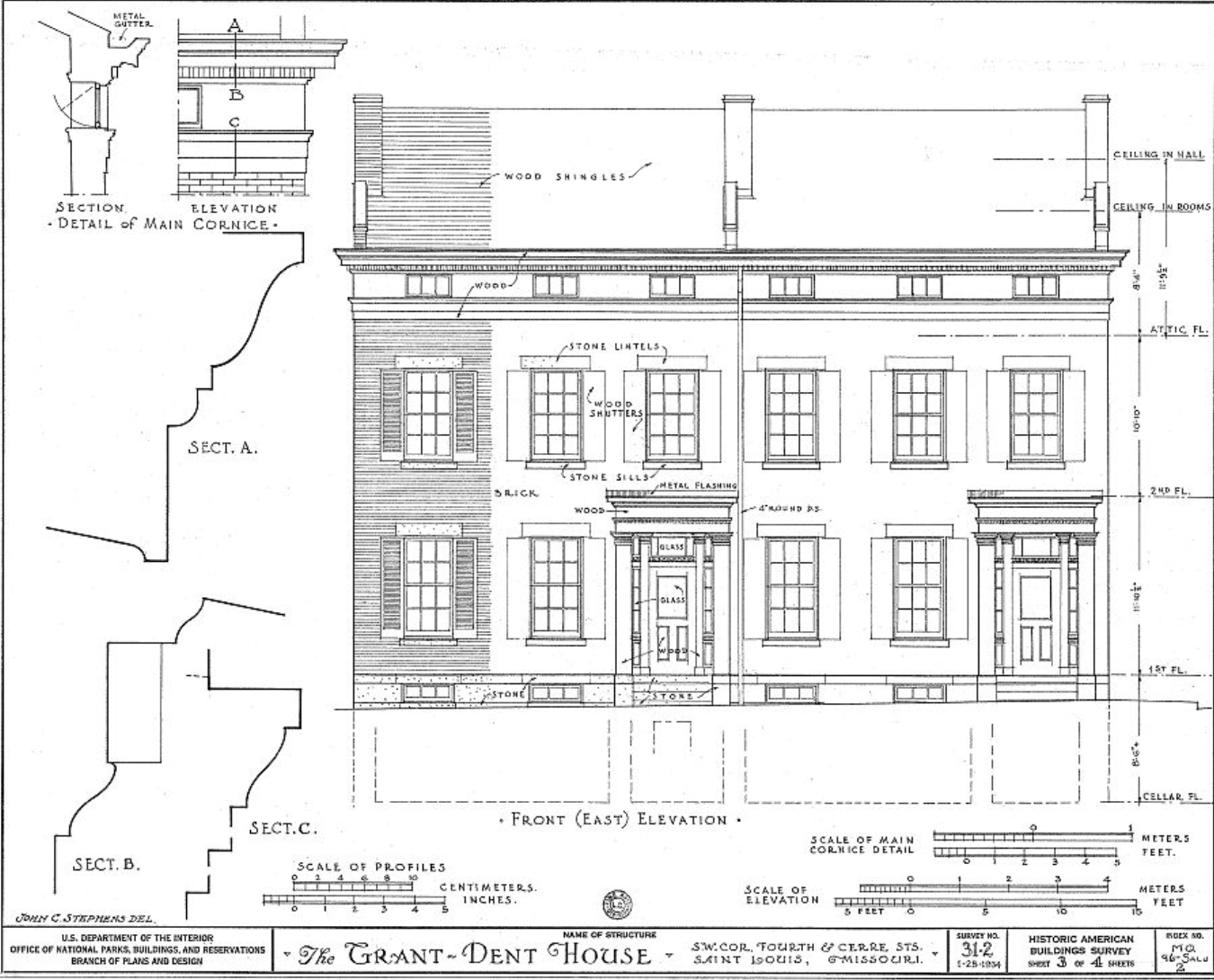
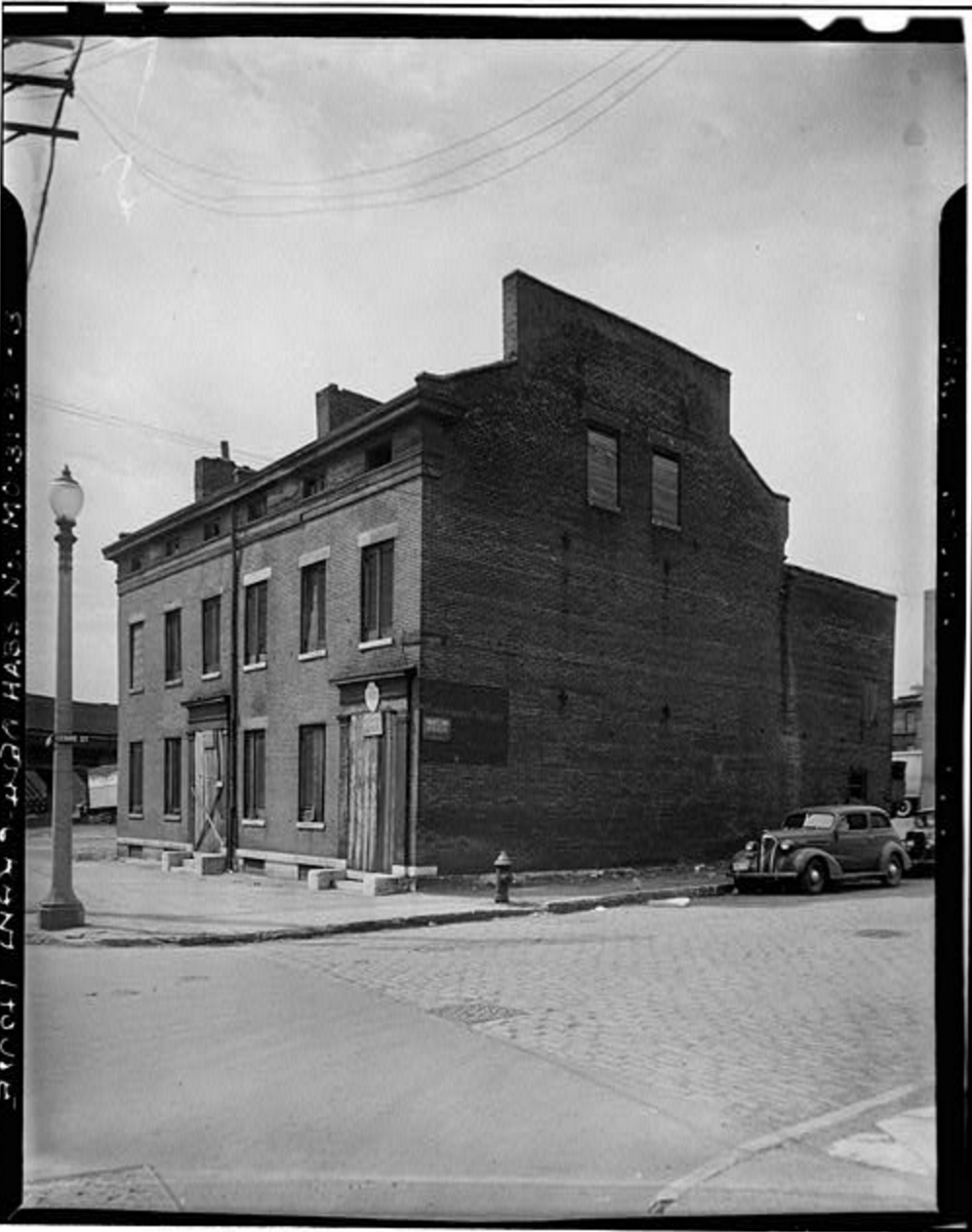
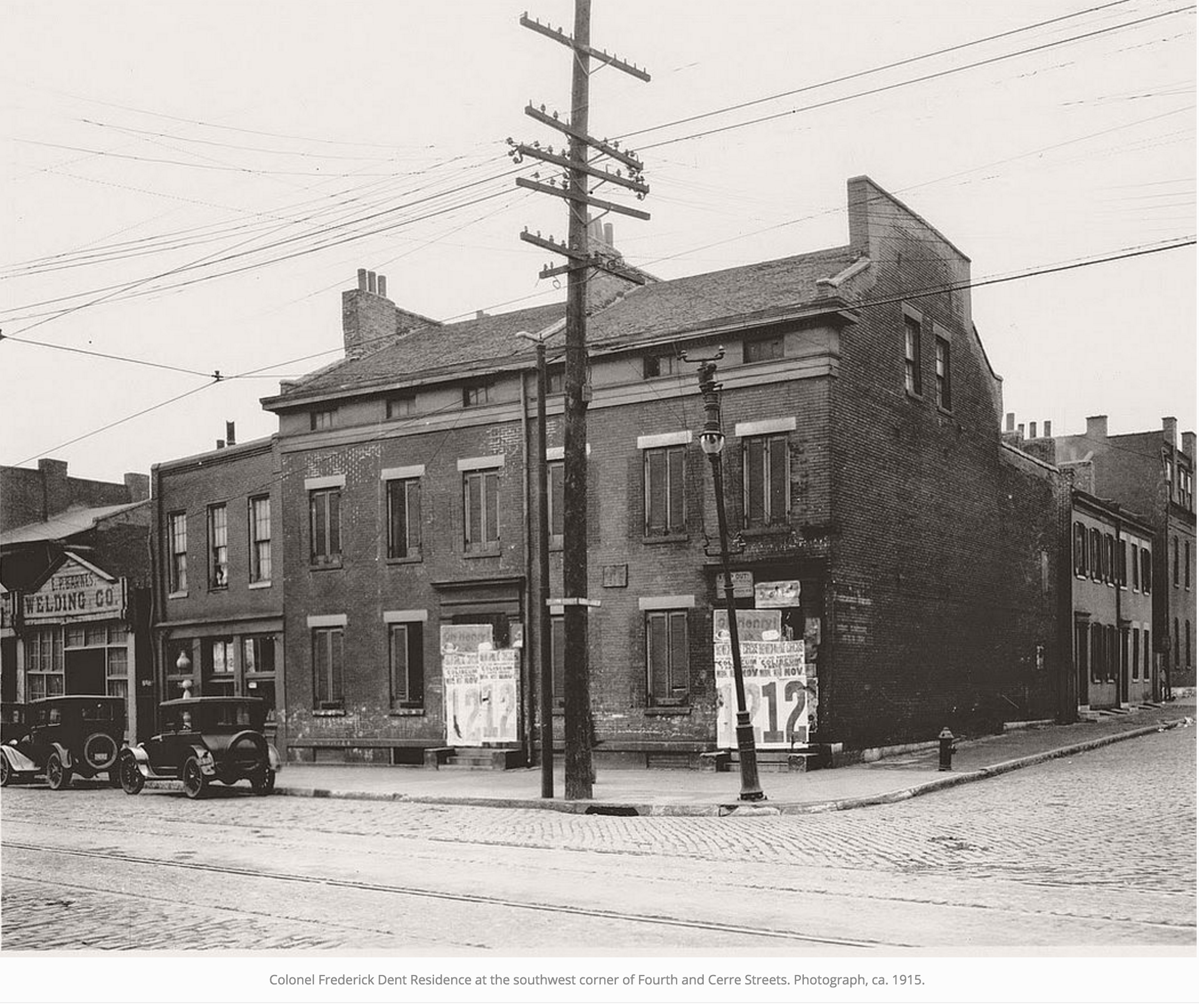
Today is the 170th wedding anniversary of Julia Dent and Ulysses Grant, who were married on a hot evening in her father’s townhouse at Fourth and Cerre streets in St. Louis in 1848. Anticipating the extreme heat, Julia had planned to wear a simple, cool muslin gown for the ceremony, but Mrs. John J. O’Fallon, a family friend, brought her a watered-silk gown with a tulle veil. Another friend, Mrs. Henry Shurlds, provided fresh jessamine blossoms. [No photo available, darn it.]

Screen Shot 2018-08-21 at 10.25.58 AM.png

Since Col. Frederick Dent’s house was relatively small, the guest list was held to the Dents’ oldest and closest St. Louis friends. Julia’s attendants were her sister Nellie, her cousin Julia Boggs, and Sarah Walker. Among Grant’s groomsmen were Lt. Cadmus Wilcox and Bernard Pratte III, both of whom were later to surrender to Gen. U.S. Grant at Appomattox.

Here are some pictures of the Dent home as it aged through the years…

Screen Shot 2018-08-21 at 9.34.56 AM.pngScreen Shot 2018-08-21 at 10.25.11 AM.pngand the street as it looks today…Screen Shot 2018-08-21 at 10.26.25 AM.png

Sigh. Well, the least we can do is toast old Julia and Lyss on their anniversary. They were, by all accounts, a happy couple, deeply committed to each other and their family.

Side note from the Small World Department: one of my DP’s best friends growing up was a descendant of the aforementioned O’Fallons. According to Wikipedia, John J. O’Fallon (1791 – December 17, 1865) was a businessman, philanthropist, and military officer. During the 19th century he rose to become the wealthiest person in St. Louis. He is the namesake of O’Fallon, Illinois (incorporated in 1874) as well as O’Fallon, Missouri, and the nephew of William Clark (of Lewis and Clark). O’Fallon and Frederick Dent were both founders of the Episcopal Church in St. Louis. Nice to know that there are still O’Fallons in town.

Speaking of childhood friends, yesterday I went to the funeral of the mother of one of mine. She was 98, so it was sparsely attended, but there was a dedicated phalanx of very old, very thin, very erect, well-coiffed women in St. John suits. I felt underdressed and under-coiffed in my work attire, but c’est la vie. The service, held at the church I attended as a child, was the Episcopal short-version, Beverly having stipulated that her service run no longer than 25 minutes. Indeed, Beverly was still Beverly up until the end: the minister said that in the emergency room the night before she died, Beverly had taken umbrage with the nurses for messing up her hair. I had to chuckle picturing that. By the way, this is the lady who was the originator of the “Smell the pine in your nostrils” trope, so beloved in my family.

Well, I tried my best to speak the prayers loudly and sing audibly, since hardly anyone else was able to, but the singing was a challenge. By the fifth verse of Onward Christian Soldiers, I was very ready to throw in the towel. I was glad I went, however, as it was a pleasure to sit in this light-filled sanctuary and remember back to my youth when I giggled my way through Sunday School with this particular friend.

Into your hands, O merciful Savior, we commend your servant Beverly. Acknowledge, we humbly beseech you, a sheep of your own fold, a lamb of your own flock, a sinner of your own redeeming. Receive her into the arms of your mercy, into the blessed rest of everlasting peace, and into the glorious company of the saints of light.

I heard this old song on the radio going to work the other day and thought I’d share it.

(BTW, that is not DN playing the drums, although I did do a double-take when I was watching this video.)

(Information regarding Julia Dent’s wedding from Frances Hurd Stadler, St. Louis Day By Day)

All is hushed at Shiloh

by chuckofish

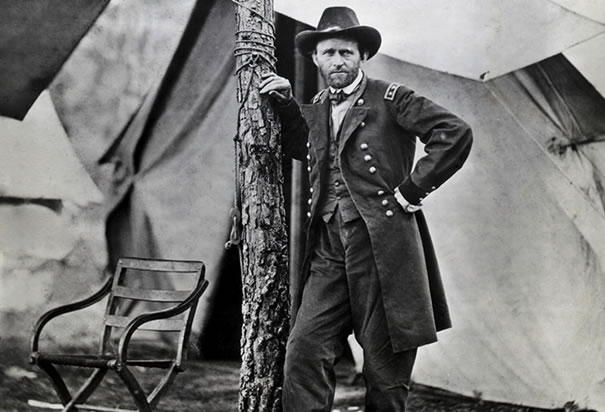
One hundred and fifty-three years ago, on April 7, 1862, Union forces led by Gen. Ulysses S. Grant defeated the Confederates at the battle of Shiloh in Tennessee. The day before, however, was a terrible day for Grant.

ulysses-s-grant-civiltree

In his memoirs Grant describes the night of April 6:

During the night rain fell in torrents and our troops were exposed to the storm without shelter. I made my headquarters under a tree a few hundred yards back from the river bank. My ankle was so much swollen from the fall of my horse the Friday night preceding, and the bruise was so painful, that I could get no rest. The drenching rain would have precluded the possibility of sleep without this additional cause. Some time after midnight, growing restive under the storm and the continuous pain, I moved back to the loghouse under the bank. This had been taken as a hospital, and all night wounded men were being brought in, their wounds dressed, a leg or an arm amputated as the case might require, and everything being done to save life or alleviate suffering. The sight was more unendurable than encountering the enemy’s fire, and I returned to my tree in the rain.

Historian Bruce Catton (Grant Moves South) describes a meeting between Sherman and Grant that night:

Late that night…Sherman came to see him. Sherman had found himself, in the heat of the enemy’s fire that day, but now he was licked; as far as he could see, the important next step was to “put the river between us and the enemy, and recuperate,” and he hunted up Grant to see when and how the retreat could be arranged. He came on Grant, at last, at midnight or later, standing under the tree in the heavy rain, hat slouched down over his face, coat-collar up around his ears, a dimly-glowing lantern in his hand, cigar clenched between his teeth. Sherman looked at him; then, “moved,” as he put it later, “by some wise and sudden instinct” not to talk about retreat, he said: “Well, Grant, we’ve had the devil’s own day, haven’t we?”

Grant said “Yes,” and his cigar glowed in the darkness as he gave a quick, hard puff at it, “Yes. Lick ’em tomorrow, though.”

And they did.

Among the enlisted men fighting that day were a young Ambrose Bierce of the Ninth Indiana and 21-year old Henry Morton Stanley (who later discovered Dr. Livingstone in Africa) of the 6th Arkansas Infantry.  Major General Lew Wallace (who later wrote Ben Hur) was there as well.

Herman Melville was not present at Shiloh, but he wrote a poem about it which I like very much:

Skimming lightly, wheeling still,
The swallows fly low
Over the field in clouded days,
The forest-field of Shiloh–
Over the field where April rain
Solaced the parched ones stretched in pain
Through the pause of night
That followed the Sunday fight
Around the church of Shiloh–
The church so lone, the log-built one,
That echoed so many a parting groan
And natural prayer
Of dying foeman mingled there–
Foeman at morn, but friends at eve–
Fame or country least their care:
(What like a bullet can undeceive!)
But now they lie low,
While over them the swallows skim
And all is hushed at Shiloh.

–Herman Melville, “Shiloh: A Requiem”

Let’s all just take a moment.