dual personalities

Tag: U.S. Grant

Let us have peace

by chuckofish

Mount McGregor is a mountain in Saratoga County, New York. It is one of the principal peaks of the Palmertown Range.

“The Palmertown range is the most easterly of the five great mountain-chains which traverse the great wilderness. The Palmertown range begins on Lake Champlain, near Ticonderoga, and running down on both sides of Lake George, crosses the Hudson above Glen’s Falls, and running through the town of Wilton, ends in the high ground of North Broadway, in Saratoga Springs.”

(History of Saratoga County, New York)

The mountain was renamed after Duncan McGregor purchased it for back taxes and built a hotel called the Mountain House in 1876. In 1881 McGregor sold the mountain to the Saratoga, Mount McGregor and Lake George Railroad, owned by Joseph Drexel who constructed a narrow-guage railroad from Saratoga Springs and built the Hotel Balmoral at the summit with accommodation for 300 guests. 

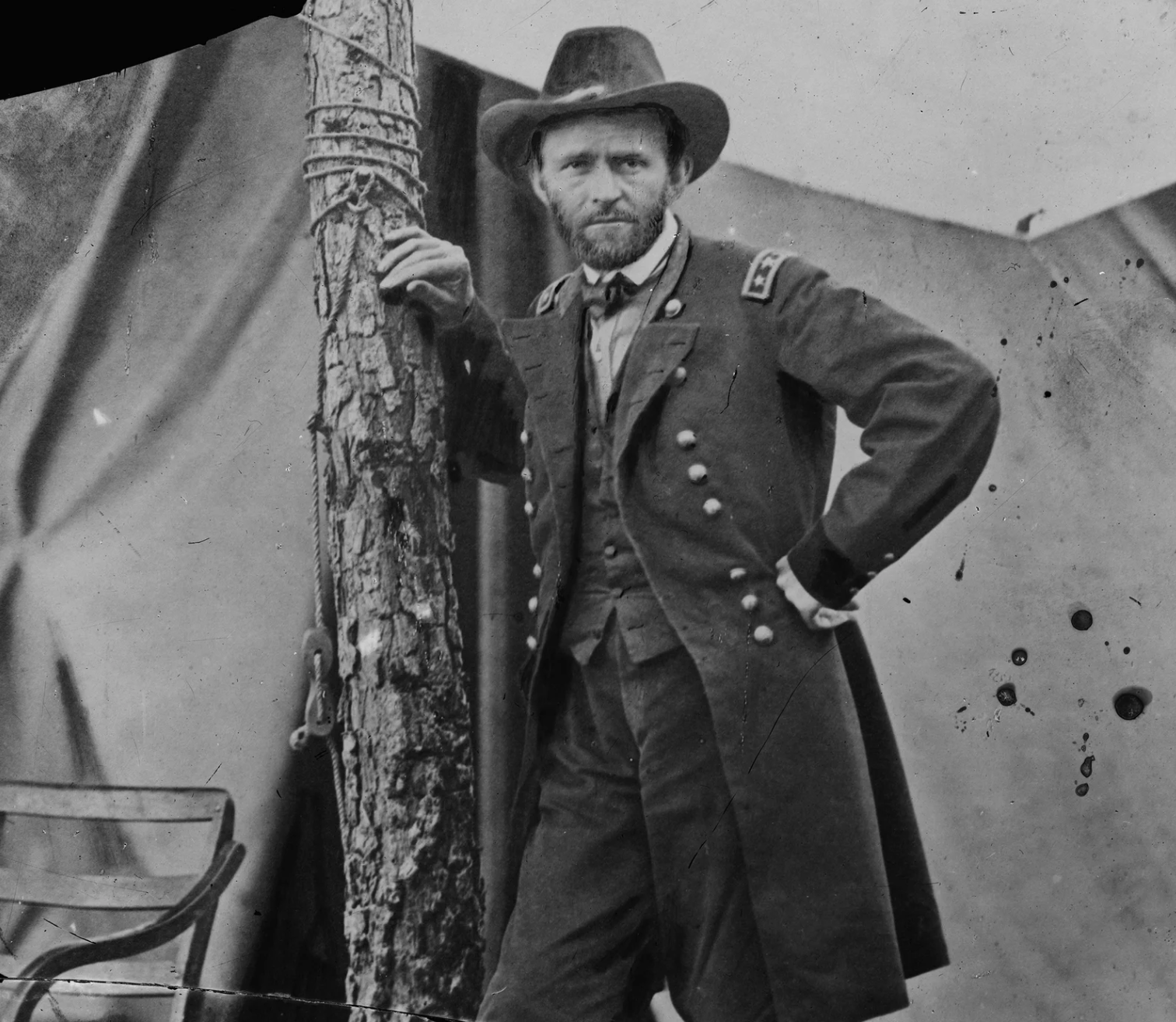
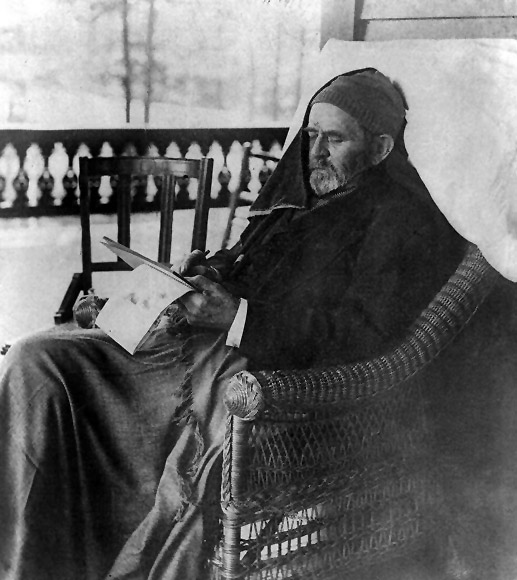
In 1885 Drexel loaned his friend, seriously ill former president Ulysses S. Grant, the use of his personal cottage on the mountain. Here Grant spent the last six weeks of his life struggling valiantly to finish his memoirs before he died. Grant succeeded, put down his pencil and died three days later.

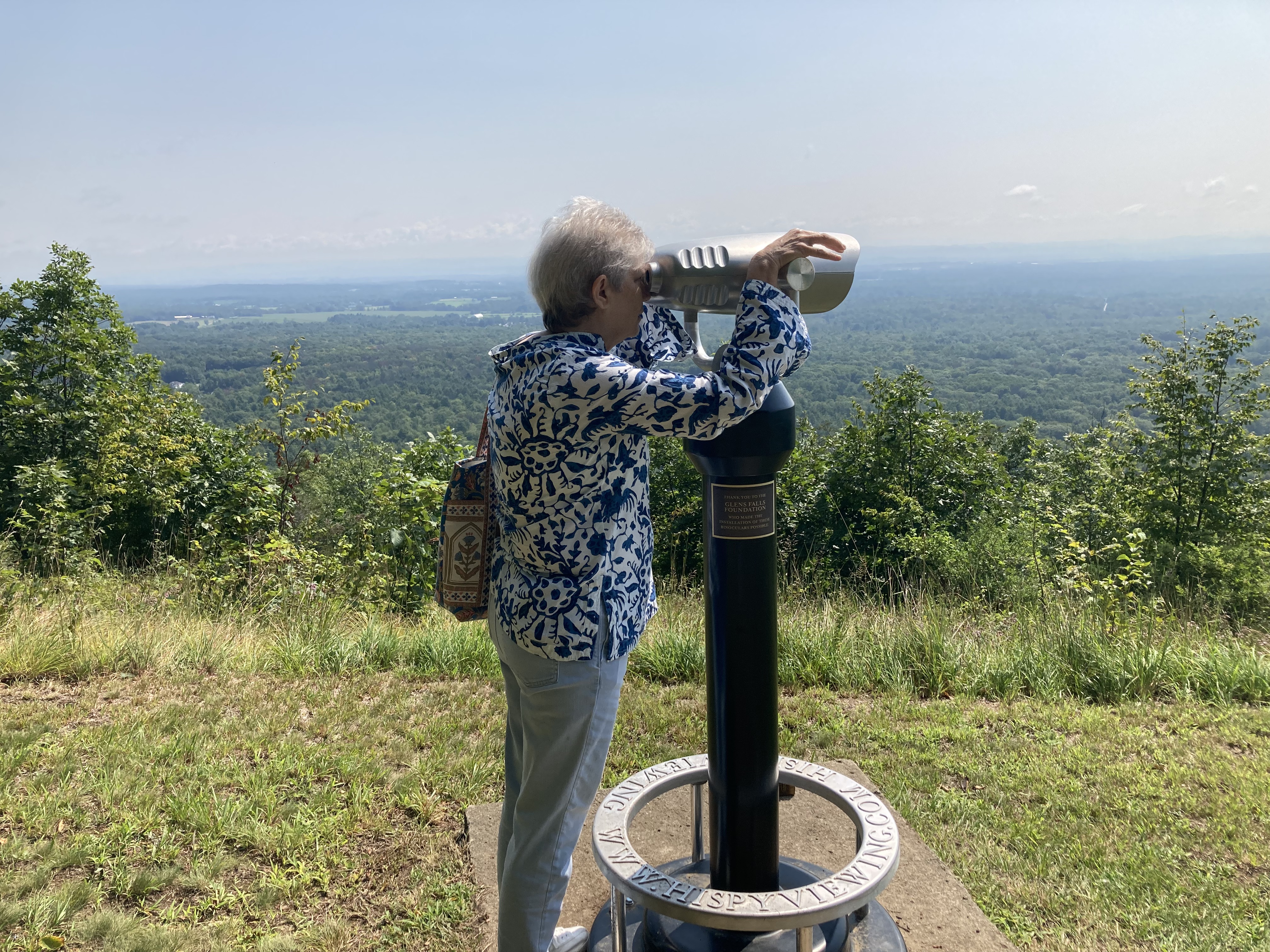
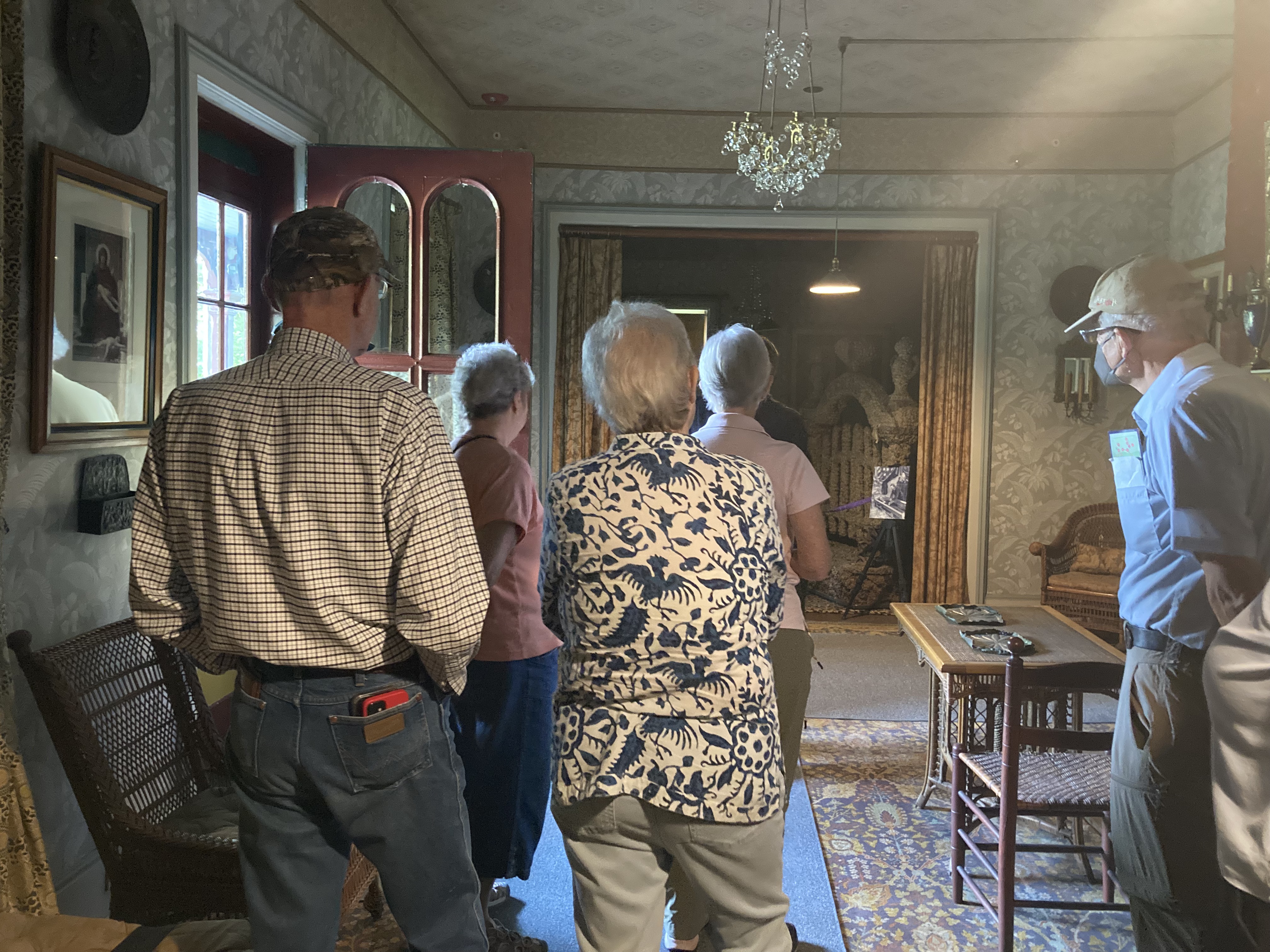
The cottage, preserved exactly as it was at his death, is now the Grant Cottage State Historic Site and is listed on the National Register of Historic Places. We toured the house (after waiting for a DAR chapter to go through) and hiked down to the lookout spot where Grant enjoyed the spectacular view.
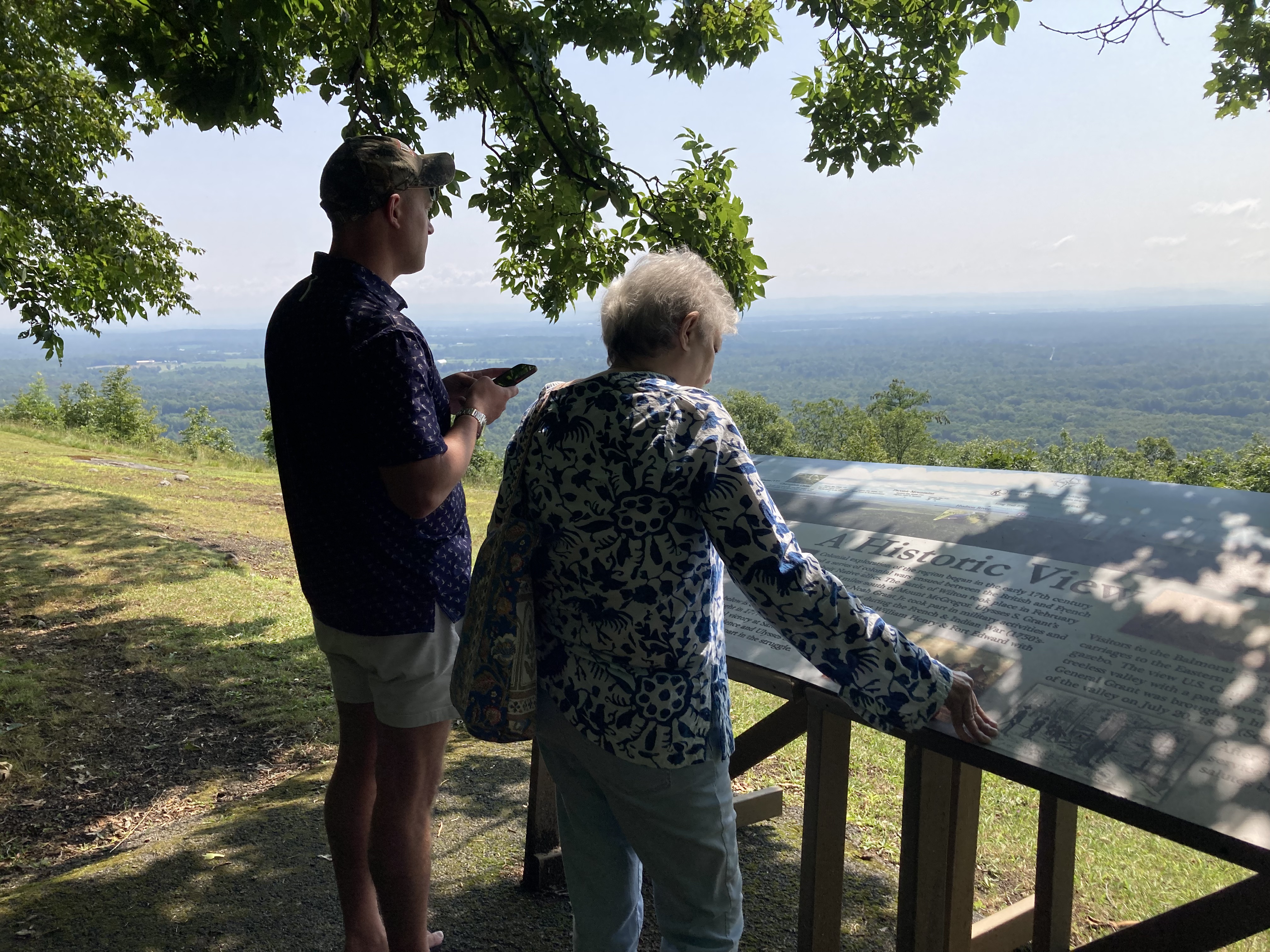
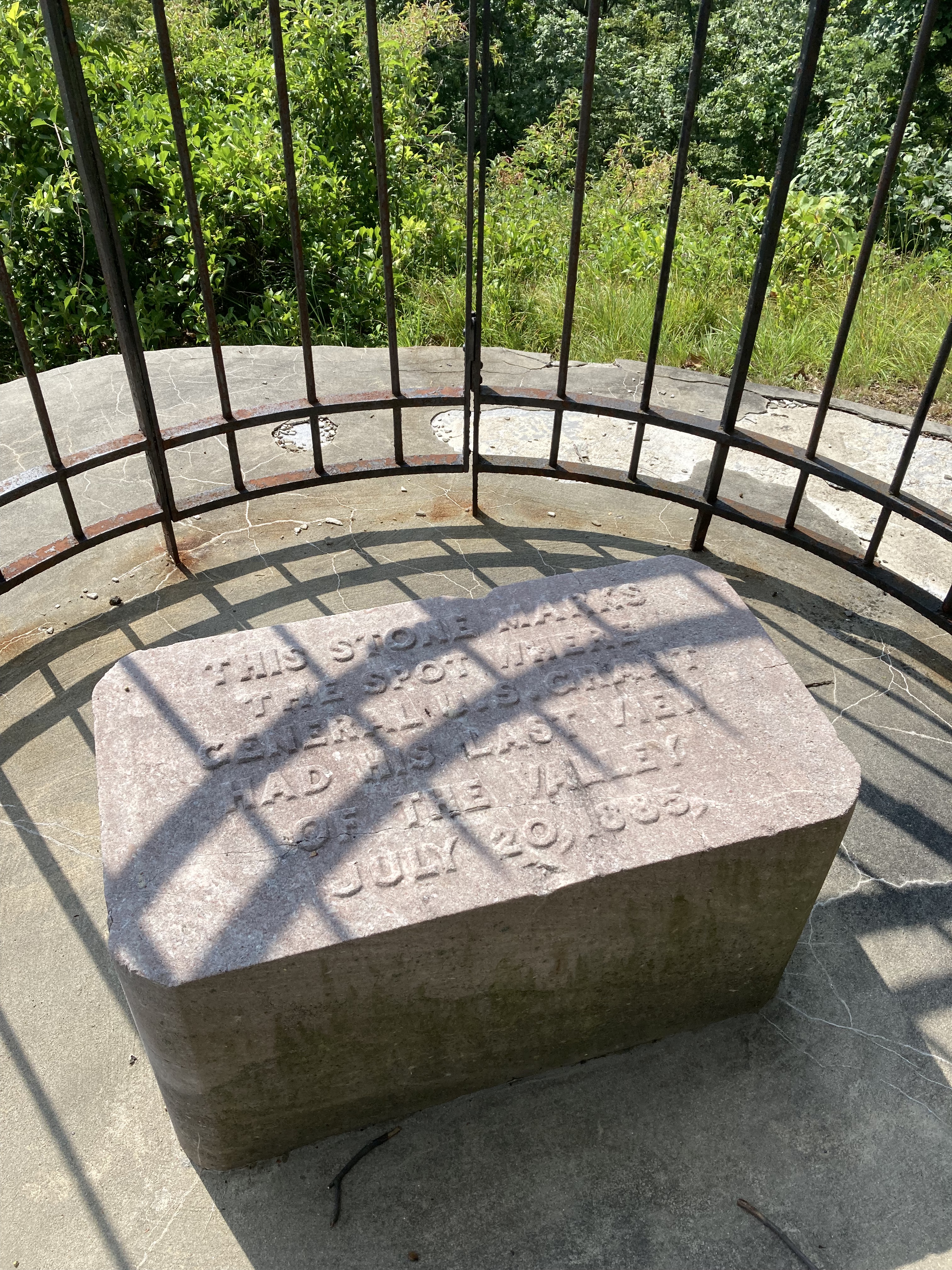
It was very cool. You can see Mt. Greylock in Massachusetts!

The hour and a half tour was given by a volunteer docent who really knew his stuff and was obviously an aficionado and admirer of Grant. It was really one of the best tours I have ever had–and I do not as a rule like tours, usually given by amateurs who do not know history or understand context and resort to telling “amusing” stories and making cracks about the olden days. This tour was also devoid of politics and or opinions. It was, however, an hour and a half long and as we were standing the whole time, I was about to die at the end of it.

Luckily, I was able to take a seat in exactly the spot where the Great Man himself sat on the front porch. (Not in the same chair, however, which is inside.)
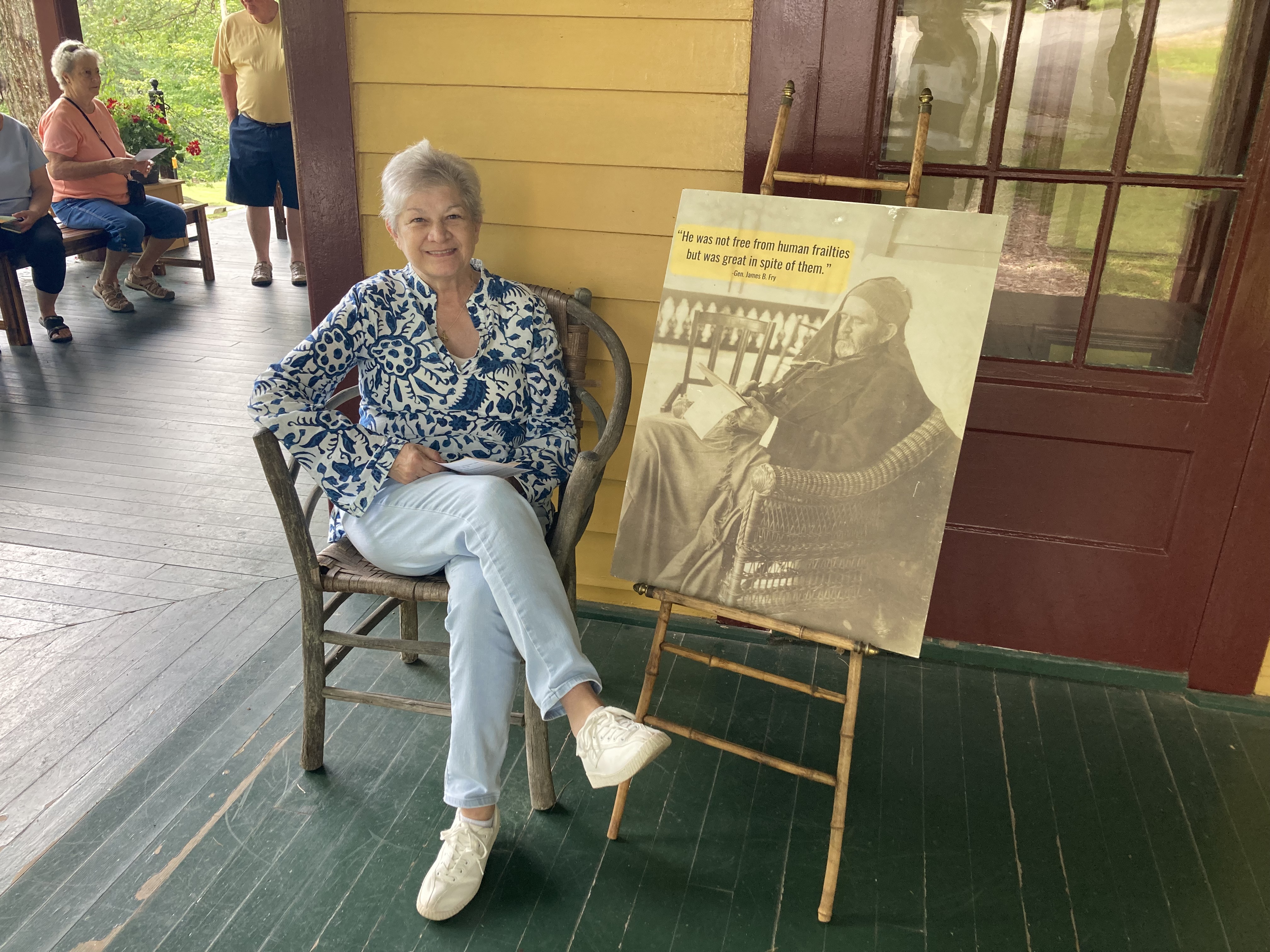
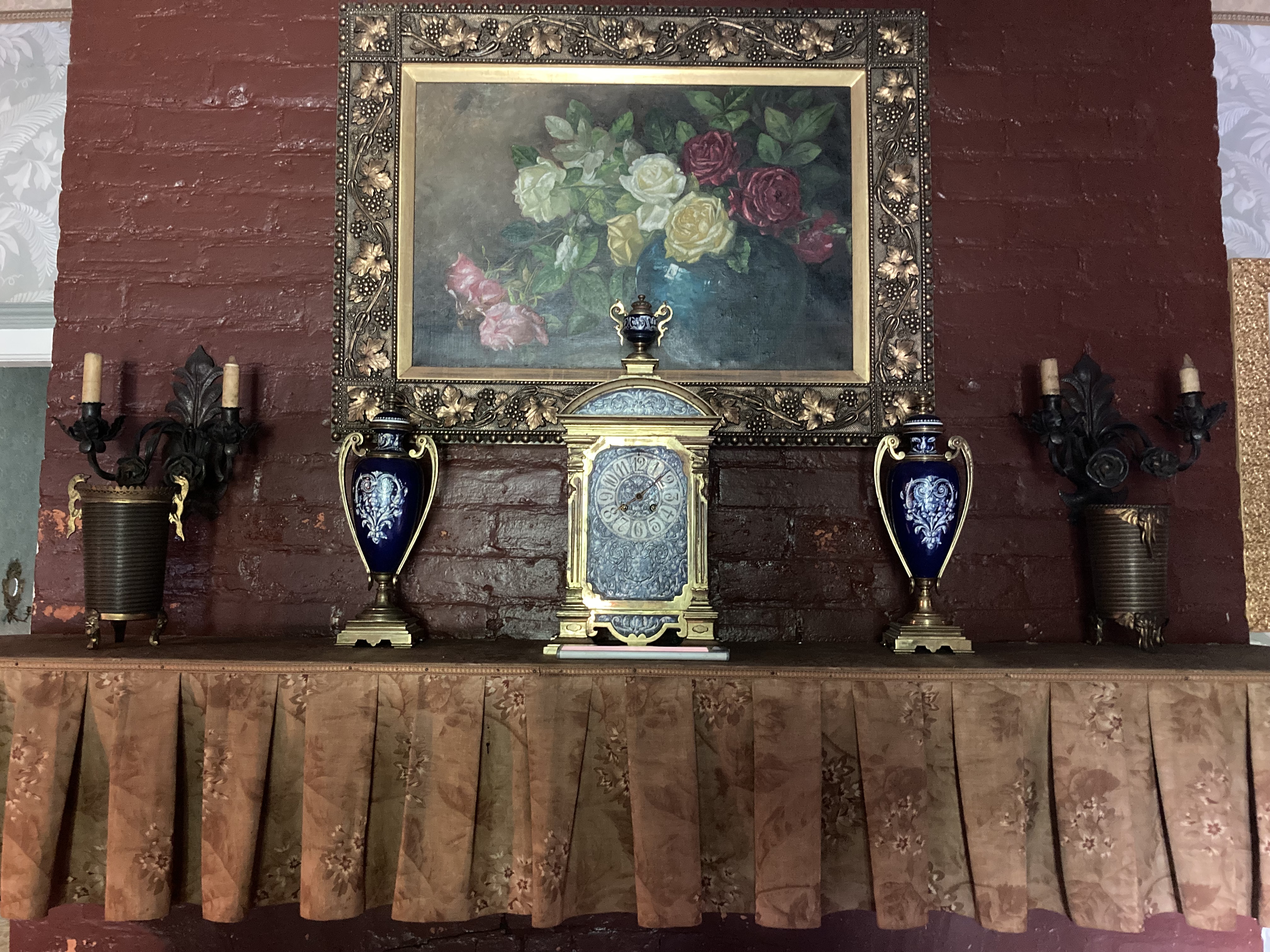
You know how I love U.S. Grant, so this was a special place to be. Here are a few more pictures of the cottage.
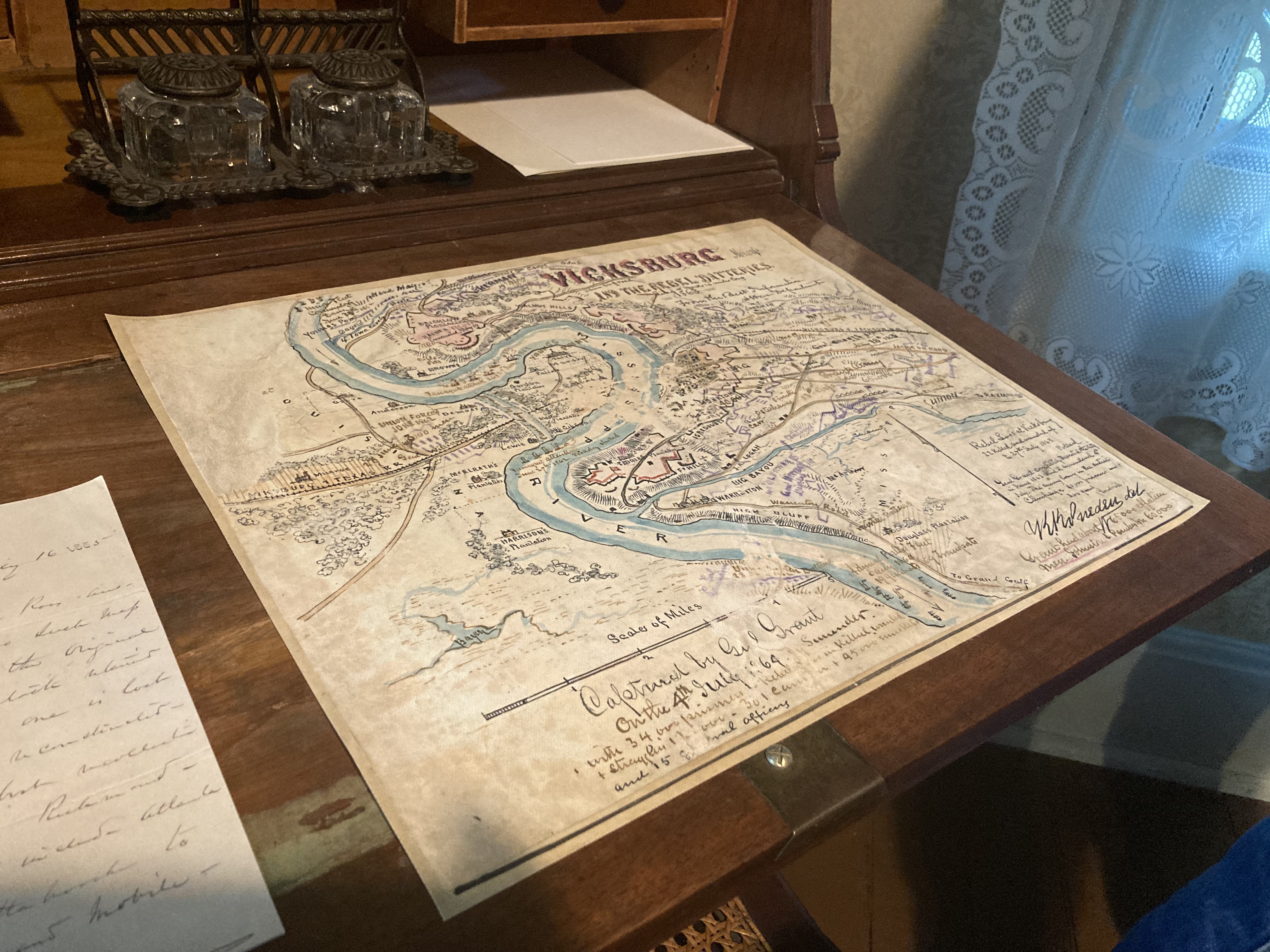
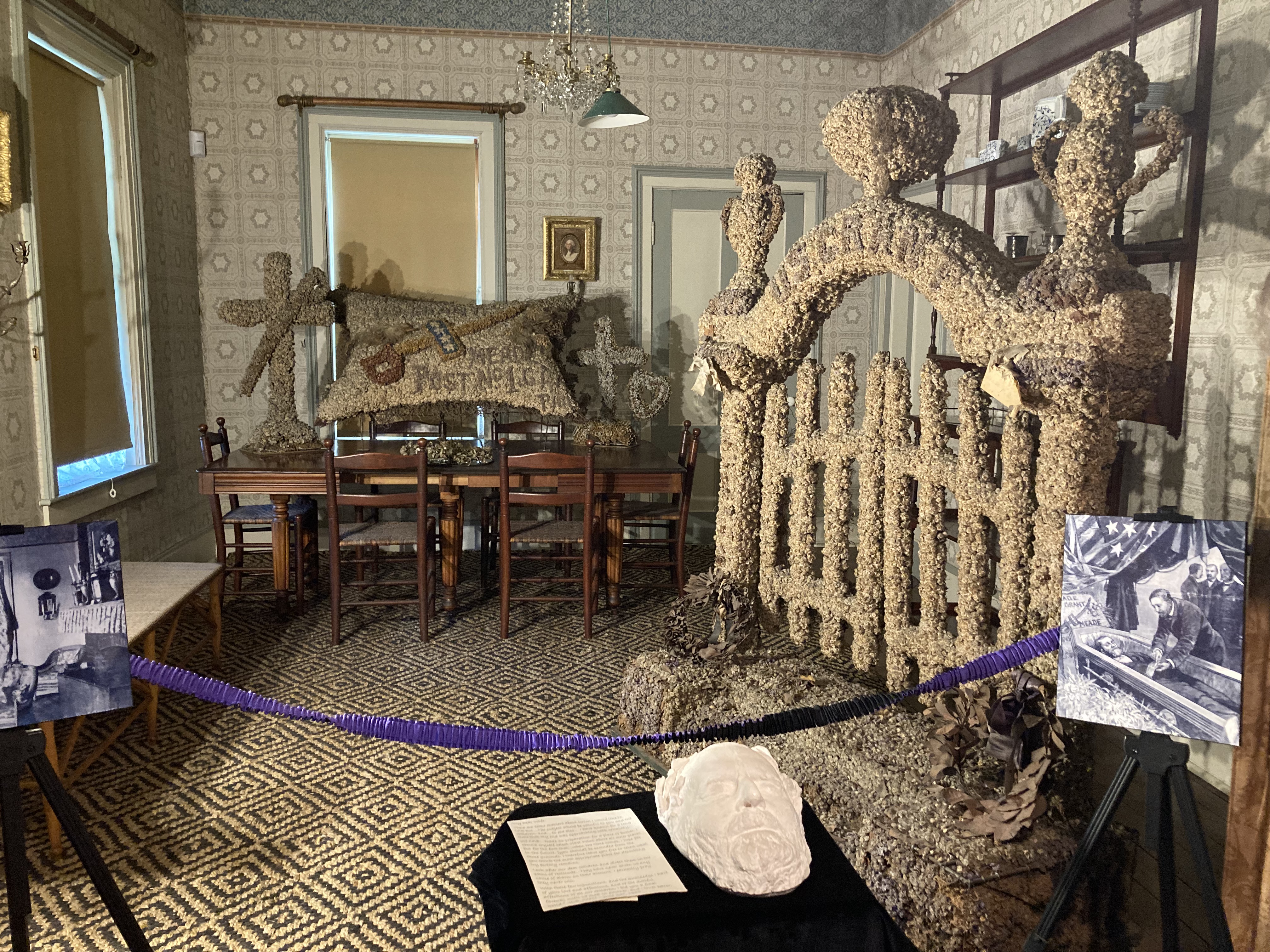
By the way, the floral arrangements from his funeral are still intact 137 years later!
I feel that we are on the eve of a new era, when there is to be great harmony between the Federal and Confederate. I cannot stay to be a living witness to the correctness of this prophesy; but I feel it within me that it is so. The universally kind feeling expressed for me at a time when it was supposed that each day would prove my last, seemed to me the beginning of the answer to “let us have peace.” (Personal Memoirs)

Thanks to the boy who drove the rented Expedition like a fighter pilot to our various destinations and to daughter #1 who took all of these pictures!
“A man with God is always in the majority.”*

by chuckofish

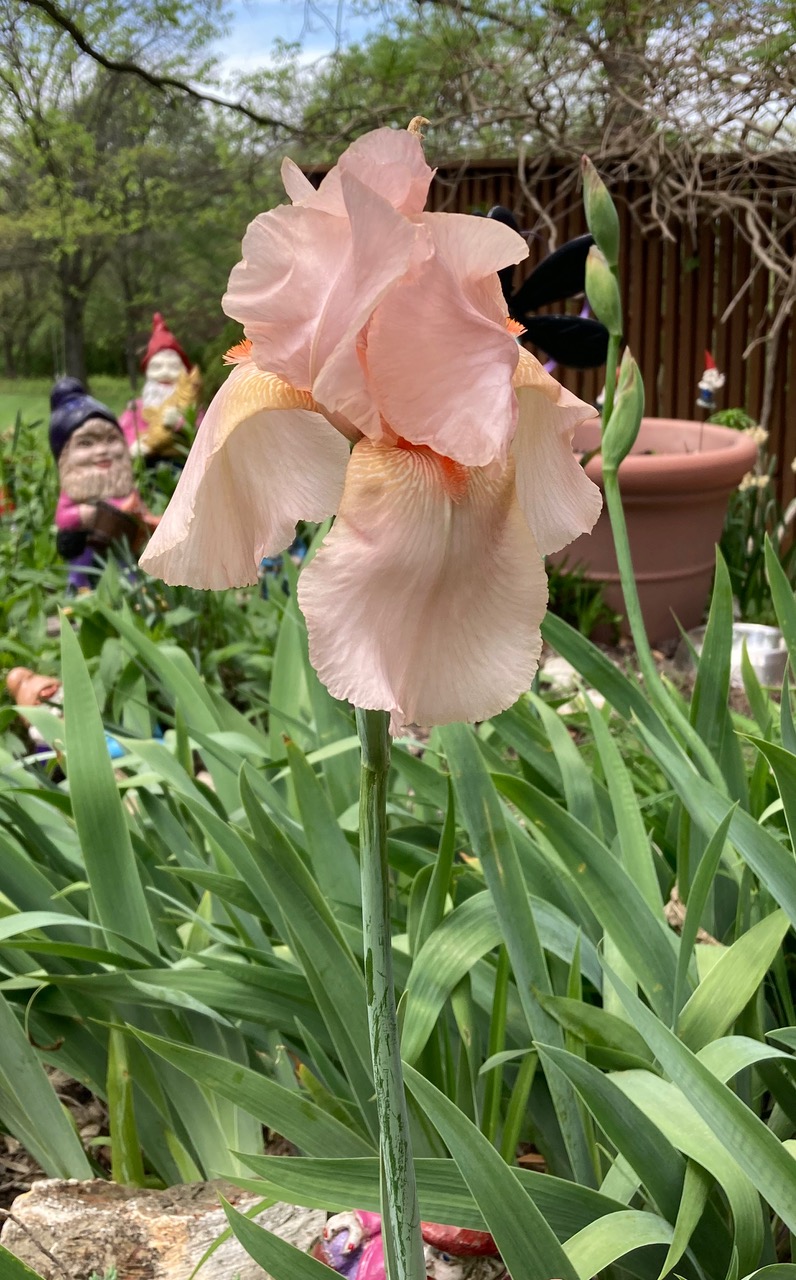
Well, Don’s Iris are blooming! Mine are still buds, but I can tell it’s going to be a good year for the Iris. The peonies are budding as well. Truly, this a glorious season in the flyover garden to be relished and enjoyed.

Let us not forget that today is the birthday of Ulysses S. Grant. It might be a good time to take down his Personal Memoirs from off the shelf and read: “My family is American, and has been for generations, in all its branches, direct and collateral.”

Thanks be to God.

So check out the Iris in your yard, open up your Grant Memoirs, and praise God from whom all blessings flow.

*John Knox, inscribed on the Reformation Wall in Geneva, Switzerland

Thou from the prairies*

by chuckofish

Last Saturday was the anniversary of the death of President Ulysses S. Grant in 1885. To me, he was a great man and one of the qualities that made him great, was his humility. His humble nature shines through in his Memoirs.

There are many men who would have done better than I did under the circumstances in which I found myself. If I had never held command, if I had fallen, there were 10,000 behind who would have followed the contest to the end and never surrendered the Union.

Debatable. Think of General McClellan, his predecessor as general-in-chief of all the Union armies. He thought he “could do it all” but he could not. And he blamed everyone else for his failure.

President Lincoln put his trust in Grant and was well served. And Grant was humble in victory.

General Lee was dressed in a full uniform which was entirely new, and was wearing a sword of considerable value, very likely the sword which had been presented by the State of Virginia; at all events, it was an entirely different sword from the one that would ordinarily be worn in the field. In my rough traveling suit, the uniform of a private with the straps of a lieutenant-general, I must have contrasted very strangely with a man so handsomely dressed, six feet high and of faultless form. But this was not a matter that I thought of until afterwards.

–Memoirs

I love that he wore “a soldier’s blouse for a coat, with the shoulder straps of my rank to indicate to the army who I was.”

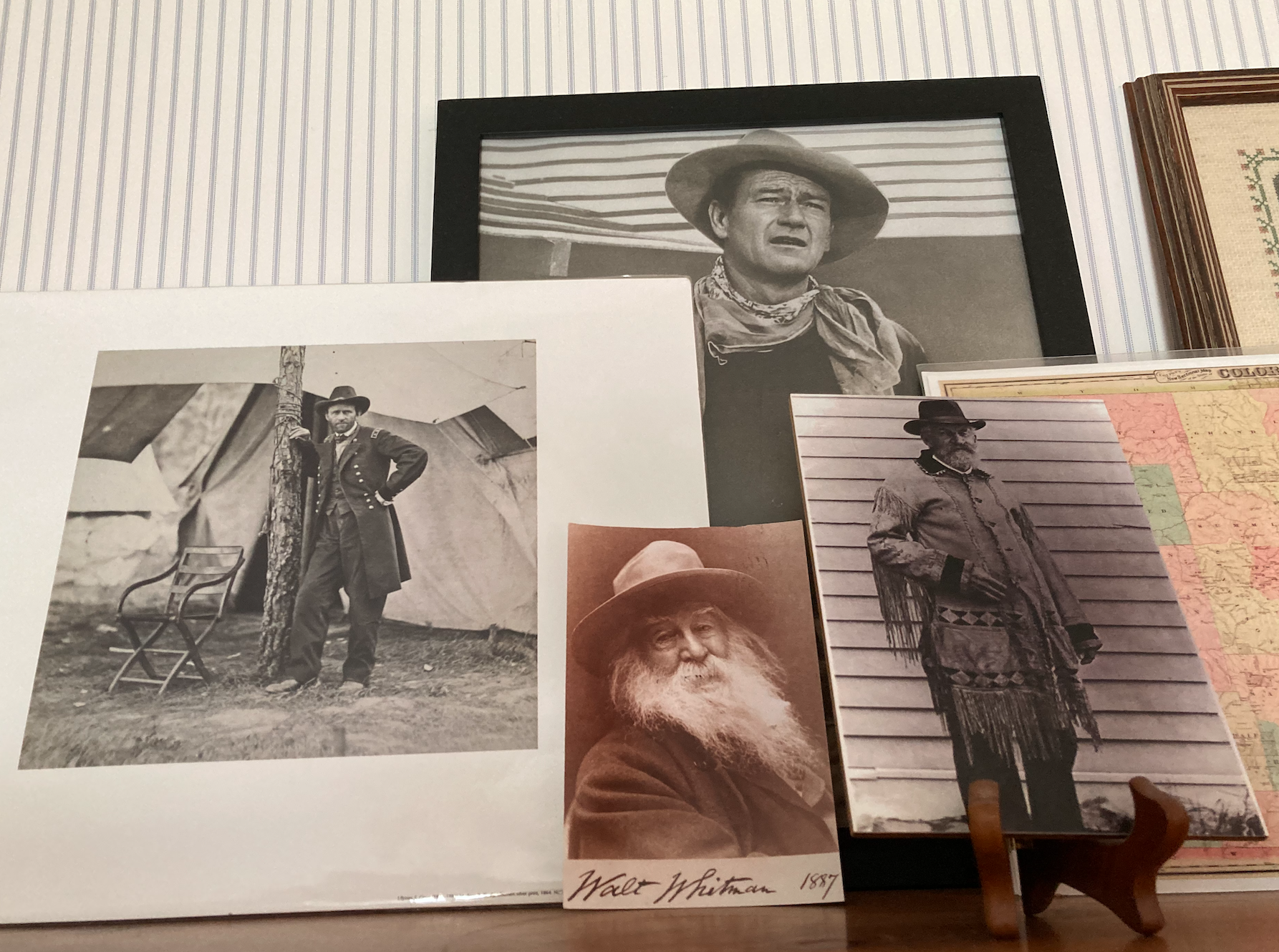
Walt Whitman revered Grant and wrote a poem about the former president when he returned from his world tour.

What best I see in thee,
is not that where thou mov’st down history’s great highways,
Ever undimm’d by time shoots warlike victory’s dazzle,
Or that thou sat’st where Washington say, ruling the land in peace,
Or thou the man whom feudal Europe feted, venerable Asia swarm’d upon,
Who walk’d with kings with even pace the round world’s promenade;
But that in foreign lands, in all thy walks with kings
Those prairie sovereigns of the West, Kansas, Missouri, Illinois,
Ohio’s, Indiana’s millions, comrades, farmers, soldiers, all to the front,
Invisibly with thee walking with kings with even pace the round world’s promenade,
Were all so justified.

Here’s an article about Whitman and Grant if you’re interested.

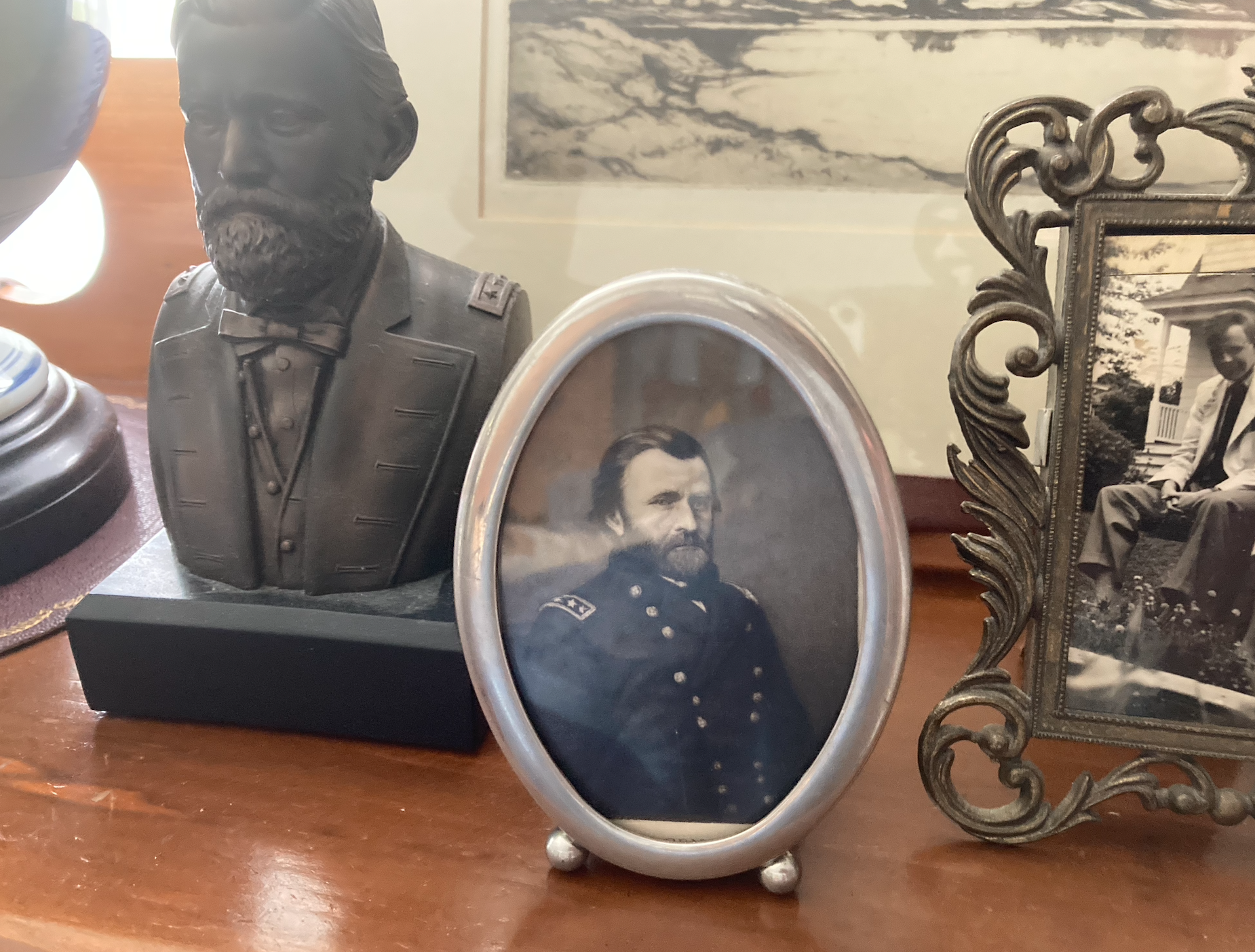
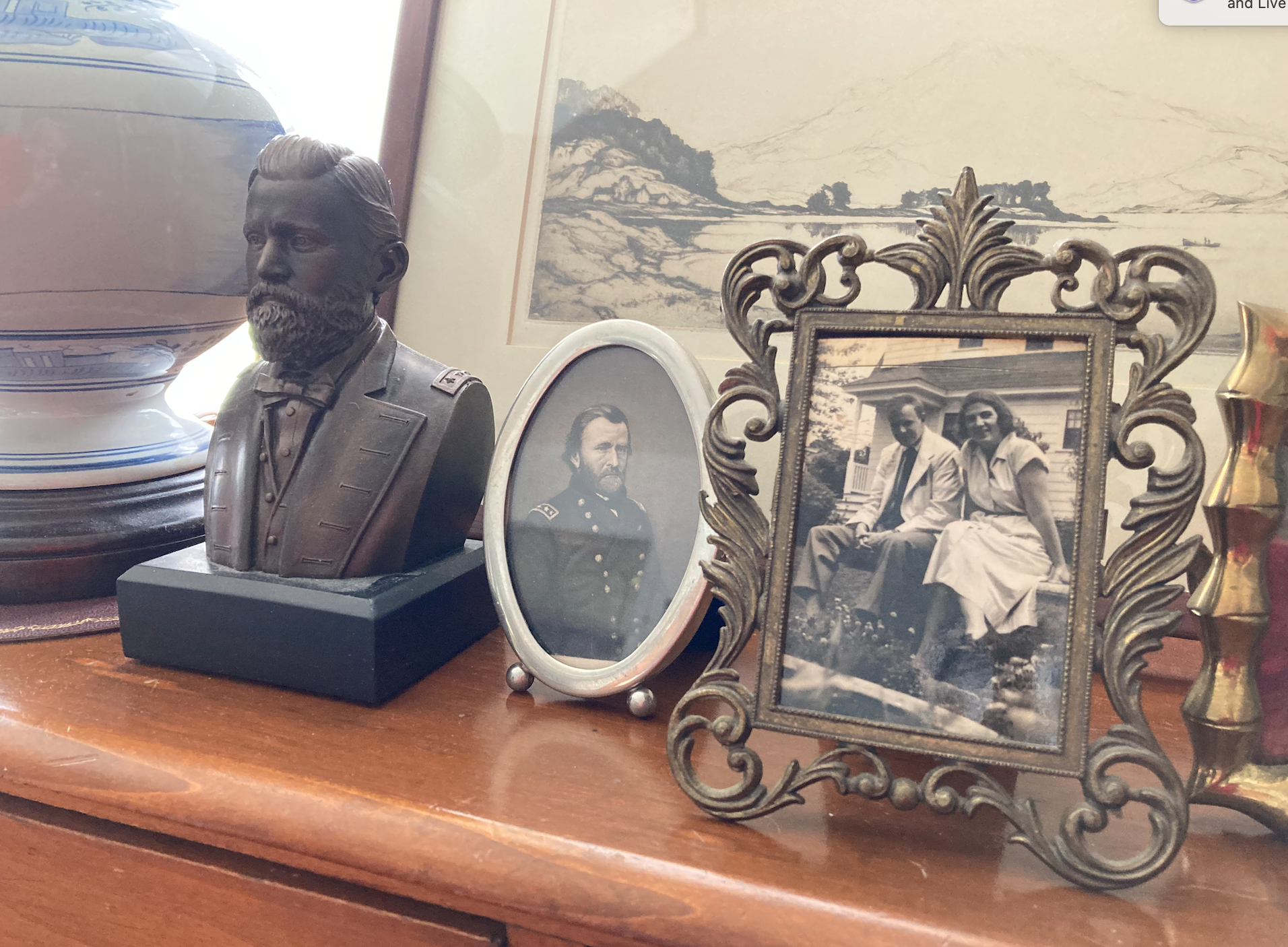
A few weeks ago the wee laddie came up to me holding this little framed picture he had found in the living room:

“Who’s this, Mamu?” he asked.

“That’s Cousin Ulysses,” I said. “Some day I’ll tell you all about him.”

*Walt Whitman

He who digs a pit will fall into it*

by chuckofish

In my daily Bible reading I have really enjoyed Ecclesiastes. I recommend reading the whole book. It is chock full of good stuff and is perfectly and absolutely revelatory for today’s modern reader. The Twitter possibilities are endless: “Woe to you, O land, when your king is a child.”

Anyway,

Remember your Creator before the silver cord is loosed,
Or the golden bowl is broken,
Or the pitcher shattered at the fountain,
Or the wheel broken at the well.
Then the dust will return to the earth as it was,
And the spirit will return to God who gave it.

“Vanity of vanities,” says the Preacher,
“All is vanity.”

(12:6-8)

And the conclusion of it all is: “Fear God and keep His commandments, For this is man’s all.” Yup.

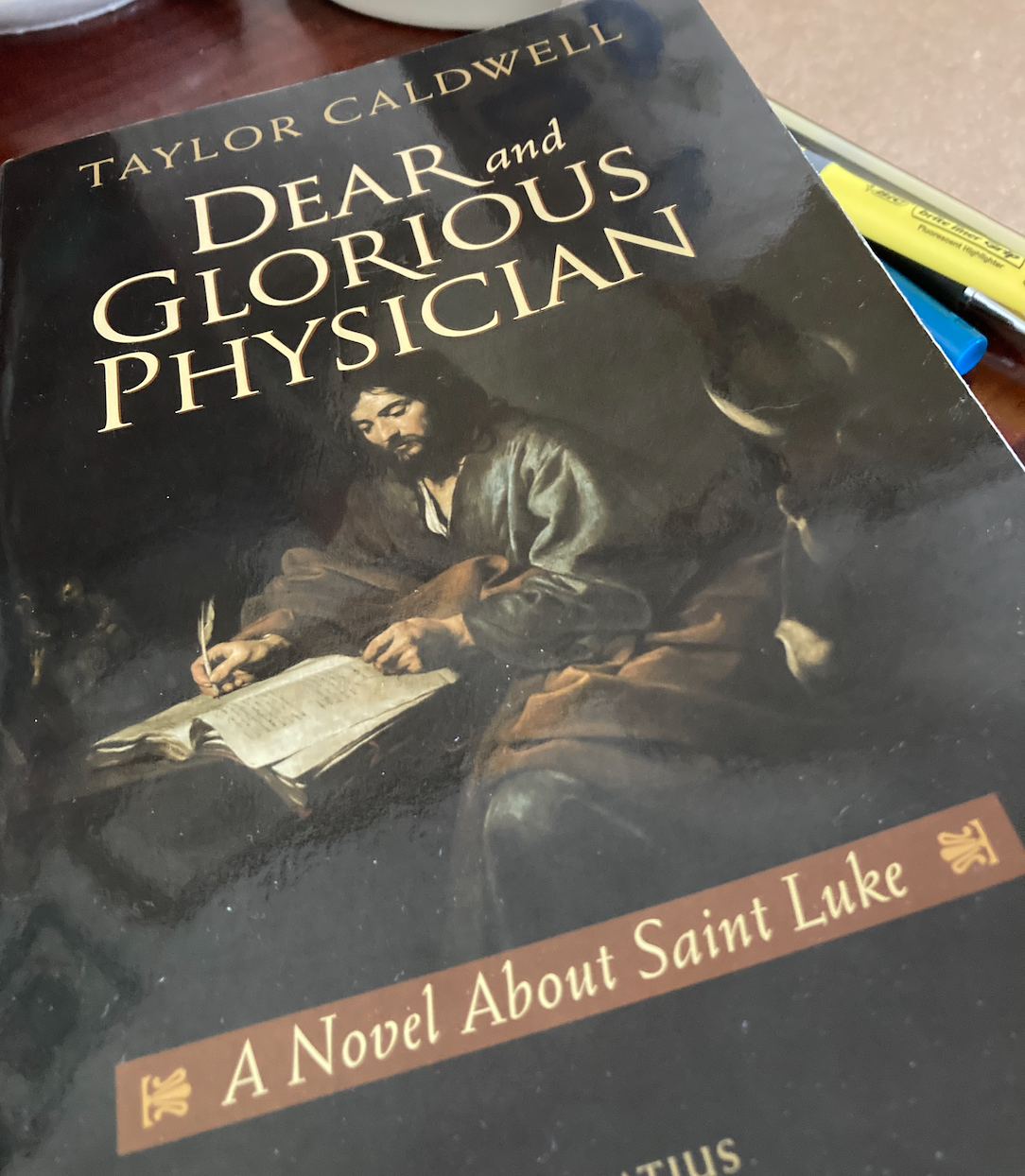
Meanwhile I am also reading Dear and Glorious Physician by Taylor Caldwell, published back in 1959. Saint Paul refers to Luke as the “beloved physician” (Colossians 4:14) and it is he who is the subject of this novel.

Caldwell, you will recall, was an enormously successful writer of best-selling novels in her heyday. She did serious research and knows her subject; there is a lot of information about ancient medicine. She writes well, but the style is stilted and dated. I am 163 pages in (562 pages) and Luke is still a boy…and unfortunately I now see that the action all takes place before he ever meets up with Saint Paul. But I’ll keep going.

I would be remiss if I did not mention that tomorrow is the 200th birthday of Ulysses S. Grant, 18th U.S. President and Commander of the Army during the Civil War, who holds an honored position in our family.

We will toast Cousin Lyss on the 27th and will probably have a party down the road to celebrate.

This is an interesting article about the U.S. Grant statue across from the Union League Building in Brooklyn. Also, please note that The Grant Monument in front of the U.S. Capitol will be the scene of a commemoration of Ulysses S. Grant’s 200th Birthday today! U.S. Senator Roy Blunt of Missouri, the Architect of the Capitol, J. Brett Blanton, and the U.S. Capitol Historical Society are hosting this hybrid in-person and livestreamed commemoration. This year also marks 100 years since the dedication of the Grant Memorial, located along the U.S. Capitol Reflecting Pool and recently restored by the Architect of the Capitol to its former glory. Thank you, Sen. Blunt!

Well, once again Anne has hit the nail on the head. (And I have to say, this adults-and-their-American-Girl-doll trend is particularly disturbing.)

“If you are feeling similarly foolish, or disappointed, or just stressed and depressed, get up out of your bed and go to church. For there is a new kind of economy, a different way of being that all the world longs for, though it is impossible to see until you find yourself there with other disappointed people. For the basis of our life together is not your work. It is rather the meaning underneath, which is forgiveness. If you don’t know what to do with yourself, you can cling to Jesus who forgives your sins, because he shed his own blood for that singular purpose.”

*Ecclesiastes 10:8

Fun facts to know and tell

by chuckofish

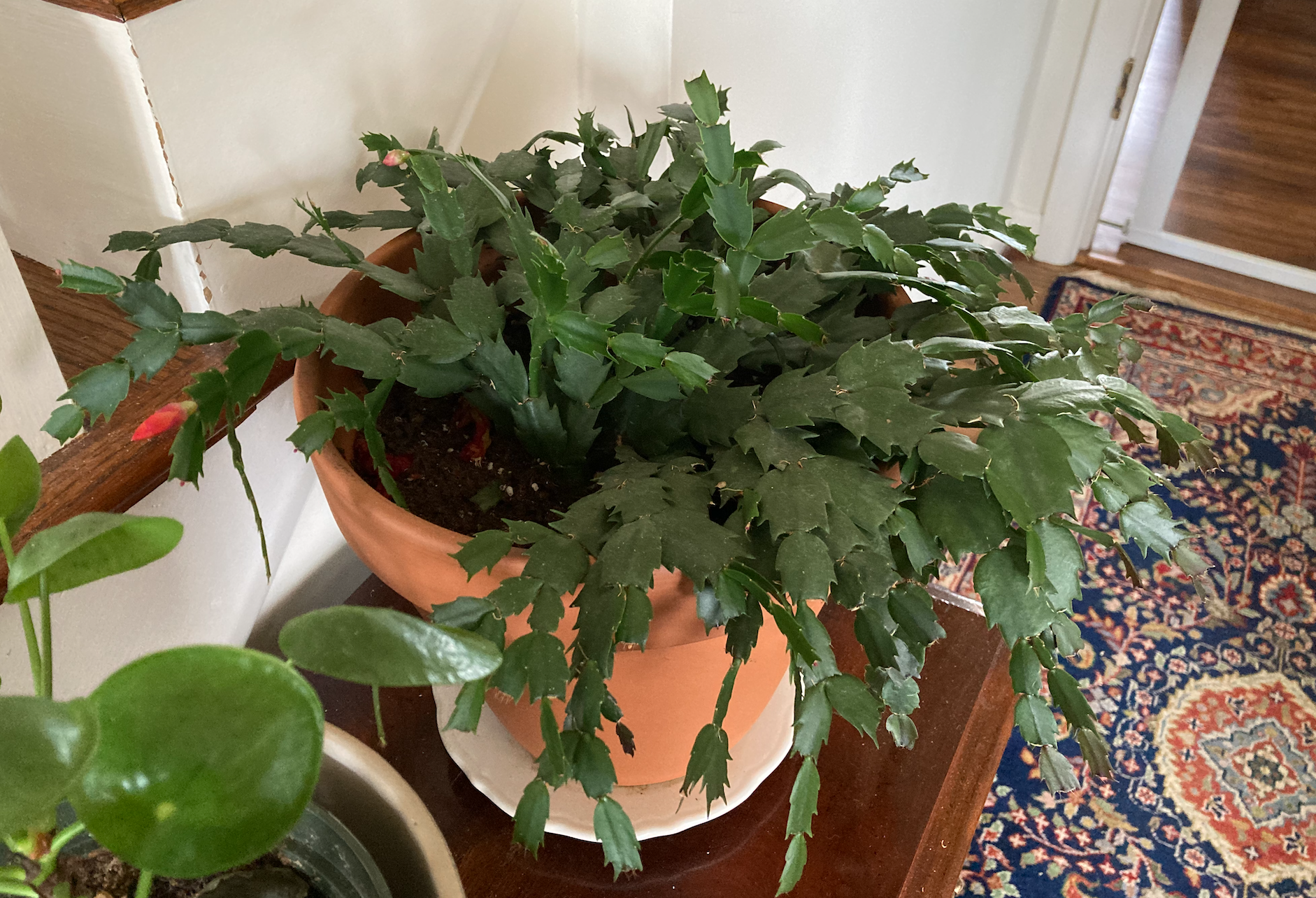
Yes, the Christmas cactus is throwing out buds again! I mean really. Wow.

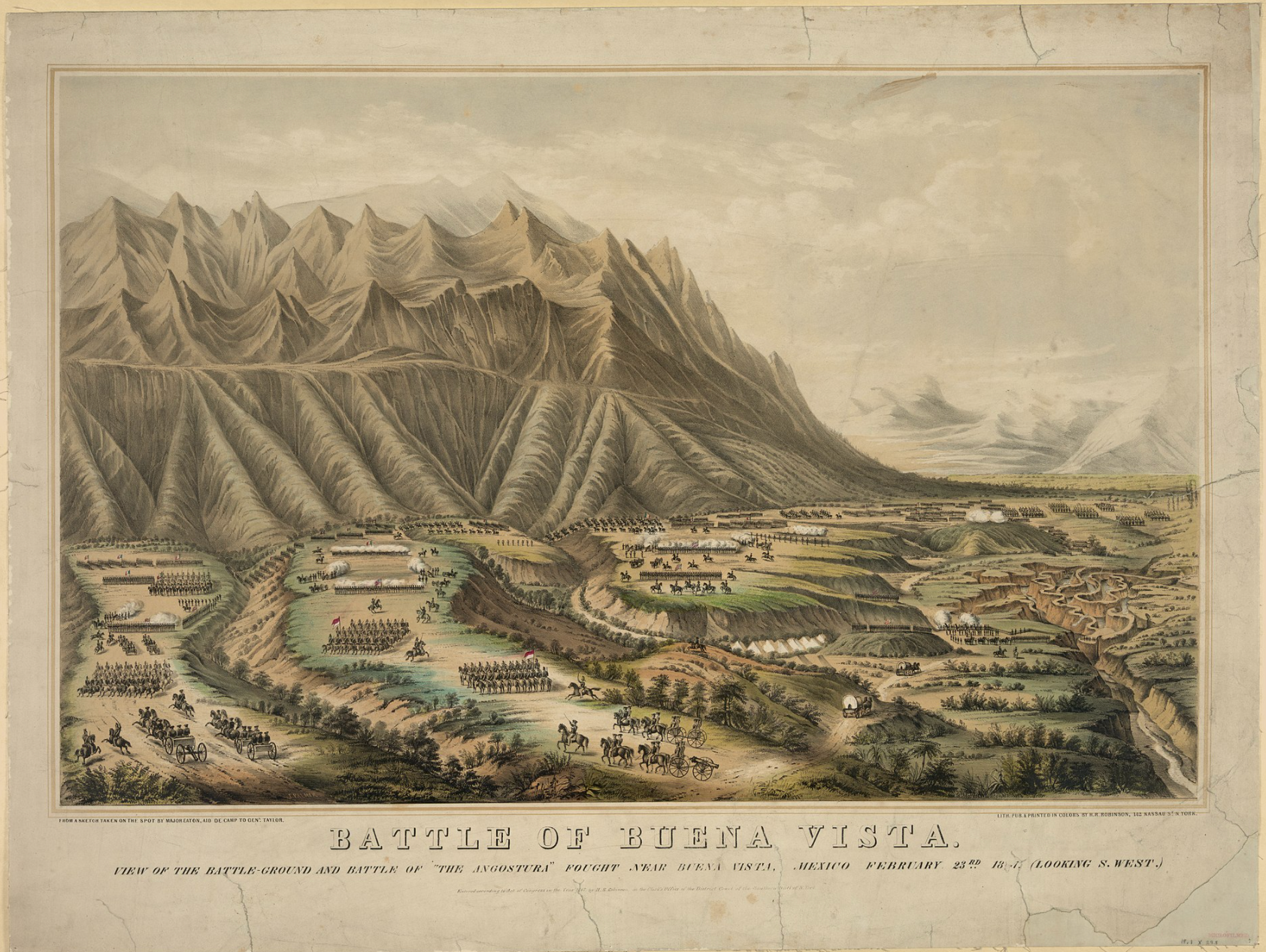
In other news, today marks the 175th anniversary of the Battle of Buena Vista in 1847, fought between the US invading forces, largely volunteers, under General Zachary Taylor, and the much larger Mexican Army under General Santa Anna.

Santa Anna had chosen the day of battle, not apparently aware that it was George Washington’s birthday, which galvanized patriotic sentiment among the U.S. forces.  The outcome of the battle was ambiguous, with both sides claiming victory. Santa Anna’s forces withdrew leaving the field to the surprised American forces, who had expected there to be another day of hard fighting. Since the American forces were largely volunteers rather than regular army, it increased Buena Vista’s popularity in the public imagination. The volunteers were characterized as raw citizen-soldiers who had defeated the far larger Mexican army, seen as a professional military force.

Ulysses Grant, writing about Buena Vista in his Personal Memoirs, said:

General Taylor’s victory at Buena Vista…with an army composed almost entirely of volunteers who had not been in battle before, and over a vastly superior force numerically, made his nomination for the Presidency by the Whigs a foregone conclusion. He was nominated and elected in 1848. I believe that he sincerely regretted this turn in his fortunes, preferring the peace afforded by a life free from abuse to the honor of filling the highest office in the gift of any people, the Presidency of the United States.

I wonder if perhaps USG didn’t feel the same way.

I bet you didn’t know that Buena Vista County, Iowa was named in honor of the battle, as was Buena Vista Township in Michigan’s Saginaw County. Cities named after the battle include Buena Vista in Virginia, Colorado, Oregon, New Jersey, Alabama, Mississippi, and Georgia.

Today is also the birthday of the English actor John Mills (1908-2005). He was in a lot of good movies. Recently I watched Tiger Bay (1959) which I had never seen. It also stars John’s daughter, Hayley Mills, in her first movie. She was twelve. It is a British crime drama and also stars Horst Buchholz as a Polish sailor who commits a murder which Hayley witnesses. It takes place in Cardiff and is an interesting piece of post-war social commentary. I enjoyed it and you might too. It is available on Youtube.

Have a good week! We are expecting another round of rain, sleet and snow. Ho hum.

Dog days

by chuckofish

winslow-homer-fishing-1268

The Old Farmer’s Almanac lists the traditional period of the Dog Days as the 40 days beginning July 3 and ending August 11, coinciding with the ancient heliacal (at sunrise) rising of the Dog Star, Sirius.

Well, we are certainly in the middle of them now! And they will not be over come August 11. But as I have said before, I have come to appreciate the summer–even the dog days–and enjoy the slower pace. Nobody’s in a hurry around here in August.

Summer is a good time to read old favorites:

“Maycomb was a tired old town, even in 1932 when I first knew it. Somehow, it was hotter then. Men’s stiff collars wilted by nine in the morning. Ladies bathed before noon and after their three o’clock naps. And by nightfall were like soft teacakes with frosting from sweating and sweet talcum. The day was twenty-four hours long, but it seemed longer.” (Harper Lee, To Kill a Mockingbird)

It is a good time to read poetry:

Now I will do nothing but listen,
To accrue what I hear into this song, to let sounds contribute toward it.
I hear bravuras of birds, bustle of growing wheat, gossip of flames, clack of sticks cooking my meals,
I hear the sound I love, the sound of the human voice,
I hear all sounds running together, combined, fused or following,
Sounds of the city and sounds out of the city, sounds of the day and night,
Talkative young ones to those that like them, the loud laugh of work-people at their meals,
The angry base of disjointed friendship, the faint tones of the sick,
The judge with hands tight to the desk, his pallid lips pronouncing a death-sentence,
The heave’e’yo of stevedores unlading ships by the wharves, the refrain of the anchor-lifters,
The ring of alarm-bells, the cry of fire, the whirr of swift-streak-
ing engines and hose-carts with premonitory tinkles and color’d lights,
The steam-whistle, the solid roll of the train of approaching cars,
The slow march play’d at the head of the association marching two and two,
(They go to guard some corpse, the flag-tops are draped with black muslin.)
I hear the violoncello, (’tis the young man’s heart’s complaint,)
I hear the key’d cornet, it glides quickly in through my ears,
It shakes mad-sweet pangs through my belly and breast.
I hear the chorus, it is a grand opera,
Ah this indeed is music—this suits me. (Walt Whitman, Song of Myself, 26)

And it is a good time to read history:

On the receipt of Mr. Dana’s dispatch Mr. Stanton sent for me. Finding that I was out he became nervous and excited, inquiring of every person he met, including guests of the house, whether they knew where I was, and bidding them find me and send me to him at once. About eleven o’clock I returned to the hotel, and on my way, when near the house, every person met was a messenger from the Secretary, apparently partaking of his impatience to see me. I hastened to the room of the Secretary and found him pacing the floor rapidly in his dressing-gown. Saying that the retreat must be prevented, he showed me the dispatch. I immediately wrote an order assuming command of the Military Division of the Mississippi, and telegraphed it to General Rosecrans. I then telegraphed to him the order from Washington assigning Thomas to the command of the Army of the Cumberland; and to Thomas that he must hold Chattanooga at all hazards, informing him at the same time that I would be at the front as soon as possible. A prompt reply was received from Thomas, saying, “We will hold the town till we starve.” I appreciated the force of this dispatch later when I witnessed the condition of affairs which prompted it. It looked, indeed, as if but two courses were open: one to starve, the other to surrender or be captured.

On the morning of the 20th of October I started, with my staff, and proceeded as far as Nashville. At that time it was not prudent to travel beyond that point by night, so I remained in Nashville until the next morning. Here I met for the first time Andrew Johnson, Military Governor of Tennessee. He delivered a speech of welcome. His composure showed that it was by no means his maiden effort. It was long, and I was in torture while he was delivering it, fearing something would be expected from me in response. I was relieved, however, the people assembled having apparently heard enough. At all events they commenced a general hand-shaking, which, although trying where there is so much of it, was a great relief to me in this emergency. (U.S. Grant, Personal Memoirs, Ch 40)

So try to enjoy these dog days of summer. And remember: This is the day which the Lord hath made; let us rejoice and be glad in it!

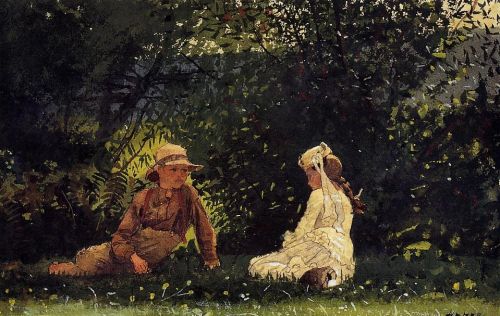
Scene-at-Houghton-Farm-Painting-by-Winslow-Homer

*The paintings are by Winslow Homer, of course.

Let us have peace

by chuckofish

Today we remember Ulysses S. Grant, 18th President of the United States, who died on this day in 1885 at age 63. (I have blogged previously about cousin Lyss here and here.)

I admit that I am a big fan of Ulysses. He was a great general, a military genius and a President whose civil rights record could put to shame those of some modern politicians who like to talk the talk. He was a devoted husband and a good father. Furthermore, he was a really good writer, arguably the best of the Presidents in that regard.

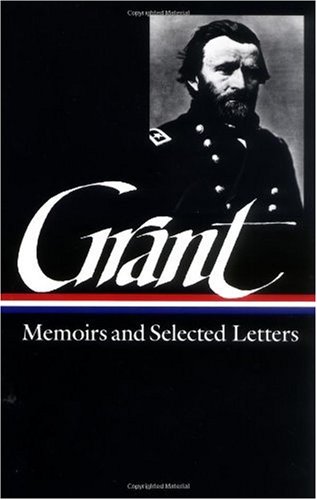
biographies_memoirs_41y2BtnNxLSL

You might want to add this to your summer reading list.

As I have mentioned before, the act of writing his memoirs (without help or ghost writers or even a secretary) in order to provide for his nearly destitute family while dying of throat cancer was heroic with a capital “H”. He died a few days after completing them.

jb_nation_grant_2_e (1)

In the end, the Personal Memoirs of Ulysses S. Grant was published to great acclaim by his friend Mark Twain, and Grant’s widow Julia received about $450,000.

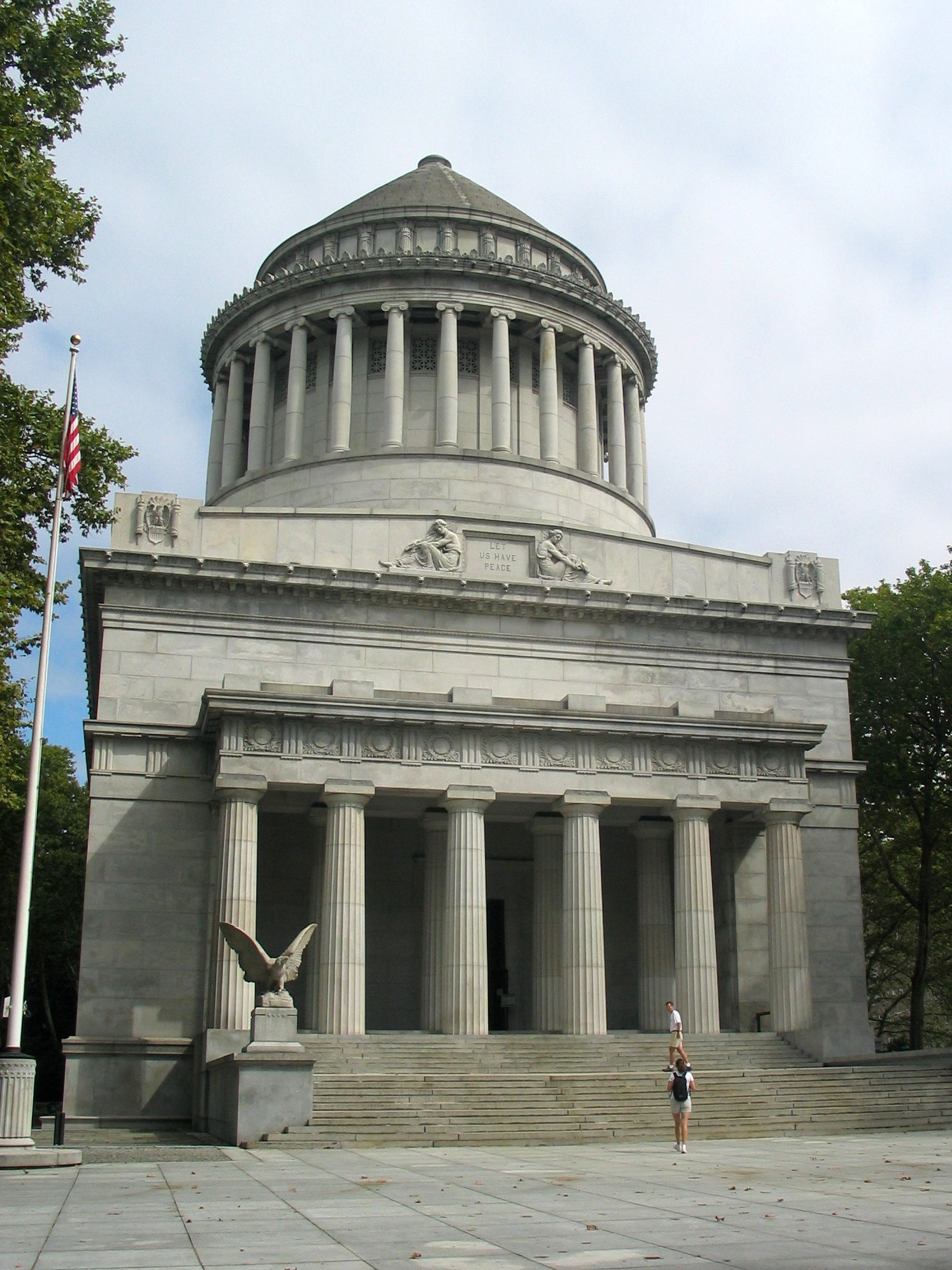
General Grant National Monument, known as "Grant's Tomb"

General Grant National Monument, known as “Grant’s Tomb”

Millions of people viewed his New York City funeral procession in 1885 and attended Grant’s Tomb 1897 Manhattan dedication. And that wasn’t on television.

Let us toast him tonight with his own “perfect speech,” which he used time and again beginning in 1865:

“I rise only to say that I do not intend to say anything. I thank you for your hearty welcomes and good cheers.”

Who would you choose?

by chuckofish

If you read a variety of blogs, you have certainly come across more than one of those posts where the writer asks the question: Who would you choose if you could have lunch with anyone? Usually they go on to tell you how they would love to get together with Audrey Hepburn, Princess Diana, Thomas Jefferson, Mother Theresa, Steven Spielberg and so on. Blah, blah, blah, boring celebrities. And, yes, I include Thomas Jefferson in that company. He would probably choose to have lunch with Marilyn Monroe.

Not that I’m judging anyone for their choices. Everyone is free to choose whom they want to choose. This is America after all! Come on.

Anyway, I’m sure you can guess who I would choose. Just in the last few days I’ve talked about Bob Dylan and Hilary Mantel and Marty Stuart–all would be charming companions at a meal. And you know how I feel about Frederick Buechner and Raymond Chandler. A conversation with them–to die for! As for movie stars, we’d need a big table to accommodate all my favorites.

But if we’re really talking about conversation, let’s invite:


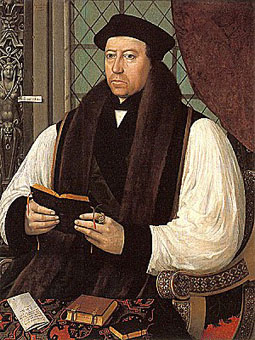
Thomas Cranmer. He wrote the book.


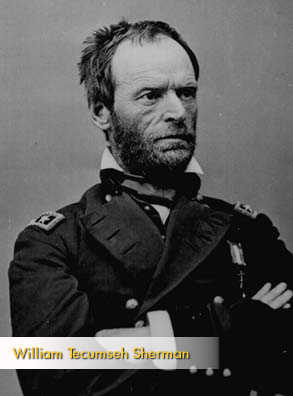
General Sherman. He had Grant’s back.


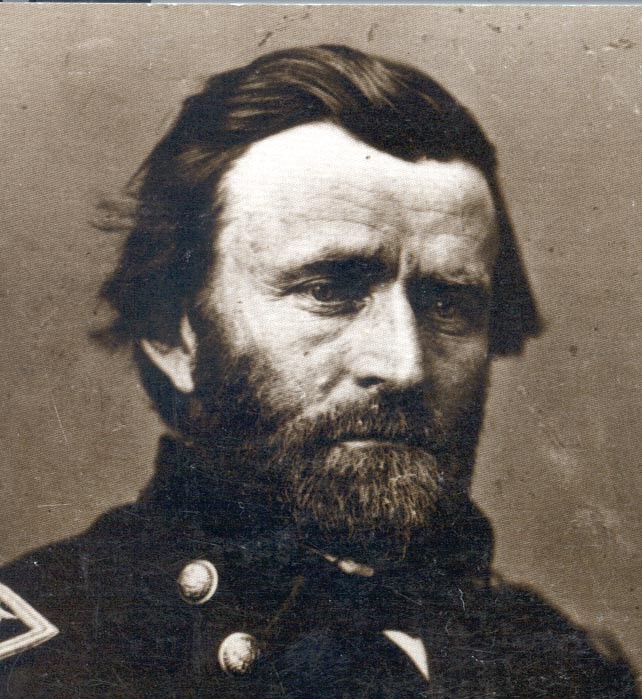
U.S. Grant. He epitomized humility and courage. He had Lincoln’s back. And he was a really good writer.


Dorothy Rabinowitz. She tells it like it is in the WSJ.


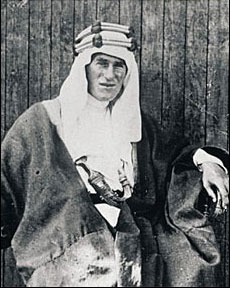
T.E. Lawrence. He would be awesome, but we’d need someone to come along with us who could make him feel comfortable and draw him out of his shell–like Mrs. George Bernard Shaw.


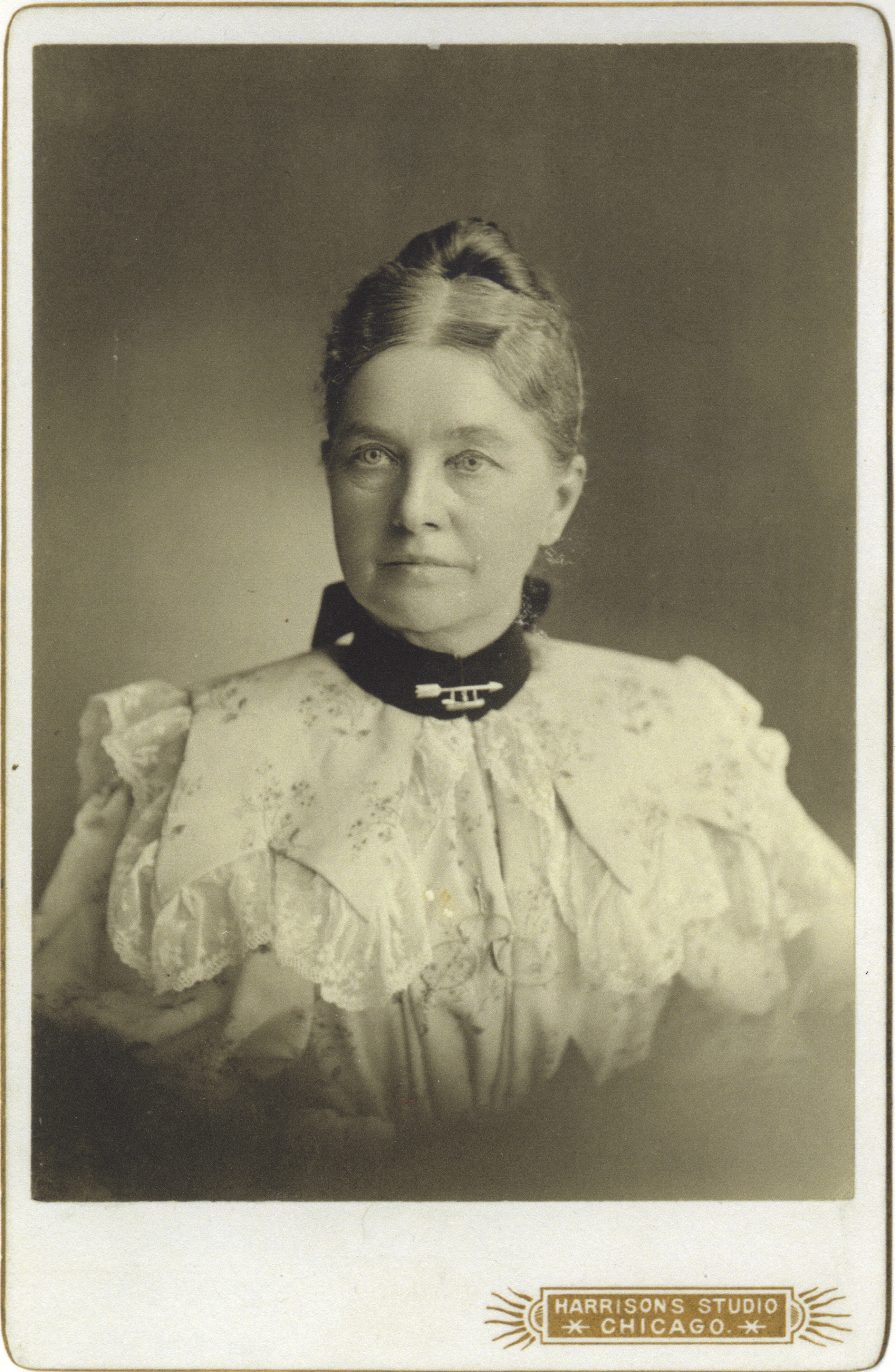
Mary Prowers Hough, my great-great grandmother and the classiest lady to ever set foot in Colorado. I’d have a million questions for her.


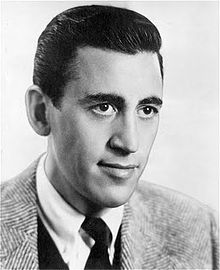
J.D. Salinger. We could talk about Jesus over a glass of ginger ale in the kitchen.


Eudora Welty. We’d talk about stories and the art of writing them. I think I would like to invite


Shirley Jackson to come along too. The three of us would get along famously.


Saint Timothy. He received letters from Saint Paul containing personal advice which I take very personally: God did not give you a spirit of timidity!

Well, I’m sure I’ve left out some obvious choices. Who would you want to share a meal with? Alexander? Sargon the Great? Thomas Cromwell? Oliver Cromwell? Johnny Depp?

Real presidents

by chuckofish

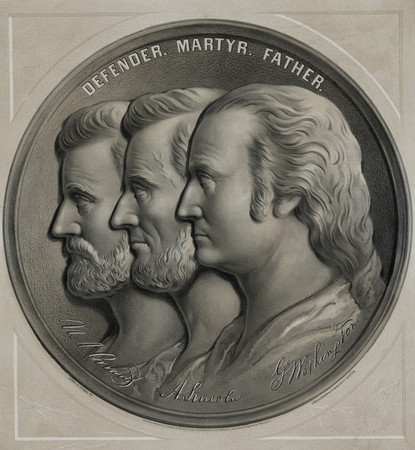
Lightly tinted image by Charles H. Crosby of the profiles of Ulysses S. Grant, Abraham Lincoln, and George Washington in a medallion.

It’s President’s Day. In Missouri, while Washington’s Birthday is a federal holiday, Abraham Lincoln’s birthday is still a state holiday, falling on February 12 regardless of the day of the week. Today the holiday is observed, honoring both presidents, Washington and Lincoln.

Nevertheless, I am at work, while my husband is home. So some work places observe it, others don’t. Hmmm.

Anyway, all hail to Washington and Lincoln–two great presidents. However, I am thinking of another president, Ulysses Grant.

Or “Cousin Ulyss” as we call him in our family. He was our great-great grandfather John Simpson Hough’s cousin through Grant’s mother, Hannah Simpson, a Quaker, originally from Pennsylvania. According to family tradition, Grant, while a cadet at West Point, spent school vacations with the Houghs. Also according to family legend, John Hough was offered the office of U.S. Postmaster General when Grant was president. Supposedly he turned down the job, saying (rudely), “I’ll not work for that Republican!”

John Simpson Hough

Funnily enough, Grant refers to the familial political rift with his typical rye wink in his memoirs.

“…She [his mother’s sister] thought the country ruined beyond recovery when the Democratic party lost control in 1860…Her brother…was a supporter of the government during the war, and remains a firm believer, that national success by the Democratic party means irretrievable ruin.” (p. 8 Personal Memoirs)

(It has taken us generations to admit that our ancestor came down on that side of the division. Nobody’s perfect.)

Anyway, I am a great admirer of U.S. Grant, as a general, defender of the union, president, family man, and writer. If you have not read his aforementioned Personal Memoirs, you really should. According to British military historian John Keegan, they are “perhaps the most revelatory autobiography of high command to exist in any language.” And they are so well-written! What incredible powers of recall he had and what determination it took to write them. Faced with terminal throat cancer and the loss of his fortune, he set out to write them, backed by Mark Twain who knew they would be a best-seller, in order to leave his family enough money to live on. He wrote them by hand. He could not dictate them, because he frequently could not talk. He was a hero up to and including the day he lay down his pencil and died.

Grant has been portrayed in many, many movies and television shows, by the likes of Harry Morgan, Jason Robards, Anthony Zerbe, James Gregory, Rip Torn, Rod Steiger (!), Aidan Quinn, and even Kevin Kline. But there never has been a movie about him. He has been the victim of every negative kind of stereotyping, most commonly that of alcoholic. In truth he drank when he was separated from his wife Julia and only then. During the war, John Rawlins, his chief of staff, guarded him zealously and kept him from drinking. Once the war was over and he was reunited with his wife, he did not drink.

He was also, contrary to popular opinion, a good student, graduating in the middle of his class at West Point. And he was also one of the finest horseman ever to graduate. He had been handling horses all his life and really loved them. When he was “seven or eight years of age” he began hauling all the wood used in the house and shop from land where trees were cut down. He could not “load it on the wagons,” but he could drive them. Can you imagine? Can you imagine this boy driving a wagon load of timber?

WRC 1994

Well, Maybe. Again, read his Memoirs. You’ll be glad you did.