“But, just for a moment now we’re all together. Mama, just for a moment we’re happy.”*
by chuckofish
Today, I am writing about Thornton Wilder, a great American writer about whom my mother has posted before. While my post will certainly quote some wonderful Wilder passages, it is also about growing up as people and readers.
Over a decade ago, I was a research assistant for a professor in my graduate program’s department who was the editor the Thornton Wilder Journal and thus had funding for paid help. It was a great gig (extra funding, a CV line, a bit of experience doing different kinds of research), but meant working for someone who was…not always the most pleasant.
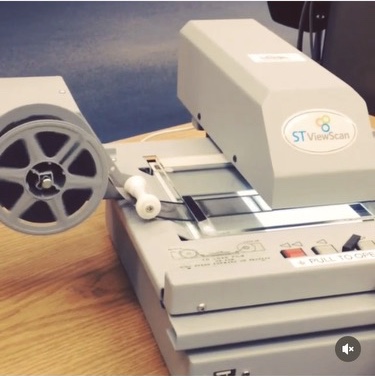
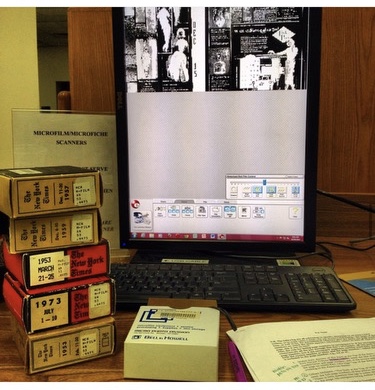
During that time, I distinctly recall at least one trip to the Library of Congress, traversing the underground tunnels to find the archive where I would request the letters I was to scan and transcribe for the professor. (I never undertook archival work for my own research, which is kind of a shame — I did learn a thing or two on those trips.) I also searched microfilmed newspapers for hours to confirm the page numbers for specific references on at least two occasions. All of this was dutifully documented on my Instagram account…

But because I found the professor himself to be unlikeable, I developed a misplaced bias against Thornton Wilder. Perhaps even more unfair, I lumped Wilder in with Eugene O’Neil, the other playwright on whom the professor was an expert, and whose letters were borderline unbearable to read. I had no idea what I was missing with Wilder! But I was 23, very starry-eyed about studying my own fave authors, and identified strongly as a “nineteenth-centuryist” — how exciting to identify as anything at all. Anyway, I will cut myself some slack.
I only finally started reading Thornton Wilder’s works after finishing Ann Patchett’s Tom Lake (2023), which concludes with an Author’s Note:
“I thank Thornton Wilder, who wrote the play that has been an enduring comfort, guide, and inspiration throughout my life. If this novel has a goal, it is to turn the reader back to Our Town, and to all of Wilder’s work. Therein lies the joy.”
Well, that “joy” got me, because Tom Lake had, for once in modern life, depicted a mother who feels immense joy with her daughters, despite having given up on fame and fortune after playing Our Town‘s Emily at three different life stages.
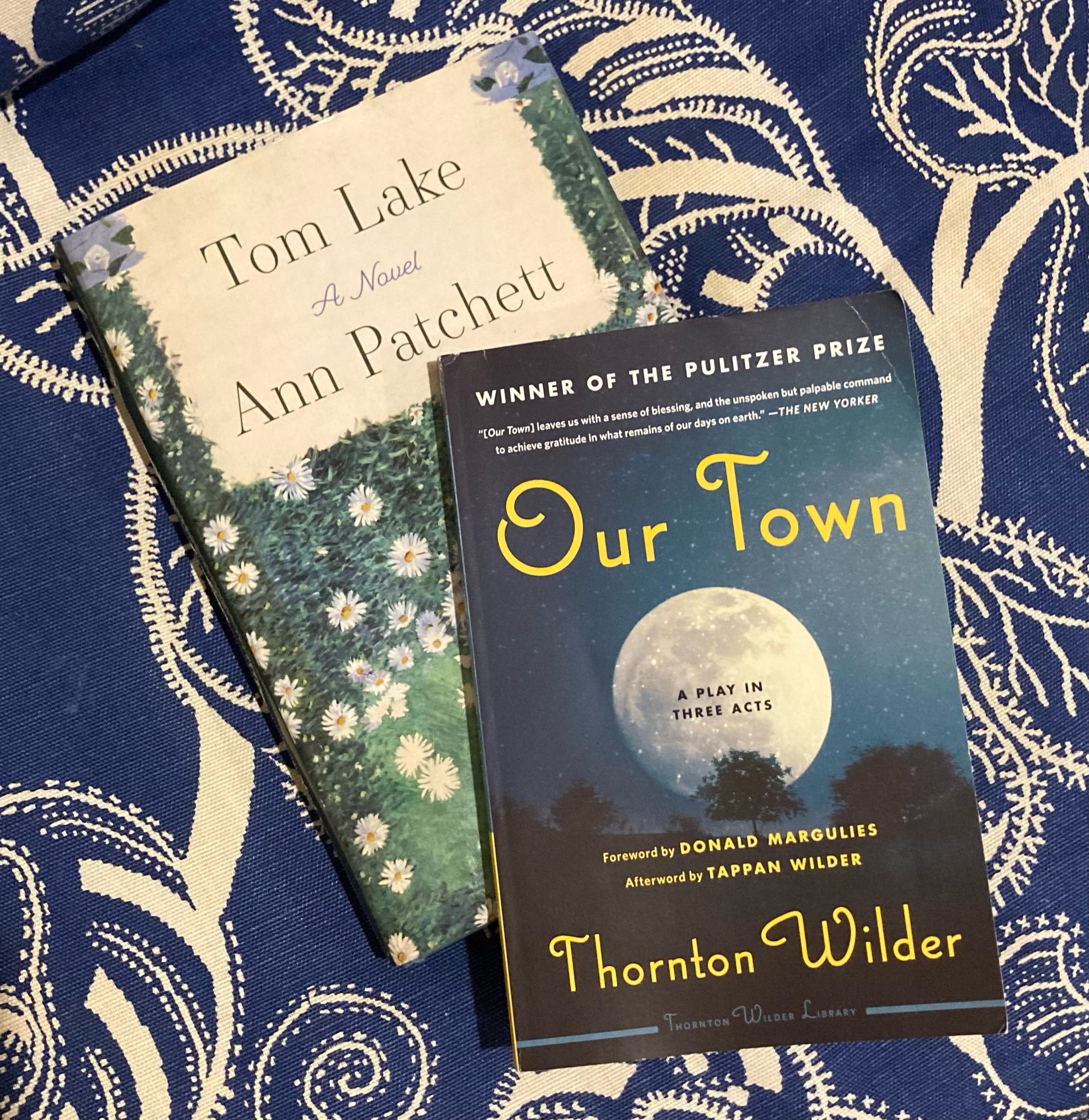
I have to say, though, that while Our Town was fantastic, Thornton Wilder’s The Eighth Day (1967) really blew my mind. In a class with John Steinbeck’s East of Eden (1952), it is a family epic that traverses both American continents — centered in our very own Illinois! The novel moves swiftly with a murder-mystery plot and ruminates on family, morality, justice, ambition, and other such themes. I mean really — I plan to reread it so that I can absorb more.
“Mr. Ashley, kindly lift the rug and turn it over.”
Roger did so. No figure could be traced on the reverse. It presented a mass of knots and frayed and dangling threads. With a gesture of the hand the Deacon directed Roger to replace it.
“You are a newspaper man in Chicago. Your sister is a singer there. Your mother conducts a boardinghouse in Coaltown. Your father is in some distant country. Those are the threads and knots of human life. You cannot see the design.”
I dutifully read The Bridge of San Luis Rey (1927) as well, but I wasn’t as taken with it. You win some, you lose some. But just remember, you lose it all if you write off an entire author because of their association with one person whom you dislike!
Besides, a fun fact: DN asked me on our first date after I sent him a Facebook message (very 2013 of me) reminding him that we had yet to swap horror stories about the aforementioned Thornton Wilder scholar. We still joke that we owe our happy relationship to that grumpy old man…
STAGE MANAGER: I’ve married over two hundred couples in my day.
Do I believe in it?
I don’t know.
M. . . .marries N. . . .millions of them.
The cottage, the go-cart, the Sunday-afternoon drives in the Ford, the first rheumatism, the grandchildren, the second rheumatism, the deathbed, the reading of the will, —
He now looks at the audience for the first time, with a warm smile that removes any cynicism from the next line.
Once in a thousand times it’s interesting.
— Well, let’s have Mendelssohn’s “Wedding March”!
The organ picks up the March.
The BRIDE and GROOM come down the aisle, radiant, but trying to be very dignified.
MRS. SOAMES: Aren’t they a lovely couple? Oh, I’ve never been to such a nice wedding. I’m sure they’ll be happy. I always say: happiness, that’s the great thing! The important thing is to be happy.
The BRIDE and GROOM reach the steps leading into the audience. A bright light is thrown upon them. They descend into the auditorium and run up the aisle joyously.
*Our Town, Act III

 dual personalities