“Let us cross over the river and rest under the shade of the trees.”*
by chuckofish
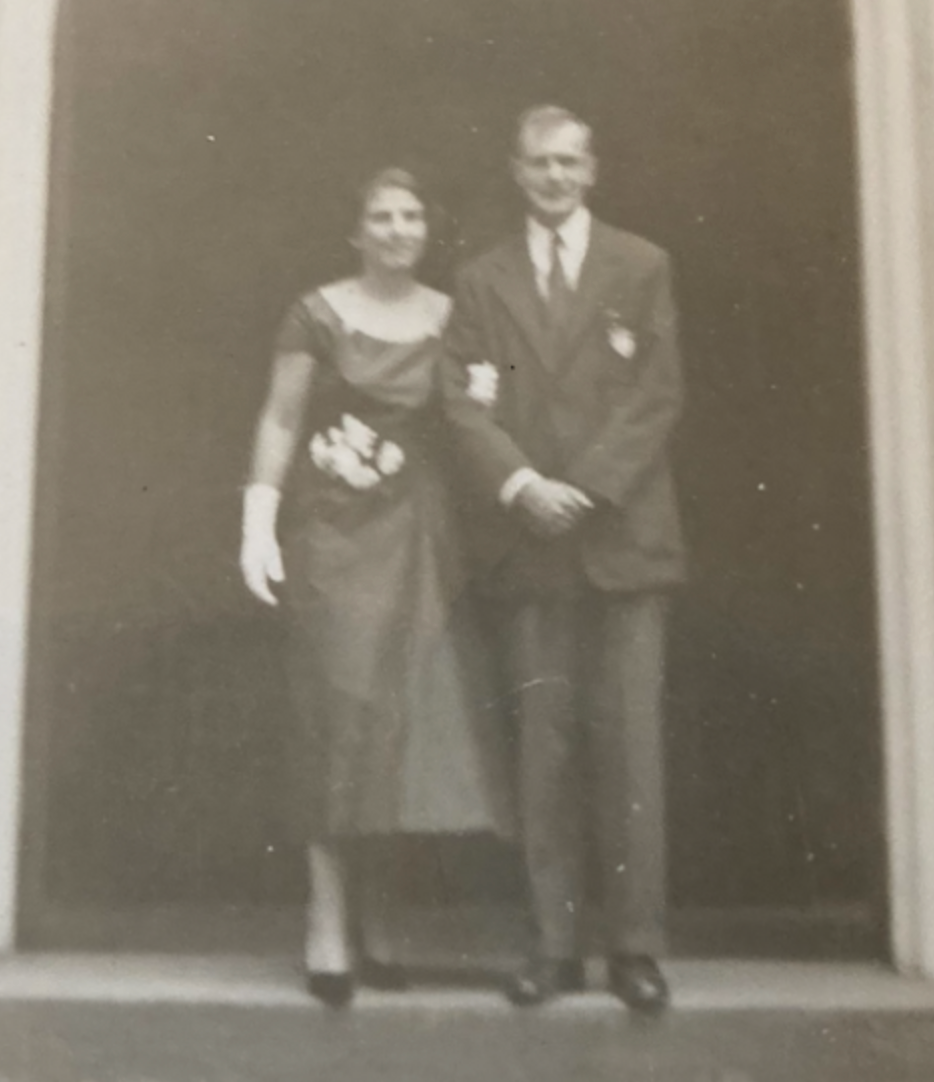
It is October again and time to toast our parents (tomorrow) on the anniversary of their marriage in 1950. I am grateful that they had it together enough to have three children in those post-war years and to stay together to raise them. It is more than a lot of people have, especially these days.
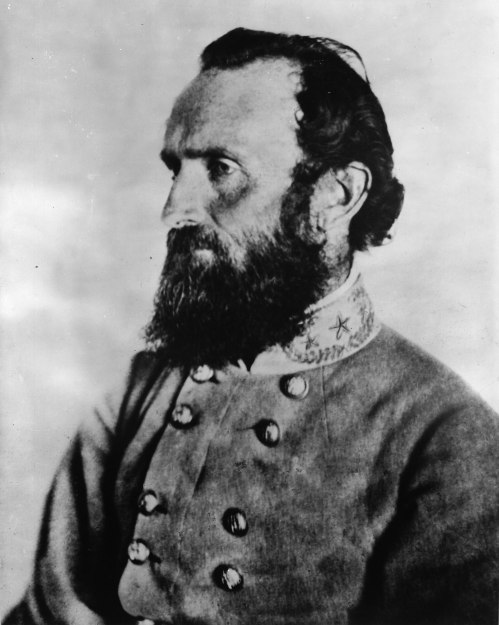
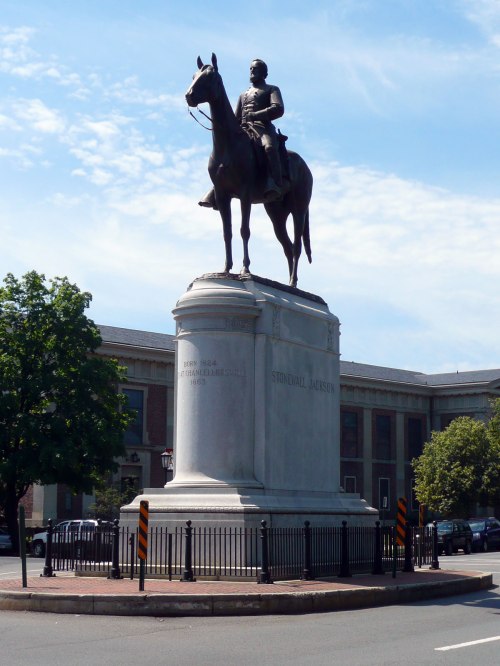
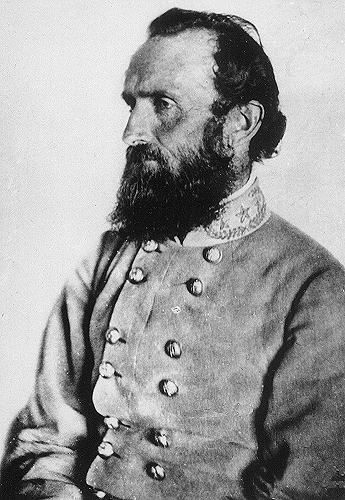
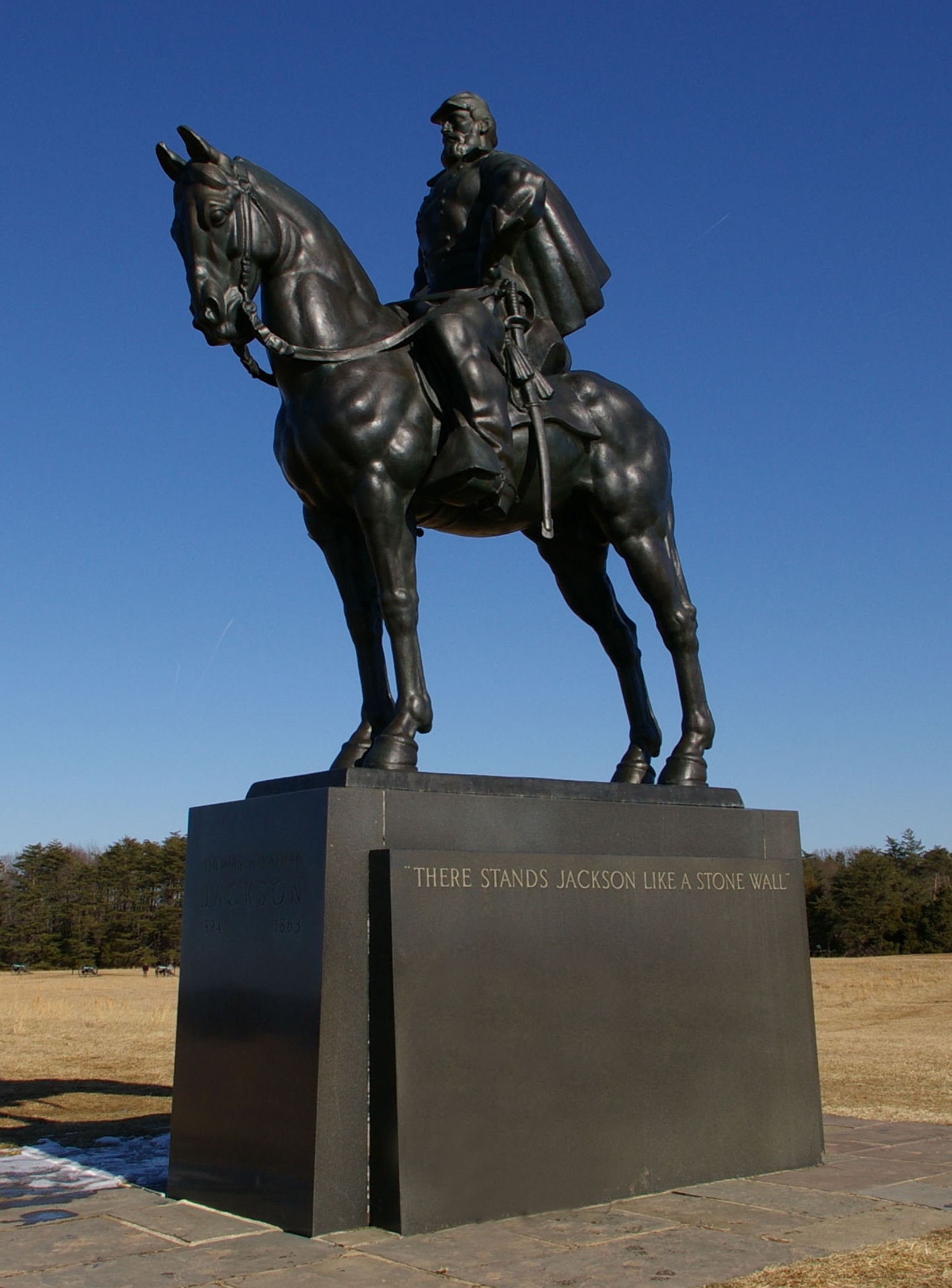
I finished S.C. Gwynne’s great book “Rebel Yell” about Stonewall Jackson. Although I am no fan of the Confederacy, I always admired Jackson a great deal.

It was a terrible thing for the South when he died in 1863; but the whole country mourned his death. It is interesting to note how many strong men were moved to tears, openly sobbing in some cases, from the lowliest soldier to Robert E. Lee. Like U.S. Grant, he was not much of a success before the war. He was an unpopular professor at VMI and only came into his own when commanding men on the battlefield. When he did, he did so with a vengeance. He was a devout Christian, a Presbyterian, who believed completely in God’s providence. He knew that whatever happened, it happened because God willed it. This made him extremely courageous. He died knowing where he was bound.
Gwynne writes: “The most famous Northern view of Jackson came from the celebrated poet John Greenleaf Whittier, whose poem ‘Barbara Frietchie,’ published in 1864, became a national sensation. It described an almost entirely mythological incident from September 1862, when Jackson’s troops were passing through Frederick, Maryland, on their way to the battles of Harpers Ferry and Antietam. As Whittier told it, after Jackson’s troops had taken down all the American flags, the elderly Frietchie had retrieved one and flown it from her attic window. Seeing it, Jackson ordered his men to shoot it down, but Frietchie caught it as it fell and held it forth, crying, ‘Shoot, if you must, this old gray head/But spare your country’s flag.’ Jackson’s reaction followed:
A shade of sadness, a blush of shame,
Over the face of the leader came;
The nobler nature within him stirred
To life at that woman’s deed and word:
“Who touches a hair of yon gray head
Dies like a dog! March on!” he said.
All day long through Frederick street
Sounded the tread of marching feet:
All day long that free flag tost
Over the heads of the rebel host.
Ever its torn folds rose and fell
On the loyal winds that loved it well;
And through the hill-gaps sunset light
Shone over it with a warm good-night.
“None of this ever happened. But to the Northern nation–the wartime nation–the incident was as good as documented fact. What it said to them was that Jackson was a gentleman and a Christian and a decent person in spite of his role in killing and maiming tens of thousands of their young men. But it also said that he was, fundamentally, an American. It was his Americanness that had ‘stirred’ in him and redeemed him.”
Americans today have a hard time understanding that an enemy can be a good person, a noble person. And that being an American is a great thing.
We were sad to hear that beautiful Loretta Lynn had passed away at age ninety but we rejoice in her long, eventful life.

Loretta was the real deal who wrote songs about real people and how they felt about real things. She was a hillbilly and proud of it. This is a good article about her.
And here is a classic Loretta song, which she wrote in 1966:
Into paradise may the angels lead thee, Loretta, and at thy coming may the martyrs receive thee, and bring thee into the holy city Jerusalem. (BCP, Burial of the Dead)
And let’s not forget all those devastated people in Florida. “God is our helper who’s always with us in times of trouble. Trouble comes and goes. Hurricanes pass. But our helper never changes or leaves us. Even when our future is uncertain and our lives have been completely overturned, we know these things about God. He is almighty; he is eternal; and he loves us.”

*General Jackson’s last words.



 dual personalities