A bad day at work is better than a good day in hell
by chuckofish
The weekend promises to be busy, what with two sons home and much to-ing and fro-ing going on. All the activity seems fitting for Labor Day weekend, although the DH and I won’t get Monday off. Still, hard work is worth celebrating, even if Labor Day has been co-opted by retail and politicized. Let’s just get down to the basics. As someone facing work-place struggles, here are a few things I wish my co-workers would remember.
- The value of working hard toward a goal depends on the goal. We’d all do well to remember that there’s a difference between working to make money or get ahead and working to improve your knowledge and character, or your family’s prospects.
- Remember that your co-workers are working hard, too, and their goals might just be more noble than yours. In other words, do not run roughshod over other people in order to get what you want.
- All work and no play really does make everyone dull and boring. Get a life, but keep it balanced.
- When we work hard, we find out what we can do, and we discover inner strength and character. Laziness just makes us dumb and fat. Pull your weight at work.
- Although effort is inherently noble, hard work does not always pay off — at least not in money, recognition, promotions, or good grades. But at least we end up with the satisfaction of knowing we tried.
Take a moment this Labor Day to think about why you work and what you hope to accomplish. If your answer is that you don’t know and have no goals, then it’s time to figure that out. Cowboy up!
My Labor Day movie recommendation is John Ford’s How Green Was My Valley (1941) about the struggles of a family of Welsh miners. Be sure to watch with Kleenex at the ready.
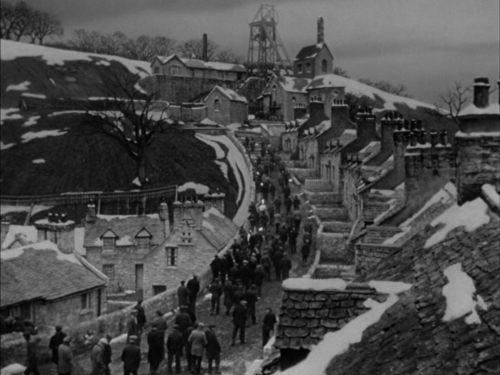
Have a wonderful weekend and remember this:
“Neither happiness nor respect are worth anything, because unless both are coming from the truest motives, they are simply deceits. A successful man earns the respect of the world never mind what is the state of his mind, or his manner of earning. So what is the good of such respect, and how happy will such a man be in himself? And if he is what passes for happy, such a state is lower than the self-content of the meanest animal.” Richard Llewellyn, How Green was my Valley
 dual personalities