dual personalities

Tag: Resolutions

Resolved

by chuckofish

Question 1
What is the chief end of man?
Man’ s chief end is to glorify God, (1 Cor. 10:31Rom. 11:36) and to enjoy him for ever. (Ps. 73:25–28)

(Westminster Shorter Catechism)

Every January, in addition to catching up with the Westminster Shorter Catechism, I like to read through the Resolutions of Jonathan Edwards.

Resolved, that I will do whatsoever I think to be most to God’s glory, and my own good, profit and pleasure, in the whole of my duration, without any consideration of the time, whether now, or never so many myriad’s of ages hence. Resolved to do whatever I think to be my duty and most for the good and advantage of mankind in general. Resolved to do this, whatever difficulties I meet with, how many and how great soever.

There are a 70 of them. You can read them here. They are worth reading!
All shall be well

by chuckofish

Screen Shot 2019-01-02 at 2.27.12 PM.png

“For last year’s words belong to last year’s language
And next year’s words await another voice.
And to make an end is to make a beginning.”

― T.S. Eliot, Little Gidding

I do not as a rule make resolutions. However, this year I do resolve to read through the Bible. I am also going to commit to memorizing bible verses. I think this will be good for my flagging memory. My brain needs the exercise.

Remember resolution #28 of Jonathan Edwards’s list of resolutions:

28. Resolved, to study the Scriptures so steadily, constantly and frequently, as that I may find, and plainly perceive myself to grow in the knowledge of the same.

In case you have misplaced your copy of the aforementioned list of resolutions, here it is.

Alain de Botton is correct when he writes, “It is one of the unexpected disasters of the modern age that our new unparalleled access to information has come at the price of our capacity to concentrate on anything much. The deep, immersive thinking which produced many of civilization’s most important achievements has come under unprecedented assault. We are almost never far from a machine that guarantees us a mesmerizing and libidinous escape from reality. The feelings and thoughts which we have omitted to experience while looking at our screens are left to find their revenge in involuntary twitches and our ever-decreasing ability to fall asleep when we should.” (Religion for Atheists: A Non-Believer’s Guide to the Uses of Religion)

I am going to fight that this year. 

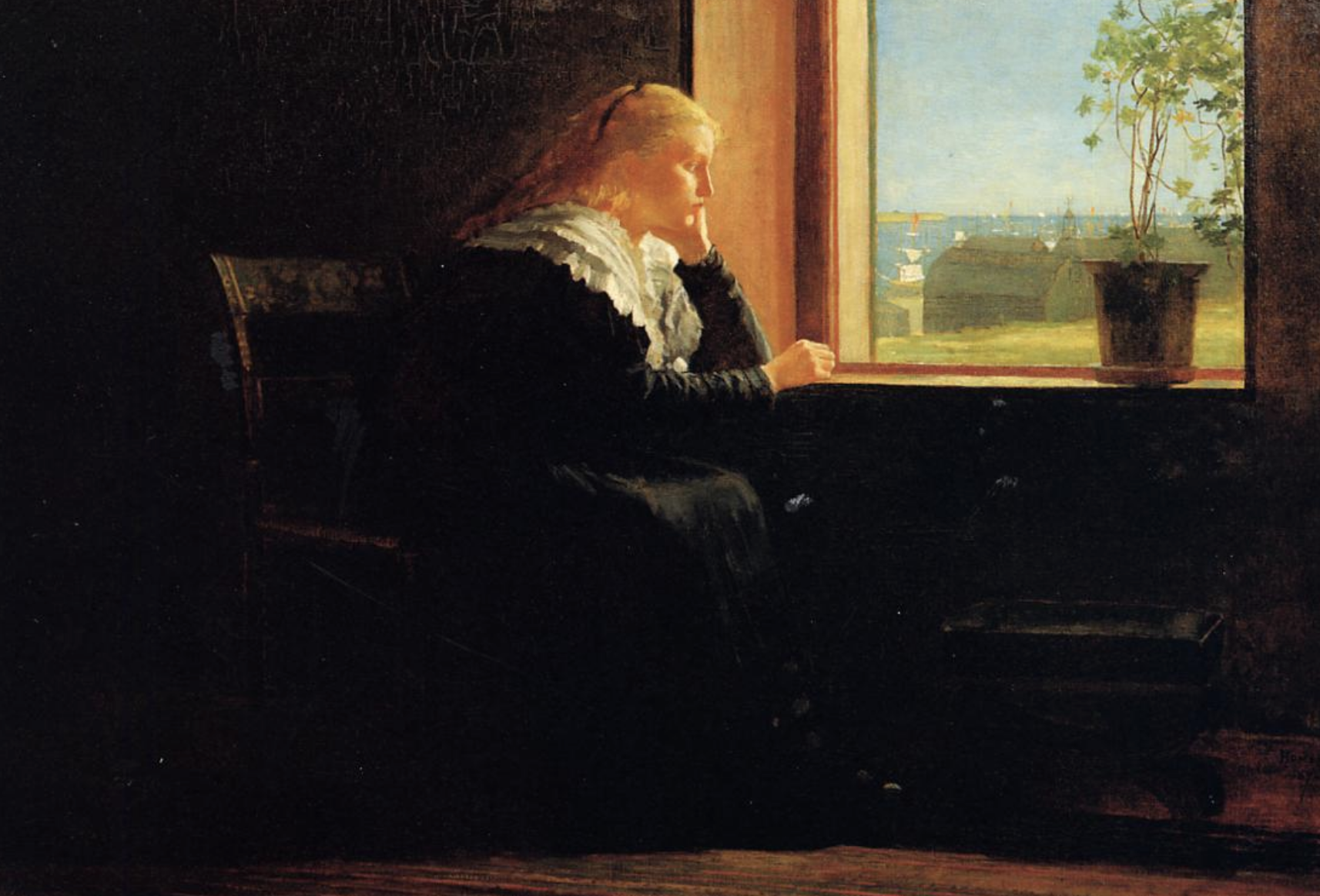
The painting is “Looking at the Sea” by Winslow Homer

Hope smiles from the threshold of the year to come*

by chuckofish

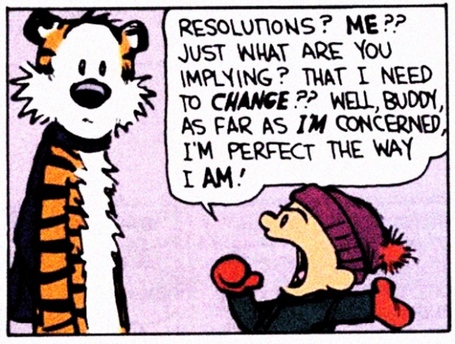
calvin-hobbes-new-years-resolutions

The blogosphere, as you can imagine, is all about new year’s resolutions right now. Lists of resolutions: lose weight, quit smoking, save money, get fit, drink less, manage stress. You get the picture. Well, no thanks. January, I will admit, is a good month to get one’s closets in order, to edit one’s stuff, to clean house. But so is every month. You gotta keep up with these things or you can be buried alive.

That goes for a lot of things. 

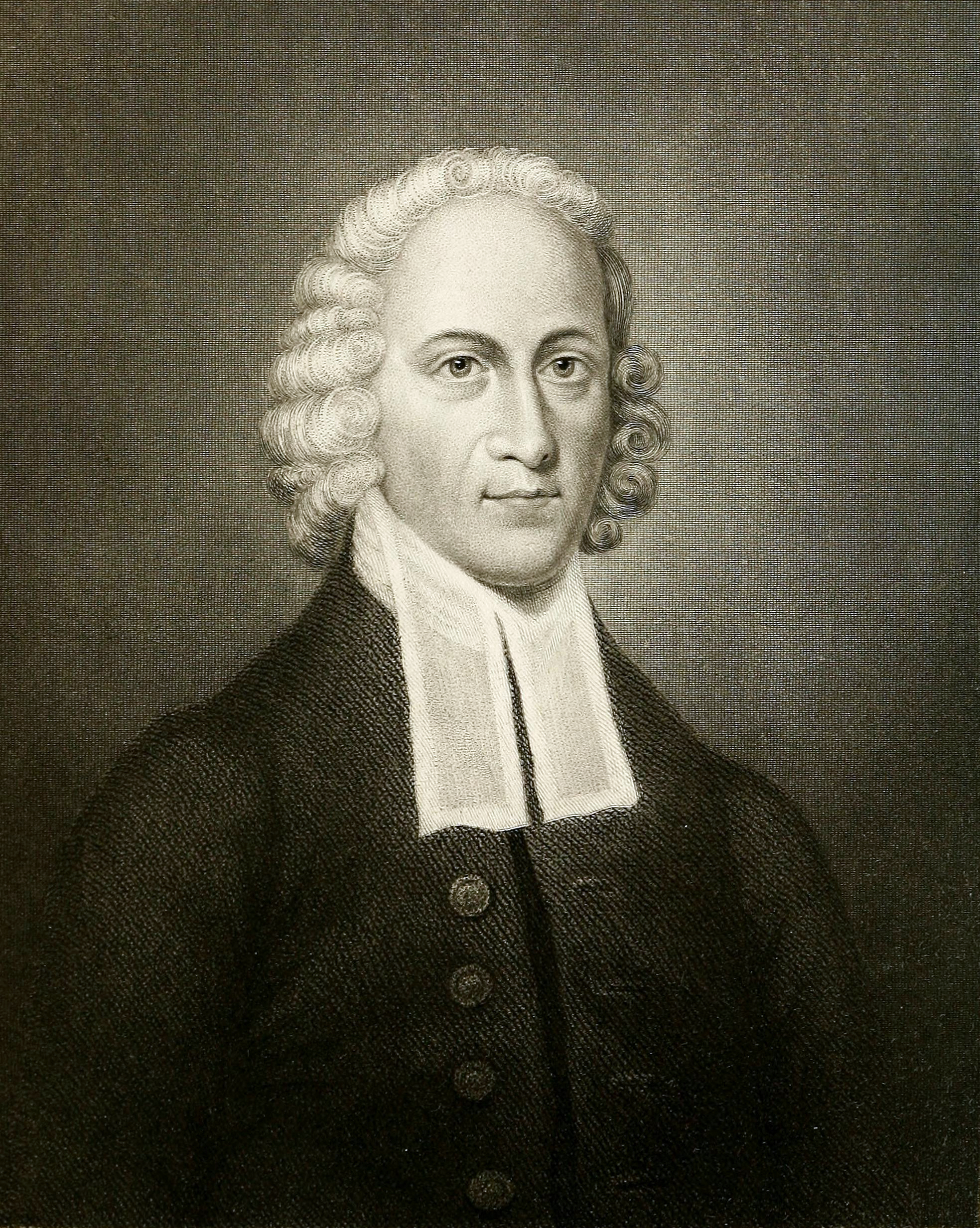
When it comes to New Years Resolutions, we can do better. I suggest we read the Resolutions of Jonathan Edwards– all 70 of them.

According to the Jonathan Edwards Center at Yale, the Resolutions were Edwards’ guidelines for self-examination. Puritans set great store by biblical injunctions to submit themselves to divine searching and to monitor their motives and actions. On a community level, congregations were exhorted to practice introspection as a duty of great consequence.

Edwards lays out the Resolutions in a matter-of-fact style, treating them much like scientific principles. Of the seventy resolutions, the first one dated, No. 35, was written on December 18, 1722, when the Diary begins. The last, No. 70, was composed on August 17, 1723.

Jonathan_Edwards_engraving

Let’s resolve to be more self-examining. We can do better.

“There are always two sides to every story, and it is generally wise, and safe, and charitable, to take the best; and yet there is probably no one way in which persons are so liable to be wrong, as in presuming the worst is true, and in forming and expressing their judgement of others, and of their actions, without waiting till all the truth is known.”
― Jonathan Edwards, Charity & Its Fruits

*Alfred Tennyson