dual personalities

Tag: reading

This and that

by chuckofish
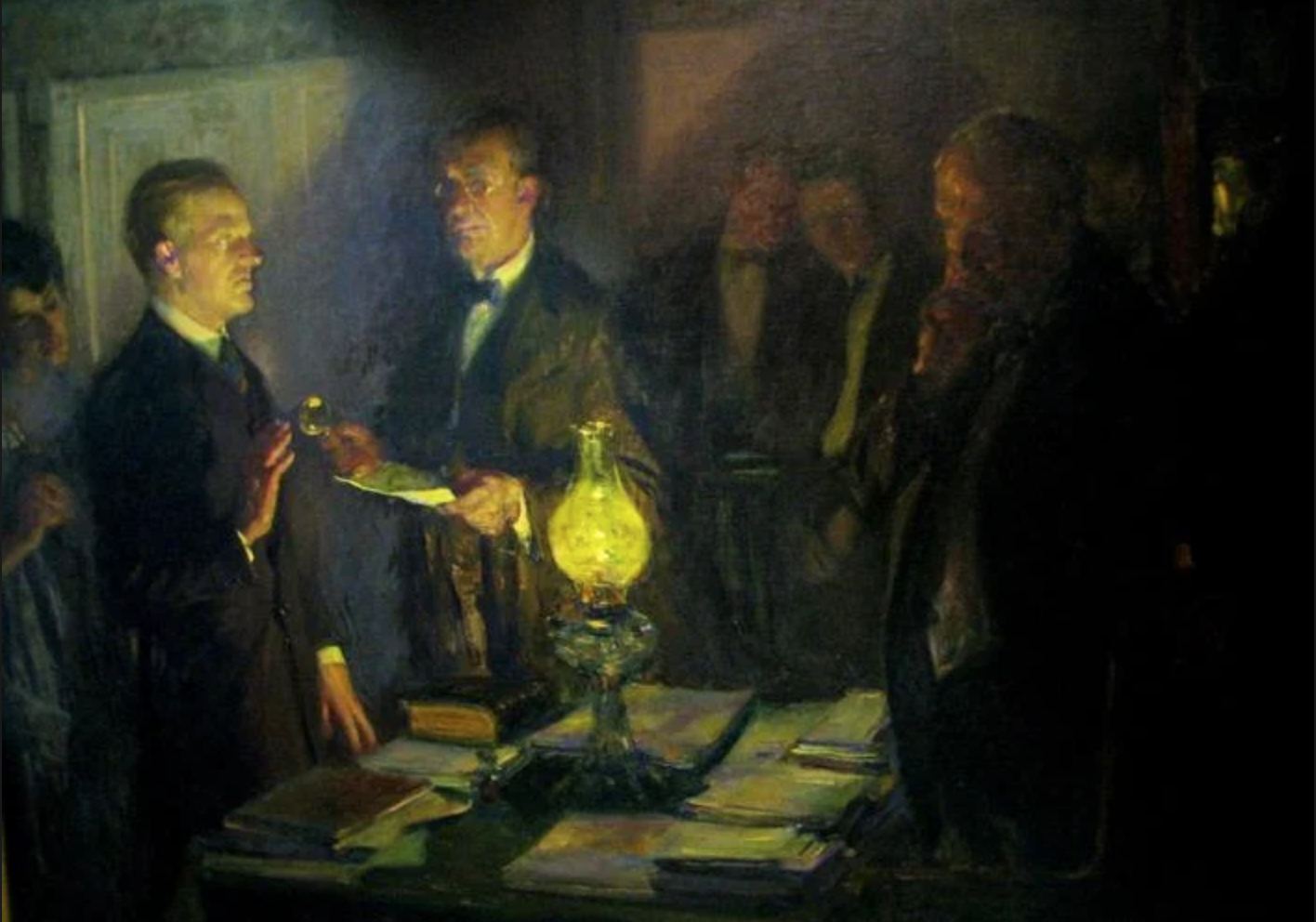
On August 2nd, 1923–100 years ago–Vice President Calvin Coolidge and his wife Grace were on vacation at Coolidge’s family farm near Plymouth Notch, Vermont in the Green Mountains.

The farm house had no electricity and a phone that only occasionally worked. The couple went to bed early, but a little before midnight, they were awakened by a loud knock at the front door. A moment later, Coolidge’s father called up to Calvin to come down. President Warren Harding was dead.

Coolidge got dressed. He prayed with his wife. And in the early morning hours of August 3rd, he was sworn into office by his father John Calvin Coolidge Sr. who was a Vermont notary public and justice of the peace. By the light of a kerosene lamp, Calvin Coolidge became the 30th President of the United States. Since it was 2:47 in the morning, President Coolidge went back to bed.

With the 1924 election just around the corner, many expected Coolidge to be a lame duck President, but on his train ride back to Washington he began immediately to plan how to build upon Harding’s most important policies. His first order of business…limiting the government itself.

We could use old Silent Cal these days, don’t you think?

Well, it is August now and we are well into the Dog Days of Summer. We are finally getting out of town tomorrow–heading to Saratoga, NY to attend the wedding of my nephew Tim and Abbie.

We are very much looking forward to the festivities and to seeing our DP and her family, but the air travel will no doubt be arduous. Please pray for travel mercies for the OM and me, the boy, daughter #1, and daughter #2 and her petite famille.

In the meantime, here are some good links to worthwhile things:

August on TCM is Summer Under the Stars month with a different star celebrated every day. At first glance it’s not a great selection, but there are some good days in there!

This is the Introduction to the graphic novel, The Grand Inquisitor, but it serves as an excellent overview of Dostoyevsky’s The Brothers Karamazov. This novel is very relevant today in view of our culture’s desire to find technological/scientific solutions to the problem of Evil. “This way of thinking appalled Dostoyevsky. With his profound grasp of psychology, he regarded the materialists’ view of human nature as hopelessly simplistic. Deeply suspicious of what intellectuals would do if they ever gained the power they sought, he described in greater detail than any other nineteenth-century thinker what we have come to call totalitarianism. Even in its less terrifying forms, rule by supposedly benevolent experts was, he thought, more dangerous than people understood.”

Also, I read recently that the New York Times is disbanding its sports department. Oh really? If our local paper got rid of its sports department, there would be (literally) nothing left to read. Another nail in the coffin of print journalism I guess.

We are looking forward to a guest post from DN on Friday, so stay tuned!

The painting is “The Swearing In of Calvin Coolidge by His Father” by Arthur I. Keller, 1923.

Meanwhile back at the ranch

by chuckofish

We have had more storms and more storms. What started out as a very dry spring, has turned into a very wet summer. Our Florida Room has flooded several times now, but hopefully we have that figured out. Fingers crossed. It has also been a particularly windy year all around. This is beginning to be a familiar sight:

(KMOV photo of damage in Ferguson, MO)

God is our refuge and strength,
A very present help in trouble.
Therefore we will not fear,
Even though the earth be removed,
And though the mountains be carried into the midst of the sea;
Though its waters roar and be troubled,
Though the mountains shake with its swelling. Selah (Psalm 46: 1-3)

Meanwhile I am working on getting everything ready to send off to the printer for the next KHS Review. Life goes on between outbursts of bad weather.

This seems really obvious to me, but clearly it is not. “Reading doesn’t begin as an activity your child does by himself. It begins with fathers and mothers. It begins with us reading aloud. We increase our kid’s appetite by narrating books that they enjoy and understand. These books are not the books you would choose to read in your alone time, but that doesn’t mean you can’t enjoy them together.”

I like stories like this about real people.

And seriously this video made me cry! I agree with the Bee: Thank you for being a man, sir!

So hang in there with me. Glorify God and enjoy Him forever.

What are you reading?

by chuckofish

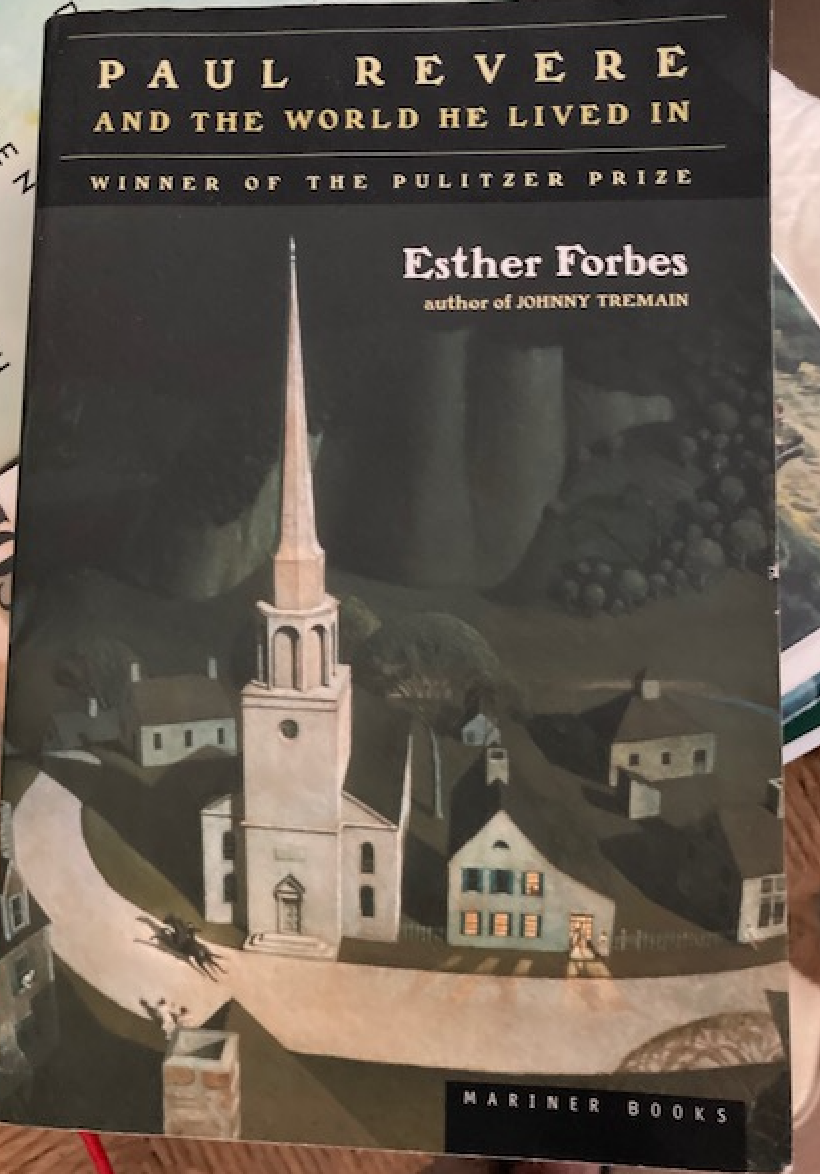
Recently I was reading about Esther Forbes (June 28, 1891 – August 12, 1967), the American novelist and historian. She wrote a number of historical novels, but she is mostly remembered for writing the Newbery Medal winner Johnny Tremain, published in 1943. She also won the Pulitzer Prize for history in 1942 for Paul Revere and the World He Lived In.

My grandmother, Mira Sargent, was about the same age as Esther and they grew up in the same social circle in Worcester, Massachusetts. Both were descendants of old Colonial families with roots in the seventeenth century. Esther attended Bancroft and Mira went to Miss Hall’s School in Pittsfield. Their paths continued to cross throughout their lives–in New York City, Boston and back in Worcester. My father always said they were friends but who knows.

Anyway, I decided to read Paul Revere and the World He Lived In, although my expectations were low, having read other books by mid-century female authors of this ilk. How wrong I was! From the first paragraph I was engaged:

There had been week upon week of the cold grey fury of the North Atlantic, for it was mid-winter when the little refugee, Apollos Rivoire, made his crossing. At such a season only the hardiest of passengers ventured much above deck. Bunks were dank, bread wormy, beef tainted, and many of these small sailing ships never made port, but at least the Atlantic was crossed in great company. God brooded upon the face of these waters. His hand parted the mountainous waves. He upheld the ship. Even if one drowned, it was the Providence of God. Apollos did not drown. He entered Massachusetts Bay late in 1715 or early 1716.

Apollos Rivoire was the father of Paul Revere. He came to Massachusetts as a 13-year old Huguenot refugee, fleeing persecution in France. His family owned great vineyards, but they saw no future for him in France, so he was sent to America as an indentured servant who was apprenticed to learn the silversmith trade. I did not know that! As usual, there is a lot I do not know, but this book is filling in the blanks in a delightfully readable manner.

So read an old book; learn something new!

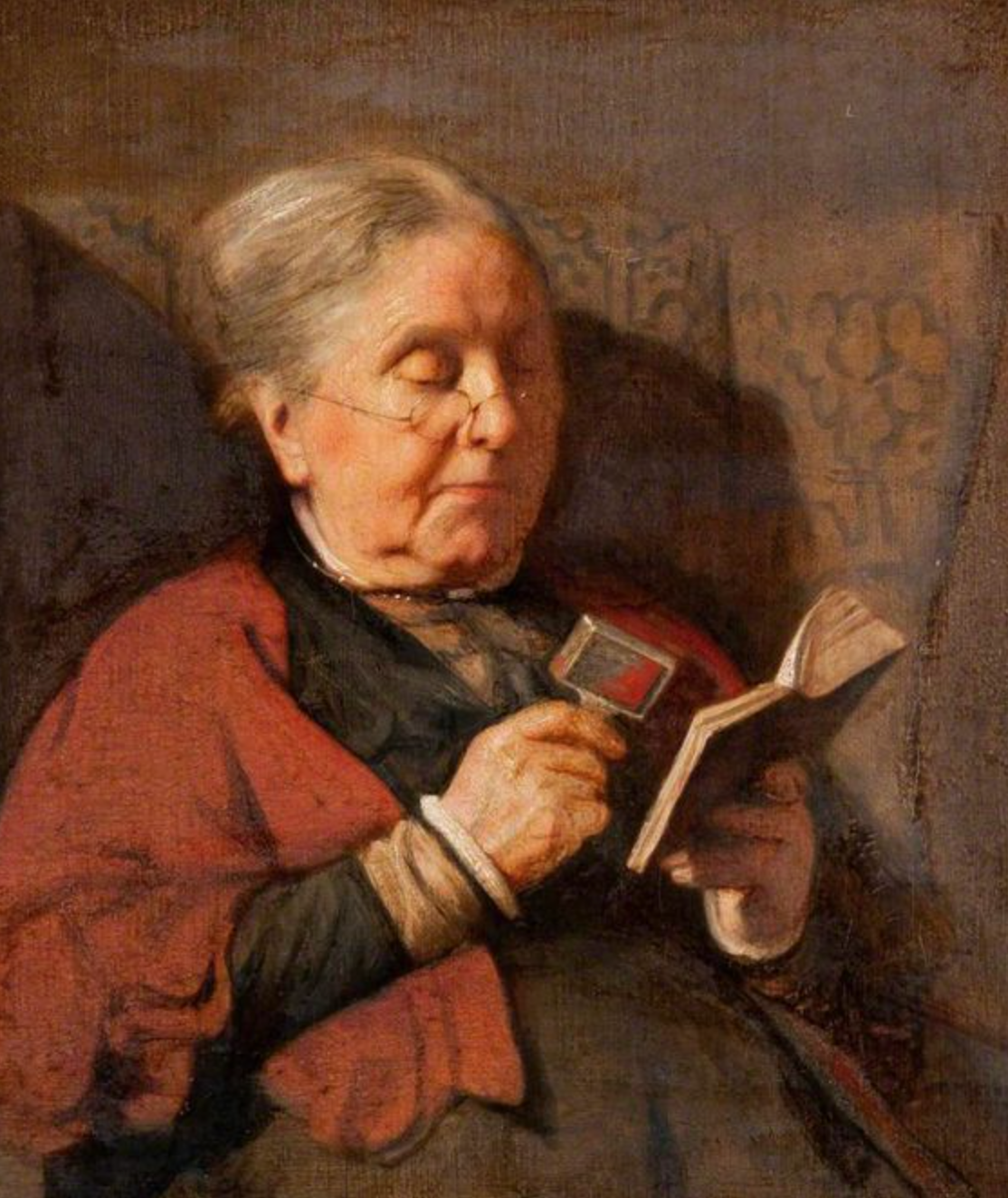
The painting at the top is by Albert Anker (1831-1910)

What are you reading?

by chuckofish

As I mentioned earlier I have been reading books written by D.E. Stevenson and enjoying them immensely. The three I read take place after WWII in rural Scotland. Life is hard what with rationing and no one having much money, but people get along. There is a sophistication in these books which is lacking in contemporary fiction that I appreciate. The characters are educated and actually know things. They have read their Bibles as well. The lower class folk are not put down for their ignorance, but appreciated for what they do know. Everyone has a work ethic.

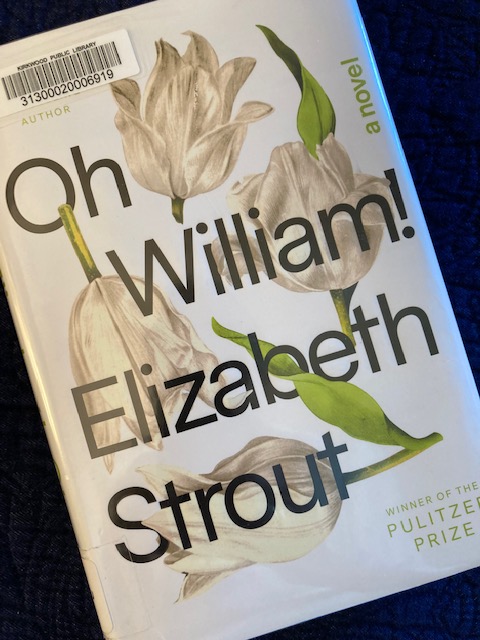
Anyway, I decided that I should not just go on ordering new books from Amazon, although I wanted to keep reading, so I went to our public library and got a library card! I had torn mine up 25 years ago in disgust over some triviality, but I swallowed my pride and went back. They, of course, have to order the Stevenson books through inter-library loan, so I still don’t have one. 🙄 But I did peruse the fiction section and took out Elizabeth Strout’s Oh, William!, which daughter #2 wrote about a few weeks ago. It won the Pulitzer Prize (!) and I liked some of her early books, so I thought I would give it a whirl.

I read it in two days–there is not much to it beyond a lot of navel-gazing. Oh, poor me, poor him, poor her. I am sympathetic to a point, but then I think, get over it. But they cannot because they are all self-obsessed. They believe in nothing and thus they understand nothing. God (only acknowledged in “Oh God!” hand-wringing moments) is a myth. In fact (spoiler alert) “we are all mythologies. We are all mysteries, is what I mean,” as Lucy, our protagonist, announces at the end of the book. And by the way, I hate that vernacular Lucy uses throughout–“…is what I mean.” But the author is patronizing in that way. It is her way of putting down the character for growing up in the midwest. Yeah, yeah, she cannot escape her past, we get it.

It is all very well to write a book and then announce that nothing is understandable and we are all mysteries, but that seems very facile and empty. But these people are empty vessels. So it’s back to D.E. Stevenson for me.

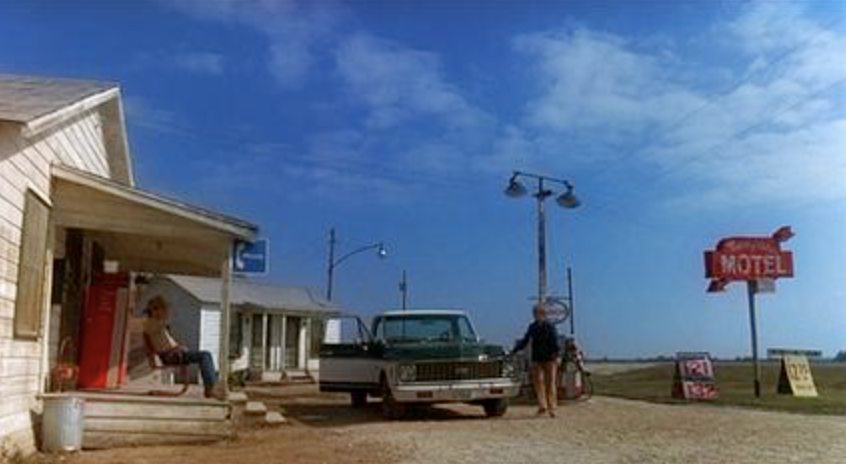
Interestingly, I watched a movie over the weekend that poses many of the same questions: Why do bad things happen to some people? Why do things work out for some people? I had not seen Tender Mercies (1983) since it first came out forty years ago. Robert Duvall won the Oscar for best actor for playing the washed up country singer and Horton Foote won the Oscar for best original screenplay.

Not much seems to happen in this movie, but really quite a lot happens. Mac (the alcoholic country singer) is near death at the beginning of the movie. His redemption and self-improvement run parallel with his conversion to Christianity and although many of the hard questions mentioned above are not overtly answered, the movie is not unsatisfying. Christians know that bad things will happen and that suffering is inevitable. But we can respond in faith to the tender mercies we have received. God is real, although He is mysterious. We can only understand ourselves in relation to Him. This is a good movie and I recommend it. (Available on Prime.)

Well, it is good to be reading actual books. So put down your phone, read a book, watch a good movie, praise God from whom all blessings flow, and enjoy your Tuesday.

“I gave you a book, you didn’t read it”*

by chuckofish

Well, I have hardly left the house all week and I am not complaining. Baby Ida is doing well, and how could she not with such a good big sister? I am not sure how much actual “help” I have been besides being another pair of hands to hold the baby and another lap for Katie to sit in, but we have managed quite well.

While here, I have been reacquainting myself with A.A. Milne’s Winnie the Pooh and am newly impressed. “For I am a bear of very little brain, and long words bother me.” But for a bear with very little brain, he has quite a varied and amusing inner monologue.

“Here is Edward Bear, coming downstairs now, bump, bump, bump, on the back of his head, behind Christopher Robin. It is, as far as he knows, the only way of coming downstairs, but sometimes he feels that there really is another way, if only he could stop bumping for a moment and think of it. And then he feels that perhaps there isn’t.”

Anyway, the stories are a pleasure to read, to yourself or out loud to a two-year-old.

I also love stories like this. It is what being an American is all about.

And, oh Dolly, you released a good new song on your 77th birthday last week! The apocalypse is coming…

And speaking of the apocalypse, Anne is on fire here. Yeehaw.

“How on earth can you say that the Bible is “central to our understanding,” though that is a tepid, if not actually fatuous, way of putting it, and then announce that there are many different possible conclusions for what it says about gender, relationships, and marriage?”

(The links in the first paragraph are also excellent.)

Have a good Monday. Read some A.A. Milne. Listen to some Dolly. Hold a baby. Ask yourself:

Do two walk together,
    unless they have agreed to meet?
Does a lion roar in the forest,
    when he has no prey?
Does a young lion cry out from his den,
    if he has taken nothing?
Does a bird fall in a snare on the earth,
    when there is no trap for it?
Does a snare spring up from the ground,
    when it has taken nothing?
Is a trumpet blown in a city,
    and the people are not afraid?
Does disaster come to a city,
    unless the Lord has done it?

–Amos 3:3-8

*Dolly Parton

This and that

by chuckofish

We have been enjoying the January Thaw here in flyover country. And I must say, it is nice not to have to bundle up every time the pup needs to walk around the yard looking for gross things to dig up and munch. (I hate to think what he has ingested, but I can’t be held responsible. He heeds not his Mamu’s sharp words.) This warm weather will, of course, not last. The daffodils and iris and lilies etc seem to think otherwise.

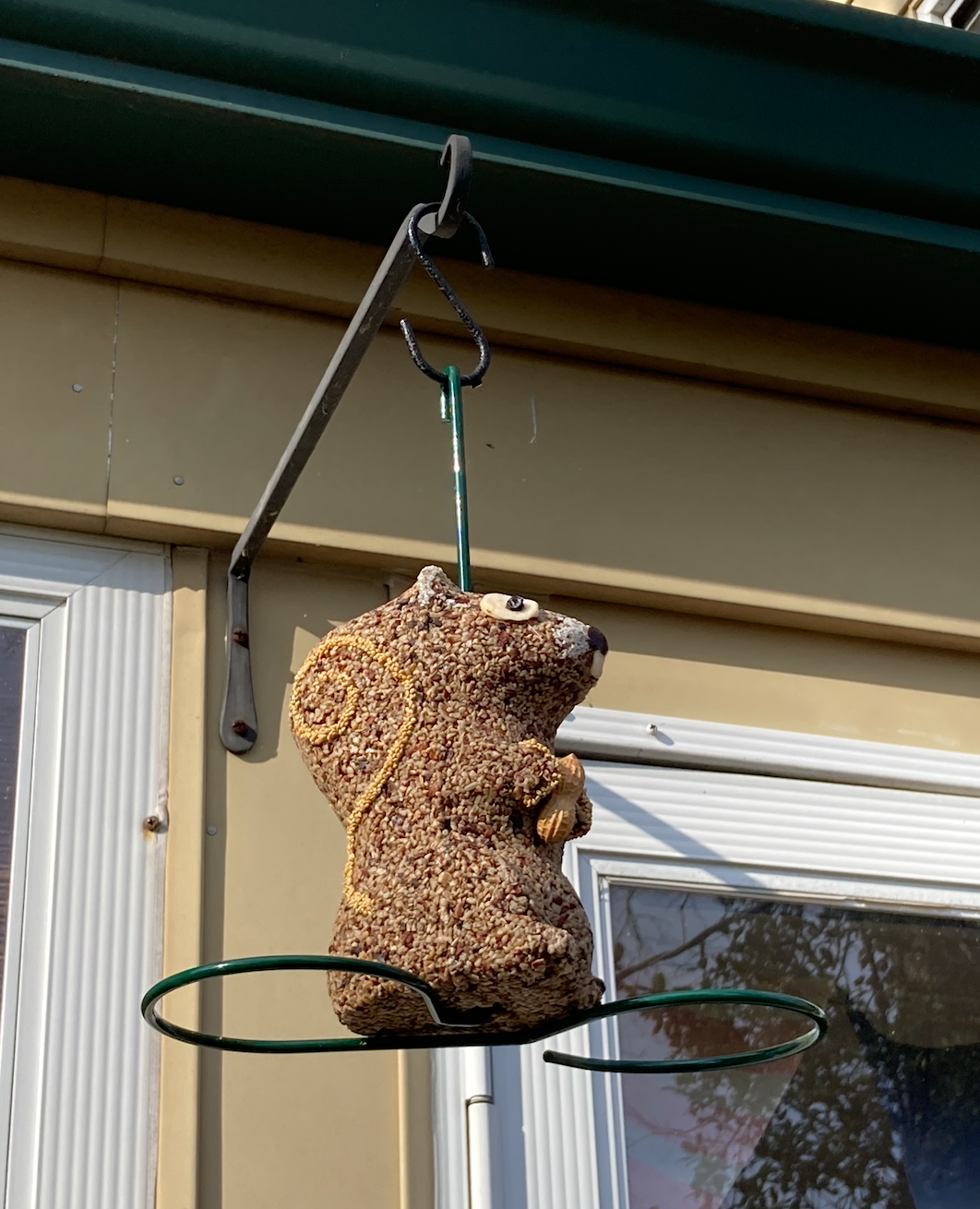
In other news, I put up this bird feeder which was a Christmas gift from a BFF…

I can’t wait to see which birds find it!

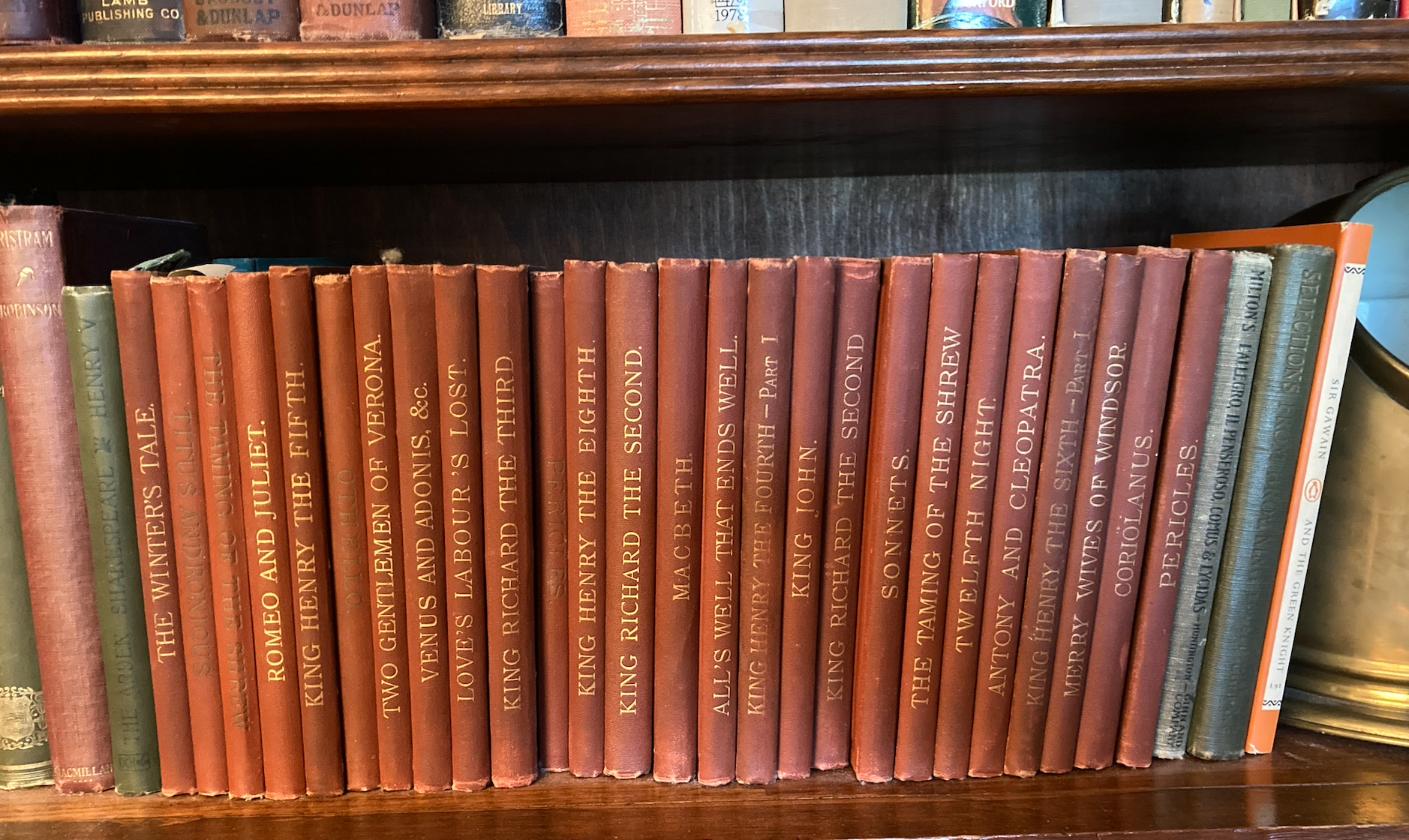
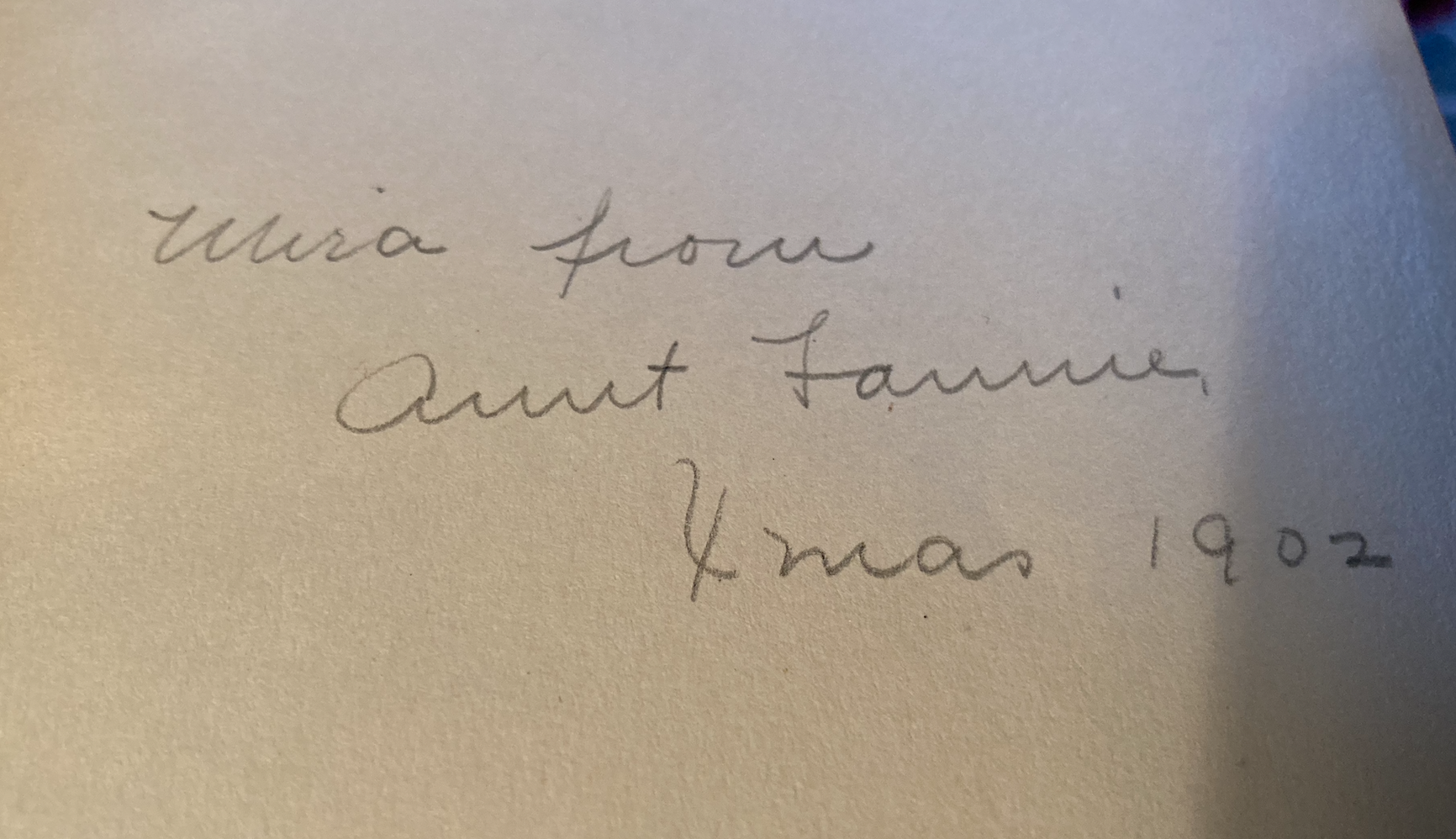
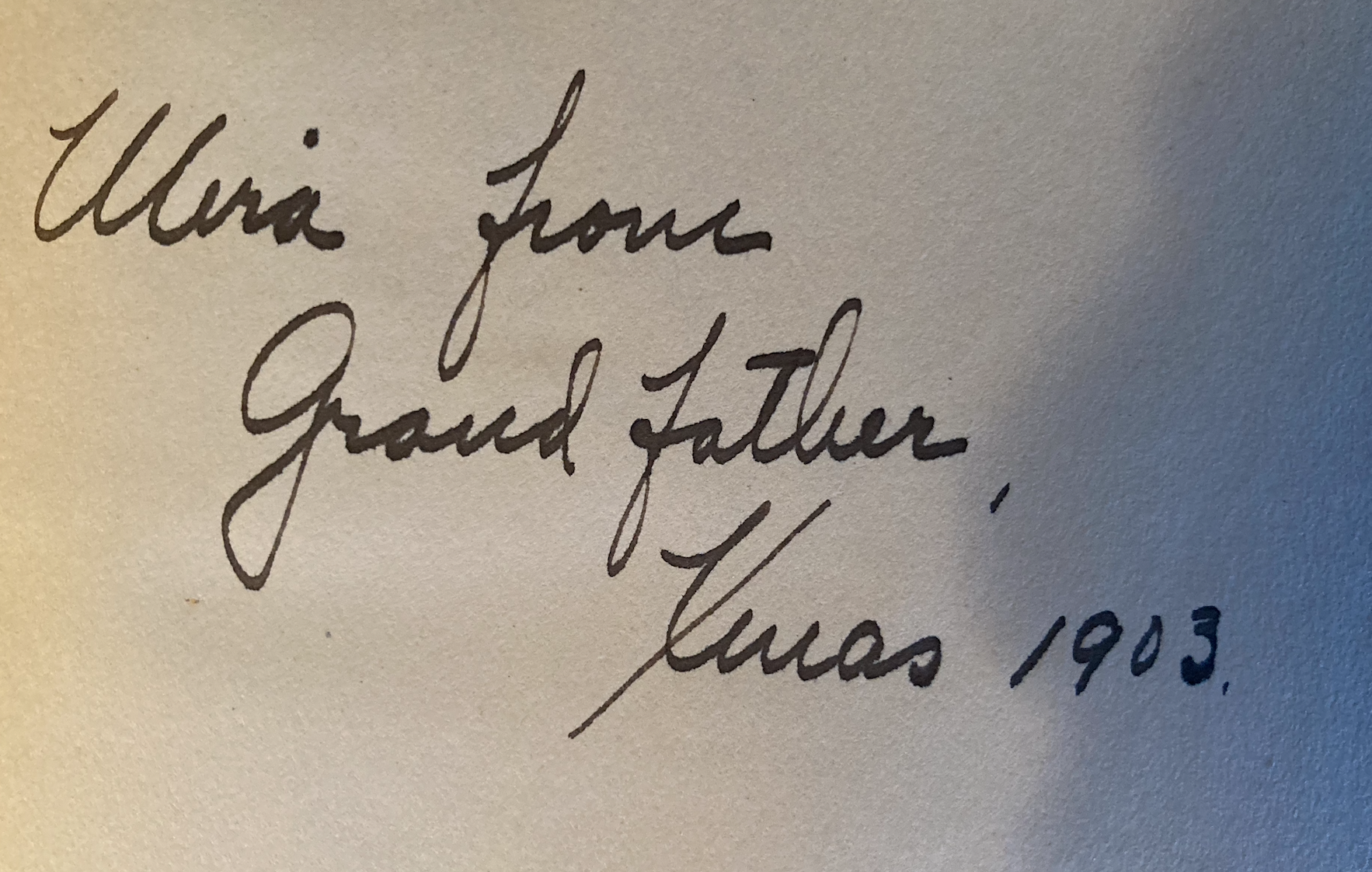
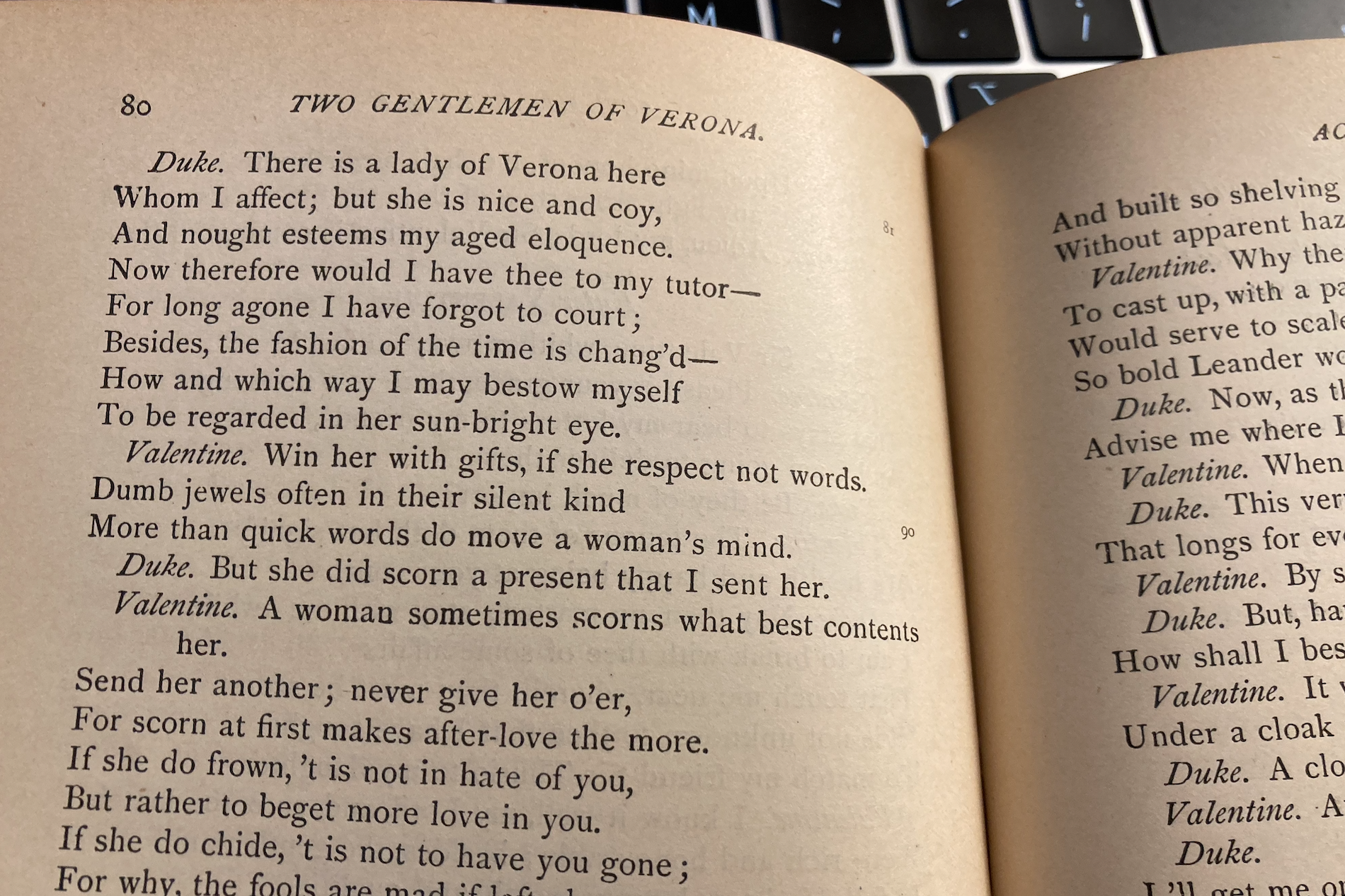
Last week I mentioned that someone had suggested I read the entire Shakespeare canon since I had completed reading the Bible. Since I own an (incomplete) set of Shakespeare that belonged to my grandmother, I may dive in. Mira, it seems, was given a new play for birthdays and Christmas when she was a teenager.

I mean, why the heck not? (But who was Aunt Fannie?)

I just found out that our Women’s Bible Study group will be studying the book of Daniel this spring and I am happy we will be back in the Old Testament. I am glad I spent so much time last year reading Leviticus–twice! Here’s a great explanation of why that is so. “Our own age of diversity echoes the fickle relativity of the ancient gods.”

However, just like ancient Israel, believers now don’t have to live at the mercy of the fickle gods. We have God’s Law and his gospel, wondrously clear and accessible. It proved to be a solid rock in the churning sea of ancient polytheism. It is just as stable of a rock in the contemporary sea of progressive culture and globalization.

And Tim Challies really nails delineating what he wants in a church here: “The cure that these church leaders propose is actually indistinguishable from the disease. The cure they propose for this illness is to administer more of the illness! They are treating cancer with cancer, infection with infection, radiation poisoning with even greater doses of radiation.” Amen, brother.

Raise your hand if you think Stetson Bennett IV , the Georgia QB, is awesome. Okay, I am a sucker for a good (Christian) sports story. “Bennett III was asked how his son was able to reach his ultimate goal of playing at Georgia. ‘Everyone that asks that question,’ he said. ‘I tell ’em two things: One, how good the Lord is. And two, just the fact that he never gave up. I’ve told him his entire life that he can do anything in the world that he wants to do, but he can’t just want it, you got to go to work. That’s what he did.’”

But, what ho, Two Gentlemen of Verona calls…”Commend thy grievance to my holy prayers…” Have a good day!

What are you reading?

by chuckofish

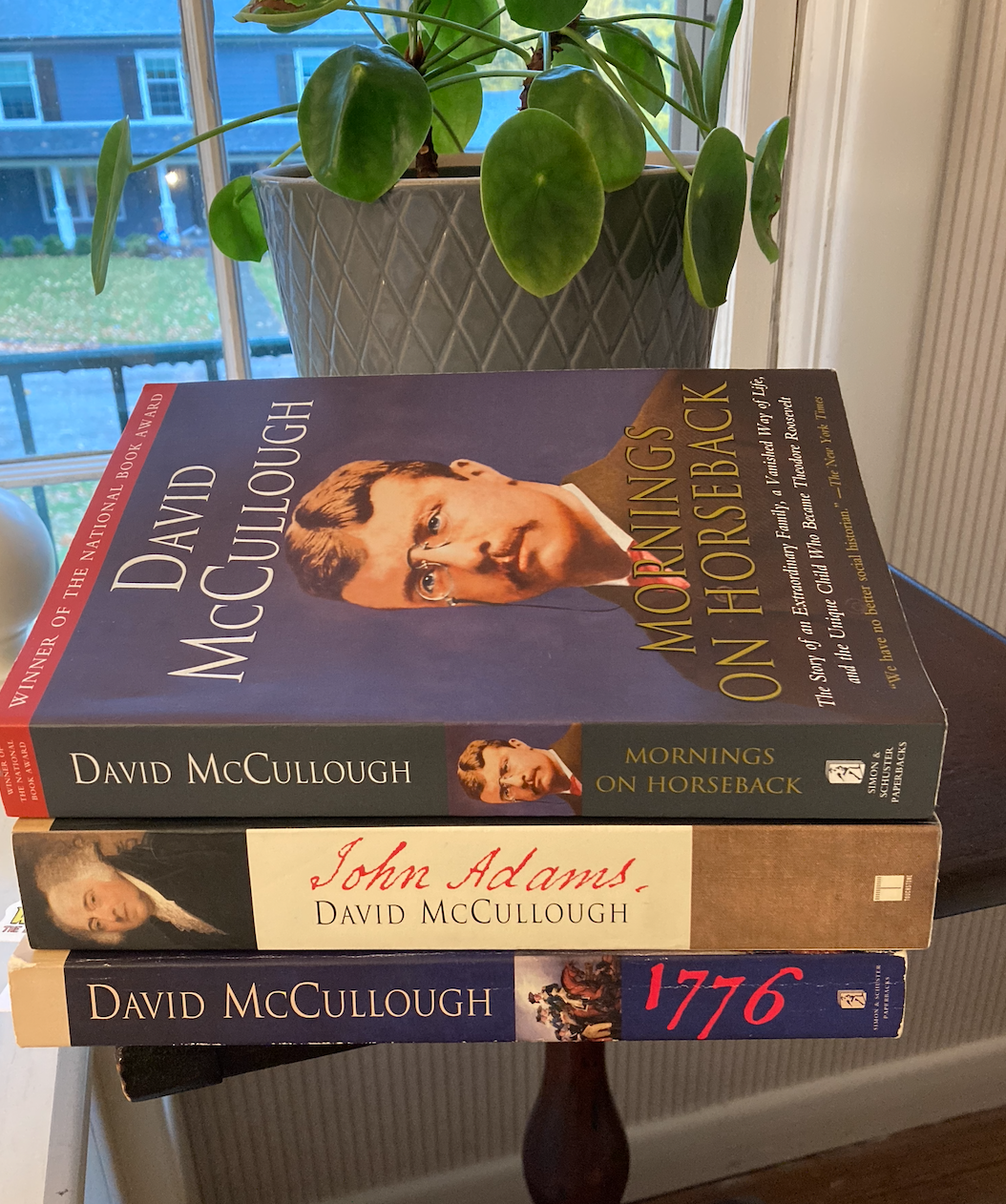
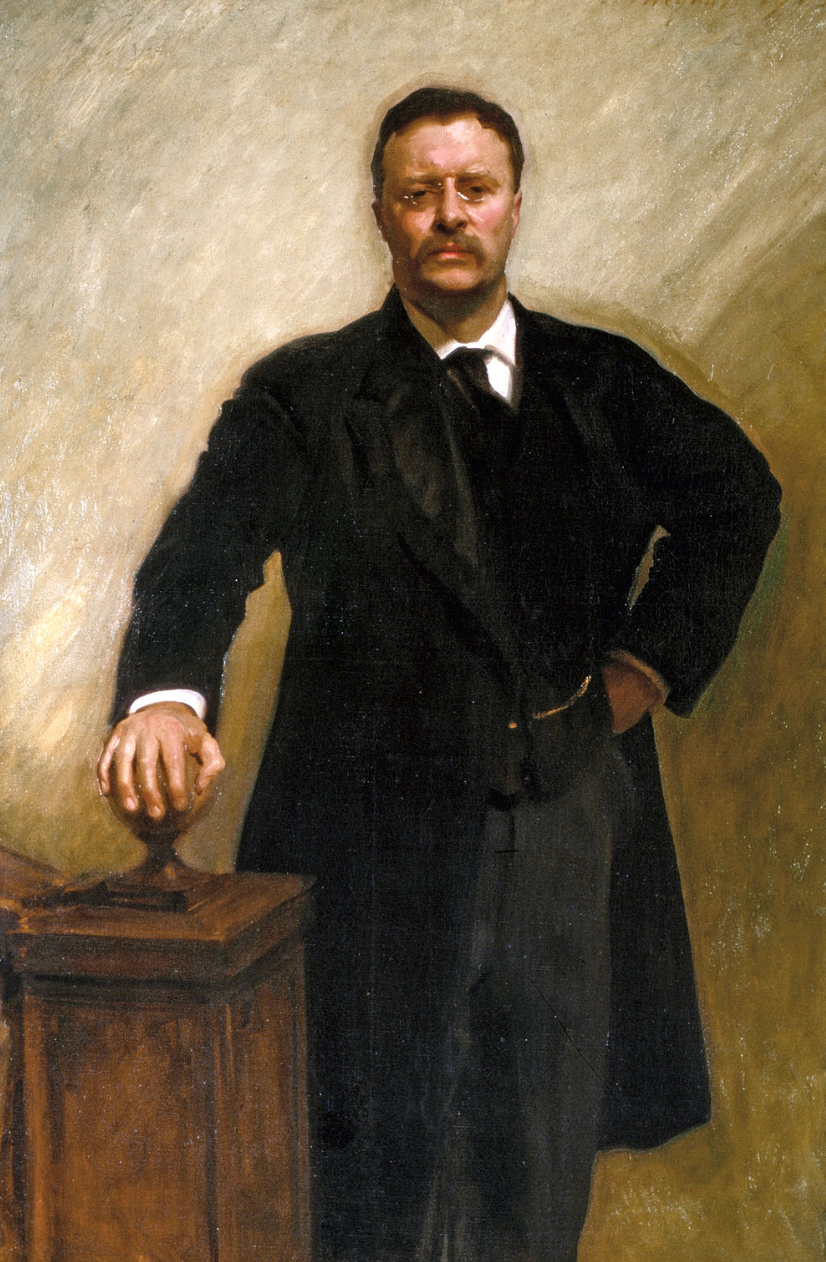
Currently I am reading David McCullough’s book about Theodore Roosevelt’s early years. TR has always been a favorite of mine, but I am learning a lot about his wonderful family. It is fascinating to see how his childhood made the man. As I’ve said before, McCullough understands context and presents history as it happened and not in relation to what is happening today. Today, by the way, is the great man’s birthday, so let’s all toast him tonight.

I am, of course, continuing with my Bible reading and have caught up after falling a wee bit behind while traveling last weekend. Tell me, are not these verses from Psalm 119 relevant to today?

33 Teach me, O Lord, the way of Your statutes,
And I shall keep it to the end.
34 Give me understanding, and I shall keep Your law;
Indeed, I shall observe it with my whole heart.
35 Make me walk in the path of Your commandments,
For I delight in it.
36 Incline my heart to Your testimonies,
And not to covetousness.
37 Turn away my eyes from looking at worthless things,
And revive me in Your way.
38 Establish Your word to Your servant,
Who is devoted to fearing You.
39 Turn away my reproach which I dread,
For Your judgments are good.
40 Behold, I long for Your precepts;
Revive me in Your righteousness.

Turn away my eyes from looking at worthless things. This is a serious problem for almost everybody these days. Instagram is my personal stumbling block. Can I get an Amen?

I love reading stories like this.

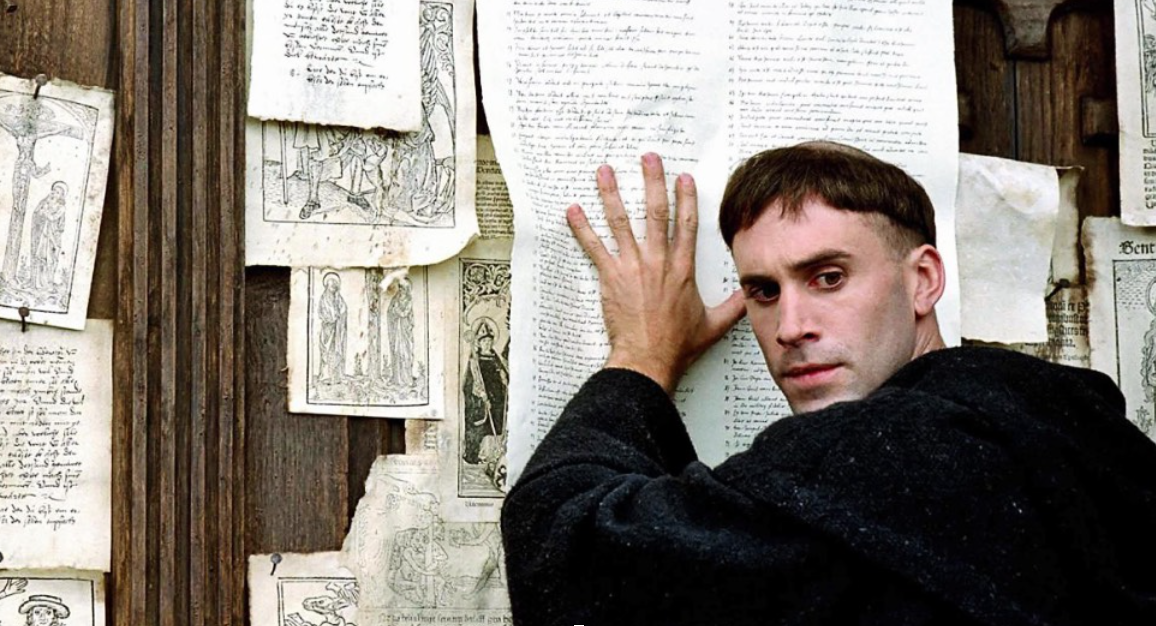
Yes, October 31 is Halloween, but it also marks 505 years since Martin Luther effectively—and unintentionally—sparked the Protestant Reformation with his Ninety-Five Theses. You can watch the award-winning documentary Luther: The Life and Legacy of the German Reformer streaming for free on Ligonier Ministries’ YouTube channel.  I will probably also watch the excellent movie Luther (2003) starring Joseph Fiennes as the reformer this weekend.

Meanwhile in weather news, it rained for a night and a day, but yesterday the sun came out and it was a beautiful fall day. The yard is a mess with past due hostas and lots of wet leaves…

…but what ho, it is the bell and it tolleth for me. Time to go inside and read.

“Let us cross over the river and rest under the shade of the trees.”*

by chuckofish

It is October again and time to toast our parents (tomorrow) on the anniversary of their marriage in 1950. I am grateful that they had it together enough to have three children in those post-war years and to stay together to raise them. It is more than a lot of people have, especially these days.

I finished S.C. Gwynne’s great book “Rebel Yell” about Stonewall Jackson. Although I am no fan of the Confederacy, I always admired Jackson a great deal.

The “Chancellorsville Portrait” taken seven days before Jackson was mortally wounded.

It was a terrible thing for the South when he died in 1863; but the whole country mourned his death. It is interesting to note how many strong men were moved to tears, openly sobbing in some cases, from the lowliest soldier to Robert E. Lee. Like U.S. Grant, he was not much of a success before the war. He was an unpopular professor at VMI and only came into his own when commanding men on the battlefield. When he did, he did so with a vengeance. He was a devout Christian, a Presbyterian, who believed completely in God’s providence. He knew that whatever happened, it happened because God willed it. This made him extremely courageous. He died knowing where he was bound.

Gwynne writes: “The most famous Northern view of Jackson came from the celebrated poet John Greenleaf Whittier, whose poem ‘Barbara Frietchie,’ published in 1864, became a national sensation. It described an almost entirely mythological incident from September 1862, when Jackson’s troops were passing through Frederick, Maryland, on their way to the battles of Harpers Ferry and Antietam. As Whittier told it, after Jackson’s troops had taken down all the American flags, the elderly Frietchie had retrieved one and flown it from her attic window. Seeing it, Jackson ordered his men to shoot it down, but Frietchie caught it as it fell and held it forth, crying, ‘Shoot, if you must, this old gray head/But spare your country’s flag.’ Jackson’s reaction followed:

A shade of sadness, a blush of shame,

Over the face of the leader came;

The nobler nature within him stirred

To life at that woman’s deed and word:

“Who touches a hair of yon gray head

Dies like a dog! March on!” he said.

All day long through Frederick street

Sounded the tread of marching feet:

All day long that free flag tost

Over the heads of the rebel host.

Ever its torn folds rose and fell

On the loyal winds that loved it well;

And through the hill-gaps sunset light

Shone over it with a warm good-night.

“None of this ever happened. But to the Northern nation–the wartime nation–the incident was as good as documented fact. What it said to them was that Jackson was a gentleman and a Christian and a decent person in spite of his role in killing and maiming tens of thousands of their young men. But it also said that he was, fundamentally, an American. It was his Americanness that had ‘stirred’ in him and redeemed him.”

Americans today have a hard time understanding that an enemy can be a good person, a noble person. And that being an American is a great thing.

We were sad to hear that beautiful Loretta Lynn had passed away at age ninety but we rejoice in her long, eventful life.

Loretta was the real deal who wrote songs about real people and how they felt about real things. She was a hillbilly and proud of it. This is a good article about her.

And here is a classic Loretta song, which she wrote in 1966:

Into paradise may the angels lead thee, Loretta, and at thy coming may the martyrs receive thee, and bring thee into the holy city Jerusalem. (BCP, Burial of the Dead)

And let’s not forget all those devastated people in Florida. “God is our helper who’s always with us in times of trouble. Trouble comes and goes. Hurricanes pass. But our helper never changes or leaves us. Even when our future is uncertain and our lives have been completely overturned, we know these things about God. He is almighty; he is eternal; and he loves us.”

This was a hard one!

*General Jackson’s last words.

I look deep down

by chuckofish

We all have our pensive moods.

And when we do, it’s a good thing to have our quote books at the ready…

“Oh, grassy glades! oh ever vernal endless landscapes in the soul; in ye,—though long parched by the dead drought of the earthly life,— in ye, men yet may roll, like young horses in new morning clover; and for some few fleeting moments, feel the cool dew of the life immortal on them. Would to God these blessed calms would last. But the mingled, mingling threads of life are woven by warp and woof: calms crossed by storms, a storm for every calm. There is no steady unretracing progress in this life; we do not advance through fixed gradations, and at the last one pause:— through infancy’s unconscious spell, boyhood’s thoughtless faith, adolescence’ doubt (the common doom), then skepticism, then disbelief, resting at last in manhood’s pondering repose of If. But once gone through, we trace the round again; and are infants, boys, and men, and Ifs eternally. Where lies the final harbor, whence we unmoor no more? In what rapt ether sails the world, of which the weariest will never weary? Where is the foundling’s father hidden? Our souls are like those orphans whose unwedded mothers die in bearing them: the secret of our paternity lies in their grave, and we must there to learn it.”

And the same day, too, gazing far down from his boat’s side into that same golden sea, Starbuck lowly murmured:–“Loveliness unfathomable, as ever lover saw in his young bride’s eye!–Tell me not of thy teeth-tiered sharks, and thy kidnapping cannibal ways. Let faith oust fact; let fancy oust memory; I look deep down and do believe.”

–Moby-Dick, Herman Melville

We can also go to YouTube and line up our favorite movie scenes. Recently I saw someone’s list of the five best speeches in film. You can imagine what was on it: Jack Nicholson In A Few Good Men, Mel Gibson in Braveheart, Russell Crowe in Gladiator and so on. Ho hum.

These are the five that came immediately to my mind:

Gregory Peck in Twelve O’Clock High…

Olivia de Havilland in The Adventures of Robin Hood…

John Wayne in The Searchers…

Burl Ives in The Big Country…

Gene Hackman in Hoosiers…

Watch them all–they’re short. They’re like quotes from Moby-Dick. They whet your appetite for the whole great thing. And they remind you why you are on this journey in the first place.

For the victory of battle standeth not in the multitude of an host; but strength cometh from heaven.

–1 Maccabees 3:19

And here’s one more, for good measure. Leslie Howard in The Petrified Forest:

Oh, here I am ‘neath the blue, blue sky a-doin’ as I please!

by chuckofish

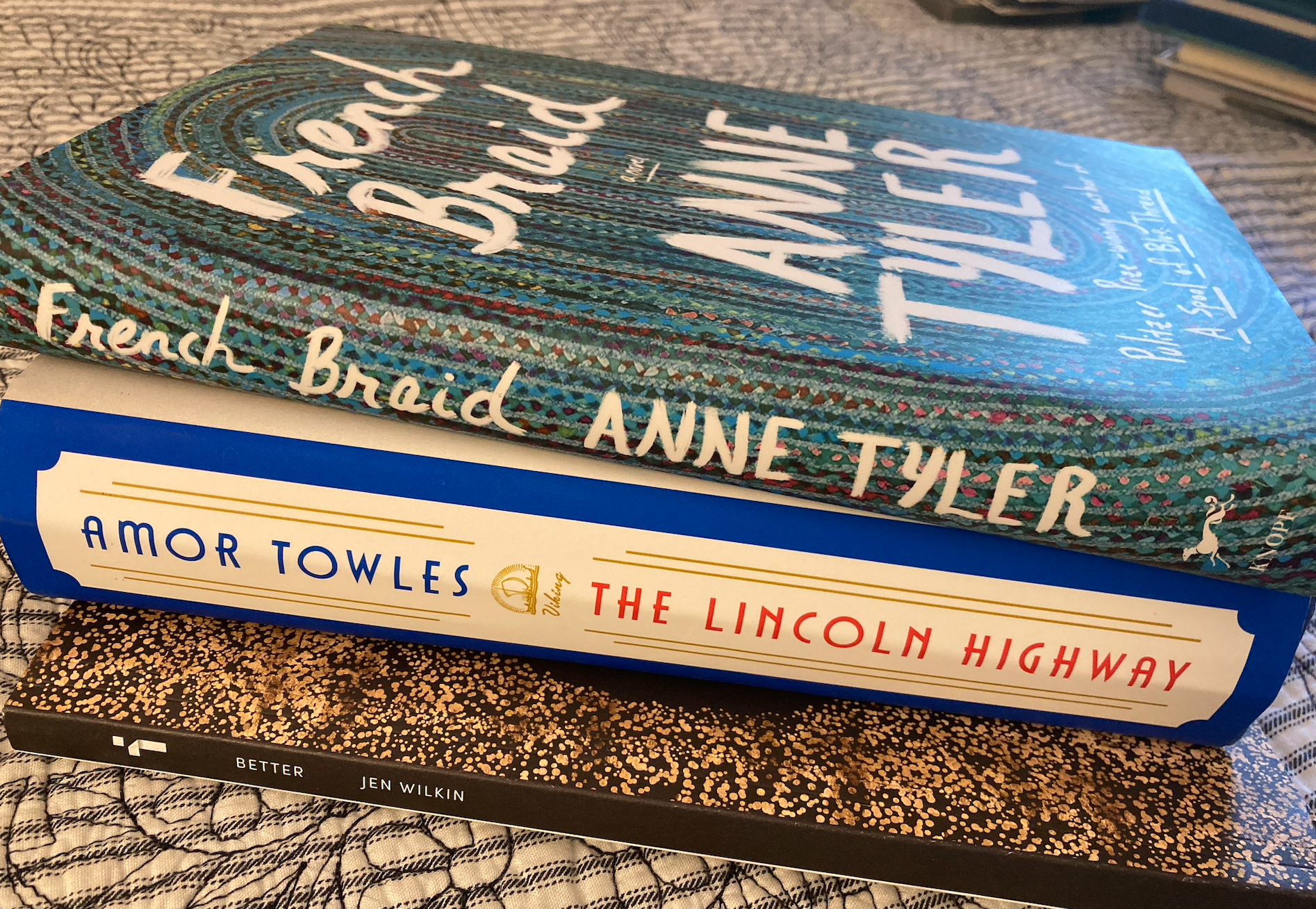
Last week I read Anne Tyler’s latest book. It was quick and easy and not very thought-provoking. Her books are all the same now–about some average white, middle class family whose members don’t seem to get along but who are remotely devoted to one another. Her characters inhabit a godless universe where no one really seems to care much about anything. But come to think of it, maybe that is the depressing world that most people live in today. To me it feels alien and empty.

Daughter #1 returned my copy of The Lincoln Highway, because it is the next book to be discussed in my church women’s book club. I will have to re-read/skim it because, although I read it last fall, I forget books as fast as I read them.

My DP mentioned on Friday that Hilary Mantel had died. This was, indeed, sad, but not surprising, news. She had been sick for a long time and wrote those three last great novels despite being very ill. She was a brave soul who had something to say.

As the word of God spreads, the people’s eyes are opened to new truths. Until now…they knew Noah and the Flood, but not St. Paul. They could count over the sorrows of our Blessed Mother, and say how the damned are carried down to Hell. But they did not know the manifold miracles and sayings of Christ, nor the words and deeds of the apostles, simple men who, like the poor of London, pursued simple wordless trades. The story is much bigger than they ever thought it was….you cannot tell people just part of the tale and then stop, or just tell them the parts you choose. They have seen their religion painted on the walls of churches, or carved in stone, but now God’s pen is poised, and he is ready to write his words in the books of their hearts.

–Wolf Hall

The great thing about Hilary Mantel is that she did not think religion in the sixteenth was just a tool used to wield power by kings and popes and countries. She understood that it really meant something to people like Thomas Cromwell. Yes, he used his power to great effect; he was a political genius. But there was more to him than just that. She understood that Thomas More, who wanted to keep the Word out of the hands of the people, was the real monster.

Here’s a good post from Anne Kennedy, who is back from her lengthy summer break. I missed her a lot.

Today is the birthday of Johnny Appleseed (1744-1845)! Let’s all take a moment to sing along with Johnny from Walt Disney’s 1948 film Melody Time, made when Disney was reflecting a very different America. We used to sing this song at bedtime when my kids were little. We also sang it as a grace at snack time when I taught Sunday School back in the day. I’ll have to teach it to the twins.

I owe the Lord so much
For everything I see
I’m certain if it weren’t for Him
There’d be no apples on this limb
He’s been good to me