dual personalities

Tag: quotes

Thought for the day

by chuckofish

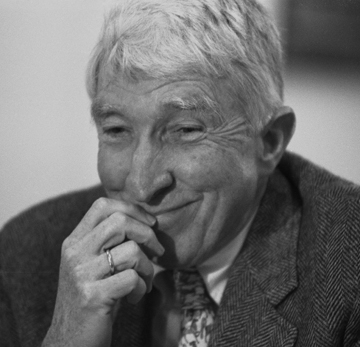
“Ancient religion and modern science agree: we are here to give praise. Or, to slightly tip the expression, to pay attention. Without us, the physicists who have espoused the anthropic principle tell us, the universe would be unwitnessed, and in a real sense not there at all. It exists, incredibly, for us. This formulation (knowing what we know of the universe’s ghastly extent) is more incredible, to our sense of things, than the Old Testament hypothesis of a God willing to suffer, coddle, instruct, and even (in the Book of Job) to debate with men, in order to realize the meager benefit of worship, of praise for His Creation. What we beyond doubt do have is our instinctive intellectual curiosity about the universe from the quasars down to the quarks, our wonder at existence itself, and an occasional surge of sheer blind gratitude for being here.”

Updike_2

–John Updike

Seek him who made the Pleiades and Orion, and turns deep darkness into the morning, and darkens the day into night; who calls for the waters of the sea and pours them out upon the surface of the earth: The Lord is his name. Amos 5:8

The good reader*

by chuckofish

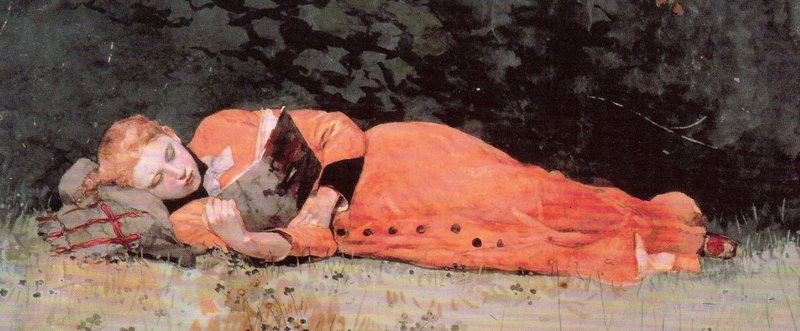
Winslow Homer, "Girl Reading"

Winslow Homer, “Girl Reading”

“The only advice … that one person can give another about reading is to take no advice, to follow your own instincts, to use your own reason, to come to your own conclusions. If this is agreed between us, then I feel at liberty to put forward a few ideas and suggestions because you will not allow them to fetter that independence which is the most important quality that a reader can possess. After all, what laws can be laid down about books? The battle of Waterloo was certainly fought on a certain day; but is Hamlet a better play that Lear? Nobody can say. Each must decide that question for himself. To admit authorities, however heavily furred and gowned, into our libraries and let them tell us how to read, what to read, what value to place upon what we read, is to destroy the spirit of freedom which is the breath of those sanctuaries. Everywhere else we may be bound by laws and conventions — there we have none.”

–Virginia Woolf, How Should One Read a Book? (1925)

*”Tis the good reader that makes the good book; in every book he finds passages which seem confidences or asides hidden from all else and unmistakenly meant for his ear; the profit of books is according to the sensibility of the reader; the profoundest thought or passion sleeps as in a mine, until it is discovered by an equal mind and heart.”
― Ralph Waldo Emerson

A spirit of power and of love and of self-control

by chuckofish

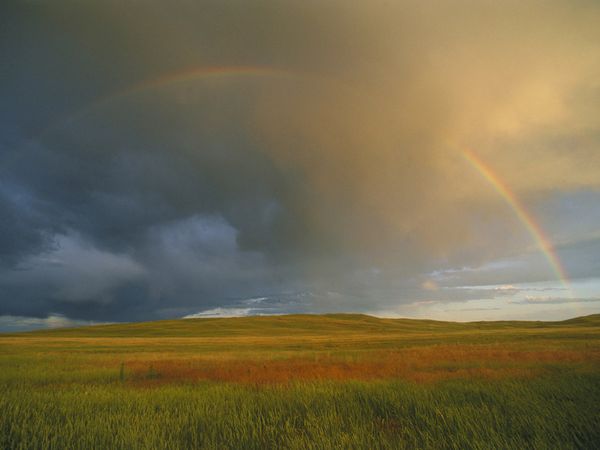
“The earth was warm under me, and warm as I crumbled it through my fingers…I kept as still as I could. Nothing happened. I did not expect anything to happen. I was something that lay under the sun and felt it, like the pumpkins, and I did not want to be anything more. I was entirely happy. Perhaps we feel like that when we die and become a part of something entire, whether it is sun and air, or goodness and knowledge. At any rate, that is happiness; to be dissolved into something complete and great. When it comes to one, it comes as naturally as sleep.”

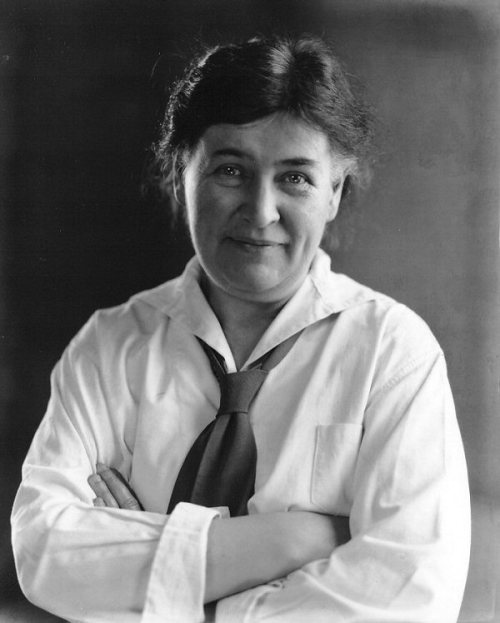
For weeks now I have been meaning to write something about Willa Cather, but I have been so busy that I have not been able to think about it. I have read The Song of the Lark and My Antonia in quick succession, followed by O Pioneers! They are all three deep goldmines of insight and wonderful writing. I (literally) wept the tears a writer sheds when she reads something better than she can ever write.
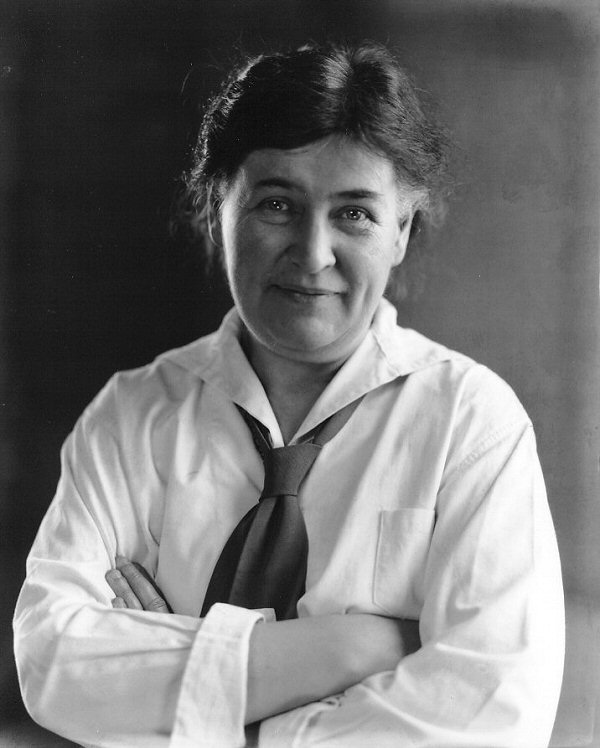
Portrait of Willa Cather by Edward Steichen

Portrait of Willa Cather by Edward Steichen

She was born Wilella Sibert Cather in 1873 in the Back Creek Valley near Winchester, Virginia. Her father was Charles Fectigue Cather, whose family had lived on land in the valley for six generations. Her mother was Mary Virginia Boak, a former school teacher. The Cathers moved to Nebraska in 1883, joining Charles’ parents, when Willa was nine years old. Her father tried his hand at farming for eighteen months; then he moved the family into the town of Red Cloud, where he opened a real estate and insurance business, and the children attended school for the first time. Clearly Cather’s time in this frontier state was a deeply formative experience for her.

For now I will just give you a few quotes to give you some idea of the power of her writing and of her strong feelings about things. Reading three books in a row, I have a pretty good idea what was important to her: art, home, the land, childhood, hard work, authenticity. She repeats themes, and characters have similarities that indicate clearly where old Willa was coming from. I have to say, I am with her all the way.

As she says of one character: “Everything she said seemed to come right out of her heart.”

Here she writes about the young main character in The Song of the Lark:

“The clamor about her drowned out the voice within herself. In the end of the wing, separated from the other upstairs sleeping rooms by a long, cold, unfinished lumber room, her mind worked better. She thought things out more clearly. Pleasant plans and ideas occurred to her which had never come before. She had certain thoughts which were like companions, ideas which were like older and wiser friends. She left them there in the morning, when she finished dressing in the cold, and at night, when she came up with her lantern and shut the door after a busy day, she found them awaiting her.”

Many years later, the girl, now a famous opera singer, tries to explain her art in a long, brilliant section. Here’s just a snippet:

“They saved me: the old things, things like the Kohlers’ garden. They were in everything I do…the light, the color, the feeling. Most of all the feeling. It comes in when I’m working on a part, like the smell of a garden coming in at the window. I try all the new things, and then go back to the old. Perhaps my feelings were stronger then. A child’s attitude toward everything is an artist’s attitude. I am more or less of an artist now, but then I was nothing else…”

Here in My Antonia the narrator describes houses in the town:

“They were flimsy shelters, most of them poorly built of light wood, with spindle porch-posts horribly mutilated by the turning-lathe. Yet for all their frailness, how much jealousy and envy and unhappiness some of them managed to contain! The life that went on in them seemed to me made up of evasions and negations; shifts to save cooking, to save washing and cleaning, devices to propitiate the tongue of gossip.”

And here in O Pioneers! a person expresses something important to a friend:

“It’s by understanding me, and the boys, and mother, that you’ve helped me. I expect that is the only way a person ever really can help another. I think you are about the only one that ever helped me.”

Have I convinced you yet? Go now and order this book!
nationalgeographic.com
nationalgeographic.com
Things and the reason of things

by chuckofish

Whoever you are! motion and reflection are especially for you,
The divine ship sails the divine sea for you.

Whoever you are! you are he or she for whom the earth is solid and liquid,
You are he or she for whom the sun and moon hang in the sky,
For none more than you are the present and the past,
For none more than you is immortality.

Each man to himself and each woman to herself, is the word of the past and present, and the true word of immortality,
No one can acquire for another–not one,
Not one can grow for another–not one.

The song is to the singer, and comes back most to him,
The teaching is to the teacher, and comes back most to him,
The murder is to the murderer, and comes back most to him,
The theft is to the thief, and comes back most to him,
The love is to the lover, and comes back most to him,
The gift is to the giver, and comes back most to him–it cannot fail,
The oration is to the orator, the acting is to the actor and actress not to the audience,
And no man understands any greatness or goodness but his own, or the indication of his own.

–Walt Whitman, A Song of the Rolling Earth

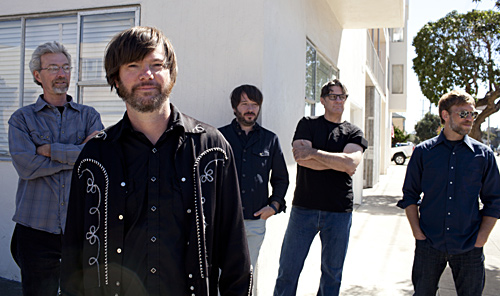
And in other news: my friend Gary’s band Sun Volt was featured in the Wall Street Journal the other day. You can read the article here.

via Wall Street Journal

via Wall Street Journal

Gary is the cool dude on the far left.

A cheerful heart

by chuckofish

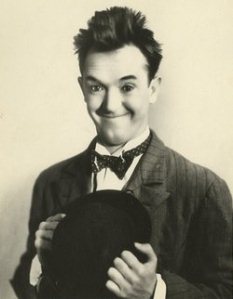
stan-laurel-jeff11_angelod

A while ago I posted about the positive effects of a good cry. Well today we’ll consider the importance of being cheerful.

Every day I get an email from the Anglican monks of the Society of Saint John the Evangelist. Yesterday’s message from Br. Mark Brown was about “Hilarity”. You can read the whole thing here.

“Perhaps we could think of cheerfulness,” he writes, “a gentle good cheer, as a spiritual practice, or, at least, as a spiritual good—as a way of being compassionate to those we live with (as Paul’s words suggest). A way of bringing the light of Christ, the gracious light of Christ into the lives of others. Cheerfulness can’t be an all day/every day thing. But if we’re between the storms of life and in a comparatively neutral zone, we might be more intentional about returning to a kind of emotional baseline of gentle good cheer. Rather than merely neutral, perhaps a baseline of gentle good cheer.”

I like to think of cheerfulness as a spiritual practice. One of the affirmative laws of the Boy Scouts, as you know, is “A scout is cheerful”–in fact he “smiles and whistles”. As we also know, practice makes perfect. Sometimes that means smiling when we don’t feel like it. This sign in my kitchen reminds all who enter to do so.

smile

The writer of the Book of Proverbs says, “A merry heart doeth good like a medicine”, which is so true. We all know people whose cheerfulness is contagious and makes proximity to them a definite benefit. Likewise a smile from a stranger can greatly improve your day. So go ahead and smile! Think of it as your Lenten spiritual practice and do it intentionally!

If you are having a hard time smiling, it is a good spiritual practice to watch a funny movie. But why is it that I have a harder time thinking of movies that make me laugh than ones that make me cry? Anyway, here are some funny ones: Ball of Fire (1941), Best in Show (2000), Ghostbusters (1984), Heaven Can Wait (1978), The Producers (1968), The Pink Panther (1963), Planes, Trains and Automobiles (1987), Annie Hall (1977), A Run for Your Money (1949), The Englishman Who Went Up a Hill and Came Down a Mountain (1995). What have I forgotten?

And if all else fails, try this:

Things happen

by chuckofish

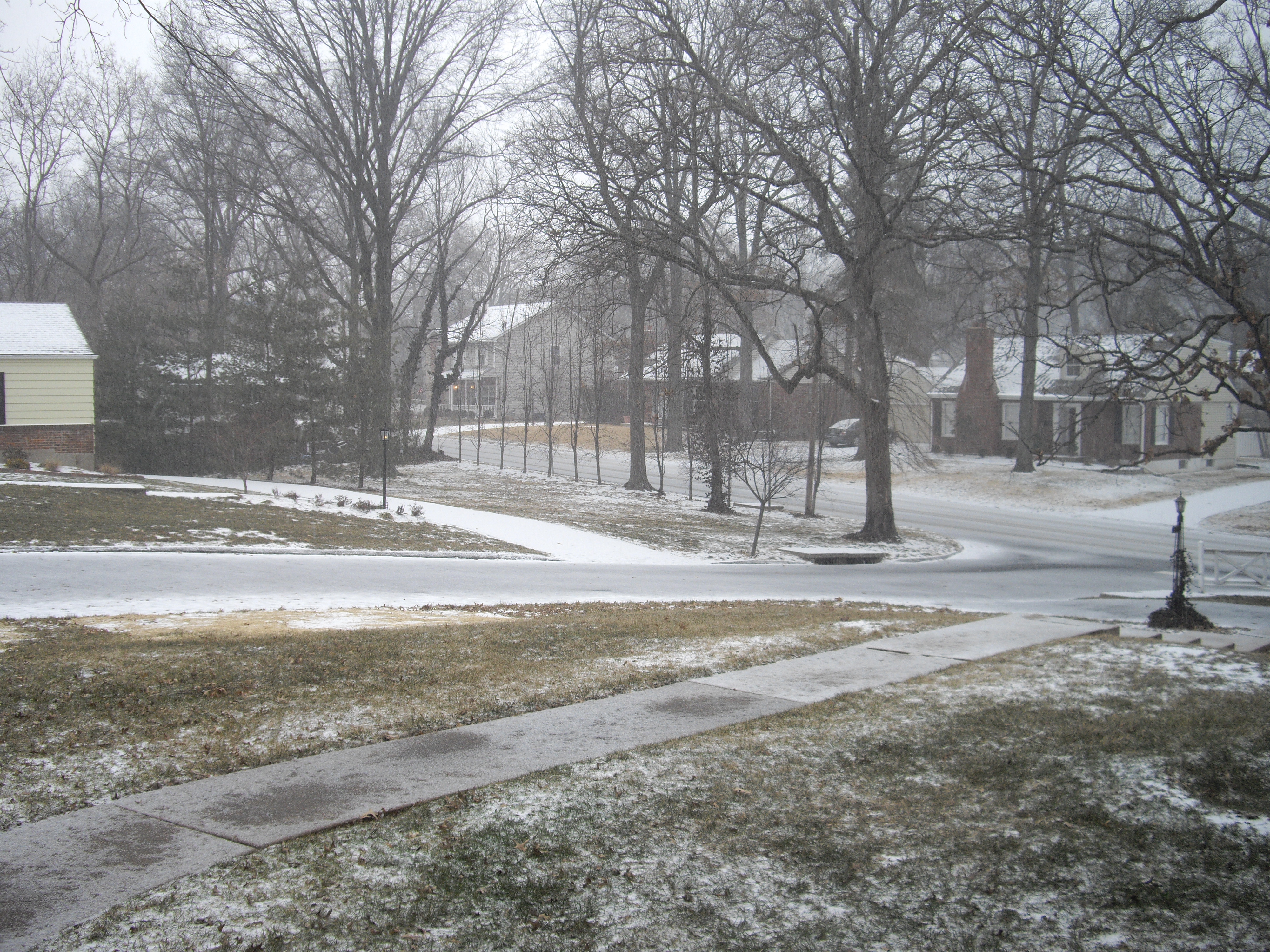
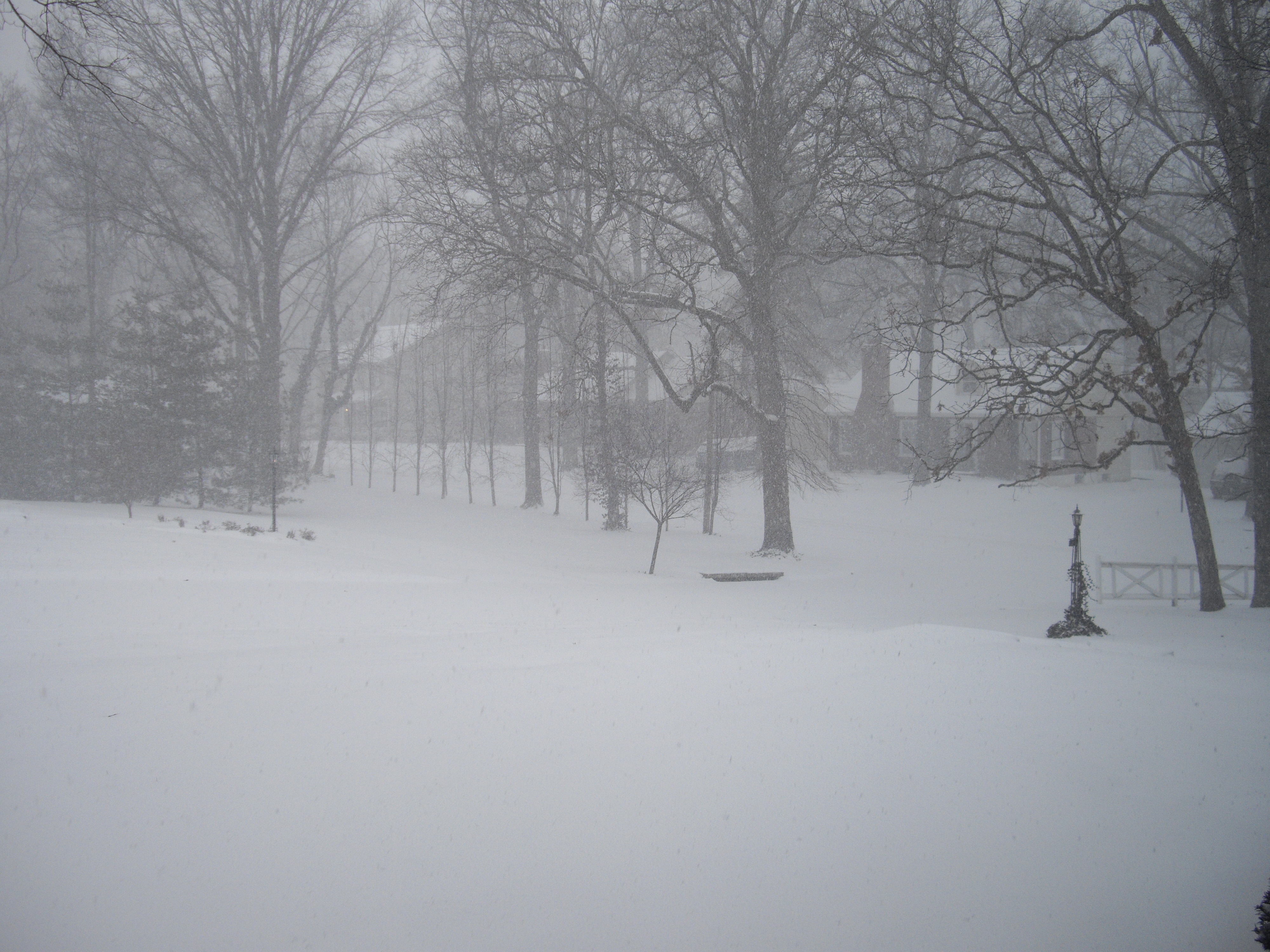
One of the best things about being the Boss Lady is that I get to call a snow day every once in awhile. Well, yesterday was one of those days. It wasn’t Snowmageddon, but for our flyover state it was significant white stuff.

We started with sleet in the morning.

sleet

And continued as snow throughout the day.

SNOW

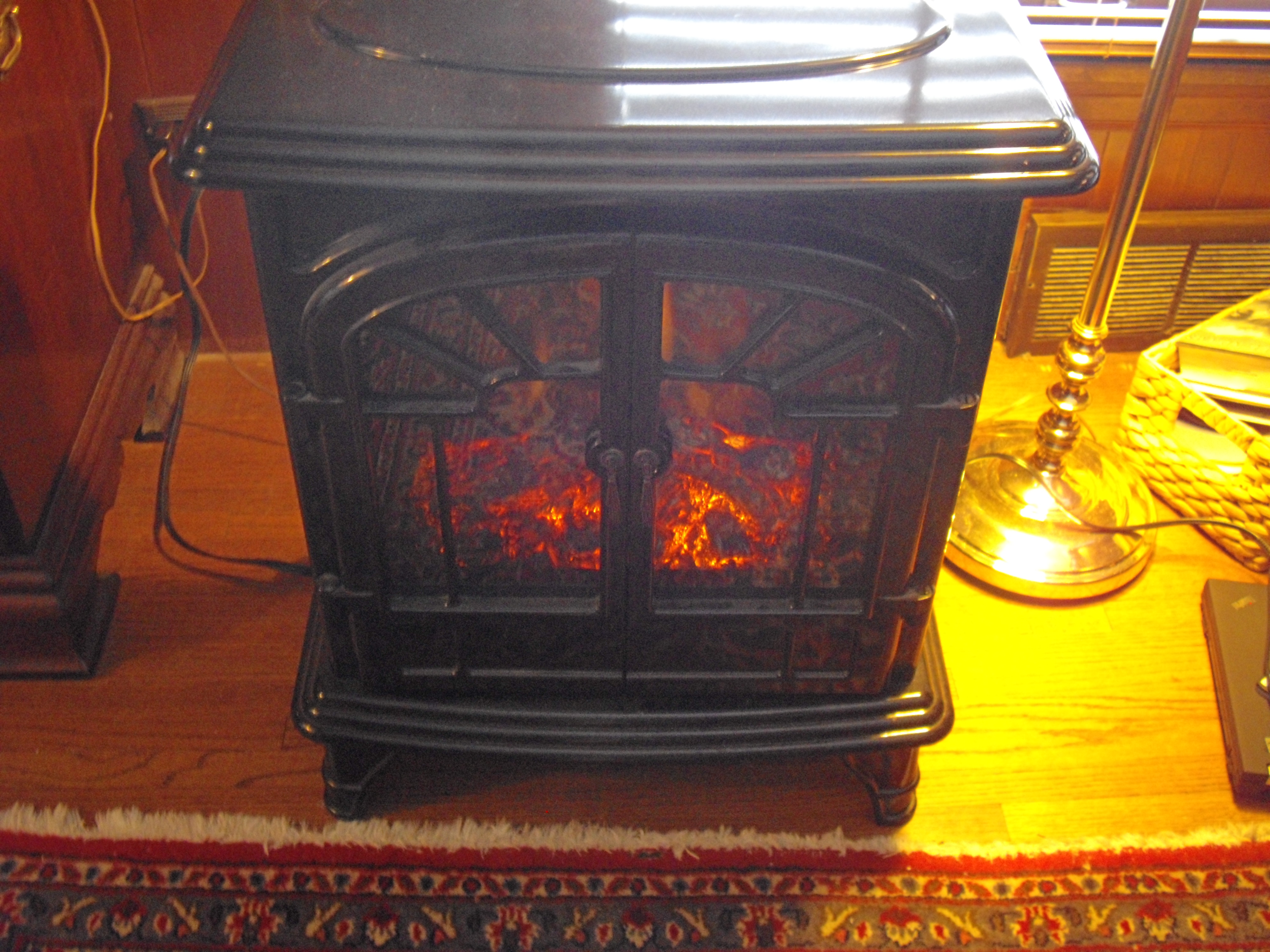
I hunkered down with my little home version of a potbelly stove:

potbelly stove

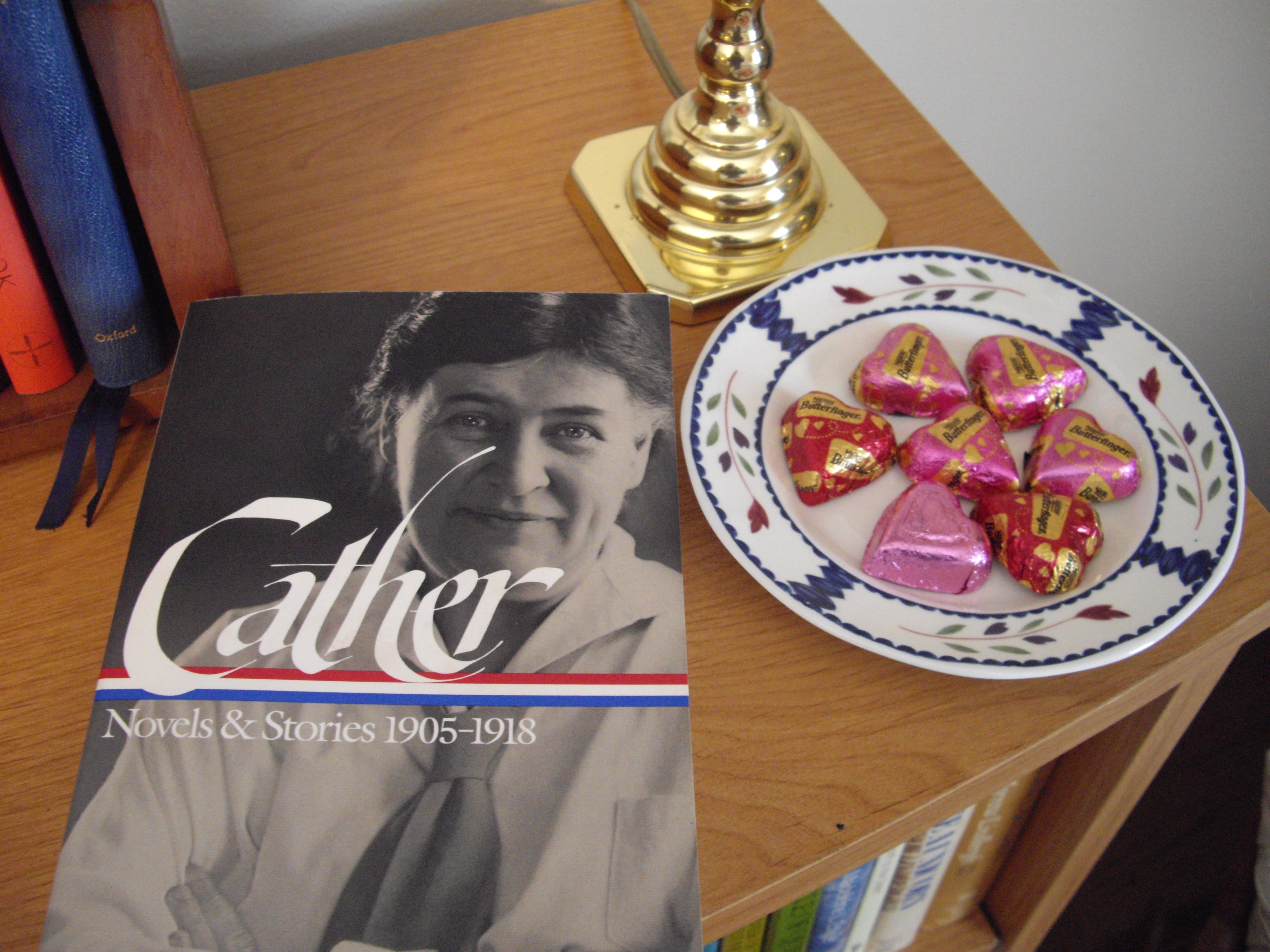
I read more of The Song of the Lark by Willa Cather and munched on Valentine’s candy.

Cather

I watched Stagecoach on TCM.

claire-with-john-wayne
Ringo: I used to be a good cowhand. But things happen.
Dallas: Yes. Things happen.

What a great movie! What a great day!

Unfortunately, although I called a snow day for our students today, I have to go in myself. C’est la vie!

Hot dog, I feel lucky today

by chuckofish

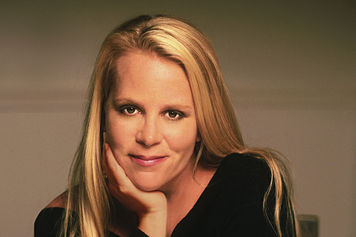
Mary Chapin Carpenter (born February 21, 1958), an American folk and country music singer, songwriter and musician, turns 55 today.

mcc1

Born in Princeton, NJ, she went to Princeton Day School and The Taft School and Brown, so she grew up in a world similar to the one I did, but she also has that bad-ass cowgirl alter ego with which I readily identify. Who else could have written:

Dwight Yoakam’s in the corner, trying to catch my eye
Lyle Lovett’s right beside me with his hand upon my thigh.

And her monogram is the same as my mother’s.

Anyway, I have been a fan of hers for many years. One of my favorite Mary Chapin Carpenter memories is of the time I (once again) was having a Girl Scout earning-a-patch event at our house. The plan was for Daughter #1 and her small troop to learn to line dance. Not that I was an expert. Uh huh. Priceless.

We moved the dining room table against the wall so we could practice in a large space, which coincidentally had one wall that was a giant mirror, sort of like in a dance studio. The girls lined up and we played “Shut Up and Kiss Me” over and over and (yes) over again, carefully counting one, two, three, four before trying again. And remember, this was in the days of cassette tapes! So there was a lot of rewinding involved. Good lord, how I wish I had a videotape of this coolness.

Here she is singing this great song. In the original, Leroy Parnell was in her band, but oh well.

So happy birthday, Mary Chapin Carpenter! Salut!

This is great

by chuckofish

Have you ever run across this in your internet browsing? Well, a big hat tip to the New York Times for this wonderful tour of New York City: Walking in Holden’s Footsteps, which is from Peter G. Beidler’s book, “A Reader’s Companion to J.D. Salinger’s The Catcher in the Rye” (Coffeetown Press, 2008).

I have no doubt that it is a sure sign of my unwavering immaturity, but The Catcher in the Rye never dims in my estimation. Nor does my devout love for old J.D.

jdsaljpg

The next time I am in NYC I want to walk the “41 gorgeous blocks” from Ernie’s to the Edmont Hotel. Maybe I’ll pay the big bucks and go inside the Museum of Natural History. Now that daughter #1 lives there, I am relaxed as hell about going there. Well, the Upper West Side anyway. I’m crazy. I swear to God I am.

Music from the New World

by chuckofish

I am reading The Song of the Lark by Willa Cather. It is very good. Here is a quote about going to see a concert in Chicago, which reminded me of my dual personality and how, when she was a very small child–3 or 4–she got a record of the “New World Symphony” for Christmas.

sarah

She loved it and insisted on listening to it over and over. She would walk around the house singing Dum dum dum dum de dum, dum dum dum dum duuuuuum.

She had been to so few concerts that the great house, the crowd of people, and the lights, all had a stimulating effect…During the first number Thea was so much interested in the orchestra itself, in the men, the instruments, the volume of sound, that she paid little attention to what they were playing. Her excitement impaired her power of listening. She kept saying to herself, “Now I must stop this foolishness and listen; I may never hear this again”; but her mind was like a glass that is hard to focus. She was not ready to listen until the second number, Dvorak’s Symphony in E minor, called on the programme, “From the New World.” The first theme had scarcely been given out when her mind became clear; instant composure fell upon her, and with it came the power of concentration. This was music she could understand, music from the New World indeed! Strange how, as the first movement went on, it brought back to her that high tableland above Laramie; the grass-grown wagon trails the far-away peaks of the snowy range, the wind and the eagles, that old man and the first telegraph message.

When the first movement ended, Thea’s hands and feet were cold as ice. She was too much excited to know anything except that she wanted something desperately, and when the English horns gave out the theme of the Largo, she knew that what she wanted was exactly that. Here were the sand hills, the grasshoppers and locusts, all the things that wakened and chirped in the early morning; the reaching and reaching of high plains, the immeasurable yearning of all flat lands. There was home in it, too; first memories, first mornings long ago; the amazement of a new soul in a new world; a soul new and yet old, that had dreamed something despairing, something glorious, in the dark before it was born; a soul obsessed by what it did not know, under the cloud of a past it could not recall.

Makes me want to listen to the “New World” symphony, how about you? Well, here you go!

“I am not an angel,’ I asserted; ‘and I will not be one till I die: I will be myself.'”*

by chuckofish

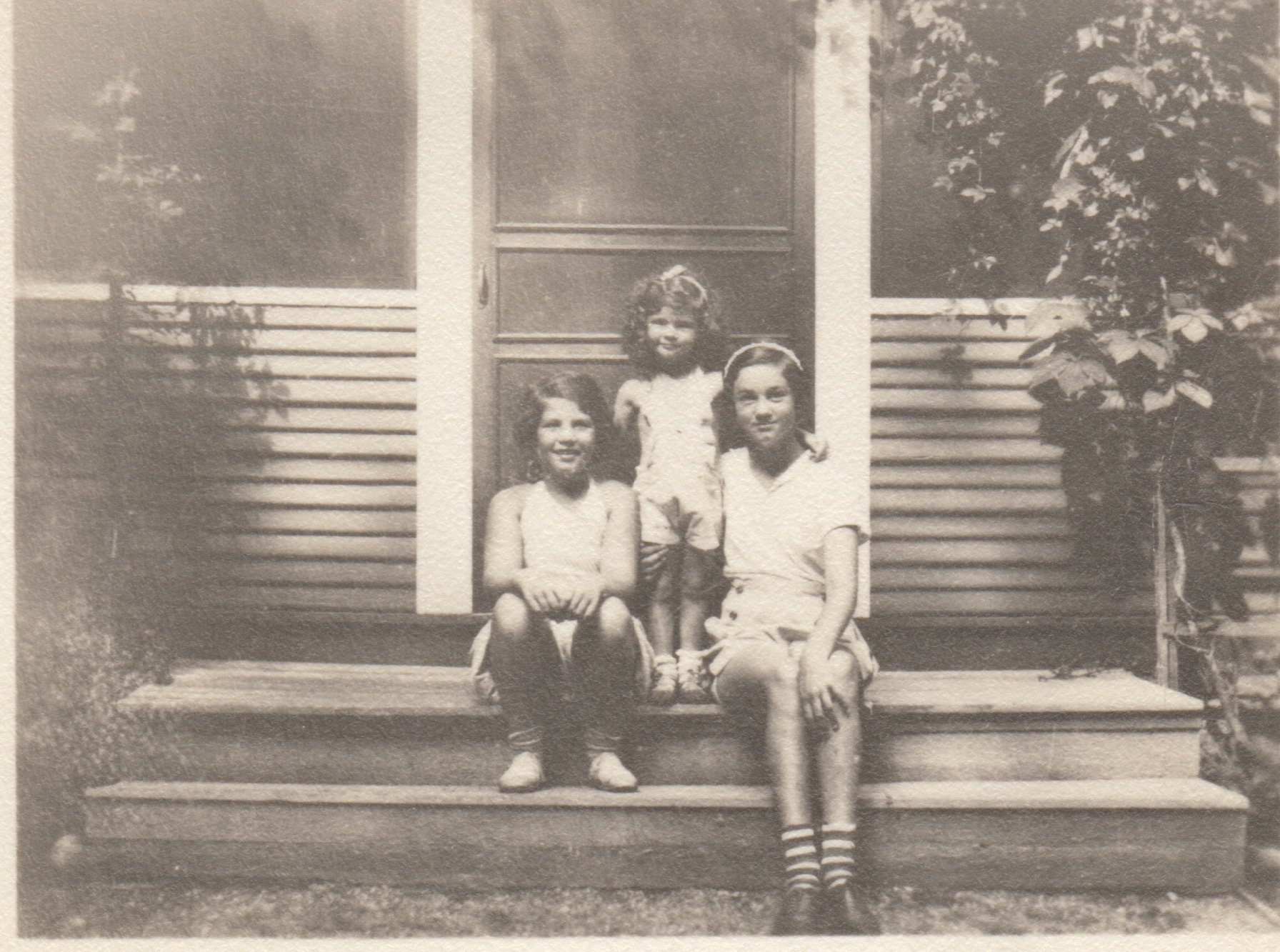
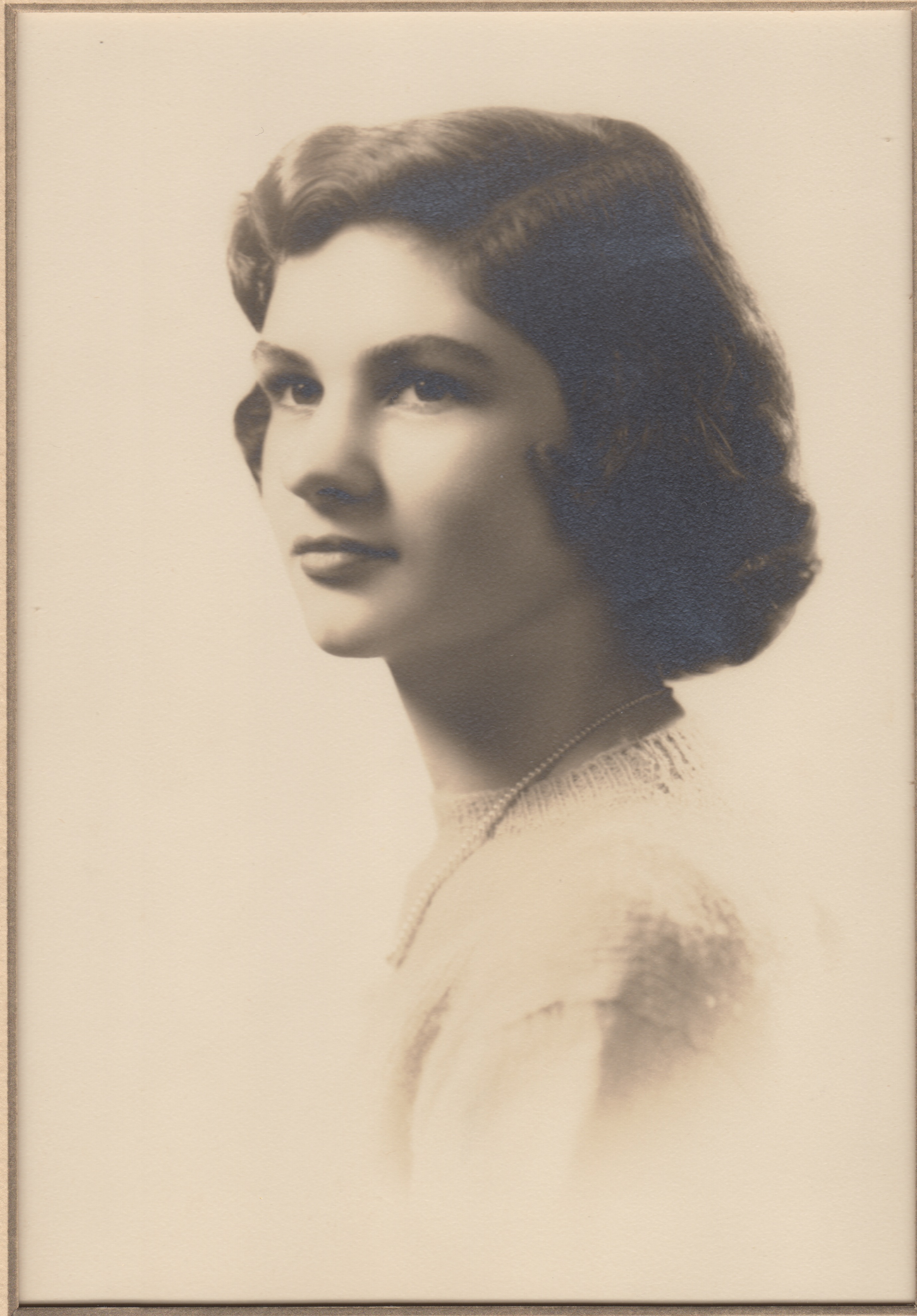
My mother was a middle child. She had an older and a younger sister. The younger sister was one of those “surprises” that comes along seven years after the second child and that everyone immediately loves. Born in 1933, Donna was the next best thing to Shirley Temple–adorable.

1935

1935

When my mother was a sophomore in college and her little sister was 12, she saved her money and had Donna’s portrait taken because she thought she was so beautiful. She gave it to her mother as a surprise for Christmas. Wow. (I can’t help feeling a bit sorry for Sister #1 who probably gave her mother a nice set of hankies or something and no doubt felt a little like Cal in East of Eden when his brother upstages him.) My mother, of course, only wanted to preserve the beauty of her sister for their mother.

This is not "the" picture--I don't have a copy--but here she is graduating from high school.

This is not “the” picture–I don’t have a copy–but here she is graduating from high school.

Daughter #3 was their mother’s favorite and that never bothered my mother. It seemed perfectly natural and understandable. Her good looks were more than matched by her sweet, yet spunky, personality.

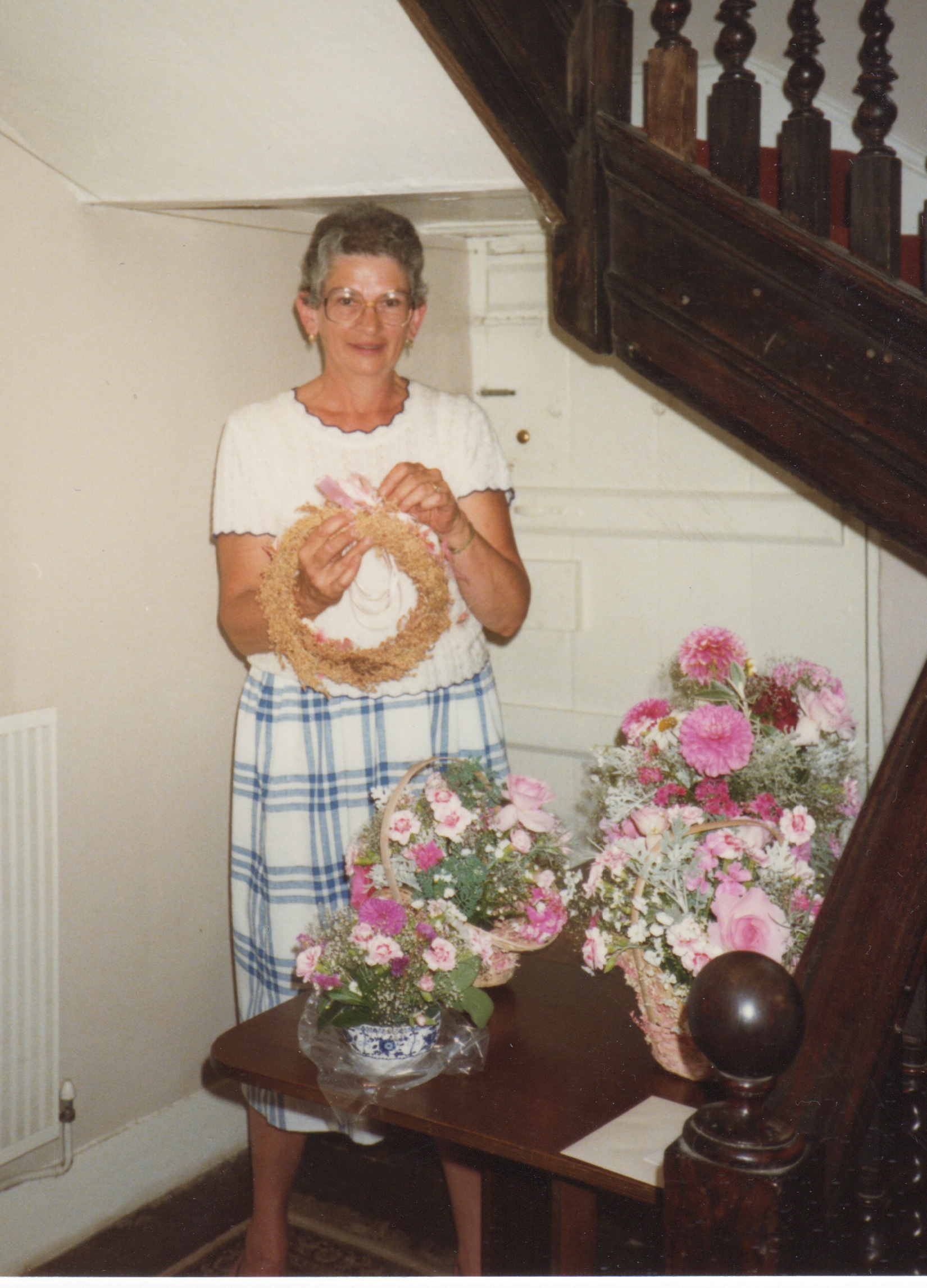
Through the years, because my Aunt Donna lived on the east coast and we lived far away in our flyover state, we didn’t see each other very much. When we did, though, she was always glad to see me and made me feel loved and appreciated. When I had long hair, she would ask to brush it and would do so as if it was a privilege. I can’t say that I have ever known anyone else like her in my life. She is like someone out of the Bible. Ruth or Priscilla.

Since my mother died almost 25 years ago, Donna has always been there when our own mother would be particularly missed. She went all the way to England for my sister’s wedding and, as usual, rolled up her sleeves and asked what she could do to help.

Donna89

I remember she spent hours with 4 1/2-year old daughter #1 making some sort of floral arrangements and sat with the poor sick 2-year old boy on her lap on the long plane ride home. She was here last summer for the boy’s wedding.

Today my Aunt Donna turns 80. Bless her heart. This calls for champagne!

* The quote is from Jane Eyre, in case you’ve forgotten!