dual personalities

Tag: quotes

Play the man

by chuckofish

Yesterday was the day we Episcopalians remember Hugh Latimer and Nicholas Ridley who were burned at the stake by Queen “Bloody” Mary in England in 1555. (Archbishop Thomas Cranmer is also remembered on October 16, but he was actually executed later.)

memlatimer

When Catholic Mary became Queen of England one of her first acts was to arrest Bishop Ridley, Bishop Latimer, and Archbishop Thomas Cranmer. She insisted that the best way to deal with heresy was to burn as many heretics as possible. In the course of a five-year reign, she lost all the English holdings on the continent of Europe, she lost the affection of her people, and she lost any chance of a peaceful religious settlement in England. Of the nearly three hundred persons burned by her orders, the most famous are the Oxford Martyrs, commemorated yesterday.

The scholar Nicholas Ridley had been a chaplain to King Henry VIII and was Bishop of London under his son Edward. He was a preacher beloved of his congregation. Hugh Latimer also became an influential preacher during King Edward’s reign. He was an earnest student of the Bible, and as Bishop of Worcester he encouraged the Scriptures be known in English by the people. His sermons emphasized that men should serve the Lord with a true heart and inward affection, not just with outward show.

When Ridley was asked if he believed the pope was heir to the authority of Peter as the foundation of the Church, he replied that the church was not built on any man but on the truth Peter confessed — that Christ was the Son of God. Ridley said he could not honor the pope in Rome since the papacy was seeking its own glory, not the glory of God. Neither Ridley nor Latimer could accept the Roman Catholic mass as a sacrifice of Christ. Latimer told the commissioners, “Christ made one oblation and sacrifice for the sins of the whole world, and that a perfect sacrifice; neither needeth there to be, nor can there be, any other propitiatory sacrifice.”

For their heresy they were burned at the stake on October 16, 1555. As the flames rose around them, Latimer encouraged Ridley, “Be of good comfort, Mr. Ridley, and play the man! We shall this day light such a candle by God’s grace, in England, as I trust never shall be put out.”
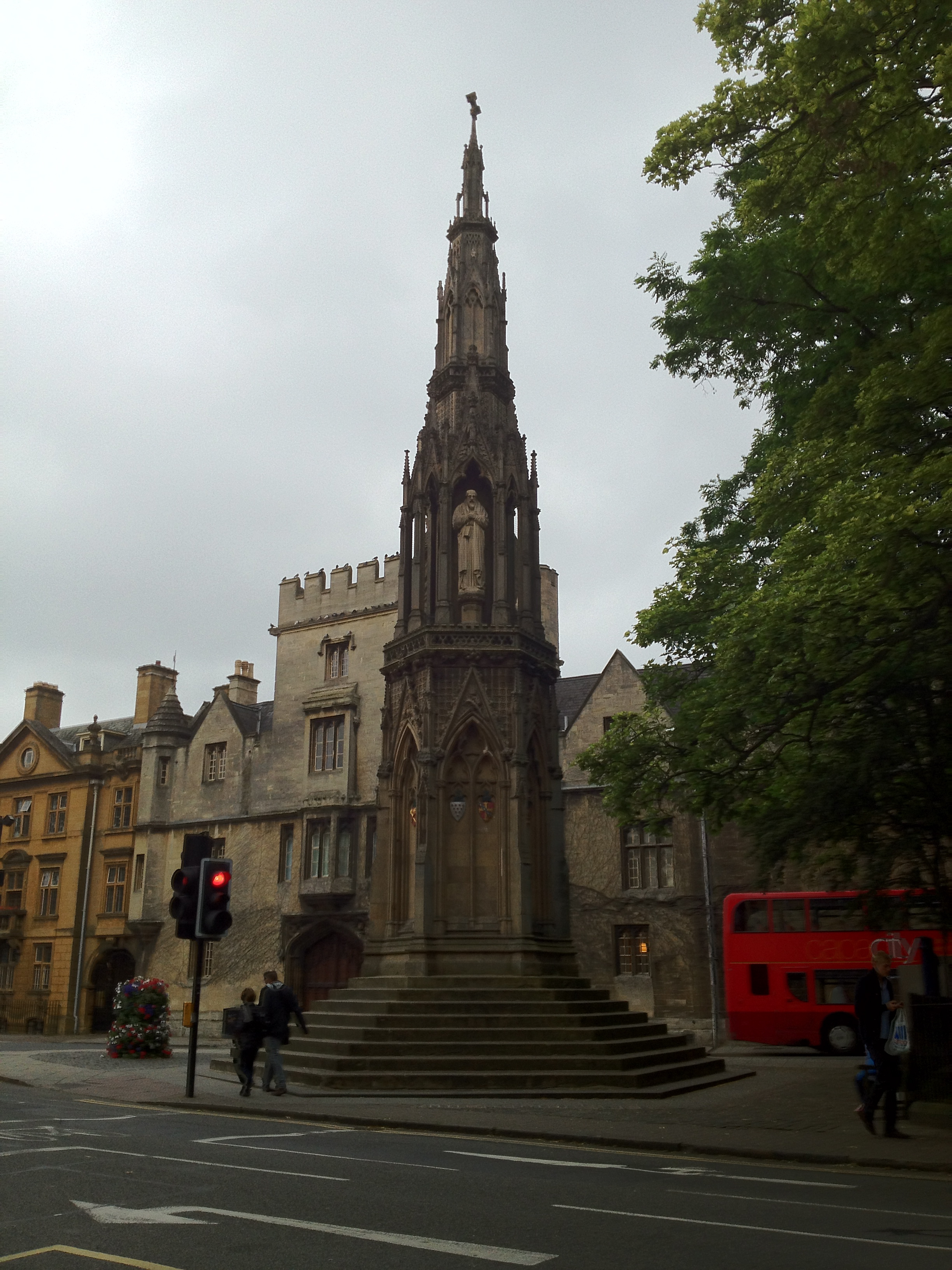
Martyrs' monument in Oxford.

Martyrs’ monument in Oxford.

Keep us, O Lord, constant in faith and zealous in witness, that, like thy servants Hugh Latimer and Nicholas Ridley, we may live in thy fear, die in thy favor, and rest in thy peace; for the sake of Jesus Christ thy Son our Lord, who liveth and reigneth with thee and the Holy Spirit, one God, now and for ever. Amen.

I’m sorry I did not remember the Oxford Martyrs yesterday. Today is a good day to do so as well. Lest we forget.

“They may torture my body, break my bones, even kill me. But then they will have my dead body, but not my obedience.”

― Mahatma Gandhi

(Historical info from Christianity.com)
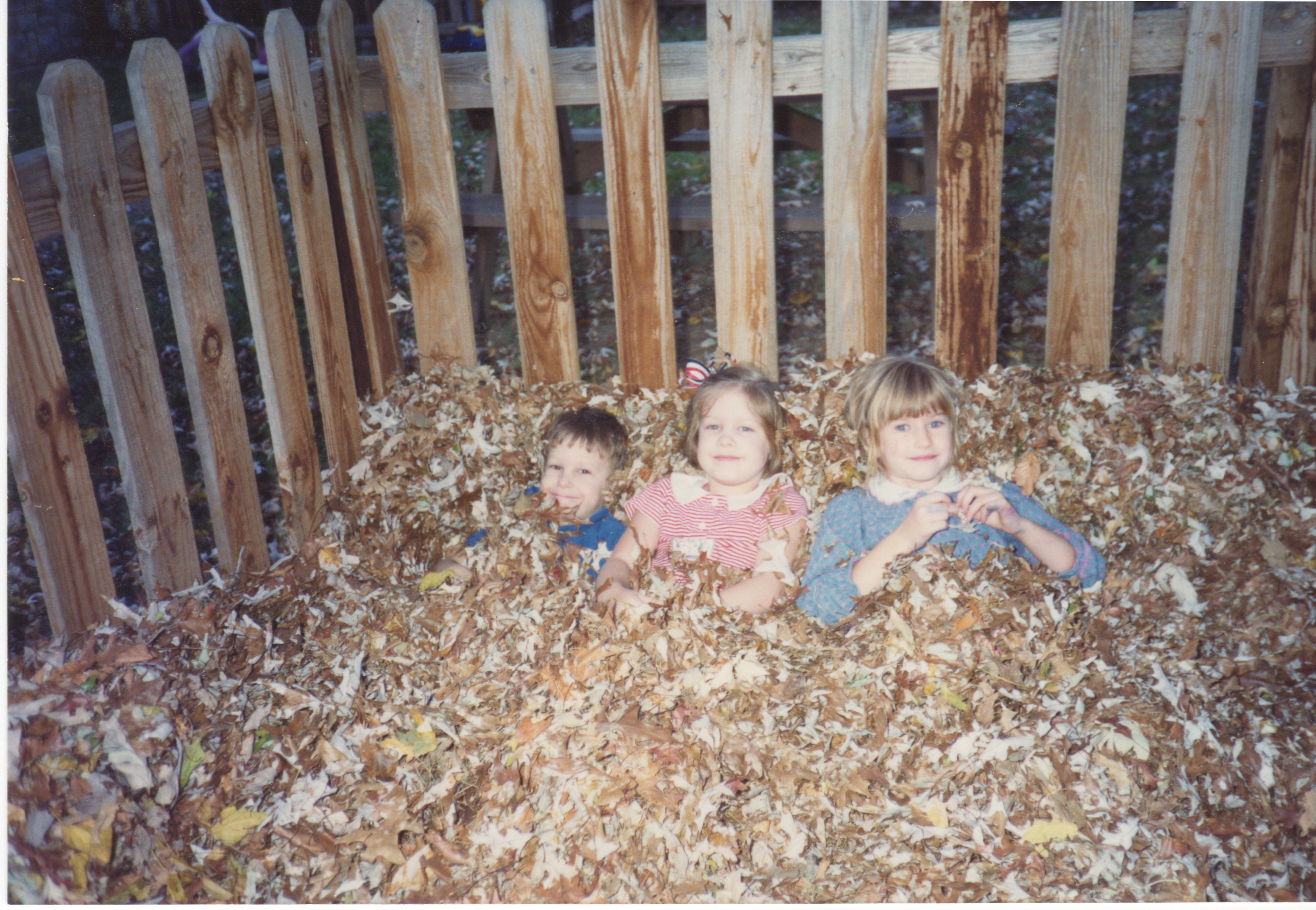
Gathering leaves

by chuckofish

leavevs2

It is that time of year when the leaves begin to fall and we begin to think about cleaning them up.

Gone are the days when we had lots of free help.

leaves

Sigh.

The boy did come over on Sunday and he helped me achieve an ant apocalypse by destroying a giant ant hill that had been built over the course of some years in a low wall surrounding a tree in the front yard. He came over for brunch, but somehow he always ends up doing some much-needed man-work around the house/yard, for which I am most appreciative.

Here’s a poem to start off the week. Have a good one!

Spades take up leaves
No better than spoons,
And bags full of leaves
Are light as balloons.
I make a great noise
Of rustling all day
Like rabbit and deer
Running away.
But the mountains I raise
Elude my embrace,
Flowing over my arms
And into my face.
I may load and unload
Again and again
Till I fill the whole shed,
And what have I then?
Next to nothing for weight,
And since they grew duller
From contact with earth,
Next to nothing for color.
Next to nothing for use.
But a crop is a crop,
And who’s to say where
The harvest shall stop?”

― Robert Frost

Waste not

by chuckofish

“…I cannot endure to waste anything so precious as autumnal sunshine by staying in the house. So I have spent almost all the daylight hours in the open air.”

~Nathaniel Hawthorne, 10th October 1842

The view from my back door in the morning

The view from my backdoor yesterday morning

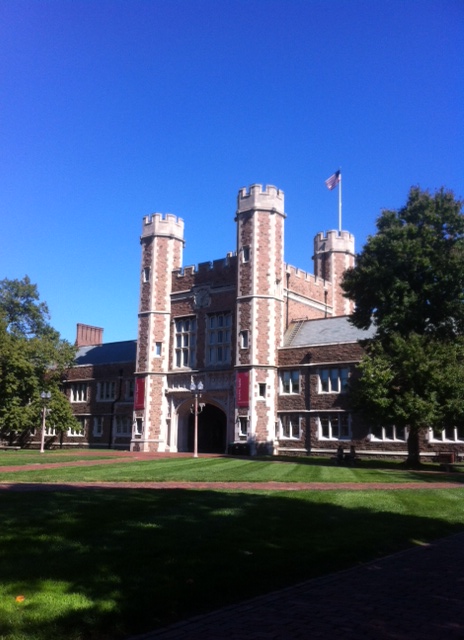
I am with Hawthorne all the way. Unfortunately I do not have the option of staying outside all day. I will, however, take a walk around the block if work allows. Yesterday I had a meeting on my flyover campus and so I got to walk around. It was nice. I mean look at that sky!

wustl

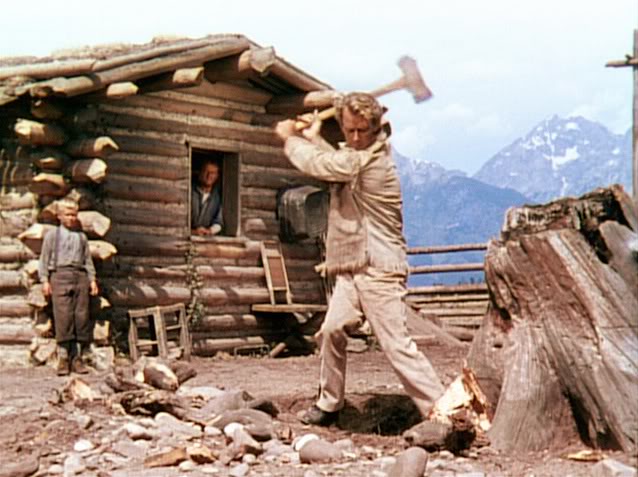
And when I get home today I will attack some more vines–strenuous yard work which bears visible results is good for the soul, right? But sometimes I feel like Shane and that stump.

ShaneStump

And, yes…

adam-wainwright-smi2

We won the NLDS! Just look at the wing span on old Adam Wainwright! Onward and upward, Cardinals! Bring on the Dodgers!

You are here

by chuckofish

whitman-main

Oh me! Oh life! of the questions of these recurring,
Of the endless trains of the faithless, of cities fill’d with the foolish,
Of myself forever reproaching myself, (for who more foolish than I, and who more faithless?)
Of eyes that vainly crave the light, of the objects mean, of the struggle ever renew’d,
Of the poor results of all, of the plodding and sordid crowds I see around me,
Of the empty and useless years of the rest, with the rest me intertwined,
The question, O me! so sad, recurring—What good amid these, O me, O life?

Answer.
That you are here—that life exists and identity,
That the powerful play goes on, and you may contribute a verse.

O Me! O Life! by Walt Whitman
Leaves of Grass (1892)

This is a moment

by chuckofish

thomas wolfe

“A destiny that leads the English to the Dutch is strange enough; but one that leads from Epsom into Pennsylvania, and thence into the hills that shut in Altamont over the proud coral cry of the cock, and the soft stone smile of an angel, is touched by that dark miracle of chance which makes new magic in a dusty world.

Each of us is all the sums he has not counted: subtract us into nakedness and night again, and you shall see begin in Crete four thousand years ago the love that ended yesterday in Texas.

The seed of our destruction will blossom in the desert, the alexin of our cure grows by a mountain rock, and our lives are haunted by a Georgia slattern, because a London cutpurse went unhung. Each moment is the fruit of forty thousand years. The minute-winning days, like flies, buzz home to death, and every moment is a window on all time.

This is a moment.”

–Thomas Wolfe (October 3, 1900 – September 15, 1938)
Look Homeward, Angel (1929)

I read this book a long, long time ago and this quote was in one of my earliest quote books. It reminds me a lot of William Faulkner and also Thornton Wilder. Both would have agreed with him.

What are you reading?

by chuckofish

Girl-reading-758651

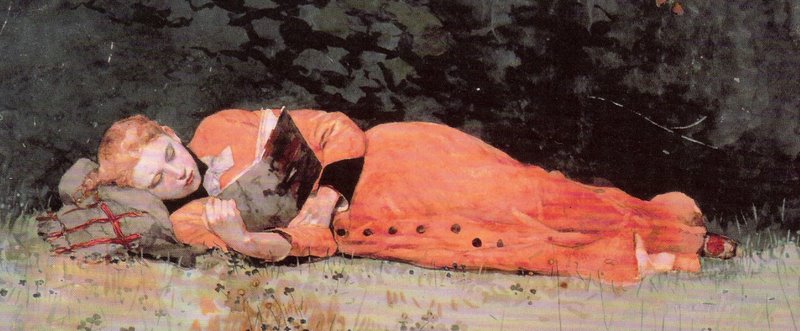
Lately I have had a hard time finding something good to read. I have started several novels, but never gotten too far with any of them.

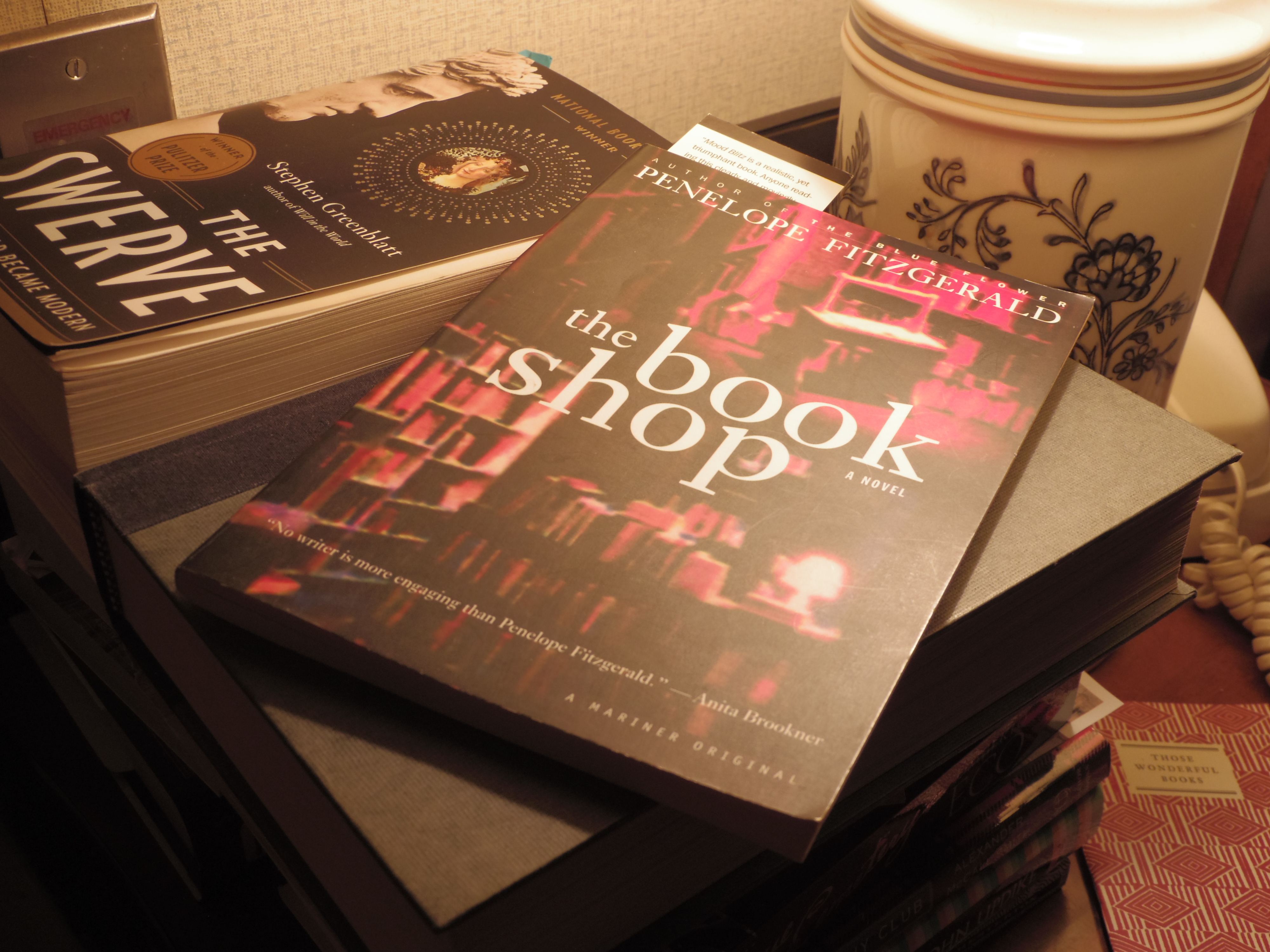
Then someone at work handed me a copy of The Bookshop by Penelope Fitzgerald. It is really good!

books

The novel, set mainly in 1959, centers around Florence Green, a middle-aged widow, who decides to open a bookshop in the small fictional town of Hardborough, Suffolk. The characters are expertly wrought with few wasted words.

“What seemed delicacy in him was usually a way of avoiding trouble; what seemed like sympathy was the instinct to prevent trouble before it started. It was hard to see what growing older would mean to such a person. His emotions, from lack of exercise, had disappeared almost altogether. Adaptability and curiosity, he had found, did just as well.”

Penelope Fitzgerald (17 December 1916 – 28 April 2000) was a Booker Prize-winning English novelist, poet, essayist and biographer. I had read Fitzgerald’s highly-touted final novel, The Blue Flower, published in 1995, which centers on the 18th century German poet and philosopher Novalis. I liked it, but I didn’t go on a Penelope Fitzgerald binge like I sometimes do with a newly discovered author.

I can relate.

I can relate.

She launched her literary career in 1975, at the age of 58, when she published a biography of Pre-Raphaelite artist Edward Burne-Jones (1833–1898). This was followed two years later by The Knox Brothers, a biography of her well-known father and uncles. Later, in 1977, she published her first novel, The Golden Child, a comic murder mystery with a museum setting inspired by the Tutankhamun mania earlier in the decade. Clearly a girl after my own heart.

I love a late-bloomer, don’t you? It gives one hope.

What are you reading?

Happy birthday, F. Scott Fitzerald

by chuckofish

(September 24, 1896 – December 21, 1940)

(September 24, 1896 – December 21, 1940)

I always felt kind of sorry for Fitzgerald. He had talent, but he also had a serious drinking problem and he married the wrong woman. That can be a deadly combination.

According to Wikipedia, Fitzgerald died at age 44 and was originally buried in Rockville Union Cemetery, an Anglican cemetery and the oldest burying ground in Rockville, Maryland. His daughter Scottie Smith worked to overturn the Archdiocese of Baltimore’s ruling that Fitzgerald had died a non-practicing Catholic, so that he could be buried at the Roman Catholic Saint Mary’s Cemetery where his father’s family was interred; this involved “re-Catholicizing” Fitzgerald after his death. His remains (and those of his Episcopalian wife Zelda) were moved to the family plot in Saint Mary’s Cemetery in Rockville, Maryland, in 1975.

Seriously?

“Oh, the poor son-of-a-bitch.”*

But I got a little side-tracked there. Here’s a quote:

“He did not understand all he had heard, but from his clandestine glimpse into the privacy of these two, with all the world that his short experience could conceive of at their feet, he had gathered that life for everybody was a struggle, sometimes magnificent from a distance, but always difficult and surprisingly simple and a little sad.”

― F. Scott Fitzgerald, Babylon Revisited and Other Stories

*The Great Gatsby

That old September feeling

by chuckofish

“Delicious autumn! My very soul is wedded to it, and if I were a bird I would fly about the earth seeking the successive autumns.”

― George Eliot

How was your weekend? Mine was very low-key. The weather was lovely. I went estate sale-ing but actually found something at one of my favorite antique malls.

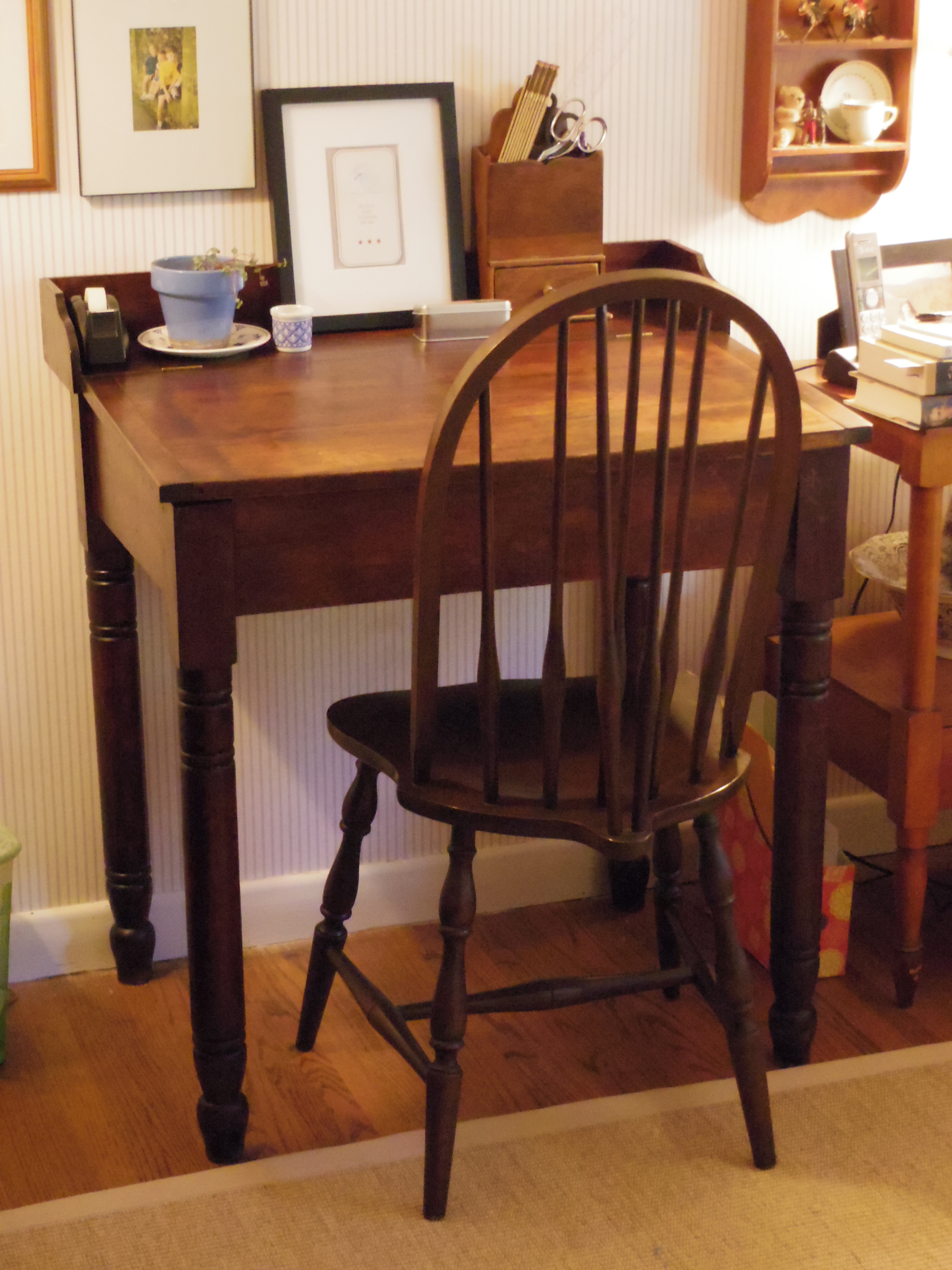
I have been looking for a small desk or work table for some time now. I found a nice old slant-top desk (and a chair) for a wonderful price and snatched them up. I had to go home and get our trusty Subaru to transport it and then asked the boy to come over and get it out of the Subaru and upstairs. He, as usual, was more than willing to do so. I sure do appreciate his man-strength and his good humor.

desk

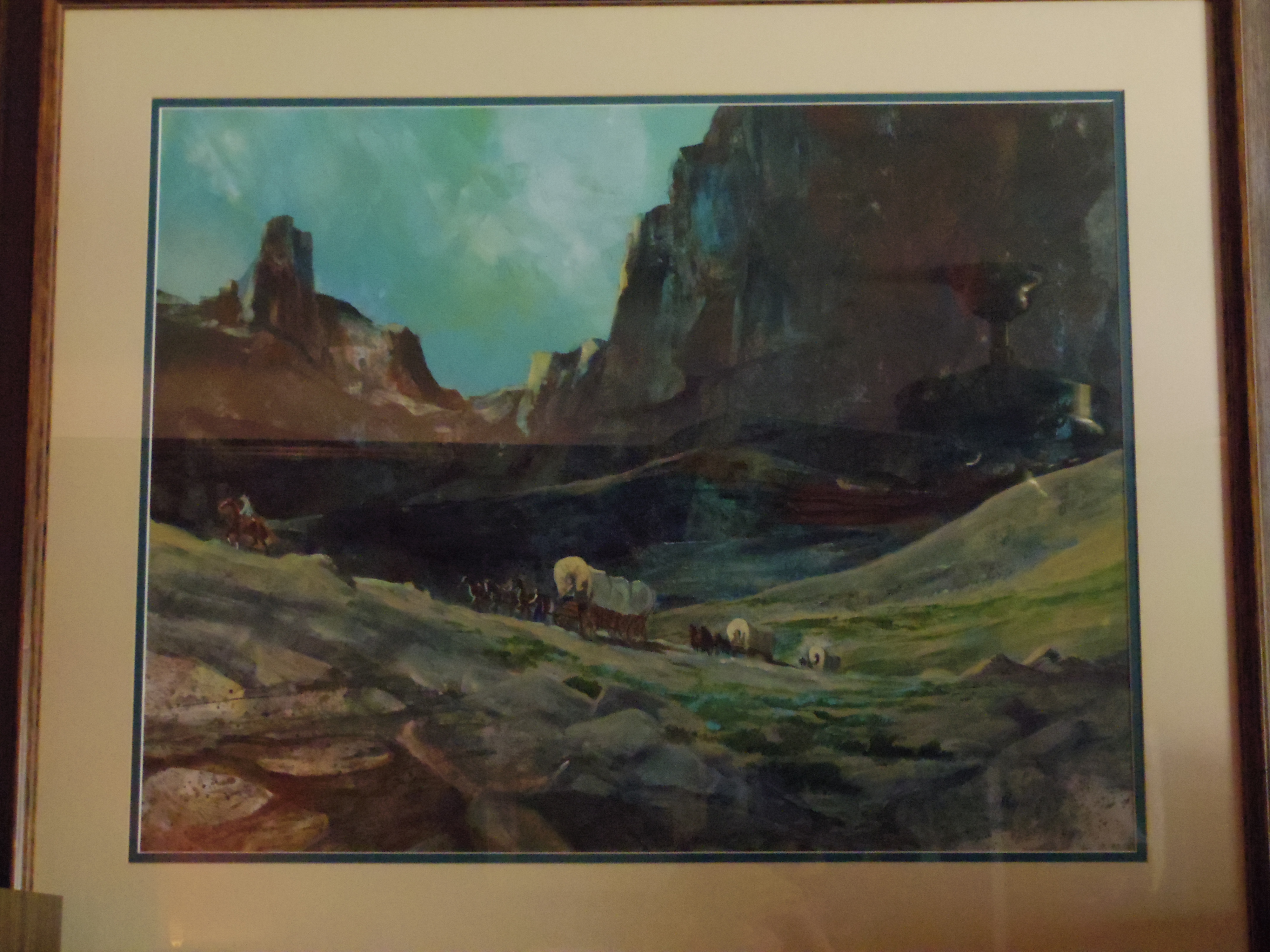
He also hung up a very large watercolor that I got at the Autumn Gallery Auction at our local auction house last week. It was their quarterly fancy auction as opposed to the monthly ones I usually go to. Sometimes I’ll just throw in a lowball silent bid to see what will happen and sometimes I win. Very exciting.

painting

We moved some things around and that is always fun.

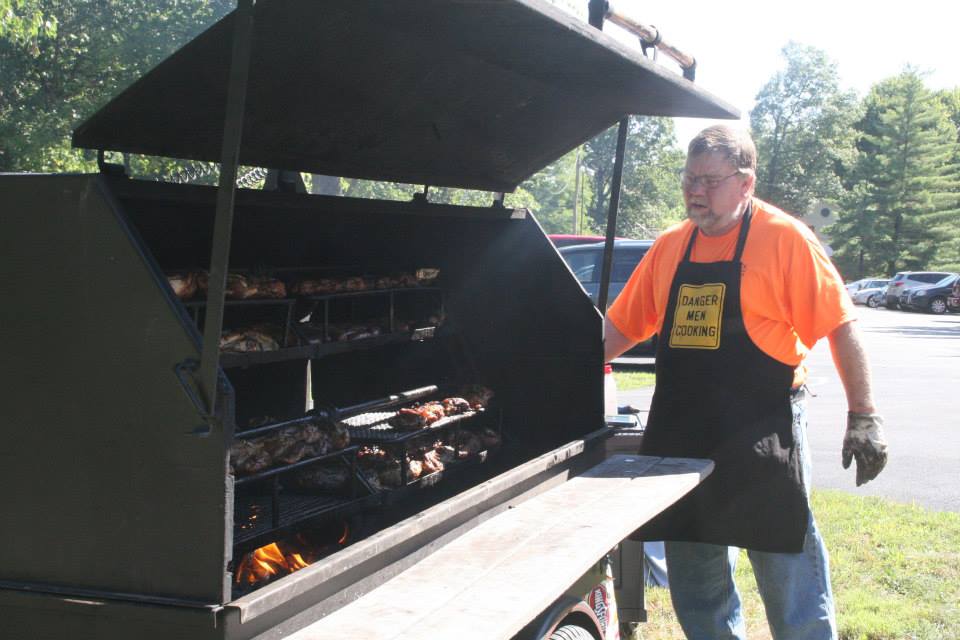
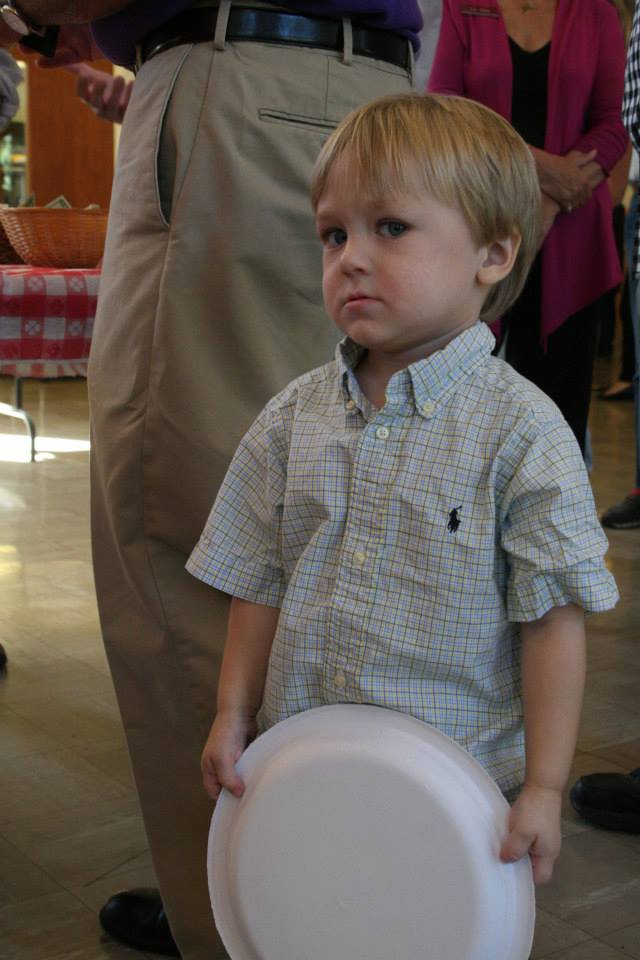
I went to church on Sunday (five weeks in a row!) and we celebrated St. Matthew’s Day and had our annual picnic. It was a beautiful sunny day–perfect for outdoor dining, bouncy houses and bar-b-que.

1240100_554326694621951_672362175_n

644040_554327287955225_1118764120_n

1238002_554327047955249_1964428172_n

1374853_554326971288590_427375630_n

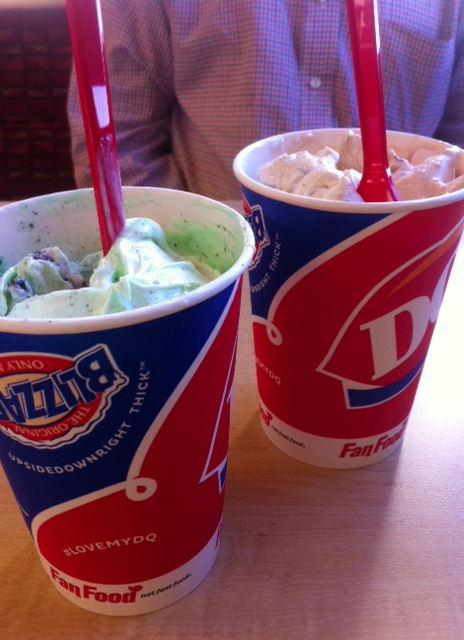
After doing some house cleaning and laundry, we wound down the day with these:

DQ

A perfect start to fall!

*The pictures from the church picnic are from the Grace church Facebook page.

Tout va bien

by chuckofish

Well, something nice happened to me yesterday.

I had had a long, hard day at work–leading a workshop at my flyover university. On the way home I needed to stop at the grocery store for a few things. Of course, it was raining.

It was one of those weird midwestern storms where you can clearly see the demarcation line of the storm: rain and sunny sky. It was thundering. By the time I was checking out it was pouring rain, a deluge of biblical proportions! But you could still see the sun shining off in the distance and god-rays shining down through the clouds.

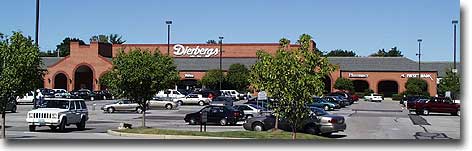
Anyway, the amazing thing was–when I left the store, there were several young Dierberg’s employees waiting outside with big golf umbrellas to escort shoppers to their cars!

Dierbergs

Wasn’t that nice?

“In normal life we hardly realize how much more we receive than we give, and life cannot be rich without such gratitude. It is so easy to overestimate the importance of our own achievements compared with what we owe to the help of others.”

― Dietrich Bonhoeffer, Letters and Papers from Prison

A caged bird sings

by chuckofish

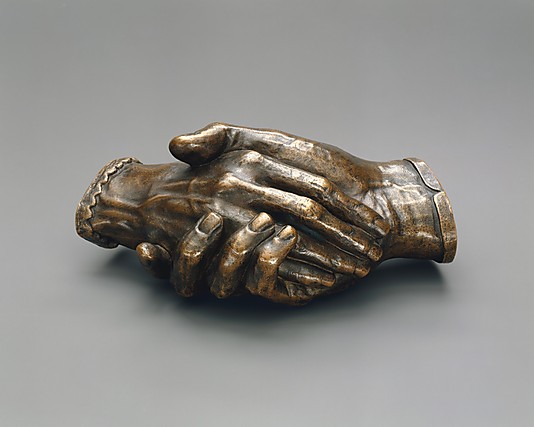
Clasped Hands of Elizabeth Barrett Browning and Robert Browning by Harriet Goodhue Hosmer

Clasped Hands of Elizabeth Barrett Browning and Robert Browning by Harriet Goodhue Hosmer

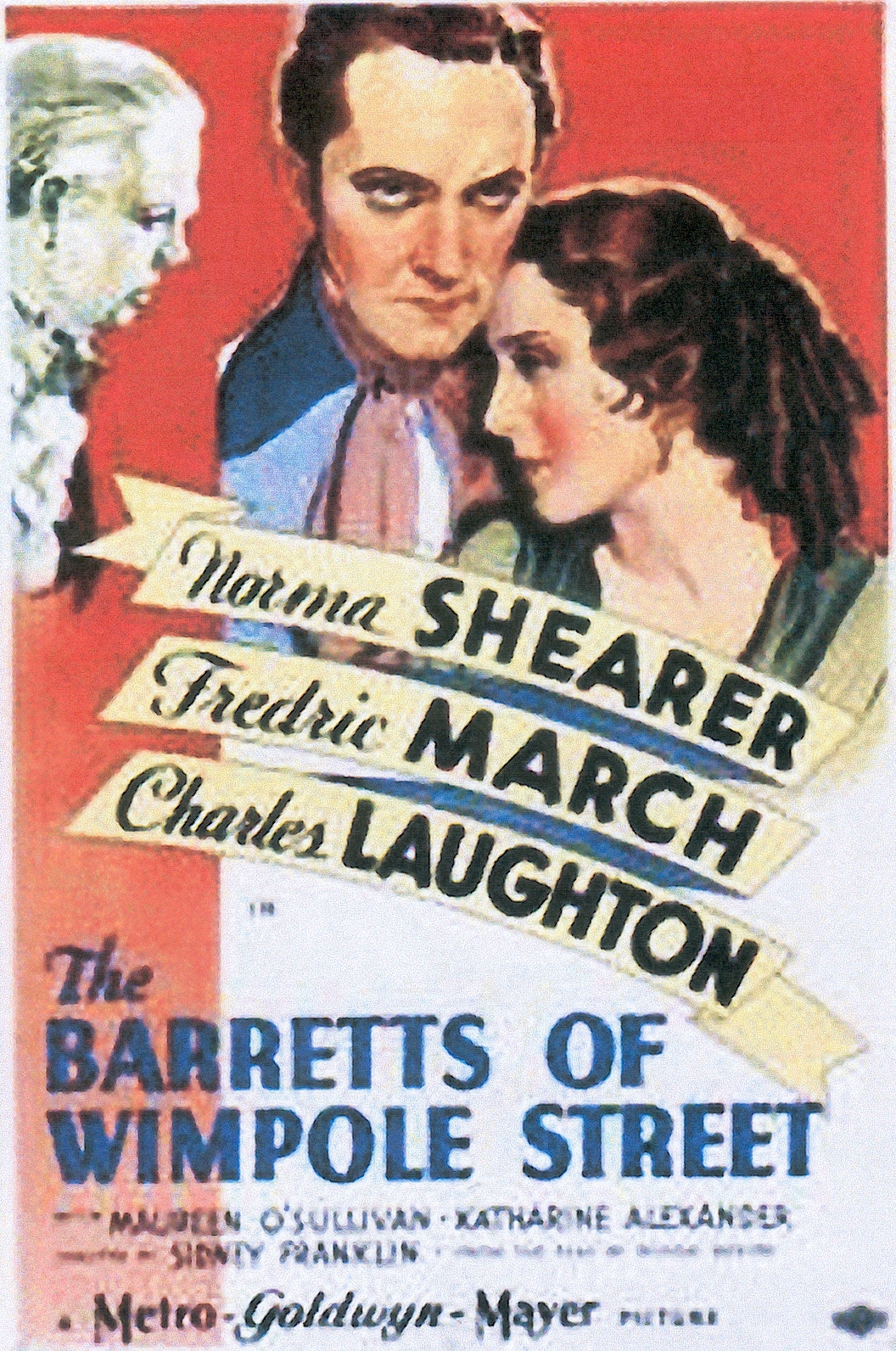
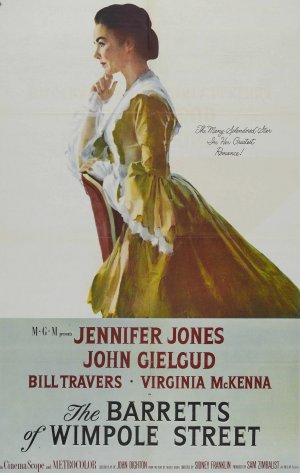
On this day in 1846 Elizabeth Barrett Browning and Robert Browning eloped! You know the famous story of their love. Six years her junior, the poet Robert Browning exchanged 574 letters with Elizabeth Barrett over a twenty-month period. Immortalized in the 1930 play The Barretts of Wimpole Street, by Rudolf Besier, their romance was bitterly opposed by her father, who did not want any of his children to marry. After they married, her father never spoke to her again. Gee whiz.

Anyway, she was a darn good poet, mostly known today for her famous How Do I Love Thee sonnet. But she wrote a lot more than that. Here is the beginning of Aurora Leigh (1850) and a link so you can read the whole thing.

OF writing many books there is no end;
And I who have written much in prose and verse
For others’ uses, will write now for mine,–
Will write my story for my better self,
As when you paint your portrait for a friend,
Who keeps it in a drawer and looks at it
Long after he has ceased to love you, just
To hold together what he was and is.

You can read the rest here.

And if you feel like it, you can watch either of the film versions of the famous play:

1934

1934

or

Poster_of_The_Barretts_of_Wimpole_Street_(1957_film)

(They are both pretty good. I prefer John Gielgud (in anything) to Charles Laughton, but I was never a big fan of Jennifer Jones.)