dual personalities

Tag: poetry

And make rough winter everlastingly*

by chuckofish

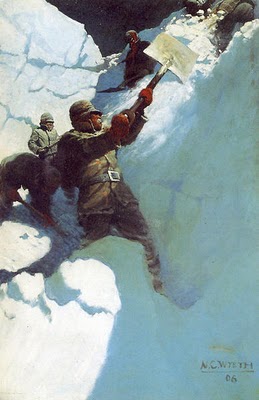
N.C. Wyeth, "Snow Platform"

N.C. Wyeth, “Snow Platform”

Well, we are digging out from more snow. Aargh.

So here is a poem for a snowy day. The last verse is rather famous, but perhaps you have forgotten the earlier part.

Stopping by Woods on a Snowy Evening

Whose woods these are I think I know.
His house is in the village though;
He will not see me stopping here
To watch his woods fill up with snow.

My little horse must think it queer
To stop without a farmhouse near
Between the woods and frozen lake
The darkest evening of the year.

He gives his harness bells a shake
To ask if there is some mistake.
The only other sound’s the sweep
Of easy wind and downy flake.

The woods are lovely, dark and deep,
But I have promises to keep,
And miles to go before I sleep,
And miles to go before I sleep.

Robert Frost, “Stopping by Woods on a Snowy Evening”, 1923

*William Shakespeare, “The Two Gentlemen of Verona”

In the deep heart’s core

by chuckofish

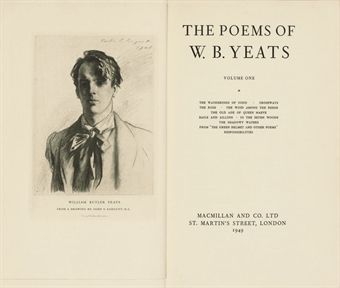
William Butler Yeats, famous Irish poet and playwright, who won the Nobel Prize for literature in 1923, was 73 years old when he died on this day in 1939.

yeats

The Lake Isle of Innisfree

I will arise and go now, and go to Innisfree,
And a small cabin build there, of clay and wattles made:
Nine bean-rows will I have there, a hive for the honey-bee;
And live alone in the bee-loud glade.

And I shall have some peace there, for peace comes dropping slow,
Dropping from the veils of the morning to where the cricket sings;
There midnight’s all a glimmer, and noon a purple glow,
And evening full of the linnet’s wings.

I will arise and go now, for always night and day
I hear lake water lapping with low sounds by the shore;
While I stand on the roadway, or on the pavements grey,
I hear it in the deep heart’s core.

You can read more poems by W.B. Yeats here.

The frolic architecture of the snow

by chuckofish

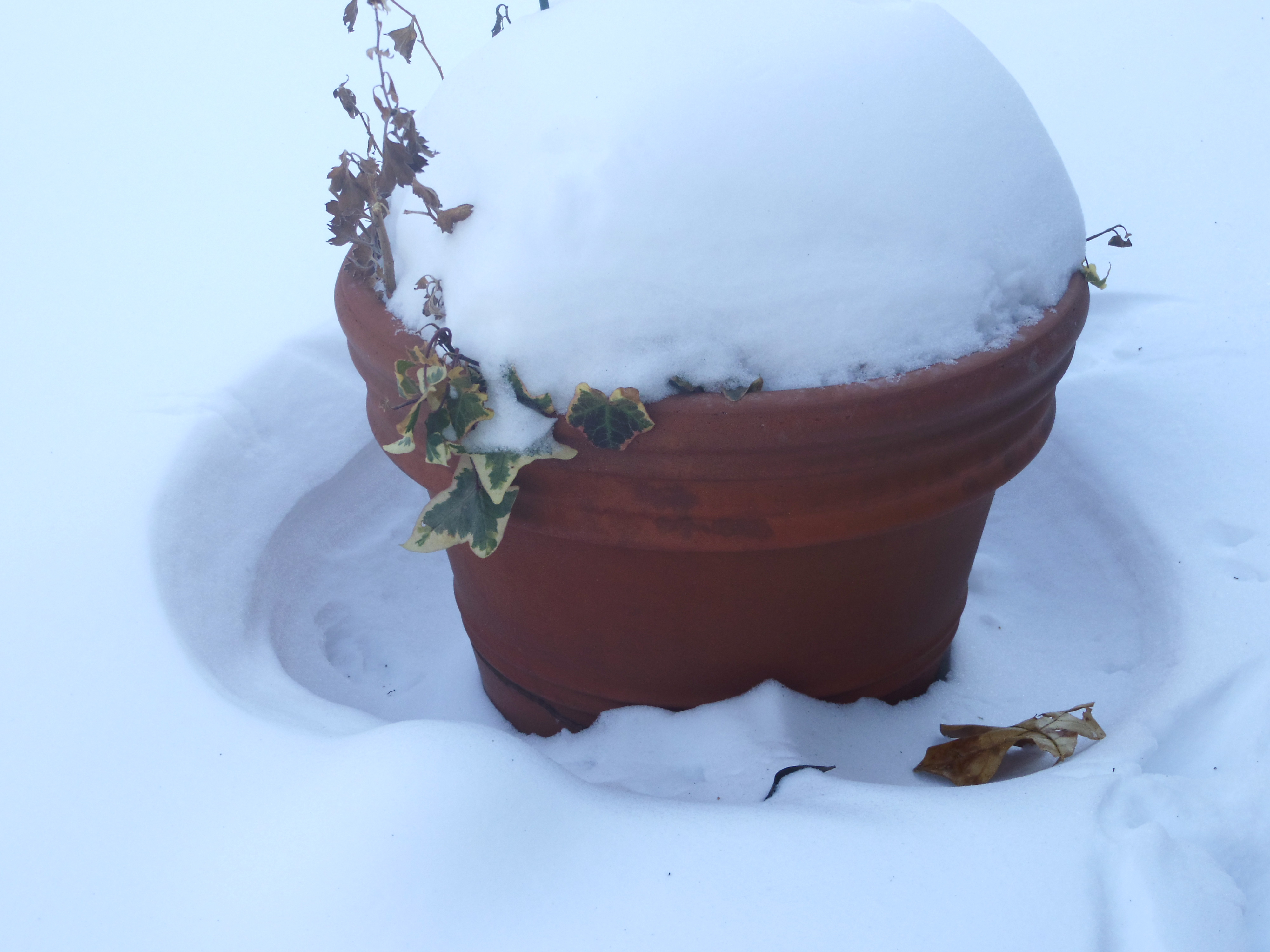
IMGP0883

The Snow-Storm
by Ralph Waldo Emerson

Announced by all the trumpets of the sky,
Arrives the snow, and, driving o’er the fields,
Seems nowhere to alight: the whited air
Hides hills and woods, the river, and the heaven,
And veils the farm-house at the garden’s end.
The sled and traveler stopped, the courier’s feet
Delayed, all friends shut out, the housemates sit
Around the radiant fireplace, enclosed
In a tumultuous privacy of storm.
Come see the north wind’s masonry.
Out of an unseen quarry evermore
Furnished with tile, the fierce artificer
Curves his white bastions with projected roof
Round every windward stake, or tree, or door.
Speeding, the myriad-handed, his wild work
So fanciful, so savage, naught cares he
For number or proportion. Mockingly,
On coop or kennel he hangs Parian wreaths;
A swan-like form invests the hidden thorn;
Fills up the farmer’s lane from wall to wall,
Maugre the farmer’s sighs; and, at the gate,
A tapering turret overtops the work.
And when his hours are numbered, and the world
Is all his own, retiring, as he were not,
Leaves, when the sun appears, astonished Art
To mimic in slow structures, stone by stone,
Built in an age, the mad wind’s night-work,
The frolic architecture of the snow.

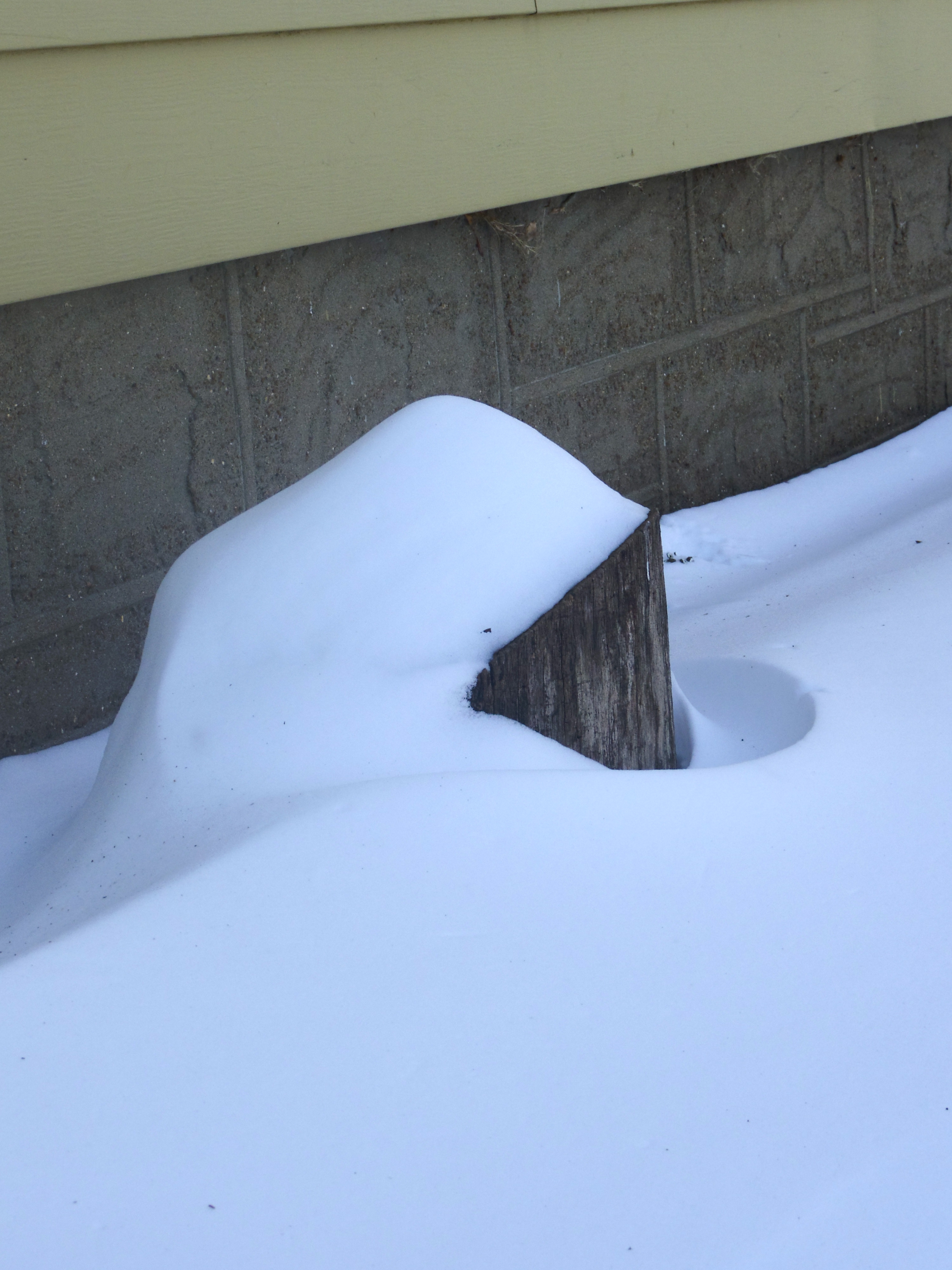
IMGP0886

holly

A sonnet for Thursday

by chuckofish

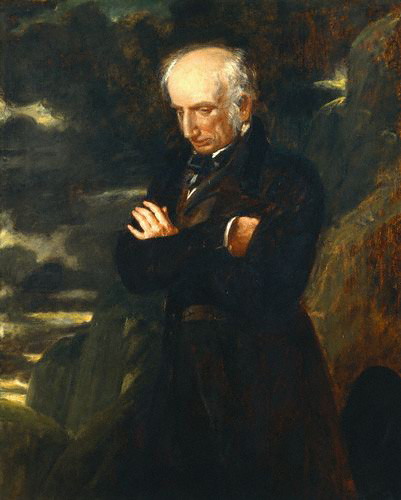
Well, two hundred years ago they also felt out of tune and forlorn! And check out this pensive portrait of Wordsworth.

NPG 1857,William Wordsworth,by Benjamin Robert Haydon

“The world is too much with us; late and soon,
Getting and spending, we lay waste our powers;
Little we see in Nature that is ours;
We have given our hearts away, a sordid boon!
This Sea that bares her bosom to the moon,
The winds that will be howling at all hours,
And are up-gathered now like sleeping flowers,
For this, for everything, we are out of tune;
It moves us not.–Great God! I’d rather be
A Pagan suckled in a creed outworn;
So might I, standing on this pleasant lea,
Have glimpses that would make me less forlorn;
Have sight of Proteus rising from the sea;
Or hear old Triton blow his wreathed horn.”

― William Wordsworth, The Major Works
1802

The moon’s a balloon*

by chuckofish

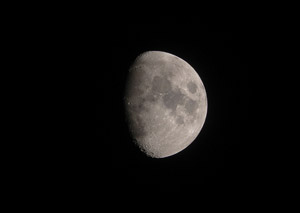
The lunar phase on November 13, 2013 is Waxing Gibbous. The moon is growing bigger.

Take a look this afternoon. A waxing gibbous moon appears high in the east at sunset. It’s more than half-lighted, but less than full.

waxing_gibbous_featured

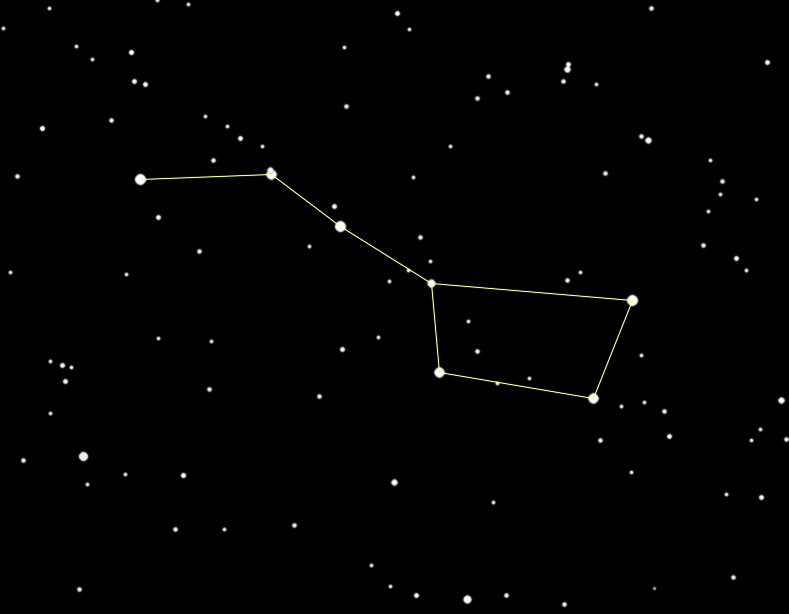
When I flew to New York last week, it was at sunset. We flew over the clouds in the dark. The lights of the cities twinkled below. Then I looked out the window and there was the big dipper (Ursa Major)!

BigDipper

The moon was a sliver then. What a beautiful world!

O Lord, our Lord, how excellent is thy name in all the earth! who hast set thy glory above the heavens.

2 Out of the mouth of babes and sucklings hast thou ordained strength because of thine enemies, that thou mightest still the enemy and the avenger.

3 When I consider thy heavens, the work of thy fingers, the moon and the stars, which thou hast ordained;

4 What is man, that thou art mindful of him? and the son of man, that thou visitest him?

5 For thou hast made him a little lower than the angels, and hast crowned him with glory and honour.

6 Thou madest him to have dominion over the works of thy hands; thou hast put all things under his feet:

7 All sheep and oxen, yea, and the beasts of the field;

8 The fowl of the air, and the fish of the sea, and whatsoever passeth through the paths of the seas.

9 O Lord our Lord, how excellent is thy name in all the earth!

Psalm 8 (KJV)

* e.e. cummings

Rest and be thankful

by chuckofish

restand be thankful

XIII. “REST AND BE THANKFUL!”
AT THE HEAD OF GLENCROE

Doubling and doubling with laborious walk,
Who, that has gained at length the wished-for Height,
This brief this simple wayside Call can slight,
And rests not thankful? Whether cheered by talk
With some loved friend, or by the unseen hawk
Whistling to clouds and sky-born streams that shine,
At the sun’s outbreak, as with light divine,
Ere they descend to nourish root and stalk
Of valley flowers. Nor, while the limbs repose,
Will we forget that, as the fowl can keep
Absolute stillness, poised aloft in air,
And fishes front, unmoved, the torrent’s sweep,–
So may the Soul, through powers that Faith bestows,
Win rest, and ease, and peace, with bliss that Angels share.

–Composed by William Wordsworth during a tour in Scotland and on the English border in the autumn of 1831

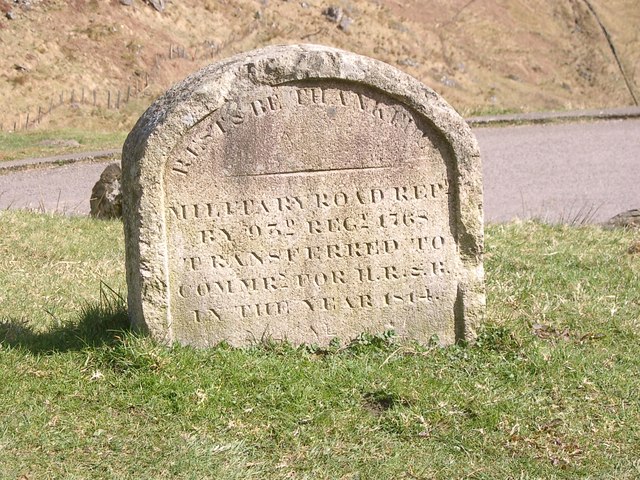
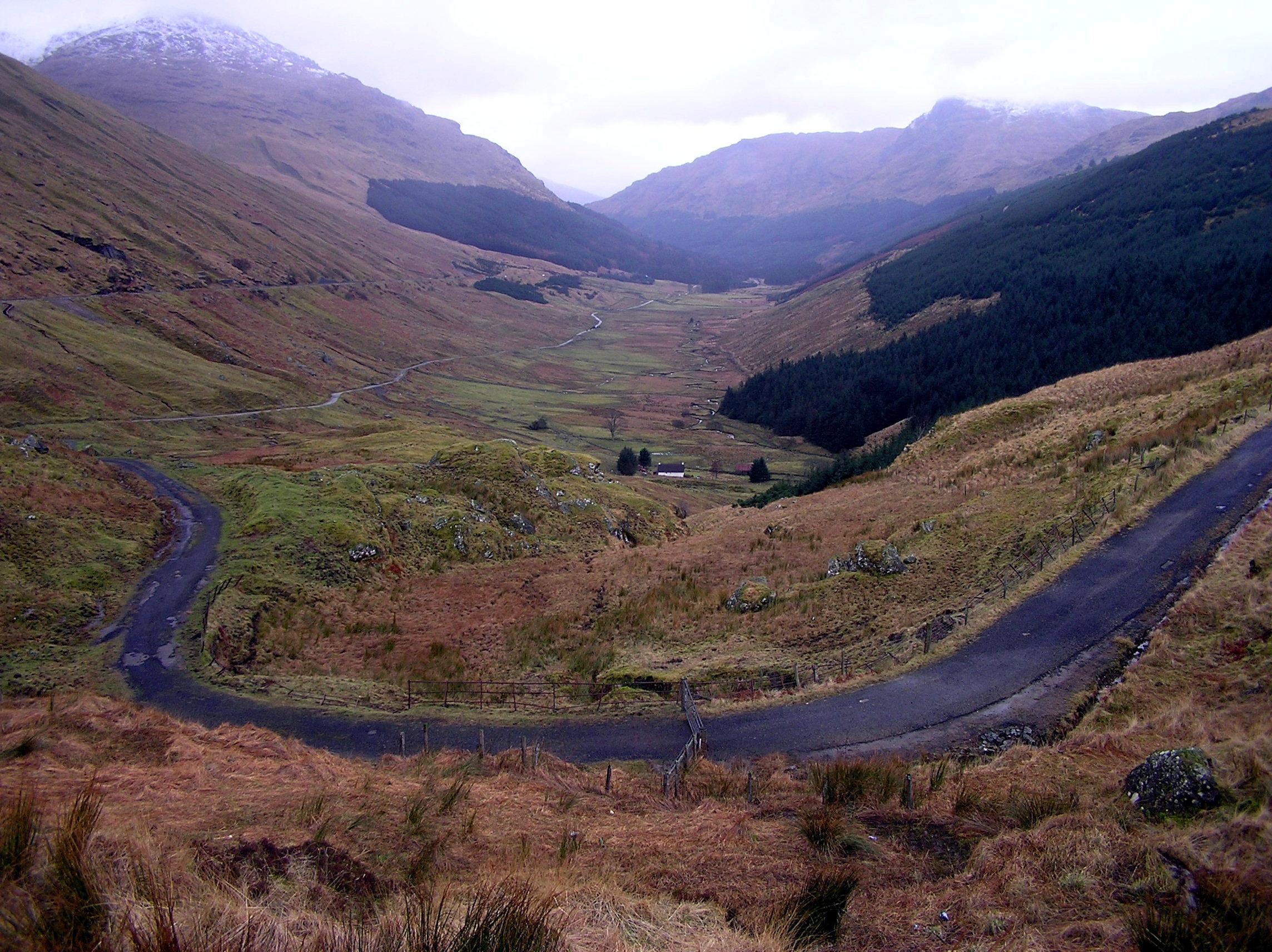
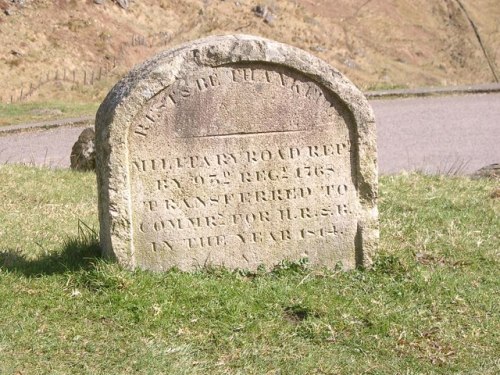
“Rest and be thankful” are the words inscribed on a stone near the junction of the A83 and the B828, placed there by soldiers who built the original military road in 1753, now referred to as the Drovers’ road. The original stone fell into ruin and was replaced by a commemorative stone at the same site.

OLYMPUS DIGITAL CAMERA

The section is so named as the climb out of Glen Croe is so long and steep at the end that it was traditional for travellers to rest at the top, and be thankful for having reached the highest point. The current road no longer keeps to the floor of Glen Croe but steadily climbs across the southern slopes of The Cobbler, on the north side of the Glen, to the highest point of the pass. The westward descent to Loch Fyne is through Glen Kinglas, and from here the A815, the main road to Dunoon and the Cowal peninsula, branches off to the south.*

I have not been to this particular corner of Scotland, but I wish I had! Wow. And isn’t it great that they erected a stone inviting people to “rest and be thankful”?

Anyway, I thought this fit in nicely with my effort to be thankful this month–don’t you agree?

*Information and photos via Wikipedia
To go with the drift of things

by chuckofish

I had a rather sad weekend, spending a good deal of it thinking about what I had been doing the weekend before when daughter #1 was visiting. I try not to do this, but it is hard.

I watched a depressing movie about Sylvia Plath (played by Gwyneth Paltrow).

And I read some sad poems.

Out through the fields and the woods
And over the walls I have wended;
I have climbed the hills of view
And looked at the world, and descended;
I have come by the highway home,
And lo, it is ended.

The leaves are all dead on the ground,
Save those that the oak is keeping
To ravel them one by one
And let them go scraping and creeping
Out over the crusted snow,
When others are sleeping.

And the dead leaves lie huddled and still,
No longer blown hither and thither;
The last lone aster is gone;
The flowers of the witch hazel wither;
The heart is still aching to seek,
But the feet question ‘Whither?’

Ah, when to the heart of man
Was it ever less than a treason
To go with the drift of things,
To yield with a grace to reason,
And bow and accept the end
Of a love or a season?

― Robert Frost, Reluctance

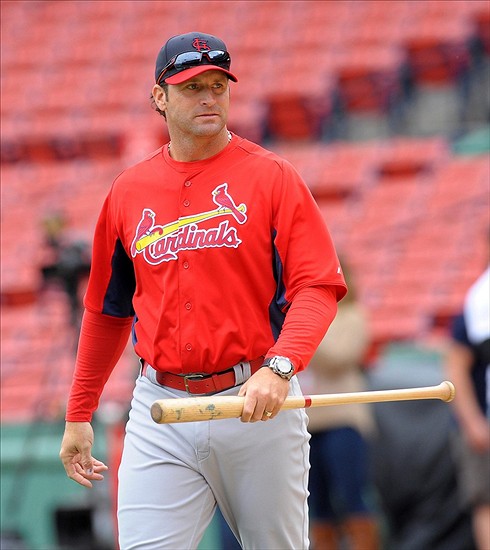
I watched some stressful World Series games. But this guy always cheers me up.

matheny3

I will miss our skipper in the off-season. See, there I go again! Well, onward and upward this week and go Cards!

Gathering leaves

by chuckofish

leavevs2

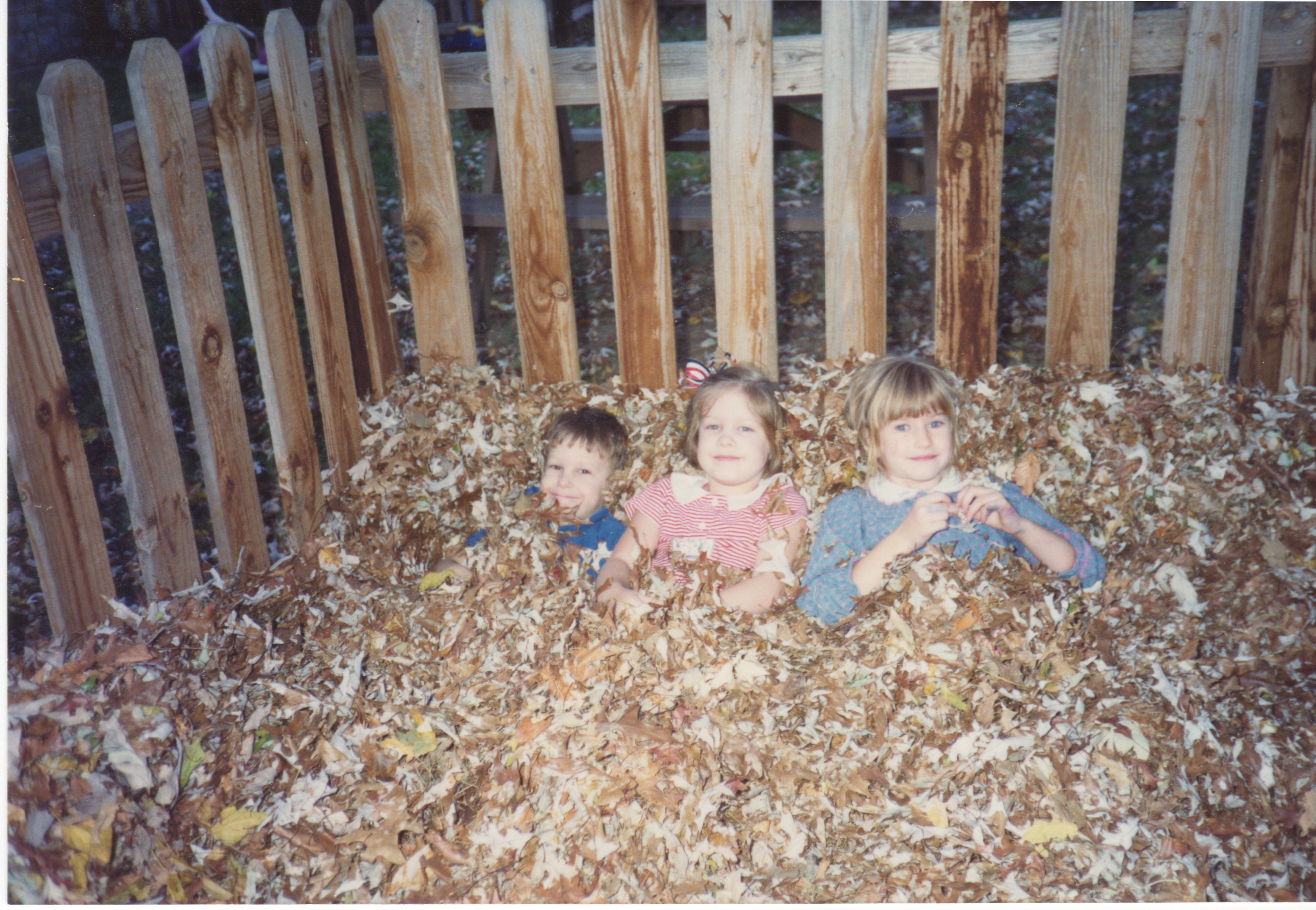
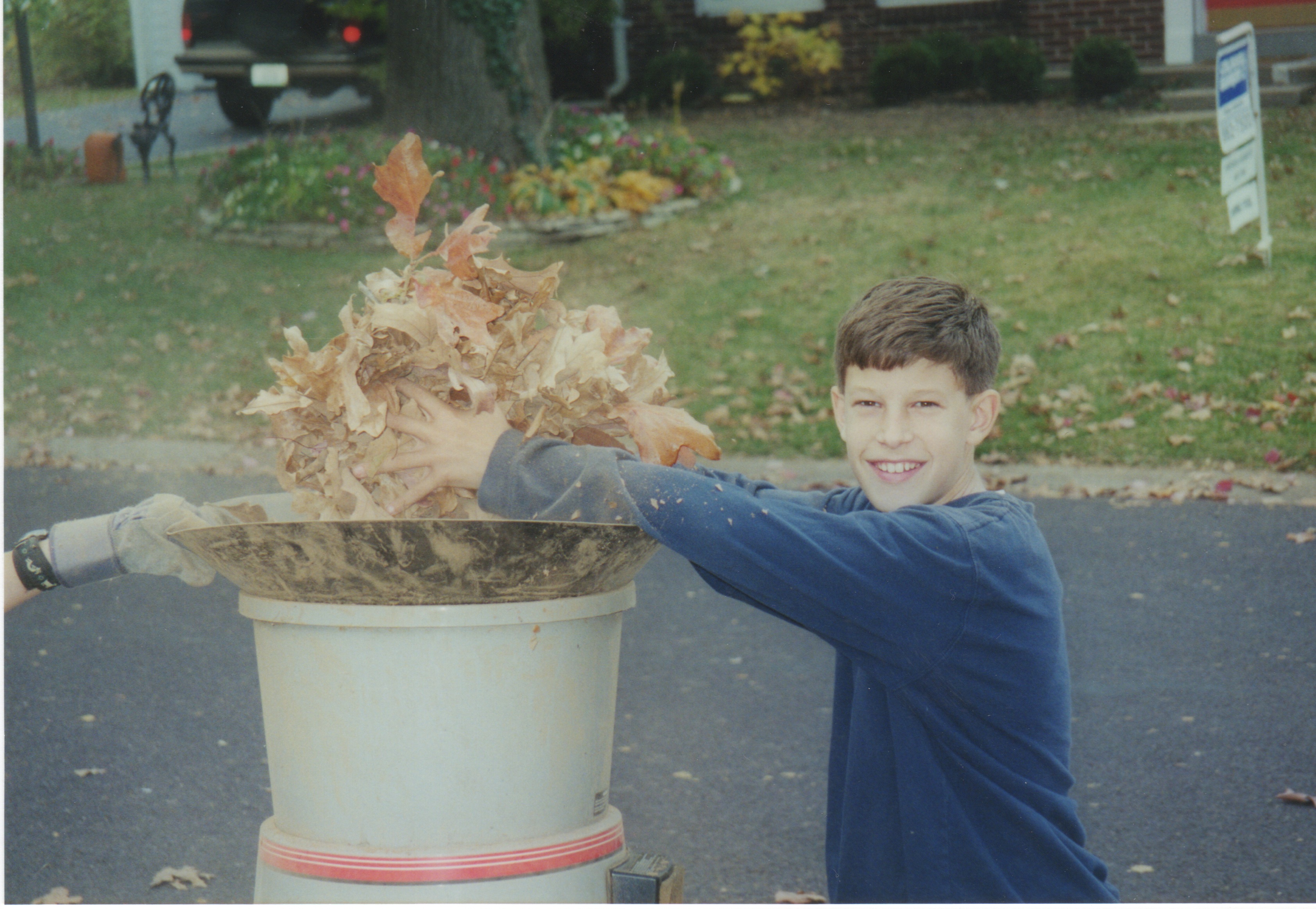
It is that time of year when the leaves begin to fall and we begin to think about cleaning them up.

Gone are the days when we had lots of free help.

leaves

Sigh.

The boy did come over on Sunday and he helped me achieve an ant apocalypse by destroying a giant ant hill that had been built over the course of some years in a low wall surrounding a tree in the front yard. He came over for brunch, but somehow he always ends up doing some much-needed man-work around the house/yard, for which I am most appreciative.

Here’s a poem to start off the week. Have a good one!

Spades take up leaves
No better than spoons,
And bags full of leaves
Are light as balloons.
I make a great noise
Of rustling all day
Like rabbit and deer
Running away.
But the mountains I raise
Elude my embrace,
Flowing over my arms
And into my face.
I may load and unload
Again and again
Till I fill the whole shed,
And what have I then?
Next to nothing for weight,
And since they grew duller
From contact with earth,
Next to nothing for color.
Next to nothing for use.
But a crop is a crop,
And who’s to say where
The harvest shall stop?”

― Robert Frost

You are here

by chuckofish

whitman-main

Oh me! Oh life! of the questions of these recurring,
Of the endless trains of the faithless, of cities fill’d with the foolish,
Of myself forever reproaching myself, (for who more foolish than I, and who more faithless?)
Of eyes that vainly crave the light, of the objects mean, of the struggle ever renew’d,
Of the poor results of all, of the plodding and sordid crowds I see around me,
Of the empty and useless years of the rest, with the rest me intertwined,
The question, O me! so sad, recurring—What good amid these, O me, O life?

Answer.
That you are here—that life exists and identity,
That the powerful play goes on, and you may contribute a verse.

O Me! O Life! by Walt Whitman
Leaves of Grass (1892)

A caged bird sings

by chuckofish

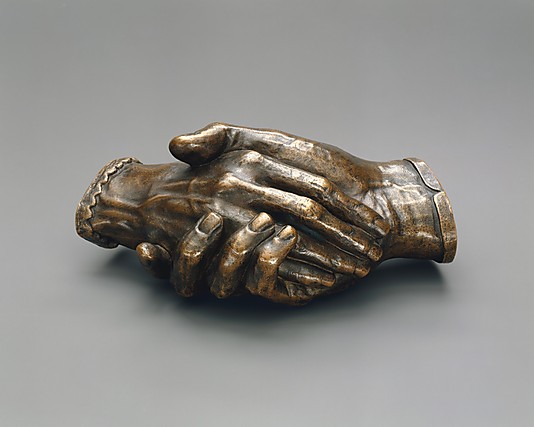
Clasped Hands of Elizabeth Barrett Browning and Robert Browning by Harriet Goodhue Hosmer

Clasped Hands of Elizabeth Barrett Browning and Robert Browning by Harriet Goodhue Hosmer

On this day in 1846 Elizabeth Barrett Browning and Robert Browning eloped! You know the famous story of their love. Six years her junior, the poet Robert Browning exchanged 574 letters with Elizabeth Barrett over a twenty-month period. Immortalized in the 1930 play The Barretts of Wimpole Street, by Rudolf Besier, their romance was bitterly opposed by her father, who did not want any of his children to marry. After they married, her father never spoke to her again. Gee whiz.

Anyway, she was a darn good poet, mostly known today for her famous How Do I Love Thee sonnet. But she wrote a lot more than that. Here is the beginning of Aurora Leigh (1850) and a link so you can read the whole thing.

OF writing many books there is no end;
And I who have written much in prose and verse
For others’ uses, will write now for mine,–
Will write my story for my better self,
As when you paint your portrait for a friend,
Who keeps it in a drawer and looks at it
Long after he has ceased to love you, just
To hold together what he was and is.

You can read the rest here.

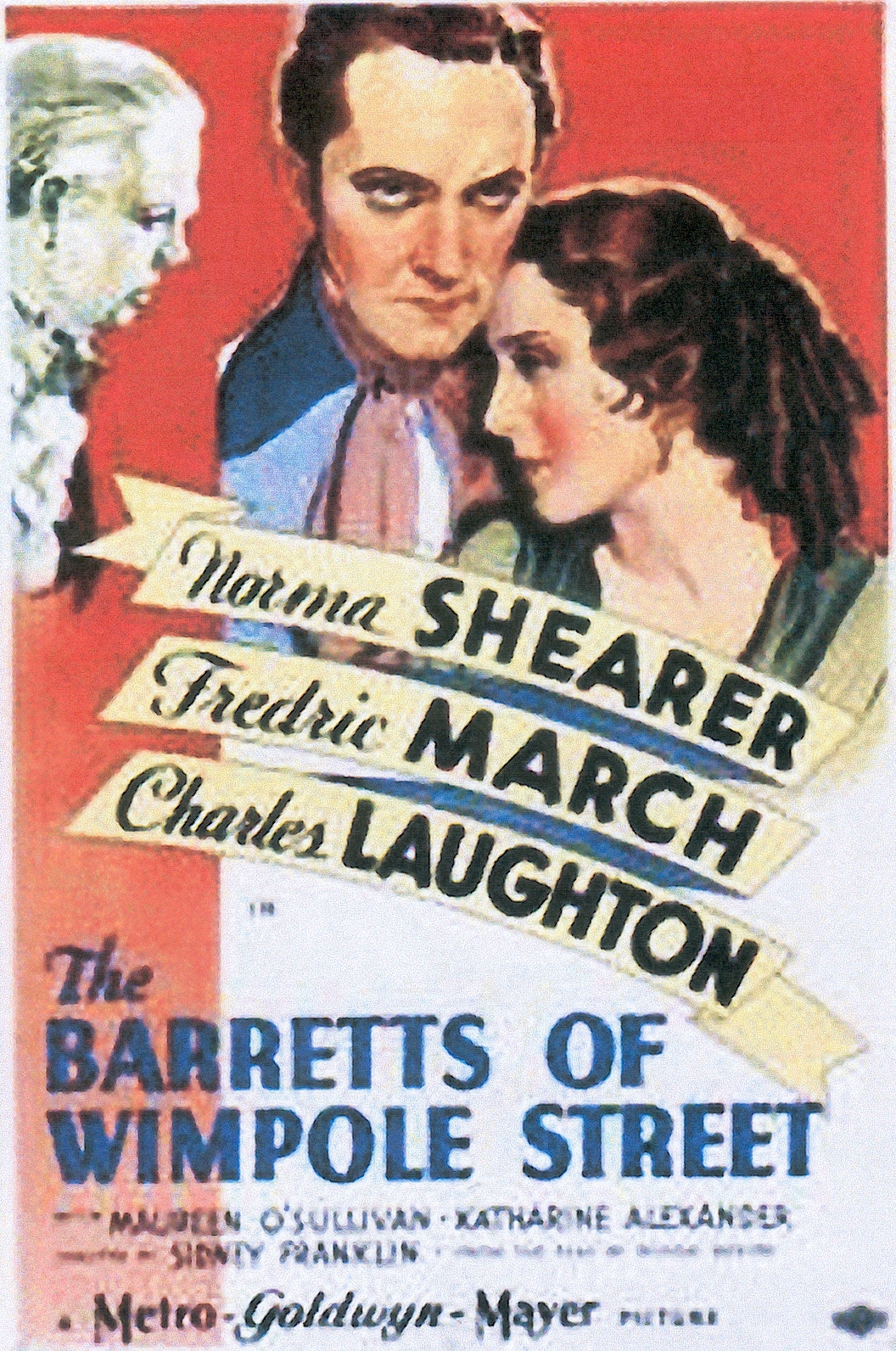
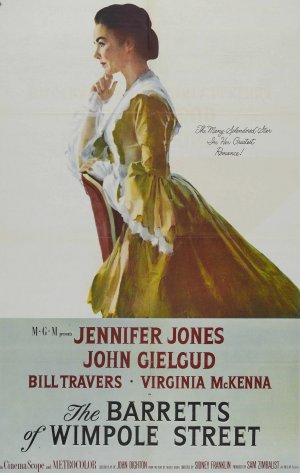
And if you feel like it, you can watch either of the film versions of the famous play:

1934

1934

or

Poster_of_The_Barretts_of_Wimpole_Street_(1957_film)

(They are both pretty good. I prefer John Gielgud (in anything) to Charles Laughton, but I was never a big fan of Jennifer Jones.)