How the West Was Won
by chuckofish
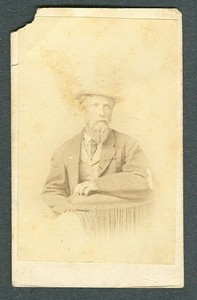
Today is the 176th anniversary of the birth of one of my favorite ancestors, John Wesley Prowers, who was born on January 29, 1838 near Westport, Jackson County, Missouri.
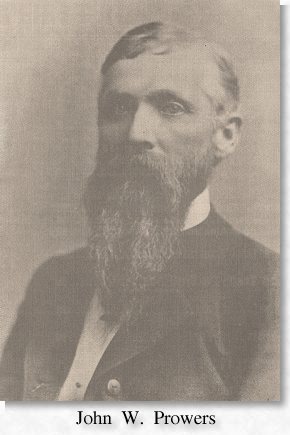
Readers of this blog will recall that John was the older brother of our great-great-grandmother Mary Prowers Hough. Not much is known about their parents, Susan and John Prowers. Some say they came from Virginia, arriving in Missouri where John built a sturdy two-story log cabin near the Missouri River, which stood for nearly 75 years. The senior Prowers died (we know not why) in 1840, leaving 22-year-old Susan alone (literally) in the wilderness with two children under two and very little else save the sturdy cabin. She re-married–what else could she do?
Anyway, John Wesley Prowers did not get along with his step-father and skidaddled in 1856, at the age of eighteen. He went to work for Robert Miller, Indian agent for the Kiowa, Comanche, Apache, Cheyenne and Arapaho tribes of the Upper Arkansas region. They headed for Bent’s new fort. Soon he was working for Colonel Bent at the fort, who put him in charge of the wagon trains, freighting supplies from the trading posts on the Missouri to those west, making twenty-two trips across the plains over the next six years.
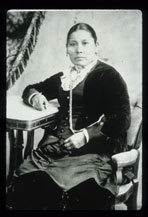
In 1861 he married the 15-year-old Indian “princess” Amache Ochinee, the daughter of Ochinee, a sub-chief of the Southern Cheyennes, near Camp Supply in Indian Territory. In 1862 when John made his usual trip to Westport he took his bride east with him and she remained there with his sister, giving birth to their first child. They named the baby Mary Hough Prowers after her aunt (my great-great-grandmother, Mary Prowers Hough)–which has been confusing genealogists ever since.
The Prowers went on to have nine children, eight surviving to adulthood. John became a cattle baron, building up his herds until at the fall round-up of his ranch, the cattle shipment was a matter of train loads, not carloads. Sometimes, according to his daughter, as many as eight train loads left the ranch for eastern markets. At one time, the fall “check-up” showed 70,000 cattle bearing the Box B and the Bar X brands. Later Prowers cut out the middle man, building his own modern slaughter-house in Las Animas.
For a man with very little formal education, he was a creative and scientific rancher/statesman. He was always trying to improve his herd and his ranch. He experimented to find the cattle best suited to the plains country, bringing cattle from Ireland (the Kurry breed) and he bought “Gentle the Twelfth” from Frederick William Stone of Guelph, Canada. At last he turned to the Hereford as the best North American beef animal, calling it the “American type.” Thus he set about systematically improving and enlarging his herds and acquiring larger range. During his lifetime he fenced 80,000 acres of land in one body and owned forty miles of river front on both sides of the Arkansas River, controlling 400,000 acres of land.
He liked to experiment with things other than cattle as well. He introduced prairie chickens and Bob White quail at the mouth of the Purgatoire River. Hoping to increase the wild game in the county he brought in white tail deer. He also experimented with irrigation, having miles of ditches dug on his ranch.
Unlike his sister, who was a devout Baptist, he belonged to no church or lodge, but he always gave generously to resident pastors, no matter what denomination. He founded a bank and had numerous partners who ran stores and shipping operations. He was elected to represent the county in the Legislature and again to represent Bent County in the General Assembly. Furthermore, he sent all his children, boys and girls, to school and to college.
My great-great-grandmother was a great believer in women’s rights and the need for women to be educated and to have their own property. I have no reason to believe that her brother didn’t feel the same way. I’m sure this stemmed from their own mother’s predicament when her husband died.
When a new county was created from Bent County on May 3, 1889, it was named for Prowers, the pioneer and cattleman. I could go on about this great man, and I haven’t even mentioned his dealings with the Cheyenne, but that’s enough for now. Tonight let us raise a toast to him in remembrance.
These words, attributed to the great warrior Tecumseh, seem appropriate:
“Live your life so that the fear of death can never enter your heart…Love your life, perfect your life, beautify all things in your life. Seek to make your life long and in the service of your people…Always give a word or a sign of salute when meeting or passing a friend, even a stranger, when in a lonely place. Show respect to all people and grovel to none. When you arise in the morning give thanks for the food and for the joy of living. If you see no reason for giving thanks, the fault lies only in yourself…
When it comes your time to die, be not like those whose lives are filled with the fear of death, so that when time comes they weep and pray for a little more time to live their lives over again in a different way. Sing your death song and die like a hero going home.”
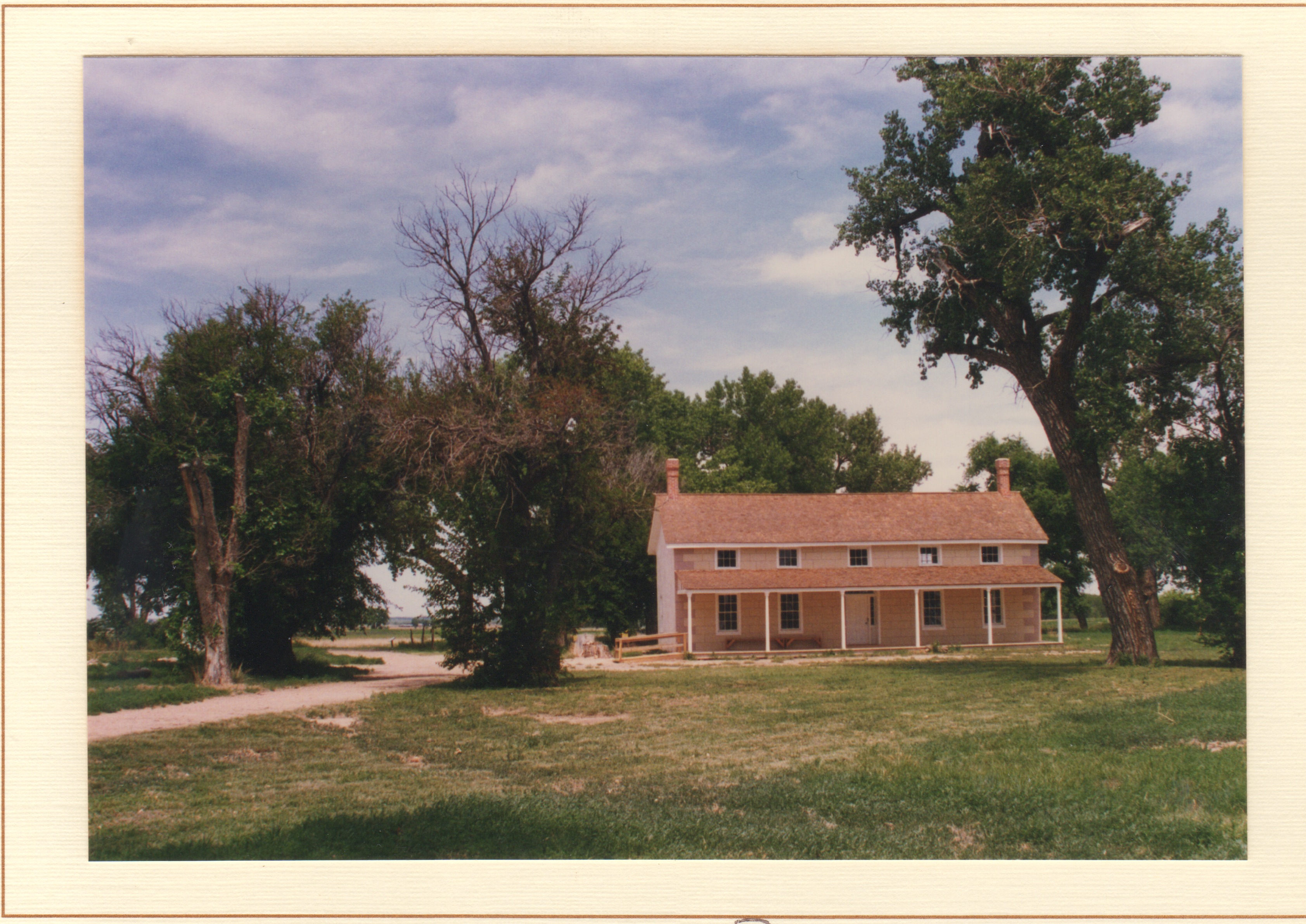
John Prower’s 14-room house in Boggsville, Colorado
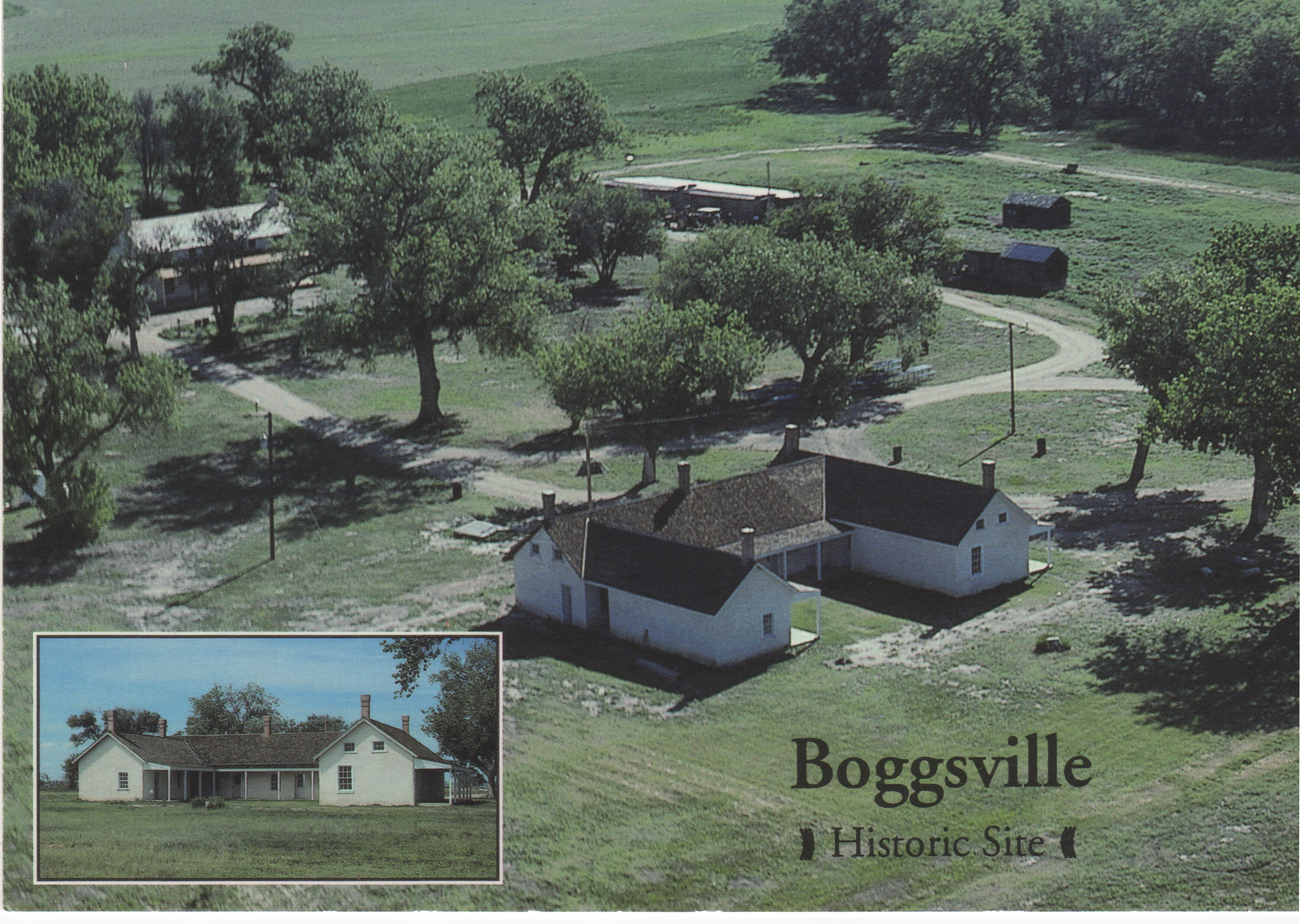
 dual personalities