dual personalities

Tag: J.D. Salinger

What is the sound of one hand clapping?

by chuckofish

My driveway was plowed yesterday morning and the front walk cleared (with a leaf blower!) so I was free to move around the neighborhood. I went to the public library to return some books, including two murder mysteries written by A.B. Guthrie, Jr. in the 1970s, which I enjoyed. The library was closed, like a lot of other places. Officially we got 8.5 inches of snow in Kirkwood. Seems about right. Now we are adjusting to sub-zero temps and continuing to hunker down.

Today we toast two writers who both died on January 27–John Updike in 2009 and J.D. Salinger in 2010.

They are both writers I admire a lot.

In honor of the aforementioned birthdays, I re-read For Esmé–with Love and Squalor. I was pleased that I still regarded it with the same enthusiasm as I did years ago.

They sang without instrumental accompaniment–or, more accurately in their case, without any interference. Their voices were melodious and unsentimental, almost to the point where a somewhat more denominational man than myself might, without straining, have experienced levitation. A couple of the very youngest children dragged the tempo a trifle, but in a way that only the composer’s mother could have found fault with. I had never heard the hymn, but I kept hoping it was one with a dozen or more verses.

Keep warm. Happy Tuesday!

“What is life but a series of inspired follies?”*

by chuckofish

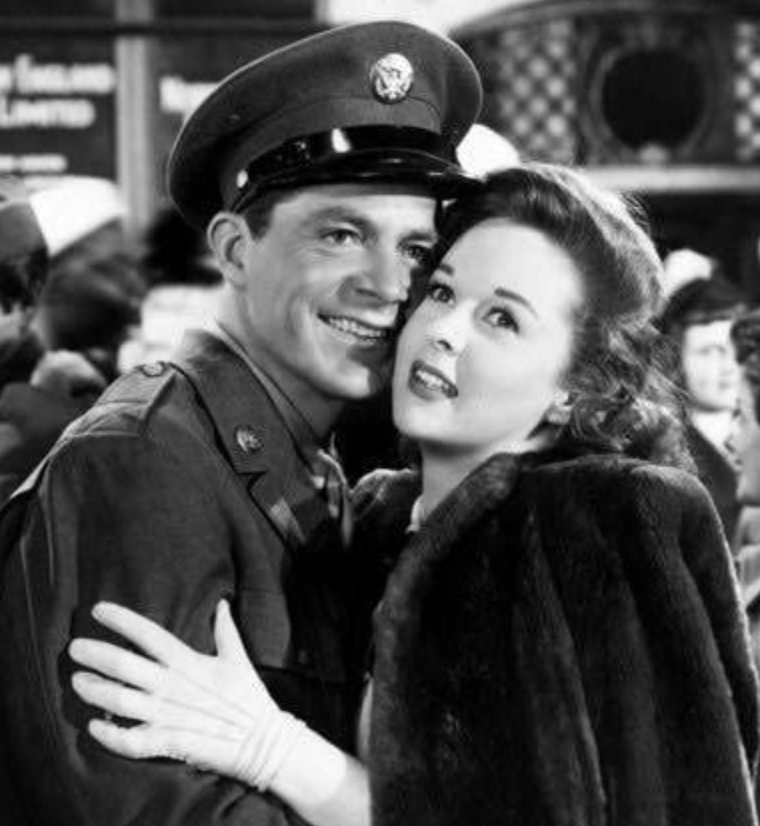
Recently I watched the movie My Foolish Heart (1949) which, as you know, is the only film adaptation of a fictional work written by J.D. Salinger. It was loosely adapted from his short story, “Uncle Wiggly in Connecticut,” and Salinger was so disappointed with the changes made to his original story, that he never again allowed any of his work to be adapted for film.

Dana Andrews and Susan Hayward–all wrong

It isn’t a terrible movie (especially if you don’t know the Salinger connection.) The screenplay is, after all, by Julius and Philip Epstein, who wrote Casablanca (1942). But they took Salinger’s poignant little story and turned it into a four-star tearjerker, giving it the full-blown Hollywood treatment. He must have been really embarrassed, I mean really embarrassed. I re-read the story and I suggest you do the same.

This is an interesting article about a dead Presbyterian who still has a lot to say to us.

And this article by an Episcopalian makes some good points.

And I like this poem by Richard Wilbur:

A Barred Owl

The warping night air having brought the boom
Of an owl’s voice into her darkened room,
We tell the wakened child that all she heard
Was an odd question from a forest bird,
Asking of us, if rightly listened to,
“Who cooks for you?” and then “Who cooks for you?”

Words, which can make our terrors bravely clear,
Can also thus domesticate a fear,
And send a small child back to sleep at night
Not listening for the sound of stealthy flight
Or dreaming of some small thing in a claw
Borne up to some dark branch and eaten raw.

Who cooks for you?

*George Bernard Shaw (He continued, “The difficulty is to find them to do. Never lose a chance: it doesn’t come every day.””)

The Second-Fastest Boy Runner in the World

by chuckofish

Screen Shot 2017-06-16 at 10.36.09 AM.png

I was thinking about this ‘anecdote’ the other night and looked it up to read. It always reminded me so much of the boy when he was…a boy…and also, what I imagined my grandfather Bunker to be like.

It’s an Anecdote, sink me, but I’ll let it rip: At about nine, I had the very pleasant notion that I was the Fastest Boy Runner in the World. It’s the kind of queer, basically extracurricular conceit, I’m inclined to add, that dies hard, and even today, at a supersedentary forty, I can picture myself, in street clothes, whisking past a series of distinguished but hard-breathing Olympic milers and waving to them, amiably, without a trace of condescension. Anyway, one beautiful spring evening when  we were still living over on Riverside Drive, Bessie sent me to the drugstore for a couple of quarts of ice cream. I came out of the building at that very same magical quarter hour described just a few paragraphs back. Equally fatal to the construction of this anecdote, I had sneakers on–sneakers surely being to anyone who happens to be the Fastest Boy Runner in the World almost exactly what red shoes were to Hans Christian Andersen’s little girl. Once I was clear of the building, I was Mercury himself, and broke into a “terrific” sprint up the long block to Broadway. I took the corner at Broadway on one wheel and kept going, doing the impossible: increasing speed. The drugstore that sold Louis Sherry ice cream, which was Bessie’s adamant choice, was three blocks north, at 113th. About halfway there, I tore past the stationery store where we usually bought our newspapers and magazines, but blindly, without noticing any acquaintances or relatives in the vicinity. Then, about a block farther on, I picked up the sound of pursuit at my rear, plainly conducted on foot. My first, perhaps typically New Yorkese thought was that the cops were after me–the charge, conceivably, Breaking Speed Records on a Non-School-Zone Street. I strained to get a little more speed out of my body, but it was no use. I felt a hand clutch out at me and grab hold of my sweater just where the winning-team numerals should have been, and, good and scared, I broke my speed with the awkwardness of a gooney bird coming to a stop. My pursuer was, of course, Seymour, and he was looking pretty damned scared himself. “What’s the matter? What happened?” he asked me frantically. He was still holding on to my sweater. I yanked myself loose from his hand and informed him, in the rather scatological idiom of the neighborhood, which I won’t record here verbatim, that nothing happened, nothing was the matter, that I was just running, for cryin’ out loud. His relief was prodigious. “Boy, did you scare me!” he said. “Wow, were you moving! I could hardly catch up with you!” We then went along, at a walk, to the drugstore together. Perhaps strangely, perhaps not strangely at all, the morale of the Second-Fastest Boy Runner in the World had not been perceptibly lowered. For one thing, I had been outrun by him. Besides, I was extremely busy noticing that he was panting a lot. It was oddly diverting to see him pant.

–J.D. Salinger, Seymour an Introduction

Classic Salinger. I love it. So. Much.

Weekend plans

by chuckofish

f083f017fbbbac63bb1da914f833056c

We have had a rainy, stormy week, but the forecast for the weekend is good. I plan to take it easy and prepare for next weekend when I am going to my niece’s wedding in Pennsylvania.

“I’ll read my books and I’ll drink coffee and I’ll listen to music, and I’ll bolt the door.”

–J.D. Salinger, A Boy in France: Saturday Evening Post CCXVII, March 31, 1945

Sounds like a plan to me.

(The painting is by Thomas Hart Benton)

Playing along with the farce

by chuckofish

I’m not saying I will, but I could go on for hours escorting the reader–forcibly, if necessary–back and forth across the Paris-Chinese border. I happen to regard the Laughing Man as some kind of super-distinguished ancestor of mine–a sort of Robert E. Lee, say, with the ascribed virtues held under water or blood. And this illusion is only a moderate one compared to the one I had in 1928, when I regarded myself not only as the Laughing Man’s direct descendant but as his only legitimate living one. I was not even my parents’ son in 1928 but a devilishly smooth imposter, awaiting their slightest blunder as an excuse to move in–preferably without violence, but not necessarily–to assert my true identity. As a precaution against breaking my bogus mother’s heart, I planned to take her into my underworld employ in some undefined but appropriately regal capacity. But the main thing I had to do in 1928 was watch my step. Play along with the farce. Brush my teeth. Comb my hair. At all costs, stifle my natural hideous laughter.

–J.D. Salinger, The Laughing Man

Between grief and high delight*

by chuckofish

Well, as of Sunday, most of our leaves are off our trees

baretrees

and on the ground.

leavespump

Boy oh boy, are they all over the ground. We had quite a storm on Sunday morning. When I came out of church, the sky to the west was awesome.

storm

It was a record-breaking 80-degrees and sunny, but the wind was whipping up. I said to the man next to me, “We better batten down the hatches!” and my friend Carlos, stepping outside, exclaimed, “Auntie Em! Auntie Em!” Indeed.

I hurried to my car and as I drove the 5-minute trip home, the leaves seemed to attack my car. It was bizarre. As I reached my garage, the raindrops started to fall. I rushed inside to get my camera and headed back out the front door. But the rain began in earnest and then the hail, so I quickly retreated back inside. It was an amazing storm with lots of wind and hail, but it was over in about 8 minutes. Then the sun came out and the storm moved on, picking up strength on its way to Illinois where the really bad business hit–including an EF4 tornado.

I spent most of the weekend recovering from last weekend in NYC and a busy week at home. I watched When Harry Met Sally, which as you know, is a classic Nora Ephron romcom shot in and around the city. You gotta love old Billy Crystal, especially in this scene:

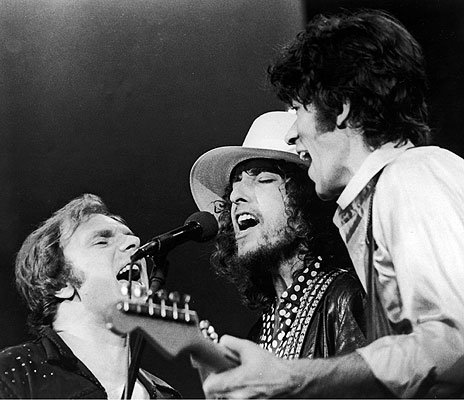
I also watched Martin Scorsese’s documentary The Last Waltz (1978) which is a filmed account of the Band’s farewell concert appearance on Thanksgiving Day, November 25, 1976. The Band (Robbie Robertson, Rick Danko, Levon Helm, Garth Hudson, and Richard Manuel) were joined by a dozen special guests including Bob Dylan (they were his back-up band in the 1960s), Neil Young, Emmylou Harris, Joni Mitchell, Neil Diamond, Van Morrison, Muddy Waters, Eric Clapton and more. I was not cool enough back in the day to know about it, much less appreciate it, but I can now. It was really great and I highly recommend you watch it…perhaps on Thanksgiving! (I, of course, will be watching Planes, Trains and Automobiles.)

Van, Bob and Robbie

Van, Bob and Robbie

I also watched the new documentary about J.D. Salinger on Netflix Watch Instantly.

salinger s6-c30

I watched the whole thing, but there was nothing new to me. They go into some detail about his horrible war experiences in WWII when he participated in the amphibious landing on D-Day and fought on through the Battle of the Bulge for over 200 days, including the horrendous Hurtgen Forest, and concluding in the liberation of Dachau. This is legit as it had a great effect on him. Who wouldn’t be affected by that? But mostly it is a lot of second and third-rate writers who are jealous and resentful making comments. Awful people like Gore Vidal. Why is it so hard to understand that a writer who is largely misunderstood wants to be left alone? It makes perfect sense to me. People have always had such ridiculous expectations of him. I guess it is all that unrequited love.

He was not crazy. (And neither was Holden!) Personally I think it speaks volumes that the local people of Cornish, New Hampshire closed ranks around him and protected him for all those years. They liked him. He went to the bean suppers at the Congregational Church. Also his friends, like Maxwell Perkins’ sister, protected him. It’s all the rest–the ones he wouldn’t talk to–who are so resentful. Who suggest he was pretty weird. I don’t think so.

*Franny and Zooey

If you really want to hear about it

by chuckofish

Well, I don’t know about you, but I just love Central Park. It really is the coolest. I mean we have a large, beautiful municipal park in my flyover town too, but it quite pales next to New York’s.

Central-Park-map

Someone had a brilliant idea back in the mid-1800s. Two men in particular, the poet and editor of the Evening Post, William Cullen Bryant, and the first American landscape architect, Andrew Jackson Downing, began to publicize the city’s need for a public park in 1844. All the big European cities had one, so why shouldn’t we? The state of New York appointed a Central Park Commission to oversee the development of the park, and in 1857 they held a landscape design contest.

Photo of American Elm trees from the Central Park Website

Photo of American Elm trees from the Central Park Website

In 1858 Frederick Law Olmsted and Calvert Vaux won the design competition with a plan they entitled the “Greensward Plan”. They really knocked themselves out. Construction began the same year, continued during the American Civil War, and was completed in 1873.

Central Park is the most visited urban park in the United States.

babblingbrook-1

You’ll find babbling brooks in the middle of this great metropolis!
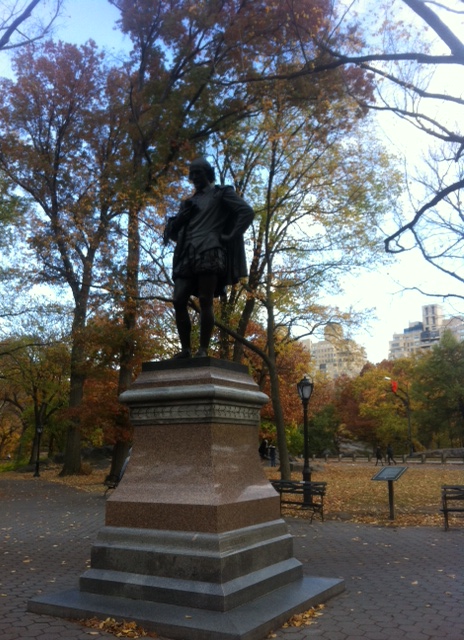
Shakespeare "in the park"

Shakespeare “in the park”

And there’s Shakespeare and Burns and Sir Walter Scott and many more statues to see. However, there is no sense of the space being cluttered with objects, which I like a lot. We walked all around the reservoir and down to the skating rink. We climbed to the top of Belvedere Castle, which was not as strenuous as the Walter Scott monument in Edinburgh but I did have a flash-back because the stairs are very similar!

We saw many of the outcroppings of Manhattan schist which we have seen in our favorite movies.

hqdefault

We walked over those famous bridges as well.

Bow_Bridge_in_Autumn,_Central_Park

Across the street from the park and a block or so from daughter #1’s apartment is the wonderful American Museum of Natural History. I had not been there since 1978. Happily, not much has changed!
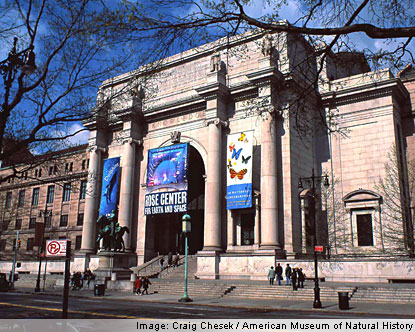
american-museum-of-natural-history

One of the largest and most celebrated museums in the world, the museum complex contains 27 interconnected buildings housing 45 permanent exhibition halls, in addition to a planetarium and a library. The museum collections contain over 32 billion specimens of plants, humans, animals, fossils, minerals, rocks, meteorites, and human cultural artifacts, of which only a small fraction can be displayed at any given time, and occupies 1,600,000 square feet. The Museum has a full-time scientific staff of 225, sponsors over 120 special field expeditions each year, and averages about five million visits annually.
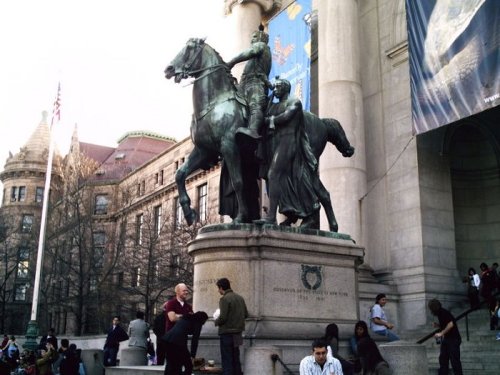
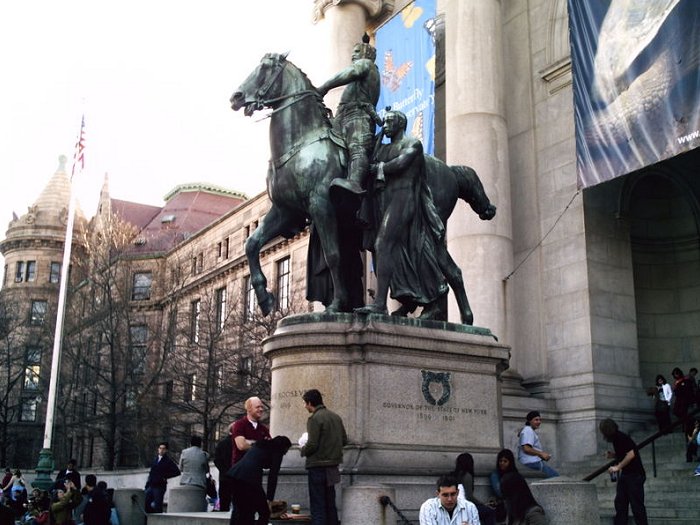
Theodore Roosevelt and Indian mate guard the front door.

Theodore Roosevelt and Indian mate guard the front door.

Last Friday we saw many stuffed mammals, the big blue whale, dinosaur skeletons and bones,

dino-1

and the wonderful hall of Northwest Coast Indians, which is the oldest extant exhibit in the Museum. There were hundreds of children running around, but they did not bother me. They seemed to be enjoying themselves in this gloriously old-fashioned space–and why wouldn’t they?

Holden Caulfield, you’ll recall, was a big fan of this museum, so I thought about him when I was there.

The best thing, though, in that museum was that everything always stayed right where it was. Nobody’d move. You could go there a hundred thousand times, and that Eskimo would still be just finished catching those two fish, the birds would still be on their way south, the deers would still be drinking out of that water hole, with their pretty antlers and they’re pretty, skinny legs, and that squaw with the naked bosom would still be weaving that same blanket. Nobody’d be different. The only thing that would be different would be you. Not that you’d be so much older or anything. It wouldn’t be that, exactly. You’d just be different, that’s all. You’d have an overcoat this time. Or the kid that was your partner in line the last time had got scarlet fever and you’d have a new partner. Or you’d have a substitute taking the class, instead of Miss Aigletinger. Or you’d heard your mother and father having a terrific fight in the bathroom. Or you’d just passed by one of those puddles in the street with gasoline rainbows in them. I mean you’d be different in some way—I can’t explain what I mean. And even if I could, I’m not sure I’d feel like it.

― J.D. Salinger, The Catcher in the Rye

I love this particular paragraph and so I have always had a soft spot in my heart for this museum. I know exactly what Holden means, don’t you? Some things should just not change. They are great they way they are. And because we are always changing, we need those stable places in our lives.

It is 25-degrees here in my flyover town this morning. Hope you are keeping warm today!
Tout va bien

by chuckofish

Happiness is a care package from your dual personality!

care2

After a hard day at the salt mines, I was thrilled to find a wee package waiting for me at home yesterday. Inside were two books (a hardback copy of one of my favorites–Gilead by Marilynne Robinson–and The Bishop’s Mantle by Agnes Sligh Turnbull, which I have not read) and a small Spode votive candle holder.

Wasn’t that thoughtful?

In other news, I read on the Habitually Chic blog about the new documentary “Salinger” coming out next month:

I will hope for the best, but, as always, I’ll expect the worst*. Very few people understood old J.D.S. back in the day and that is why he went into seclusion and chose not to publish anymore. He’d had enough. Why is that hard to understand?

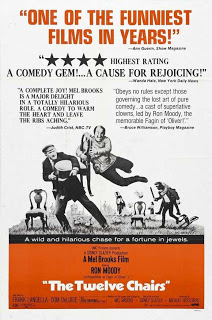
*I know what you’re thinking. You’re wondering what the origin of that expression is. Well, I don’t know, but I always think of Mel Brooks! So here are the lyrics to the classic song by Mel Brooks from his movie The Twelve Chairs:

Hope for the best, expect the worst
Some drink champagne, some die of thirst
No way of knowing
Which way it’s going
Hope for the best, expect the worst!

Hope for the best, expect the worst
The world’s a stage, we’re unrehearsed
Some reach the top, friends, while others drop, friends
Hope for the best, expect the worst!

I knew a man who saved a fortune that was splendid
Then he died the day he’d planned to go and spend it
Shouting “Live while you’re alive! No one will survive!”
Life is sorrow – – here today and gone tomorrow
Live while you’re alive, no one will survive – – there’s no guarantee

Hope for the best, expect the worst
You could be Tolstoy or Fannie Hurst
You take your chances, there are no answers
Hope for the best expect the worst!

I knew a man who saved a fortune that was splendid
Then he died the day he’d planned to go and spend it
Shouting “Live while you’re alive! No one will survive!”
Life is funny – – Spend your money! Spend your money!
Live while you’re alive, no one will survive – – there’s no guarantee


Hope for the best, expect the worst

The rich are blessed, the poor are cursed

That is a fact, friends, the deck is stacked, friends

Hope for the best, expect the – –
(even with a good beginning, it’s not certain that you’re winning,
even with the best of chances, they can kick you in the pantses)

Look out for the – – watch out for the worst!
Hey!

THE TWELVE CHAIRS movie poster for blog

I tried to watch The Twelve Chairs recently and didn’t make it through. Not that funny. But the song is classic.

This is great

by chuckofish

Have you ever run across this in your internet browsing? Well, a big hat tip to the New York Times for this wonderful tour of New York City: Walking in Holden’s Footsteps, which is from Peter G. Beidler’s book, “A Reader’s Companion to J.D. Salinger’s The Catcher in the Rye” (Coffeetown Press, 2008).

I have no doubt that it is a sure sign of my unwavering immaturity, but The Catcher in the Rye never dims in my estimation. Nor does my devout love for old J.D.

jdsaljpg

The next time I am in NYC I want to walk the “41 gorgeous blocks” from Ernie’s to the Edmont Hotel. Maybe I’ll pay the big bucks and go inside the Museum of Natural History. Now that daughter #1 lives there, I am relaxed as hell about going there. Well, the Upper West Side anyway. I’m crazy. I swear to God I am.

Who would you choose?

by chuckofish

If you read a variety of blogs, you have certainly come across more than one of those posts where the writer asks the question: Who would you choose if you could have lunch with anyone? Usually they go on to tell you how they would love to get together with Audrey Hepburn, Princess Diana, Thomas Jefferson, Mother Theresa, Steven Spielberg and so on. Blah, blah, blah, boring celebrities. And, yes, I include Thomas Jefferson in that company. He would probably choose to have lunch with Marilyn Monroe.

Not that I’m judging anyone for their choices. Everyone is free to choose whom they want to choose. This is America after all! Come on.

Anyway, I’m sure you can guess who I would choose. Just in the last few days I’ve talked about Bob Dylan and Hilary Mantel and Marty Stuart–all would be charming companions at a meal. And you know how I feel about Frederick Buechner and Raymond Chandler. A conversation with them–to die for! As for movie stars, we’d need a big table to accommodate all my favorites.

But if we’re really talking about conversation, let’s invite:


Thomas Cranmer. He wrote the book.


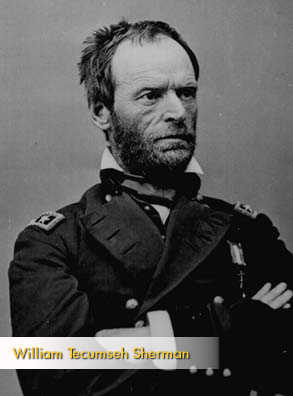
General Sherman. He had Grant’s back.


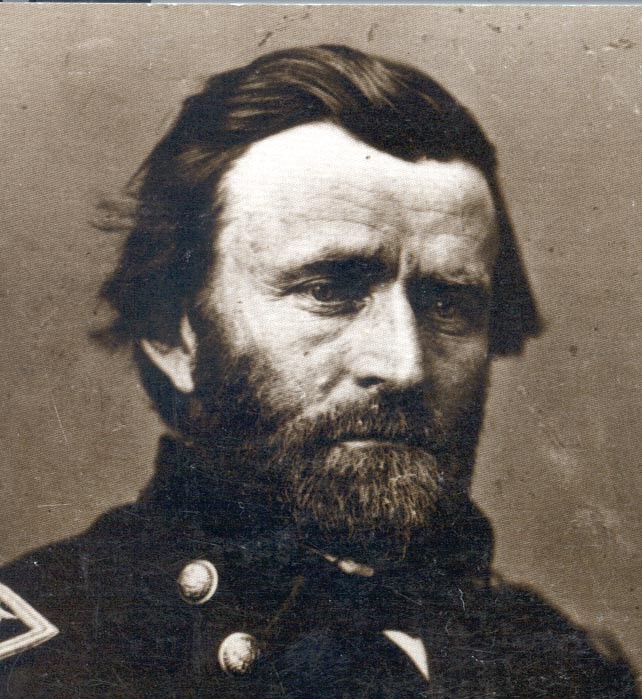
U.S. Grant. He epitomized humility and courage. He had Lincoln’s back. And he was a really good writer.


Dorothy Rabinowitz. She tells it like it is in the WSJ.


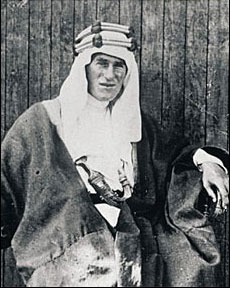
T.E. Lawrence. He would be awesome, but we’d need someone to come along with us who could make him feel comfortable and draw him out of his shell–like Mrs. George Bernard Shaw.


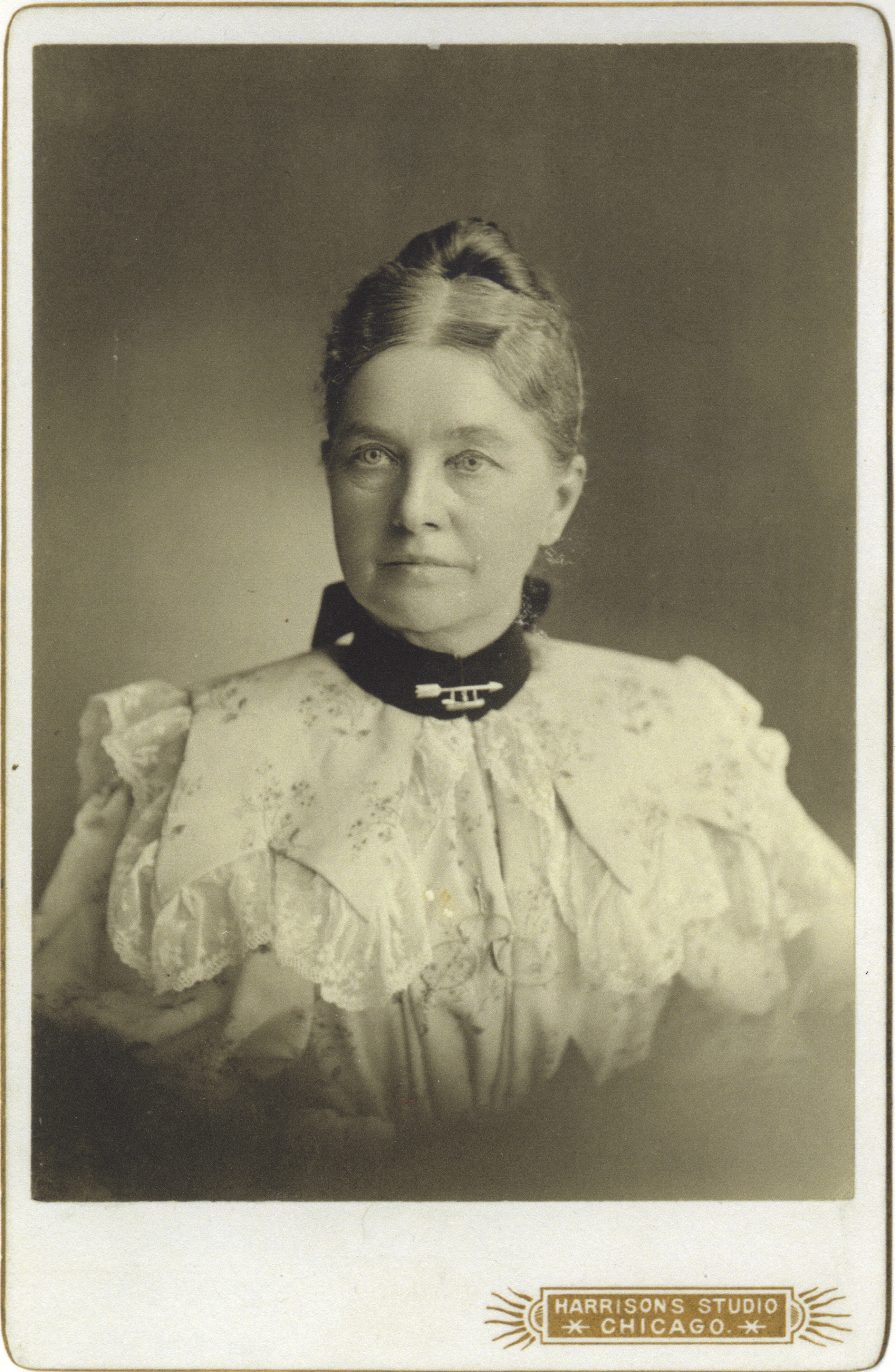
Mary Prowers Hough, my great-great grandmother and the classiest lady to ever set foot in Colorado. I’d have a million questions for her.


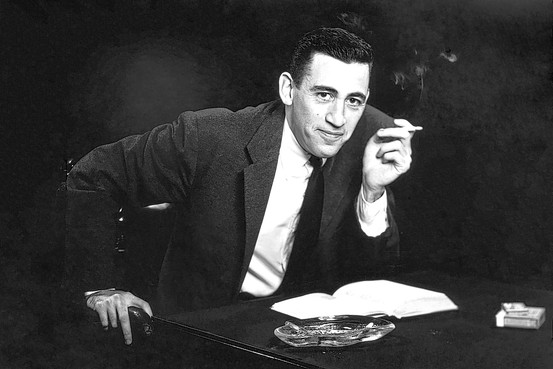
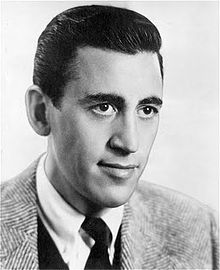
J.D. Salinger. We could talk about Jesus over a glass of ginger ale in the kitchen.


Eudora Welty. We’d talk about stories and the art of writing them. I think I would like to invite


Shirley Jackson to come along too. The three of us would get along famously.


Saint Timothy. He received letters from Saint Paul containing personal advice which I take very personally: God did not give you a spirit of timidity!

Well, I’m sure I’ve left out some obvious choices. Who would you want to share a meal with? Alexander? Sargon the Great? Thomas Cromwell? Oliver Cromwell? Johnny Depp?