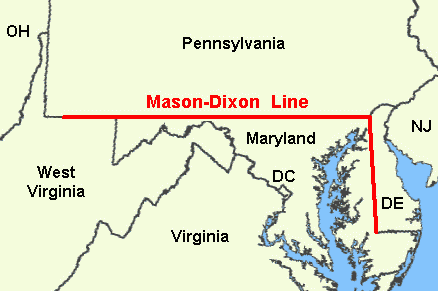
Charles Mason and Jeremiah Dixon completed surveying for the “Mason-Dixon line” separating Maryland and Pennsylvania on this day in 1767. The work was done between 1763 and 1767 in order to resolve a border dispute involving Maryland, Pennsylvania, and Delaware.
In popular usage, the Mason–Dixon line still symbolizes a cultural boundary between the North and the South.
Reading about this, it suddenly occurred to me that the name “Dixie” (used as a historical nickname for the southern states) must derive from Jeremiah Dixon’s name!
Mind-blowing that I just thought of that. Did you know that?
Anyway, here’s a great song by Mark Knopfler (with James Taylor) about Mason and Dixon, which was itself inspired by the book Mason & Dixon by Thomas Pynchon.
P.S. I read that book back in the 1990s and liked it.
My scholarly dual personality is too modest to tell you that her book has just been published!
It was six years in the making, but now it is out!
Gregory Urwin of the University of Oklahoma Press writes:
I am pleased to announce the release of Volume 55 in the Campaigns and Commanders Series that I edit for the University of Oklahoma Press — The Campaigns of Sargon II: King of Assyria, 721-705 B.C. by Sarah C. Melville.
If you think you know the Assyrians from fleeting references in the Old Testament, think again. Melville has plunged deep into the sources, which are more extensive than most of us would think. She mastered Akkaidian, the language of the Assyrians, so she could read the clay, gold, silver, copper, lead, and lapis lazuli tablets on which these people recorded their history, along with inscriptions on freestanding steles, natural rock formations, walls, doors, thresholds, and bull colossi of palaces. She also deciphered palace reliefs, consulted archaeological studies, and reviewed the documentation left by the Assyrians’ enemies.
The result is a history that depicts the Assyrians as a much more complex race of warriors. They could be cruel in war, but they devised much more sophisticated means to hold their empire together than beheading defeated warriors and sending conquered peoples into exile. I found the brand of geo-politics that Sargon II practiced to be surprisingly modern.
At a time when ISIS fanatics are attempting to obliterate the pre-Muslim history of the Middle East and south Asia, the appearance of Sarah Melville’s book could not be more timely. Impeccable research and a lively writing style makes this the definitive look at the Assyrian way of war.
It is with no little pride that I see this volume take its place in my series. Part of that pride rests on the fact that Sarah is also the first woman historian to publish with Campaigns Commanders. It was about high time that happened…
So get your copy of The Campaigns of Sargon II today! I have mine and I look forward to finding out all about Sargon II.
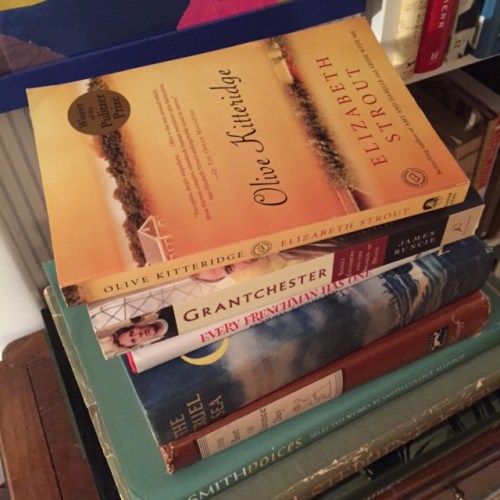
On the fiction side of things, I finished the Grantchester book this weekend and also re-read Olive Kitteridge, the wonderful novel by Elizabeth Strout. If you have not read this great book, I highly recommend it.
“Saturday morning was come, and all the summer world was bright and fresh, and brimming with life. There was a song in every heart; and if the heart was young, the music issued at the lips. There was cheer in every face and a spring in every step. The locust-trees were in bloom, and the fragrance of the blossoms filled the air. Cardiff Hill, beyond the village and above it, was green with vegetation, and it lay just far enough away to seem a Delectable Land, dreamy, reposeful, and inviting.” *
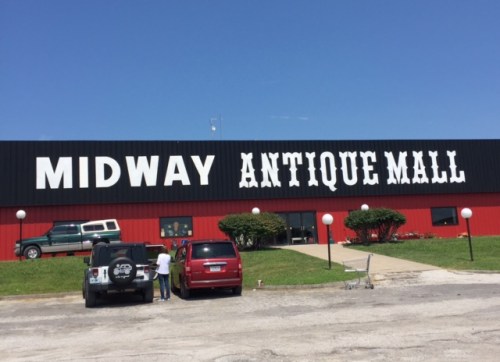
Happiness is road-tripping with your BFFs in your home state and stopping at every antique mall along the way.
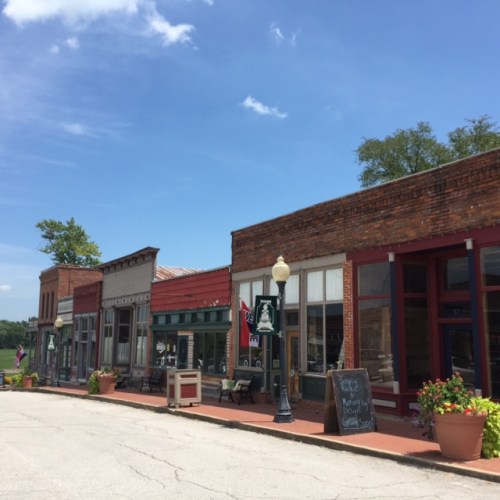
This past weekend we journeyed to historic Arrow Rock, MO. We stopped for lunch in historic Boonville and also in historic Blackwater.
What, you ask, makes them historic? Well, they’re old and there is probably some link to the Santa Fe Trail or a Civil War engagement. To some people they are just old river towns that have seen better days. But I like them.
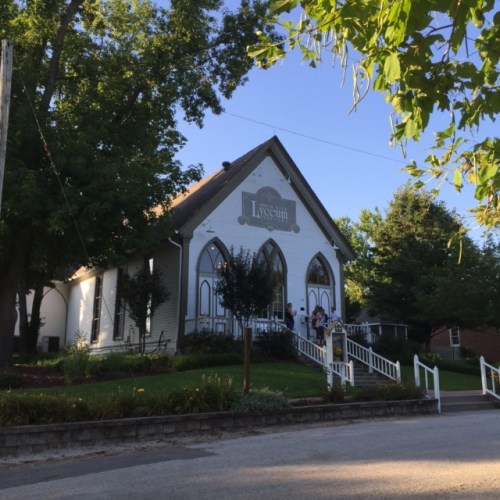
The whole town of Arrow Rock is on the historic register. It is truly lovely, lush and green and well cared for. There are some wonderful old buildings.
The theater there seems to support the town and its bed and breakfasts, restaurants and shops.
It is a booming place during the theater season. We bought our tickets back in March when tickets first went on sale. (They sell out fast!) We made our B&B reservations in April and got the last room in town (practically).
As usual, I came prepared for a late afternoon pick-me-up.
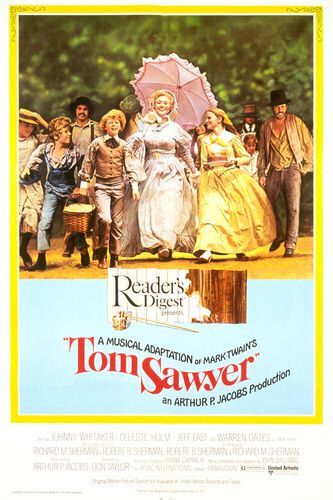
Fun fact about Arrow Rock: In 1973, a musical version of Mark Twain’s “Tom Sawyer” was filmed here. It starred Johnny Whitaker as Tom, Jeff East as Huck, Celeste Holm as Aunt Polly, Warren Oates as Muff Potter, and Jody Foster in her third movie as Becky Thatcher. Supposedly, many of the town’s buildings and landscapes are recognizable in the film. I saw the movie back in 1973, but I guess I will have to check it out.
The OM, who does not enjoy the above activities, spent a quiet 36 hours home alone, ordering pizza and watching Nascar. At least that’s what he told me.
Our electricity went out Sunday night–it was 100-degrees outside–but it came back on after a couple of hours. Thunder and lightening followed. Now it is Monday and it’s back to the salt mines. Have a good week!
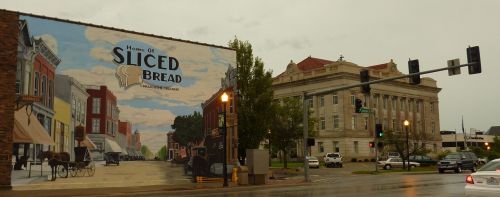
Sliced bread was first sold on this day in 1928, advertised as “the greatest forward step in the baking industry since bread was wrapped.” This huge step for mankind was taken right here in my flyover state, in Chillicothe, Missouri!
I guess they are still pretty proud of this fact.
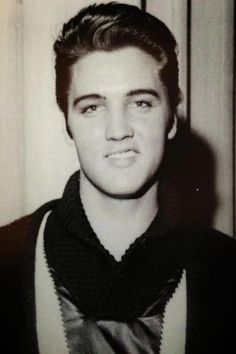
Also on this day in 1954 Memphis DJ Dewey Phillips played “That’s All Right” for the first time on his Red, Hot, and Blue show. Listeners began phoning in, eager to find out who the singer was. It was Elvis Presley.
The rest is history.
Today is also World Chocolate Day–celebrations include the consumption of chocolate. Well, duh.
So what is our message for today? Enjoy the day! Take a risk! Eat dessert!
Speaking of going for the gusto, here is a picture of the boy playing ice hockey in his men’s league.He wanted to play as a youngster, but we encouraged him to speed skate instead, which he did for several years. Then he switched to lacrosse. Good to see him finally padded up and happy! (BTW, where’s your mouth guard?!)
I feel so sorry for anyone who misses the experience of history, the horizons of history. We think little of those who, given the chance to travel, go nowhere. We deprecate provincialism. But it is possible to be as provincial in time as it is in space. Because you were born into this particular era doesn’t mean it has to be the limit of your experience. Move about in time, go places. Why restrict your circle of acquaintances to only those who occupy the same stage we call the present?”
–David McCullough, “Recommended Itinerary” in Brave Companions
I concur.
As we approach Independence Day on July 4, why not read some history?
*Walt Whitman, “America”; the painting is by Childe Hassam.
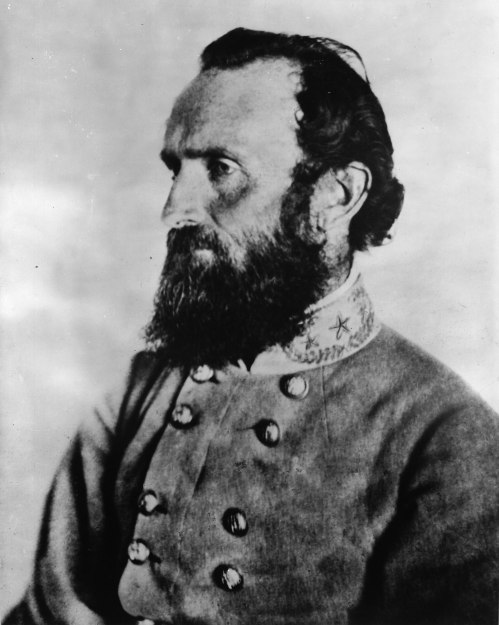
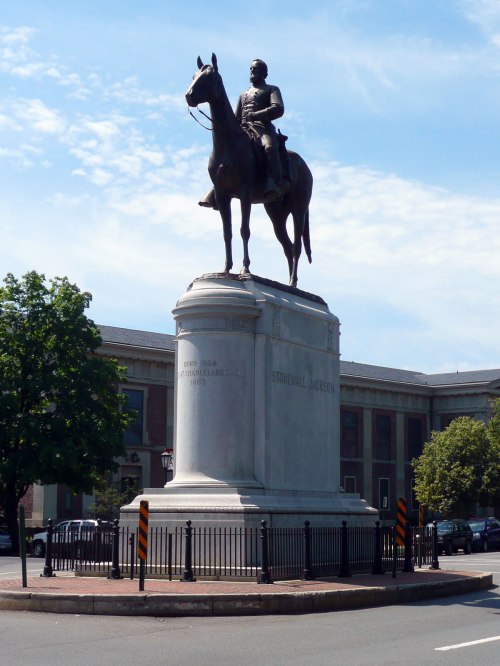
Today is the 153rd anniversary of the death of General Thomas “Stonewall” Jackson (age 39) following the Battle of Chancellorsville, when he was shot by friendly fire on the moonlit night of May 2, 1863.
“Chancellorsville” portrait, taken at a Spotsylvania County farm on April 26, 1863, seven days before he was wounded. What a face!
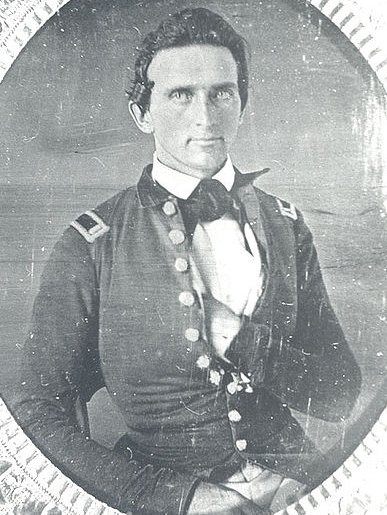
Here he is younger and beardless. Pretty dreamy.
I have always admired Stonewall Jackson as an exemplar of the Scotch-Irish Protestants who came to this country in the eighteenth century, many of them as indentured servants, and worked and fought hard to make a home here. In fact his paternal great-grandparents (John Jackson and Elizabeth Cummins) met on the prison ship from London and fell in love. They married six years later when they gained their freedom.
The family migrated west across the Blue Ridge Mountains to settle near Moorefield, Virginia in 1758. In 1770, they moved farther west to the Tygart Valley. They began to acquire large parcels of virgin farming land near the present-day town of Buckhannon, including 3,000 acres in Elizabeth’s name. John and his two teenage sons fought in the Revolutionary War; John finished the war as a captain. While the men were in the army, Elizabeth converted their home to a haven for refugees from Indian attacks known as “Jackson’s Fort.”
Yes, the Jacksons were awesome.
Furthermore, Stonewall was a profoundly religious man and a deacon in the Presbyterian Church. One of his many nicknames was “Old Blue Lights,” a term applied to a military man whose evangelical zeal burned with the intensity of the blue light used for night-time display. He disliked fighting on Sunday, although that did not stop him from doing so after much personal debate.
Here is a poem by Herman Melville that pretty well sums up my feelings about the great Stonewall:
Mortally Wounded at Chancellorsville
The Man who fiercest charged in fight,
Whose sword and prayer were long –
Stonewall!
Even him who stoutly stood for Wrong,
How can we praise? Yet coming days
Shall not forget him with this song.
Dead is the Man whose Cause is dead,
Vainly he died and set his seal –
Stonewall!
Earnest in error, as we feel;
True to the thing he deemed was due,
True as John Brown or steel.
Relentlessly he routed us;
But we relent, for he is low –
Stonewall!
Justly his fame we outlaw; so
We drop a tear on the bold Virginian’s bier,
Because no wreath we owe.
Today I am heading east to visit daughters #1 and #2 in College Park.
We will cheer on daughter #1 on as she runs in the Rock ‘n Roll half marathon in D.C. Then we are heading to the Brandywine Valley in Pennsylvania for some museum and garden-going.
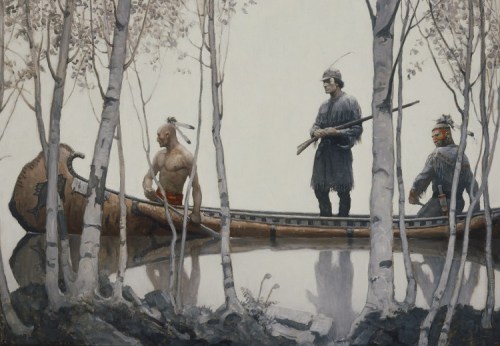
We will get our fill of N.C. Wyeth et al…
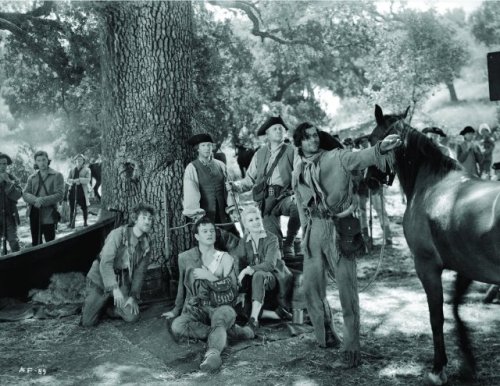
If you are looking for a good movie to watch in the meantime, I recommend Alleghany Uprising (1939) with a young John Wayne and Claire Trevor. I watched it this past week and thoroughly enjoyed it. It is a highly politically-incorrect telling of a little-known piece of American history–
wherein a group of settlers in Pennsylvania’s Allegheny Valley struggle to try and persuade the British authorities to ban the trading of alcohol and arms with the marauding Indians.
Some of the character actors are priceless–such as Wilfred Lawson as the Scotsman MacDougall, who really steals the show. A very young George Sanders is appropriately uppity as the British captain who doesn’t have a clue. I would put this film in the they-don’t-make-’em-like-this-anymore category, i.e. good entertainment with an excellent story and characters.
So remember, I will be off the internet through next Thursday. Maybe my dual personality will check in. I hope so!
Sunday was the first Sunday in Lent so we had the Great Litany at the beginning of our service–you know, that’s the one where we implore Christ to preserve us from evil and wickedness, from sin, from the crafts and assaults of the devil, and from everlasting damnation, etc, etc, etc.
We also switch to Rite I in our church so we go back to “and with thy spirit” and “we most heartily thank thee for that thou dost feed us, in these holy mysteries.” Of course, I am one of only a handful of people that probably enjoys this, but oh well, c’est la vie.
It snowed Sunday morning, so a lot of people stayed home, and I might have myself but for the fact that I was reading. It was a good reading too: Romans 10:8b–13
The word is near you, on your lips and in your heart (that is, the word of faith which we preach); 9 because, if you confess with your lips that Jesus is Lord and believe in your heart that God raised him from the dead, you will be saved. 10 For man believes with his heart and so is justified, and he confesses with his lips and so is saved.11 The scripture says, “No one who believes in him will be put to shame.” 12 For there is no distinction between Jew and Greek; the same Lord is Lord of all and bestows his riches upon all who call upon him. 13 For, “every one who calls upon the name of the Lord will be saved.”
After church, I had to go to the grocery store to pick up the cake for the baby shower I was co-hosting with Becky. The driving was worse than ever, but I got the cake and made it home. Then the OM drove me over to the baby shower and dropped me off with all my stuff. It was a fun party and the mama-to-be received a lot of presents.
Daughter #1 sent her a present from NYC and it was a big hit.
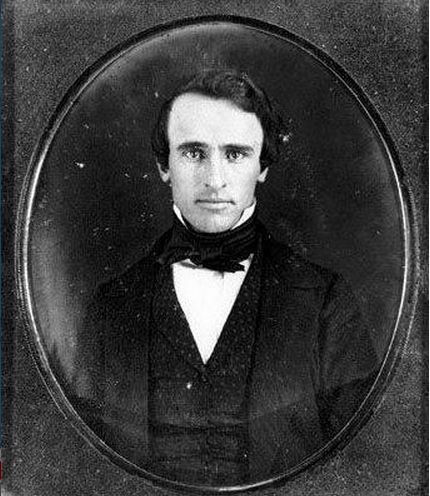
Ah, sunrise, sunset. And now it is Monday and I don’t have Presidents Day off. Hats off anyway to Washington and Lincoln, Rutherford B. Hayes
As we look into the open fire for our fancies, so we are apt to study the dim past for the wonderful and sublime, forgetful of the fact that the present is a constant romance, and that the happenings of to-day which we count of little importance are sure to startle somebody in the future, and engage the pen of the historian, philosopher, and poet.
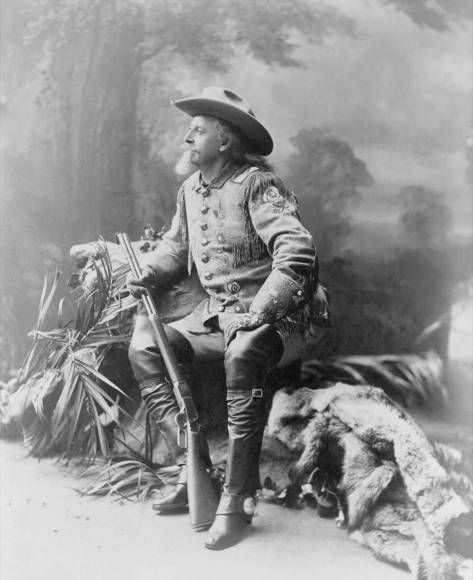
–William “Buffalo Bill” Cody, preface to The Old Santa Fe Trail by Colonel Henry Inman
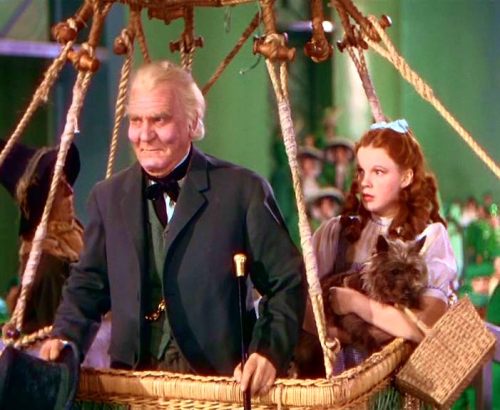
The title of today’s post refers, of course, to…the Wizard of Oz, who you will remember was from Kansas.
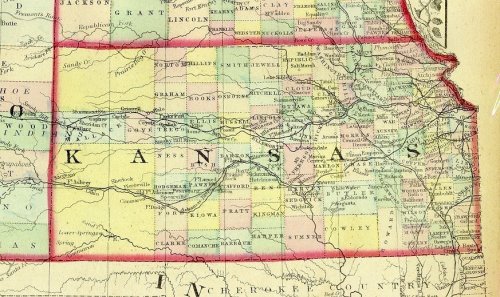
Well, today is the 155th anniversary of the day Kansas was admitted as our 34th state in 1861.
Abolitionist Free-staters from New England and pro-slavery settlers from Missouri had rushed to the territory when it was officially opened to settlement by the U.S. government in 1854 in order to determine whether Kansas would become a free state or a slave state. The area became a hotbed of violence and chaos in its early days as these forces collided, thus earning it the name Bleeding Kansas. The abolitionists eventually prevailed. Kansas entered the Union as a free state and the Civil War followed.
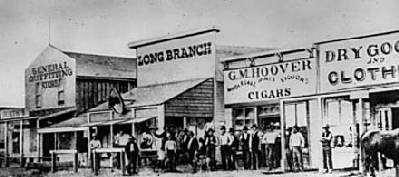
After the Civil War the population of Kansas grew rapidly when waves of immigrants turned the prairie into farmland. It also became the center of what we think of as “the Wild West,” what with cattle drives on the Chisholm Trail moving through the state to railheads there. Cattle towns like Abilene, Wichita and Dodge City, flourished between 1866 and 1890 as railroads reached towns suitable for gathering and shipping cattle. All the famous gunslingers and lawmen like Wild Bill Hickok, Bat Masterson and Wyatt Earp worked on one side of the law or another in Kansas.
Things eventually calmed down in the state and since the turn of the 20th century people have generally regarded it as one of those states where not much happens.
We who live here in flyover country know that is decidedly not true. Kansas is a big, beautiful state where the weather can be quite severe and the sky is large.
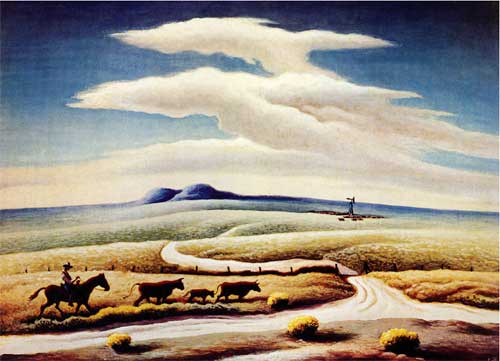
“The High Plains” by Thomas Hart Benton, 1958
Lots of famous (and infamous) people have started out life in Kansas. For instance, did you know that Mabel Walker Willebrandt (1889-1963) was from Kansas? She was the U.S. Assistant Attorney General from 1921-1929 and the highest-ranking woman in the federal government at the time and first woman to head the Tax Division.
She vigorously prosecuted bootleggers during Prohibition–in fact, she was the one who came up with the idea that illegally earned income was subject to income tax. That’s how they got Capone, you know. She is one of those amazing women who nobody knows about–probably because she was a Republican and campaigned vigorously for Herbert Hoover.
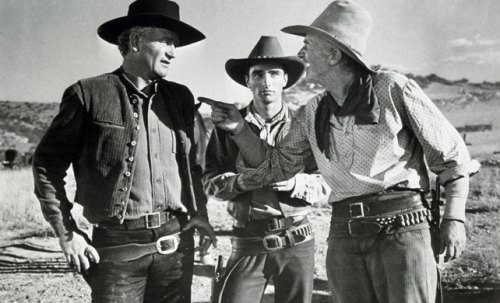
Anyway, I watched the movie Dodge City (1939) with Errol Flynn and Olivia de Havilland fairly recently, so I will recommend instead watching Red River (1948)–a movie about a cattle drive on the Chisholm Trail which ends dramatically in Abilene, Kansas. It is not one of my favorite westerns, but it is well worth watching for John Wayne, Walter Brennan and Montgomery Clift, who is surprisingly effective as a cowboy.
Well, as you know, that is how my mind works.
P.S. Did you know that Home On the Range is the state song of Kansas? How freaking awesome is that?!















 dual personalities