How’s it goin’? It is still rainy and windy here. And kind of snowy. But later in the week we are supposed to get the real thing and some real cold temps. C’est la vie. January. Okay.
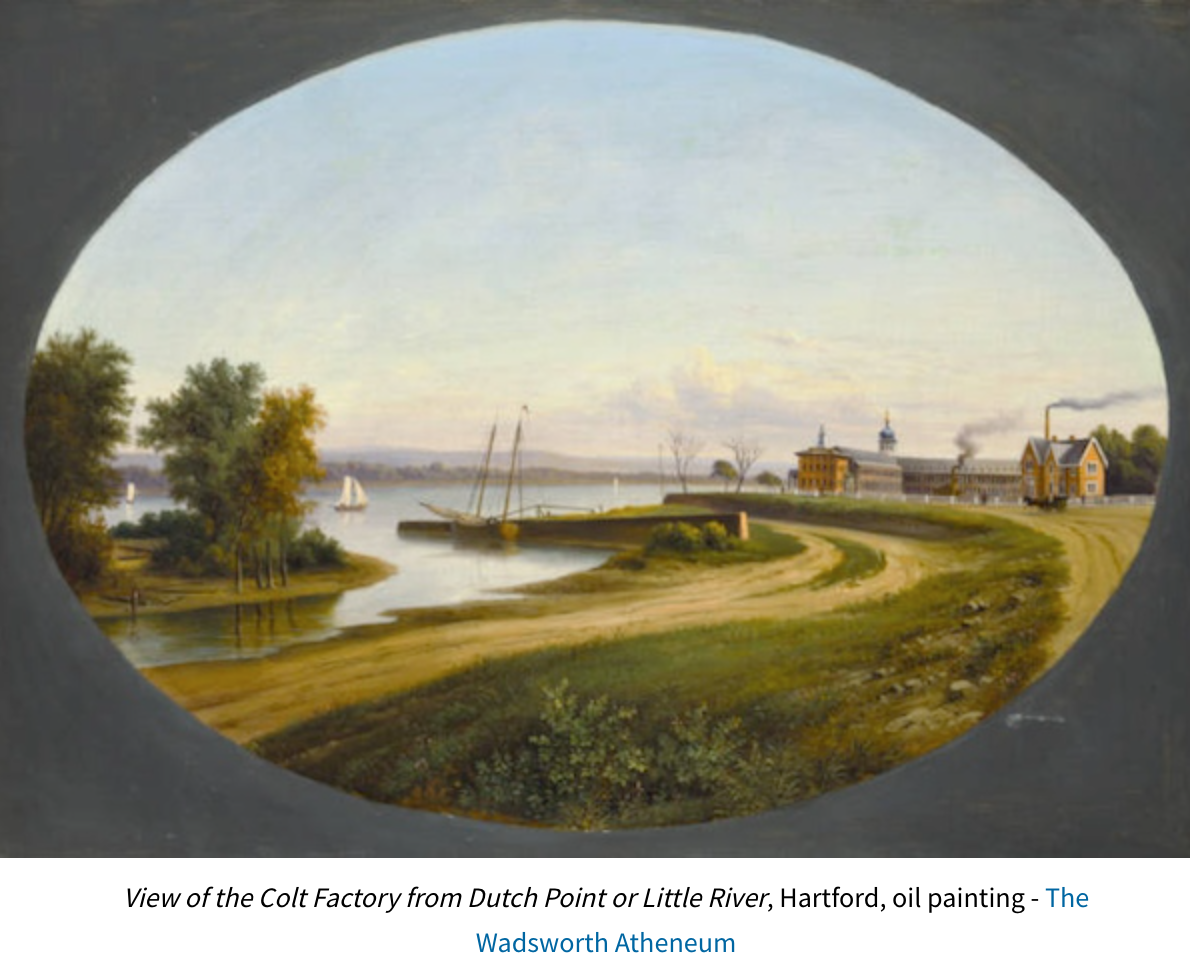
In the meantime today we toast Samuel Colt (1817-1862)–the man who revolutionized firearms manufacturing in the United States and who established Colt’s Patent Fire-Arms Manufacturing Company. He was born on this day 207 years ago.
Colt’s U.S. revolver patent gave him a monopoly of revolver manufacture until 1857. His was the first practical revolver and the first practical repeating firearm. One of his slogans, “God created men, Col. Colt made them equal,” became a popular adage in American culture.
Yes, when you are in possession of a loaded Colt revolver the long centuries of arbitrary oppression of the physically weak by the physically strong are at an end. And a well-armed woman is the equal of any man.
Dubbed the “Peacemaker”, the 1851 Navy Colt six-gun was the choice sidearm of such historical figures as James Butler “Wild Bill” Hickok, often called the “Prince of Pistoleers,” as well as many of his contemporaries, such as John Wesley Hardin, the James-Younger Gang, the Pinkertons, as well as many U.S. dragoons of the pre-Civil War years.
As Shane says, “A gun is a tool…as good or as bad as the man using it.”
We are experiencing Indian Summer this week in flyover country–absolutely beautiful days in the 70s and even 80s with the sun hitting the orange leaves in a really spectacular way. And the leaf blowers are out in full force. I do get tired of all the noise, like a bajillion bees coming in waves to attack us. 🙄
My friend Don sent this photo of his birdbath with “the neighborhood bluebirds”.
I live a mile or so away and I have never seen a bluebird!
As we all know, the streaming platforms are a wasteland and I haven’t watched network tv for years. So I am forced to watch episodes of old shows like the old lady that I am. Lately, however, I have added Harry Wild to my watch list (on Acorn). It stars the lovely Jane Seymour as a recently retired English professor who discovers a knack for investigation and cannot help but interfere with the cases assigned to her police detective son.
Although she doesn’t quite look her age–she’s five years older than I am–she doesn’t hide the fact that she is an old retired lady. She dresses like I do. She drives an old (red) car and drinks (too much) red wine. She knows a lot about English literature. She speaks with grammatical precision and corrects those who don’t. I can actually relate to her. Also the show is filmed in Dublin and I have actually been there, so that is interesting and familiar. The show is not American, so the Irish are not stereotypes.
So I recommend it if you are looking for something to watch. And who isn’t?
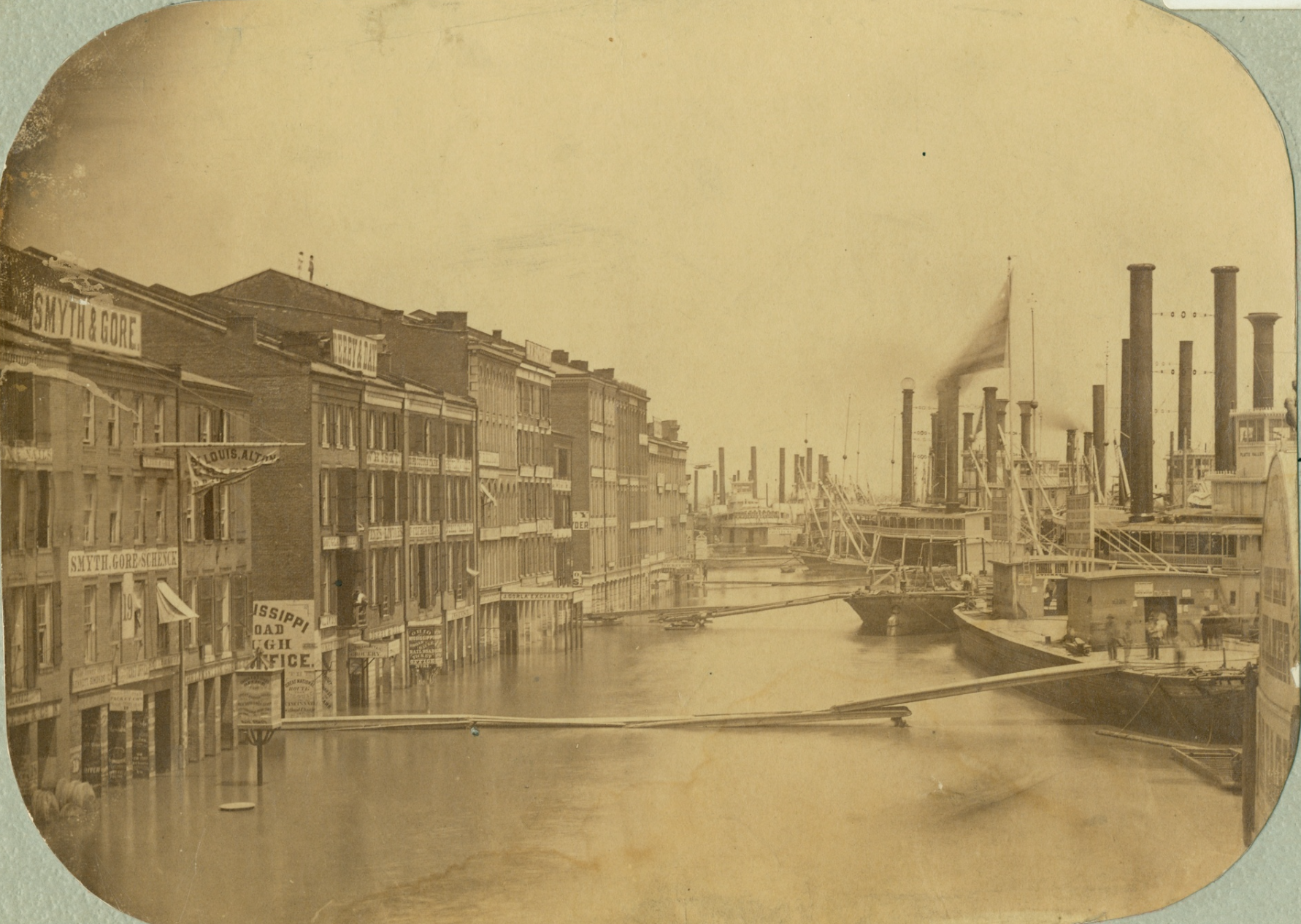
Today we must not forget to remember that unsung hero Elijah Parish Lovejoy (November 9, 1802 – November 7, 1837) who was an American Presbyterian minister, journalist, newspaper editor and abolitionist. He was murdered by a pro-slavery mob in Alton, Illinois, during their attack on his warehouse to destroy his press and abolitionist materials. As I’ve said before, Lovejoy’s life (and murder) is another reminder to us today of how rough and dangerous life was in my part of the country back in the mid-nineteenth century. And people think emotions run high these days!
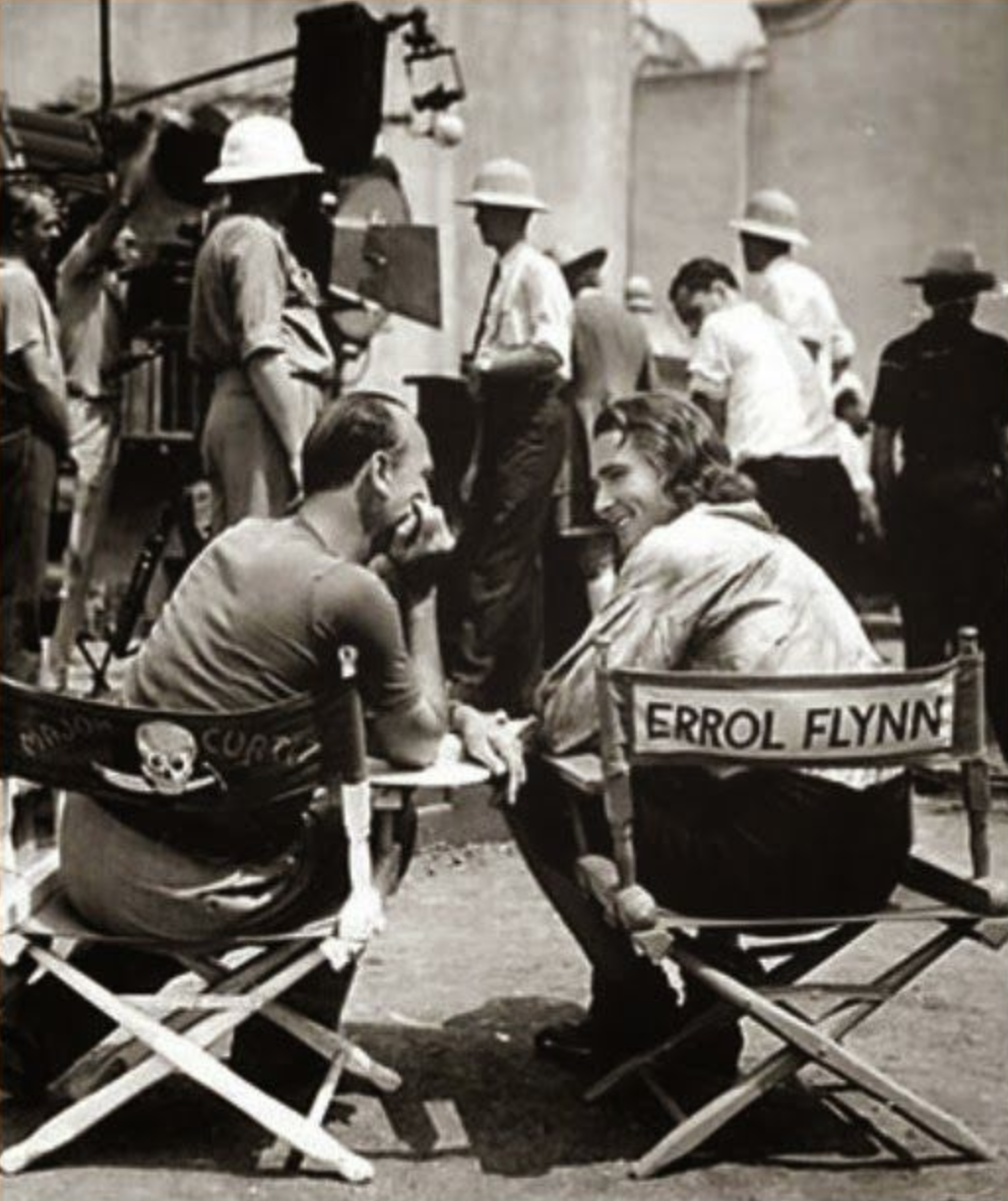
We also remember Edna May Oliver who died on this day, her birthday, in 1942. She was an American stage and screen actress who specialized in formidable older women, such as Lady Catherine de Bourgh in Pride and Prejudice (1940) and Miss Pross in A Tale of Two Cities (1935). She was only nominated once for a supporting actress Oscar, but it was for a doozy–Mrs. McKlennar in Drums Along the Mohawk (1939).
I re-watched this movie recently and was really impressed by it. And Edna May Oliver is great; she never crosses the line into farce which a lesser actress might do. She is always 100% believable.
So enjoy these last beautiful days of fall, watch an old lady in a tv show or movie, remember some history, and praise God from whom all blessings flow!
Help me to see that although I am in the wilderness it is not all briars and barrenness. I have bread from heaven, streams from the rock, light by day, fire by night, thy dwelling place and thy mercy seat.
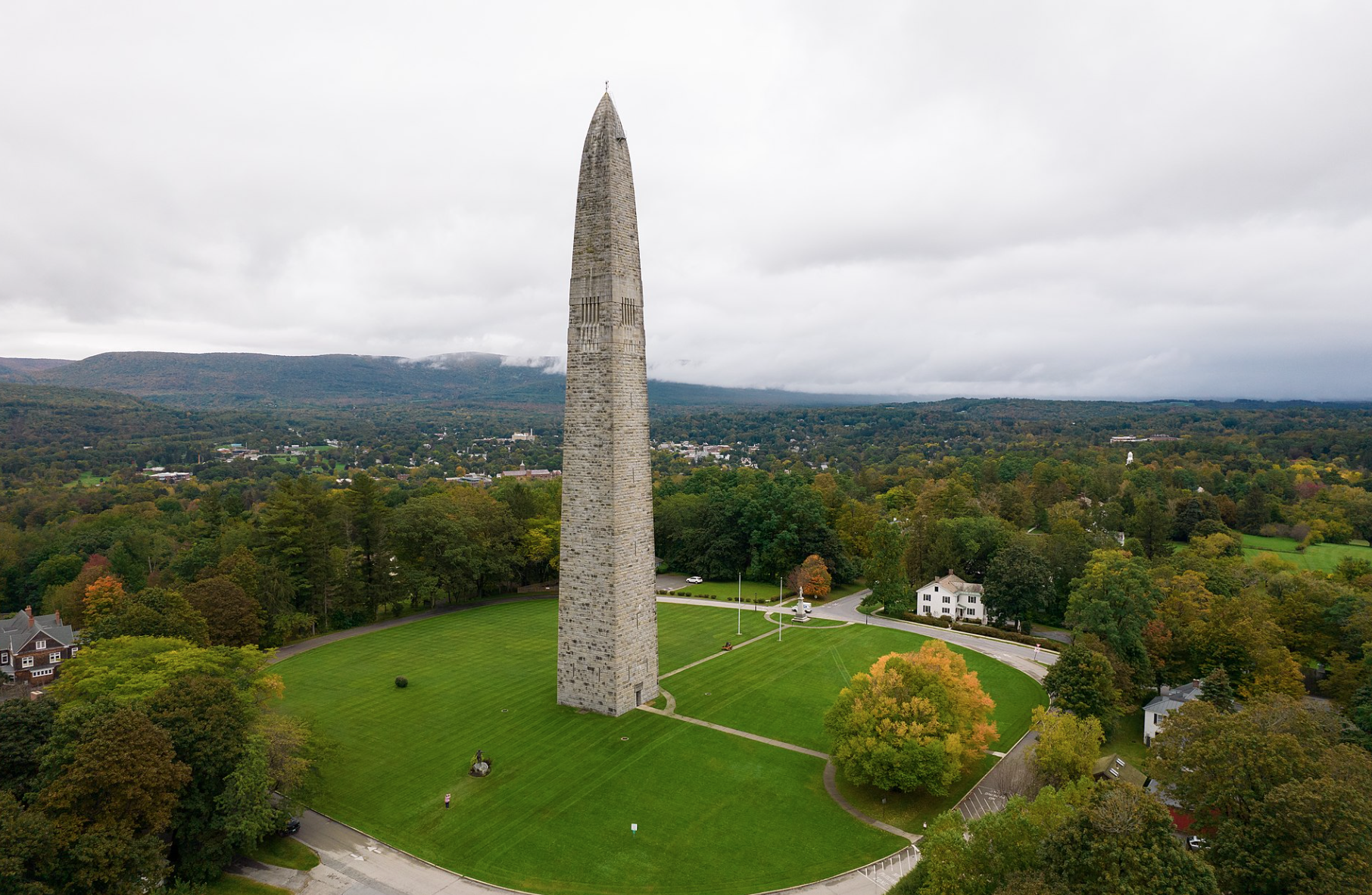
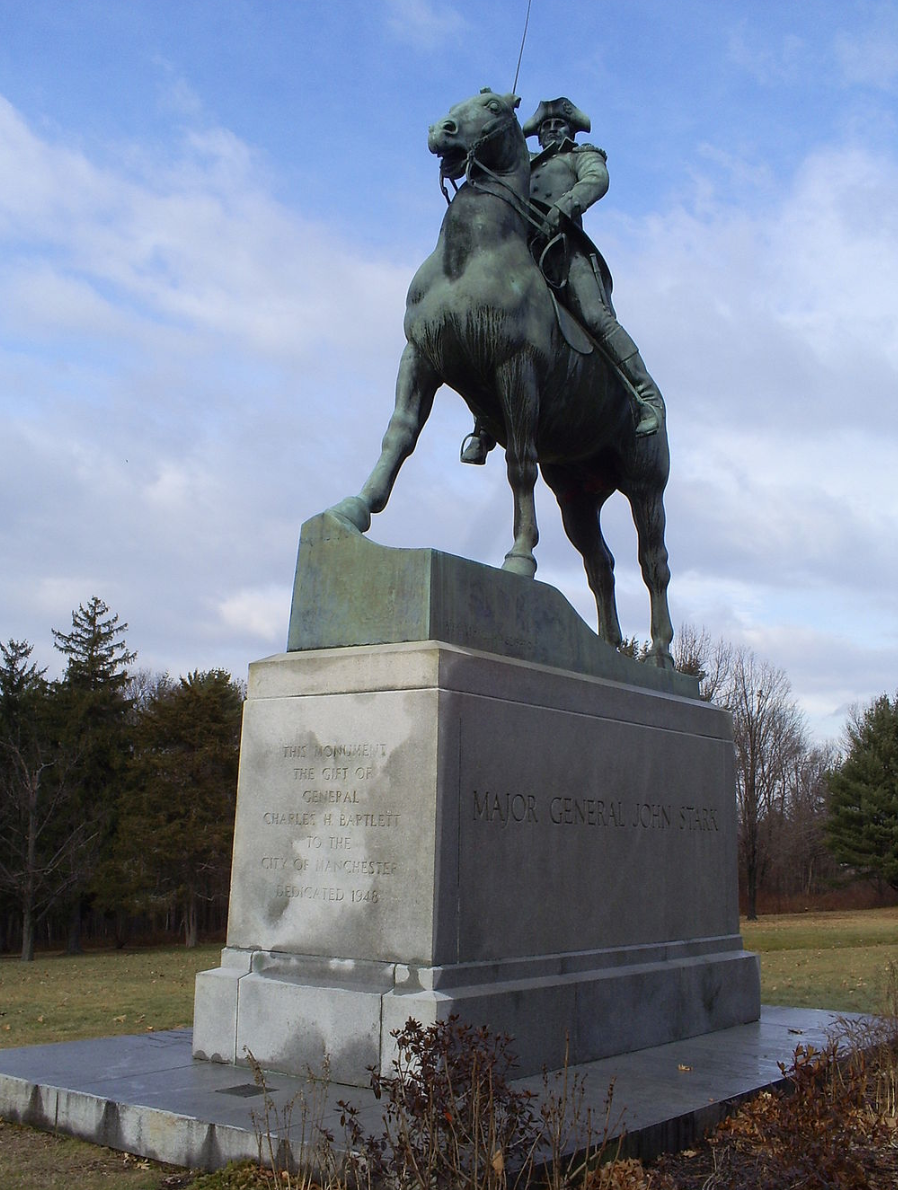
Bennington Battle Day is observed on August 16 annually, and this year it marked the 245th year of the battle. It is a state holiday in Vermont honoring the American victory against the British forces during the American Revolutionary War.
The Bennington Battle began in July 1777 when the British forces led by General John Burgoyne captured Fort Ticonderoga and Mount Independence. Their goal was to cut off New England from their other colonies. On August 9, General Burgoyne sent German Lt. Colonel Friedrich Baum with an armed troop consisting of 800 men to raid Bennington and plunder food supplies and ammunition. On August 14, this raiding party won the battle over the American militia, which was led by Brigadier-General John Stark. However, the battle didn’t stop there. The New Hampshire militia regrouped and grew in number to prepare for the final battle that took place just two days later. Reinforced by Vermont militiamen led by Colonel Seth Warner and members of the Green Mountain Boys, they decisively won the battle, capturing at least 700 men.
In 1877, a local historical society began to plan a monument for the battle’s centennial celebration, which was eventually attended by President Rutherford B. Hayes. The monument’s cornerstone was laid in 1887, and it was completed in November 1889 at a total cost of $112,000 (including the site). Dedication ceremonies were delayed until 1891, when President Benjamin Harrison attended the ceremonies. Statues of John Stark , Seth Warner and other notables ornament the grounds.
You may recall that John Stark, while hunting in 1752, was captured by Abenaki Indians, taken to Canada and made to run the gauntlet. Stark grabbed a club and attacked the Indians who were so impressed by his courage that he was adopted into the tribe. (He was later ransomed.) Stark fought through the French and Indian War as an officer in Roger’s Rangers. With the outbreak of the Revolutionary War, Stark became colonel in the New Hampshire Militia. Stark fought at the Battles of Bunker Hill, Trenton and Princeton, before returning to New Hampshire to raise more men for the Continental Army and leading the Americans at the Battle of Bennington.
And he was married to the redoubtable Molly Stark.
My question is: why was there never a movie made about this hero? Really, there are only a very few movies of consequence about the revolutionary period. The only ones that come to mind are Drums Along theMohawk (1939), Alleghany Uprising (1939) and Northwest Passage (1940). Can you think of any others? (Please don’t say The Patriot.)
Our country’s 250th birthday approaches–so read some history, watch an (old) movie, visit an historical site. Join your local historical society!
*“Live Free or Die. Death is not the greatest of evils.”–John Stark
Mount McGregor is a mountain in Saratoga County, New York. It is one of the principal peaks of the Palmertown Range.
“The Palmertown range is the most easterly of the five great mountain-chains which traverse the great wilderness. The Palmertown range begins on Lake Champlain, near Ticonderoga, and running down on both sides of Lake George, crosses the Hudson above Glen’s Falls, and running through the town of Wilton, ends in the high ground of North Broadway, in Saratoga Springs.”
(History of Saratoga County, New York)
The mountain was renamed after Duncan McGregor purchased it for back taxes and built a hotel called the Mountain House in 1876. In 1881 McGregor sold the mountain to the Saratoga, Mount McGregor and Lake George Railroad, owned by Joseph Drexel who constructed a narrow-guage railroad from Saratoga Springs and built the Hotel Balmoral at the summit with accommodation for 300 guests.
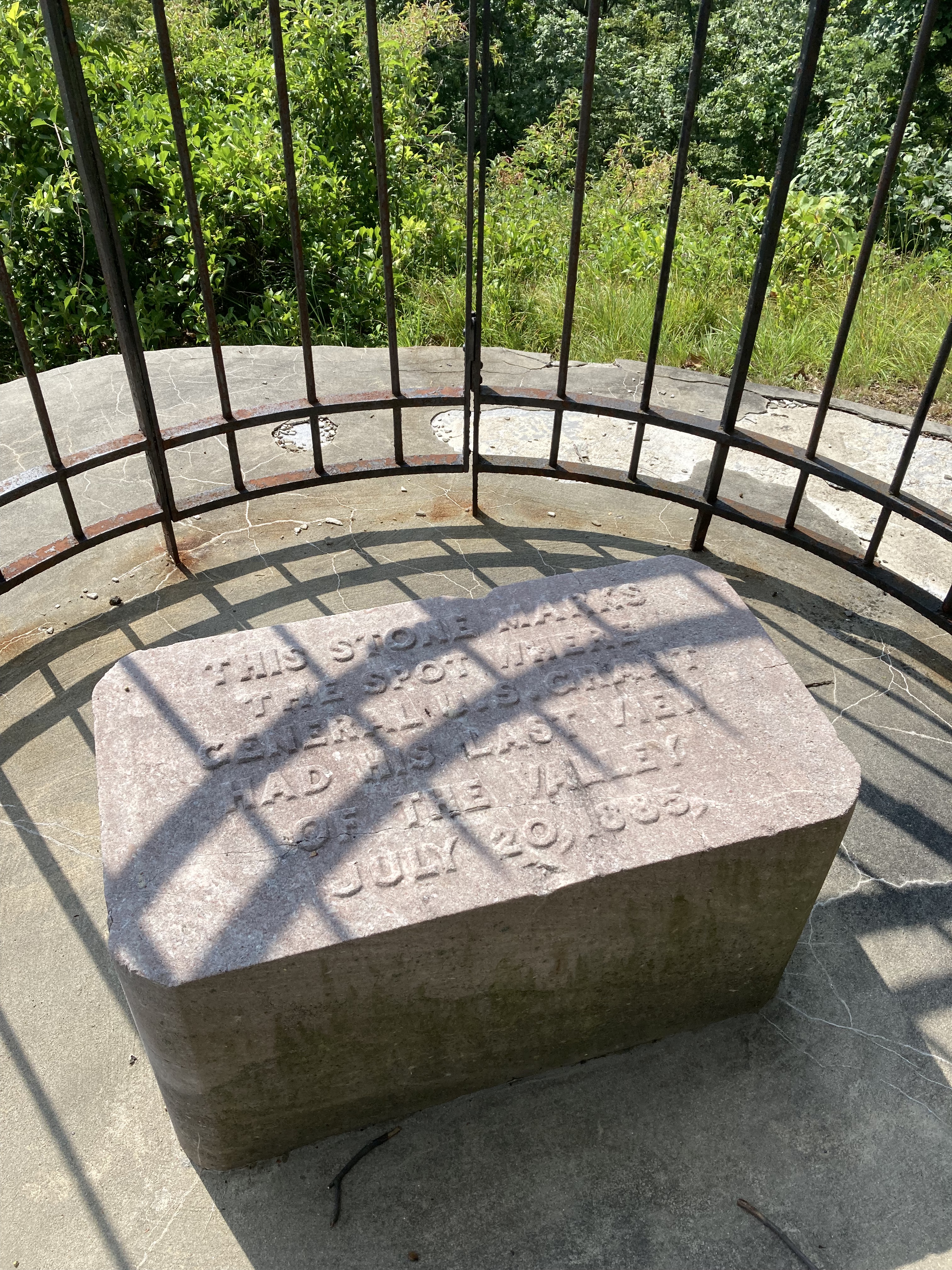
In 1885 Drexel loaned his friend, seriously ill former president Ulysses S. Grant, the use of his personal cottage on the mountain. Here Grant spent the last six weeks of his life struggling valiantly to finish his memoirs before he died. Grant succeeded, put down his pencil and died three days later.
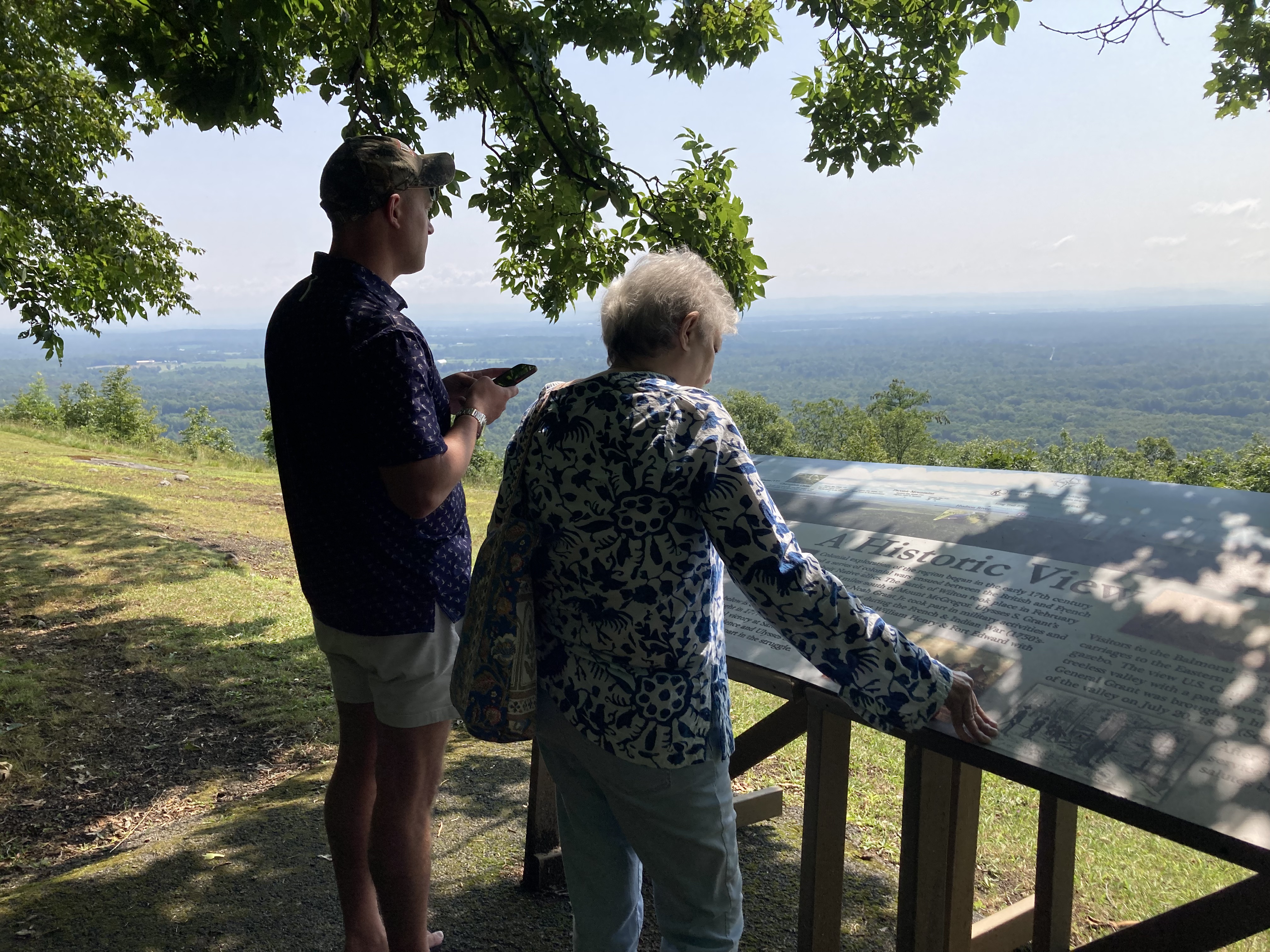
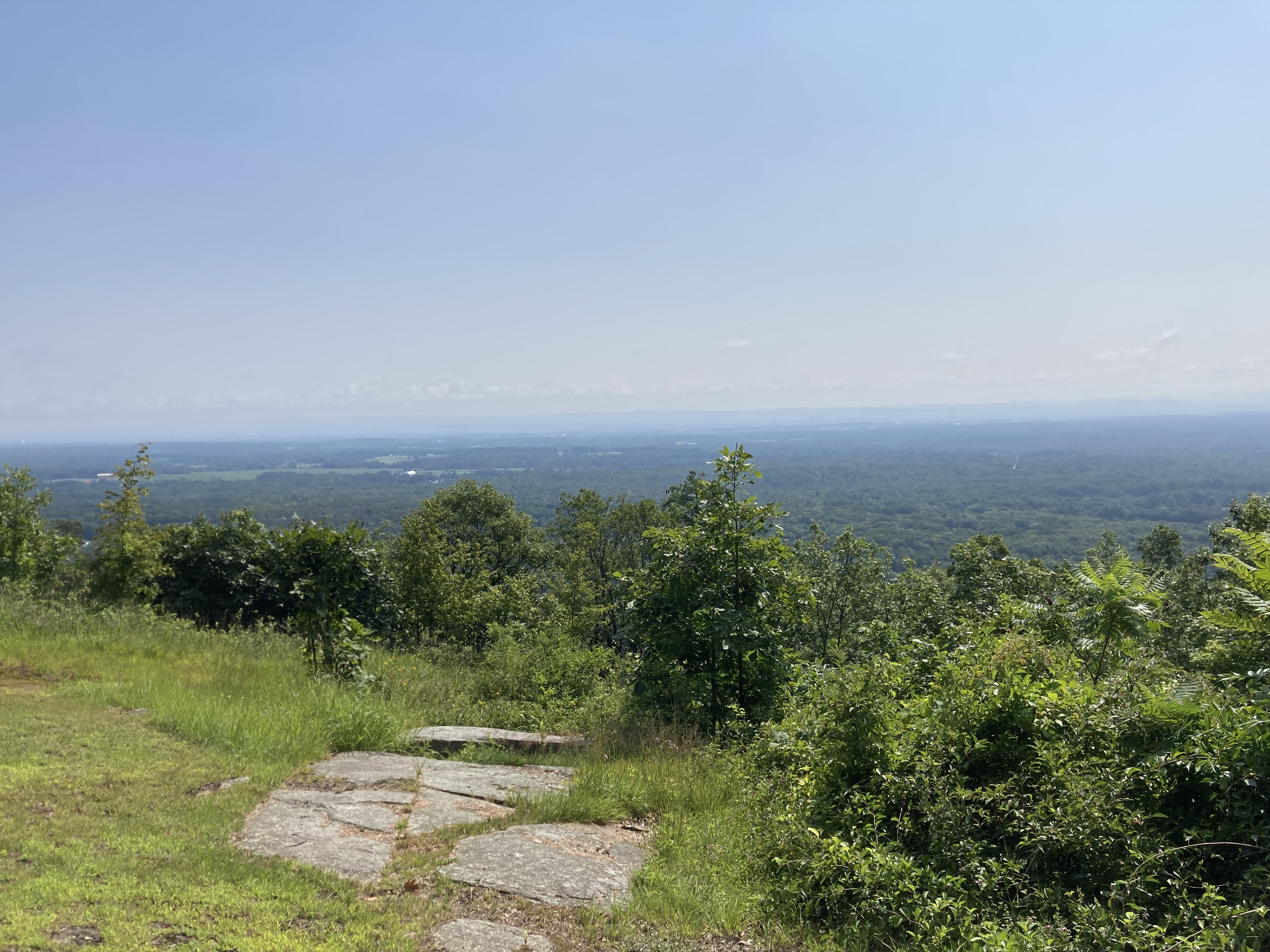
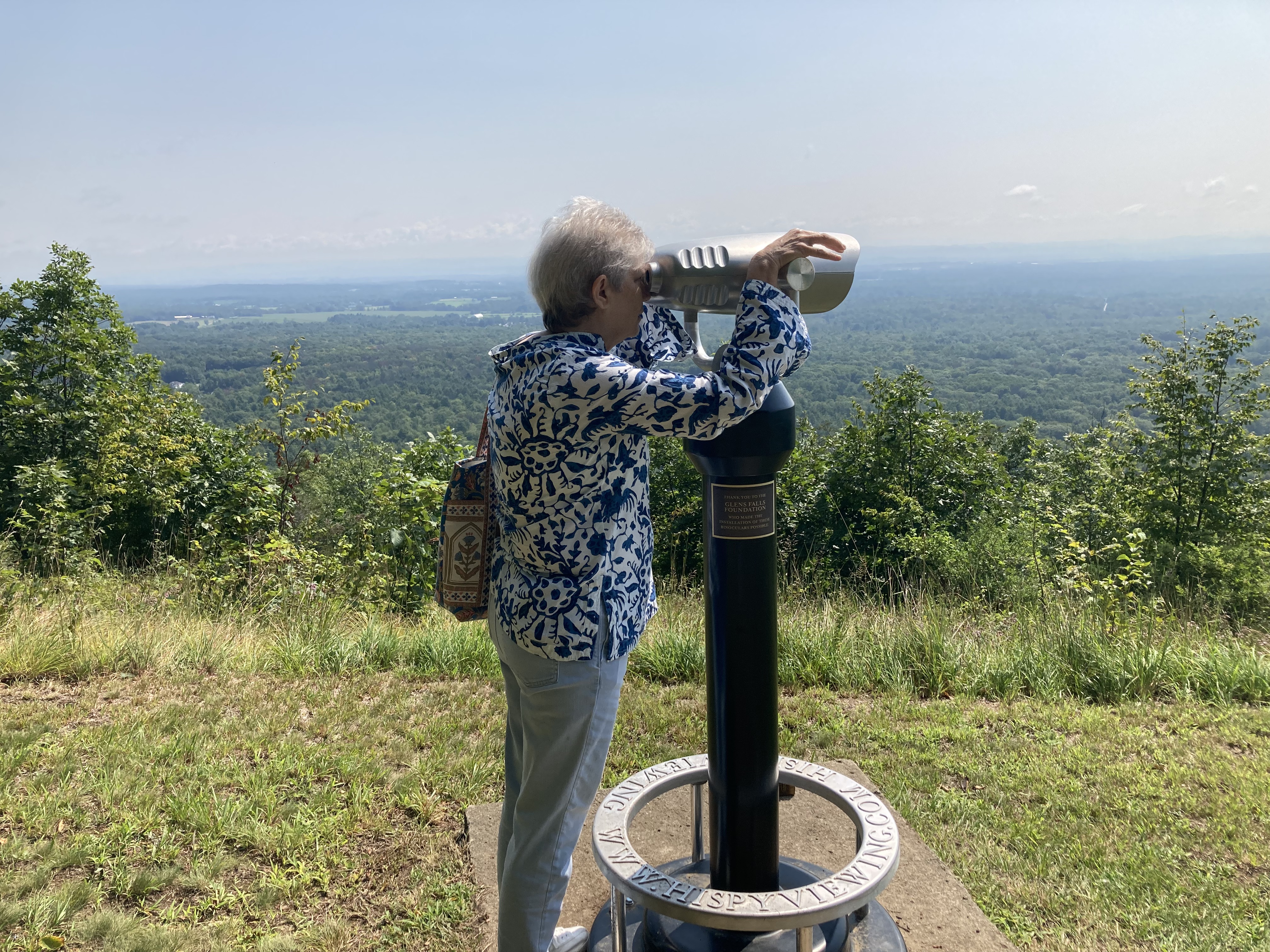
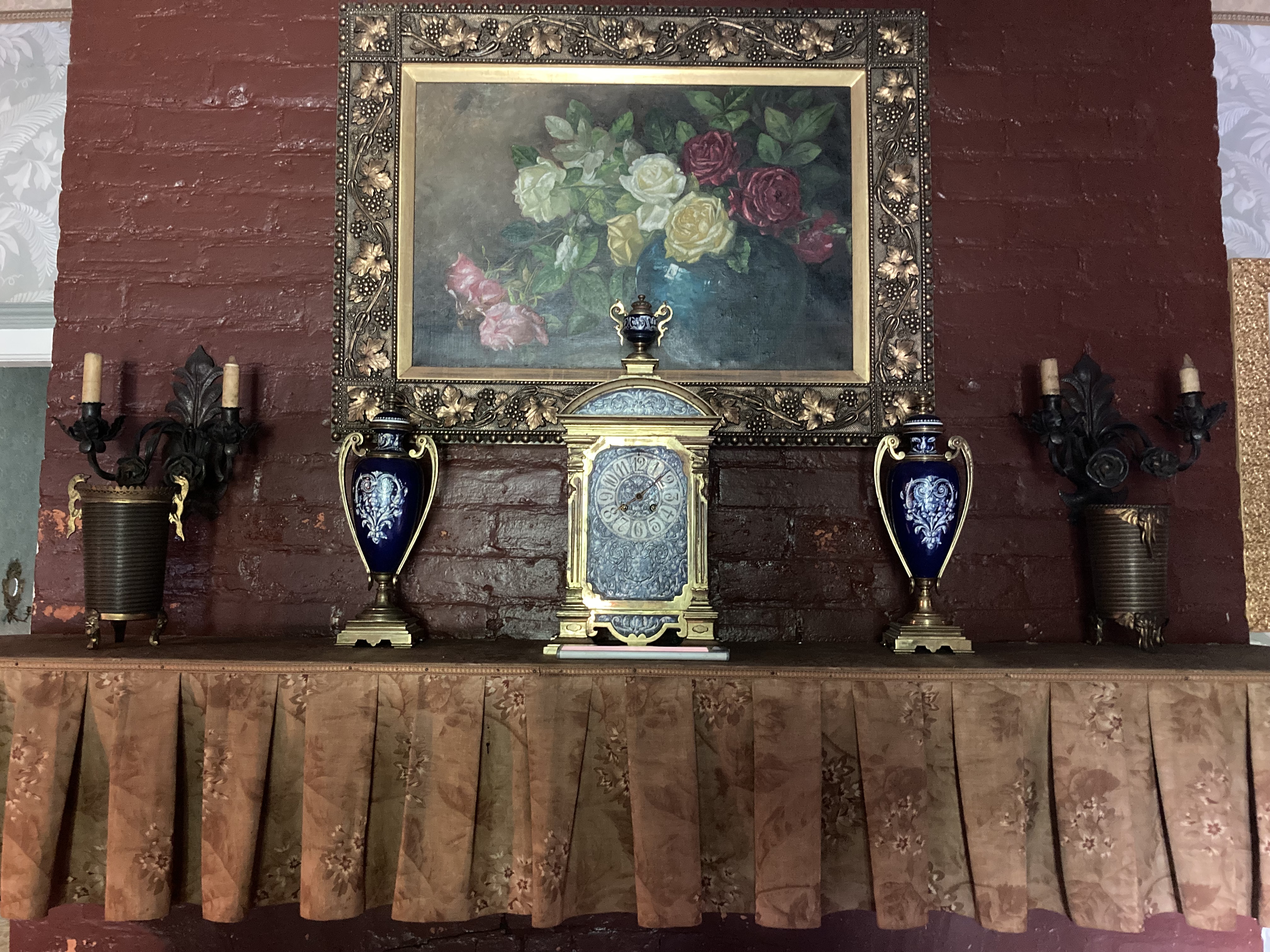
The cottage, preserved exactly as it was at his death, is now the Grant Cottage State Historic Site and is listed on the National Register of Historic Places. We toured the house (after waiting for a DAR chapter to go through) and hiked down to the lookout spot where Grant enjoyed the spectacular view.
It was very cool. You can see Mt. Greylock in Massachusetts!
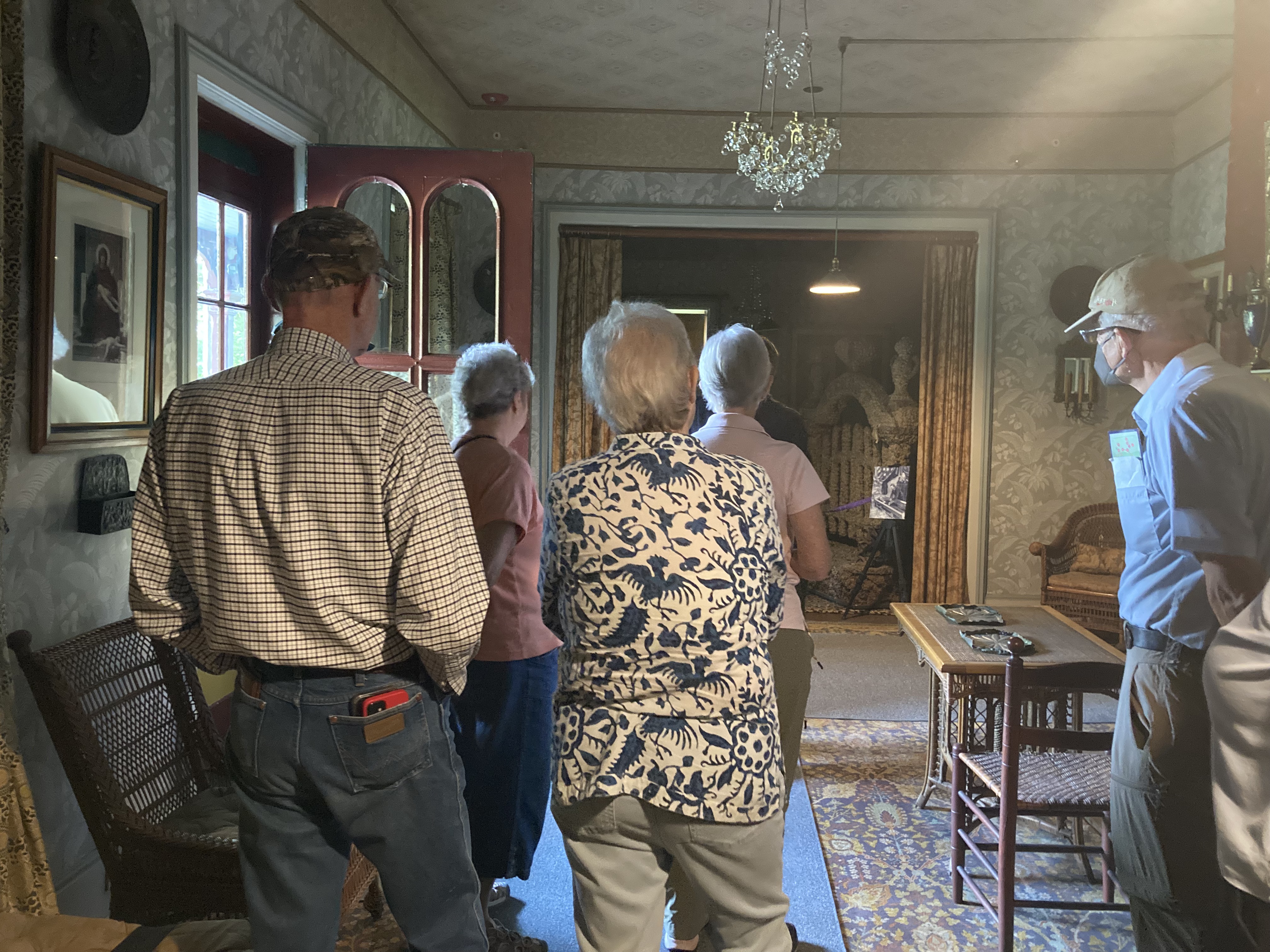
The hour and a half tour was given by a volunteer docent who really knew his stuff and was obviously an aficionado and admirer of Grant. It was really one of the best tours I have ever had–and I do not as a rule like tours, usually given by amateurs who do not know history or understand context and resort to telling “amusing” stories and making cracks about the olden days. This tour was also devoid of politics and or opinions. It was, however, an hour and a half long and as we were standing the whole time, I was about to die at the end of it.
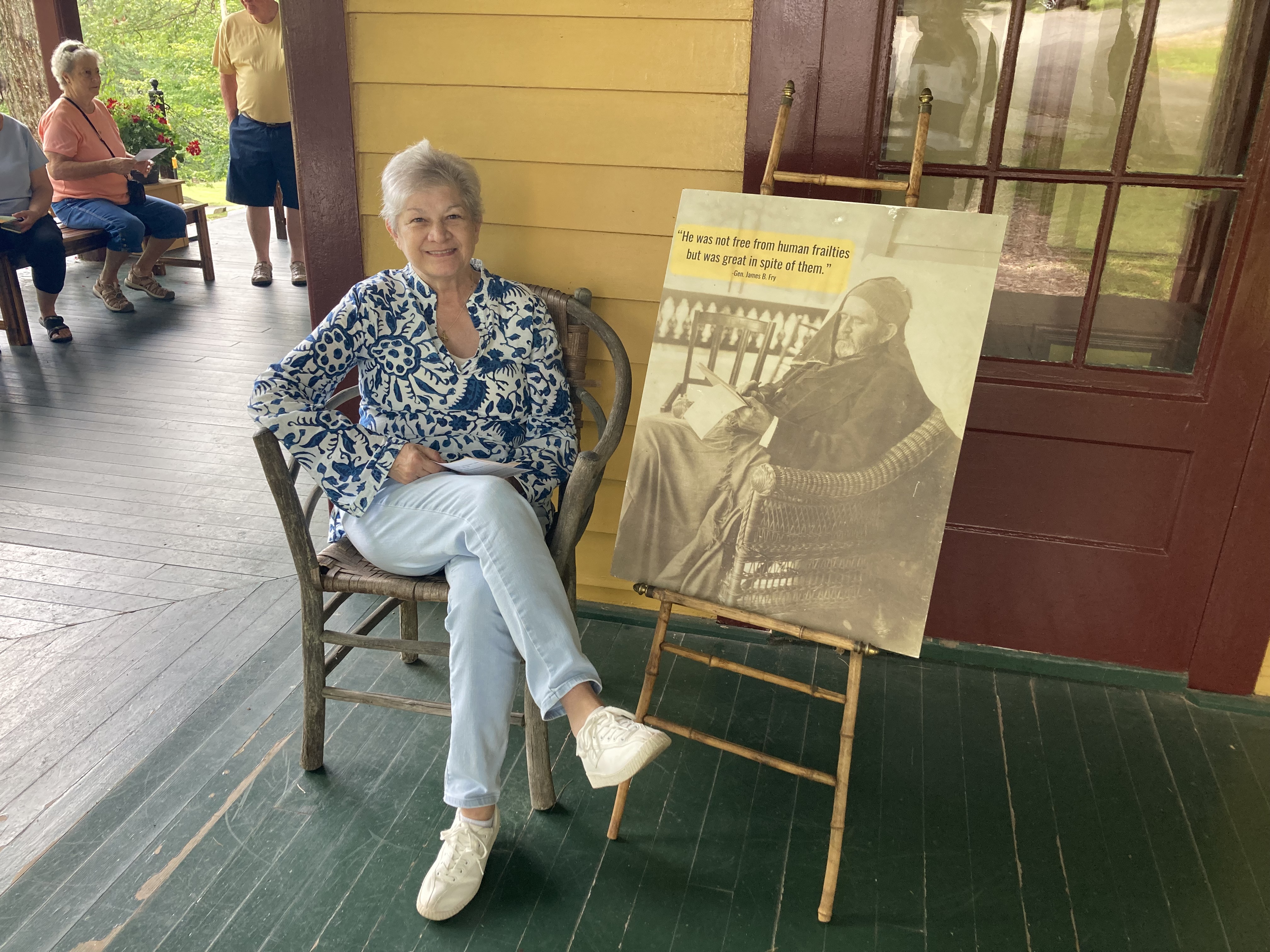
Luckily, I was able to take a seat in exactly the spot where the Great Man himself sat on the front porch. (Not in the same chair, however, which is inside.)
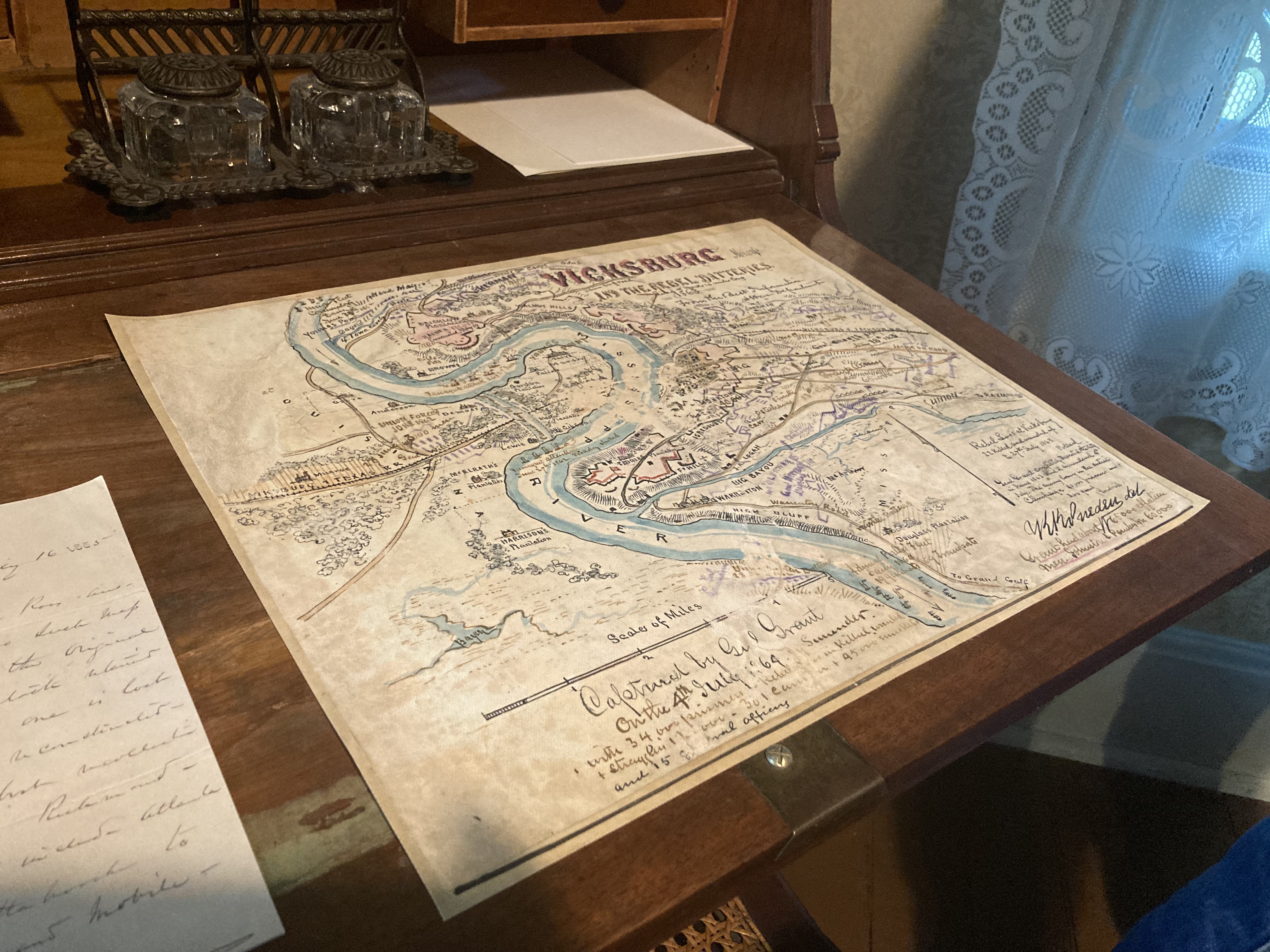
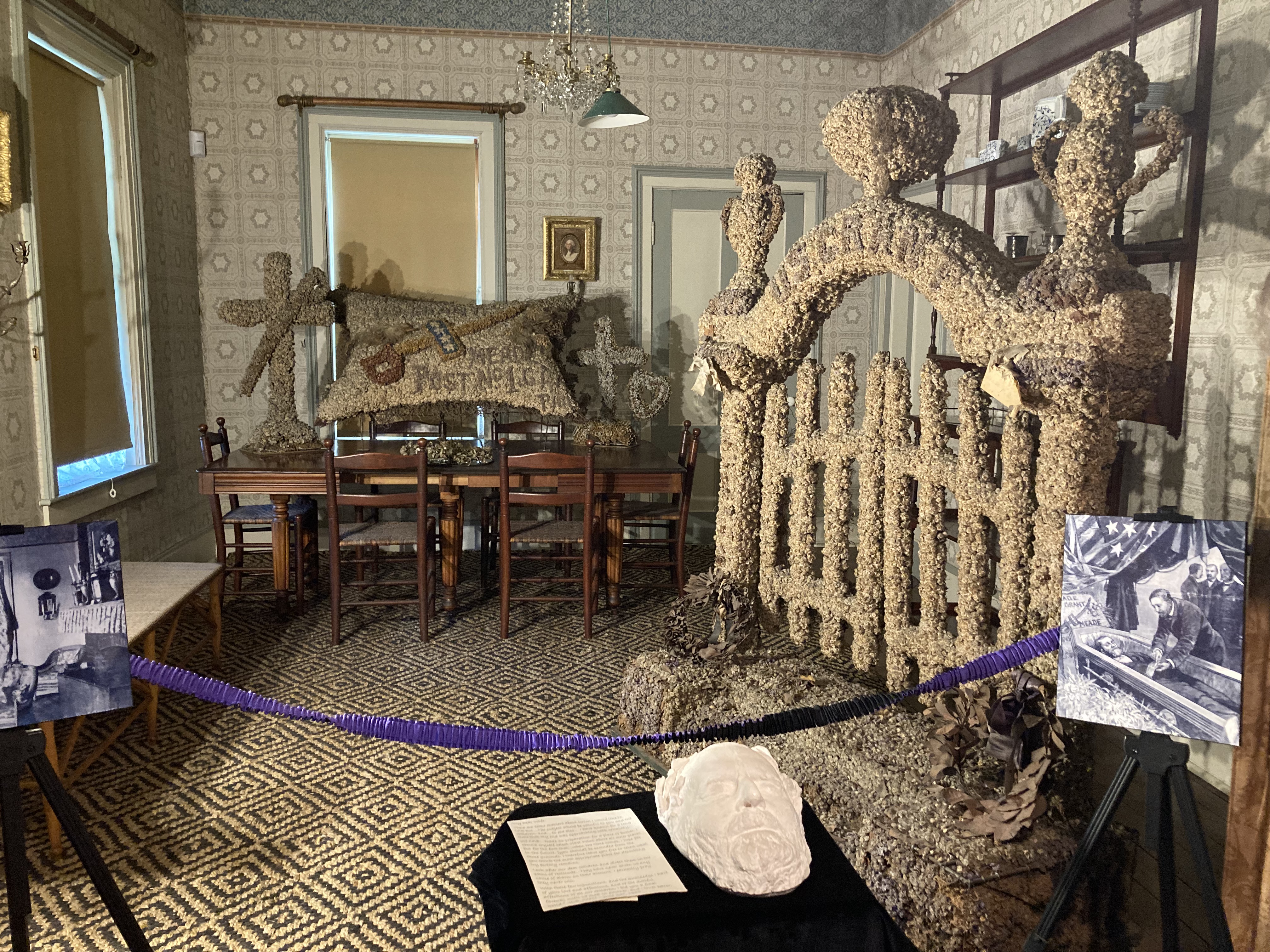
You know how I love U.S. Grant, so this was a special place to be. Here are a few more pictures of the cottage.
By the way, the floral arrangements from his funeral are still intact 137 years later!
I feel that we are on the eve of a new era, when there is to be great harmony between the Federal and Confederate. I cannot stay to be a living witness to the correctness of this prophesy; but I feel it within me that it is so. The universally kind feeling expressed for me at a time when it was supposed that each day would prove my last, seemed to me the beginning of the answer to “let us have peace.” (Personal Memoirs)
Thanks to the boy who drove the rented Expedition like a fighter pilot to our various destinations and to daughter #1 who took all of these pictures!
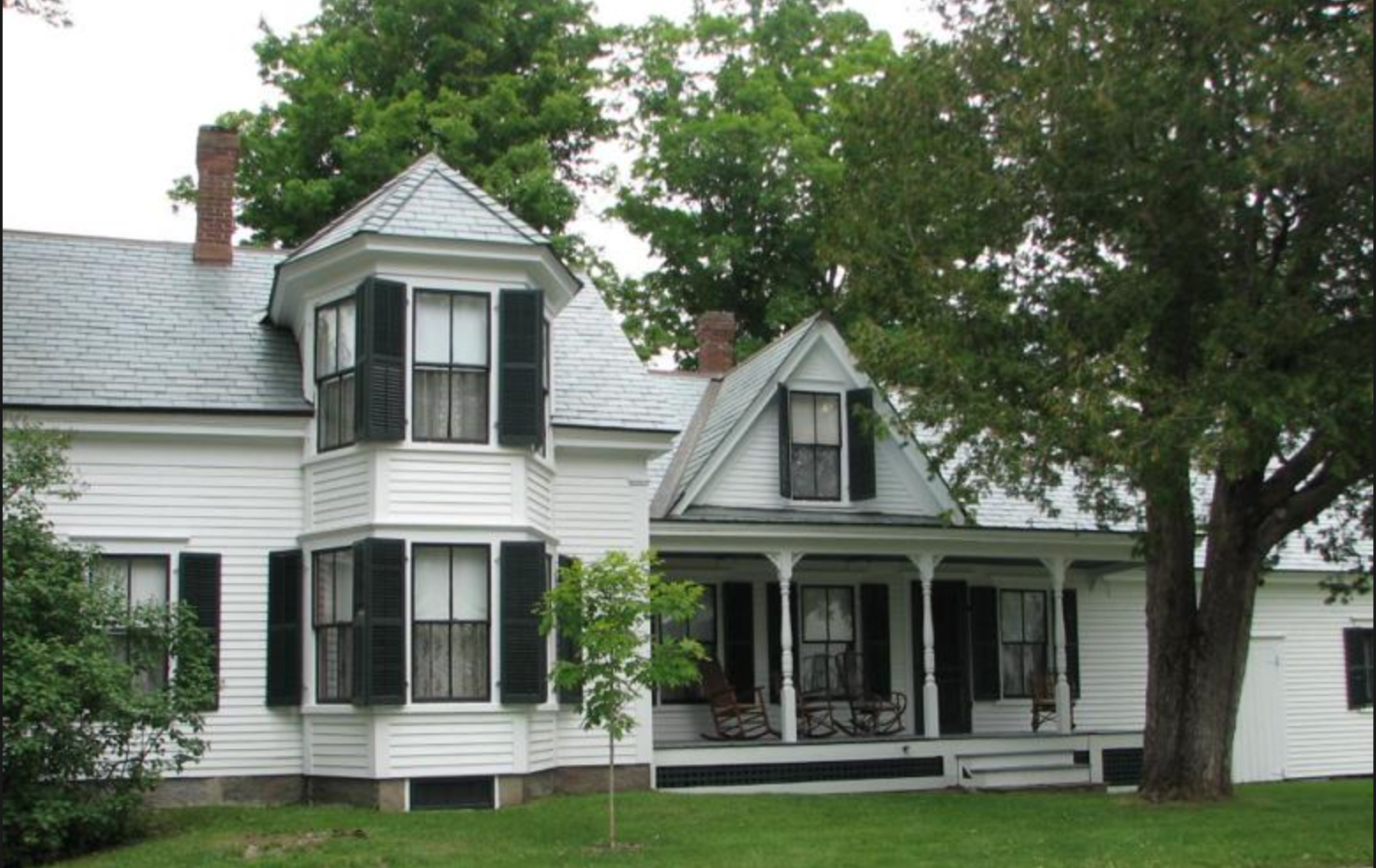
On August 2nd, 1923–100 years ago–Vice President Calvin Coolidge and his wife Grace were on vacation at Coolidge’s family farm near Plymouth Notch, Vermont in the Green Mountains.
The farm house had no electricity and a phone that only occasionally worked. The couple went to bed early, but a little before midnight, they were awakened by a loud knock at the front door. A moment later, Coolidge’s father called up to Calvin to come down. President Warren Harding was dead.
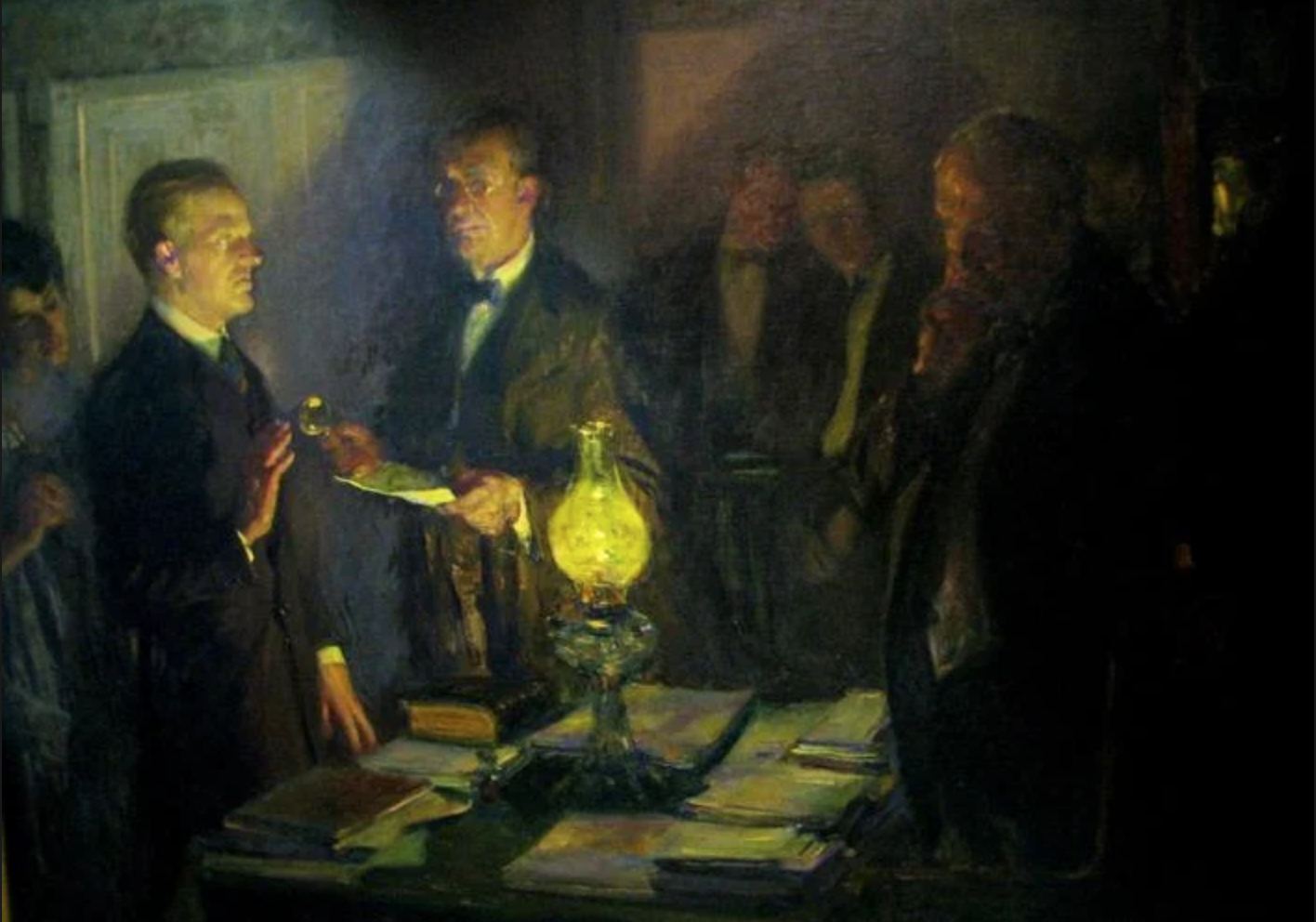
Coolidge got dressed. He prayed with his wife. And in the early morning hours of August 3rd, he was sworn into office by his father John Calvin Coolidge Sr. who was a Vermont notary public and justice of the peace. By the light of a kerosene lamp, Calvin Coolidge became the 30th President of the United States. Since it was 2:47 in the morning, President Coolidge went back to bed.
With the 1924 election just around the corner, many expected Coolidge to be a lame duck President, but on his train ride back to Washington he began immediately to plan how to build upon Harding’s most important policies. His first order of business…limiting the government itself.
We could use old Silent Cal these days, don’t you think?
Well, it is August now and we are well into the Dog Days of Summer. We are finally getting out of town tomorrow–heading to Saratoga, NY to attend the wedding of my nephew Tim and Abbie.
We are very much looking forward to the festivities and to seeing our DP and her family, but the air travel will no doubt be arduous. Please pray for travel mercies for the OM and me, the boy, daughter #1, and daughter #2 and her petite famille.
In the meantime, here are some good links to worthwhile things:
August on TCM is Summer Under the Stars month with a different star celebrated every day. At first glance it’s not a great selection, but there are some good days in there!
This is the Introduction to the graphic novel, The Grand Inquisitor, but it serves as an excellent overview of Dostoyevsky’s The Brothers Karamazov. This novel is very relevant today in view of our culture’s desire to find technological/scientific solutions to the problem of Evil. “This way of thinking appalled Dostoyevsky. With his profound grasp of psychology, he regarded the materialists’ view of human nature as hopelessly simplistic. Deeply suspicious of what intellectuals would do if they ever gained the power they sought, he described in greater detail than any other nineteenth-century thinker what we have come to call totalitarianism. Even in its less terrifying forms, rule by supposedly benevolent experts was, he thought, more dangerous than people understood.”
Also, I read recently that the New York Times is disbanding its sports department. Oh really? If our local paper got rid of its sports department, there would be (literally) nothing left to read. Another nail in the coffin of print journalism I guess.
We are looking forward to a guest post from DN on Friday, so stay tuned!
The painting is “The Swearing In of Calvin Coolidge by His Father” by Arthur I. Keller, 1923.
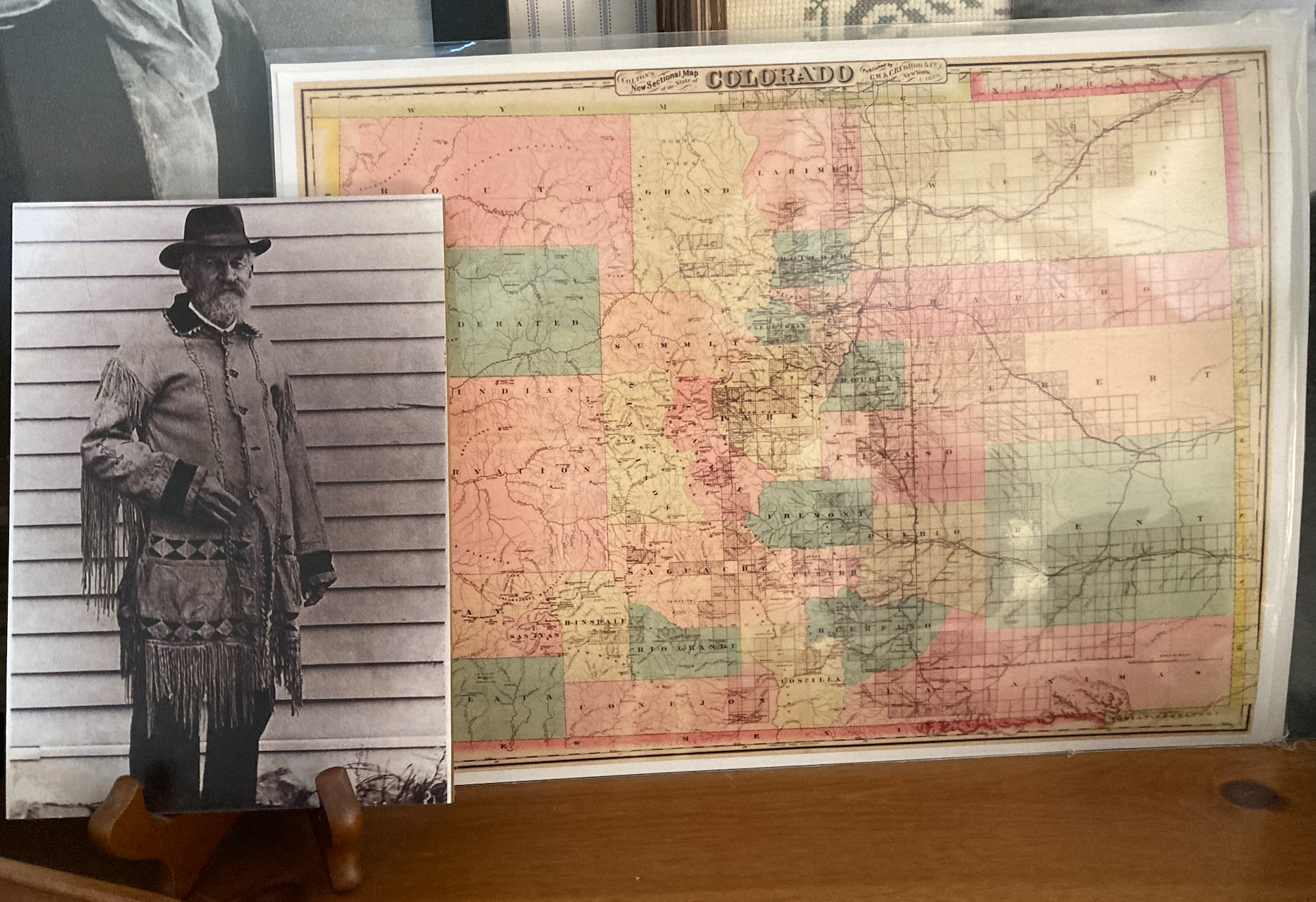
Today we celebrate the day in 1876 when U.S. President Ulysses S. Grant signed a proclamation admitting Colorado to the Union as the 38th state. Because the country had just celebrated its centennial a few weeks earlier, Colorado became known as the “Centennial State”.
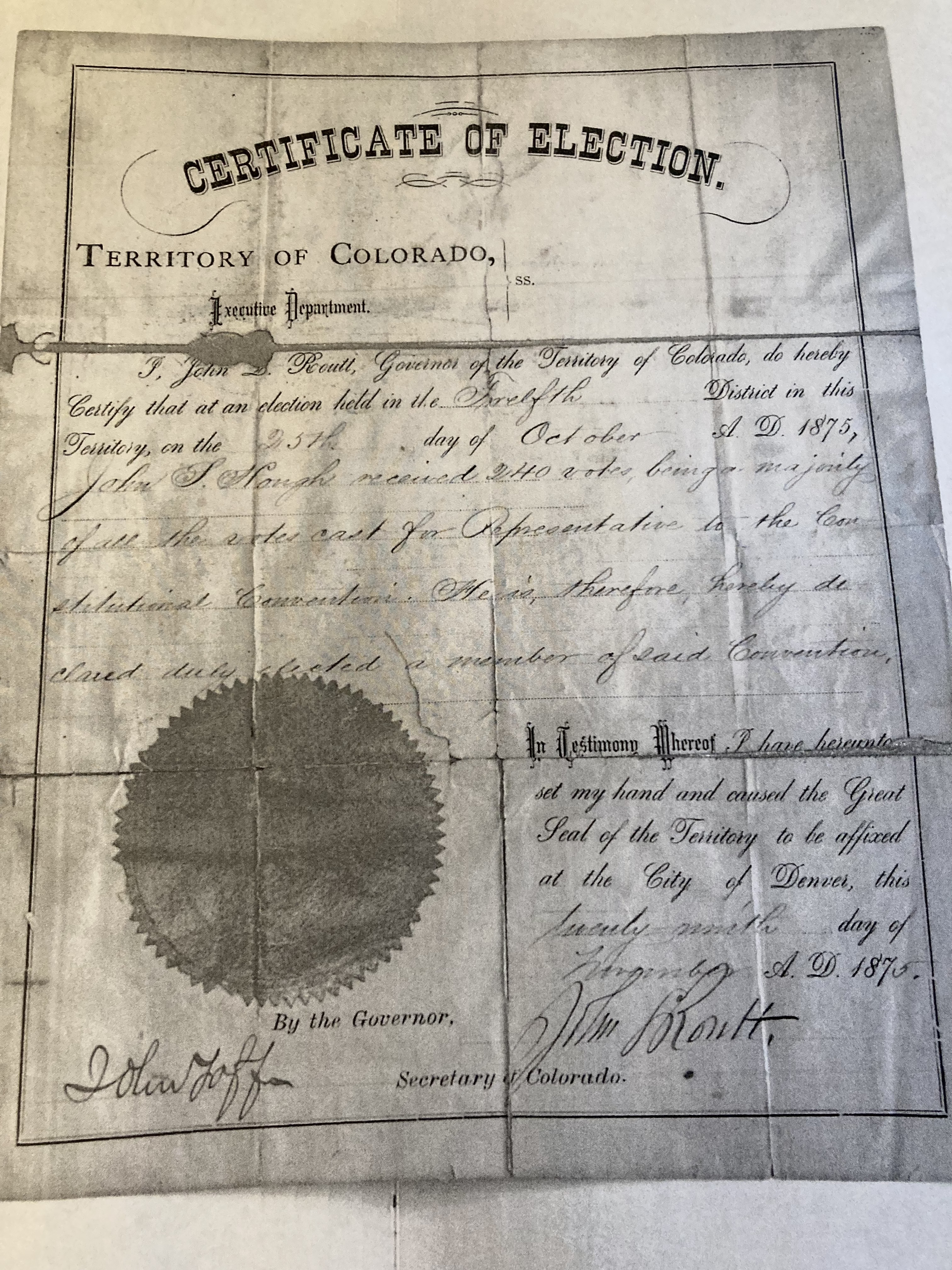
Several months prior, in December 1875, leading Colorado citizens gathered to draft a state constitution, among them our great-great grandfather John Simpson Hough, who represented Bent County.
He received 240 votes in the sparsely populated county.
Delegates to the convention came from every district in the soon-to-be state. They met at the Odd Fellows Hall, upstairs from the First National Bank, on Blake Street in Denver. Modeled after the United States Constitution, Colorado’s Constitution set the terms and duties of state government officials, and outlined the manner by which a law could be introduced and passed. It established the State Supreme Court, as well as district and county courts. A program for the supervision and maintenance of a public school system was created. A state tax system was developed, rules that regulate railroads and other corporations were adopted, and provisions created to amend that State’s constitution.
So join me tonight in a toast to the state of Colorado and to John S. Hough.
In science news, please note that the first of two full moons in August will reach its peak today, August 1, so be sure to check it out. And as an added bonus, both of the full moons this month are also supermoons!
And here’s a poem about the moon by Robert Louis Stevenson:
Have a good day! Read some history. Look up at the night sky.
The painting is “Moonlight Study” by Christian Friedrich Gille, 1831 .
*The motto of the state of Colorado: “Nothing without the Deity”
Recently I was reading about Esther Forbes (June 28, 1891 – August 12, 1967), the American novelist and historian. She wrote a number of historical novels, but she is mostly remembered for writing the Newbery Medal winner Johnny Tremain, published in 1943. She also won the Pulitzer Prize for history in 1942 for Paul Revere and the World He Lived In.
My grandmother, Mira Sargent, was about the same age as Esther and they grew up in the same social circle in Worcester, Massachusetts. Both were descendants of old Colonial families with roots in the seventeenth century. Esther attended Bancroft and Mira went to Miss Hall’s School in Pittsfield. Their paths continued to cross throughout their lives–in New York City, Boston and back in Worcester. My father always said they were friends but who knows.
Anyway, I decided to read Paul Revere and the World He Lived In, although my expectations were low, having read other books by mid-century female authors of this ilk. How wrong I was! From the first paragraph I was engaged:
There had been week upon week of the cold grey fury of the North Atlantic, for it was mid-winter when the little refugee, Apollos Rivoire, made his crossing. At such a season only the hardiest of passengers ventured much above deck. Bunks were dank, bread wormy, beef tainted, and many of these small sailing ships never made port, but at least the Atlantic was crossed in great company. God brooded upon the face of these waters. His hand parted the mountainous waves. He upheld the ship. Even if one drowned, it was the Providence of God. Apollos did not drown. He entered Massachusetts Bay late in 1715 or early 1716.
Apollos Rivoire was the father of Paul Revere. He came to Massachusetts as a 13-year old Huguenot refugee, fleeing persecution in France. His family owned great vineyards, but they saw no future for him in France, so he was sent to America as an indentured servant who was apprenticed to learn the silversmith trade. I did not know that! As usual, there is a lot I do not know, but this book is filling in the blanks in a delightfully readable manner.
So read an old book; learn something new!
The painting at the top is by Albert Anker (1831-1910)
Here’s a reminder that knowing your past will guide your future.
“…[W]e are probably the first generation in human history that doesn’t really know the communities from which we come. I can’t name any of my eight great-grandparents. (Perhaps you can, but I would ask, respectfully, what do you know about them?) As Alasdair MacIntyre has famously argued, we speak of justice with verve and passion but are unlikely to know what justice really means or from whom we inherit the very concept. We’re so eager to throw off the shackles of our received traditions that we’ve wholeheartedly loosed our roots from the loyal land and bound ourselves instead to that great banality of modern self-actualization, “you do you.”
I do know the names of my eight great-grandparents, although I admit I don’t know much about my great-grandmother Isabel Stanley Sargent’s line. I only know she was from Maine and that she left her husband and two children and fled to Chicago. She was a shocking skeleton in the family closet, but undoubtedly there was a lot more to that story. I have a fair knowledge of the rest of my great-grandparents compared, I suppose, to my contemporaries.
Since I retired I have had it in the back of my mind to “organize” all the genealogy notes and notebooks I have stored in my office. I tell myself I should write some kind of narrative account of our family. I know from experience researching that there is very little written down out there in the way of personal history and a lot of it is full of mistakes anyway. Nevertheless, anything written down and preserved is good, if not always helpful. I think of my mother’s cousin Jane who wrote “a family history…at the request of her brother” for the “elucidation of our children and grandchildren.” A noble effort it was, which my mother and her sister Susanne tore apart and corrected and generally ridiculed. True, Jane made a few undeserved snarky comments about their mother, but beyond that and the multiple mistakes, it is still a valuable resource (with pictures).
So we shall see if I can get started. Starting is always the hard part.
Meanwhile my grandkids celebrated the 4th in patriotic red-white-and-blue style…
Cuties.
*The ODWM pictured is Joseph Warren Sargent, my great-great grandfather.
Yesterday morning I got up bright and early and drove with daughter #1 to Florissant, MO to the historic Cold Water Cemetery, the oldest Protestant cemetery west of the Mississippi still in use, for an annual DAR event. There are some Revolutionary War veterans buried in this cemetery, so the DAR has been caretaking the cemetery for 60 years. We enjoyed the ceremony, especially the Lewis and Clark Fife and Drum Corps…
It was good to see some twelve-year old boys (probably all home-schooled) interested in history. We also liked these guys from the Militia de San Carlos and the Sons of the Revolution…
They gave a musket salute as well.
And we got to ride in one of these “shuttles” down to the cemetery…
It was almost like being on a hayride!
As is my tradition, I also watched They Were Expendable (1945), which is the best war movie ever.
Listen, son: you and I are professionals. If the manager says, “Sacrifice”, we lay down a bunt and let somebody else hit the home runs. We know all about those destroyers out of commission, tied up around San Diego. We could use them here. But they’re not around. They won’t be. Our job is to lay down that sacrifice. That’s what we were trained for, and that’s what we’ll do. Understand?
So keep showing up. Pay attention. Pray hard for your country.
Today we toast Bob Dylan on his 82nd birthday! Huzzah!
Recently, when I awaken in the middle of the night and can’t go back to sleep, I have been re-reading Chronicles, Volume I by BD. He is one of the best-read guys you could know. He never wasted his free time in his youth, but read whatever was available on the bookshelves of whoever’s apartment he was crashing in. And he remembered what he read.
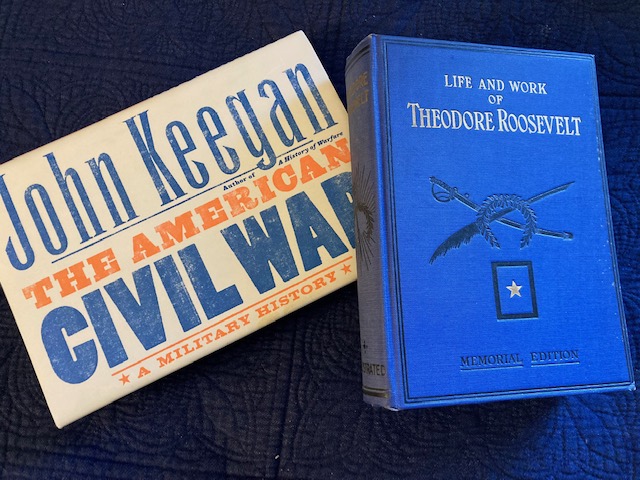
I read the biography of Thaddeus Stevens, the radical Republican. He lived in the early part of the 1800s and was quite a character. He’s from Gettysburg and he’s got a clubfoot like Byron. He grew up poor, made a fortune and from then on championed the weak and any other group who wasn’t able to fight equally. Stevens had a grim sense of humor, a sharp tongue and a white-hot hatred for the bloated aristocrats of his day. He wanted to confiscate the land of the slaveholding elite, once referred to a colleague on the floor of the chamber as “slinking in his own slime.” …He got right in there, called his enemies a “feeble band of lowly reptiles who shun the light and who lurked in their own dens.” Stevens was hard to forget. He made a big impression on me, was inspiring. Him and Teddy Roosevelt, maybe the strongest U.S. president ever. I read about Teddy, too. He was a cattle rancher and a crime buster, had to be restrained from declaring war on California–had a big run in with J.P. Morgan, a deity figure who owned most of the United States at the time. Roosevelt backed him down and threatened to throw him in jail.
Good stuff. So read some history, some poetry, and listen to some BD today: pick a good one.
Then she opened up a book of poems
And handed it to me
Written by an Italian poet
From the thirteenth century
And every one of them words rang true
And glowed like burnin' coal
Pourin' off of every page
Like it was written in my soul