dual personalities

Tag: Historic preservation

Things of minor consequence

by chuckofish

This has turned into a busier week than usual. I am actually making to-do lists!

I am finishing up an article for the Kirkwood Historical Review about the renovation of Mudd’s Grove, the 165-year old home which the Historical Society bought in 1992 and made their headquarters. The house had been allowed to fall into wrack and ruin and was in really terrible shape when it was rescued.

It is sad when this happens and I am sympathetic to the poor soul who lived there and for years pretended to be “working” on the house. Ultimately it took hundreds of thousands of dollars and hundreds of volunteer hours to accomplish its renovation.

It is the showplace of our town now and a testament to what volunteers can do.

In my humble opinion, people would do well to give more money to historic preservation and less to already massively-endowed schools and universities that no longer teach much worth learning anyway. Maintaining historic homes and buildings is an ongoing endeavor–money is always needed–and the local, state and federal governments don’t do much to support this kind of thing.

Well, I’ll get off my soapbox.

Speaking of history, a lot of interesting things happened on April 10, among them: Archduke Maximilian of Hapsburg was proclaimed emperor of Mexico in 1864, Confederate General Robert E. Lee addressed his troops for the last time in 1865 following his surrender to General Grant the day before, the Titanic set sail in 1912, The Great Gatsby was published in 1925, and in 1939 the A.A. “Big Book” was published. In 1970 Paul McCartney announced he was leaving the Beatles.

We also remember Michael Curtiz, the great Hungarian director, who died on this day in 1962. He came to Hollywood in 1926, when he was 39 years old. He had already directed 64 films in Europe, and soon helped Warner Bros. become the fastest-growing movie studio. He directed 102 films during his Hollywood career, mostly at Warners, where he directed ten actors to Oscar nominations. He himself was nominated five times, and won twice, once for Best Short Subject for Sons of Liberty (1939) and once for Best Director for Casablanca (1942). The secret to his success was his amazing versatility–he could handle any film genre: melodrama, comedy, love story, western, film noir, musical, war story, or historical epic. He cared about the human-interest aspect of every story, stating that the “human and fundamental problems of real people” were the basis of all good drama.
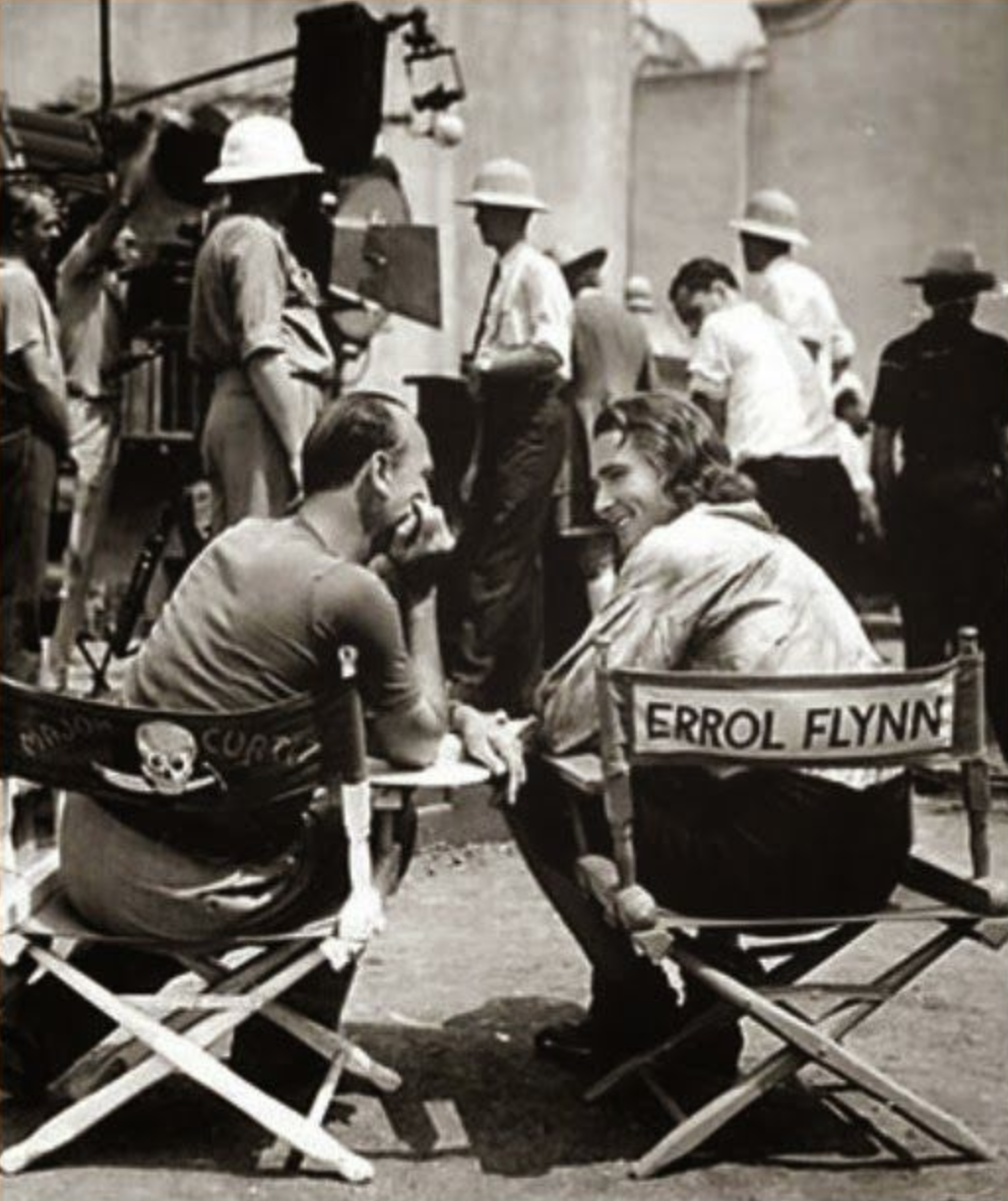
A look at the list of movies he directed shows his range and his amazing success. I’m thinking something with Errol Flynn might be in order tonight.
“Tune my heart to sing thy grace”

by chuckofish

The heat has been turned up and they are forecasting that our flyover high will hit over 100 degrees today. Yippee.

Daughter #1 returned from her conference in San Antonio and I picked her up at the airport. She stayed for the weekend because she has a work thing today, so we were able to indulge in a good bit of patio sitting and a few estate sales over the weekend. We also attended the home and garden tour presented every June by Historic Saint Louis. There are 25 homes on the tour and this year we picked two we had never visited.

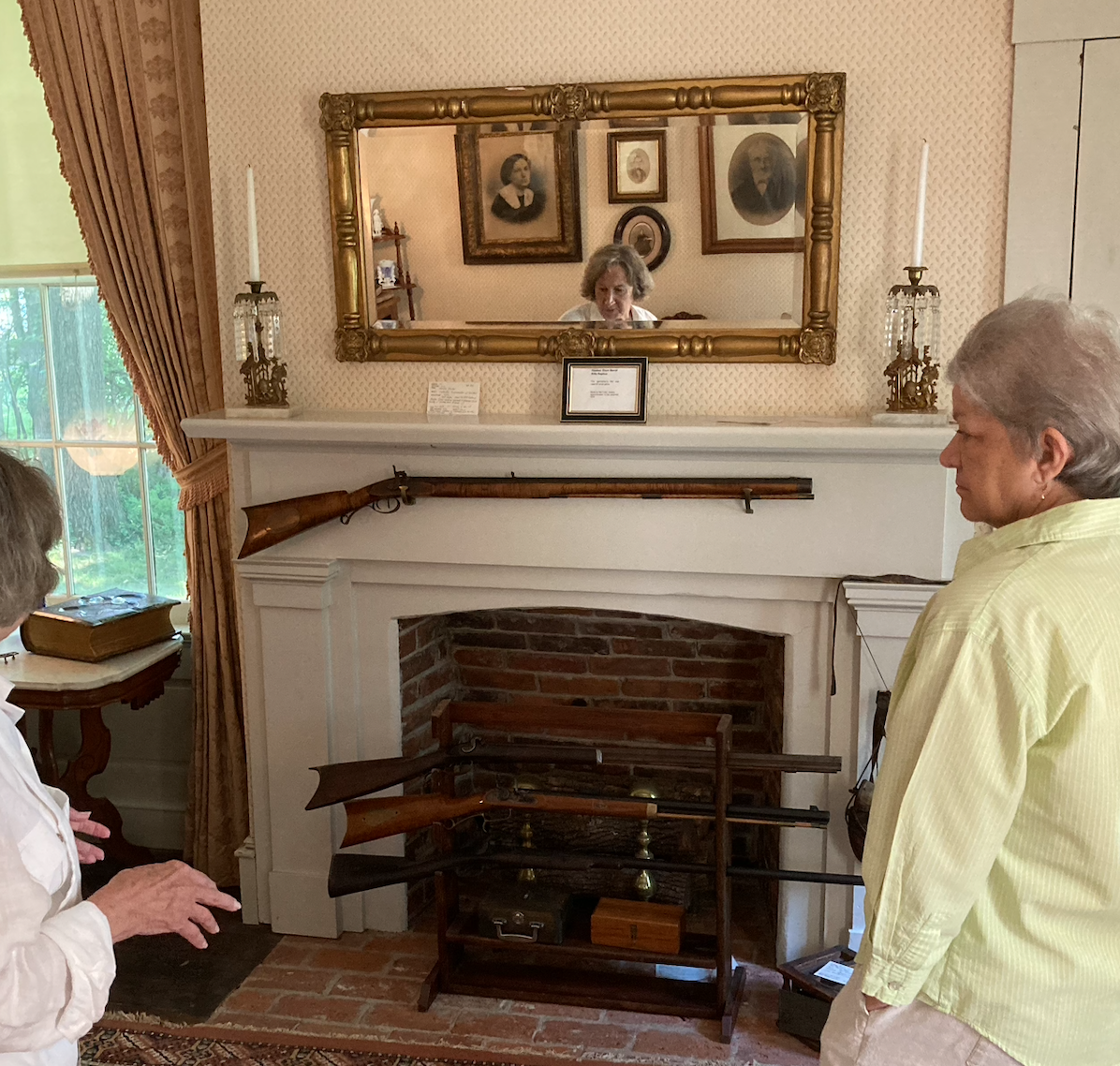
First we visited the Hawken House in Webster Groves. It was the home of Christopher Hawken, the great-grandson of Niclaus Hachen (Hawken) who came to America from Switzerland about 1750, settling in York County, Pennsylvania.  His father, Jacob, came to St. Louis in 1807, where he began crafting the famous Hawken Rifle in a shop on the Mississippi Riverfront. 

You will recall that the coveted Hawken Rifle was the “gun that settled the west,” since it was prized by so many famous westward explorers and trappers, including Daniel Boone, Davy Crockett, Kit Carson, John Fremont, Jim Bridger, and Robert Campbell, the famous St. Louis fur trader.

Anyway, Christopher’s wife, Mary Ann Kinkead Eads, was the eldest of three daughters of Granville O. Eads and Lucinda Sappington. Lucinda was the only child of Thomas Sappington (of the Sappington House) and his first wife Mary Ann Kinkead. They built the Hawken House in 1857.

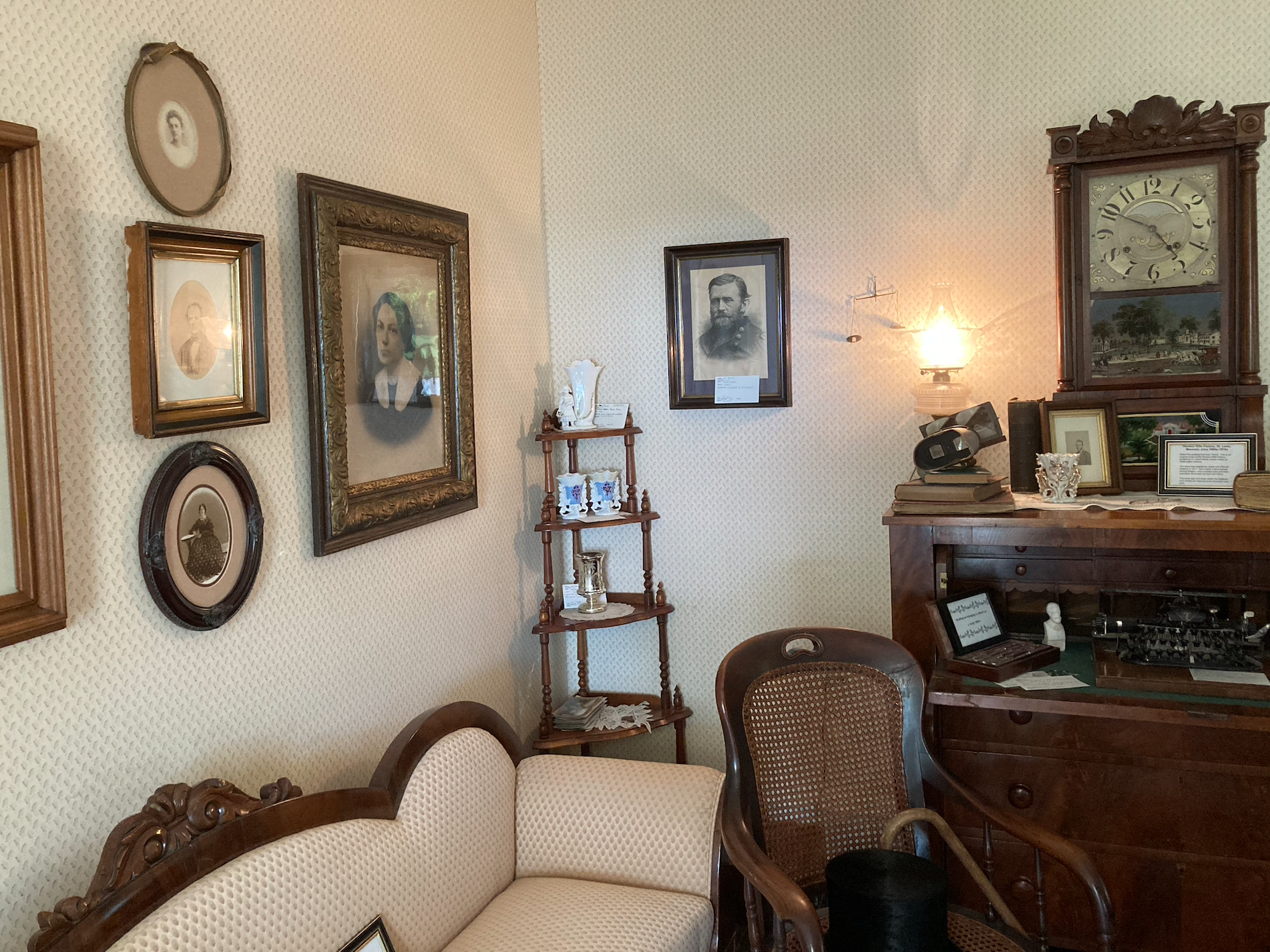
The beautiful home was moved (intact) about half a mile to its present site when it was threatened with demolition in 1970. It was the first home in Missouri to receive federal funds for restoration, which matched the amount raised by the citizens of Webster Groves and is listed on the National Historic Register.

The informal parlor where (allegedly) Ulysses Grant played cards with Mr. Hawken.

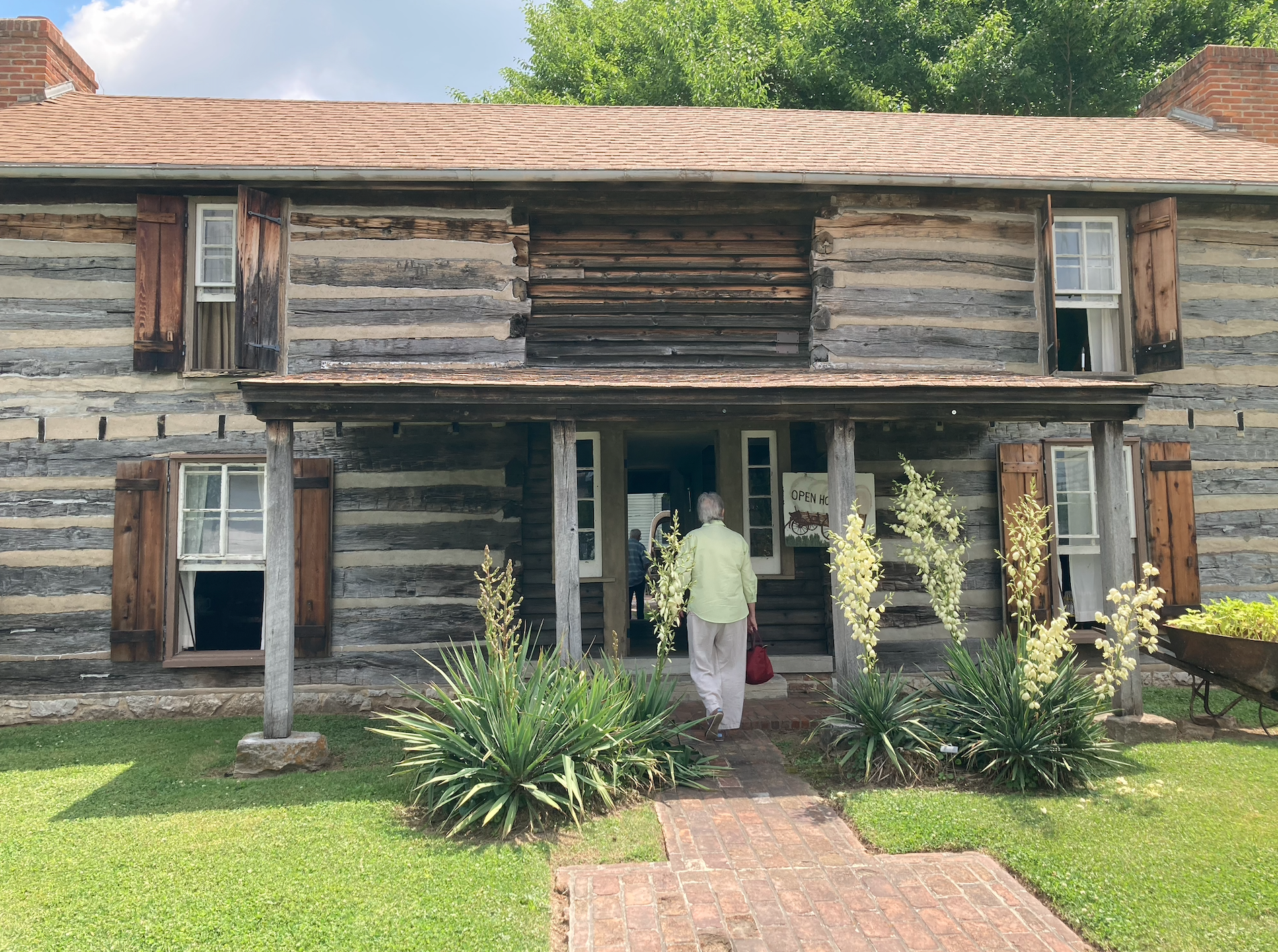
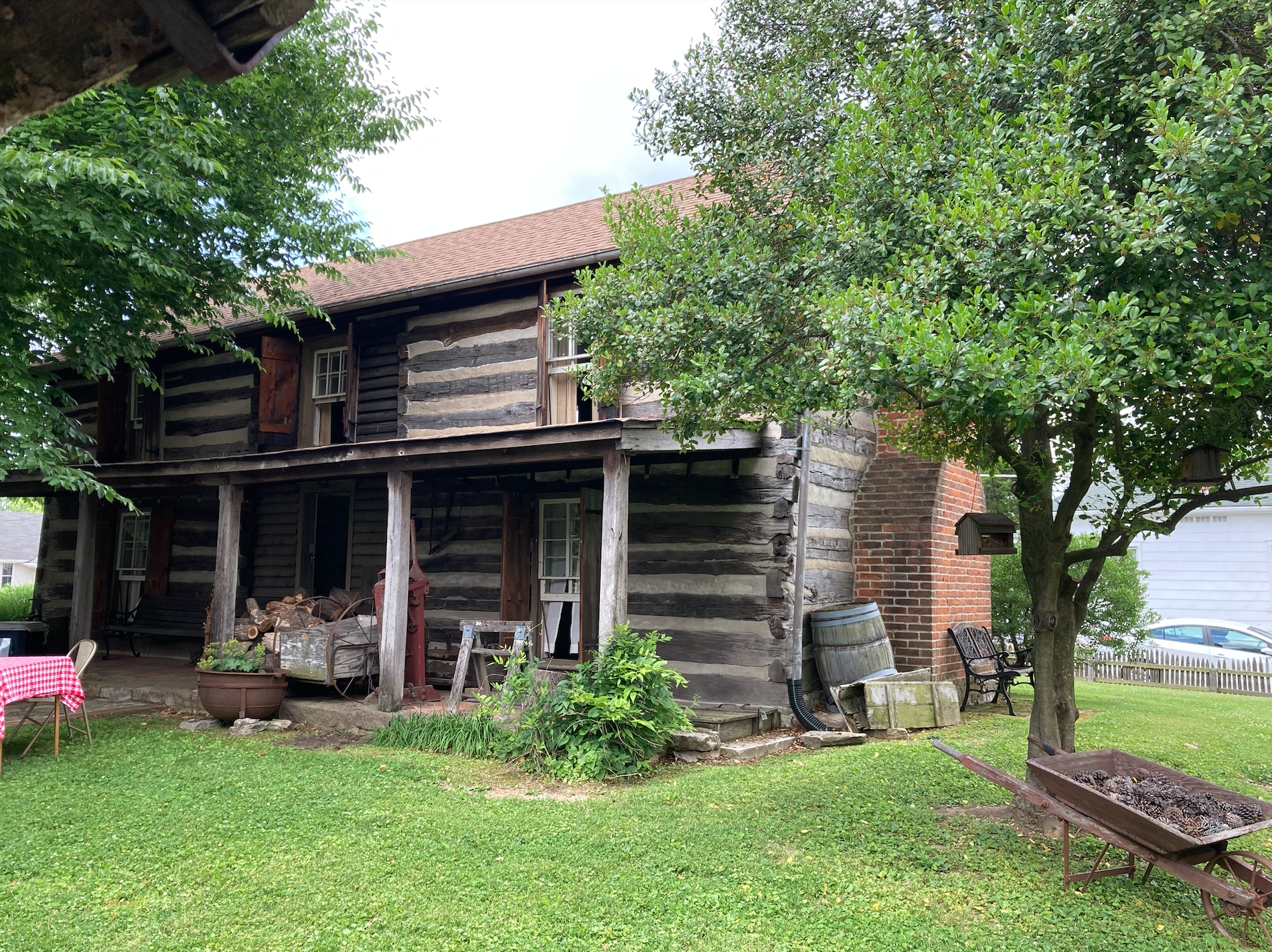
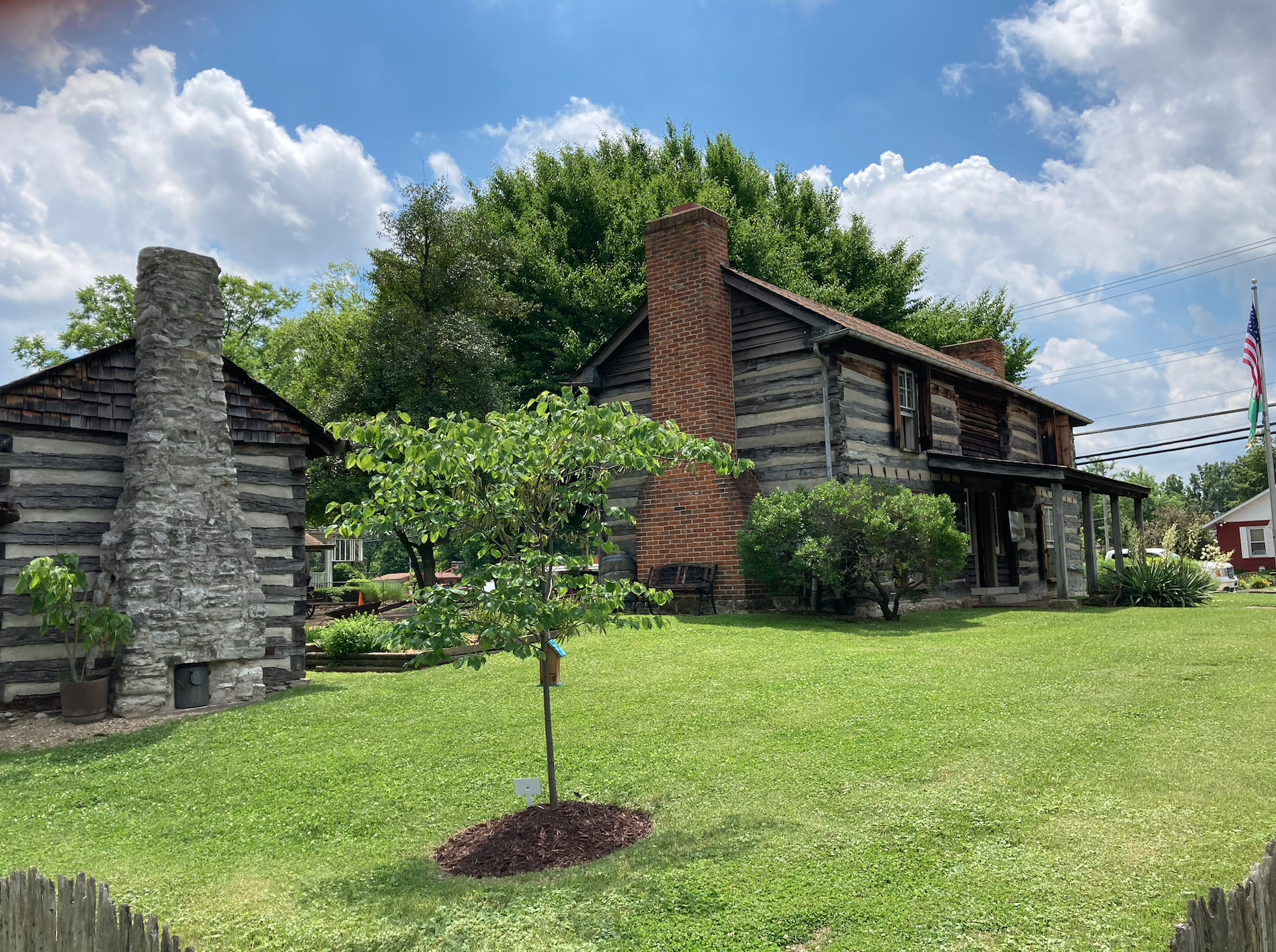
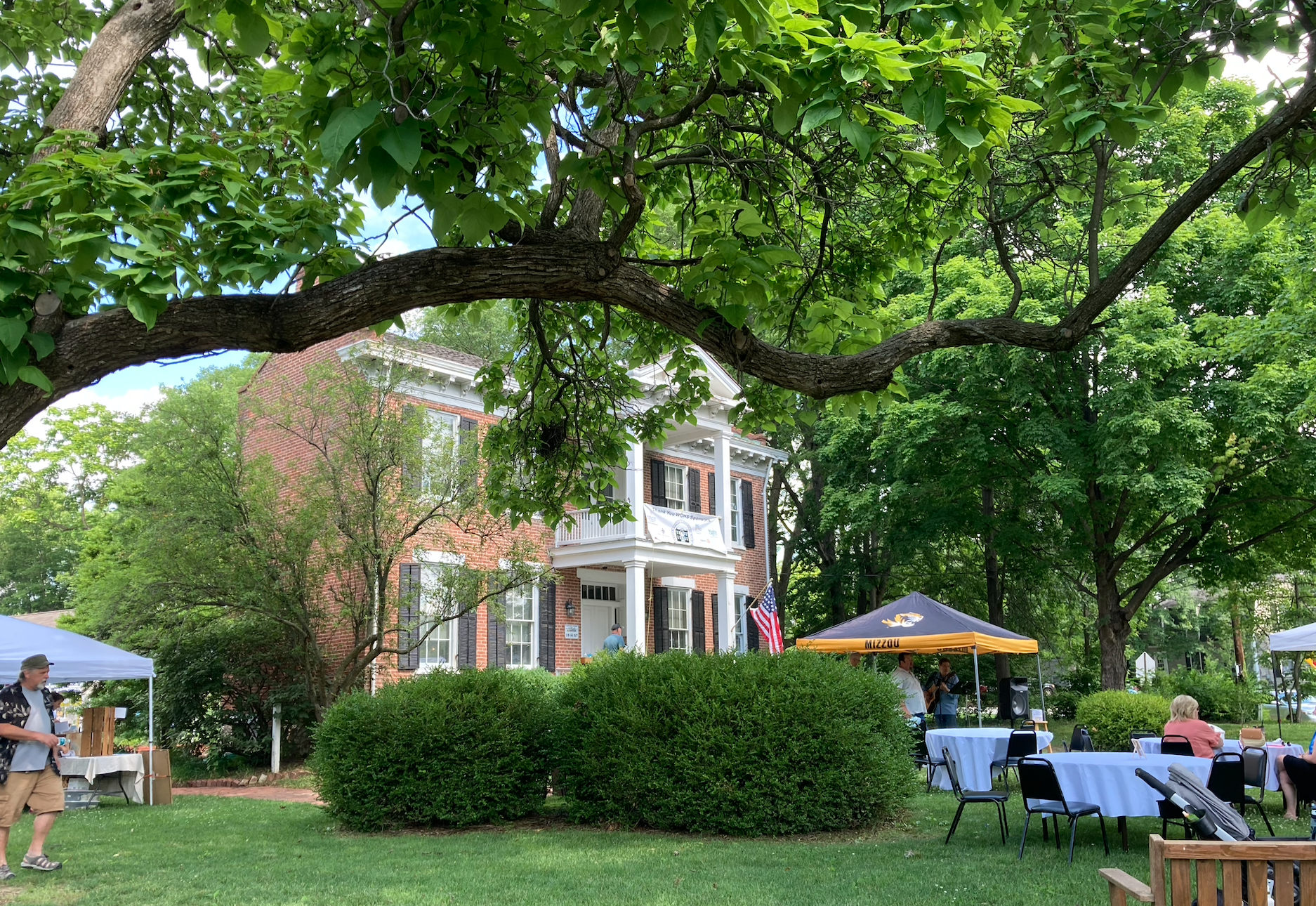
Next we ventured to Overland to visit their historic circa 1850 Log House…

…which was likewise moved from another location (in Wildwood) under threat of demolition. This small group of local preservation enthusiasts, however, moved the cabin piece by piece and rebuilt it on the present site themselves! This project took eight years to complete. I was very impressed. The museum features exhibits of Overland and the Overland Trail, displays of antique toys, accessories, and firearms. As Overland is part of the Ritenour School District, the OHS displays memorabilia from the district.

The two historical societies with homes we visited could not be more different. Webster Groves is a large, prosperous town with a lot of privileged residents, while Overland in North County is a small, working class municipality. However, both have residents who are interested in history and actively work to promote its preservation. I find this heartening and I salute them!

In other news, I stayed after church again to help set up for VBS and to have a tour of the campus so I will know where I am going on Monday. There were over a hundred volunteers–men, women, teenagers! My dread was somewhat assuaged, but I tell you, I am kind of freaking out. At first I was just worried about being too old and decrepit to do this, but now I am wondering if I am even up to leading my eight ten-year olds in devotion time. I tell myself that until recently I was the director of an institute at a large university for many years, and I can handle this…but can I?

Well, we’ll find out.

*Hymn # 457, Robert Robinson, 1758

Gracious God, my heart renew, make my spirit right and true…

by chuckofish

cast me not away from thee, let thy Spirit dwell in me…*

It was a quiet weekend…except for an earthquake on Friday evening!

The OM and I were watching the news when we thought we heard two loud booms and the house shook for a second. We thought it might be a) an earthquake, b) an explosion or c) a bad car crash. Daughter #1 texted a little while later that she had received a ‘push alert’ about an earthquake in Valley Park.

Therefore we will not fear, though the earth should change
And though the mountains slip into the heart of the sea;
Though its waters roar and foam,
Though the mountains quake at its swelling pride. Selah.

–Psalm 46: 2-3

What next? Do we dare ask?

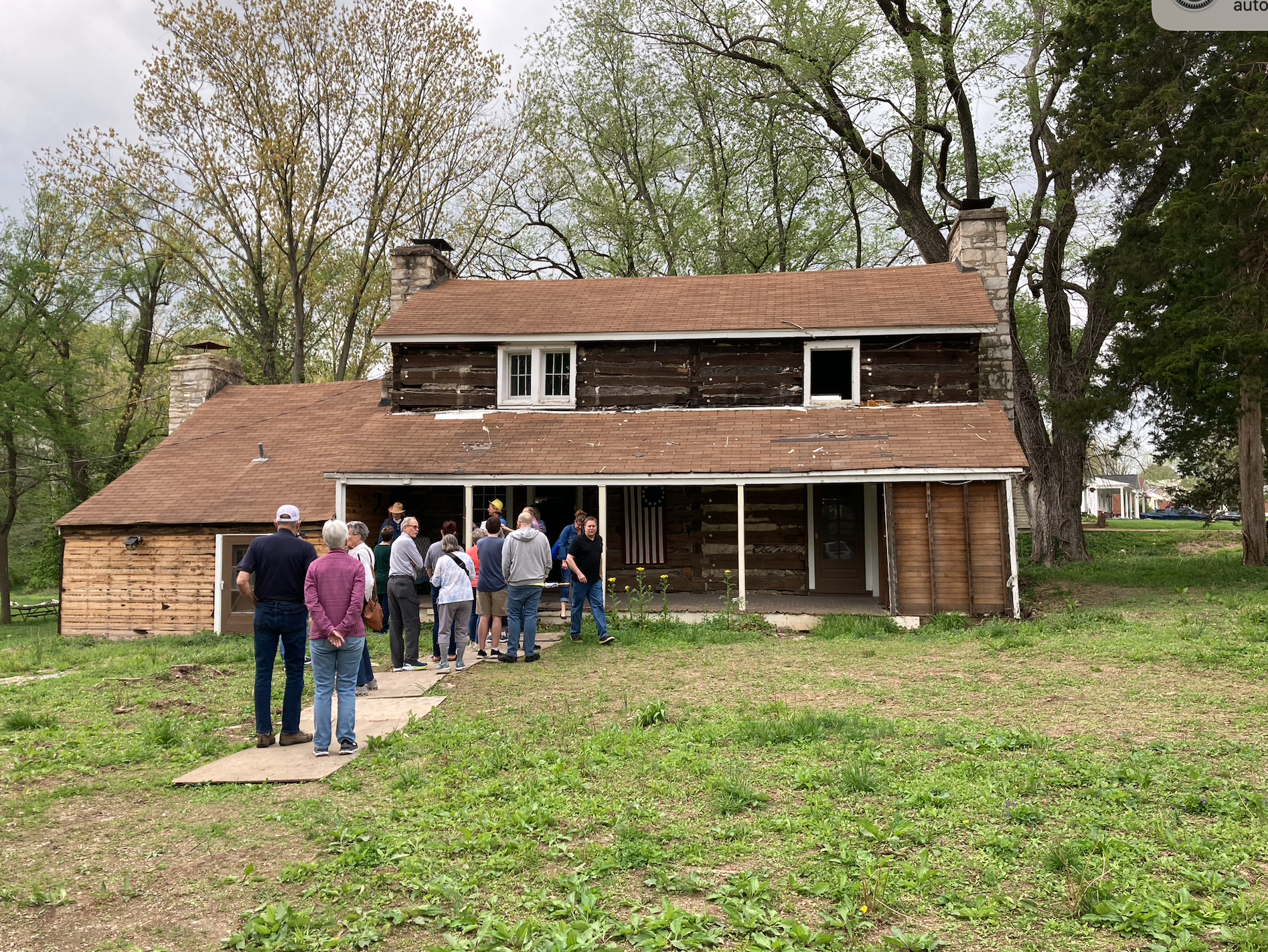
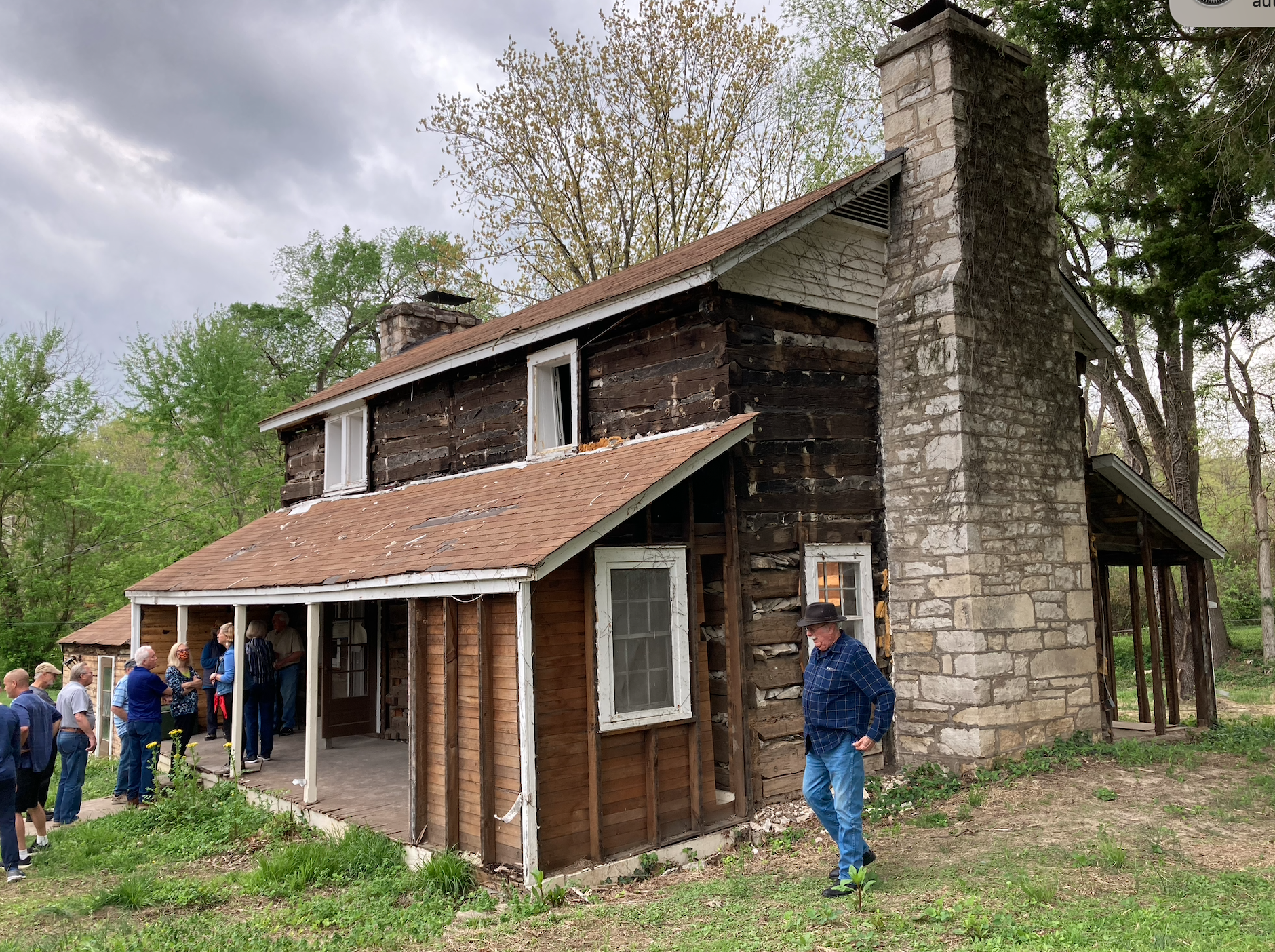
I cajoled the OM into accompanying me on Saturday to an open house held at the 1816 log house in Affton, MO, which will be disassembled and moved to the Thomas Sappington House Historic Site in Crestwood.

This is a great example of a small local group working tirelessly to preserve a small piece of history. They are still raising money so that the two Sappington cousins’ houses built in the early 1800s – Thomas’ brick house, now a museum, and Joseph’s log house (above)–can be preserved together. (The log cabin is currently located in a residential area, surrounded by small homes, and has been lived in by private owners all these years.)

There are lots of people who could just write a big check and make this happen but historic preservation is not high on most people’s priority lists these days. C’est la vie. It will happen, one small donation at a time.

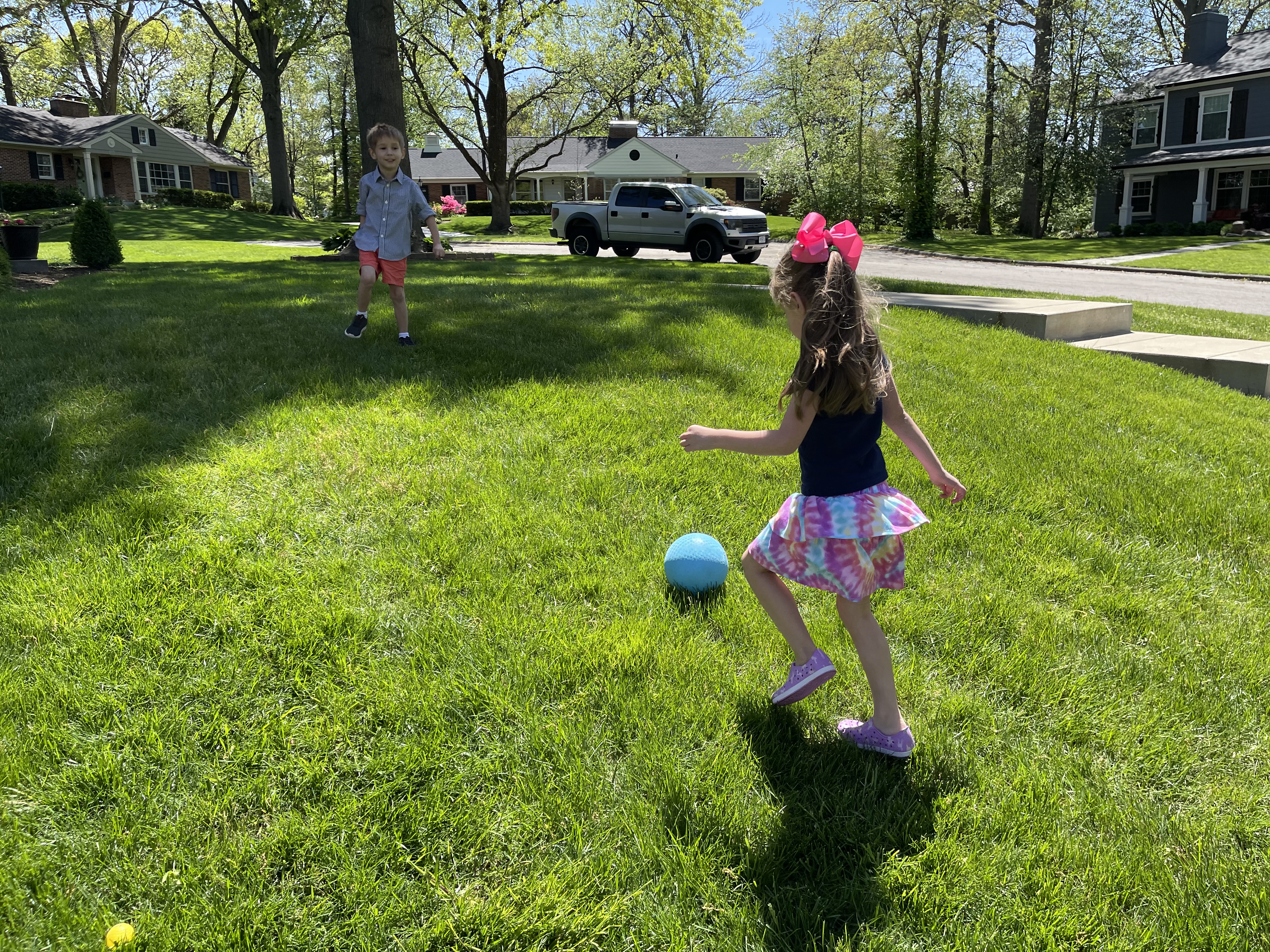
On Sunday we met up with the boy and the wee twins at church per usual and then headed home afterwards for some brunch and driveway sittin’. (It was perfect weather for driveway sittin’ but I have no pictures of us just sittin’…)

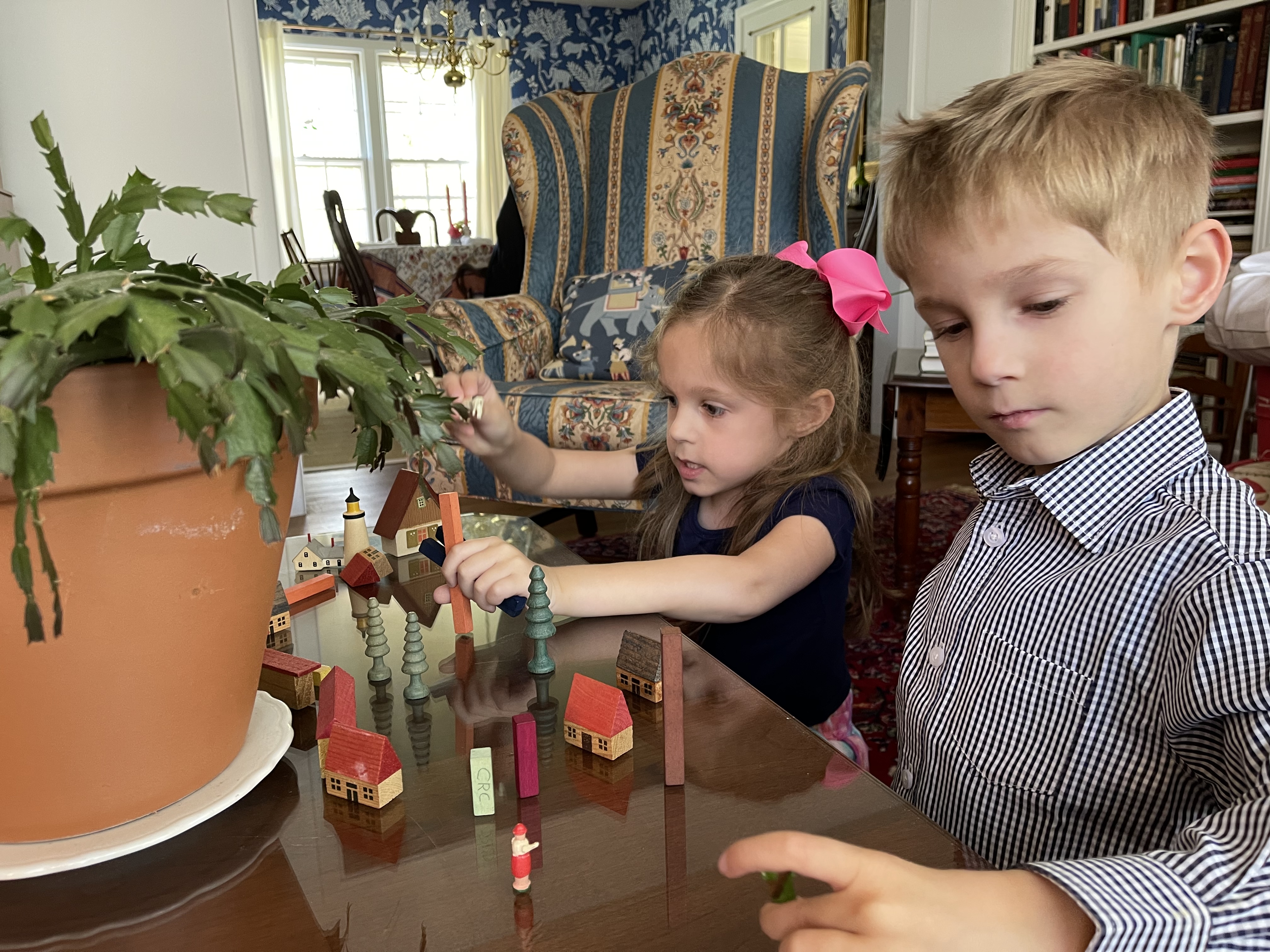
Waitin’ for brunch with my old Tyrolean village…
Practising that nice PGA swing
We hauled out the old shopping cart–always a fave

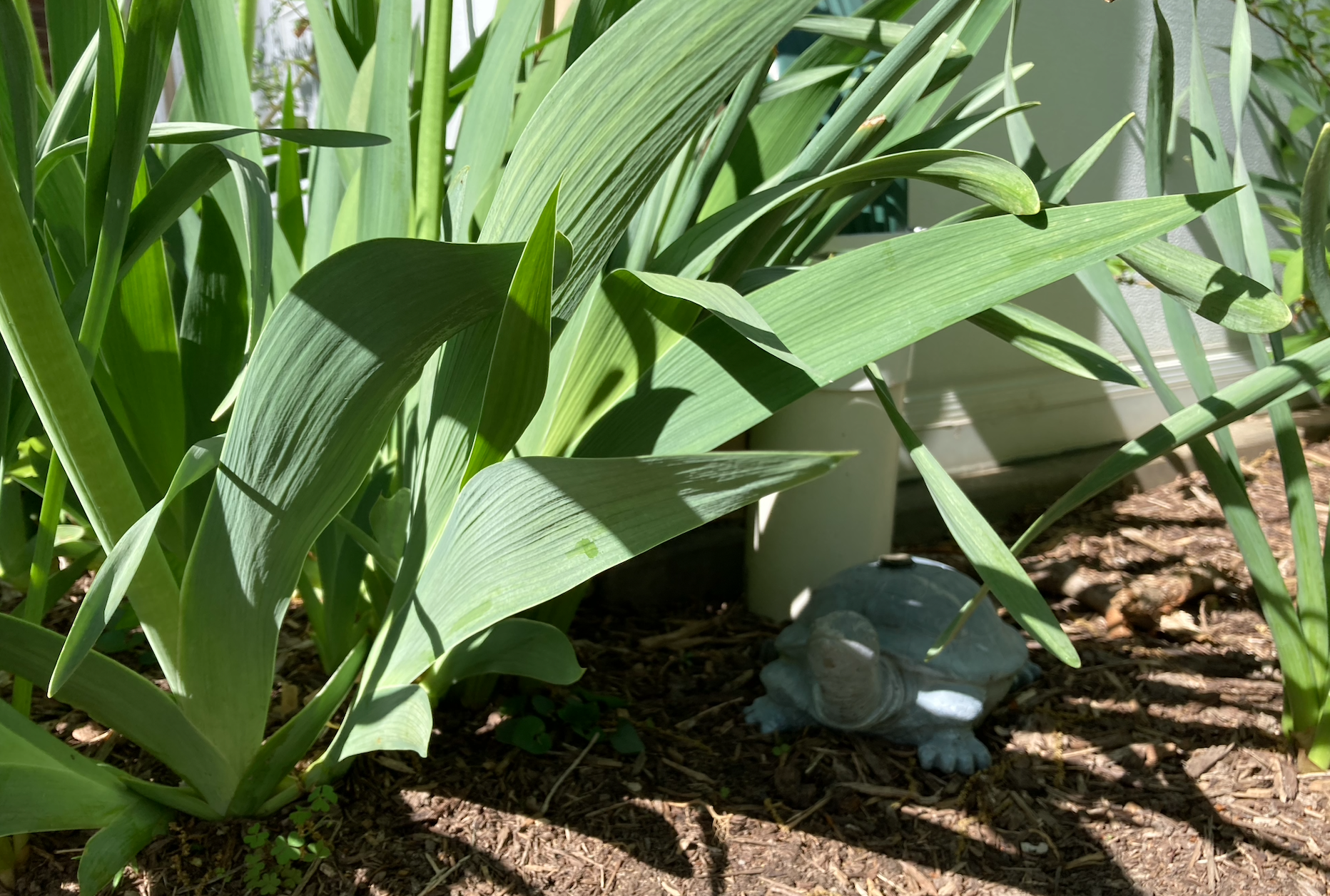
And we always have fun looking for the hidden animals in the yard…

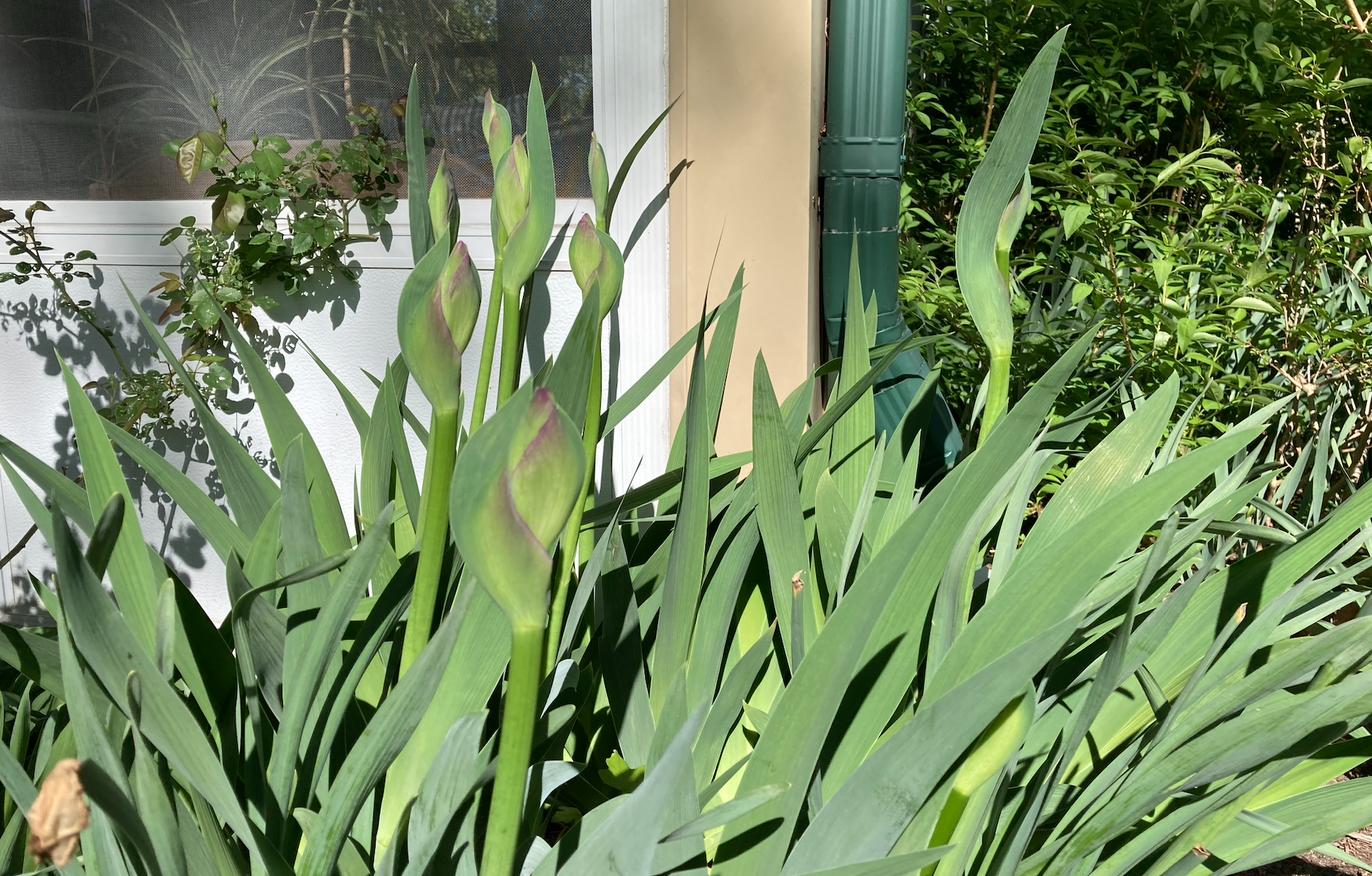
…and seeing what’s about to bloom…Iris buds!

I was struck in church by the thought of how blessed I was to be sitting between my husband and my grown son. This, after decades of being the “Widow Compton” at my old Episcopal Church, is not a small thing. (One old lady even thought I had married the actual widower with whom I generally shared a pew!) But the menfolk in my family like the new church–and no wonder–it is full of men! (I like it for that reason too.) Discuss among yourselves.

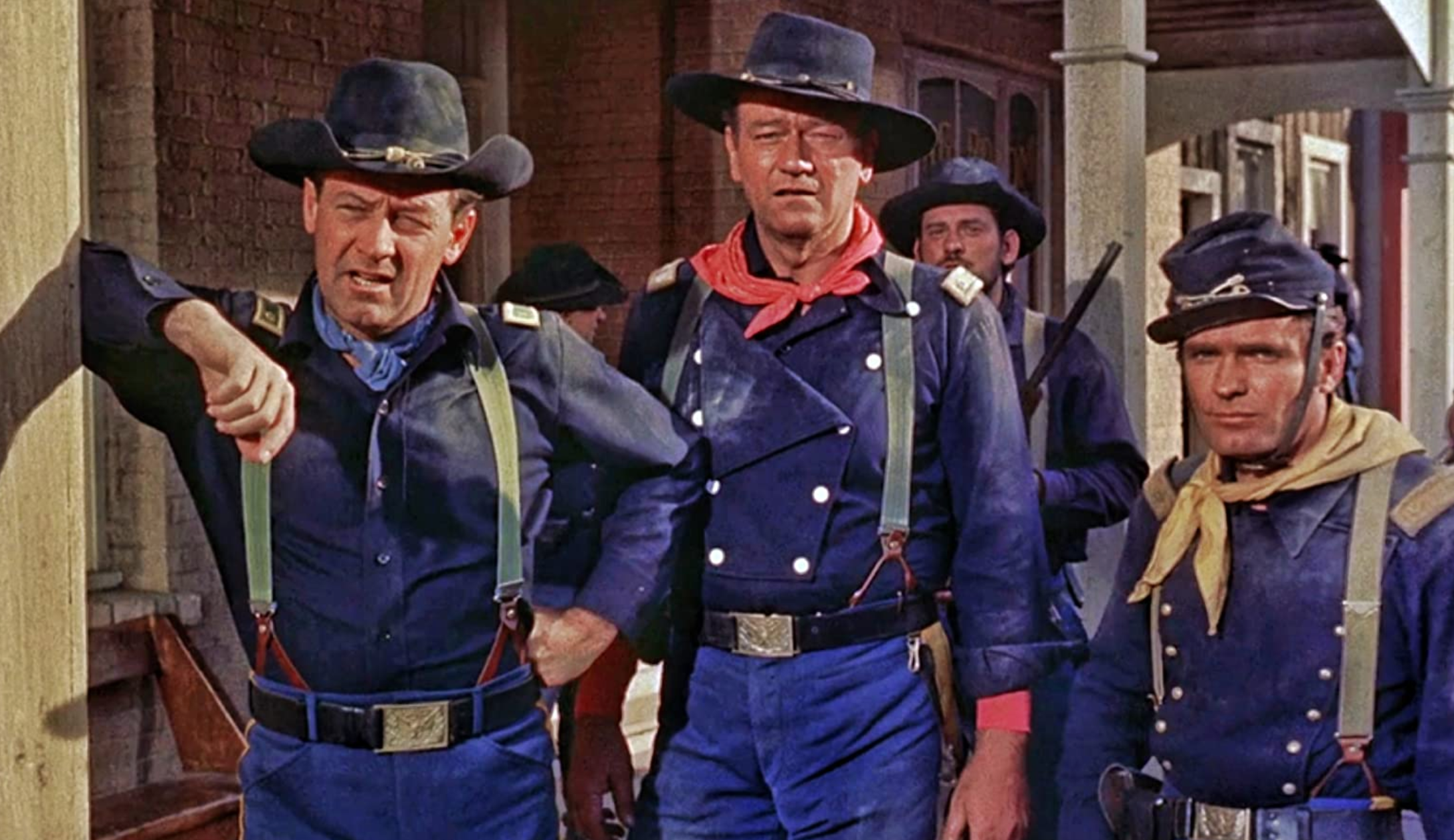
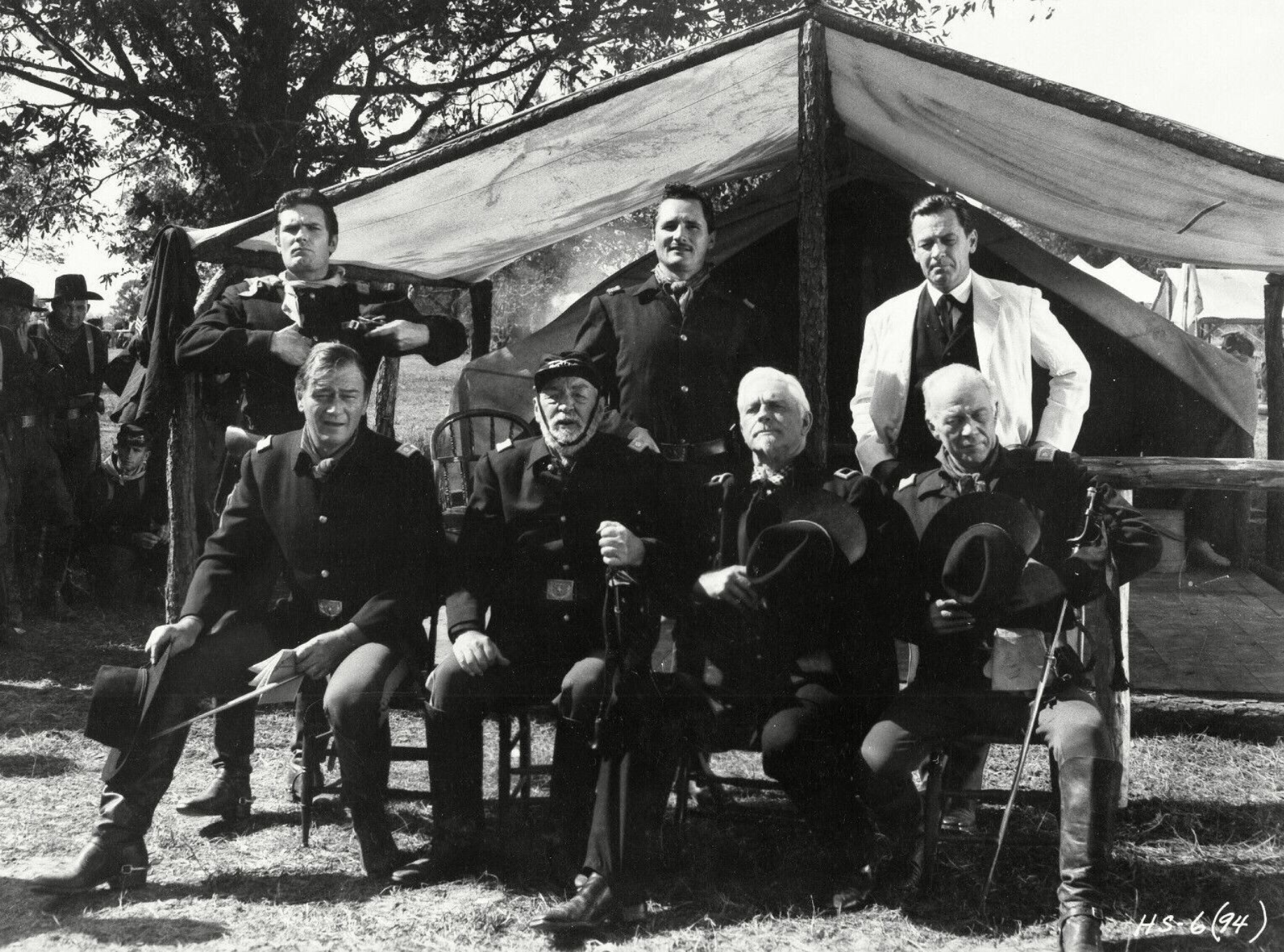
I watched the Horse Soldiers (1959) in honor of Ulysses Grant and Bing Russell and thoroughly enjoyed it.

It is such a great movie. I don’t understand why it is so often considered to be one of John Ford’s lesser films. The stars are great together and the supporting cast is without parallel in my opinion. It was filmed on location in Mississippi and so has an authenticity a lot of Civil War dramas lack. (Compare the plantation Greenbriar in this movie to Tara.) Ford himself tended to dismiss the film, in large part I think because a stuntman was killed while filming. This greatly upset him and he ended filming the movie abruptly and returned to California.

Matthew Brady takes a picture.

Nevertheless, it is one of my favorites.

It is supposed to rain on and off again all week, but oh well. I’ll find something to do.

*The Psalter, 1912

The golden stain of time

by chuckofish

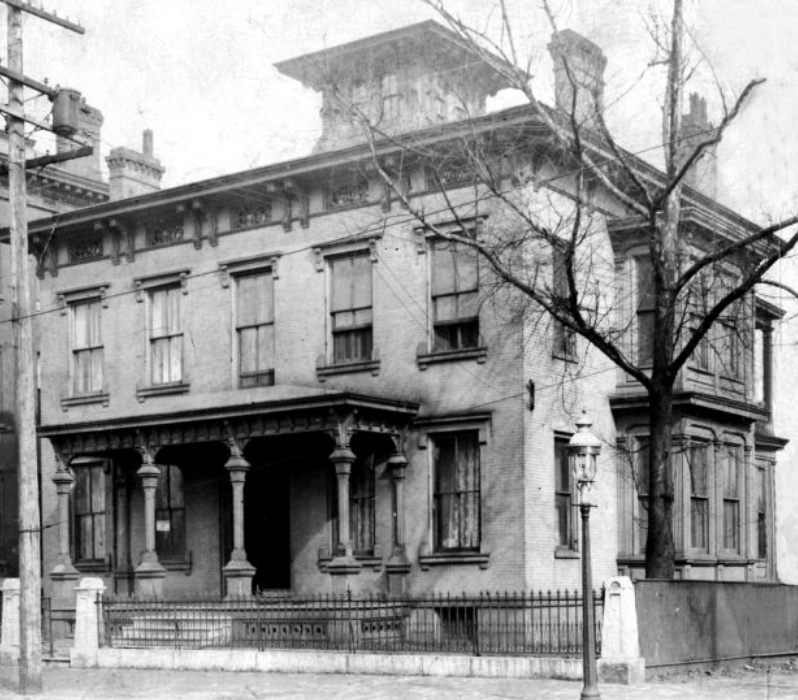
In June 1874 Gen. William Tecumseh Sherman returned to St. Louis to make his home after an absence of almost 14 years. He had been president of the Fifth Street Passenger Railroad, a St. Louis streetcar company, at the outbreak of the Civil War.

Grateful local businessmen raised $30,000 to build and furnish a home for the general at 912 N. Garrison Avenue.

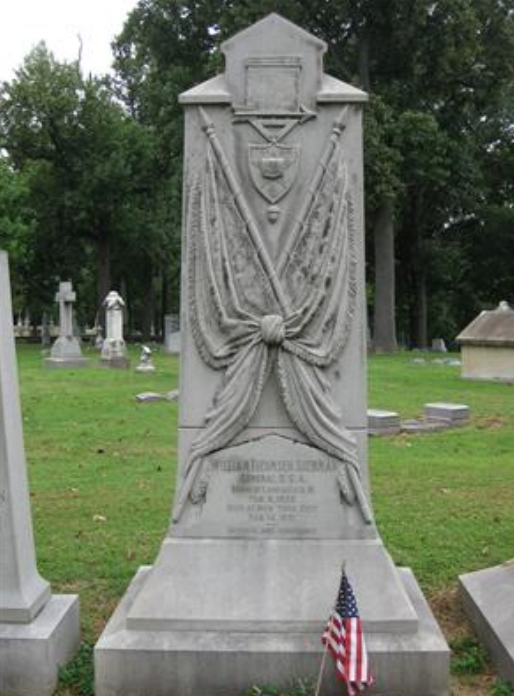
Screen Shot 2018-06-20 at 7.53.04 PM.pngThe Shermans lived there for 11 years before moving back to New York City. When his wife, a devout Catholic, died in 1888, she was buried in Calvary Cemetery back in St. Louis. Three years later when the great man died, their children buried WTS (an Episcopalian) beside his wife.
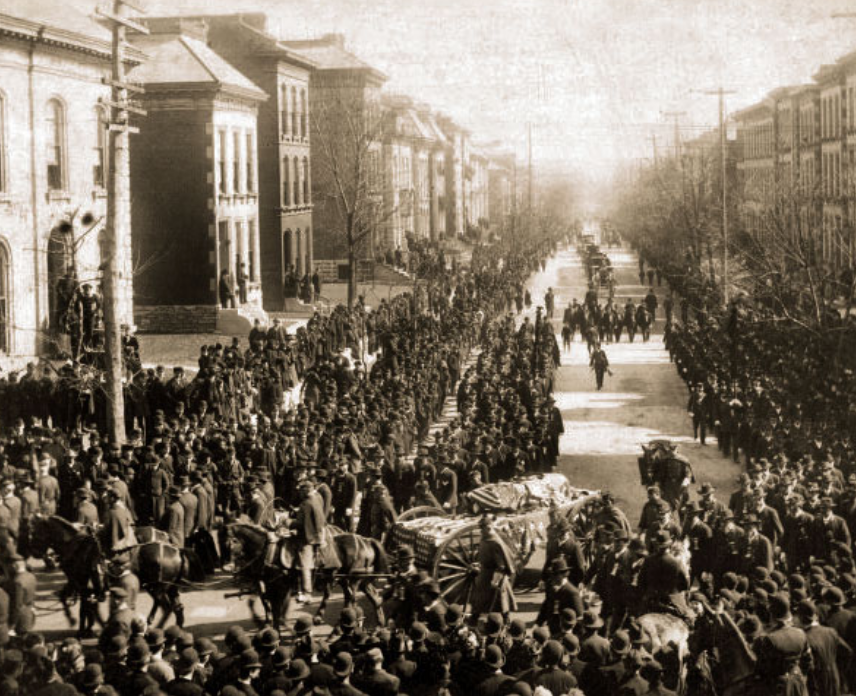
Screen Shot 2018-06-20 at 7.54.27 PM.pngFor four hours on February 21, 1891, a procession of 12,000 soldiers, veterans and notables marched past mourners on a winding, seven-mile path from downtown St. Louis to Calvary Cemetery.
Screen Shot 2018-06-20 at 7.56.40 PM.png

The home on Garrison passed out of the family and became a hotel, a rooming house, and after years of decay was demolished without much ado in 1974.

With few exceptions, most of the buildings in St. Louis built before 1890 are gone. What a crying shame! History is important! Are you a member of your local historical society? Do you visit historic sites and support them with the price of admission? What are you doing this weekend?

Discuss among yourselves.

Therefore, when we build, let us think that we build for ever…. For, indeed, the greatest glory of a building is not in its stones, nor its gold. Its glory is in its Age, and in that deep sense of voicefulness, of stern watching, of mysterious sympathy, nay, even of approval or condemnation, which we feel in walls that have long been washed by the passing waves of humanity. It is in their lasting witness against men, in their quiet contrast with the transitional character of all things, in the strength which …maintains its sculptured shapeliness for a time insuperable, connects forgotten and following ages with each other, and half constitutes the identity, as it concentrates the sympathy of nations: it is in the golden stain of time, that we are to look for the real light, and colour, and preciousness of architecture; and it is not until a building has assumed this character, till it has been entrusted with the fame, and hallowed by the deeds of men, till its walls have been witnesses of suffering, and its pillars rise out of the shadows of death, that its existence, more lasting as it is than that of the natural objects of the world around it, can be gifted with even so much as these possess, of language and of life….

–John Ruskin, The Seven Lamps of Architecture [1890]