As we hurtle through Lent, I realize that I will not get through all the good movies on my Lenten List unless I “bundle”. So today, I will combine a few suggestions for Lenten viewing in the non-openly-religious category.
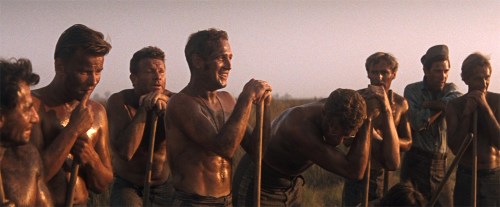
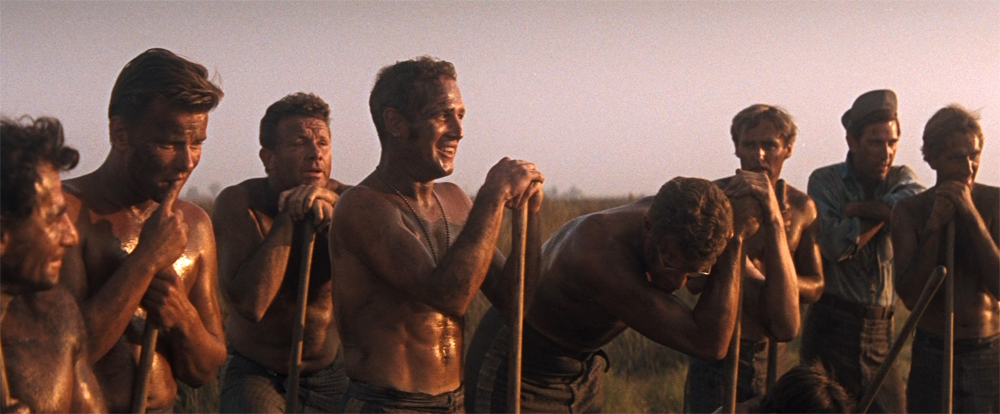
My dual personality has blogged about this one already, but Cool Hand Luke (1967), directed by Stuart Rosenberg and starring the inimitable Paul Newman as Luke, is clearly a suitable story for Lent as Luke is clearly a Christ figure surrounded by disciples, for whom he sacrifices his life. A wonderful movie based on the book by Don Pearce, it won only one Academy Award–for supporting actor George Kennedy, who shines in a firmament of spectacular supporting stars, as a stand-in for St. Peter. There were other nominations (for best actor, music and writing)–but please, no best picture, no best director? What were they thinking? And Paul Newman was down-right robbed that year. But enough said. It was a year for southern lawbreakers. Besides Cool Hand Luke, there was In the Heat of the Night, Bonnie and Clyde…and the more politically correct films won: In the Heat of the Night, Guess Who’s Coming to Dinner. A fine example of why I hate awards and award shows.
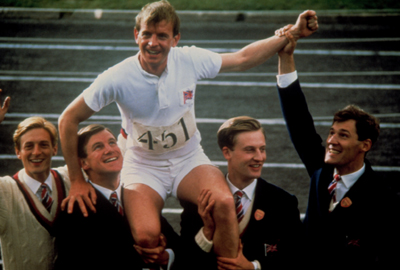
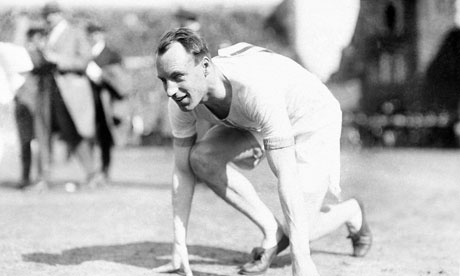
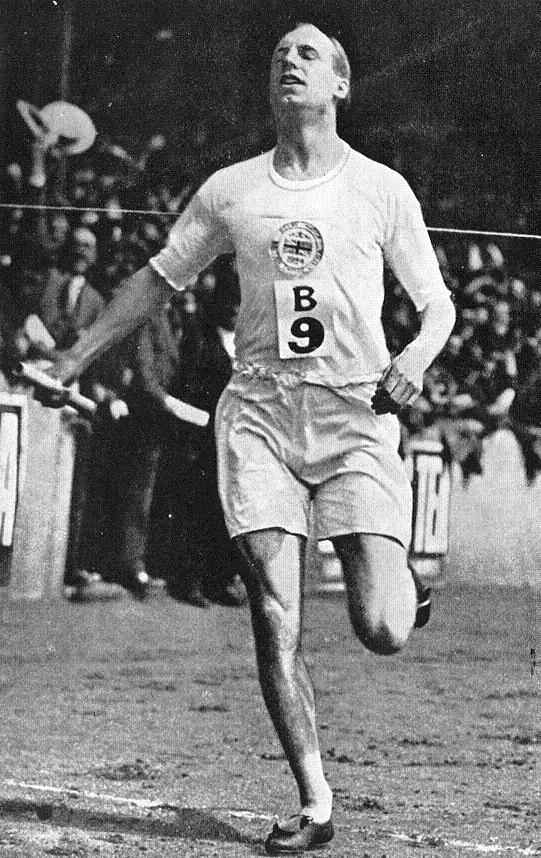
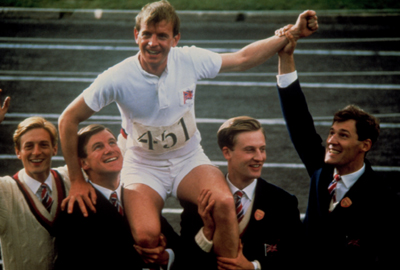
Chariots of Fire (1981), directed by Hugh Hudson and starring Ian Charleson and Ben Cross as two U.K. track athletes is an obvious choice. It is the story of a devout Christian and a determined Jew competing for places on the British 1924 Olympic team. The story of Eric Liddel and his steadfast faith is an inspiring one and not the usual stuff of late 20th century Hollywood. I loved this movie when I first saw it and still enjoy it immensely whenever I watch it. It was such a surprise when it took home the Oscar for best picture. It seemed like such an underdog that year, but it also won for costume design, music and best writing.
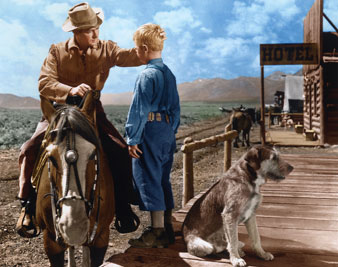
I never need an excuse to watch Shane (1953), because it is probably my favorite movie of all time–or at least up there in the Top Five–but if you are so inclined, it also makes for some good Lenten viewing/discussion. Shane is the story of a weary gunfighter who attempts to settle down with some homesteaders, but ends up sacrificing himself for their good. It is the magnus opus of its star, Alan Ladd, and its director, George Stevens. Neither was recognized by the Academy, although the film received multiple nominations, including best picture. It only won for best cinematography (Loyal Griggs) and, boy, did it deserve that one!
This film has a brilliant screenplay by A.B. Guthrie and is masterfully directed, notable for pacing, suspense and, of course, characterization. The “bad guys” in this western are not so bad really and the “good guys” are somewhat hapless. The chance arrival of the mysterious stranger Shane who throws in with the homesteaders upsets the balance and a really bad guy (Jack Palance), the gunslinger Wilson, is called in. It is important to remember when watching this movie that it has been copied badly ad nauseum, so that the original may appear cliched, when it truly is not a cliche. It is the original, a true classic, filled with wonderful archetypal scenes. Who can forget the arrival of Shane, watched from afar by the boy Joey (“I like a man who watches things go on around. It means he’ll make his mark someday.”), the symbolic conquering of the stump in the yard, the fight in the saloon with Chris (“I was just askin’ about sody pop… pigs and taters and one thing and another”), the prairie 4th of July party, the hilltop funeral where Shane quietly rallies the foundering farmers, the muddy showdown between Stonewall and Wilson, Shane’s fight with Joe and his ride into town, and, of course, the final gunfight between Shane and the cattlemen, and the haunting finale (“Shane, come back!”)? Arguably the best western ever, and John Wayne nowhere in sight! (Please note: Alan Ladd as Shane said, “You speakin’ to me?” long before Robert De Niro.)
All of these movies are good ones to watch with family and discuss with your children. They all include many “teachable moments”.
 dual personalities