Today we remember Frederick Buechner (1926-2022), Presbyterian minister, writer and theologian. He died last year and I miss him. Presbyterians do not have feast days, but if they did, today would be his, as it is his birthday.
He made a big splash in literary circles when his first novel, A Long Day’s Dying, was published in 1950. But then he entered seminary and the shine wore off. He was a finalist for the Pulitzer Prize for Fiction and for the National Book Award for Fiction, but he never won any big awards.
He said:
I wanted to learn about Christ – about the Old Testament, which had been his Bible, and the New Testament, which was the Bible about him; about the history of the church, which had been founded on the faith that through him God had not only revealed his innermost nature and his purpose for the world, but had released into the world a fierce power to draw people into that nature and adapt them to that purpose… No intellectual pursuit had ever aroused in me such intense curiosity, and much more than my intellect was involved, much more than my curiosity aroused. In the unfamiliar setting of a Presbyterian church, of all places, I had been moved to astonished tears which came from so deep inside me that to this day I have never fathomed them, I wanted to learn more about the source of those tears and the object of that astonishment. (Now and Then)
To this day, I am still crying those same tears (and in a Presbyterian church!) that he described.
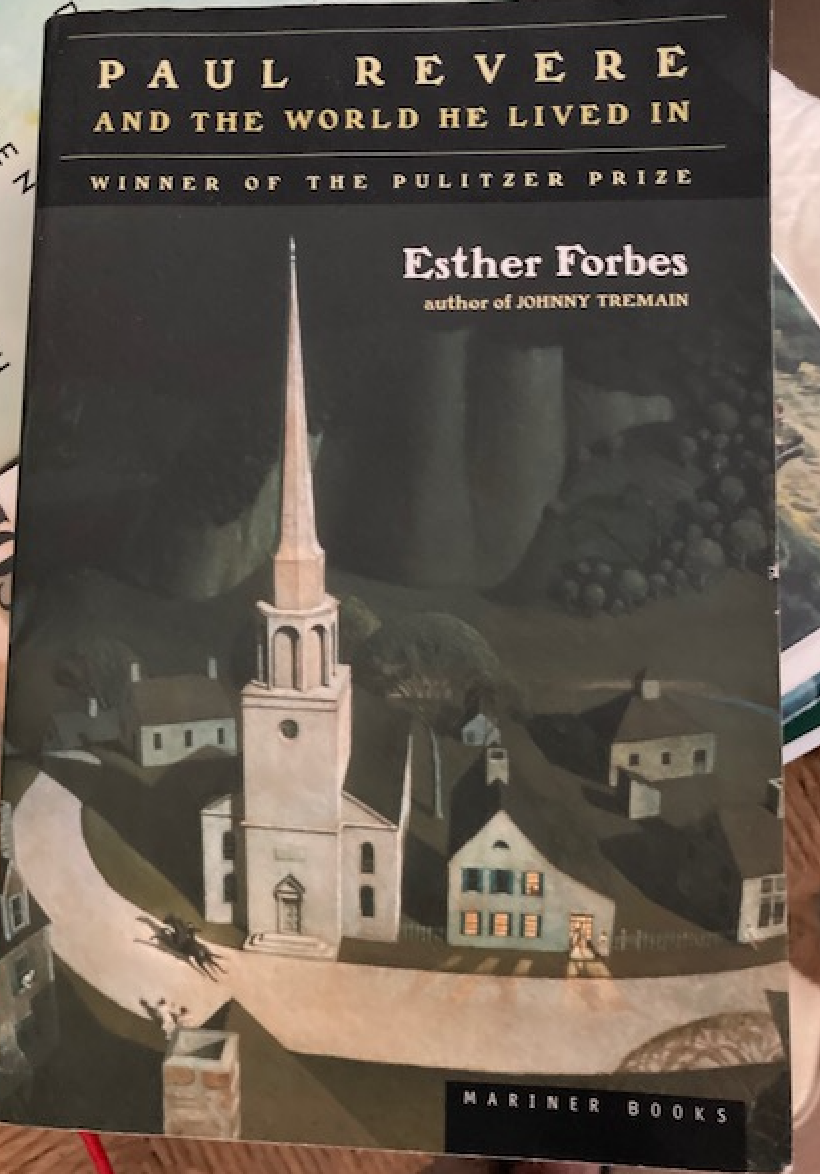
Recently I was reading about Esther Forbes (June 28, 1891 – August 12, 1967), the American novelist and historian. She wrote a number of historical novels, but she is mostly remembered for writing the Newbery Medal winner Johnny Tremain, published in 1943. She also won the Pulitzer Prize for history in 1942 for Paul Revere and the World He Lived In.
My grandmother, Mira Sargent, was about the same age as Esther and they grew up in the same social circle in Worcester, Massachusetts. Both were descendants of old Colonial families with roots in the seventeenth century. Esther attended Bancroft and Mira went to Miss Hall’s School in Pittsfield. Their paths continued to cross throughout their lives–in New York City, Boston and back in Worcester. My father always said they were friends but who knows.
Anyway, I decided to read Paul Revere and the World He Lived In, although my expectations were low, having read other books by mid-century female authors of this ilk. How wrong I was! From the first paragraph I was engaged:
There had been week upon week of the cold grey fury of the North Atlantic, for it was mid-winter when the little refugee, Apollos Rivoire, made his crossing. At such a season only the hardiest of passengers ventured much above deck. Bunks were dank, bread wormy, beef tainted, and many of these small sailing ships never made port, but at least the Atlantic was crossed in great company. God brooded upon the face of these waters. His hand parted the mountainous waves. He upheld the ship. Even if one drowned, it was the Providence of God. Apollos did not drown. He entered Massachusetts Bay late in 1715 or early 1716.
Apollos Rivoire was the father of Paul Revere. He came to Massachusetts as a 13-year old Huguenot refugee, fleeing persecution in France. His family owned great vineyards, but they saw no future for him in France, so he was sent to America as an indentured servant who was apprenticed to learn the silversmith trade. I did not know that! As usual, there is a lot I do not know, but this book is filling in the blanks in a delightfully readable manner.
So read an old book; learn something new!
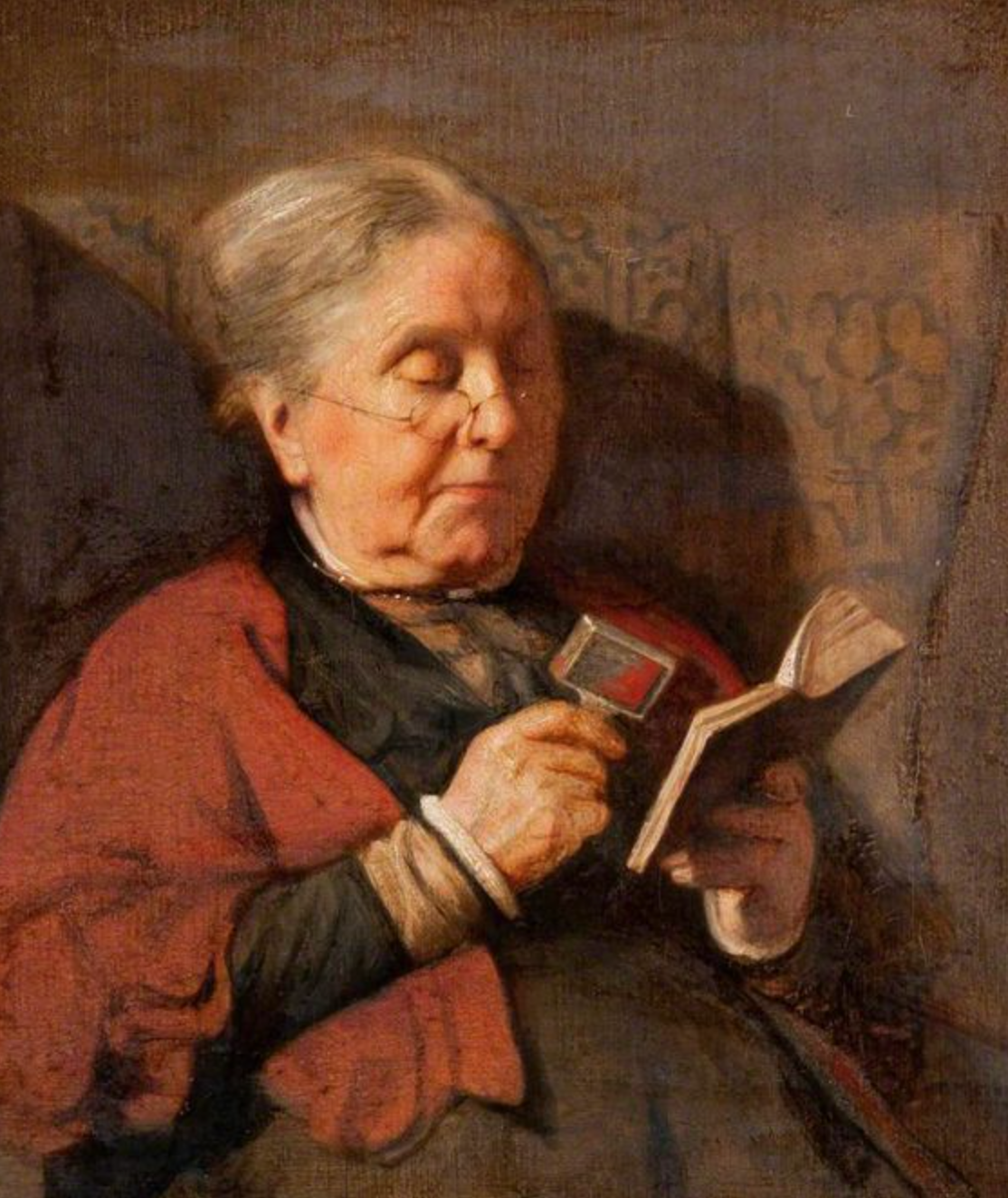
The painting at the top is by Albert Anker (1831-1910)
Summer is here and it’s tiger lily season–they are blooming all over town.
I am looking forward to all the blooms to come.
In other news, as you know, I have been reading books written in the 1930s and 40s by D.E. Stevenson and enjoying them enormously.
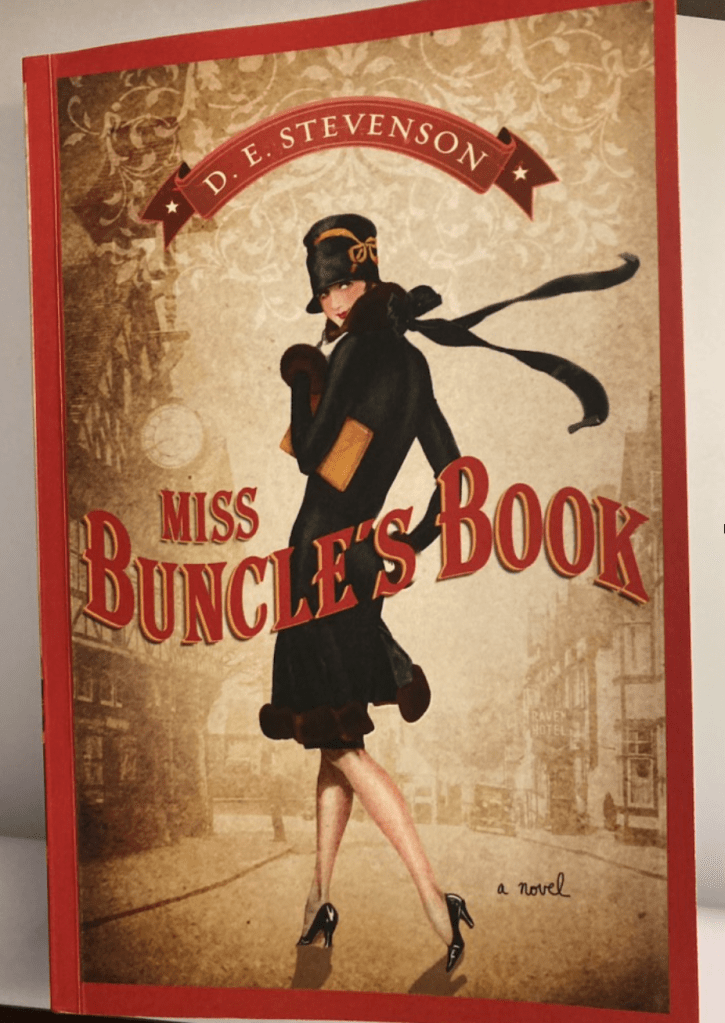
I just finished “Miss Buncle’s Book” and loved it. Stevenson has a real talent for characterization and for subtly drawing a picture of a town and its inhabitants. In this novel the main character has written a book (using a pseudonym) about a fictional town that is strikingly similar to the one in which she really lives. It is so similar that some of the inhabitants are outraged and want to find out who the author is, so they can take him to court for libel. Of course, they never imagine that the quiet, mousey woman who is the actual author could have written the book.
If you have ever wondered when the actual date of your conversion was (as I have), Charles Spurgeon has a comforting illustration.
And this is J.I. Packer on the six things you should tell yourself everyday.
As I mentioned earlier I have been reading books written by D.E. Stevenson and enjoying them immensely. The three I read take place after WWII in rural Scotland. Life is hard what with rationing and no one having much money, but people get along. There is a sophistication in these books which is lacking in contemporary fiction that I appreciate. The characters are educated and actually know things. They have read their Bibles as well. The lower class folk are not put down for their ignorance, but appreciated for what they do know. Everyone has a work ethic.
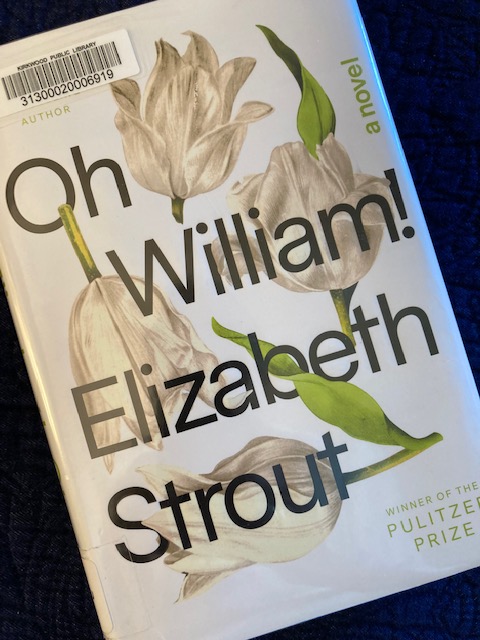
Anyway, I decided that I should not just go on ordering new books from Amazon, although I wanted to keep reading, so I went to our public library and got a library card! I had torn mine up 25 years ago in disgust over some triviality, but I swallowed my pride and went back. They, of course, have to order the Stevenson books through inter-library loan, so I still don’t have one. 🙄 But I did peruse the fiction section and took out Elizabeth Strout’s Oh, William!, which daughter #2 wrote about a few weeks ago. It won the Pulitzer Prize (!) and I liked some of her early books, so I thought I would give it a whirl.
I read it in two days–there is not much to it beyond a lot of navel-gazing. Oh, poor me, poor him, poor her. I am sympathetic to a point, but then I think, get over it. But they cannot because they are all self-obsessed. They believe in nothing and thus they understand nothing. God (only acknowledged in “Oh God!” hand-wringing moments) is a myth. In fact (spoiler alert) “we are all mythologies. We are all mysteries, is what I mean,” as Lucy, our protagonist, announces at the end of the book. And by the way, I hate that vernacular Lucy uses throughout–“…is what I mean.” But the author is patronizing in that way. It is her way of putting down the character for growing up in the midwest. Yeah, yeah, she cannot escape her past, we get it.
It is all very well to write a book and then announce that nothing is understandable and we are all mysteries, but that seems very facile and empty. But these people are empty vessels. So it’s back to D.E. Stevenson for me.
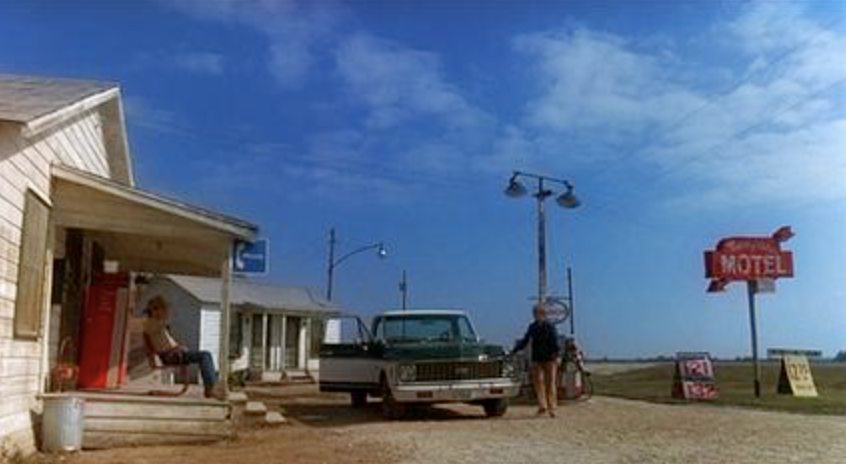
Interestingly, I watched a movie over the weekend that poses many of the same questions: Why do bad things happen to some people? Why do things work out for some people? I had not seen Tender Mercies (1983) since it first came out forty years ago. Robert Duvall won the Oscar for best actor for playing the washed up country singer and Horton Foote won the Oscar for best original screenplay.
Not much seems to happen in this movie, but really quite a lot happens. Mac (the alcoholic country singer) is near death at the beginning of the movie. His redemption and self-improvement run parallel with his conversion to Christianity and although many of the hard questions mentioned above are not overtly answered, the movie is not unsatisfying. Christians know that bad things will happen and that suffering is inevitable. But we can respond in faith to the tender mercies we have received. God is real, although He is mysterious. We can only understand ourselves in relation to Him. This is a good movie and I recommend it. (Available on Prime.)
Well, it is good to be reading actual books. So put down your phone, read a book, watch a good movie, praise God from whom all blessings flow, and enjoy your Tuesday.
Still working on getting my house back in ship shape after having daughter #1 and Mr. Smith staying with us for four months. But you know how it is–I’m sure I will be finding their stuff for weeks to come.
Well, that’s okay.
Here’s what happens when you’re about to sink the ball two under par but an angry swarm of bees has different plans for you.
Here’s a list of books everyone should read. I already have most of these, but you can bet I am ordering Precious Remedies Against Satan’sDevises by Thomas Brooks.
“For a close, remember this, that your life is short, your duties many, your assistance great, and your reward sure; therefore faint not, hold on and hold up, in ways of well-doing, and heaven shall make amends for all.”
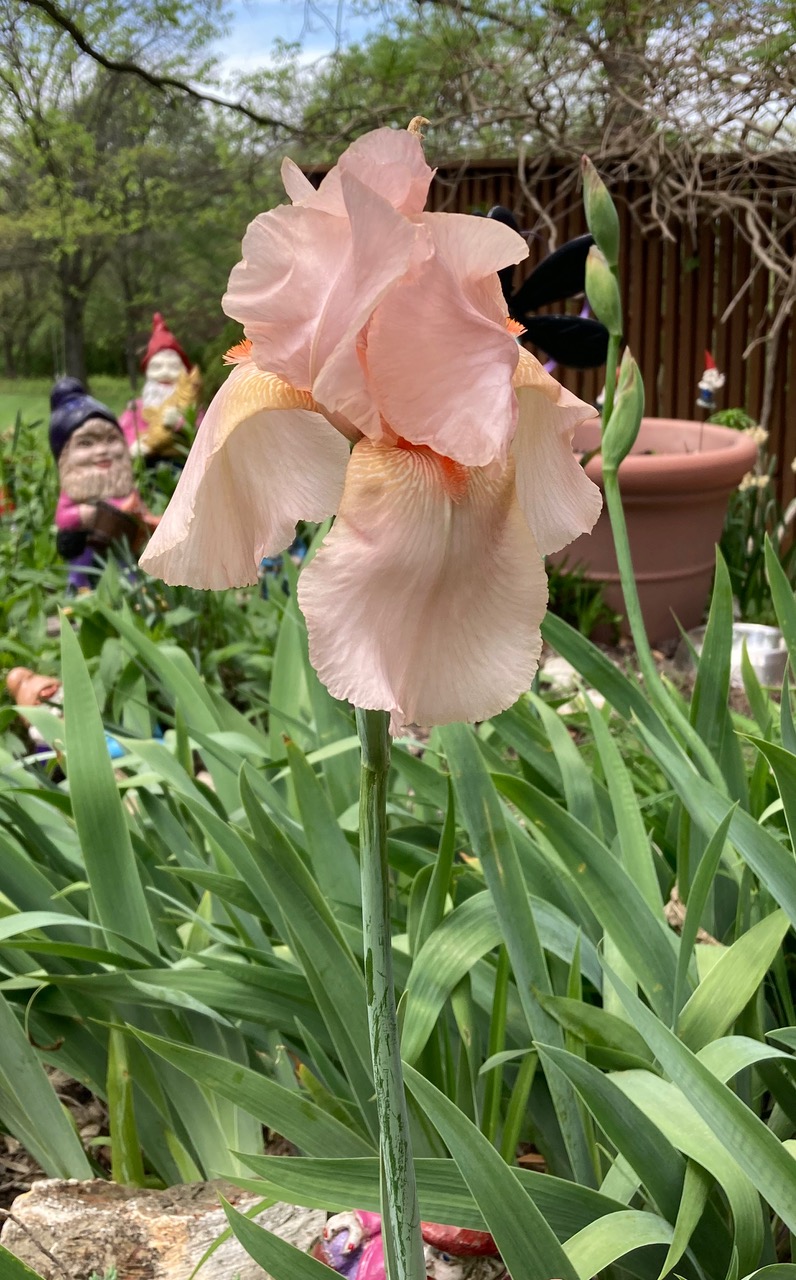
Well, Don’s Iris are blooming! Mine are still buds, but I can tell it’s going to be a good year for the Iris. The peonies are budding as well. Truly, this a glorious season in the flyover garden to be relished and enjoyed.
Let us not forget that today is the birthday of Ulysses S. Grant. It might be a good time to take down his Personal Memoirs from off the shelf and read: “My family is American, and has been for generations, in all its branches, direct and collateral.”
Thanks be to God.
So check out the Iris in your yard, open up your Grant Memoirs, and praise God from whom all blessings flow.
*John Knox, inscribed on the Reformation Wall in Geneva, Switzerland
Today we celebrate the birthday of Louis L’Amour (1908-88) who was an extremely prolific and successful writer of “frontier stories.” Born Louis Dearborn LaMoore in Jamestown, North Dakota, he left school at 15 and never went to college. A voracious reader, however, he credited the 19th century British author G.A. Henty with teaching him most of what he knew and for giving him the foundation on which to build his subsequent lifelong education.
I was surprised that only around 15 movies were ever made based on his novels, and most of them are not worth viewing. Hondo (1953), of course, stands out as the exception. It is well worth watching, if for no other reason than to see John Wayne throw a variety of objects around, including a small boy into the river. “That’s the way I learned.”
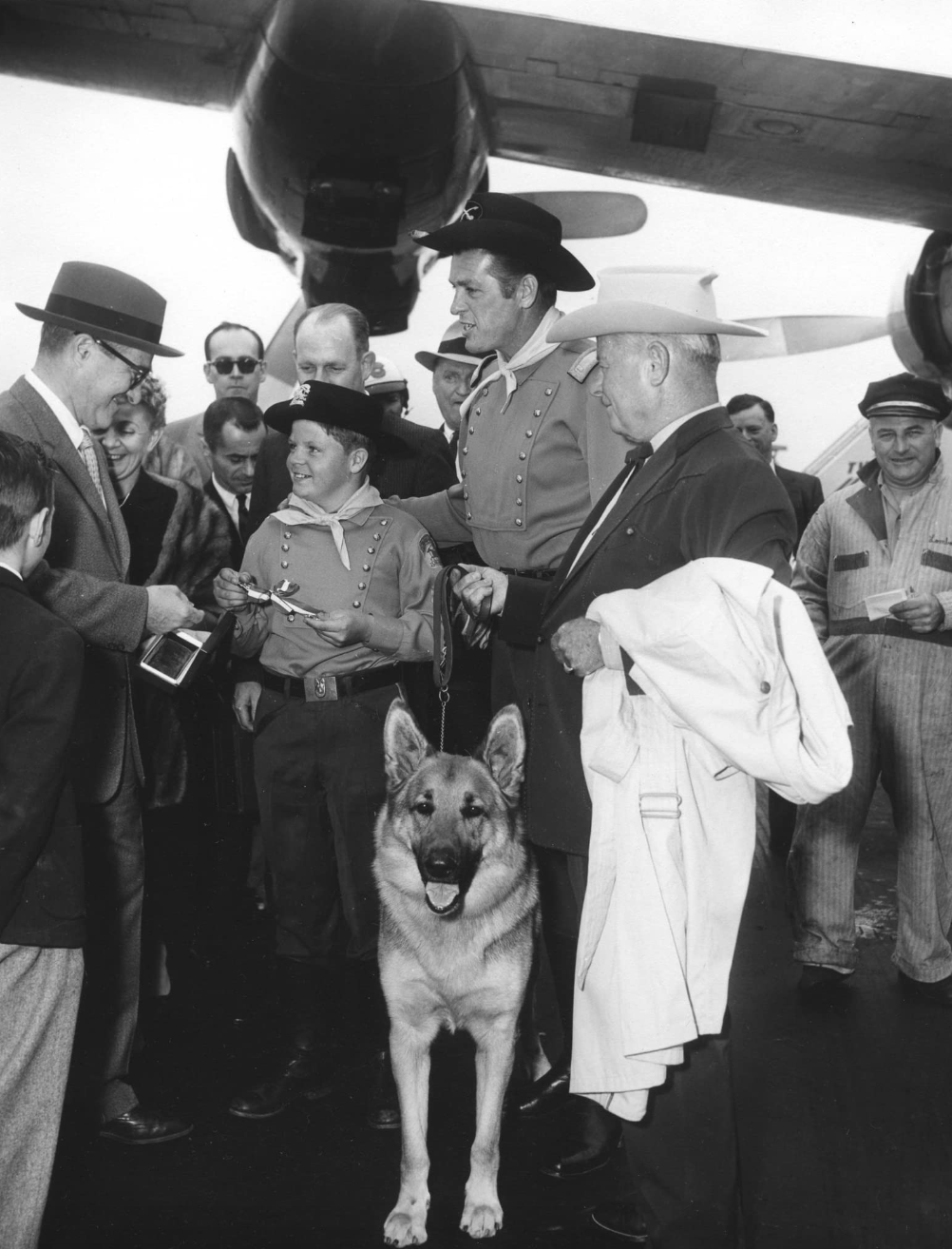
It is also the birthday of James Brown (1920-92) whose handsome face you will remember from such films as Air Force (1943), Objective, Burma! (1945), Sands of Iwo Jima (1949), and the television series The Adventures of Rin Tin Tin (1954-59). And, oh my goodness, he appeared in Murder She Wrote in 1988!
And fun fact: Lee Aaker, who played the boy in Hondo, also played the boy in Rin Tin Tin.
Well, I think I will read one of G.A. Henty’s books for boys. He is still very much in print, although I have no doubt he is considered a racist, sexist imperialist by many.
“Among the Huguenots he learned to be gentle and courteous; to bear himself among his elders respectfully, but without fear or shyness; to consider that, while all things were of minor consequence in comparison to the right to worship God in freedom and purity, yet that a man should be fearless of death, ready to defend his rights, but with moderation and without pushing them to the injury of others; that he should be grave and decorous of speech, and yet of a gay and cheerful spirit.”
G.A. Henty, Saint Bartholomew’s Eve: A Tale of the Huguenot Wars
Anyway, this is how my mind works…such as it is still working.
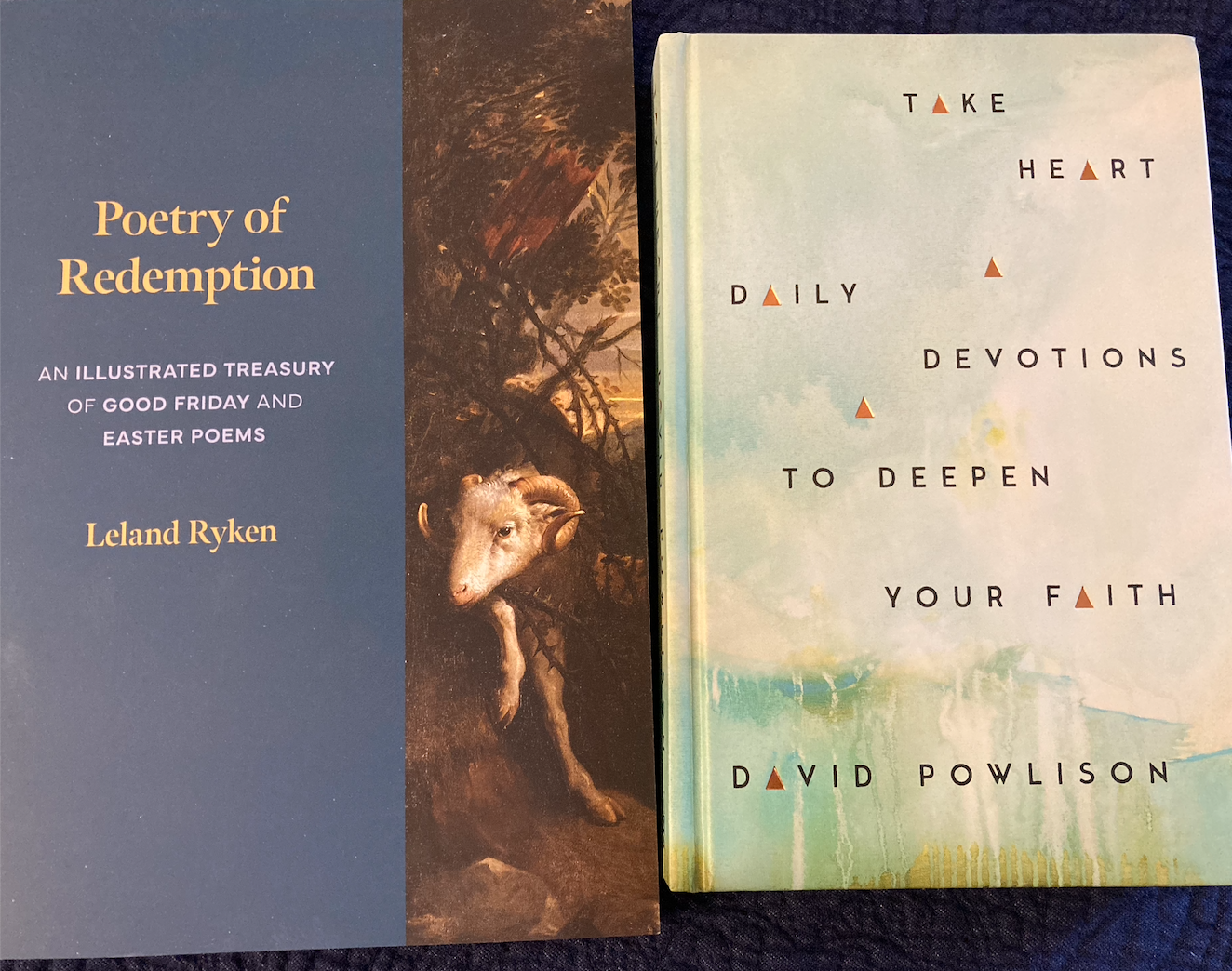
Here are two books that I am reading in these weeks leading up to Easter. I find it helpful to have some structure in my reading and these two books fit the bill. The Powlinson devotional was put together by his wife after his death in 2019, using his journals and other writings. What a blessing to have this book from this dear fellow who was also the most renowned and respected biblical counselor of our time.
As you know, I am also reading the book of Daniel in my Bible Study group. I am enjoying it a lot. There are so many comparisons one can make with our present cultural situation. The writing is on the wall: “Mene, Mene, Tekel, and Parsin.” (5:25) You have been weighed in the balance and found wanting.
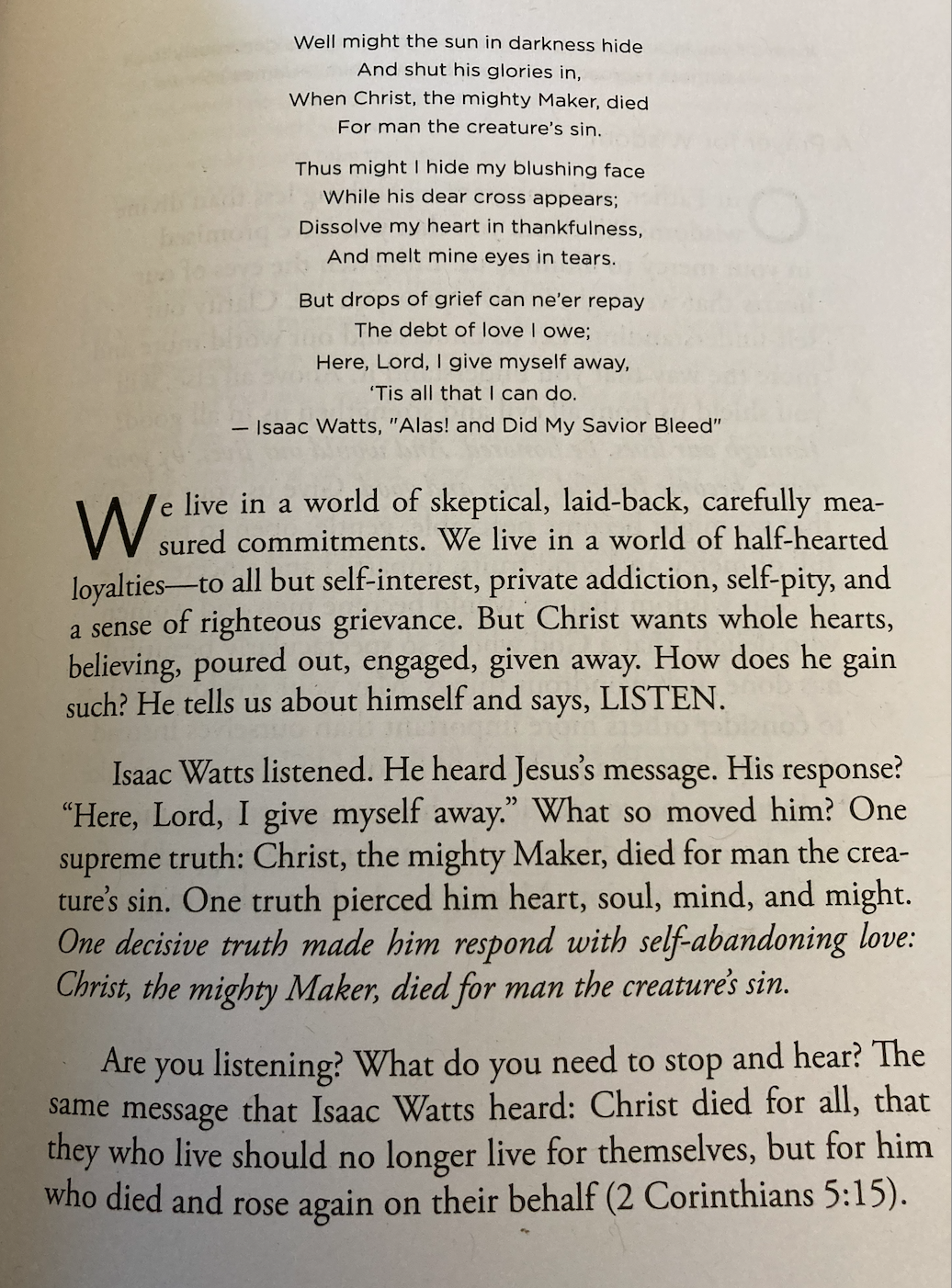
Here are some links that might interest you, including this good one from Tim Challies: “But I wonder: Do we really mean it? Are we really “ever, only, all for thee?” Do we really surrender all? Or do we surrender merely some or most? Do we offer him the best of what we have or those bits we know we can do okay without?”
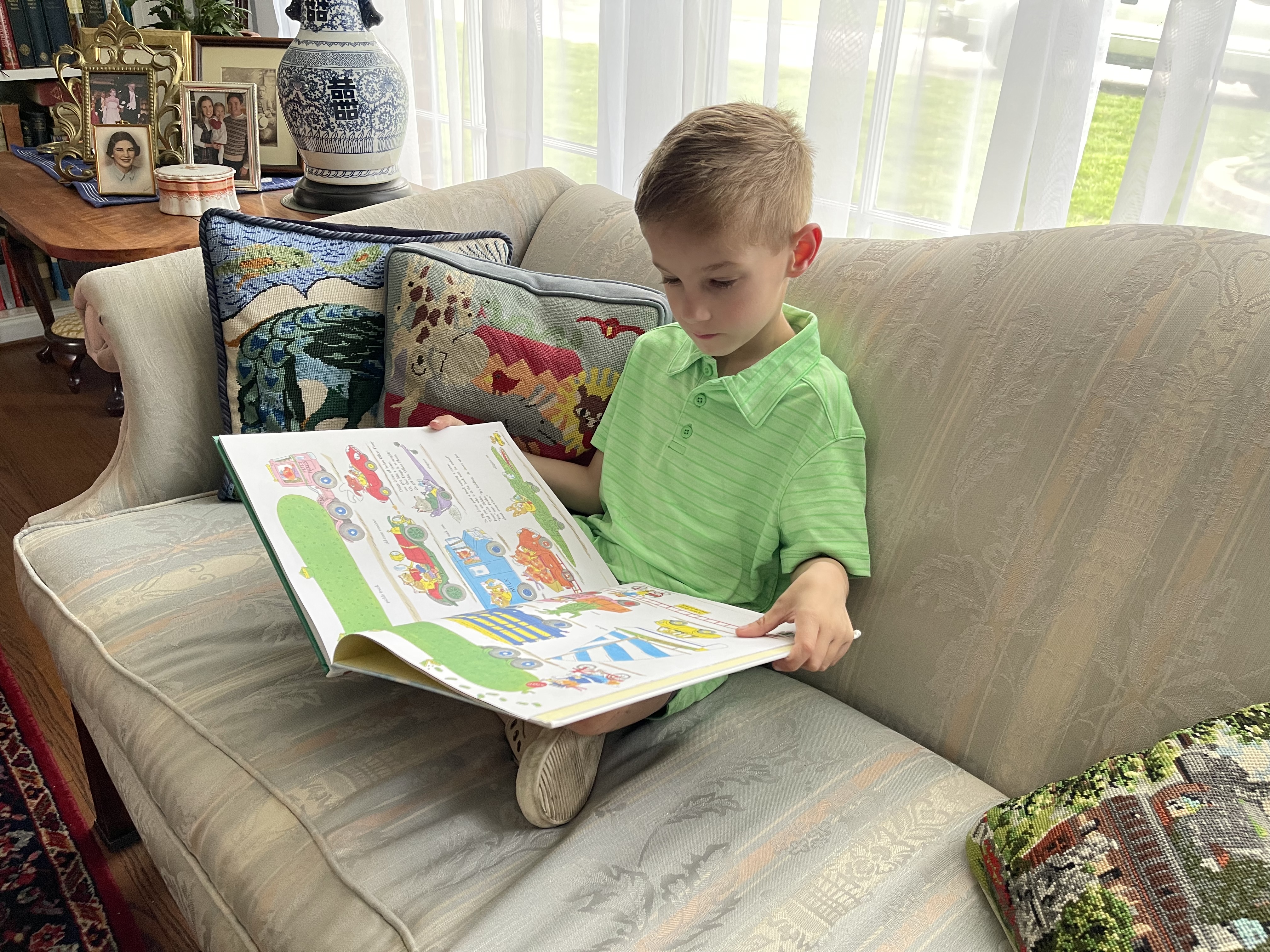
Katie and I have played with a lot of Play-Doh and cut up a lot of Washi tape. She is more fun than a barrel full of monkeys. We have also cleaned up when we needed to.
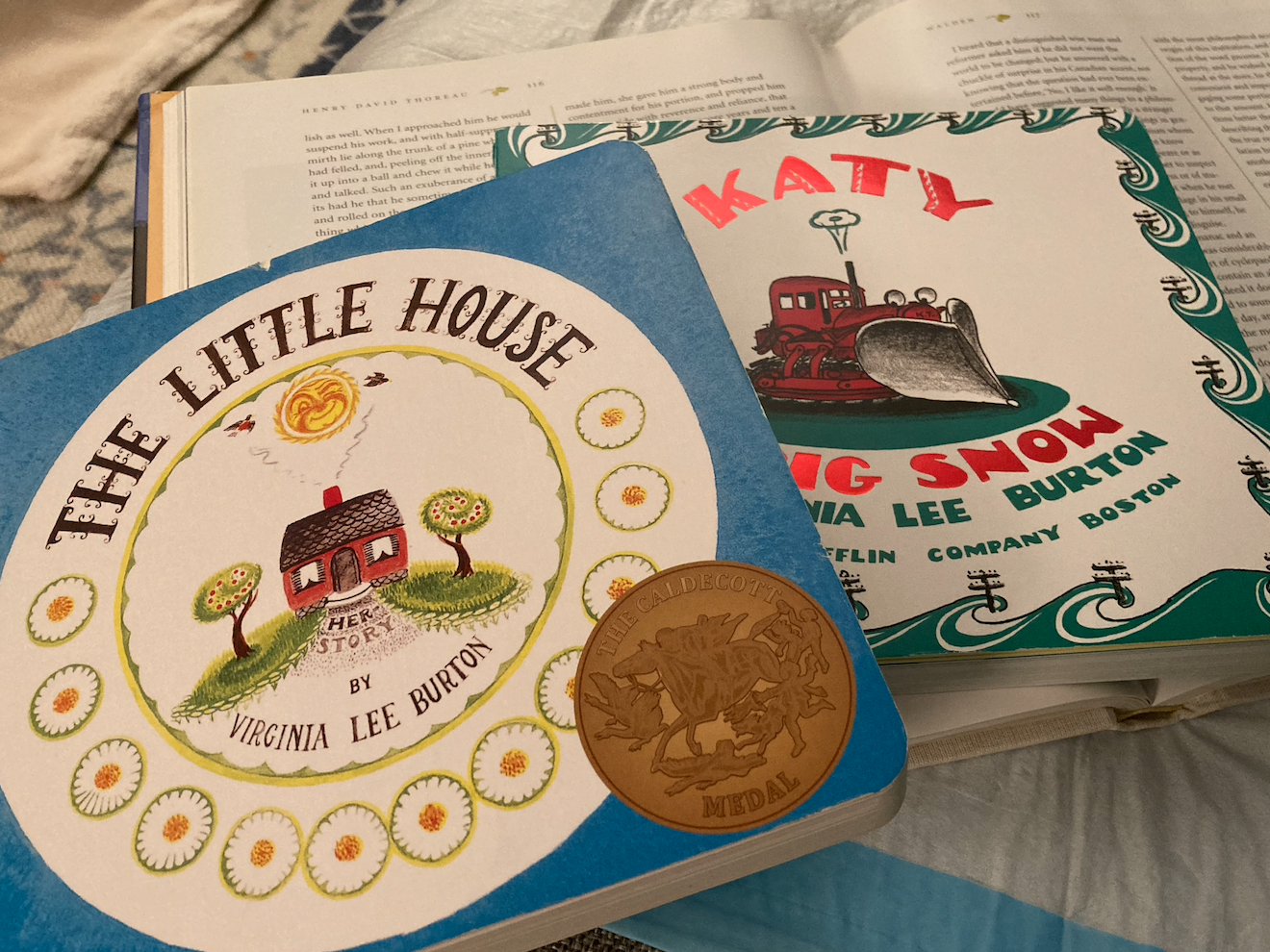
And I have read a lot of good books over the last few days (and some really boring ones as well). My favorite books, besides the classics…
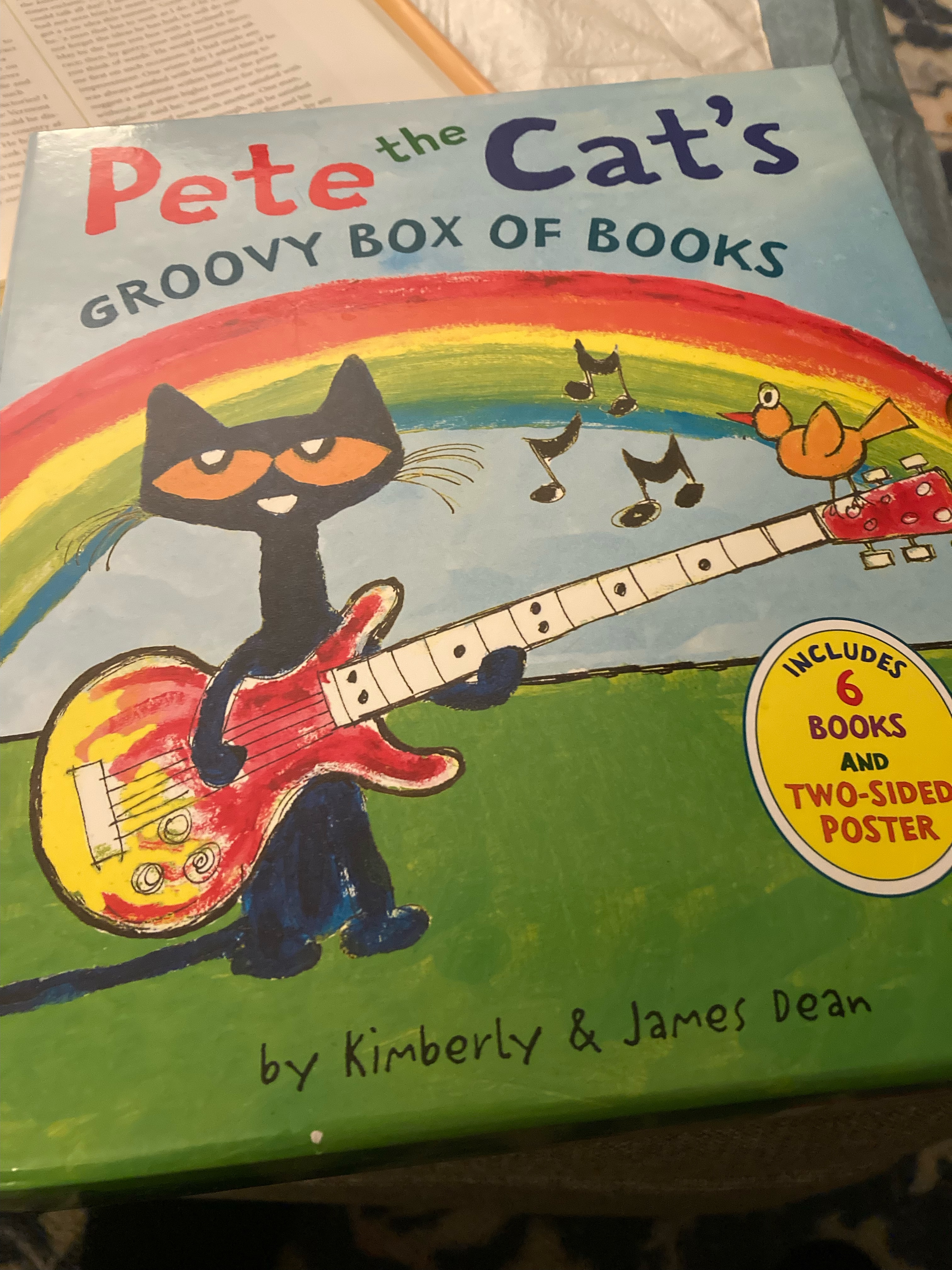
…are anything from the Pete the Cat oeuvre.
These books are gold and I highly recommend them to anyone who has small children!
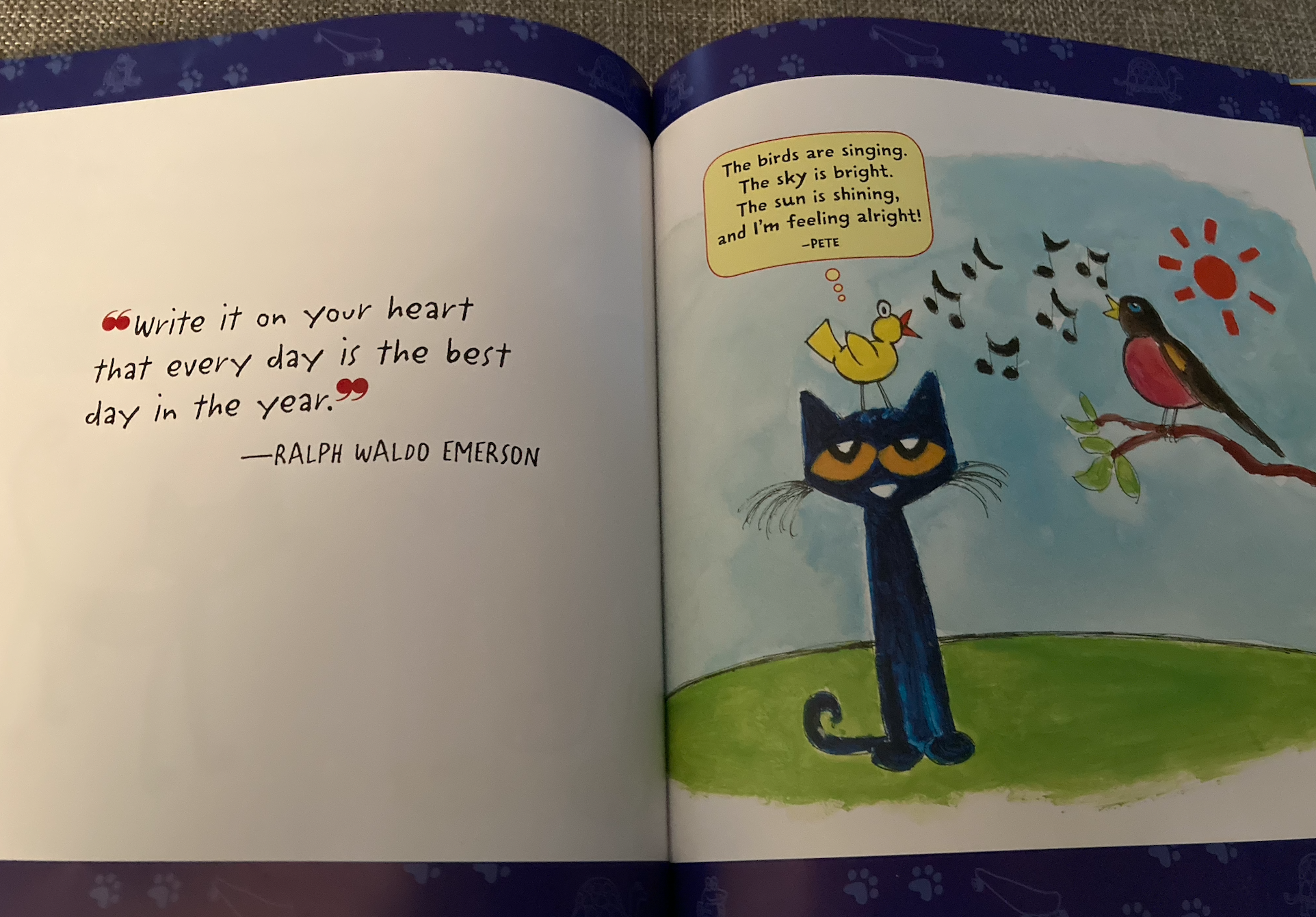
A children’s book that quotes Emerson! I mean, the author James Dean is one groovy dude!
James earned his degree in electrical engineering from Auburn University and went on to work for Georgia Power for a number of years. Eventually, he was called to pursue his art full-time and began selling his work at art festivals around the Southeast.
It was during this time that he began creating paintings and drawing of his cat, Pete. The little blue cat showed up as a character in James’ artwork around 1999 and has been a permanent fixture ever since.
In 2008, James partnered with Eric Litwin to create the first Pete the Cat children’s book, Pete the Cat: I Love My White Shoes. Now, James has helped create over 70 Pete the Cat books, including many NYT Bestsellers.
James is humbled every day by the success that this groovy blue cat has brought him. He says positively affecting children’s lives is his number one priority, and he is grateful to have such an amazing audience to work for.
Good stuff is out there if you look!
And, of course, holding an infant is the best therapy for anything that ails you.
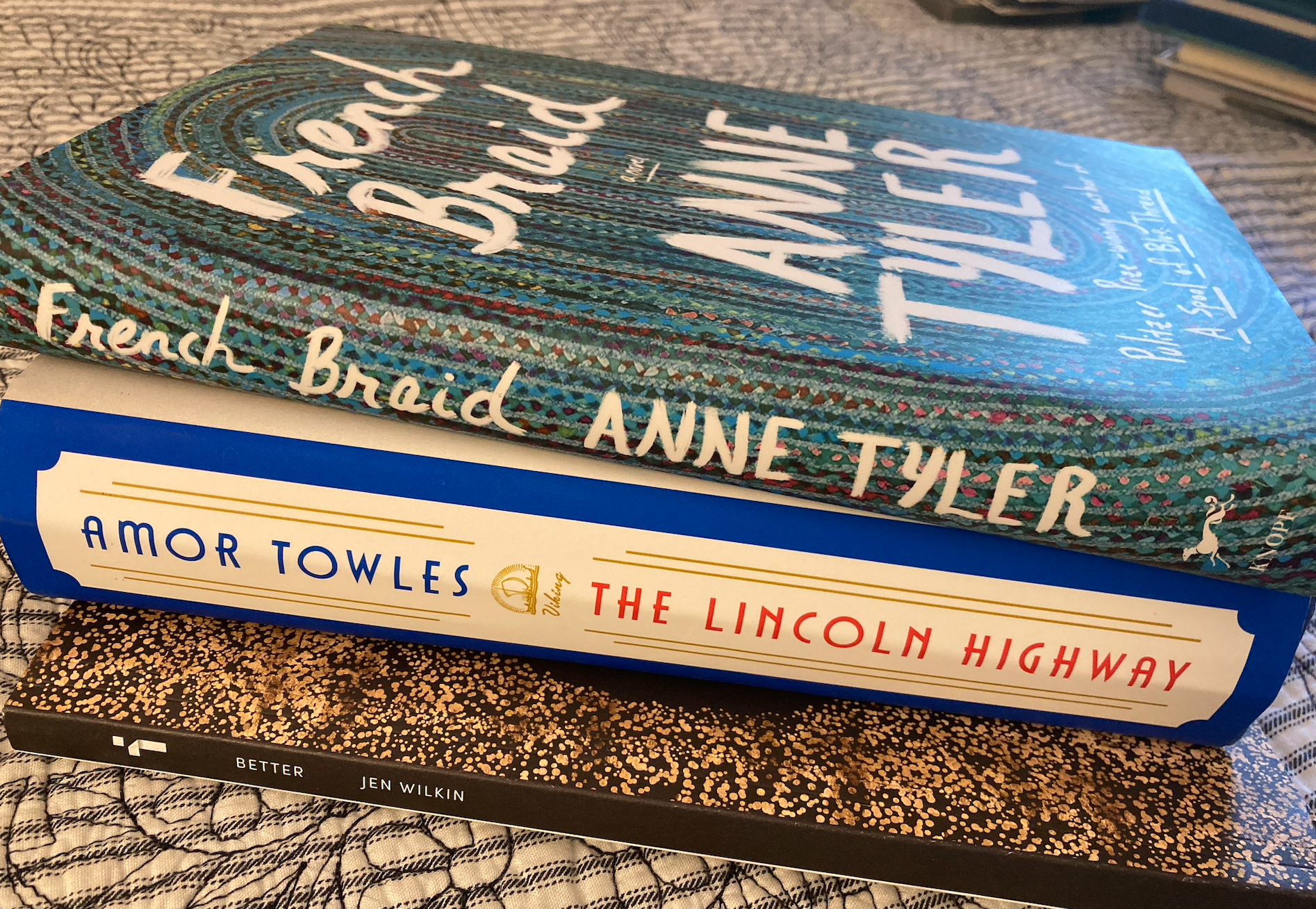
Last week I read Anne Tyler’s latest book. It was quick and easy and not very thought-provoking. Her books are all the same now–about some average white, middle class family whose members don’t seem to get along but who are remotely devoted to one another. Her characters inhabit a godless universe where no one really seems to care much about anything. But come to think of it, maybe that is the depressing world that most people live in today. To me it feels alien and empty.
Daughter #1 returned my copy of The Lincoln Highway, because it is the next book to be discussed in my church women’s book club. I will have to re-read/skim it because, although I read it last fall, I forget books as fast as I read them.
My DP mentioned on Friday that Hilary Mantel had died. This was, indeed, sad, but not surprising, news. She had been sick for a long time and wrote those three last great novels despite being very ill. She was a brave soul who had something to say.
As the word of God spreads, the people’s eyes are opened to new truths. Until now…they knew Noah and the Flood, but not St. Paul. They could count over the sorrows of our Blessed Mother, and say how the damned are carried down to Hell. But they did not know the manifold miracles and sayings of Christ, nor the words and deeds of the apostles, simple men who, like the poor of London, pursued simple wordless trades. The story is much bigger than they ever thought it was….you cannot tell people just part of the tale and then stop, or just tell them the parts you choose. They have seen their religion painted on the walls of churches, or carved in stone, but now God’s pen is poised, and he is ready to write his words in the books of their hearts.
–Wolf Hall
The great thing about Hilary Mantel is that she did not think religion in the sixteenth was just a tool used to wield power by kings and popes and countries. She understood that it really meant something to people like Thomas Cromwell. Yes, he used his power to great effect; he was a political genius. But there was more to him than just that. She understood that Thomas More, who wanted to keep the Word out of the hands of the people, was the real monster.
Here’s a good post from Anne Kennedy, who is back from her lengthy summer break. I missed her a lot.
Today is the birthday of Johnny Appleseed (1744-1845)! Let’s all take a moment to sing along with Johnny from Walt Disney’s 1948 film Melody Time, made when Disney was reflecting a very different America. We used to sing this song at bedtime when my kids were little. We also sang it as a grace at snack time when I taught Sunday School back in the day. I’ll have to teach it to the twins.
I owe the Lord so much For everything I see I’m certain if it weren’t for Him There’d be no apples on this limb He’s been good to me












 dual personalities