dual personalities

Tag: books

“I was surrounded by phonies…They were coming in the goddam window.”

by chuckofish

Some time back I wrote a post about those historical figures with whom it would be awesome to share a meal. You may recall that daughter #2 brought up fictional characters and I said that that was a whole ‘nother post.

Well, it being mid-summer and Friday, I thought I’d get the ball rolling on that post. Here is a list of fictional (literary) characters I would invite to dinner. (Note: this list does not include any film or television characters and definitely no phonies.)

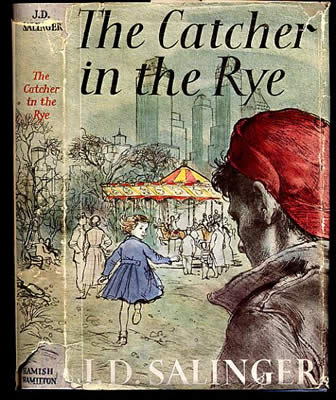
1. Holden Caulfield, The Catcher In the Rye (J.D. Salinger)
Any members of the Glass family would be welcome to stand in for Holden if he was AWOL and couldn’t make it.
catcher_rye_7408

2. Philip Marlowe, numerous books and stories by Raymond Chandler
He really is my perfect man and no one, even Bogart, has done him justice on film.
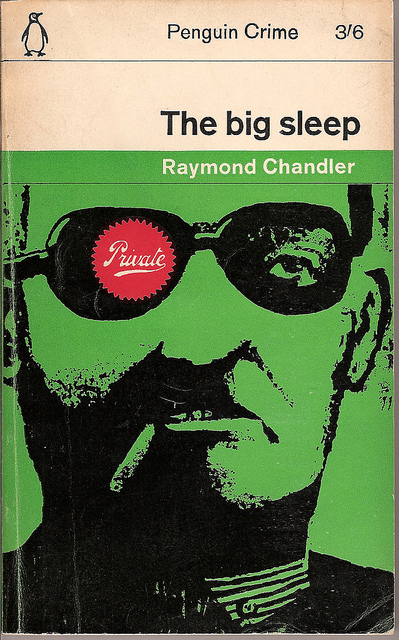
the big sleep

3. Mr. Knightley, Emma (Jane Austen)
Sigh. Understanding, sensitive, handsome, humble, and rich.
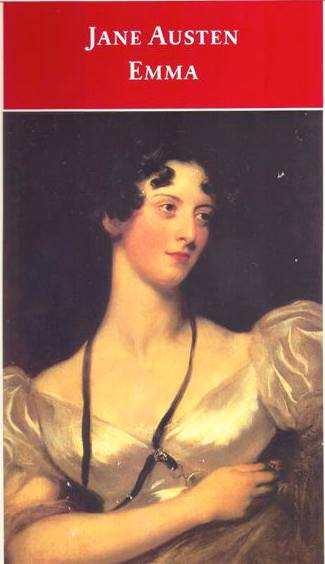
Emma-by-Jane-Austen

4. James Burke, Lord Jim (Joseph Conrad)
In addition to Jim, I would invite his friends Stein and Marlow. One of the quotes on my senior page was from this book.
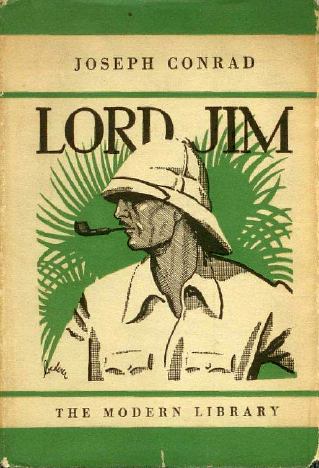
ConradJim35.big

5. Shane, Shane (Jack Schaefer)
The archetype.
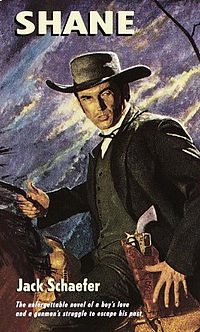
-JackSchaefer_Shane

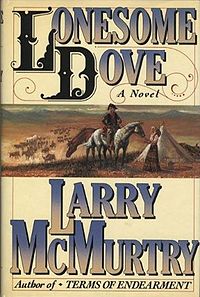
6 and 7. Captain Call and Augustus McCrae, Lonesome Dove (Larry McMurtry)
Some people might only invite Gus, but I love Captain Call just as much.
LarryMcMurtry_LonesomeDove

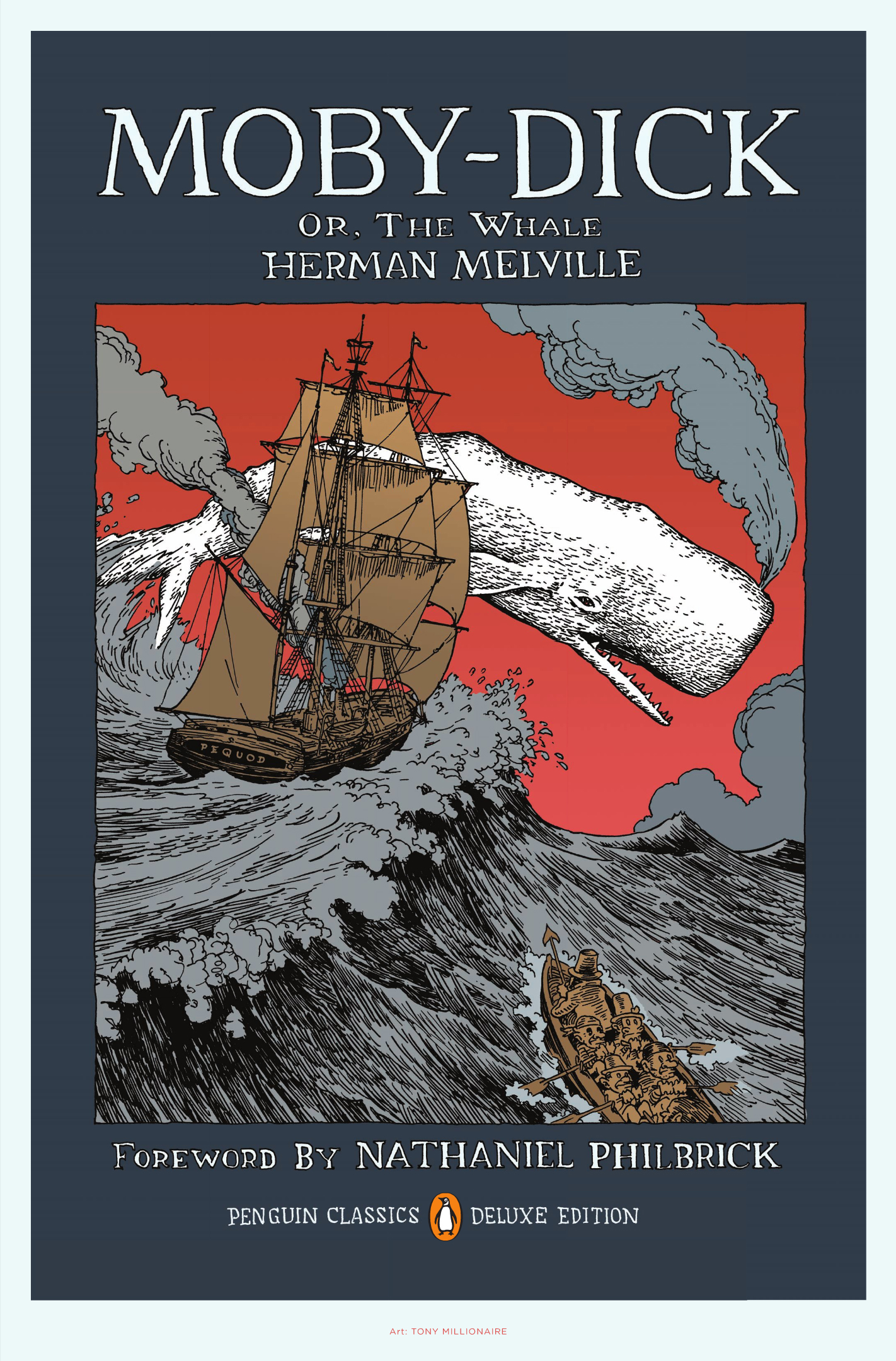
8. Starbuck, Moby-Dick (Herman Melville)
Ahab’s Quaker first mate, who, alone among the crew, has his doubts about the captain’s motives. He just wants to make it home.
MobyDickTonyMillionaireCoverPoster

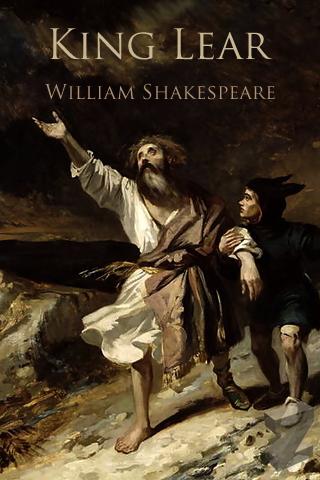
9. The Fool, King Lear (W. Shakespeare)
The great secret of the successful fool – that he is no fool at all.
kinglear

10. Judah Ben Hur, Ben Hur (Lew Wallace)
He was devoted to his mother and his sister–in addition to being awesome.
benhur

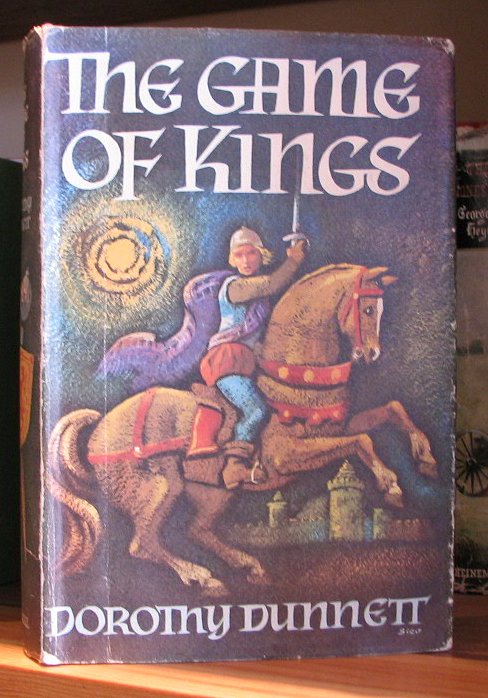
11. Francis Crawford of Lymond,The Game of Kings et al (Dorothy Dunnett)
Living by his wits and his sword-arm in 16th-century Scotland…
game of kings

12. Dick Summers, The Big Sky (A.B. Guthrie)
Mountain man and gentleman. Such a great character–the author had to bring him back in The Way West.

bigsky

13. Father Tim, At Home in Mitford et al (Jan Karon)
I’ll admit he’s a bit of a goodie-goodie and it’s true that he and his wife can be a bit much, but I do love this series of books and what would they be without Father Tim Kavanaugh at the center of them? Also he would probably agree to bring the main dish to the dinner and would offer the blessing.

At Home in Mitford

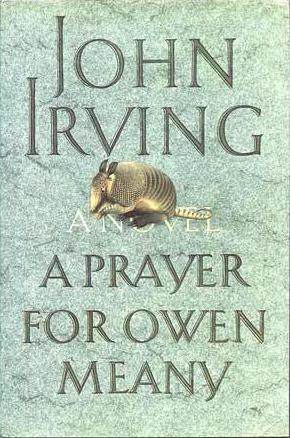
14. Owen Meany, A Prayer for Owen Meany (John Irving)
A REALLY GREAT GUY!
PrayerForOwenMeany

If we wanted to spice things up a bit, maybe I would invite Raskolnikov, the young, stressed-out ex-student of law in Dostoyevsky’s Crime and Punishment, but I’m not sure if that would be a good idea.

I did not intend for this list to be all male, but that’s the way it ended up. In order to give equal time (not quite) to the ladies, I’ll add:

13 and 14. Lady Dona St. Columb (Frenchman’s Creek)

Frenchman's Creek

and Mary Yellan (Jamaica Inn) by Daphne DuMaurier

-Jamaica_Inn_novel

15. Jane Eyre, Jane Eyre (Charlotte Bronte)

janeeyre-thumb-323x500-9866

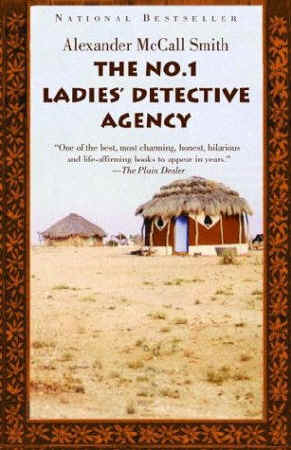
16. Precious Ramotswe, The #1 Ladies’ Detective Agency (Alexander McCall Smith)
1-no-1-ladies-detective-agency-450h

and from the animal kingdom: Miss Bianca, The Rescuers (Margery Sharp)
rescuers-1

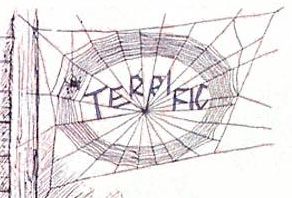
and Charlotte, Charlotte’s Web (E.B. White)
charlottes-web

All these ladies are smart, resourceful, brave, and do the right thing. Charlotte was also “a true friend and a good writer.”

As you can see, it is really easy to get carried away with an exercise such as this! I could go on and on. Who have I left out? Atticus Finch? TinTin? Richard Hannay? David Copperfield? Pippi Longstocking? Who would you invite?

Scenes from my weekend

by chuckofish

“To know we are not alone, that our identity is not random but has a history and a meaning shared with others–that our existence has its own special kind of beauty–this is the great force of art to people moving against alienation.”

Adrienne Rich, “The Ink-Smudged Diaries of Adrienne Rich”

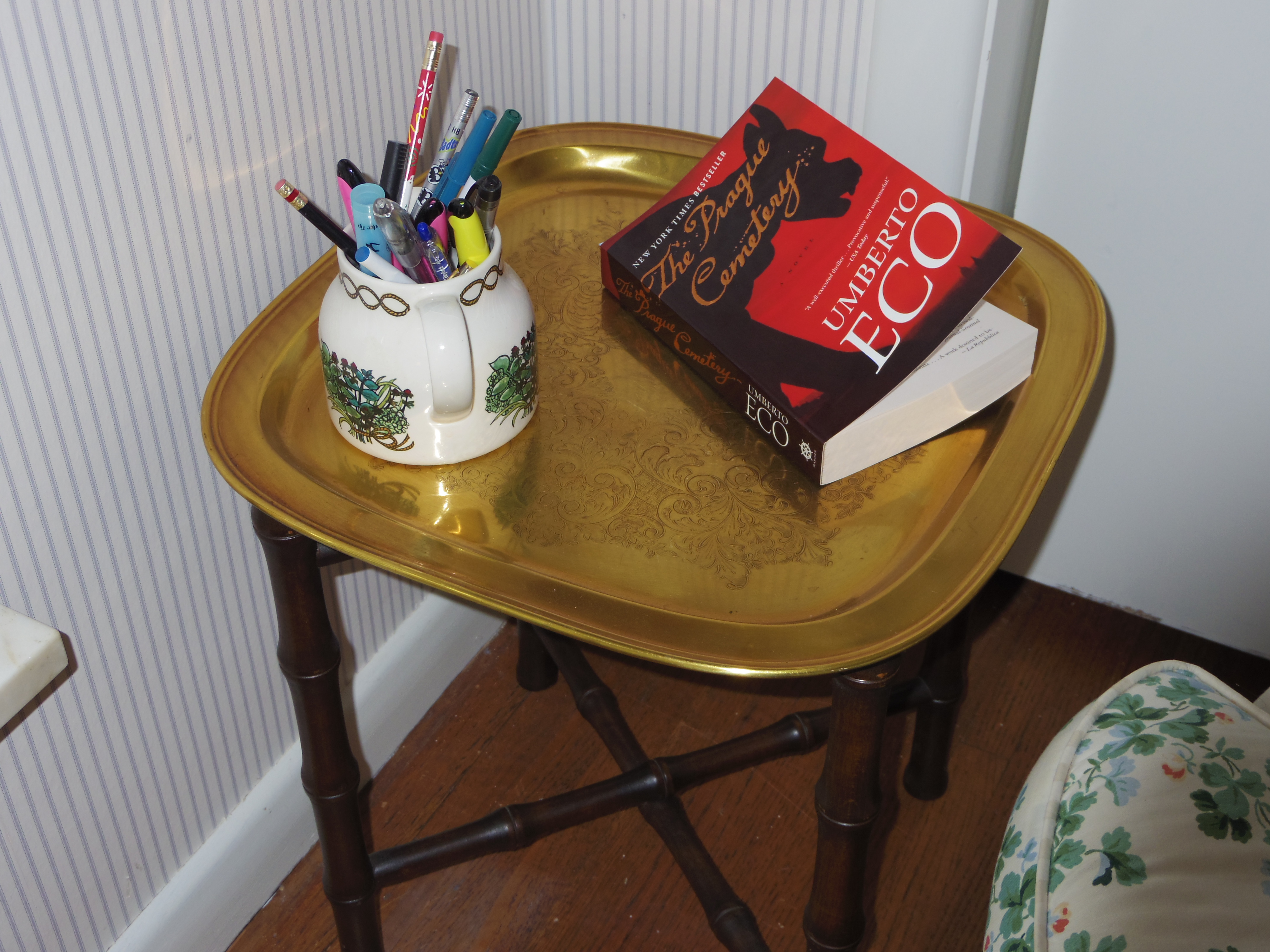
table

I bought this little tray table at an estate sale on Saturday and I put it by my reading chair by the window.

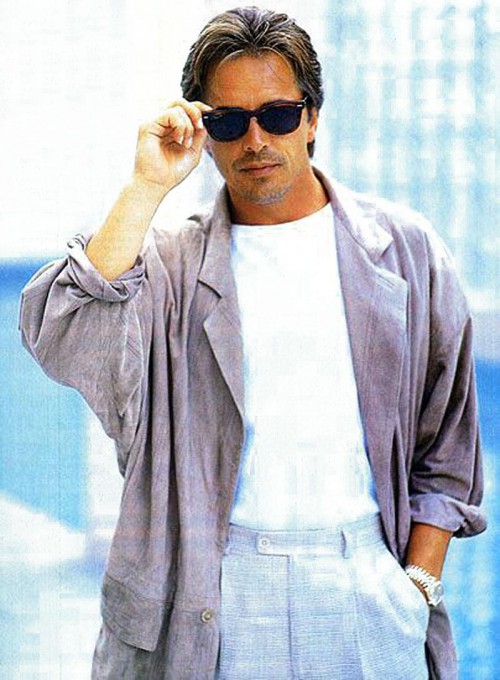
Because my husband was given NCIS: Season 1 and Miami Vice: Season 3 for his birthday, we watched a lot of these guys:

mark_harmon1

Don-Johnson-Miami-Vice-500x680

And I am not complaining. No siree. Some things just never get old.

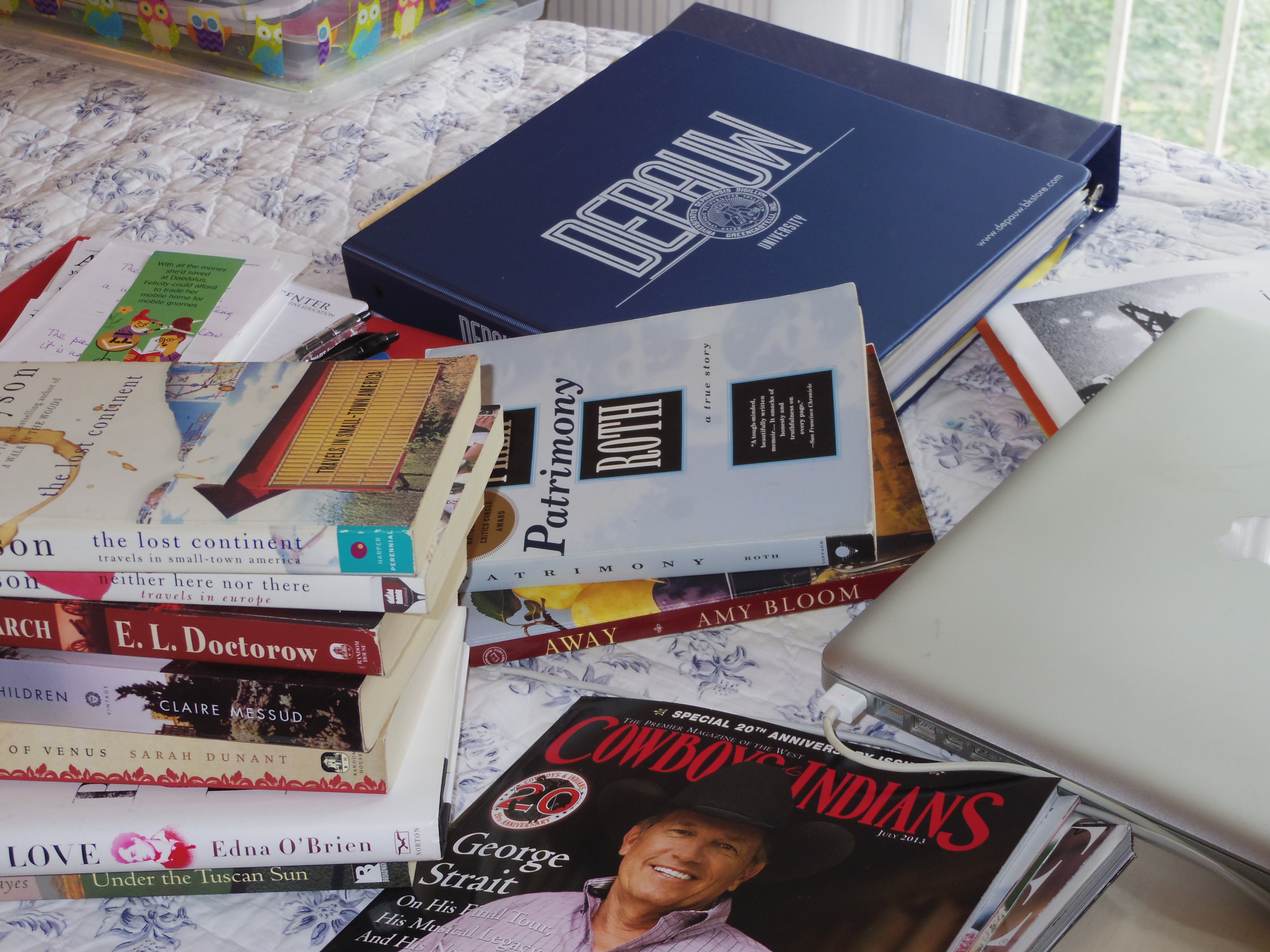
I went through a lot of stuff in my office.

pilesofstuff

The recycling bin was full today!

I tried to work in the yard, but it was just too muggy. They said it was supposed to be rainy all weekend, but it was merely humid. We could use the rain!

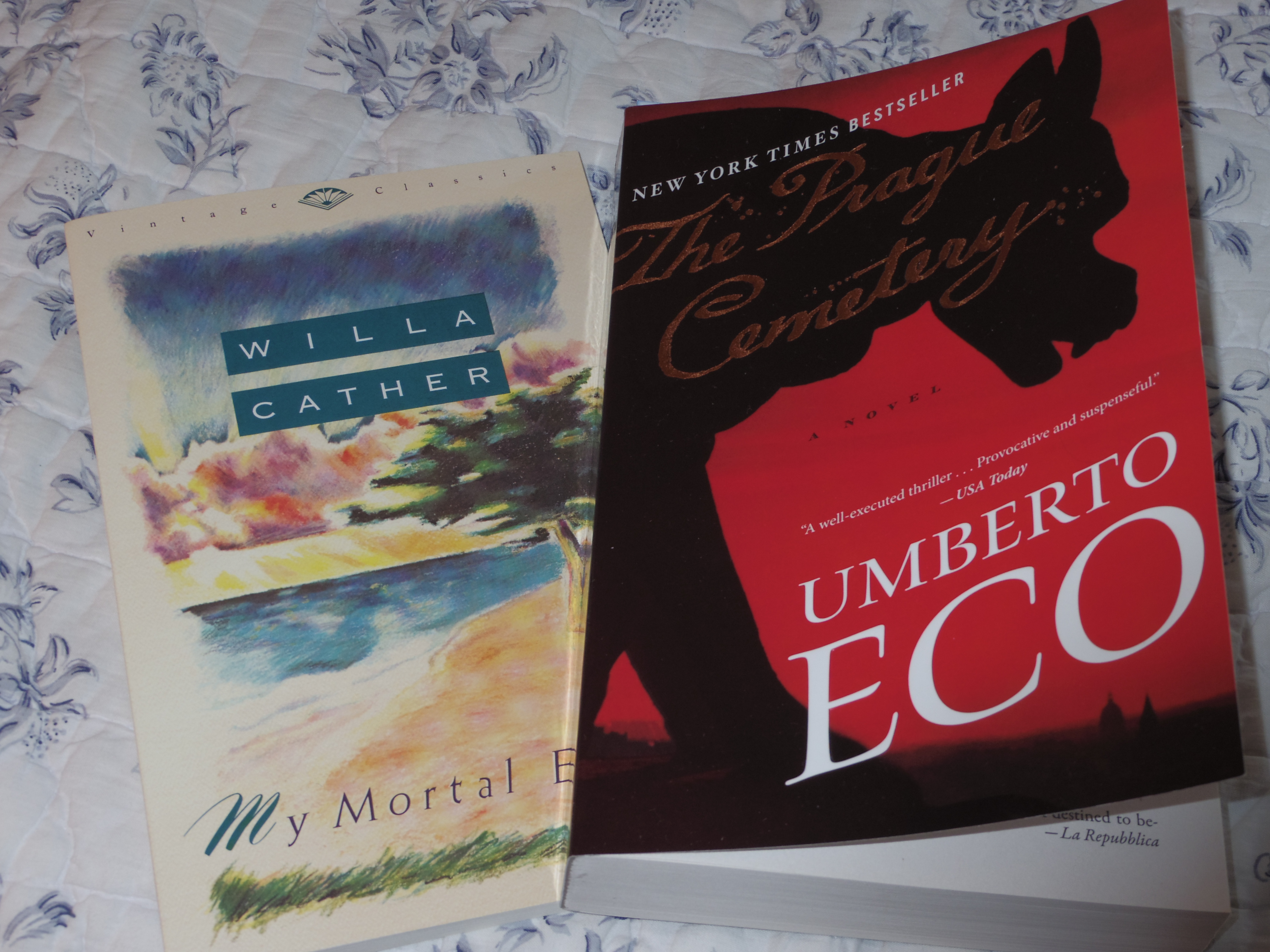
I finished My Mortal Enemy by Willa Cather–hardly a novella, more like a long short story–but very good as Willa always is. Such a good writer! Now I am reading The Prague Cemetery by Umberto Eco, which the boy gave to me for my birthday back in April.

Ecobooks

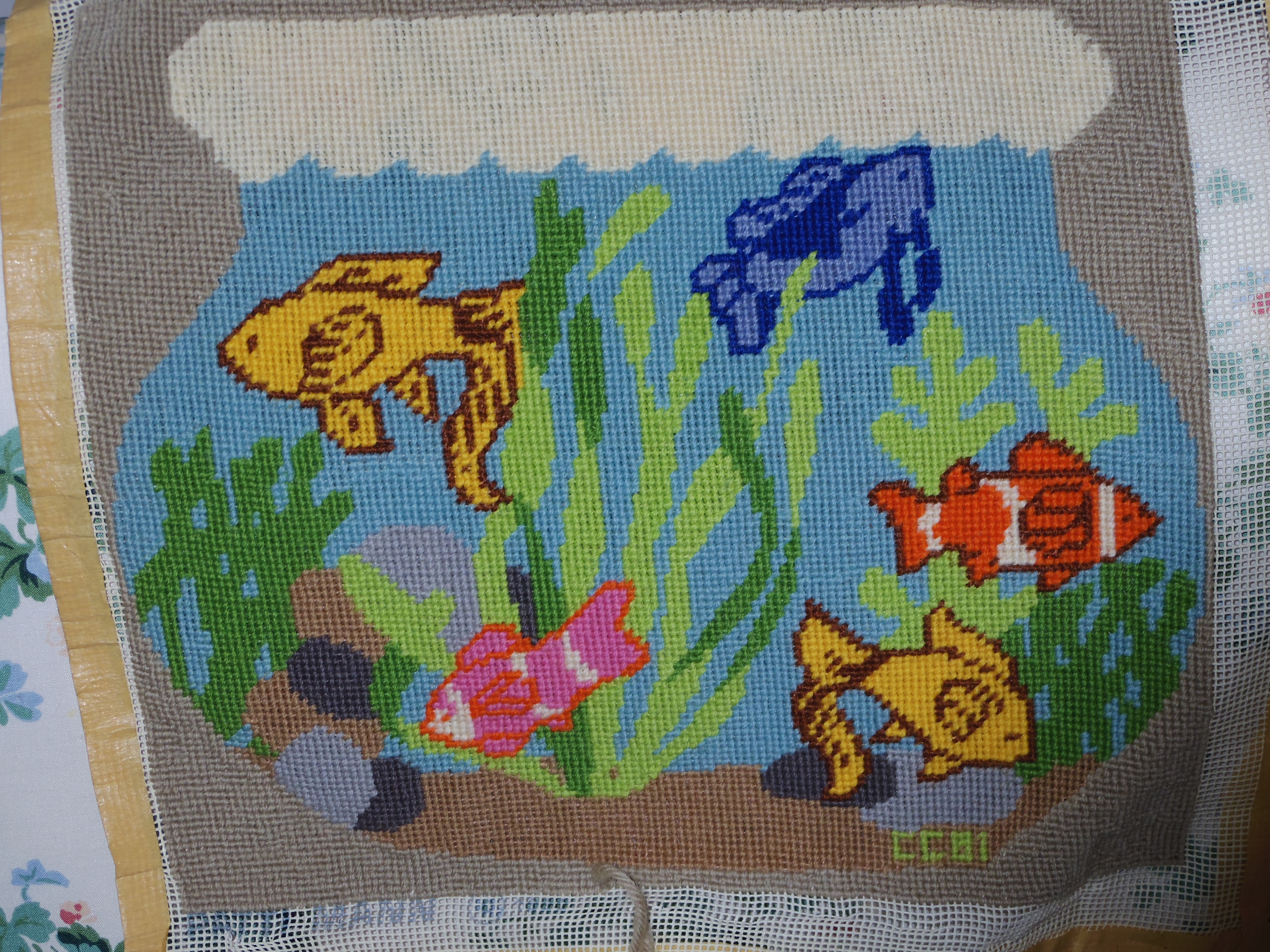
I also finished a needlepoint project that I have been working on.

fish needlepoint

All in all, a pleasant weekend. Life is good! What did you do this weekend?

This is how my brain works

by chuckofish

“[Adamsberg] had recently seen a photograph that had struck him as a clear illustration of his own idea of his brain. It showed the contents of a fishing net unloaded on the deck of a large vessel, a pile taller than the fishermen themselves, a heap of all kinds of things, defying identification, in which the silvery colours of the fish mingles with the dark brown of seaweed, the grey of the crustaceans…the blue of lobsters, the white of seashells, making it hard to distinguish the different elements. That was what he was always fighting, the confused, multiform and shifting mass, always ready to change or vanish, and float off again into the sea. The sailors were sorting out the pile, throwing back creatures that were too small, lumps of seaweed or detritus, and saving the familar useful species. Adamsberg, it seemed to him, did the opposite, throwing out all the sensible items and then looking at the irrelevant fragments of his personal collection.”

–Fred Vargas, The Ghost Riders of Ordebec

Allons enfants de la Patrie

by chuckofish

Yesterday was Bastille Day. Did you remember? While the date is the same as that of the storming of the Bastille, July 14 was chosen to commemorate the 1790 Fête de la Fédération, celebrating the uprising of the short-lived constitutional monarchy in France and what people considered the happy conclusion of the French Revolution.

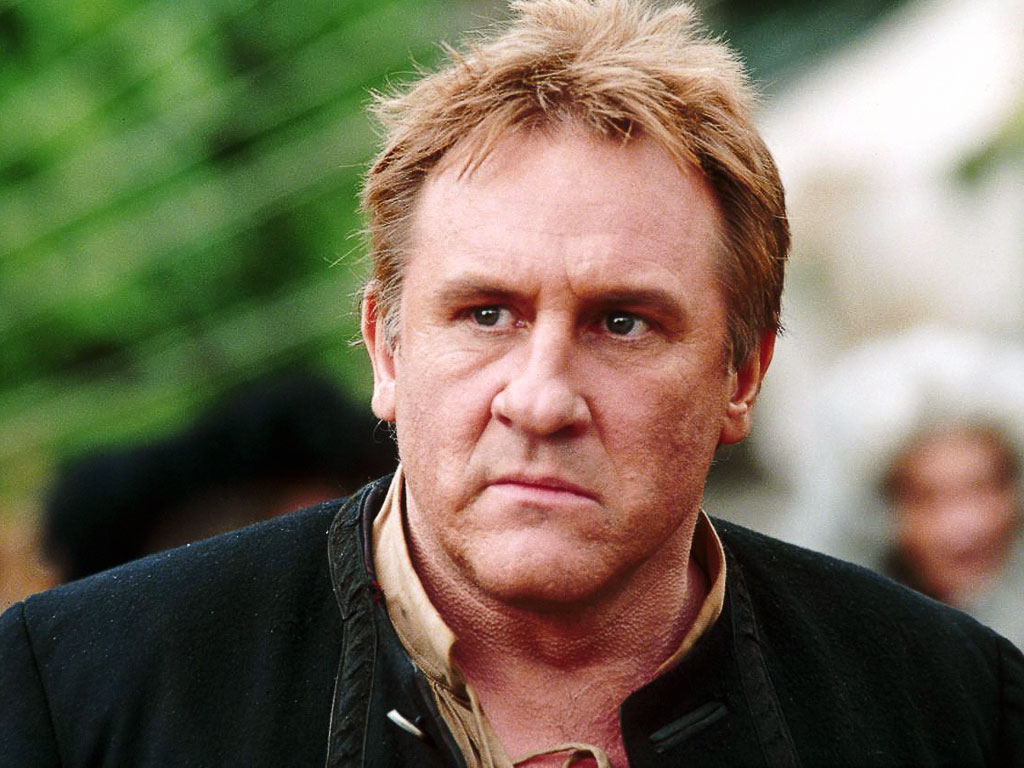
I am no francophile, despite my French-Canadian great-great grandfather (the mysterious Fabian Blais) and an enduring admiration for Gerard Depardieu,

Gerard-Depardieu

but I thought we would all enjoy this rousing scene from Casablanca.


Also I have been reading the latest novel by my favorite French mystery writer, Fred Vargas. (Fred Vargas is the pseudonym of the French historian, archaeologist and writer Frédérique Audoin-Rouzeau.)

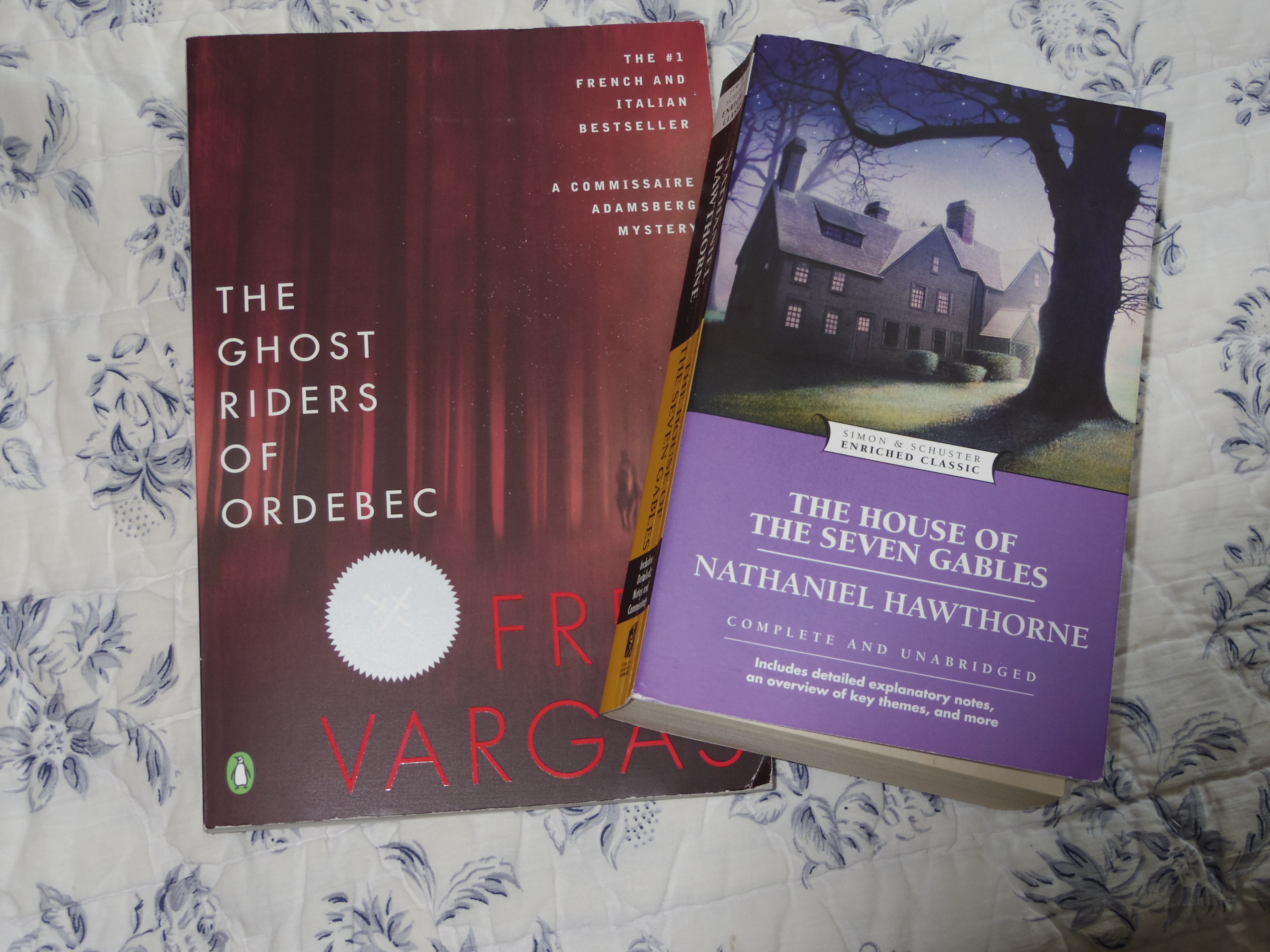
The Ghost Riders of Ordebec is really good! Her mysteries are character driven, not plot driven, which is the way I like them. They are not police procedurals. If you have not read any books by Fred Vargas, I suggest you start with her first Commissaire Adamsberg mystery– L’Homme aux cercles bleus (English title: The Chalk Circle Man). You are in for a treat!

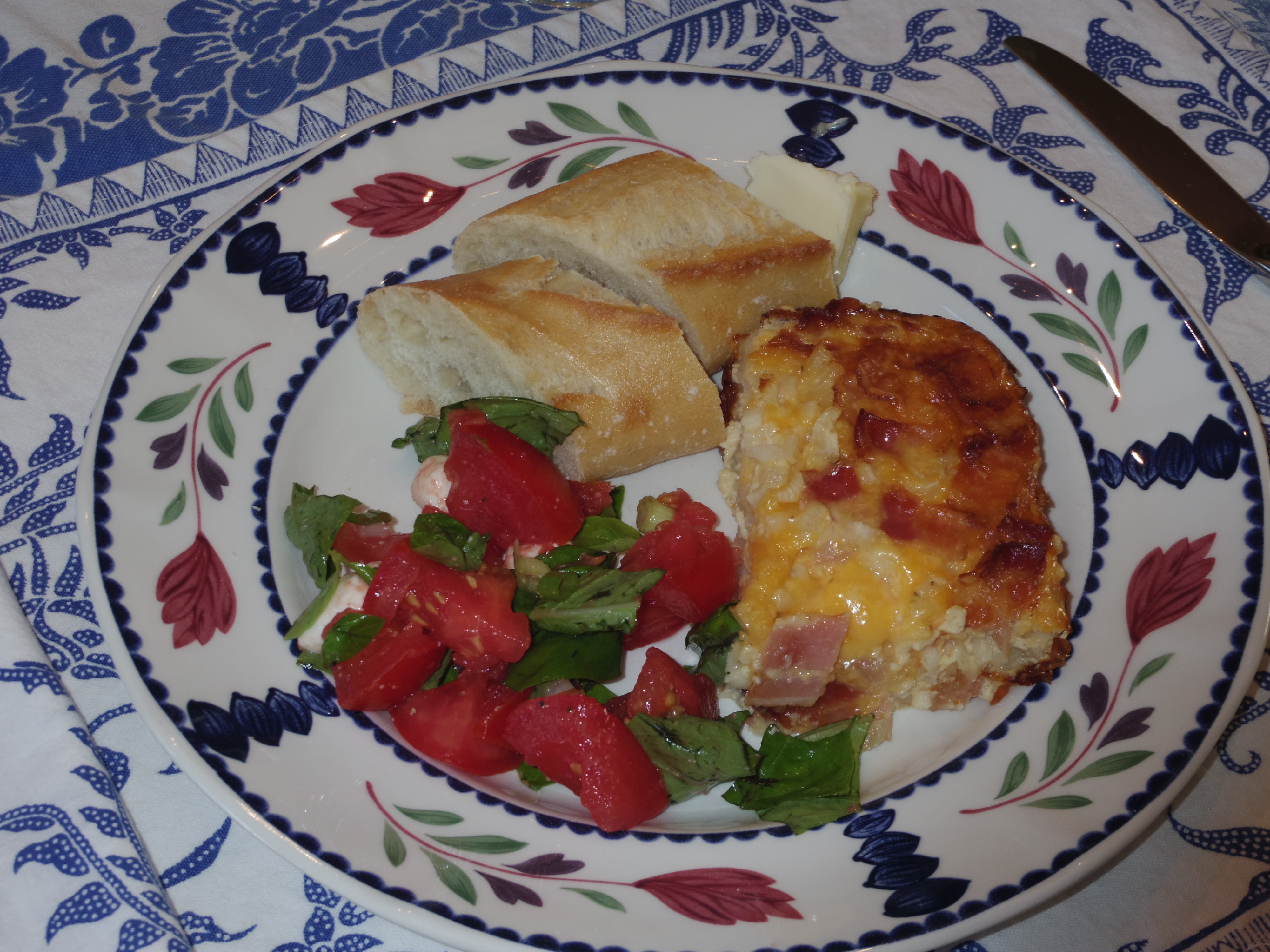
My weekend was a pleasant one. My Episcopal Souffle was a success and dinner on Friday with my compadres was fun per usual.

IMGP0097

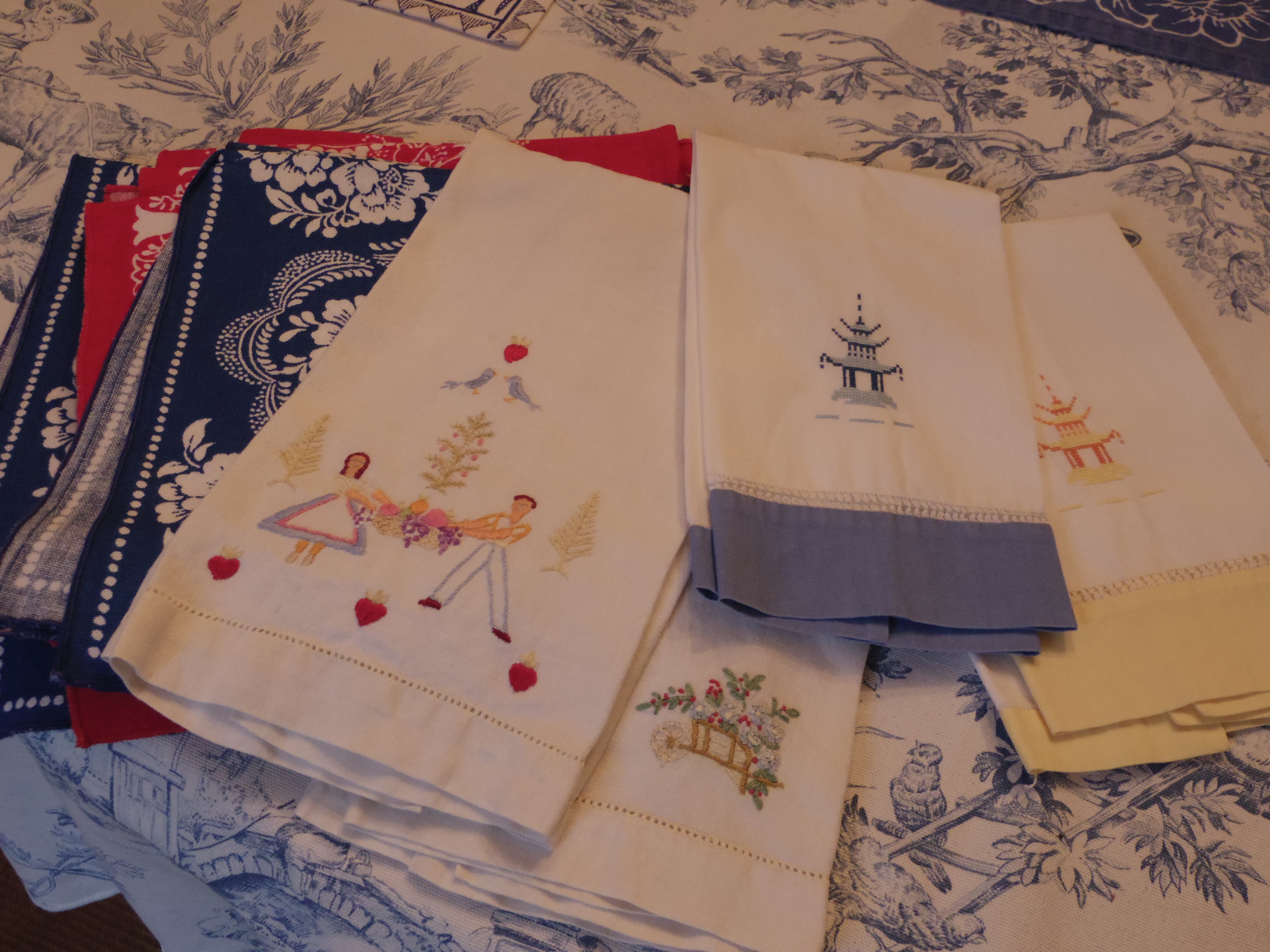
I went to several estate sales and bought a few embroidered hand towels and a set of fabric napkins, which you can buy for a few dollars and are usually new, having been put away in a drawer somewhere and never used. They are out of fashion, but I love them–and I use them!

IMGP0100

I worked in the yard, which was hot work, but satisfying. I always feel close to my mother when I toil in the yard, because she used to do so year after year. She frequently had dirty knees because she always wore skirts!

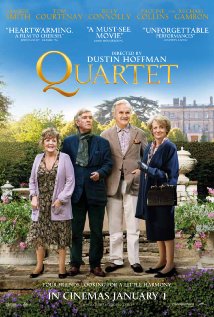
I watched the movie Quartet, directed by Dustin Hoffman, and starring Maggie Smith, Tom Courtenay and Billy Connelly.

quartet

The movie takes place at a home for retired musicians, where the annual concert to celebrate Verdi’s birthday is disrupted by the arrival of Jean, an eternal diva and the former wife of one of the residents. It was filmed at some beautiful house in Buckinghamshire. I enjoyed it and the setting was lovely. Good music too.

And now it is Monday and it’s back to the salt mines!

I learn something new every day

by chuckofish

“Never grow a wishbone, Daughter, where your backbone ought to be.”

–Clementine Paddleford

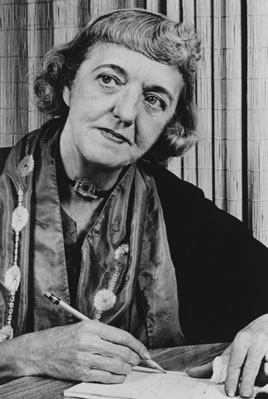
I read this quote on a blog (of course) and then looked up Clementine Paddleford on Wikipedia to see if she was a real person. Well, yes, she was a real person.

food-editor

Clementine Paddleford (September 27, 1898 – November 13, 1967) was an American food writer active from the 1920s through the 1960s, writing for several publications, including the New York Herald Tribune, the New York Sun, The New York Telegram, Farm and Fireside, and This Week magazine. She was born in Stockdale, Riley County, Kansas and graduated from Kansas State University in 1921 with a degree in journalism. She then studied at New York University’s school of journalism and lived most of her life in New York City, where she introduced her readers to the global range of food to be found in that city. She was also a pilot, and flew a Piper Cub around the country to report on America’s many regional cuisines.

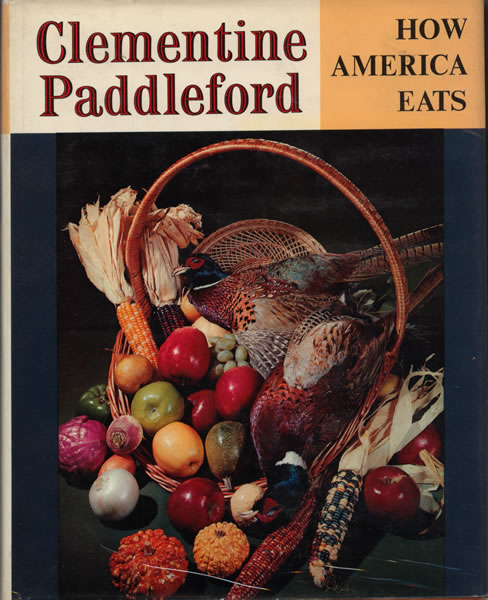
Paddleford’s book How America Eats, published in 1960, was the culmination of her career.

how-america-eats

It was eclipsed, however by The New York Times Cookbook by Craig Claiborne, published in 1961, and Mastering the Art of French Cooking by Mesdames Beck, Bertholle and Julia Child the same year.

The afore-quoted admonition, although attributed to Clementine Paddleford, actually was something her mother used to say to her (according to her memoir called “A Flower for My Mother.”) I’m sure they both were fascinating women.

You can read all about Clementine here in The New York Times. I must say I was glad to discover her.

The world is more than we know.

Speaking of teacups

by chuckofish

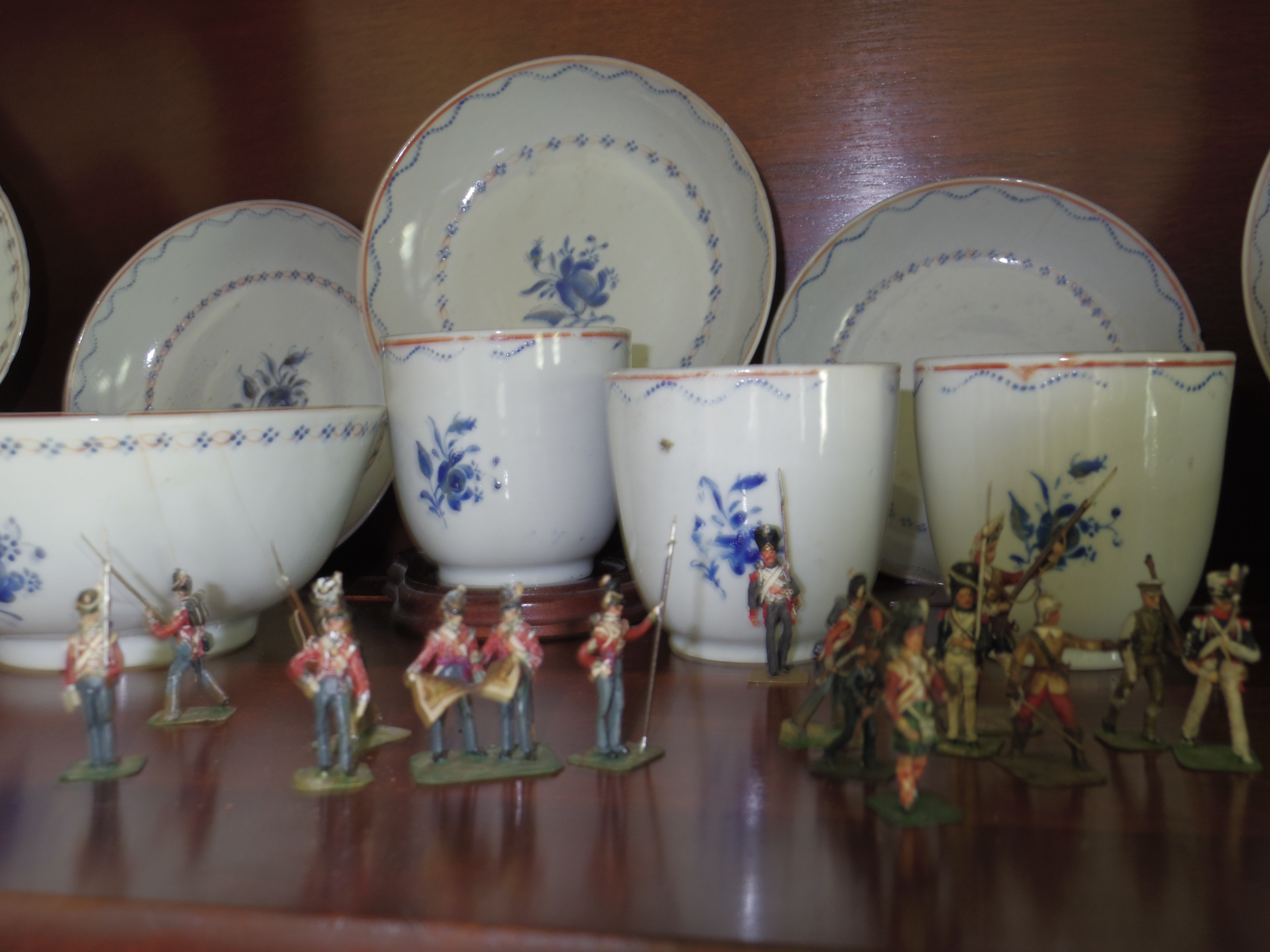
cups

“Your great-great-great-great-grandmother had these cups, when she was married,” said Hepzibah to Phoebe. “She was a Davenport, of a good family. They were almost the first teacups ever seen in the colony; and if one of them were to be broken, my heart would break with it. But it is nonsense to speak so about a brittle teacup, when I remember what my heart has gone through without breaking.”

I had no plans for the 4th of July, so I finished reading The House of Seven Gables by Nathaniel Hawthorne, which I had started (prompted by daughter #2) while on my vacation in Florida. What a great way to spend a good chunk of a day off! It is, indeed, a luxury to be able to read, uninterrupted, for any length of time during the daytime hours when one is a working person who normally crawls into bed exhausted quite early.

I must say, I agree with daughter #2 that old Nathaniel Hawthorne is wonderful and should not be relegated to the reading lists of bored high schoolers.

Published in 1851, the same year as Moby-Dick, The House of Seven Gables explores themes of guilt, retribution, and atonement in a New England family and includes supernatural aspects and witchcraft.

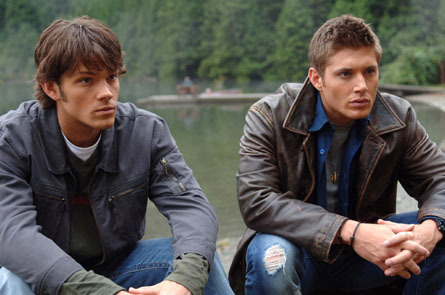
dean-and-sam

I wonder what Dean and Sam would think of it?

But I digress…The story was inspired by a gabled house in Salem belonging to Hawthorne’s cousin Susanna Ingersoll and by those of Hawthorne’s ancestors who played a part in the Salem Witch Trials of 1692. Since we are descendants of one of the teenage girls who was a chief accuser in those same trials (Ann Putnam), I can relate.

It is extremely readable and modern in its approach and organization. I was impressed and will read more Hawthorne! How did I miss him in all my years of reading?

books2

Now I am going to read Fred Vargas’ newest Commissaire Adamsberg mystery The Ghost Riders of Ordebec. If you are not acquainted with Fred Vargas, you should be. I am not a big fan of mysteries, but I like her very much.

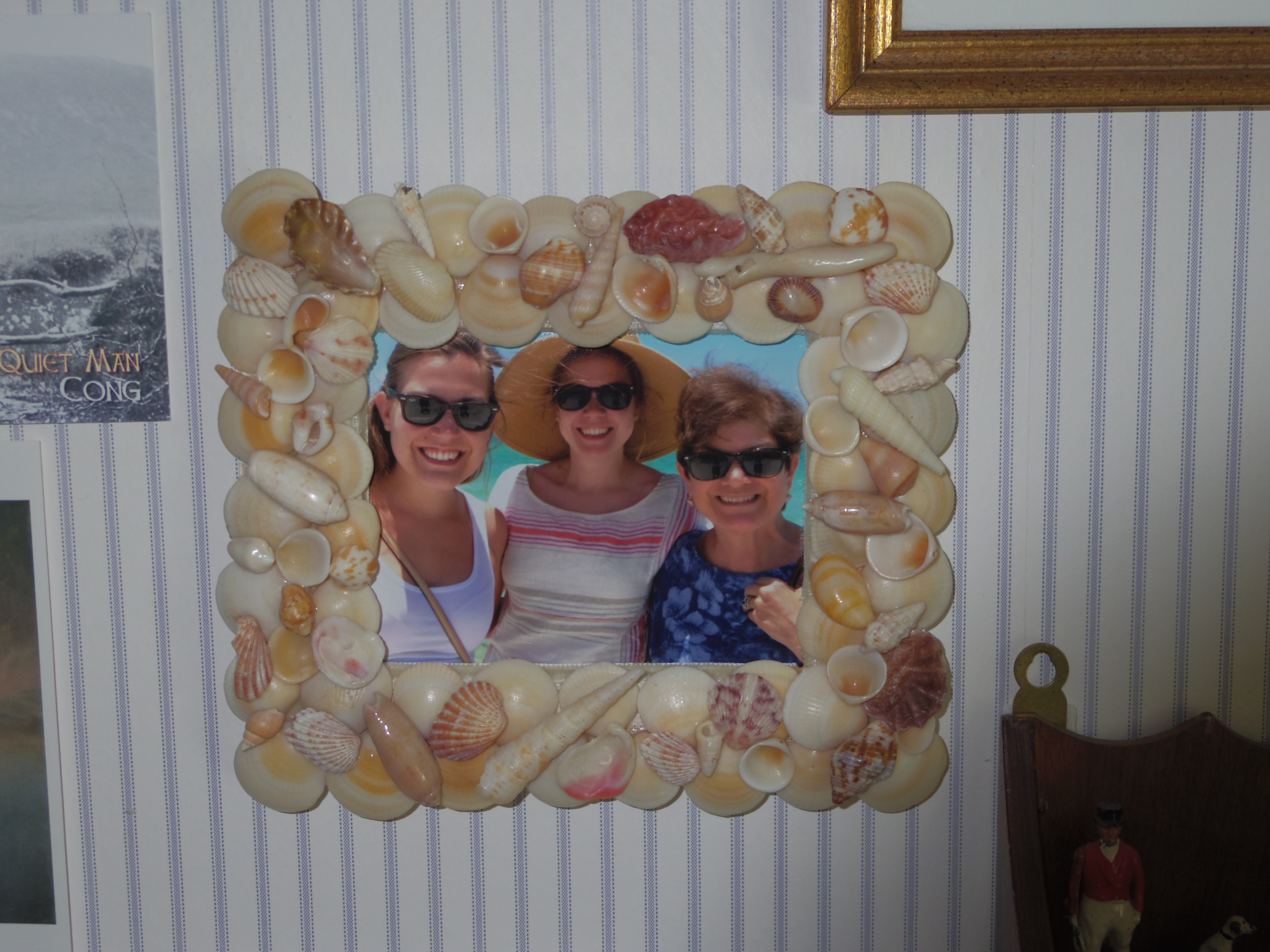
I also framed a Florida memory in an estate sale frame

IMGPfloridapic0081

and hung it on my office wall.

wallpics2

Well, it’s the little things in life that make us the most happy, right? That and fireworks on the levee!

Randys-Fireworks

Long remember

by chuckofish

This week marks the 150th anniversary (July 1–3, 1863) of the battle of Gettysburg in Pennsylvania. The battle involved the largest number of casualties of the entire war (Antietam had the most in a single day) and is often described as the war’s turning point.

Last year I read Long Remember written in 1934 by Mackinlay Kantor.

long remember

It is considered the first “realistic” novel about the Civil War. I guess that means it does not glorify it or romanticize it in any way. It deals with the residents of the town of Gettysburg and how the battle affected them.

“She had never thought that war could be like this, with such a desperate casualness about it. War was fought in fields: there was the field of Shiloh, the field of Antietam, the field of Fredericksburg. She knew; she had read the papers. The papers mentioned nothing of people running across back yards and knocking down the clothes-props as they went.”

I liked it very much and highly recommend it.

I have also read The Killer Angels by Michael Shaara, the Pulitzer Prize-winning novel of 1975.

Killer Angels

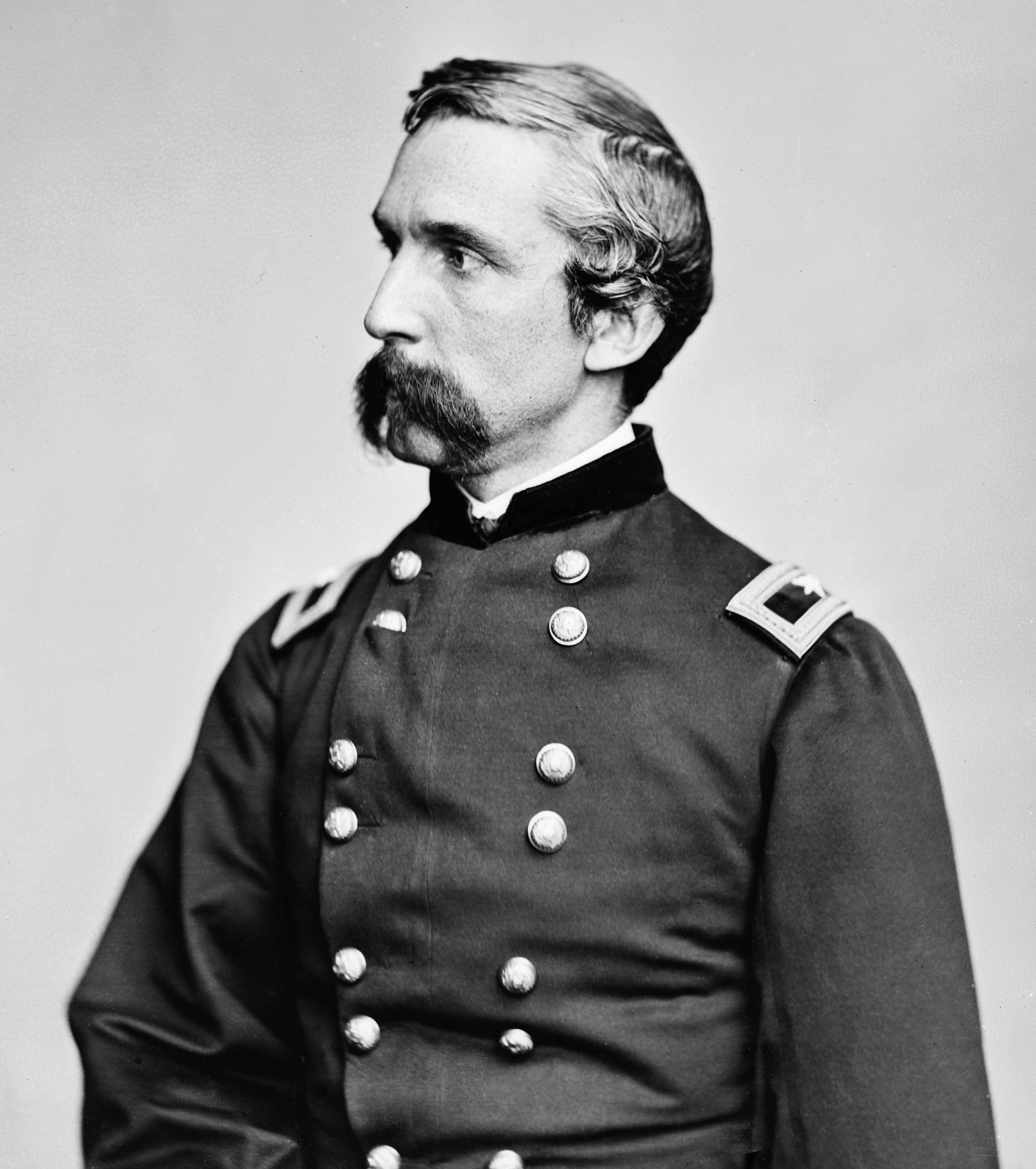
This novel introduces you to all the main players on both sides in the battle of Gettysburg. My favorite, of course, is Joshua Lawrence Chamberlain, who, though we share a surname, I cannot claim as a relative.

Col. Joshua Chamberlain of the 20th Maine Infantry, awarded the Medal of Honor, Governor of Maine and President of Bowdoin College

Col. Joshua Chamberlain of the 20th Maine Infantry, awarded the Medal of Honor, Governor of Maine and President of Bowdoin College

Col. Chamberlain was, of course, a Chamberlain from Maine, while our Chamberlins (sans “a”) hailed from Vermont. You will recall that my dual personality blogged about our other non-relative at Gettysburg, Waldo Farrar here.

They broke the mold when they made old Joshua Chamberlin. A devout Congregationalist and choir member, he was a college professor when the Civil War began. Chamberlain believed the Union needed to be supported by “all those willing” against the Confederacy. Of his desire to serve in the War he wrote to Maine’s Governor Israel Washburn, Jr., “I fear, this war, so costly of blood and treasure, will not cease until men of the North are willing to leave good positions, and sacrifice the dearest personal interests, to rescue our country from desolation, and defend the national existence against treachery.” Chamberlain put his money where his mouth was and joined up.

For his “daring heroism and great tenacity in holding his position on the Little Round Top against repeated assaults, and carrying the advance position on the Great Round Top”, Chamberlain was awarded the Medal of Honor.

In early 1865, Chamberlain was given command of the 1st Brigade of the 1st Division of V Corps, and he continued to act with courage and resolve. On March 29, 1865, his brigade participated in a major skirmish on the Quaker Road during Grant’s final advance that would finish the war. Despite losses, another wound (in the left arm and chest that almost caused amputation), and nearly being captured, Chamberlain was successful and brevetted to the rank of major general by President Abraham Lincoln. Chamberlain gained the name “Bloody Chamberlain” at Quaker Road. Chamberlain kept a bible and framed picture of his wife in his left front “chest” pocket. A confederate shot at Chamberlain. The bullet went through his horse’s neck, hit the picture frame, entered under Chamberlain’s skin in the front of his chest, traveled around his body under the skin along the rib, and exited his back. To all observers Union and Confederate, it appeared that he was shot through his chest. He continued to encourage his men to attack. All sides cheered his valiant courage, and the union assault was successful.

In all, Chamberlain served in 20 battles and numerous skirmishes, was cited for bravery four times, had six horses shot from under him, and was wounded six times.

Chamberlain left the army soon after the war ended, going back to his home state of Maine. Due to his immense popularity he served as Governor of Maine for four one-year terms after he won election as a Republican. His victory in 1866 set the record for the most votes and the highest percentage for any Maine governor by that time. He would break his own record in 1868.

After leaving political office, he returned to Bowdoin College. In 1871, he was appointed president of Bowdoin and remained in that position until 1883, when he was forced to resign due to ill health from his war wounds.

Chamberlain died of his lingering wartime wounds in 1914 at Portland, Maine, age 85, and is buried in Pine Grove Cemetery in Brunswick, Maine. He was the last Civil War veteran to die as a result of wounds from the war.

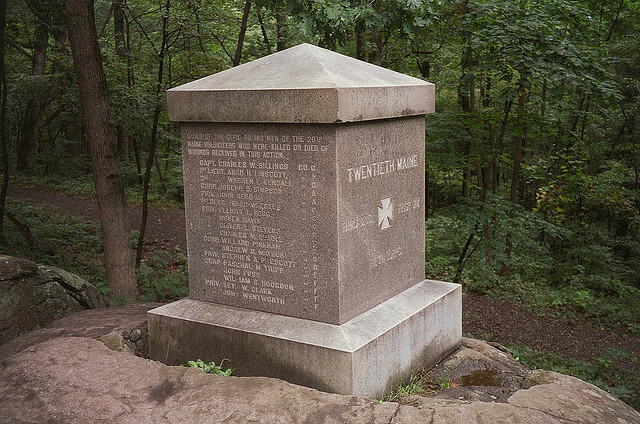
Well, I seem to have gotten off the subject of Gettysburg here, but Col. Chamberlain has that effect on me. We should all toast Col. Chamberlain tonight and all those brave souls who fought during those bloody July days in Gettysburg. Going to the Gettysburg National Military Park is on my bucket list. One of these days.

20thmaine9402_47bb034d2f_z

“The faith itself was simple; he believed in the dignity of man. His ancestors were Huguenots, refugees of a chained and bloody Europe. He had learned their stories in the cradle. He had grown up believing in America and the individual and it was a stronger faith than his faith in God. This was the land where no man had to bow. In this place at last a man could stand up free of the past, free of tradition and blood ties and the curse of royalty and become what he wished to become. This was the first place on earth where the man mattered more than the state. True freedom had begun here and it would spread eventually over all the earth. But it had begun HERE. The fact of slavery upon this incredibly beautiful new clean earth was appalling, but more even than that was the horror of old Europe, the curse of nobility, which the South was transplanting to new soil. They were forming a new aristocracy, a new breed of glittering men, and Chamberlain had come to crush it. But he was fighting for the dignity of man and in that way he was fighting for himself. If men were equal in America, all the former Poles and English and Czechs and blacks, then they were equal everywhere, and there was really no such thing as foreigner; there were only free men and slaves. And so it was not even patriotism but a new faith. The Frenchman may fight for France, but the American fights for mankind, for freedom; for the people, not the land.”

― Michael Shaara, The Killer Angels

Dissolved into something complete and great

by chuckofish

I have gushed previously about Willa Cather on this blog here. I am about to do so again.

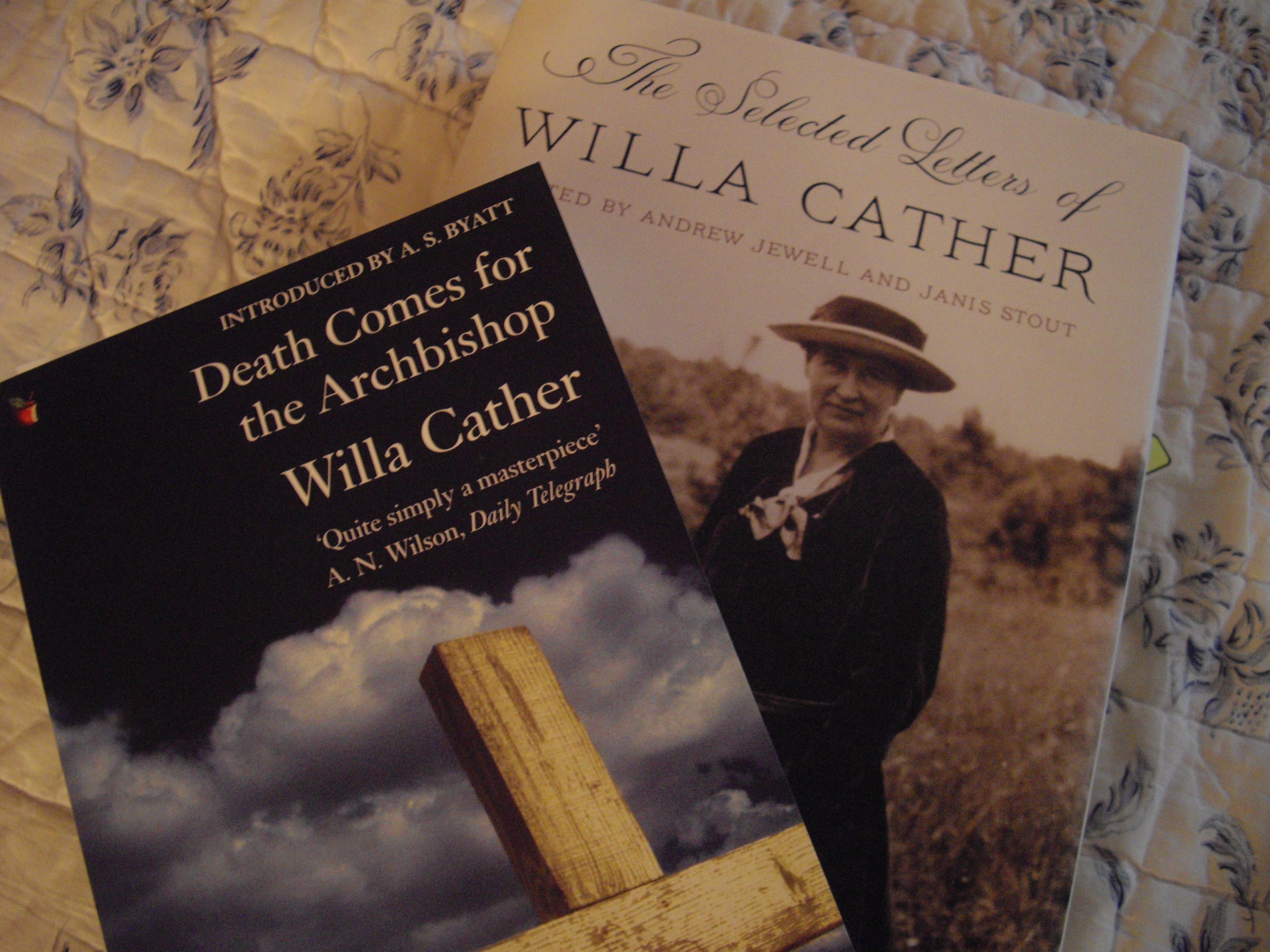
cAther

My dual personality gave me the newly published Selected Letters of Willa Cather for my birthday last month. Cather had left adamant instructions to her executors that her private correspondence not be published or quoted. “The editors of the new collection, Andrew Jewell and Janis Stout, acknowledge in the introduction that this publication flies in the face of Cather’s instructions, as set forth by a will that partially expired in 2011. Still, they believe that publication of her letters will prove invaluable for her legacy, arguing that ‘these lively, illuminating letters will do nothing to damage her reputation.'” (Melville House)

Oh well, I have been enthusiastically reading them. (Personally I think she was very depressed at the end of her life, and that is why she put those particular orders into effect.) I already knew from her fiction, that she was wonderfully talented and deep, but from her letters we get a real sense of Willa as a person. We see what gets her excited and the things that annoy her. We see her feelings hurt by mean-spirited reviewers and her confidence boosted by the encouraging words of worthy people.

“Weeks ago I got such a heart-warming letter from a former president of the Missouri Pacific, Edwin Winter, who as a young man helped to carry the U.P. across Nebraska, and who built the bridge over Dale Creek canyon–the first bridge, which was of timber! He asked if he could come to see me, and on Friday he came. Such a man! all that one’s proudest of in one’s country. He picked the book [My Antonia] up in his club and sat right down and wrote me the most beautiful of letters. I would rather have the admiration of one man like that than sell a thousand books…”

–from a letter to her brother Roscoe Cather, 1919

She loved her family and friends. She never married, and despite what some people who look at everything through the “queer lens” imagine, I think she would have liked to. But she was a passionate artist first and foremost. Had she married and had children, we might not have the wonderful books which are her legacy.

I also read Death Comes for the Archbishop, which she considered to be her best work. It is awesome. It tells the story of two well-meaning and devout French priests who encounter an entrenched Spanish-Mexican clergy whom they are sent to supplant after the United States acquired New Mexico in the Mexican-American War. She is very respectful of the Catholic Church (more so probably than a Catholic would be), and I am happy to say, she is a big fan of our old family friend Kit Carson, who plays a minor role in the novel.

“This Missourian, whose eye was so quick to read a landscape or a human face, could not read a printed page. He could at that time barely write his own name. Yet one felt in him a quick and discriminating intelligence. That he was illiterate was an accident; he had got ahead of books, gone where the printing-press could not follow him. Out of the hardships of his boyhood–from fourteen to twenty picking up a bare living as cook or mule-driver for wagon trains, often in the service of brutal and desperate characters–he had preserved a clean sense of honour and a compassionate heart.”

Through the 1910s and 1920s, Cather was firmly established as a major American writer, receiving the Pulitzer Prize in  1922 for her novel One of Ours. By the 1930s, however, critics began to dismiss her as a “romantic, nostalgic writer who could not cope with the present.” Critics such as Granville Hicks accused Cather of failing to confront “contemporary life as it is.” The same thing happened to Thornton Wilder, you may recall,  and many other writers who are still read today (whereas Granville Hicks is long forgotten). It is good to see Willa Cather appreciated again. I agree with Wallace Stevens who wrote toward the end of her life: “We have nothing better than she is. She takes so much pains to conceal her sophistication that it is easy to miss her quality.” I am so grateful to have finally discovered her!

On a personal note, I was interested to read that one of her favorite nieces graduated from Smith College. I was gratified to learn that the college bestowed an honorary degree on Willa, the year her niece graduated.

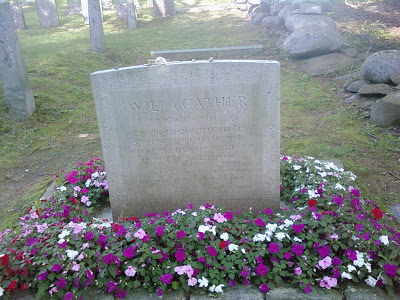
Someday I would like to visit her grave in Jaffrey, New Hampshire.

willacathergrave

WILLA CATHER
December 7, 1873-April 24, 1947
THE TRUTH AND CHARITY OF HER GREAT
SPIRIT WILL LIVE ON IN THE WORK
WHICH IS HER ENDURING GIFT TO HER
COUNTRY AND ALL ITS PEOPLE.
“…that is happiness; to be dissolved
into something complete and great.”
From My Antonia

What the hell happened?*

by chuckofish

I am closing in on the final pages of The Sand Pebbles. This 597-page novel is really wonderful and I highly recommend it. Written by Richard McKenna, it centers on an American gunboat on the Yangtze River in 1926. The author completed it in May, 1962, just in time to enter it in the 1963 Harper Prize Novel Contest. Not only was it picked over 544 other entries for the $10,000 first prize and accepted for publication by Harper & Row, but it was also chosen as the following January’s Book-of-the-Month Club selection. It was also serialized in the Saturday Evening Post for the three issues from November 17, 1962 through December 1, 1962.

mckenna

The author’s life story is not the usual back-of-the-book blurb. Enlisting in the Navy in 1931 at the age of 18, he served until 1953 when he retired after 22 years of service as a machinist’s mate. He then entered the University of North Carolina. He received his degree in English in 1956, married one of the university librarians and settled down to write. Sadly, he died in 1964 at the age of 51, but one feels that to have written his magnus opus and seen it published to acclaim is a great thing. He must have been an extraordinary man.

I am reminded of what John Steineck said about his own East of Eden: “I put everything I knew into that book.” One feels this is the case with Richard McKenna. The Sand Pebbles is full of truth. The author pours everything he has into this well-crafted, well-written story of a man struggling to understand himself and the world he finds himself in.

Jake Holman, the hero of the story, is a great character with whom many can relate:

They could command you what you had to do, he thought, but they could not command you how you had to feel about it, although they tried. So you did things their way and you felt about them your own way, and you did not let them know how you felt. That way you kept the two things separate and you could stand it.

One imagines that there is a whole lot of Richard McKenna in Jake. Toward the end of the book he describes Jake’s thoughts about Shirley, the missionary teacher: “He kept her deliberately on the edge of his dream. He would get books from her and read them and later they would talk about them. They would be friends, but she would still be just a teacher.” One can’t help thinking of the author’s courtship of the UNC librarian.

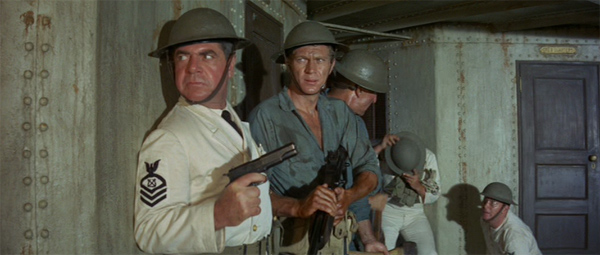
The movie, which was released in 1966, is one of my favorites and Steve McQueen is perfectly cast as Jake Holman.

Any excuse to insert a picture of Steve McQueen in the blog is a good one.

Any excuse to insert a picture of Steve McQueen in the blog is a good one.

The screenwriter did take many liberties with the story, however, which is a necessity I suppose with such a long, detailed book. In the book the sailors (the “sand pebbles”) are good guys deep down and not all are the low-lifes portrayed in the movie. The captain, also, is a good guy and not the duty-obsessed, blinders-wearing martinet portrayed in the film.

Perhaps it is better that Richard McKenna never saw it.

*P.S. No one says this in the book. Instead, Jake says, “Go to hell, you bastards!” The book is always better.

Now learn

by chuckofish

vincent-van-gogh-paintings-from-arles-221

“Now learn,” she commanded herself, “learn at last that anywhere you may expect grace.” And she was filled with happiness like a girl at this new proof that the traits she lived for were everywhere, that the world was ready.”

–Thornton Wilder, The Bridge of San Luis Rey