dual personalities

Tag: books

A sermon and a half

by chuckofish

WarholChristmas1

“Well done!” he said. “And remember: Worry about nothing, pray about everything.” He’d gotten this message from a wayside pulpit somewhere–a sermon and a half in a half dozen words, and a splendid exegesis of the Philippians passage.

Shepherds Abiding, Jan Karon

I highly recommend reading some Jan Karon during this holiday season. It has a calming effect. And it reminds us that we shouldn’t take everything quite so seriously.

I have been slowly but surely getting things done around my house.

After a few false starts my little tree is up. The old man and I could not, between the two of us, wrestle it into its stand. We gave up, amid a shower of pine needles and exclamations of “goddamit!”, convinced that we needed a new stand. So after work on Tuesday I stopped at our neighborhood hardware store and had a meaningful conversation with the man there. He advised me to wrap the trunk of my tree with electrical tape and try again. Which I did when I got home. I am proud to say that I got the tree in the stand (without the aid of Mr. Goddammit). Later in the evening I put the lights on and decorated it.

IMGP0830

Pretty nice, don’t you think?

IMGP0832

I wrote my Christmas letter and mailed it to my out-of-town friends and family this week. I also mailed my Christmas package to my dual personality. Check and check.

We are cooking with gas.

Animals all, as it befell

by chuckofish

Illustration by Ernest Shepherd

Illustration by Ernest Shepard

It was a pretty sight, and a seasonable one, that met their eyes when they flung the door open. In the fore-court, lit by the dim rays of a horn lantern, some eight or ten little field mice stood in a semicircle, red worsted comforters round their throats, their fore-paws thrust deep into their pockets, their feet jigging for warmth. With bright beady eyes they glanced shyly at each other, sniggering a little, sniffing and applying coat-sleeves a good deal. As the door opened, one of the elder ones that carried the lantern was just saying, ‘Now then, one, two, three!’ and forthwith their shrill little voices uprose on the air, singing one of the old-time carols that their forefathers composed in fields that were fallow and held by frost, or when snow-bound in chimney corners, and handed down to be sung in the miry street to lamp-lit windows at Yule-time.

CAROL

Villagers all, this frosty tide,
Let your doors swing open wide,
Though wind may follow, and snow beside,
Yet draw us in by your fire to bide;
Joy shall be yours in the morning!

Here we stand in the cold and the sleet,
Blowing fingers and stamping feet,
Come from far away you to greet—
You by the fire and we in the street—
Bidding you joy in the morning!

For ere one half of the night was gone,
Sudden a star has led us on,
Raining bliss and benison—
Bliss to-morrow and more anon,
Joy for every morning!

Goodman Joseph toiled through the snow—
Saw the star o’er a stable low;
Mary she might not further go—
Welcome thatch, and litter below!
Joy was hers in the morning!

And then they heard the angels tell
‘Who were the first to cry NOWELL?
Animals all, as it befell,
In the stable where they did dwell!
Joy shall be theirs in the morning!’

The voices ceased, the singers, bashful but smiling, exchanged sidelong glances, and silence succeeded—but for a moment only. Then, from up above and far away, down the tunnel they had so lately travelled was borne to their ears in a faint musical hum the sound of distant bells ringing a joyful and clangorous peal.

The Wind In the Willows, Kenneth Grahame
You can read the whole chapter here.

Doesn’t everybody love this book? Even Theodore Roosevelt wrote a fan letter to Kenneth Grahame. You can read it here.

By the way, Kenneth Grahame bequeathed all the royalties from his works to ‘the University of Oxford for the benefit of the Bodleian Library’, an act of generosity that has enabled the Library to purchase many important books and manuscripts over the years. His wife Elspeth Grahame was a great supporter of the Friends of the Bodleian, and made important gifts to the Library through donation and bequest.

On a related note, a descendent of the original Sir Thomas Bodley, who “re-founded” the Oxford library in 1598, ended up in my flyover town and in the 1850s was one of the original members and founders of my own Grace Episcopal Church. There is a Bodley Road here in town as well. Isn’t that something?

But as you know, that is how my mind works.

What do you seek so pensive and silent?* What are you reading?

by chuckofish

IMGP0816

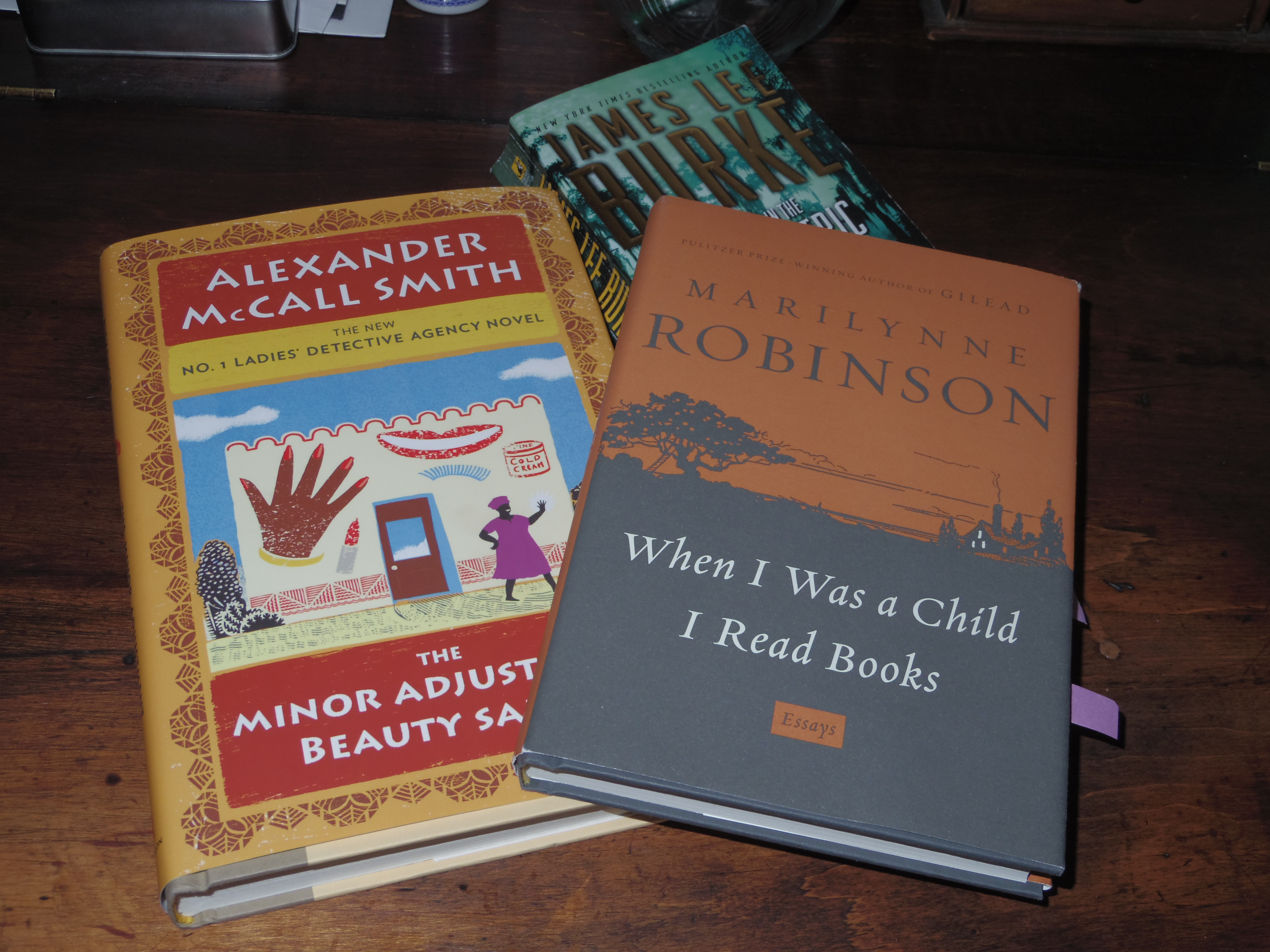
I have been all over the board (and map) recently with my reading choices. I read a good mystery by James Lee Burke, In the Electric Mist with Confederate Dead. I like the detective Dave Robicheaux and the author knows what he is writing about. The characters are not wooden and/or cardboard and the locale is detailed and real. A lot of bad things happen, however, and so I probably will not be in a hurry to read more, but if you like good, well-written mysteries, here you go.

From the low life in Louisiana I headed to lovely Botswana and the fourteenth entry in the #1 Ladies Detective series by Alexander McCall Smith. As I have said before, there is certainly not a lot to these novels. Nothing much happens and some of the characters are downright annoying, but when I am in the right mood, I don’t care. I like Precious Romotswe and her little white van. The author skillfully weaves a gentle tale of friendship and family. We are reminded that people are the same everywhere and the important things in life do not change. It is good to be reminded of this.

From there I moved on to the wonderful Marilynne Robinson and her engagingly titled book of essays When I Was a Child I Read Books. I can relate to that. I love everything Marilynne has ever published–and sadly that is not a whole lot–but she is one of those people who, if I ever met her and tried to have a conversation with her, I would feel like this:

Speechless

She just knows so much and is so articulate. But she is on my page. She looks at history in context. She likes to give credit where it is due. She questions arrogant scientists. She is a Calvinist. I highly recommend her, if you are up to it.

Now I am back to the what-to-read-next question. What are you reading?

*Old Walt Whitman

What are you reading?

by chuckofish

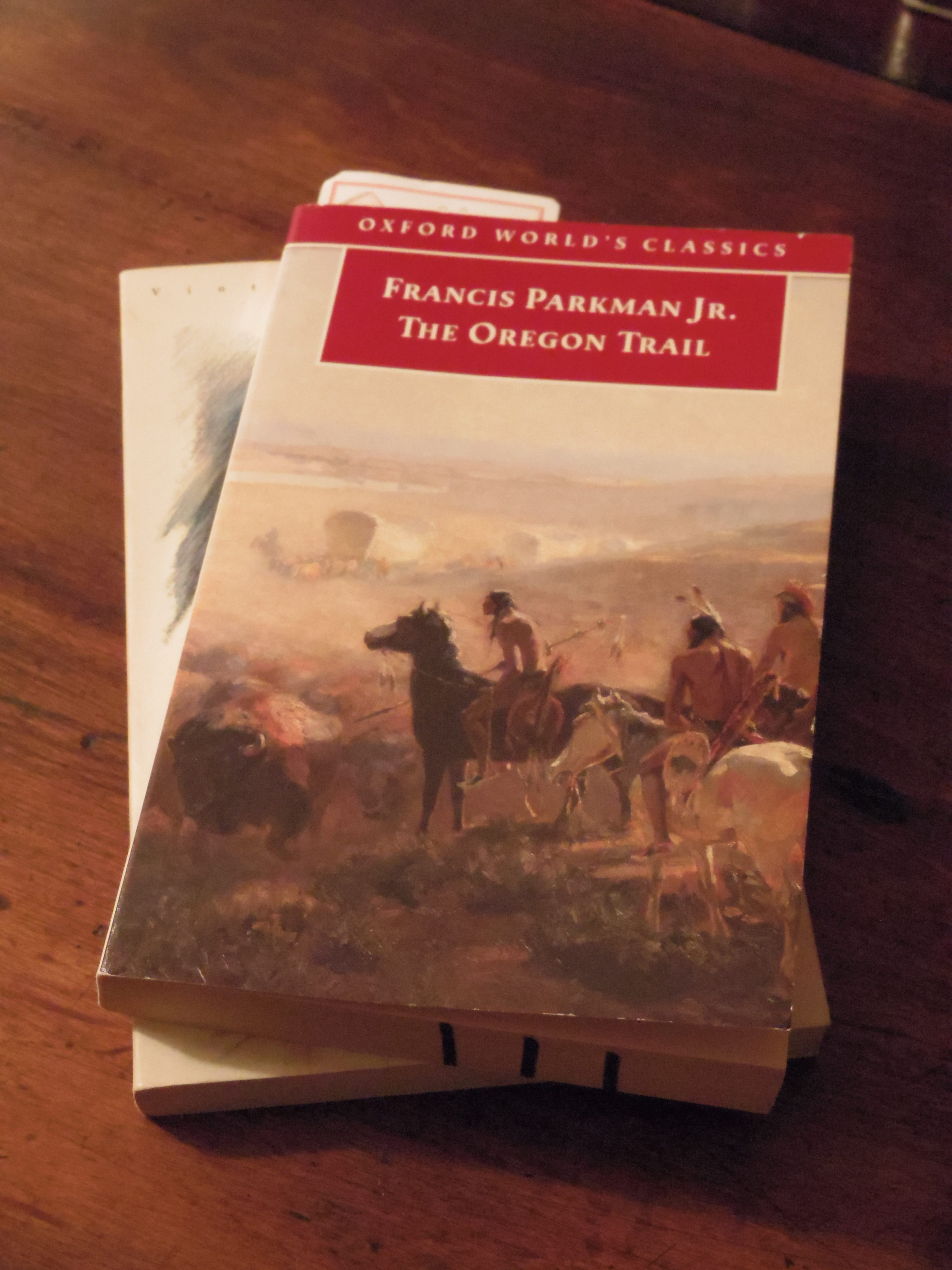
Recently I was looking around for something to read. It dawned on me, after looking something up in The Oregon Trail by Francis Parkman–something to do with our great-great grandmother’s stepfather (the mysterious Austrian Louis Vogel, whom Parkman describes as shifty-eyed)–that I should just read the whole thing.

oregon trail

The Oregon Trail: Sketches of Prairie and Rocky-Mountain Life, you will recall, was originally serialized in twenty-one installments in Knickerbocker’s Magazine (1847–49) and subsequently published as a book in 1849. It is an engaging first-person account of a 2-month summer tour in 1846 of territory that would become the U.S. states of Nebraska, Wyoming, Colorado, and Kansas. Parkman, a Harvard graduate from a distinguished Boston family, was 23 at the time.

Young_Francis_Parkman

The heart of the book covers the three weeks he spent hunting buffalo with a band of Oglala Sioux.

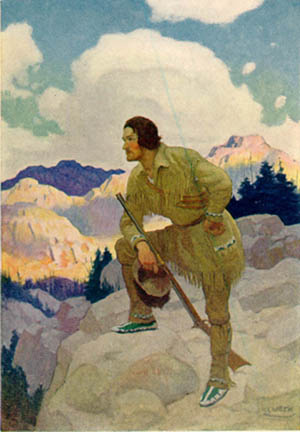
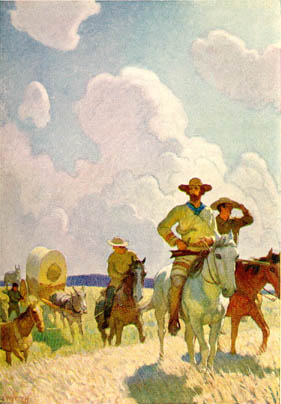
Francis Parkman by N.C. Wyeth

Francis Parkman by N.C. Wyeth

Through much of his trip Parkman suffers terribly from dysentery, but he soldiers on admirably and his tone never reflects the misery he must have experienced. At one point he considers,

“Am I,” I thought to myself, “the same man who a few months since, was seated, a quiet student of belles-lettres, in a cushioned arm-chair by a sea-coal fire?”

He undertook this adventure in large part because he had been fascinated by the American Indian since childhood. If he was expecting the “noble red man” of popular fiction, however, he appears to have been disappointed. What he finds and documents without prejudice is far from that stereotype. He sees too that change is bound to come.

Great changes are at hand in that region. With the stream of emigration to Oregon and California, the buffalo will dwindle away, and the large wandering communities who depend on them for support must be broken and scattered. The Indians will soon be corrupted by the example of the whites, abased by whisky, and overawed by military posts; so that within a few years the traveler may pass in tolerable security through their country. Its danger and its charm will have disappeared together.

The Parkman Outfit. Henry Chatillon, Guide and Hunter, by N.C. Wyeth

The Parkman Outfit. Henry Chatillon, Guide and Hunter, by N.C. Wyeth

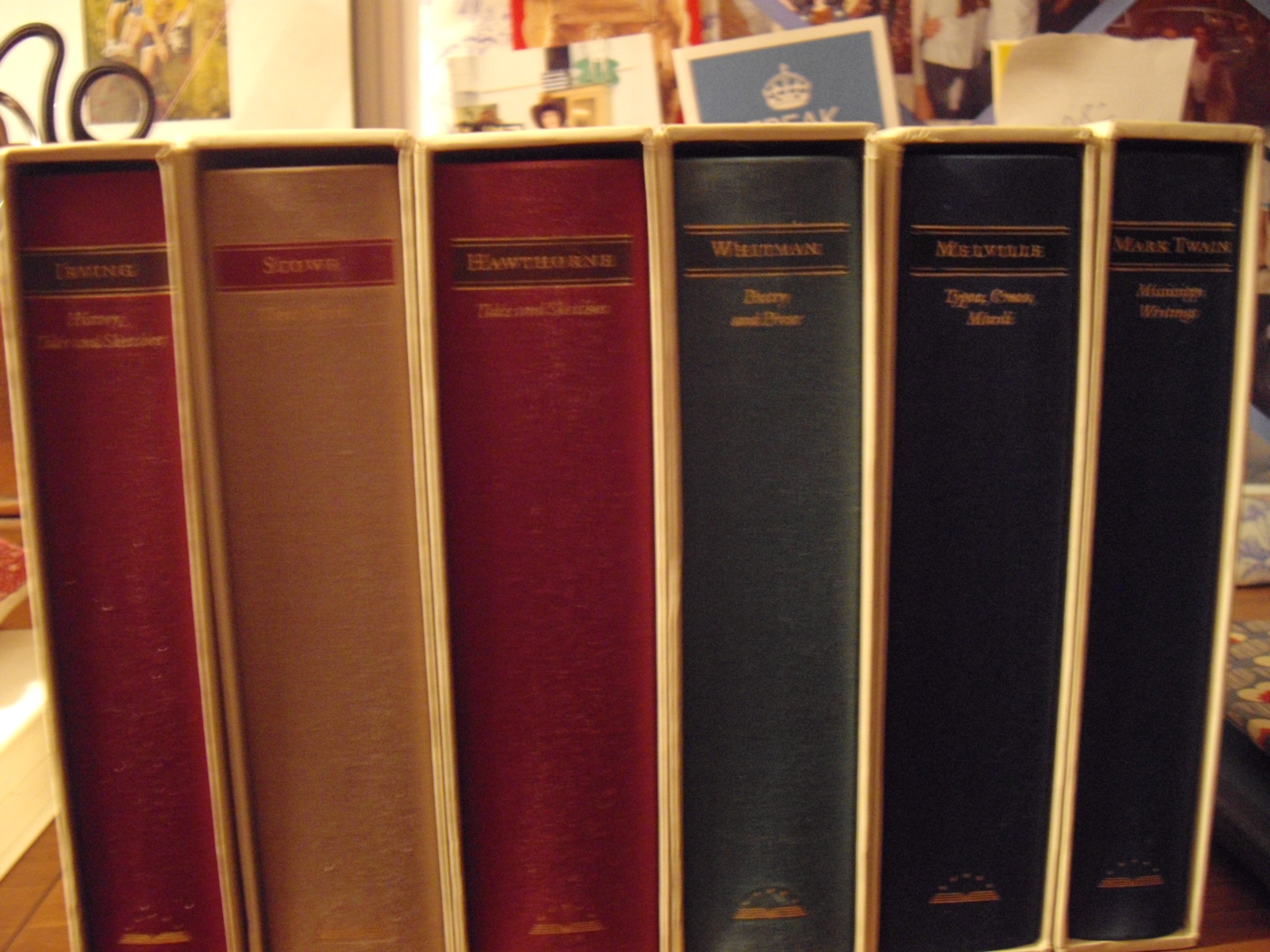
I am enjoying the book immensely. Parkman evokes the same mid-19th-century youth and optimism found in Whitman and to some extent in Melville–who reviewed the book favorably when it was published.

It is indeed a remarkable thing that this brave young scion of Boston made this arduous trip and recorded it. We should be grateful, because it is amazing to me how little exists in the way of reliable records from this period. Most westerners were too busy (and some illiterate as well) to write anything down. Parkman’s travels with his friend John Quincy Shaw and his telling of them are a treasure. Clearly he learned a lot on his journey–about the land and about himself.

Shaw and I were much better fitted for this mode of traveling than we had been on betaking ourselves to the prairies for the first time a few months before. The daily routine had ceased to be a novelty. All the details of the journey and the camp had become familiar to us. We had seen life under a new aspect; the human biped had been reduced to his primitive condition. We had lived without law to protect, a roof to shelter, or garment of cloth to cover us. One of us at least had been without bread, and without salt to season his food. Our idea of what is indispensable to human existence and enjoyment had been wonderfully curtailed, and a horse, a rifle, and a knife seemed to make up the whole of life’s necessities. For these once obtained, together with the will to use them, all else that is essential would follow in their train, and a host of luxuries besides. One other lesson our short prairie experience had taught us; that of profound contentment in the present, and utter contempt for what the future might bring forth.

One lesson I have learned from reading this volume is that there are hundreds of books on my own shelves worth reading and re-reading!

booksebay

What are you reading?

Good grief, Charlie Brown

by chuckofish

The comic strip Peanuts was introduced on October 2, 1950 and ran for nearly 50 years. The final original strip ran on February 14, 2000.

First_Peanuts_comic

According to Wikipedia, Peanuts is the most popular and influential strip in the history of the comic strip, with 17,897 strips published in all. At its peak, Peanuts ran in over 2,600 newspapers, with a readership of 355 million in 75 countries, and was translated into 21 languages. It helped to cement the four-panel gag strip as the standard in the United States, and together with its merchandise earned Schulz more than $1 billion. Reprints of the strip are still syndicated and run in almost every U.S. newspaper.

Calvin and Hobbes creator Bill Watterson wrote:

“Peanuts pretty much defines the modern comic strip, so even now it’s hard to see it with fresh eyes. The clean, minimalist drawings, the sarcastic humor, the unflinching emotional honesty, the inner thoughts of a household pet, the serious treatment of children, the wild fantasies, the merchandising on an enormous scale — in countless ways, Schulz blazed the wide trail that most every cartoonist since has tried to follow.”

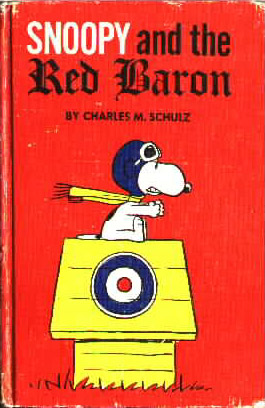
As a child, I was a great fan of Peanuts. My 5th grade friends always compared me to Lucy, but I definitely related to the misfit Charlie Brown who didn’t get invited to parties and never got Valentines, and to the spiritual, but uncertain, Linus who sucked his thumb and had a blanket. So had I. I kept a scrapbook of clippings and had many books and several stuffed Peanuts character dolls. My brother once made me a balsa wood dog house for a Snoopy figure. It was painted to look like his WWI doghouse-fighter plane.

snoopy

It was probably the nicest present he ever gave me.

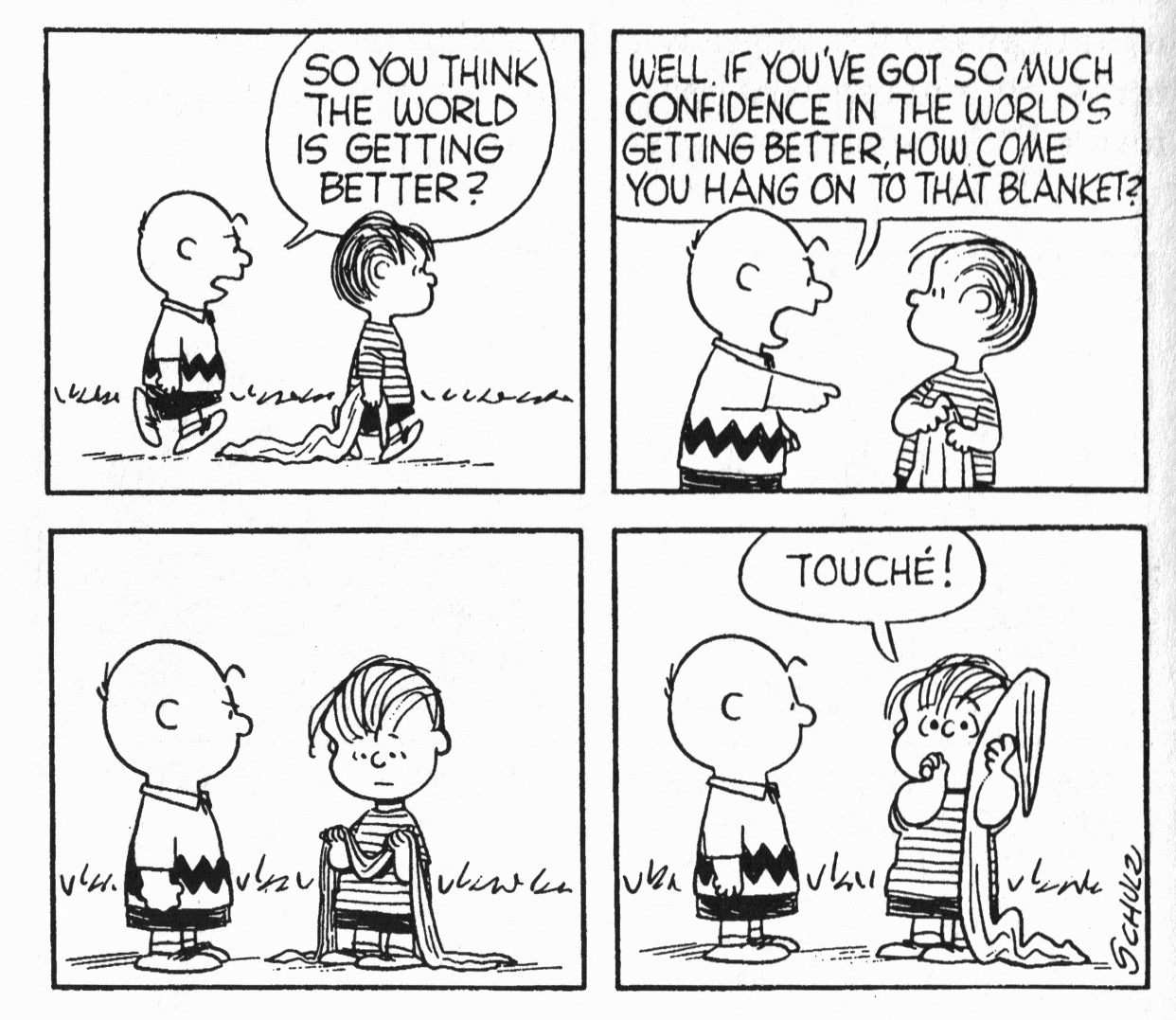
Although a “comic” strip, I always had the sense that it was inherently sad. Life is sad and the knowledge of that is what ultimately binds us together. Clearly Charles Monroe Schulz (November 26, 1922 – February 12, 2000), even with a nickname like Sparky, understood that too.

peanuts1

What are you reading?

by chuckofish

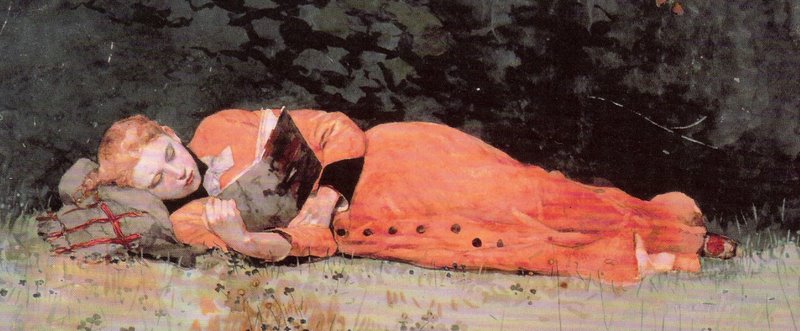
Girl-reading-758651

Lately I have had a hard time finding something good to read. I have started several novels, but never gotten too far with any of them.

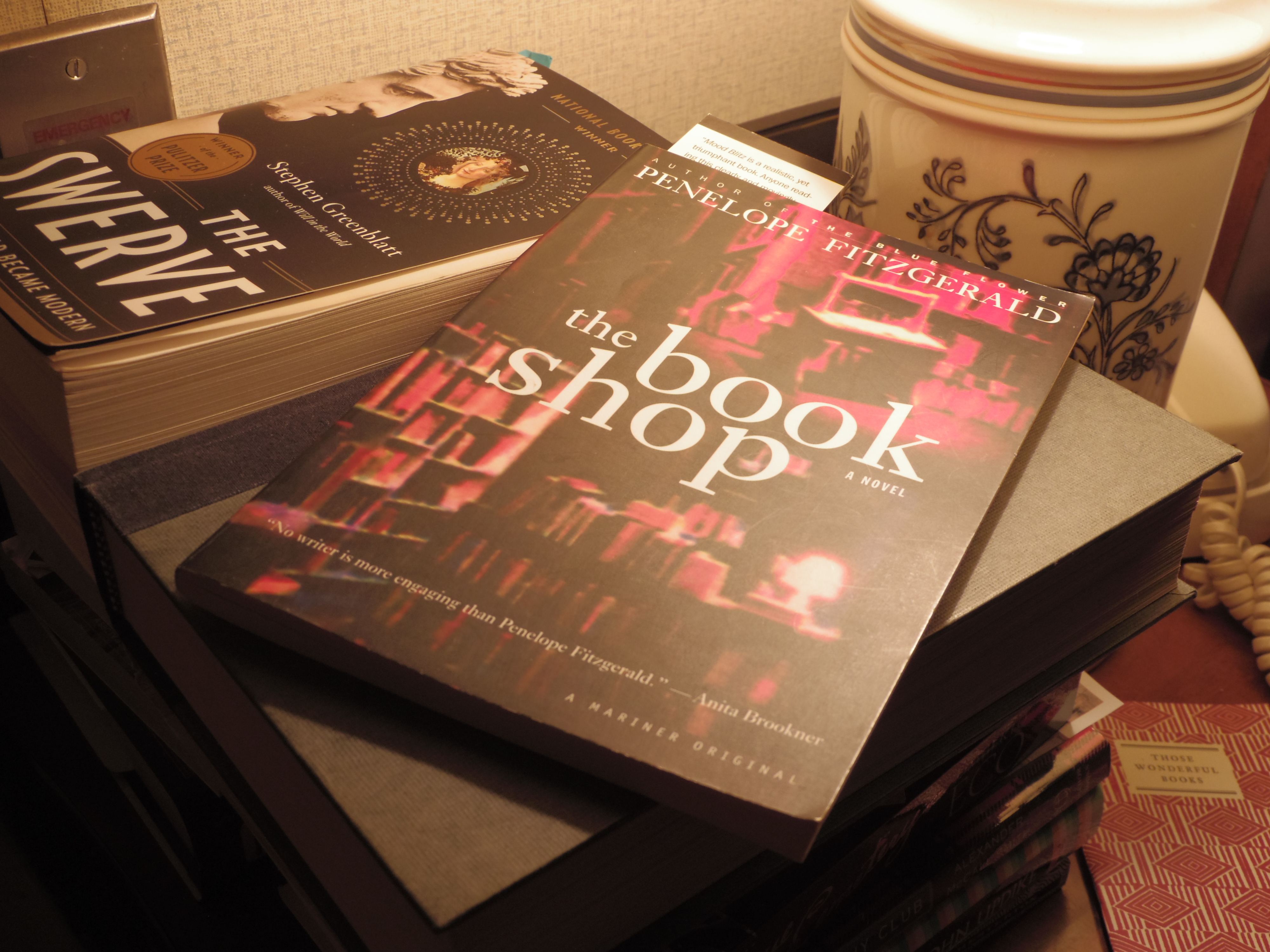
Then someone at work handed me a copy of The Bookshop by Penelope Fitzgerald. It is really good!

books

The novel, set mainly in 1959, centers around Florence Green, a middle-aged widow, who decides to open a bookshop in the small fictional town of Hardborough, Suffolk. The characters are expertly wrought with few wasted words.

“What seemed delicacy in him was usually a way of avoiding trouble; what seemed like sympathy was the instinct to prevent trouble before it started. It was hard to see what growing older would mean to such a person. His emotions, from lack of exercise, had disappeared almost altogether. Adaptability and curiosity, he had found, did just as well.”

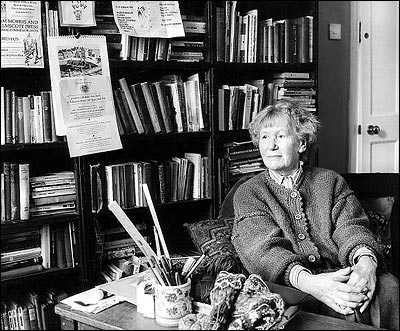
Penelope Fitzgerald (17 December 1916 – 28 April 2000) was a Booker Prize-winning English novelist, poet, essayist and biographer. I had read Fitzgerald’s highly-touted final novel, The Blue Flower, published in 1995, which centers on the 18th century German poet and philosopher Novalis. I liked it, but I didn’t go on a Penelope Fitzgerald binge like I sometimes do with a newly discovered author.

I can relate.

I can relate.

She launched her literary career in 1975, at the age of 58, when she published a biography of Pre-Raphaelite artist Edward Burne-Jones (1833–1898). This was followed two years later by The Knox Brothers, a biography of her well-known father and uncles. Later, in 1977, she published her first novel, The Golden Child, a comic murder mystery with a museum setting inspired by the Tutankhamun mania earlier in the decade. Clearly a girl after my own heart.

I love a late-bloomer, don’t you? It gives one hope.

What are you reading?

R.I.P. Elmore Leonard

by chuckofish

Elmore Leonard (October 11, 1925 – August 20, 2013) died last week at the age of 87. He was an American novelist and screenwriter. His earliest novels, published in the 1950s, were westerns, but Leonard went on to specialize in crime fiction and suspense thrillers, many of which have been adapted into popular films.

None of these literary genres is a particular favorite of mine, but I have always appreciated Leonard as a better writer than most in his chosen field. And, of course, he wrote the novel Hombre in 1961 on which the 1967 movie was based. It is one of my favorite westerns.

hombre

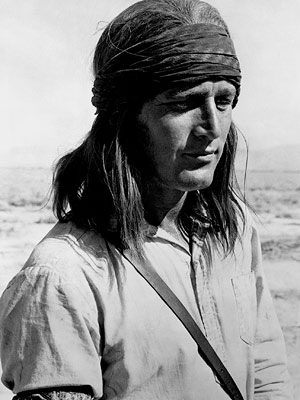
In this film Paul Newman plays John Russell, a white man brought up as an Apache. It is a classic tale of strangers on a stagecoach, journeying through hostile territory. The ‘bad guys’ are led by the scary Richard Boone. Unfortunately, the ‘good guys’ aren’t much better. As Boone says to Frederick March (who has billed the government for food for the Indians and then kept the money while the Indians starve to death), “Looks like you did good and we did better…You know, the thing is; [you] ought to be over here with us instead of standin’ over there.” That, indeed, is the crux of the story. Russell/Hombre wants no part of the others on the stage, but they look to him to get them out of their predicament. And as much as he doesn’t want to, he is forced by circumstances (and Diane Cilento) to do “the right thing”.

Hombre is also my favorite Paul Newman movie, along with Cool Hand Luke, which amazingly was made the same year. He is just over 40 and at the peak of his powers. Awesome.

It would be a worthy tribute to watch Hombre in memory of Elmore Leonard. It is an underrated film–I don’t know why–and classic Leonard before he became famous.

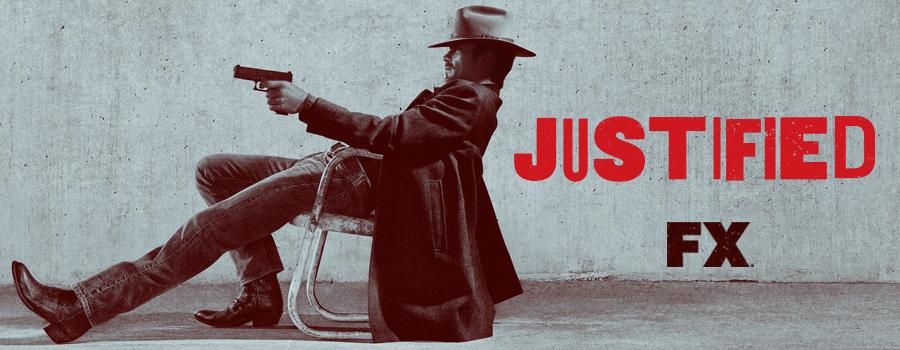
You could also watch an episode or two of Justified, an FX show which is based on Elmore Leonard’s novels Pronto and Riding the Rap and his short story “Fire in the Hole.” An evening with U.S. Marshall Raylen Givens would not be a bad idea either.

key_art_justified

I’m just sayin’.

“The world was hers for the reading.”*

by chuckofish

IMGP0420

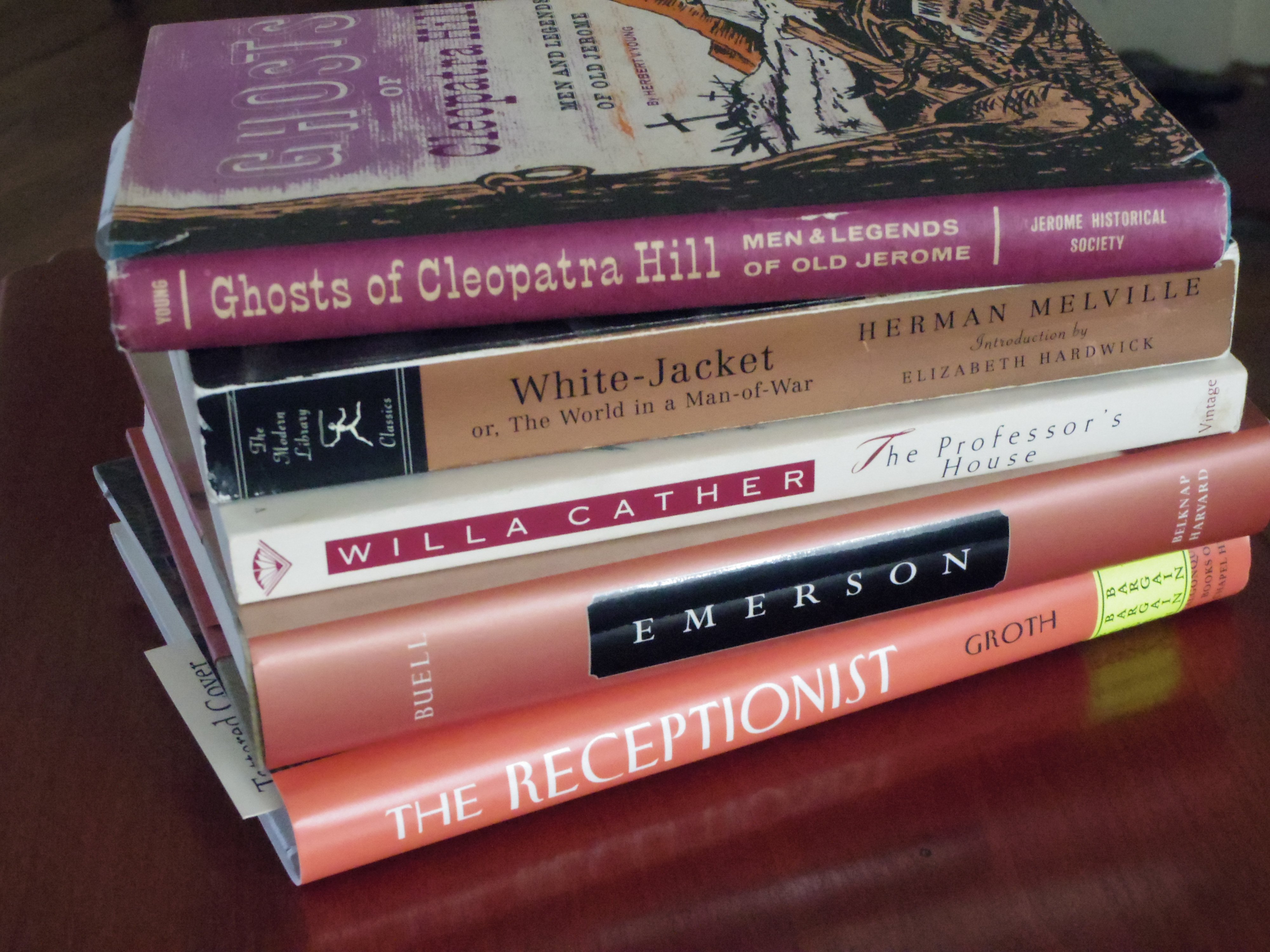
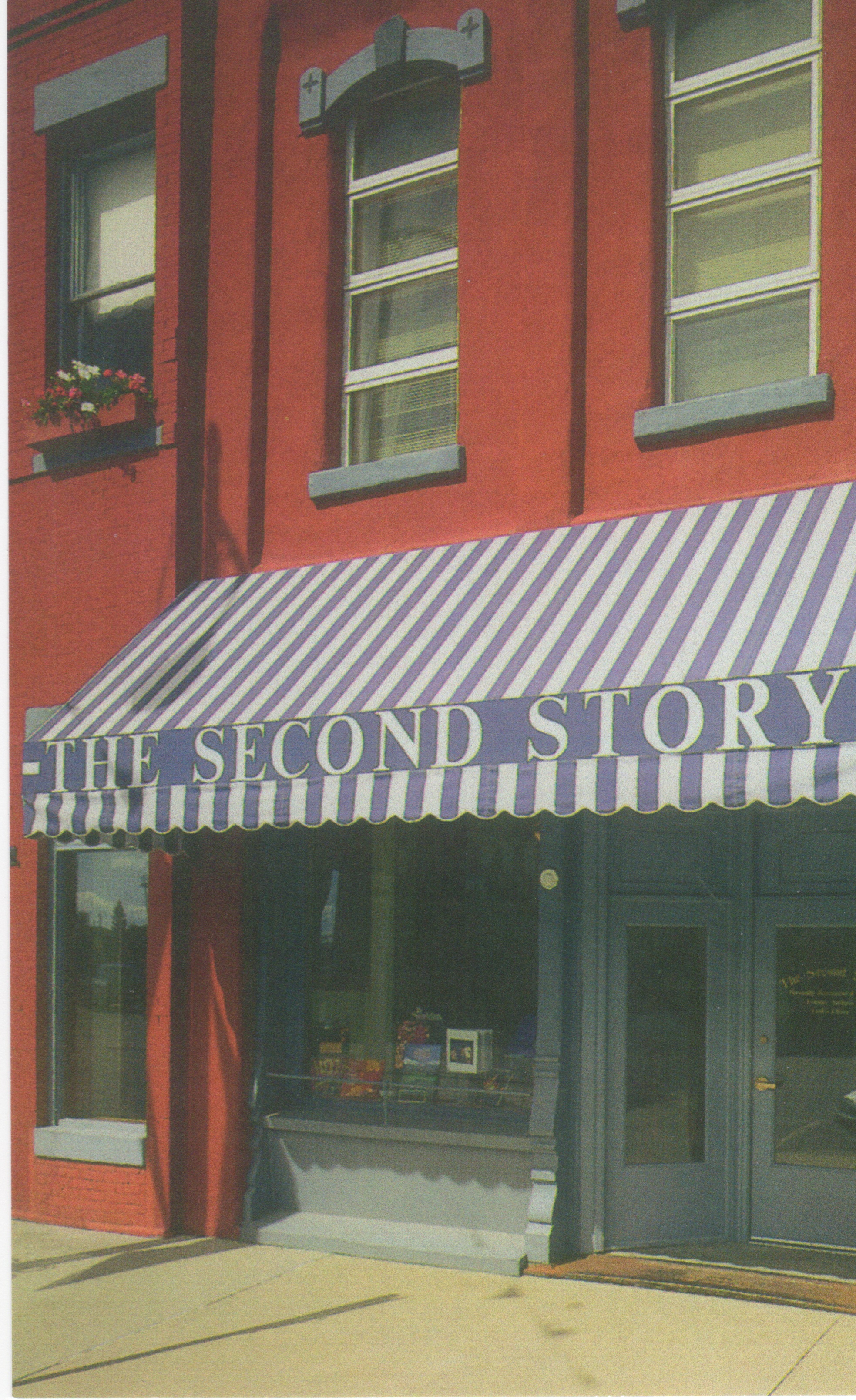
One of the great things about traveling is discovering new used book stores. We went to four used book stores–one in Denver, two in Laramie and one in Boulder. And, of course, I bought some books!

bookstore

They usually look like this one in Laramie. One of the small pleasures of life.

Another small pleasure? College/University bookstores!

IMGP0421

Don’t you love used books?

*Betty Smith wrote that in A Tree Grows in Brooklyn.

Tout va bien

by chuckofish

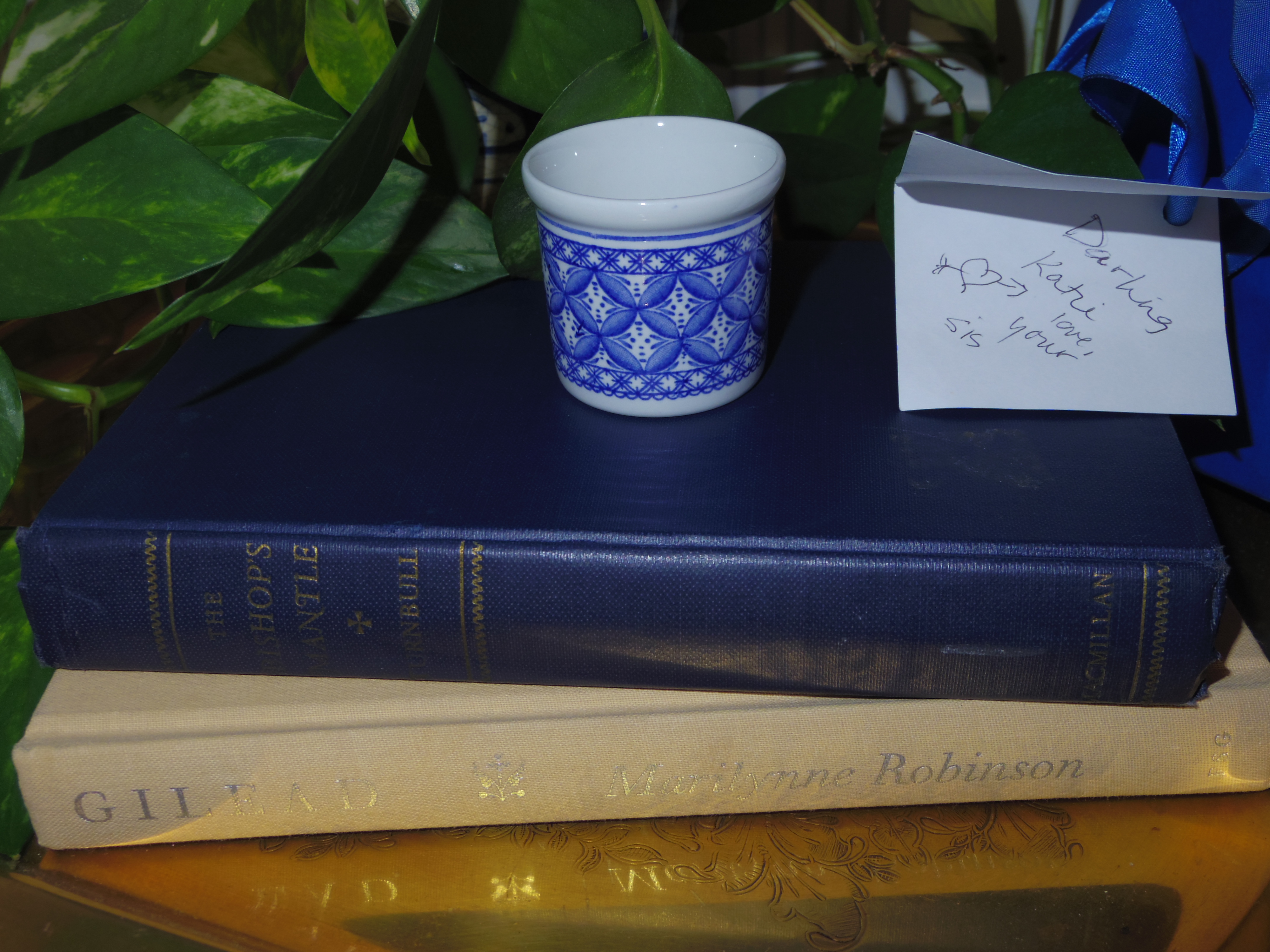
Happiness is a care package from your dual personality!

care2

After a hard day at the salt mines, I was thrilled to find a wee package waiting for me at home yesterday. Inside were two books (a hardback copy of one of my favorites–Gilead by Marilynne Robinson–and The Bishop’s Mantle by Agnes Sligh Turnbull, which I have not read) and a small Spode votive candle holder.

Wasn’t that thoughtful?

In other news, I read on the Habitually Chic blog about the new documentary “Salinger” coming out next month:

I will hope for the best, but, as always, I’ll expect the worst*. Very few people understood old J.D.S. back in the day and that is why he went into seclusion and chose not to publish anymore. He’d had enough. Why is that hard to understand?

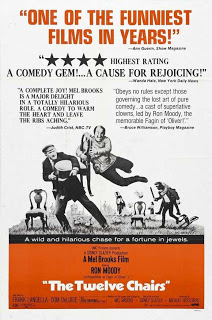
*I know what you’re thinking. You’re wondering what the origin of that expression is. Well, I don’t know, but I always think of Mel Brooks! So here are the lyrics to the classic song by Mel Brooks from his movie The Twelve Chairs:

Hope for the best, expect the worst
Some drink champagne, some die of thirst
No way of knowing
Which way it’s going
Hope for the best, expect the worst!

Hope for the best, expect the worst
The world’s a stage, we’re unrehearsed
Some reach the top, friends, while others drop, friends
Hope for the best, expect the worst!

I knew a man who saved a fortune that was splendid
Then he died the day he’d planned to go and spend it
Shouting “Live while you’re alive! No one will survive!”
Life is sorrow – – here today and gone tomorrow
Live while you’re alive, no one will survive – – there’s no guarantee

Hope for the best, expect the worst
You could be Tolstoy or Fannie Hurst
You take your chances, there are no answers
Hope for the best expect the worst!

I knew a man who saved a fortune that was splendid
Then he died the day he’d planned to go and spend it
Shouting “Live while you’re alive! No one will survive!”
Life is funny – – Spend your money! Spend your money!
Live while you’re alive, no one will survive – – there’s no guarantee


Hope for the best, expect the worst

The rich are blessed, the poor are cursed

That is a fact, friends, the deck is stacked, friends

Hope for the best, expect the – –
(even with a good beginning, it’s not certain that you’re winning,
even with the best of chances, they can kick you in the pantses)

Look out for the – – watch out for the worst!
Hey!

THE TWELVE CHAIRS movie poster for blog

I tried to watch The Twelve Chairs recently and didn’t make it through. Not that funny. But the song is classic.

A new month and a few things to keep in mind

by chuckofish

deskaugust

A new month, a new calendar page and the end of summer in sight. For those of us in this flyover state it has not been a bad summer weather-wise. Indeed, we have had lovely long stretches of Michigan-esque weather. By this time, usually, we are counting the days ’til fall, but not this year. I am in no hurry for school to be back in session full throttle. I plan to enjoy the dog days that are left of summer 2013.

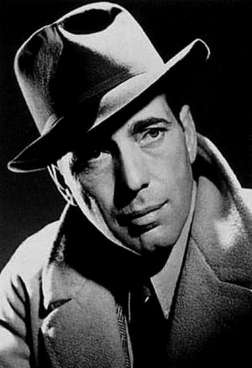
The August TCM star of the month is old Humphrey Bogart, film idol and Episcopalian.
bogart

As I’ve mentioned before, my mother had a preference for Warner Brothers stars, such as Bogart and Errol Flynn, because she went to see all those movies at the Lewis J. Warner ’28 Memorial Theater at Worcester Academy (which I blogged about here). Like my mother, I feel that same thrill when the Warner Brothers logo appears and their rousing theme is played at the beginning of all their movies. TCM is not showing anything that I haven’t seen a million times and my favorite Bogart film, The Petrified Forest, is not on the line-up, but oh well. They are all still better than anything you’ll see on network television–reruns and commercials!

Tonight, however, they are showing my second-favorite Bogart film Key Largo, which is also one of my all-time favorite movies. I just saw it again recently and it really is fabulous. John Huston and Bogart were a good team and the star is at his best, ably supported by Edward G. Robinson, Claire Trevor and Lauren Bacall. So be sure to tune in or (at the very least) set your DVR.

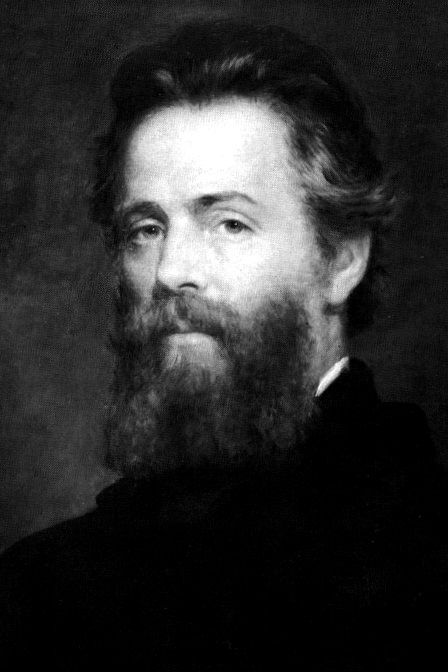
August 1 is also the birthday of Herman Melville (August 1, 1819 – September 28, 1891), American writer and author, of course, of Moby-Dick.

Herman_Melville

This would be a great month to read the great book! You know you’ve been meaning to. Here’s a little something to get you in the mood.

“There is no steady unretracing progress in this life; we do not advance through fixed gradations, and at the last one pause:– through infancy’s unconscious spell, boyhood’s thoughtless faith, adolescence’s doubt (the common doom), then scepticism, then disbelief, resting at last in manhood’s pondering repose of If. But once gone through, we trace the round again; and are infants, boys, and men, and Ifs eternally. Where lies the final harbor, whence we unmoor no more? In what rapt ether sails the world, of which the weariest will never weary? Where is the foundling’s father hidden? Our souls are like those orphans whose unwedded mothers die in bearing them: the secret of our paternity lies in their grave, and we must there to learn it.”

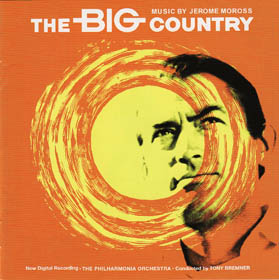
August 1 is the birthday as well of Jerome Moross (August 1, 1913 – July 25, 1983) who composed works for symphony orchestra, chamber ensembles, soloists, musical theatre, and movies. He also orchestrated motion picture scores for other composers. His best known film score is that for the 1958 movie The Big Country, for which he was nominated for an Academy Award for Original Music Score.
Jerome Moross - The Big Country - Front

The winner that year in that category was The Old Man and the Sea, scored by Dimitri Tiomkin. Hold the phone! Are you kidding me? Jerome Moross was robbed! But why am I never surprised? Anyway, you might want to watch that movie–it’s a good one. It misses being a great western because of the annoying plot and the super annoying character played by Carol Baker. Nevertheless, it has some great people in it: Gregory Peck, Charlton Heston, Jean Simmons, and Burl Ives (who won the Oscar for Best Supporting Actor). And the score is probably the best ever.
So here’s to a good August filled with great movies and great books! Let’s all have a good one.