
“If you want to lift yourself up, lift up someone else.”*
by chuckofish
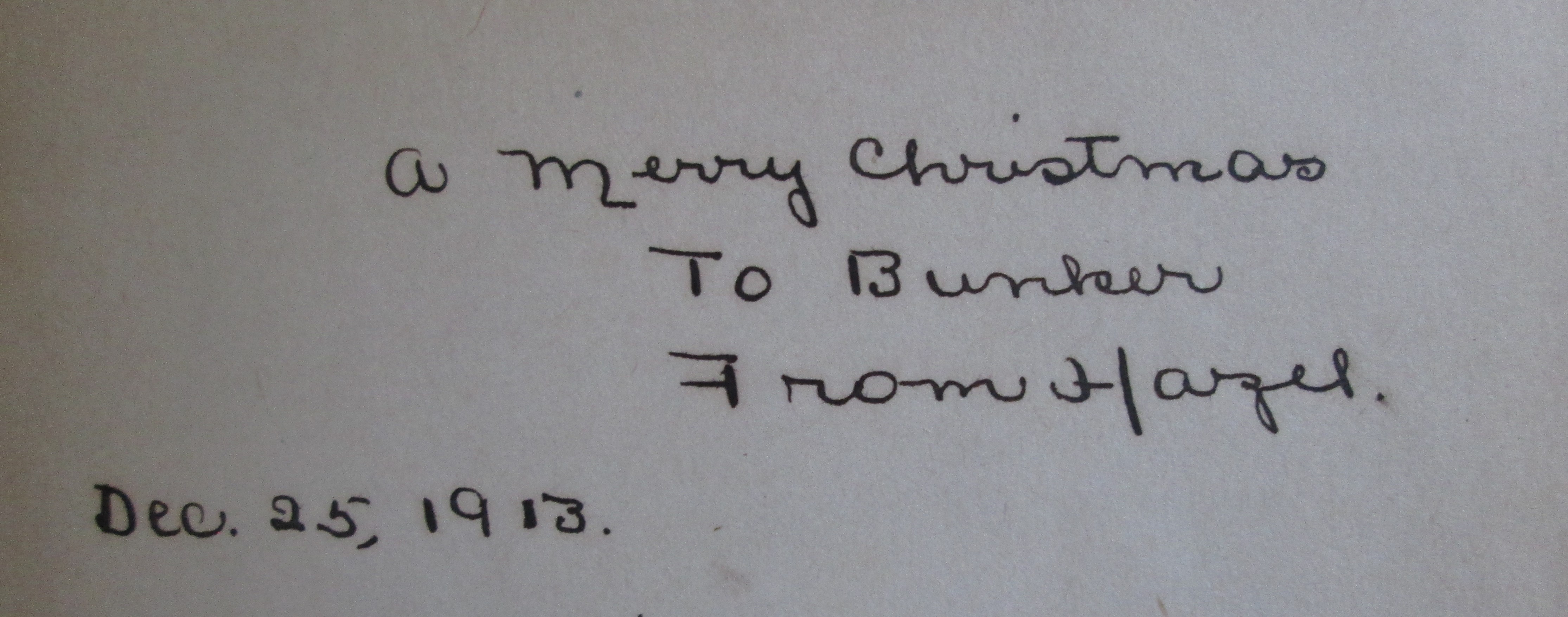
A couple of weeks ago I mentioned some books that my cousin passed on to me, among them a 1902 copy of Booker T. Washington’s Up from Slavery. My great grandmother gave the book to her uncle, James Erskine, on the occasion of his 73rd birthday. The choice of gift intrigued me. The eldest son of William Erskine and Margaret Young, James was born in Inchinnan, Scotland (outside Glasgow) in 1829. He and his two younger brothers moved to Clarence, Ontario and married three sisters. The Erskines were all farmers; they worked incredibly hard and suffered more than their share of heartbreak and hardship. Having now read Up from Slavery, I can see why my great grandmother thought it would interest her uncle James. This is a book that has much to teach beyond issues of race, although those obviously predominate.
Born a slave in Virginia, Booker Taliaferro (he added the Washington later) did not know the day, month, or year of his birth, or the name of his father. His family lived in abject squalor on the plantation. Only later did he realize how little they had as slaves: he had never brushed his teeth; slept in a bed with sheets, or eaten a meal at a table. He had only the clothes he wore and so washed them (and himself) irregularly. He knew no one of his race who could read or write, and early on realized that there could be no freedom without education and hard, hard work. He became determined to help his people and spent the rest of his life doing it.
After years of struggle, he managed to get a place at the Hampton Institute in Virginia (now Hampton University), where he worked as a janitor all day and studied at night. After graduating, he immediately started educating others.

The Hampton Institute
Later he used his experience at Hampton as a model for his work at Alabama’s Tuskegee Institute (now Tuskegee University), founded by George Campbell, a white former slave owner, and Lewis Adams, a black former slave.

classroom at Tuskegee
Rather than enumerating Booker T. Washington’s accomplishments, I’d like to concentrate on his philosophy, because I think that his views are instructive as well as admirable. He understood the importance of hard work, of forgiveness, of self-respect, good character, and kindness — things we all need to work on. Here are a few choice passages from the book:
“I will permit no man, no matter what color he might be, to narrow and degrade my soul by making me hate him.”
“In my contact with people I find that, as a rule, it is only the little, narrow people who live for themselves, who never read good books, who do not travel, who never open up their souls in a way to permit them to come into contact with other souls–with the great outside world. No man whose vision is bounded by color can come into contact with what is highest and best in the world. In meeting men, in many places, I have found that the happiest people are those who do the most for others; the most miserable are those who do the least.”
“Those who have accomplished the greatest results are those who never grow excited or lose self-control, but are always calm, self-possessed, patient, and polite.”
I would describe his philosophy as a sort of Christian Stoicism. In any case, the man had great ideas that he put into practice. He worked tirelessly his whole life, lived by his principles, and devoted himself to helping others.
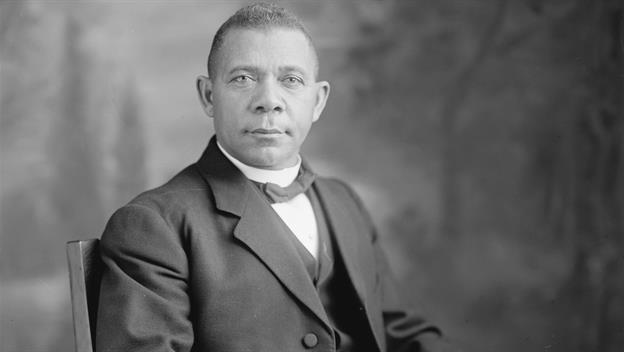
His strategy for racial advancement demanded restraint, extremely hard work, tolerance and a lot of turning the other cheek. It did not sit well with those who wanted instant results or reparations, or who did not understand the enormity of the task they faced. Observations like this one made Booker T. some enemies:
“There is another class of colored people who make a business of keeping the troubles, the wrongs, and the hardships of the Negro race before the public. Having learned that they are able to make a living out of their troubles, they have grown into the settled habit of advertising their wrongs — partly because they want sympathy and partly because it pays. Some of these people do not want the Negro to lose his grievances, because they do not want to lose their jobs.”
This perceptive insight applies to all those people — regardless of their race — who prefer playing the victim to moving forward under their own steam. It’s something to think about anyway.
I haven’t done Booker T. Washington or his book justice. Read it. It’s available online for free at Project Gutenberg or as an audio-recording on Youtube:
In a country as divided by politics as we are, maybe we could learn something from a man who was willing to put aside personal goals and political differences to help other people.
*Booker T. Washington, Up from Slavery


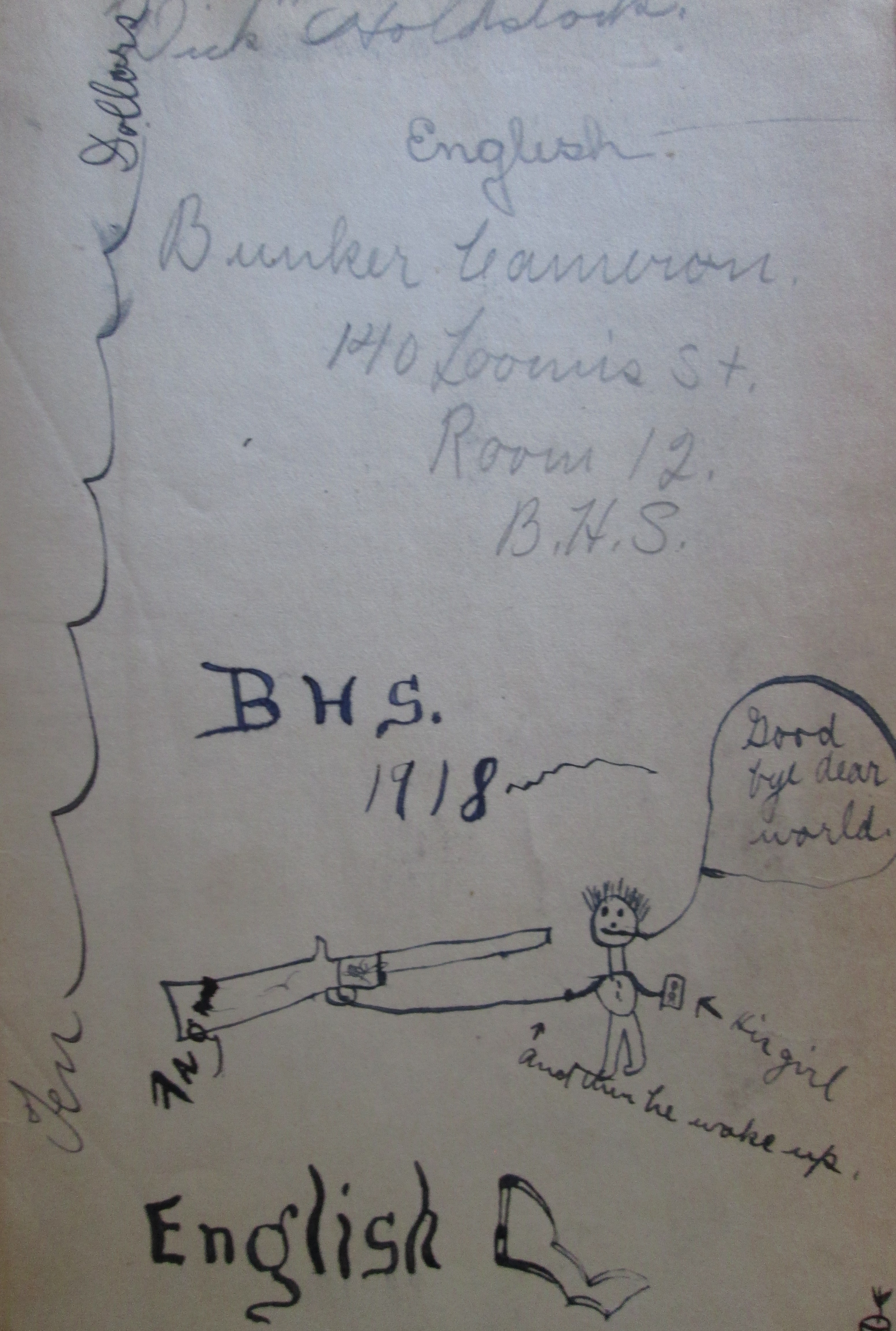
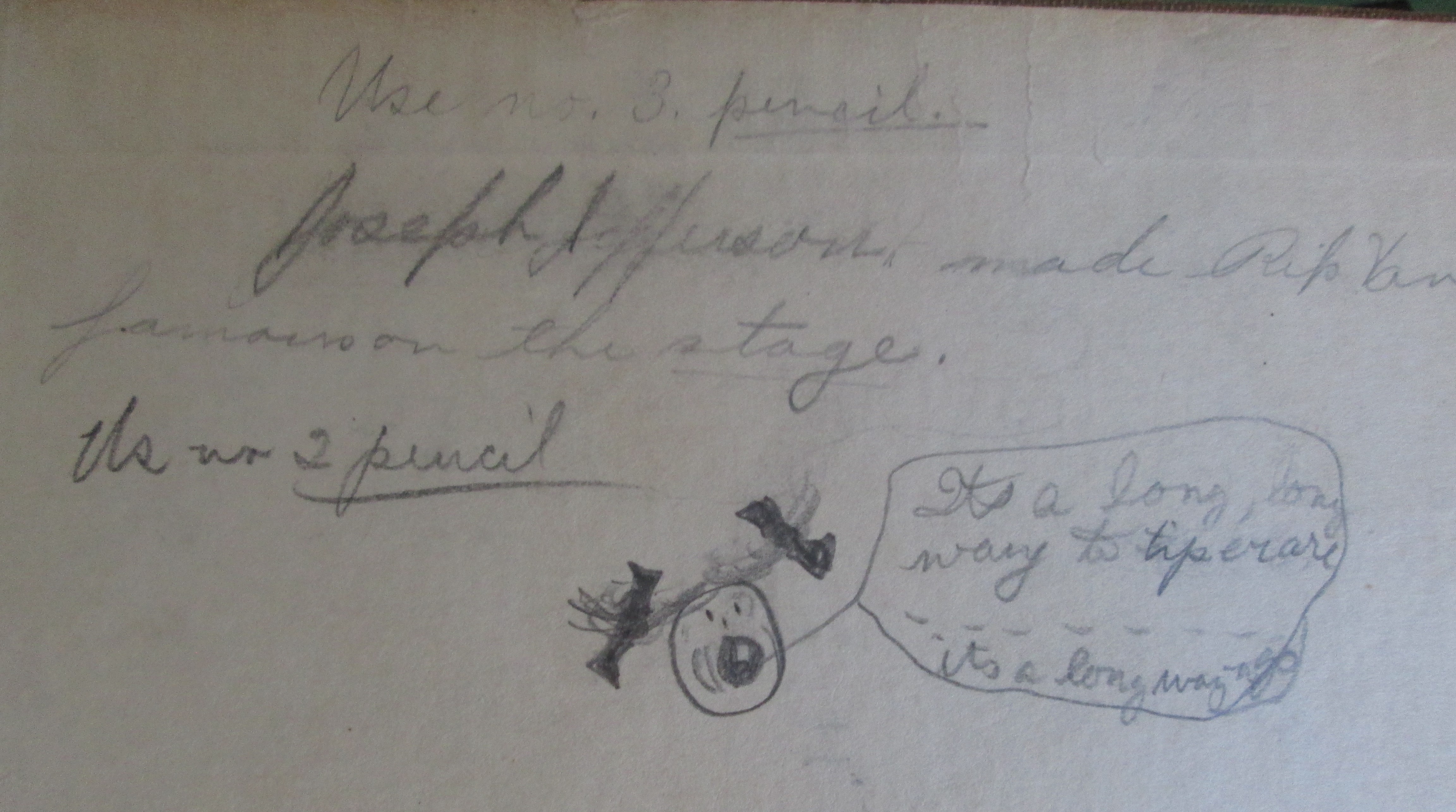

 dual personalities