dual personalities

Tag: Art

“Awake, awake, to love and work!”*

by chuckofish
IMG_1455

How was your weekend? Mine was quite enjoyably low-key.

On Saturday evening the OM and I went to the members’ preview of the new exhibit “St. Louis Modern” at the SLAM.
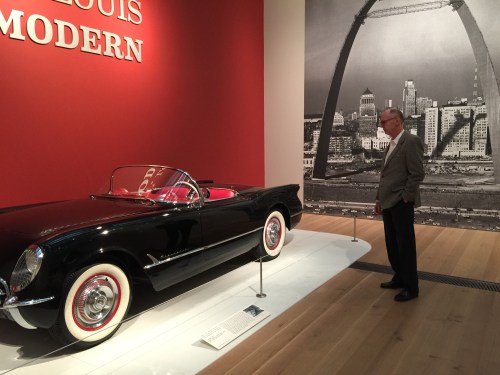
IMG_0783

Luckily, he found something right away to admire.

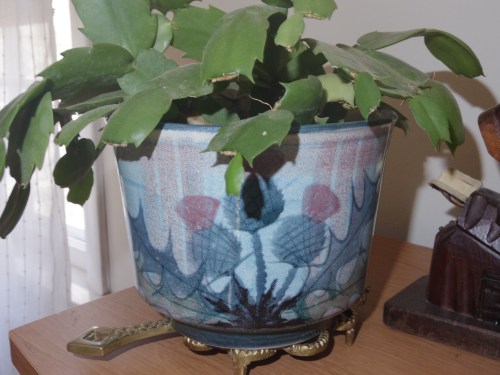
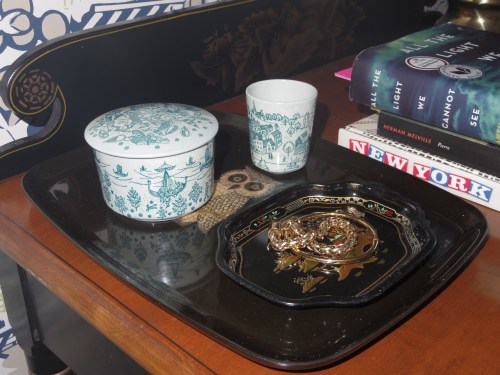
As readers of this blog know, my own home is filled with antiques and reproductions. My taste certainly leans toward 18th and 19th century American style. I am, however, a great appreciator of mid-century modern–i.e. the 20th century stuff of my youth. The aforementioned exhibit was full of the contents of some pretty great Bernoudy and Armstrong and Dunn homes and offices and included the design products of Charles Eames, Russel Wright, Eliel Saarinen, et al. It prompted me to look around my own house and find the odds ‘n ends of this period that I love.


IMGP1349

IMGP1345 (1)

IMGP1348

IMGP1347

IMGP1351

IMGP1352

I mean who doesn’t love mid-century modern pottery and china?

Church on Sunday was enjoyable–the only blip being when our female assisting priest referred in her sermon to Beethoven’s “Erotica” symphony instead of the “Eroica”. Talk about your Freudian slip! I refrained from correcting her after the service, because I hate people who do that. You know–the ones who look for typos to point out in newsletters etc. Like they’re being helpful. I always say, “I know everyone thinks I’m perfect, but really I’m not!”

IMGP1354 (1)

Have a good Monday. Learn something new.

*Hymn #9, Geoffrey Anketel Studdert-Kennedy

“Color is vulgar, beauty is unimportant, and nature is trivial.”*

by chuckofish

Today  is the birthday of American photographer Walker Evans (1903-1975). Evans was born in St. Louis and attended Williams College for a year before dropping out and heading to Paris to be a writer.

He took up photography in 1928 after returning to the U.S. In the summer of 1936 he and writer James Agee were sent by Fortune magazine on assignment to Hale County, Alabama for a story the magazine subsequently opted not to run. (I wonder why?)

Walker Evans, [Floyd and Lucille Burroughs, Hale County Alabama], 1936. Gelatin silver print. Mandatory Credit: ©Walker Evans Archive, The Metropolitan Museum of Art /Published: The New York Times on the Web 07/18/99 Books PLEASE CONTACT Margaret M. Doyle, Senior Press Officer at The Metropolitan Museum of Art (212)-650-2128 FOR FUTURE REPRODUCTION USE.

walker-evans

hb_1995.266.2

In 1941 Evans’s photographs and Agee’s text detailing the duo’s stay with three white tenant families in southern Alabama during the Great Depression were published as the book Let Us Now Praise Famous Men. I remember reading this book in school–I can’t remember when, but it was quite a book.

Anyway, Walker Evans’ photographs surely prove the old adage: A picture is worth a thousand words.

WALKER EVANS 1

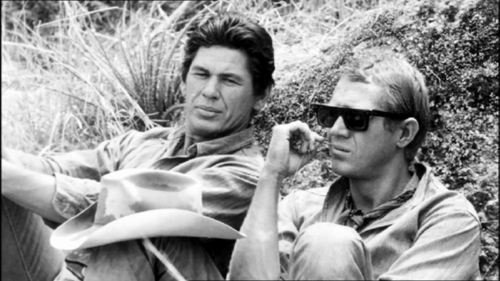
A toast to Walker Evans tonight! And another toast to another birthday boy, Charles Bronson (1921-2003)–actor and all-around cool dude.

tumblr_lm1r71Fo4U1qz5q5oo1_500

On the set of “The Magnificent Seven” with Steve McQueen, 1960

*Walker Evans…The boy said something very similar as a small child once. I asked him why he never used color in his very detailed pencil drawings. He replied, “Color is evil,” which stopped me in my tracks.

“It is a glory and a privilege to love what Death doesn’t touch.”*

by chuckofish

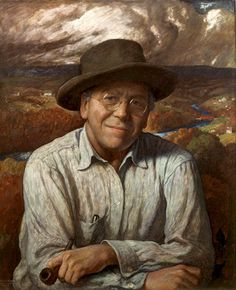
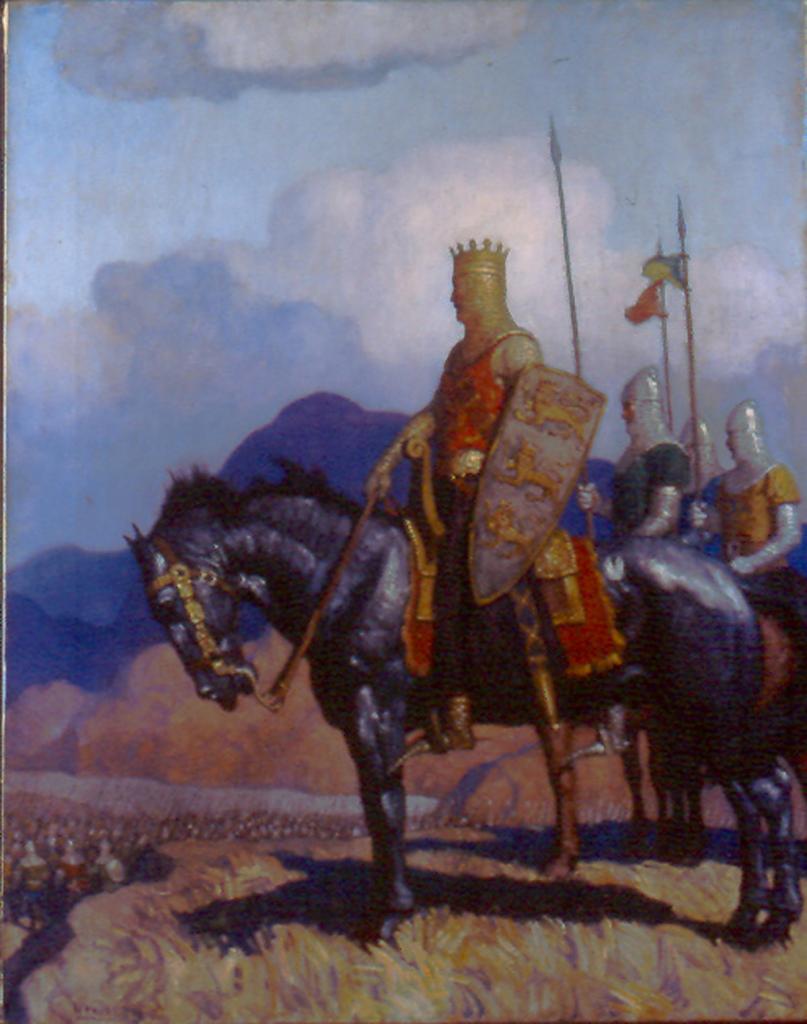
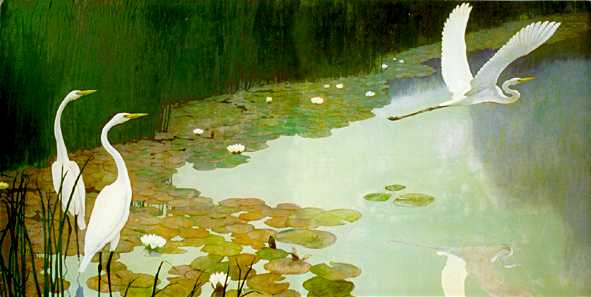
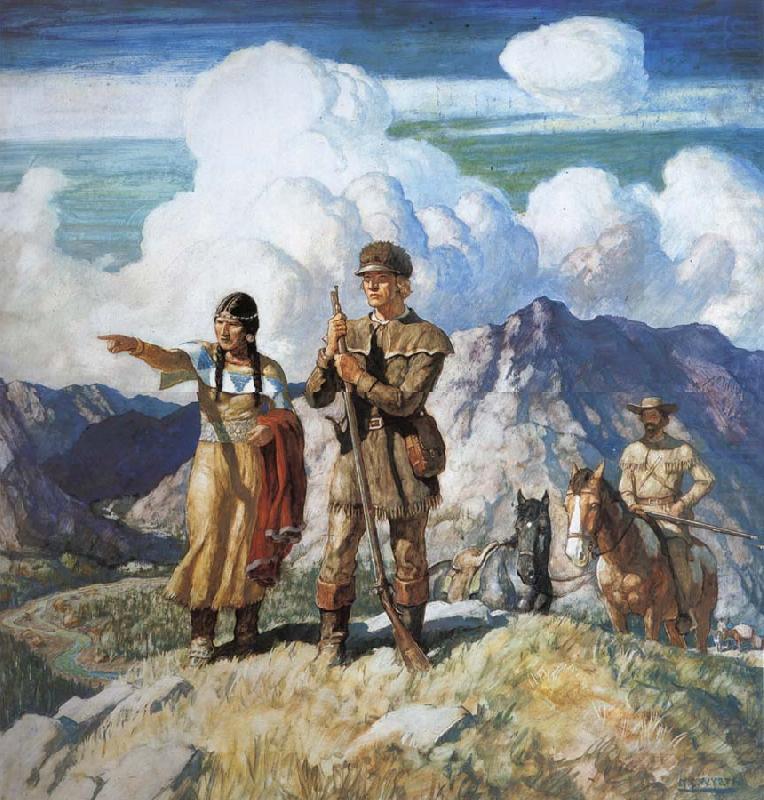
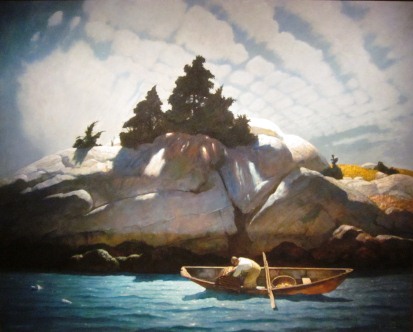
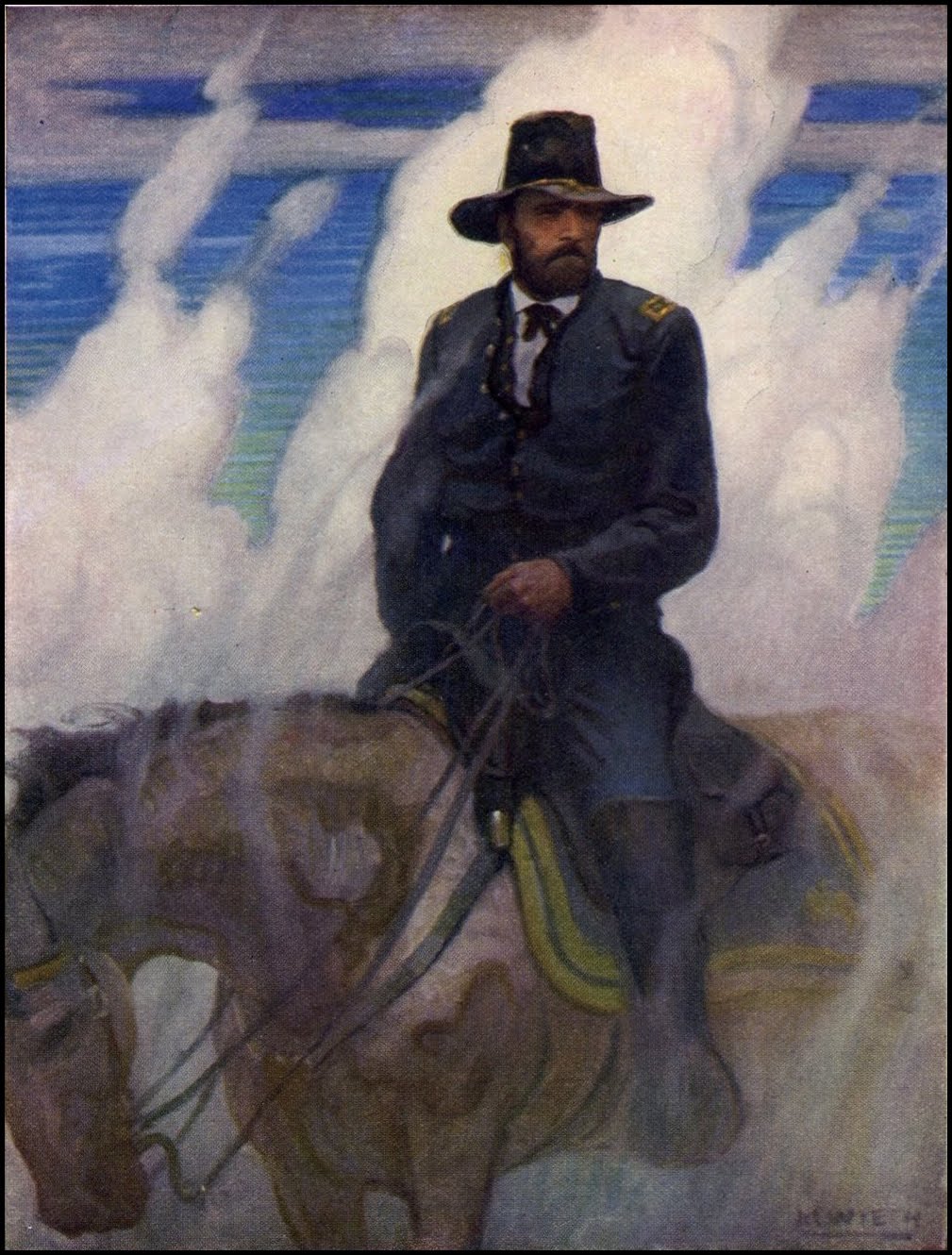
Today is the birthday of Newell Convers Wyeth (October 22, 1882 – October 19, 1945), the great American illustrator and artist who was the patriarch of the Wyeth dynasty of artists.

Self-portrait, 1940

Self-portrait, 1940

Let’s enjoy some of his famous (and less famous) illustrations.

N.C. Wyeth, King Edward

wyeth12

84a984d614cc1893d98b0ff783533169

NCW-canoe-artwork

longfellowsgarden-090-Copy

grant_by_wyeth_color

There are just so many great ones!

And here’s a place I’m adding to my bucket list: the Brandywine River Museum in Chadd’s Ford, PA. After all, it’s just a hop, skip and a jump from Maryland.

*Donna Tartt, The Goldfinch

What it is

by chuckofish

Vincent_van_Gogh_-_87_Hackford_Road

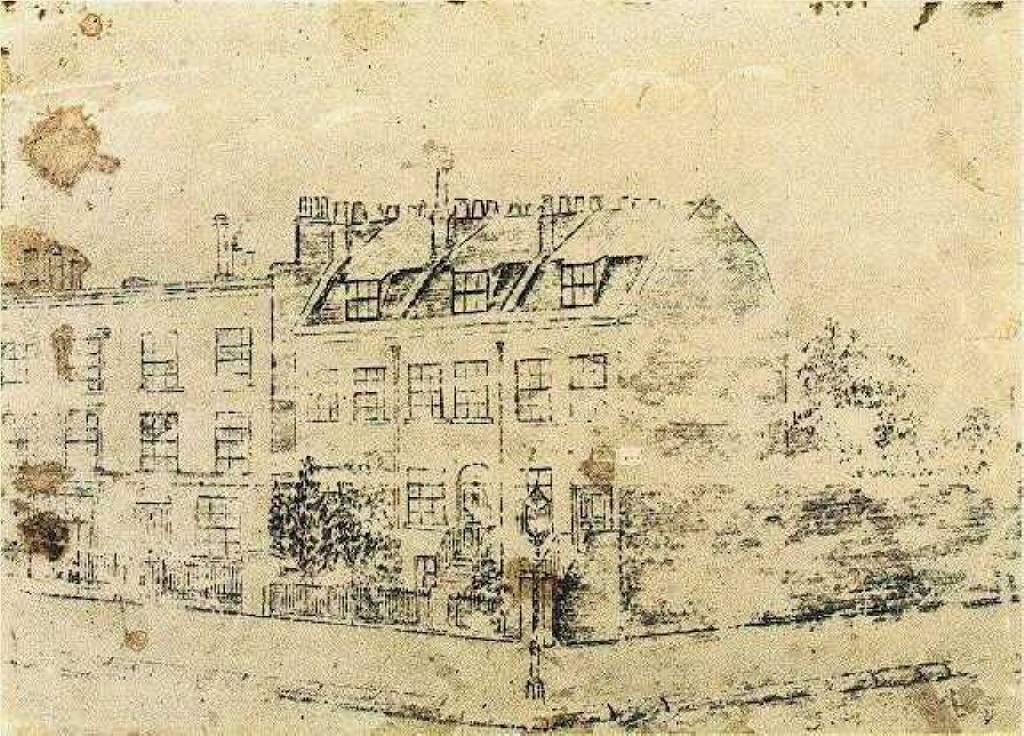
“When Van Gogh was a young man in his early twenties, he was in London studying to be a clergyman. He had no thought of being an artist at all. he sat in his cheap little room writing a letter to his younger brother in Holland, whom he loved very much. He looked out his window at a watery twilight, a thin lampost, a star, and he said in his letter something like this: “it is so beautiful I must show you how it looks.” And then on his cheap ruled note paper, he made the most beautiful, tender, little drawing of it.

When I read this letter of Van Gogh’s it comforted me very much and seemed to throw a clear light on the whole road of Art. Before, I thought that to produce a work of painting or literature, you scowled and thought long and ponderously and weighed everything solemnly and learned everything that all artists had ever done aforetime, and what their influences and schools were, and you were extremely careful about “design” and “balance” and getting “interesting planes” into your painting, and avoided, with the most astringent severity, showing the faintest “a” tendency, and were strictly modern. And so on and so on.

But the moment I read Van Gogh’s letter I knew what art was, and the creative impulse. It is a feeling of love and enthusiasm for something, and in a direct, simple, passionate and true way, you try to show this beauty in things to others, by drawing it.

And Van Gogh’s little drawing on the cheap note paper was a work of art because he loved the sky and the frail lamppost against it so seriously that he made the drawing with the most exquisite conscientiousness and care. ”

―Brenda Ueland, If You Want to Write: A Book about Art, Independence and Spirit 

It has been awhile since I shared Brenda Ueland with you. I think she is so great. I agree that Art is about Love and sharing what you love with others.

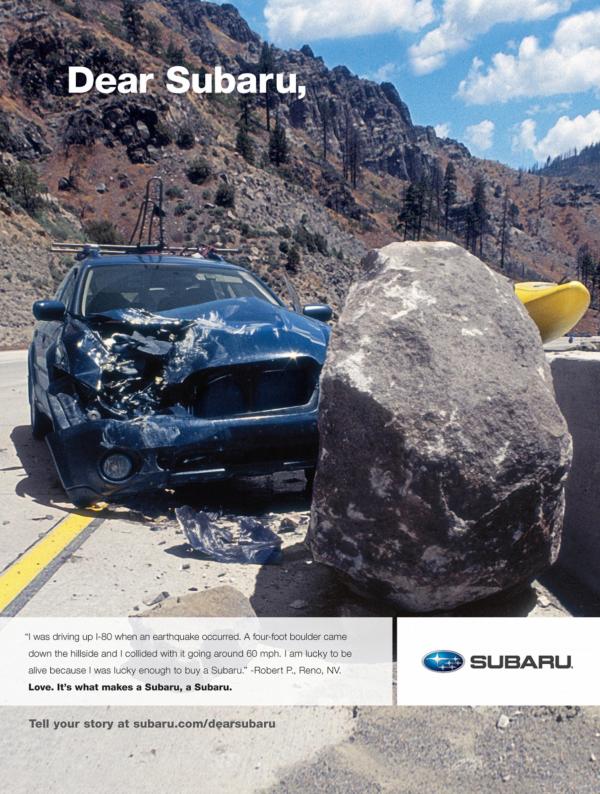
On another subject, but related–I drove a Subaru for years. It was totally against stereotype, but I loved that car . So I thought it was pretty great when the Subaru people worked “Love” into this ad campaign.

subaru-boulder-600-63663

Now they are even using a Gregory Alan Isakov song in an ad:

I hardly watch any television these days with commercials, but I saw this and was pleased. There are still some smart people out there working for the Man.

Like a flash of light*

by chuckofish

Conversion_on_the_Way_to_Damascus-Caravaggio_(c.1600-1)

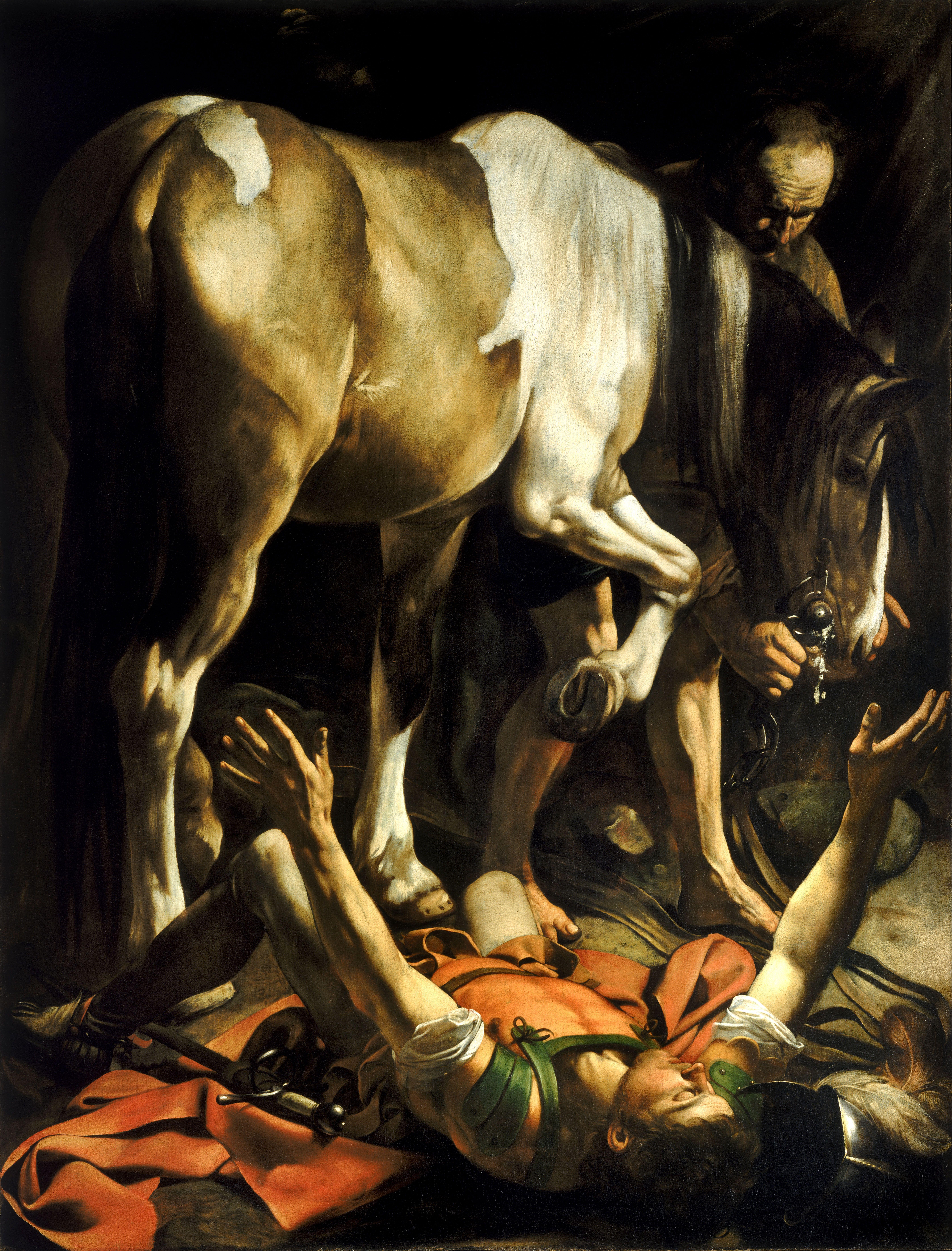
“And he fell to the earth, and heard a voice saying unto him, Saul, Saul, why persecutest thou me?”

Today is the birthday of the Italian painter Caravaggio (1571–1610). I am not a big fan of his art, but I have always liked his painting of the conversion of Saint Paul. It is realistic and dramatic and the light–wow. Clearly something big is happening to Saul of Tarsus under the hooves of his horse.

Anyway, it gives us an opportunity to think about conversion today. Here is Frederick Buechner on the subject:

There are a number of conversions described in the New Testament. You think of Paul seeing the light on the road to Damascus (Acts 9:1-19), or the Ethiopian eunuch getting Philip to baptize him on the way from Jerusalem to Gaza (Acts 8:28-40). There is also the apostle Thomas saying, “My Lord and my God!” when he is finally convinced that Jesus is alive and whole again (John 20:26-29), not to mention the Roman centurion who witnessed the crucifixion saying, “Truly this man was the Son of God” (Luke 23:47). All these scenes took place suddenly, dramatically, when they were least expected. They all involved pretty much of an about-face, which is what the word conversion means. We can only imagine that they all were accompanied by a good deal of emotion.

But in this same general connection there are other scenes that we should also remember. There is the young man who, when Jesus told him he should give everything he had to the poor if he really wanted to be perfect as he said he did, walked sorrowfully away because he was a very rich man. There is Nicodemus, who was sufficiently impressed with Jesus to go talk to him under cover of darkness and later to help prepare his body for burial, but who never seems to have actually joined forces with him. There is King Agrippa, who, after hearing Paul’s impassioned defense of his faith, said, “Almost thou persuadest me to be a Christian” (Acts 26:28, KJV). There is even Pontius Pilate, who asked, “What is truth?” (John 18:38) under such circumstances as might lead you to suspect that just possibly, half without knowing it, he really hoped Jesus would be able to give him the answer, maybe even become for him the answer.

Like the conversions, there was a certain amount of drama about these other episodes too and perhaps even a certain amount of emotion, though for the most part unexpressed. But of course in the case of none of them was there any about-face. Presumably all these people kept on facing more or less the same way they had been right along. King Agrippa, for instance, kept on being King Agrippa just as he always had. And yet you can’t help wondering if somewhere inside himself, as somewhere also inside the rest of them, the “almost” continued to live on as at least a sidelong glance down a new road, the faintest itching of the feet for a new direction.

We don’t know much about what happened to any of them after their brief appearance in the pages of Scripture, let alone what happened inside them. We can only pray for them, not to mention also for ourselves, that in the absence of a sudden shattering event, there was a slow underground process that got them to the same place in the end.

–Frederick Buechner, Beyond Words

Discuss among yourselves.

*”Like a flash of light, I realized in what an abyss of errors, in what chaos I was.” (John Calvin)

Prayer 101

by chuckofish

SpringSky_Sloane

Readers of this blog know that I am a great one for prayer. Recently I was reading (in Springs in the Valley by Mrs. Charles E. Cowman) about the great 19th century Presbyterian minister Charles Grandison Finney (August 29, 1792 – August 16, 1875),  abolitionist and president of Oberlin College.

The summer of 1853 was unusually hot and dry; pastures were scorched. There seemed likely to be a total crop failure. At the church in Oberlin the great congregation had gathered as usual. Though the sky was clear the burden of Finney’s prayer was for rain.

“We do not presume, O Lord, to dictate to Thee what is best for us; yet Thou didst invite us to come to Thee as children to an earthly father and tell Thee all our wants. We want rain. Our pastures are dry. The earth is gaping open for rain. The cows are wandering about and lowing in search of water. Even the squirrels are suffering from thirst. Unless Thou givest us rain our cattle will die, and our harvest will come to naught. O Lord, send us rain, and send it now! This is an easy thing for Thee to do. Send it now, Lord, for Christ’s sake.

In a few minutes he had to cease preaching; his voice could not be heard because of the roar and rattle of the rain!

Yet another reminder that the direct approach is always best.

This guy has the right idea.

And, of course, Frederick Buechner always has something good to say.

The painting is by Eric Sloane.

“I sometimes have my doubts about the accuracy of the word ‘laptop’.”

by chuckofish

11913884_1015403995161170_4787748314700711608_oSandra Boynton is my kind of gal.

I have been a fan ever since she started writing and illustrating greeting cards back in the 1970s for Recycled Paper Greetings. I mean who can forget the genius “Don’t let the turkeys get you down” card?

dont_let_the_turkeys_get_you_down_shirt-raf8f2bfa3065429a8315eeb773ab9109_i58zv_1024

Not to mention all those wonderful children’s books we read over and over and over in the 1980s and 90s.

Hippos-go-berserk-by-sandra-boynton

It might surprise you to learn that she is grew up in Philadelphia. Her parents were Quakers. She attended a Quaker school (Germantown Friends School) and then went to Yale, entering in 1970 in the college’s second year of coeducation. She readily admits “joyfully squandering an expensive education on producing works of no apparent significance”.

Biography-Header

Well, I just kind of love her.

She even has a website.

Enjoy your Thursday–the weekend is almost here!

Stir it up

by chuckofish

O God our Father, let us find grace in thy sight so as to have grace to serve thee acceptably with reverence and godly fear; and further grace not to receive thy grace in vain, nor to neglect it and fall from it, but to stir it up and grow in it, and to persevere in it unto the end of our lives; through Jesus Christ our Lord.

–Lancelot Andrewes

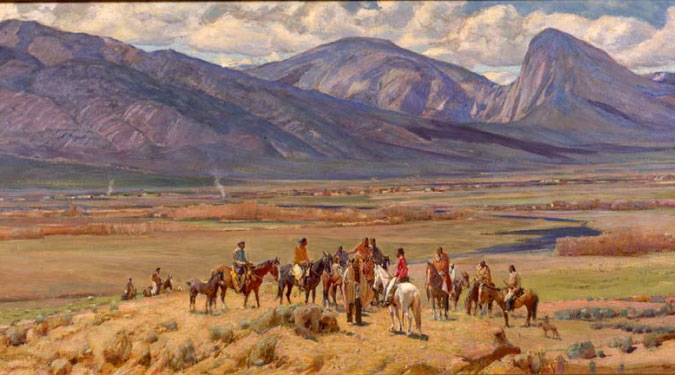
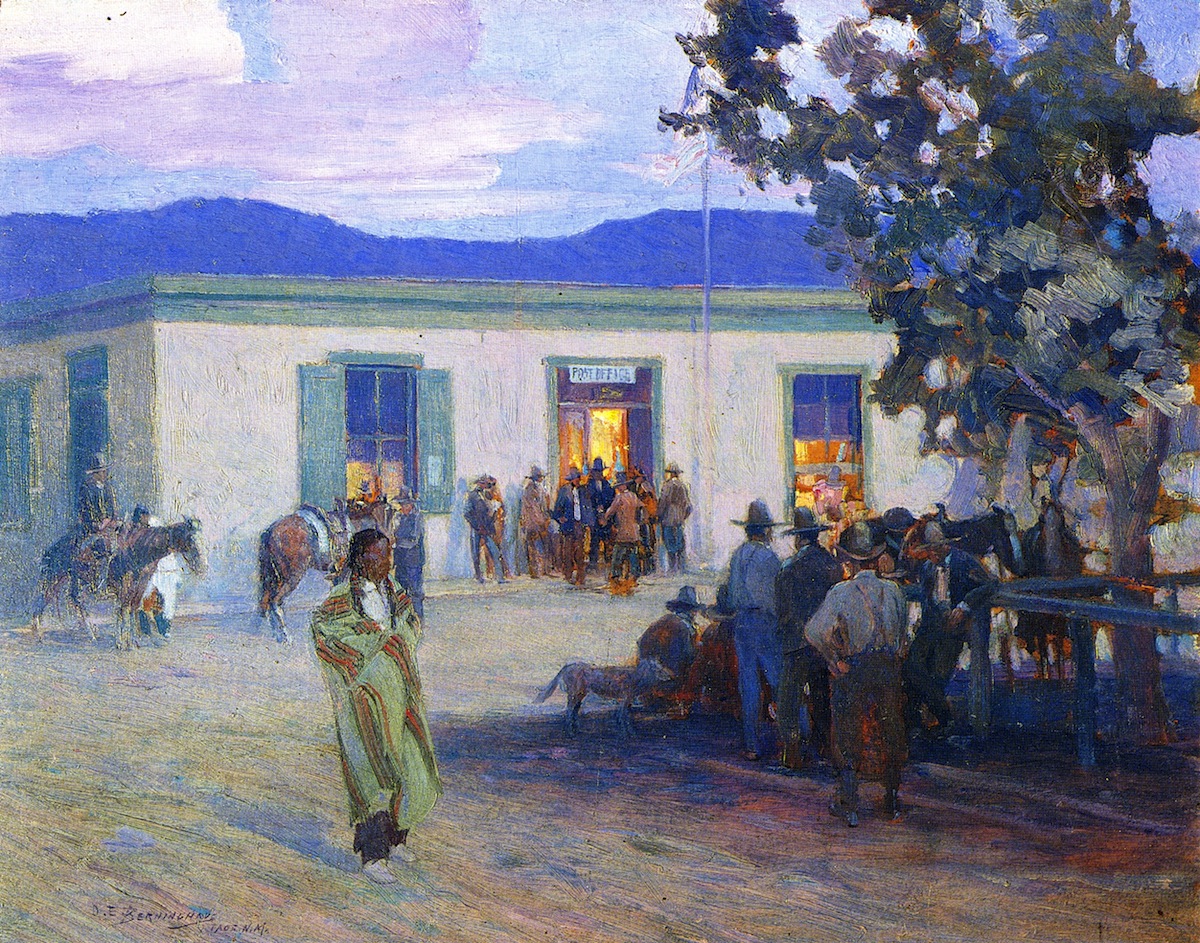
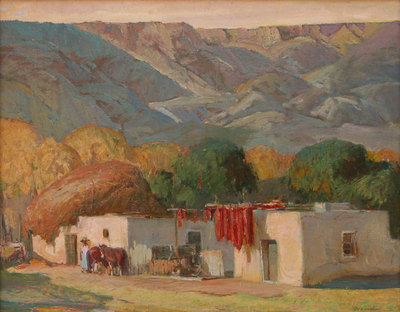
We have had rain, rain and more rain this week. June was the rainiest on record. I am not complaining, but I hope we see some sunshine this weekend. Here are some paintings by Oscar Edmund Berninghaus (2 October 1874 – 27 April 1952), who was an American artist and a founding member of the Taos Society of Artists, to help us imagine some drier, warmer air.

Oscar Berninghaus

berninghausen Taos PO

berninghaus-in-the-village-lavacita

He is best known for his paintings of Native Americans, New Mexico and the American Southwest.

And furthermore, Oscar Berninghaus, you will recall, was born in in St. Louis, Missouri. His father ran a lithography business, which stimulated an interest in watercolor painting in Oscar. Reading about Berninghaus, I found out that at sixteen he quit school and took a job with Compton and Sons, a local lithography company. 

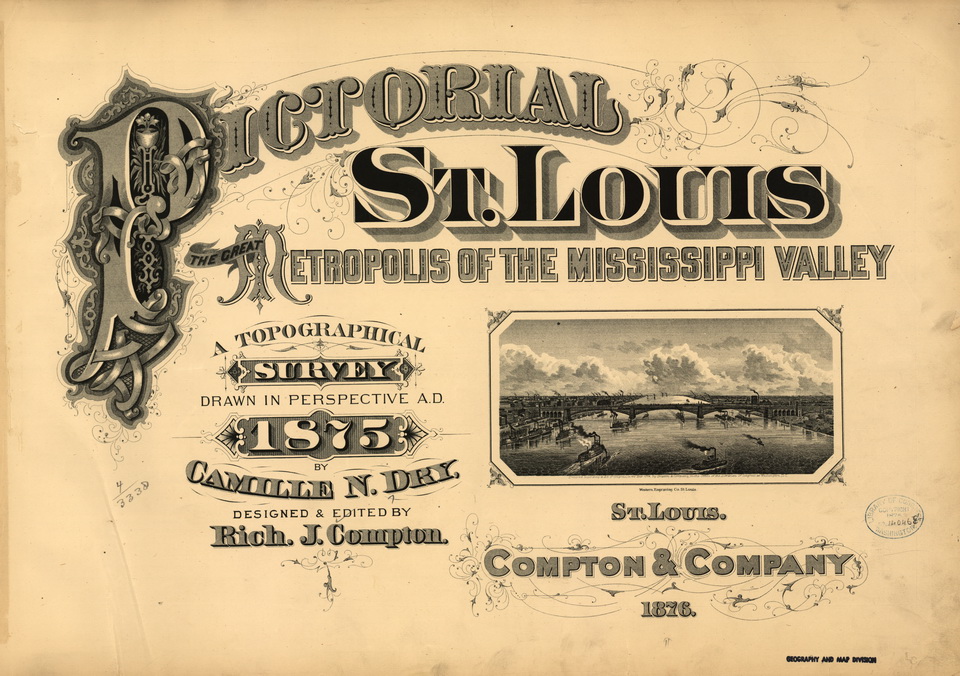
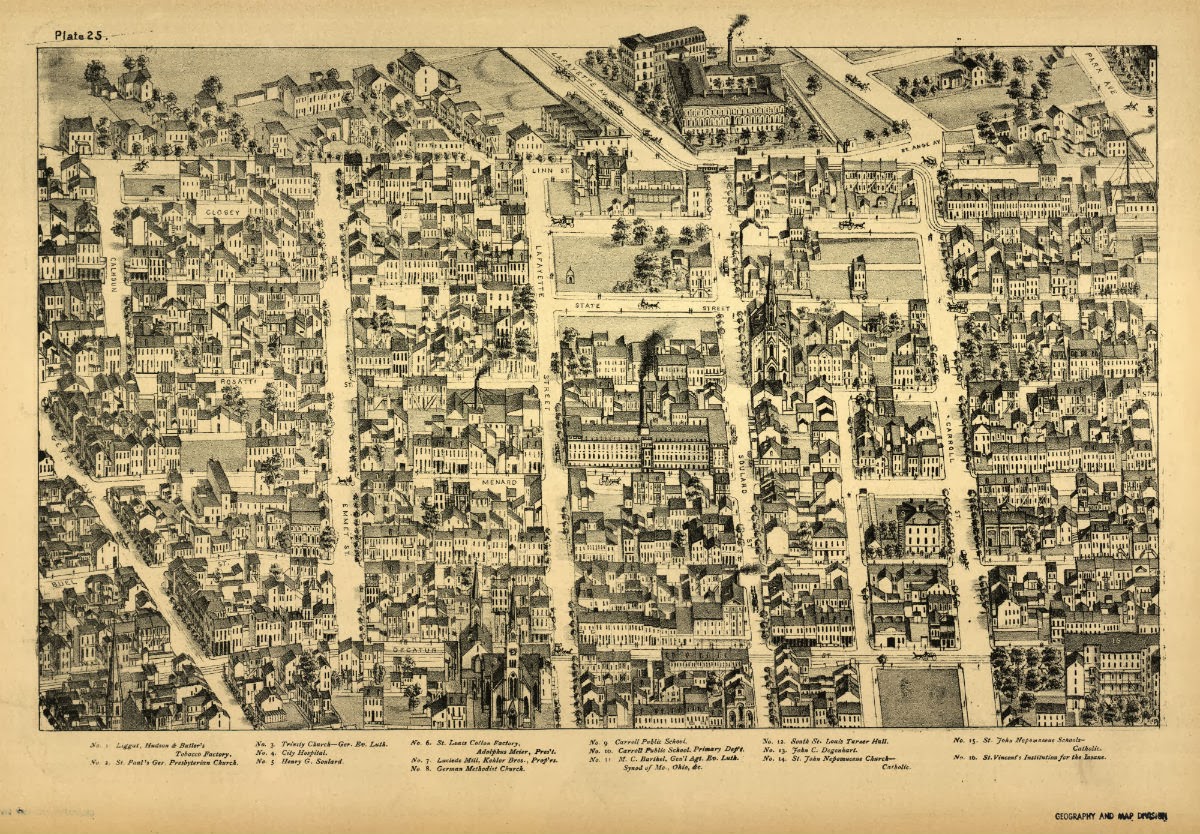
This made me remember that I had heard about a fantastic new exhibit titled “A Walk in 1875 St. Louis” at the Missouri History Museum. One of the most amazing maps of a city ever created was Compton & Dry’s “Pictorial St. Louis,” drawn in 1875 and published in 1876.

cd-cover

25

plate 77

Using this incredibly detailed cartographic masterpiece as its backdrop, the Missouri History Museum developed a 6,000 square-foot exhibition that explores the collective life of 1875 St. Louis through photographs, artifacts, news, writings and first hand accounts of the day.

I guess I’ll see if the OM would like to check it out this weekend. A museum, after all, is a good place to go on a rainy day.

This is how my mind works.

Have a good weekend!

Mid-week reminder

by chuckofish

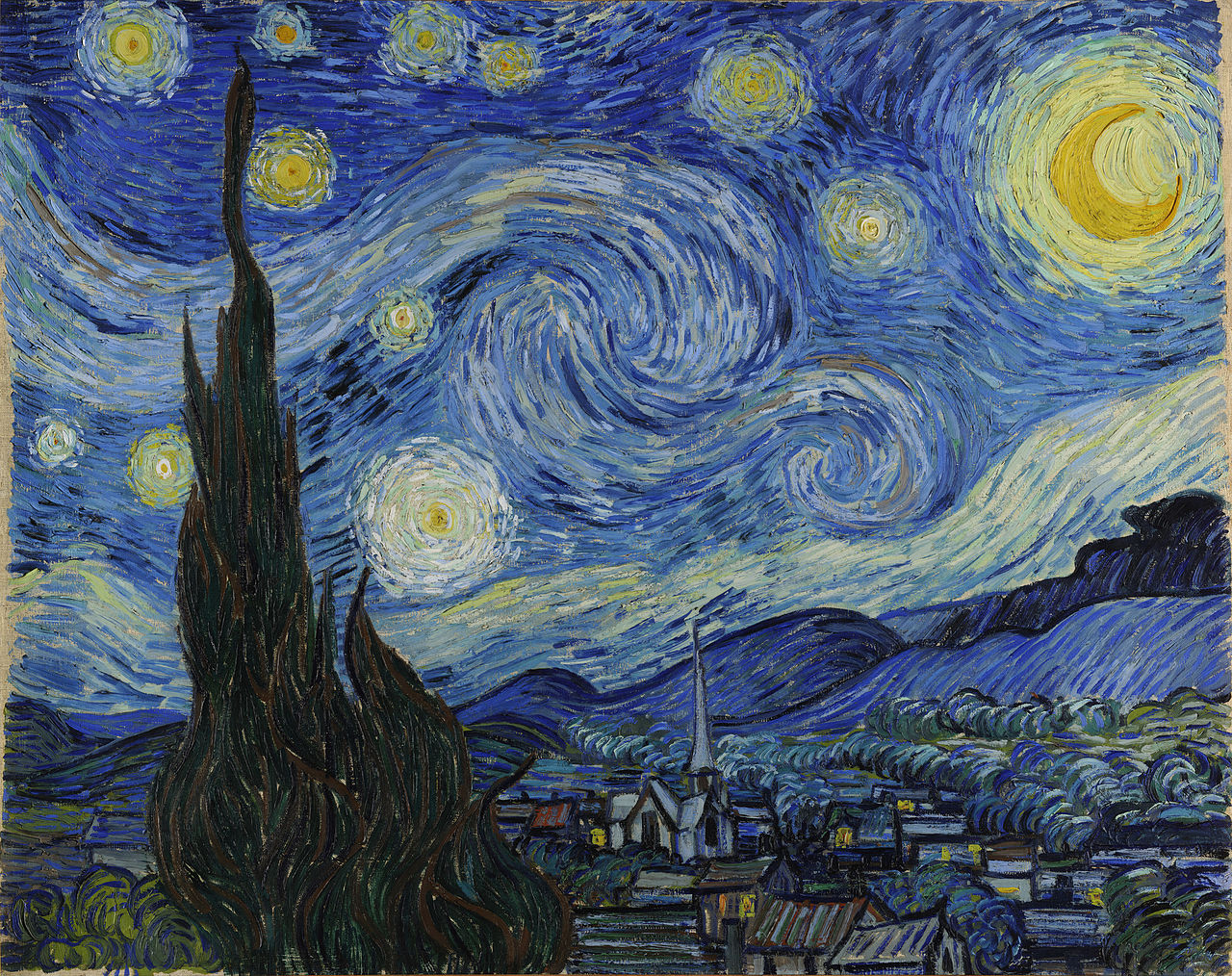
1280px-Van_Gogh_-_Starry_Night_-_Google_Art_Project

“A religious observance can be a wedding, a christening, a Memorial Day service, a bar mitzvah, or anything like that you might be apt to think of. There are lots of things going on at them. There are lots of things you can learn from them if you’re in a receptive state of mind. The word ‘observance’ itself suggests what is perhaps the most important thing about them.

A man and a woman are getting married. A child is being given a name. A war is being remembered and many deaths. A boy is coming of age.

It is life that is going on. It is always going on, and it is always precious. It is God that is going on. It is you who are there that is going on.

As Henry James advised writers, be one on whom nothing is lost.

OBSERVE!! There are few things as important, as religious, as that.”

–Frederick Buechner, The Faces of Jesus


Good reading light

by chuckofish

almond_09_BigBend_lg

“The eastern sky was red as coals in a forge, lighting up the flats along the river. Dew had wet the million needles of the chaparral, and when the rim of the sun edged over the horizon the chaparral seemed to be spotted with diamonds. A bush in the backyard was filled with little rainbows as the sun touched the dew.

It was tribute enough to sunup that it could make even chaparral bushes look beautiful, Augustus thought, and he watched the process happily, knowing it would only last a few minutes. The sun spread reddish-gold light through the shining bushes, among which a few goats wandered, bleating. Even when the sun rose above the low bluffs to the south, a layer of light lingered for a bit at the level of the chaparral, as if independent of its source. The the sun lifted clear, like an immense coin. The dew quickly died, and the light that filled the bushes like red dirt dispersed, leaving clear, slightly bluish air.

It was good reading light by then, so Augustus applied himself for a few minutes to the Prophets. He was not overly religious, but he did consider himself a fair prophet and liked to study the styles of his predecessors. They were mostly too long-winded, in his view, and he made no effort to read them verse for verse—he just had a look here and there, while the biscuits were browning.”

–Larry McMurtry, Lonesome Dove

Today is the birthday of novelist Larry McMurtry (born June 3, 1936). May I suggest a toast with some good sipping whiskey and a peak at Isaiah or Jeremiah. Or red wine which is my libation of choice.

(The painting is “Big Bend Sunrise” by Chase Almond)