dual personalities

Tag: Art

Nil sine Numine*

by chuckofish
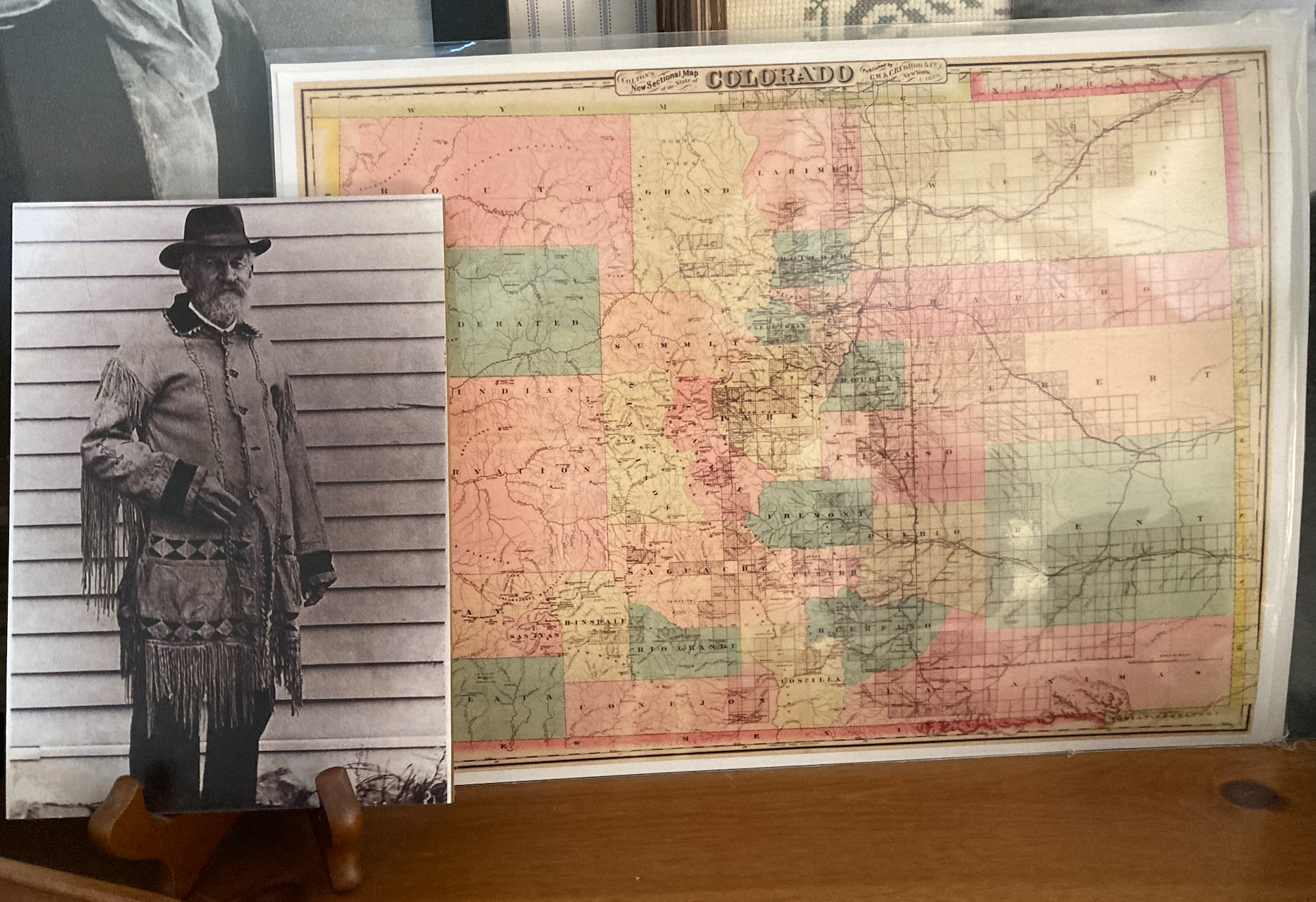
Today we celebrate the day in 1876 when U.S. President Ulysses S. Grant signed a proclamation admitting Colorado to the Union as the 38th state. Because the country had just celebrated its centennial a few weeks earlier, Colorado became known as the “Centennial State”.

Several months prior, in December 1875, leading Colorado citizens gathered to draft a state constitution, among them our great-great grandfather John Simpson Hough, who represented Bent County.
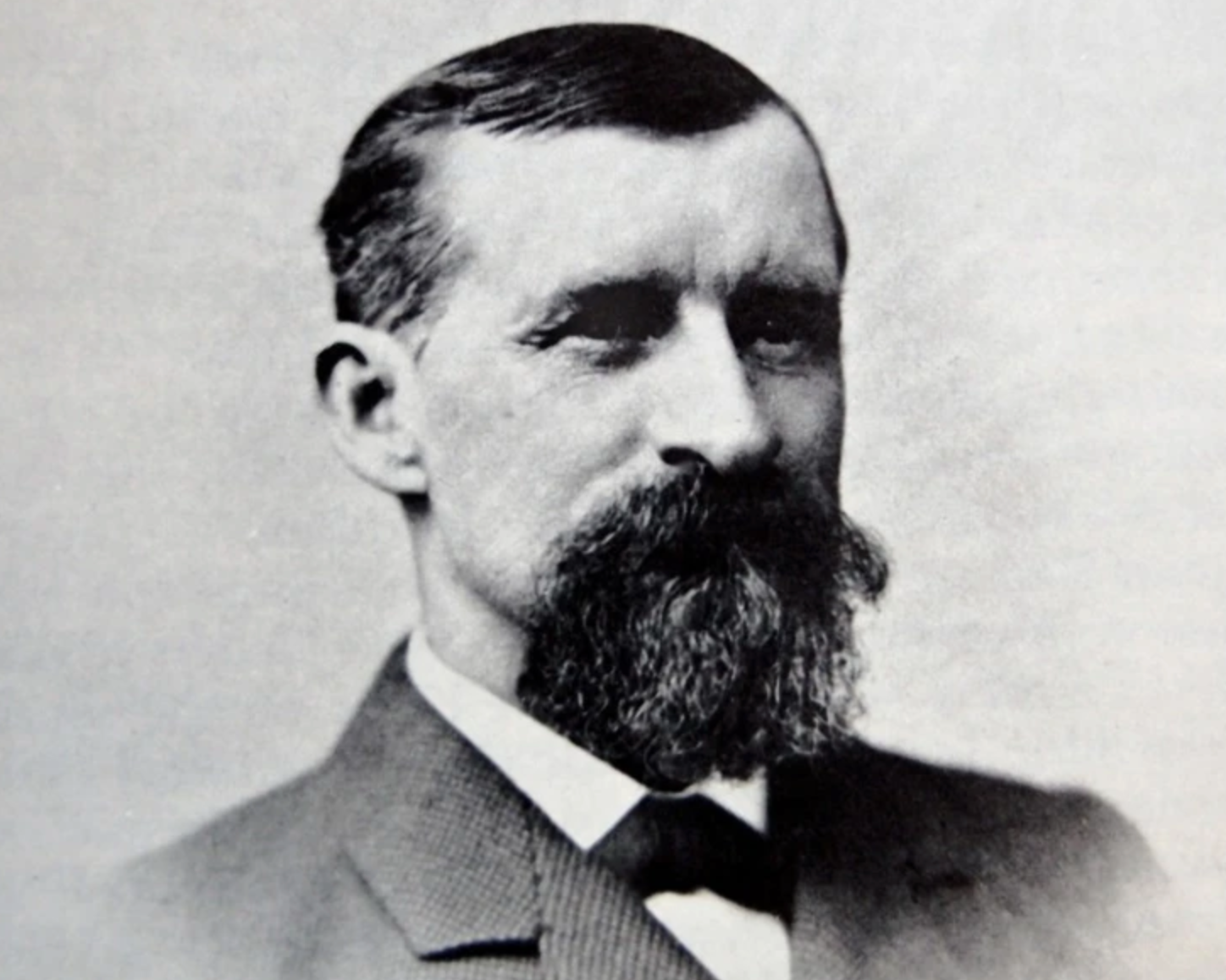
He received 240 votes in the sparsely populated county.
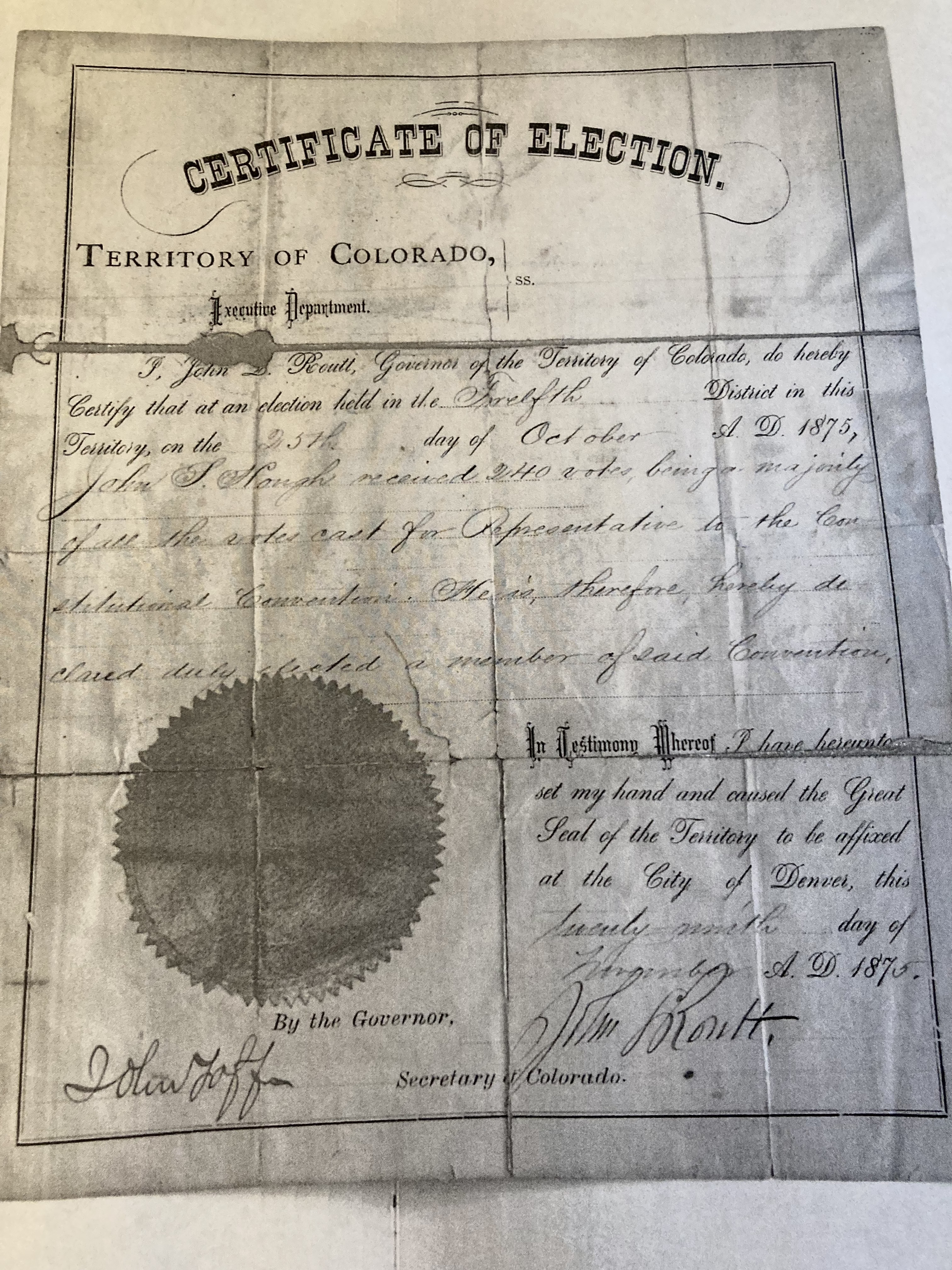
Delegates to the convention came from every district in the soon-to-be state. They met at the Odd Fellows Hall, upstairs from the First National Bank, on Blake Street in Denver. Modeled after the United States Constitution, Colorado’s Constitution set the terms and duties of state government officials, and outlined the manner by which a law could be introduced and passed. It established the State Supreme Court, as well as district and county courts. A program for the supervision and maintenance of a public school system was created.  A state tax system was developed, rules that regulate railroads and other corporations were adopted, and provisions created to amend that State’s constitution.

So join me tonight in a toast to the state of Colorado and to John S. Hough.

In science news, please note that the first of two full moons in August will reach its peak today, August 1, so be sure to check it out. And as an added bonus, both of the full moons this month are also supermoons!

And here’s a poem about the moon by Robert Louis Stevenson:
Have a good day! Read some history. Look up at the night sky.

The painting is “Moonlight Study” by Christian Friedrich Gille, 1831 .

*The motto of the state of Colorado: “Nothing without the Deity”
How does it feel?

by chuckofish

Well, it’s the last week of July and the summer continues to rush by in a blur.

If you want to feel really old, I’ll remind you that today is the 58th anniversary of the day Bob Dylan went electric at the Newport Folk Festival in 1965. He was 24 years old. Dylan was said to have “electrified one half of his audience, and electrocuted the other”. He didn’t return to the festival for 37 years.

Dylan took exception with the people who called him a traitor. He later said: “These are the same people that tried to pin the name Judas on me. Judas, the most hated name in human history! If you think you’ve been called a bad name, try to work your way out from under that. Yeah, and for what? For playing an electric guitar? As if that is in some kind of way equatable to betraying our Lord and delivering him up to be crucified. All those evil m-f-ckers can rot in hell.”

Today is also the birthday of the artist Maxfield Parrish (1870-1966) who lived a long, productive and successful life. He was married once and had four children. He was a Quaker. During his career, he produced almost 900 pieces of art. 

He lived in New Hampshire where he belonged to the Cornish Art Colony…

His painting Daybreak became the most popular art print of the 20th century. Supposedly one in four U.S. households owned a print of the neoclassical landscape with two nymphs in the foreground.

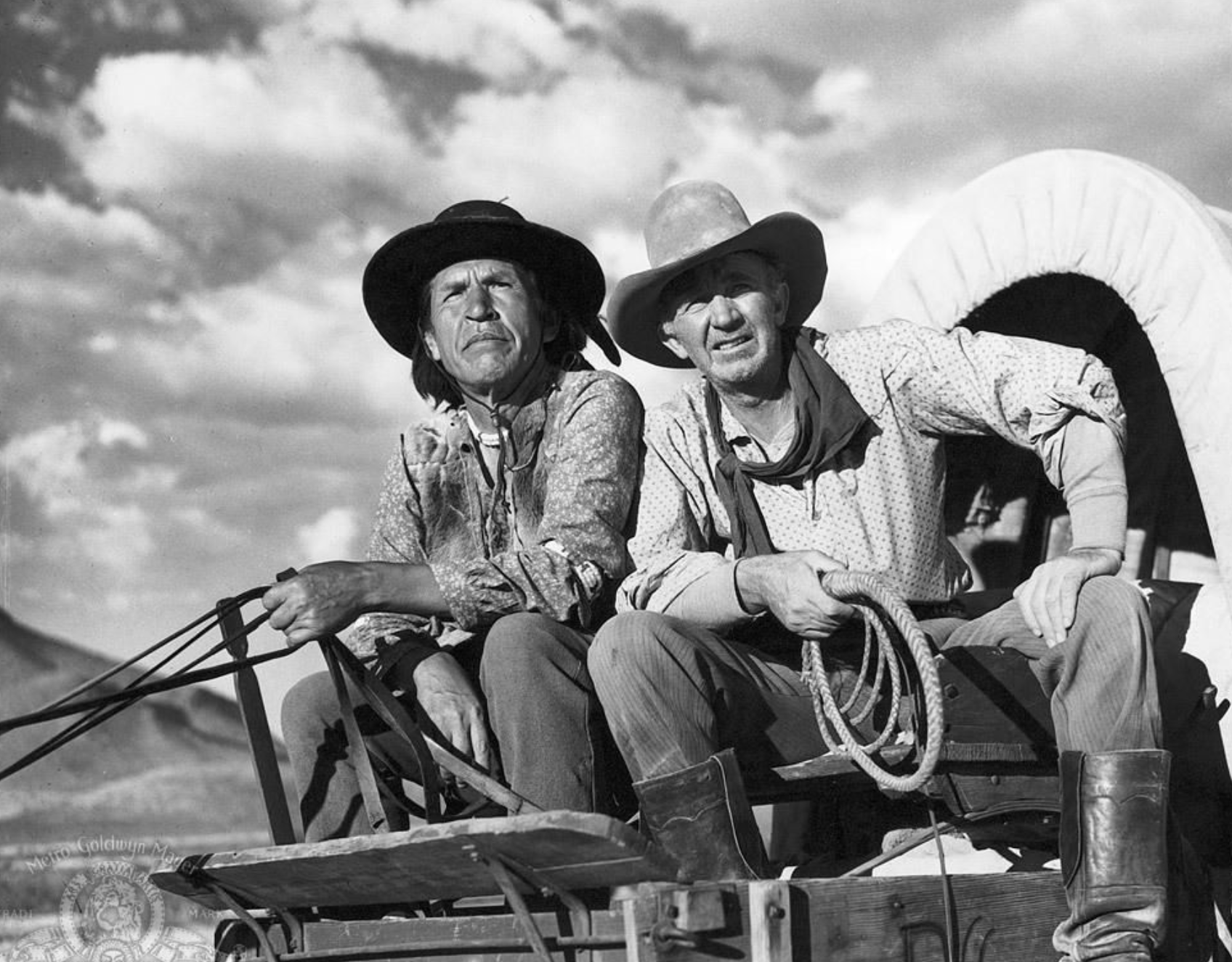
We also toast Walter Brennan (1894-1974) on his birthday. Brennan played more than 230 film and television roles during a career that spanned nearly five decades. He won three Academy Awards for best supporting actor and deserved several more for movies like To Have and Have Not (1944), Red River 1948)…

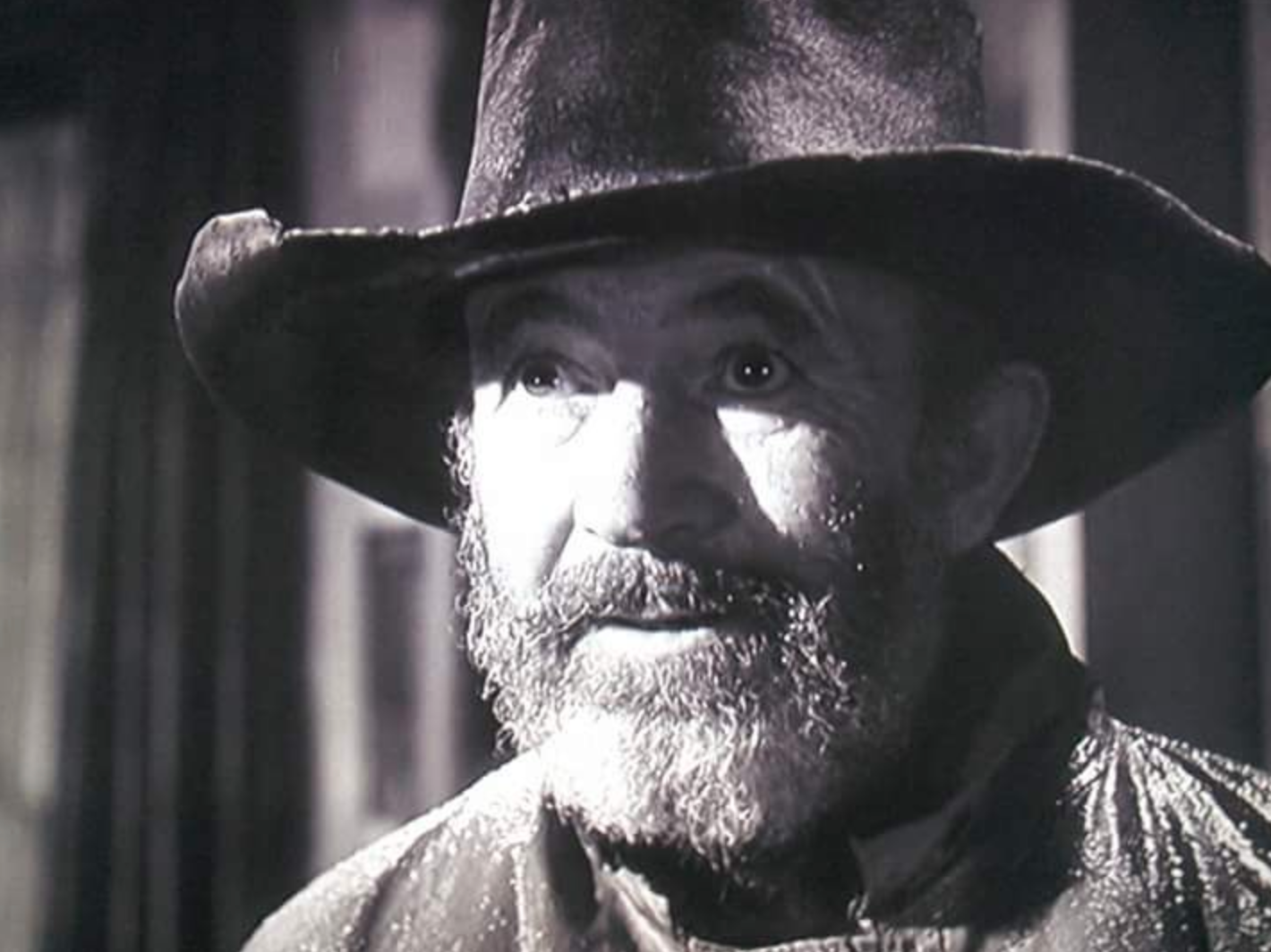
and My Darling Clementine (1946) which I recently watched again. He is the definitive Old Man Clanton, playing against type, menacing and scary.

So join me in toasting these three great American artists. Put down your phone. Listen to some Bob. Look at some art. Watch an old movie. You’ll be glad you did.

Behold, I am coming soon*

by chuckofish

One more weekend in January and then we are on to February–the year is off to a fast start.

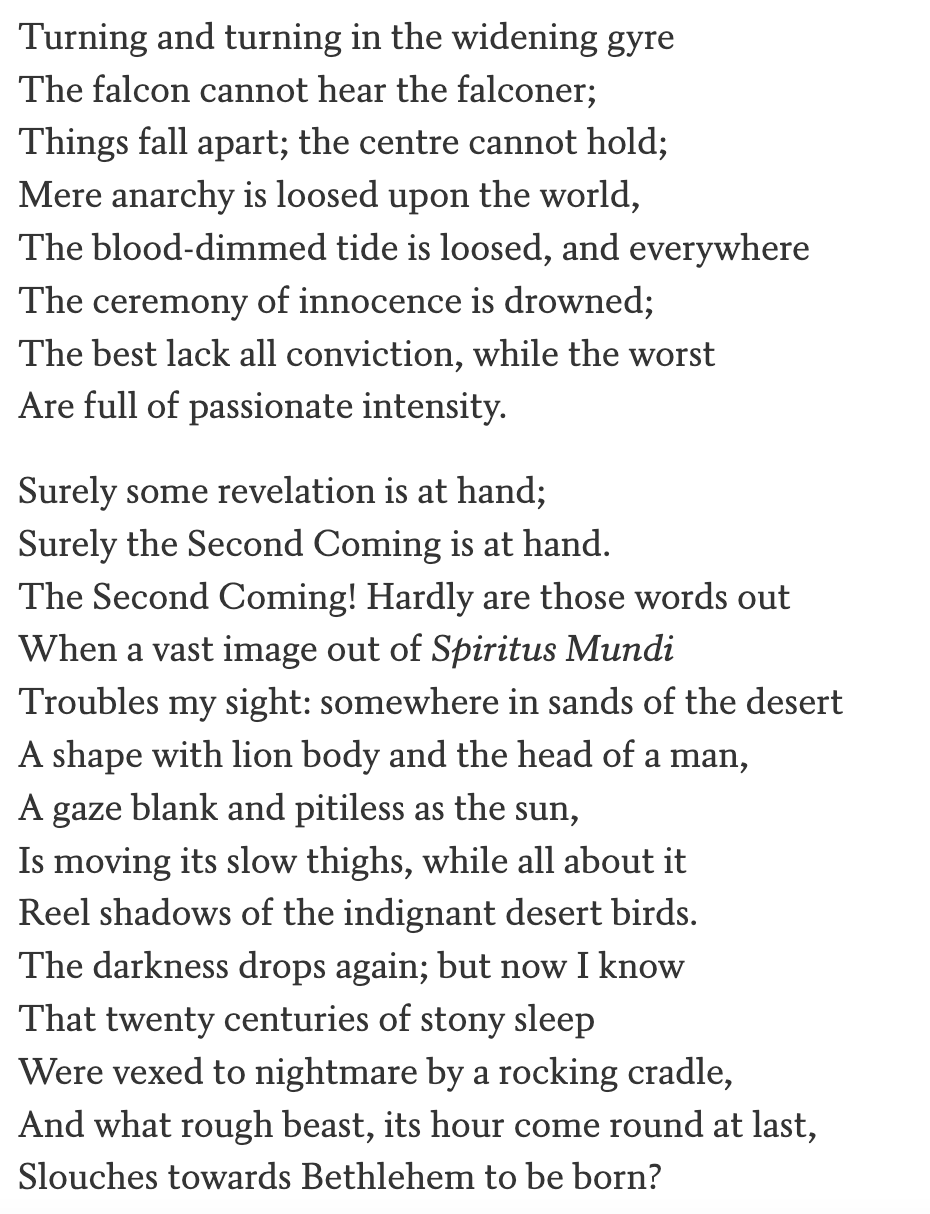
Tomorrow is the anniversary of the death of William Butler Yeats in 1939. We will toast him and read some poetry. Hard to believe “The Second Coming” was written over 100 years ago. It certainly resonates.

(The painting is by Fairfield Porter.)

*Revelation 22:12

I am listening hard

by chuckofish

It has grown cold here in flyover country, but, so far, no snow.

But I like this poem by Billy Collins.

The painting, Snow West Village New York City, is by Anthony Butera.

Life has not forgotten you

by chuckofish

How should we be able to forget those ancient myths that are at the beginning of all peoples, the myths about dragons that at the last moment turn into princesses; perhaps all the dragons of our lives are princesses who are only waiting to see us once beautiful and brave. Perhaps everything terrible is in its deepest being something helpless that wants help from us.

So you must not be frightened if a sadness rises up before you larger than any you have ever seen; if a restiveness, like light and cloudshadows, passes over your hands and over all you do. You must think that something is happening with you, that life has not forgotten you, that it holds you in its hand; it will not let you fall. Why do you want to shut out of your life any uneasiness, any miseries, or any depressions? For after all, you do not know what work these conditions are doing inside you.

Rainer Maria Rilke, Letters to a Young Poet

And don’t forget:

The steadfast love of the Lord never ceases;
    his mercies never come to an end;
they are new every morning;
    great is your faithfulness.

Lamentations 3: 22-23

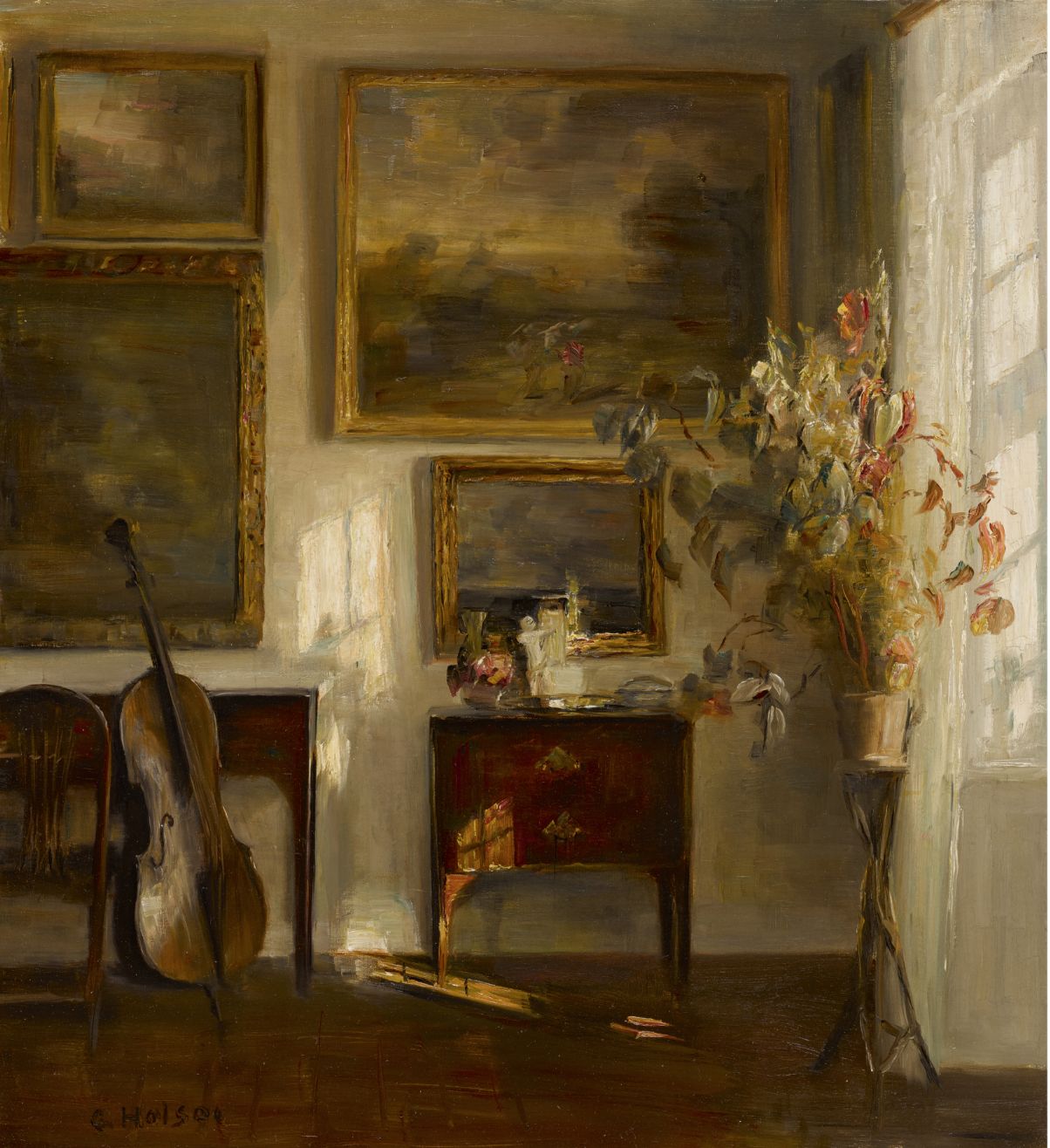
The painting is Interior with Cello by Carl Holsoe

“A spirit in my feet said ‘Go,’ and I went.”*

by chuckofish

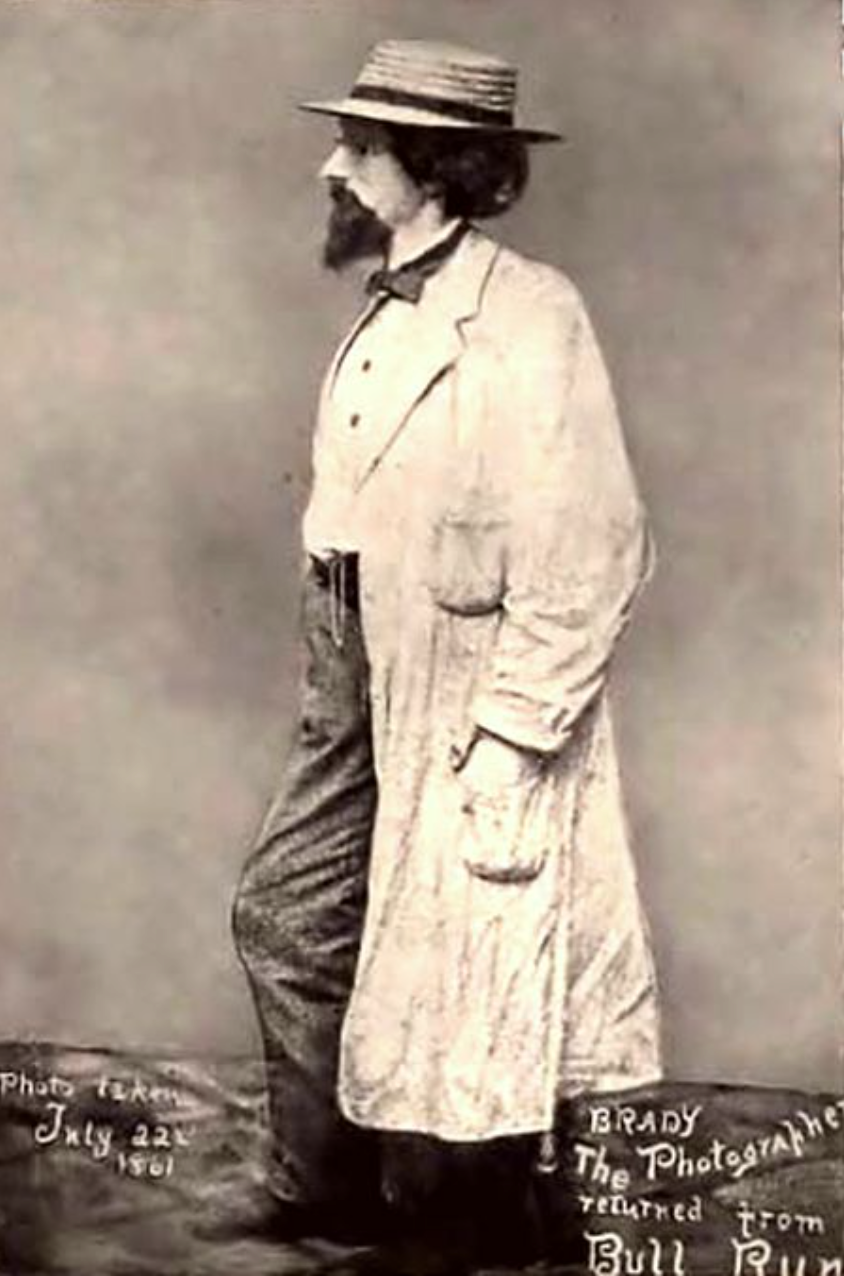
Today we toast the most famous photographer of the 19th century, Mathew Brady (1822-1896). (His birthday was yesterday.) Best known for his scenes of the Civil War, he studied under inventor Samuel F.B. Morse, who pioneered the daguerreotype technique in America. Brady opened his own studio in New York City in 1844, and photographed every U.S. president from John Q. Adams through McKinley (except Harrison, who died 31 days after taking office) and myriad public figures throughout the century.  

Wonderful faces!

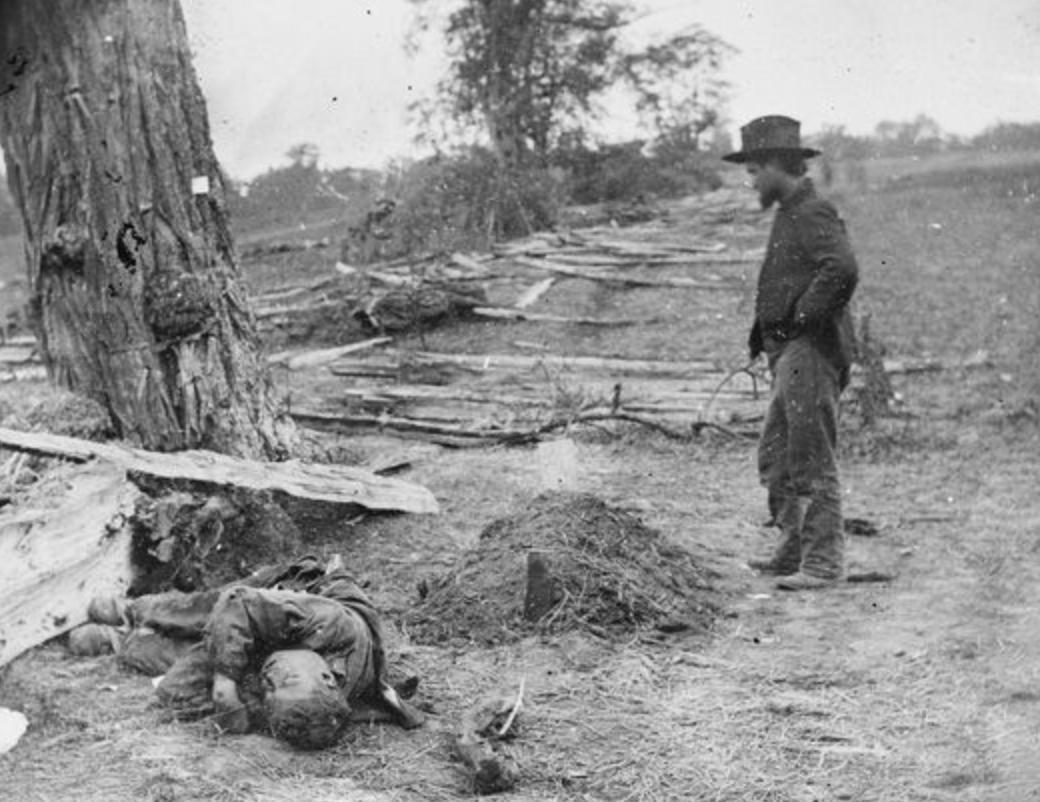
When the Civil War started, he set out to use his innovative mobile studio and darkroom to document the war, enabling the taking of vivid battlefield photographs that brought home the reality of war to the public.

Thousands of war scenes were captured, as well as portraits of generals and politicians on both sides of the conflict, producing a remarkable pictorial history of the war. (Many of these photos were taken by his assistants, rather than by Brady himself.)

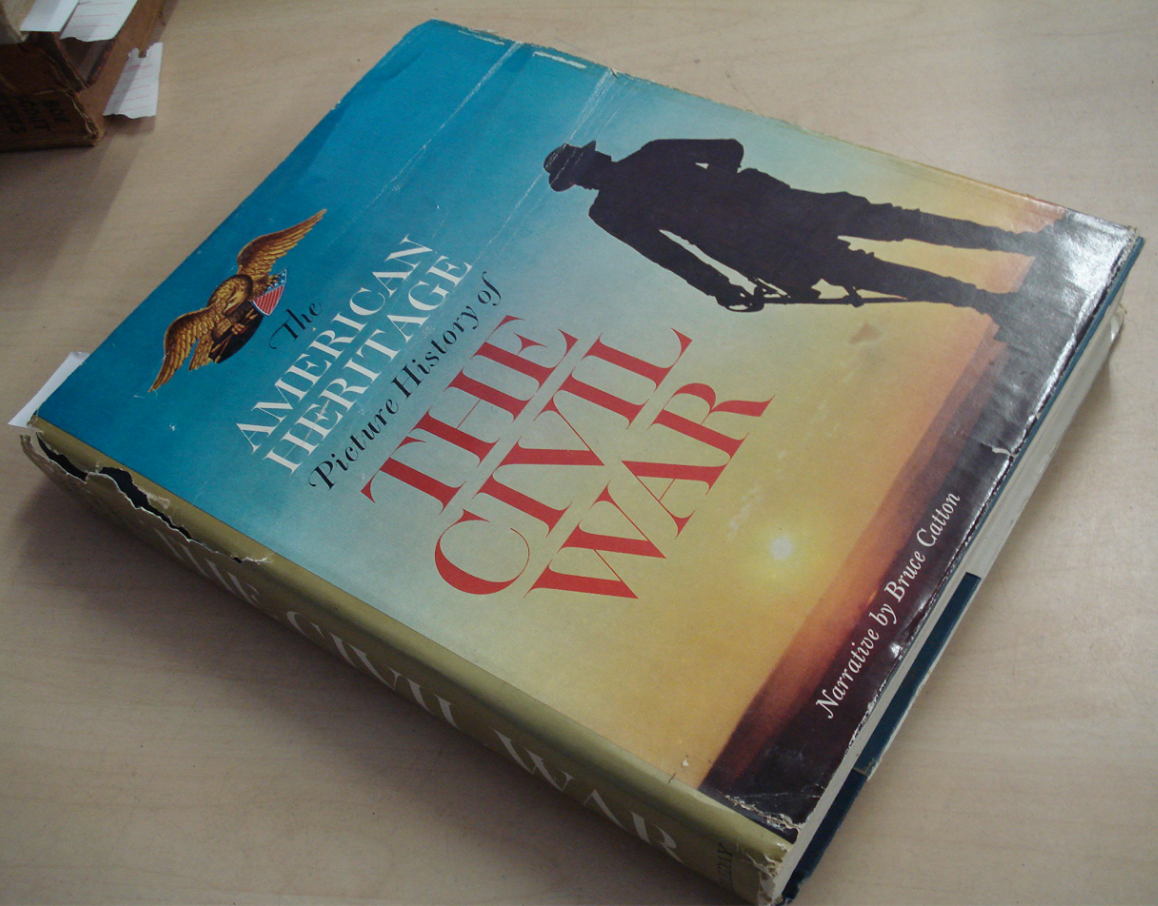
This short video from the Smithsonian is “age-restricted” because it includes photos of dead bodies on the battlefields of the Civil War. We did not restrict the boy (when a mere child) from spending hours pouring over the pages of the American Heritage pictorial history of the Civil War. This big book included many photos taken by Mathew Brady.

I was likewise fascinated by those photos in that book at an early age. They were definitely more graphic than anything I had ever scene, but I don’t think I was scarred by the experience. No more than I should have been anyway. Some scarring is warranted.

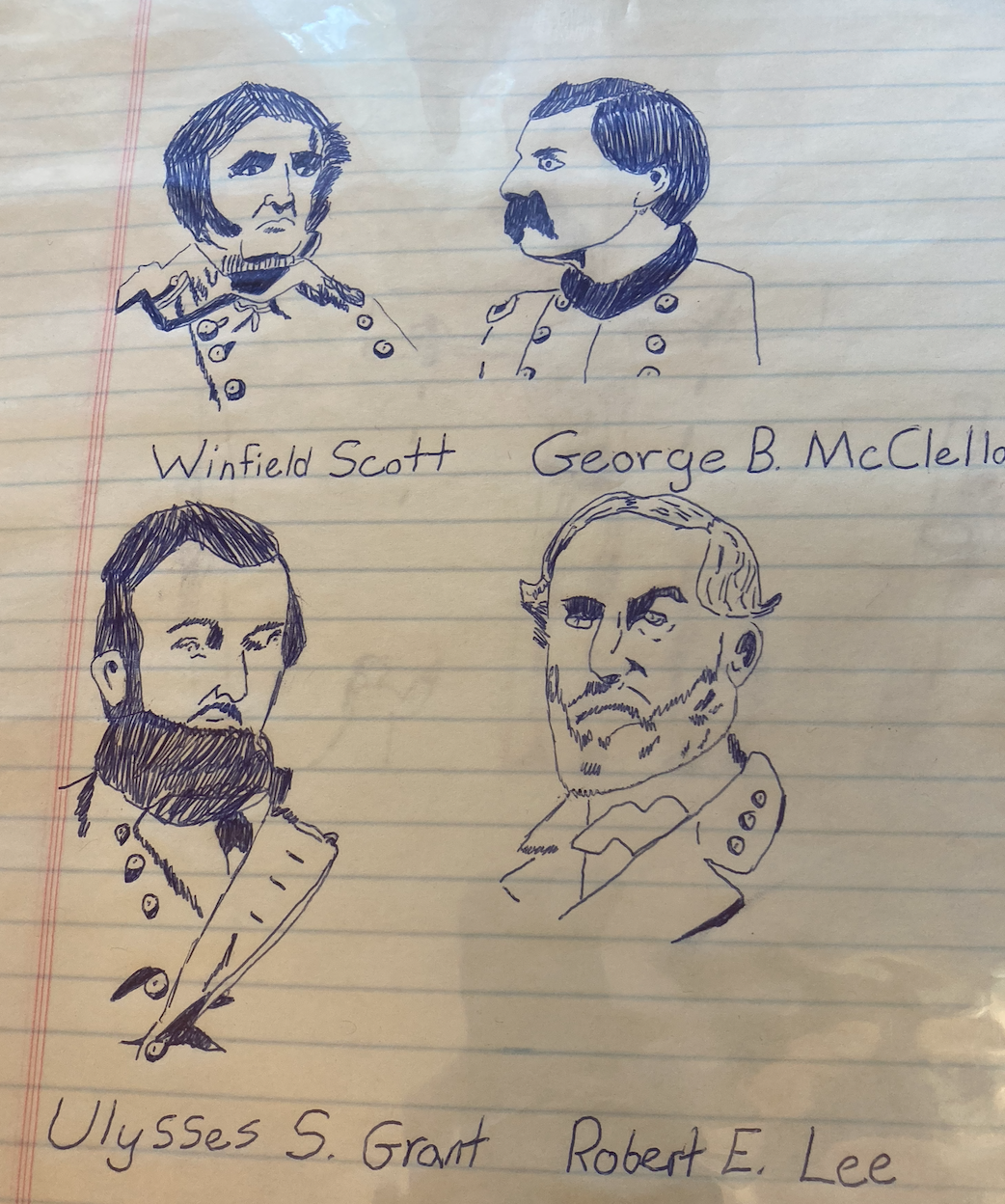
The boy then made many of his own drawings of battles and soldiers.

The U.S. National Archives has most of Brady’s original photographs.  You can see them:  just click here.

P.S. I did something the other day that was life-changing. I switched out the light bulbs in my bedside table lamp and the lamp on the desk in my office for ones with a higher wattage. Amazing. I can see! Praise Jesus. It’s the little things, am I right?

Also, I am feeling this: a new way to exercise. (Turn on the sound and watch the whole workout.)

Does the word ‘gentleman’ still mean anything today? Here’s why it should.

And, finally, I hear this:

*Mathew Brady

Uncentering our minds from ourselves

by chuckofish

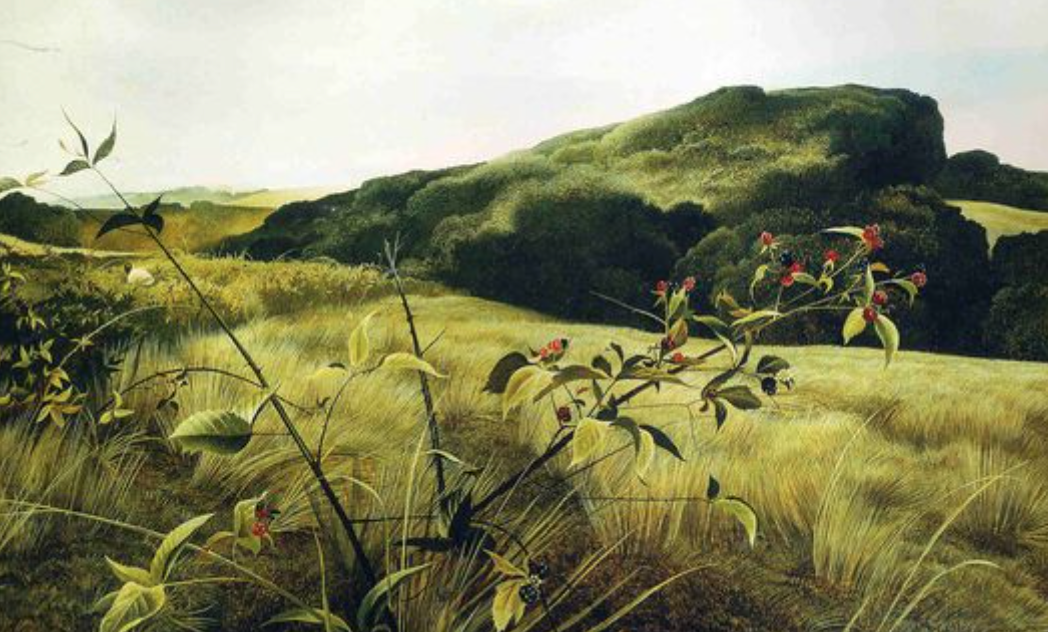
The extraordinary patience of things! 

This beautiful place defaced with a crop of suburban houses

How beautiful when we first beheld it,

Unbroken field of poppy and lupin walled with clean cliffs;

No intrusion but two or three horses pasturing,

Or a few milch cows rubbing their flanks on the outcrop rockheads—

Now the spoiler has come: does it care?

Not faintly. It has all time. It knows the people are a tide

That swells and in time will ebb, and all

Their works dissolve. Meanwhile the image of the pristine beauty

Lives in the very grain of the granite,

Safe as the endless ocean that climbs our cliff.—As for us:

We must uncenter our minds from ourselves;

We must unhumanize our views a little, and become confident

As the rock and ocean that we were made from.

–“Carmel Point” by Robinson Jeffers, who died on this day in 1961


It has turned very cold here in flyover country and we are hunkering down, dusting the bookshelves and sorting our collections.

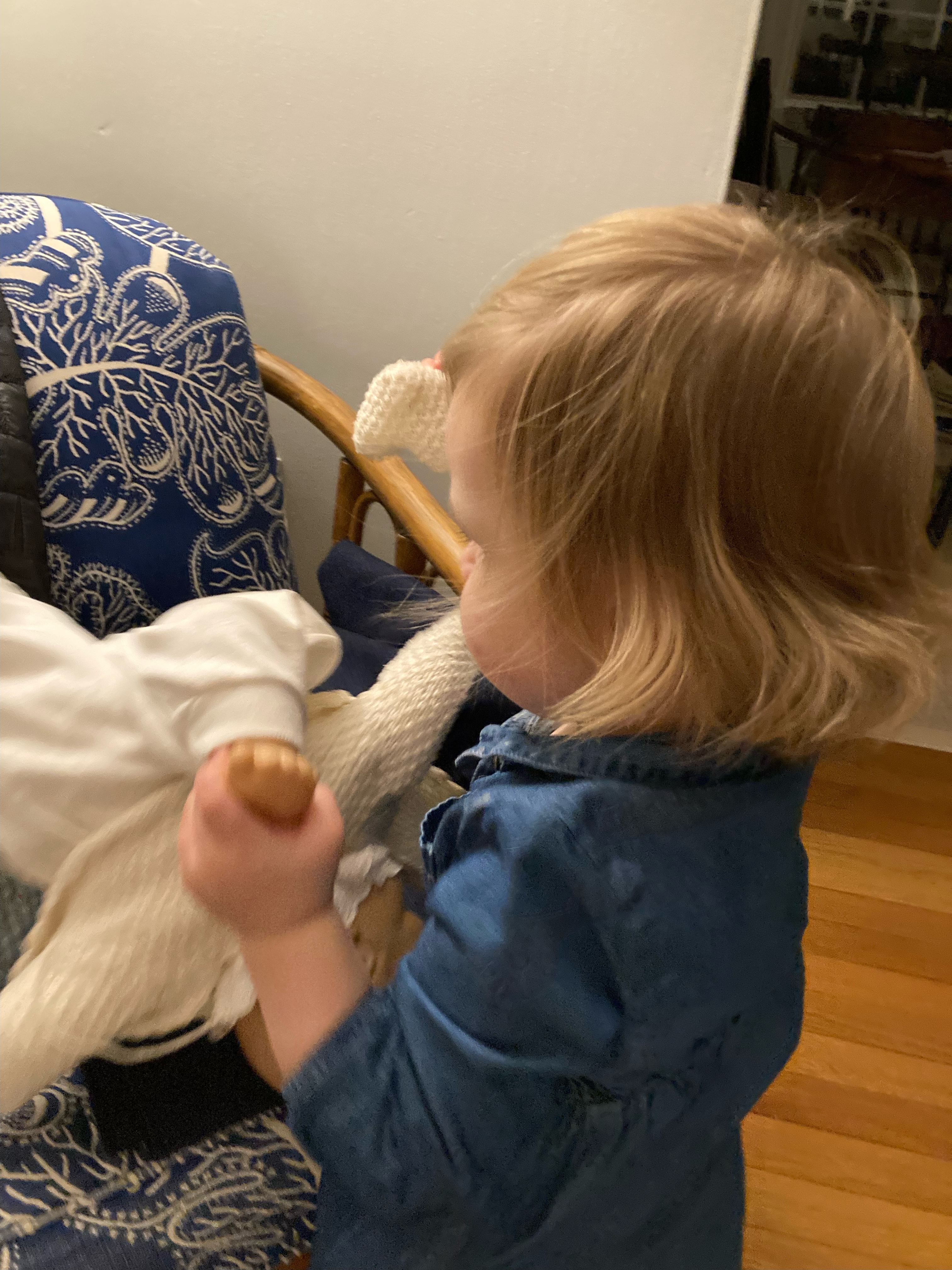
In other news, Katiebelle got her first haircut…

…and she is setting fashion trends in toddler daycare.

And this made me laugh…

Grace and peace to you.

(The painting at the top is by Andrew Wyeth.)

Leaving the cities of the plain

by chuckofish

I have been off the academic merry-go-round now for six or so weeks, we’ve thrown our big party and things are finally winding down around here.

This poem by the seventeenth poet Henry Vaughan (1621-95) seems appropriate to the mood.

Retirement

Fresh fields and woods! the Earth’s fair face,

God’s foot-stool, and man’s dwelling-place.

I ask not why the first Believer

Did love to be a country liver?

Who to secure pious content

Did pitch by groves and wells his tent;

Where he might view the boundless sky,

And all those glorious lights on high;

With flying meteors, mists and show’rs,

Subjected hills, trees, meads and flow’rs;

And ev’ry minute bless the King

And wise Creator of each thing.

I ask not why he did remove

To happy Mamre’s holy grove,

Leaving the cities of the plain

To Lot and his successless train?

All various lusts in cities still

Are found; they are the thrones of ill;

The dismal sinks, where blood is spill’d,

Cages with much uncleanness fill’d.

But rural shades are the sweet fense

Of piety and innocence.

They are the Meek’s calm region, where

Angels descend and rule the sphere,

Where heaven lies leiger, and the dove

Duly as dew, comes from above.

If Eden be on Earth at all,

‘Tis that, which we the country call.

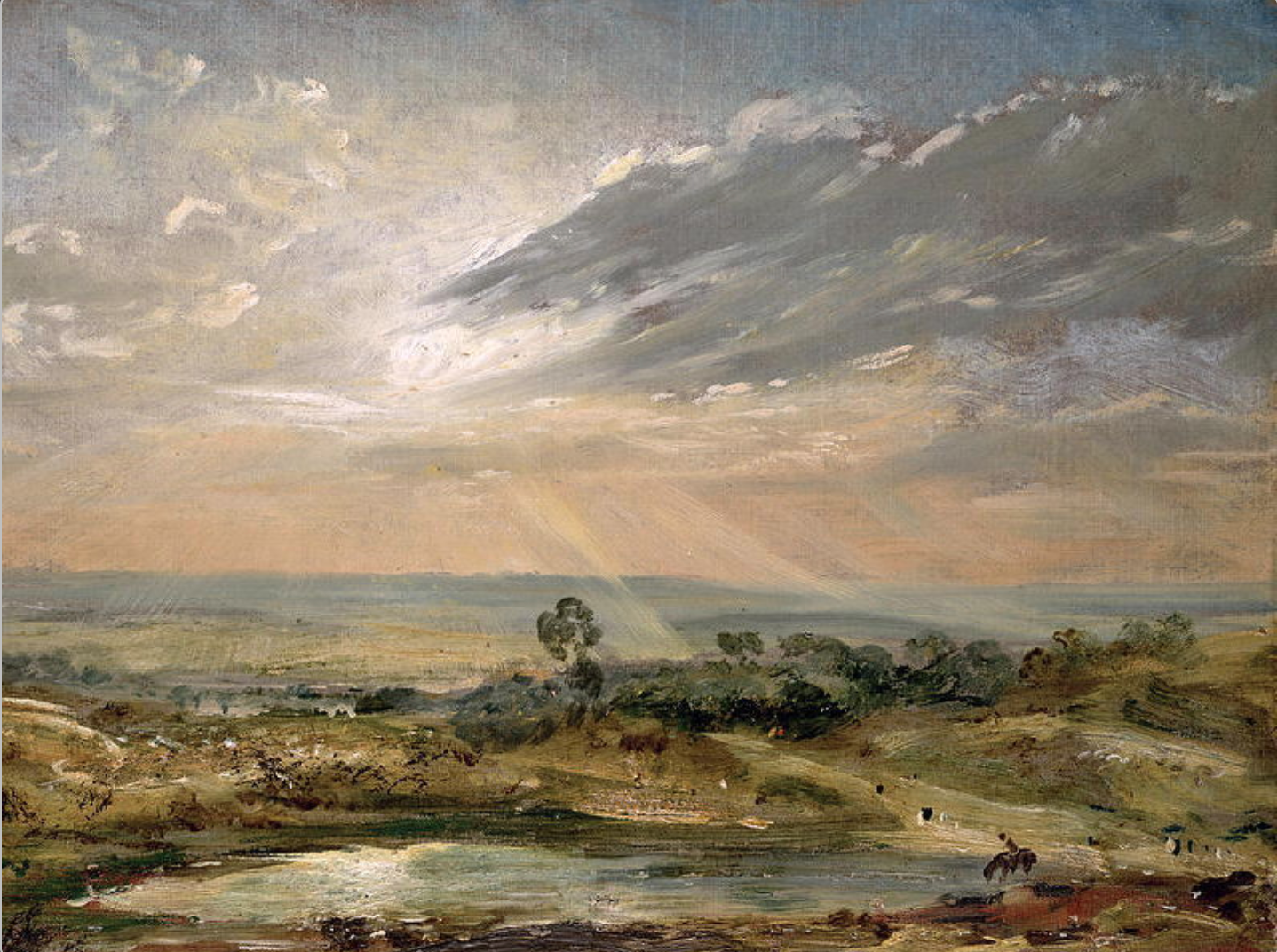
*The painting is by John Constable. The cities of the plain are the five cities—Sodom, Gomorrah, Admah, Zeboiim, and Zoar—thought to be located near the southern end of the Dead Sea. The narrative of Genesis 14:1associates these five cities and locates them in the Valley of Siddim, the Dead Sea. 

“Find beauty wherever you are.”

by chuckofish

We are thinking about Mother’s Day and we wish all mothers and grandmothers and lovely aunts a happy day. We will be celebrating with the boy and his family on Saturday night so that daughter #3 can spend Sunday with the wee babes doing fun things all day. We’ll FaceTime with daughter #2 and Baby Katie on Sunday.

Here’s a poem by May Sarton that reminds me of my mother:

For My Mother

Once more
I summon you
Out of the past
With poignant love,
You who nourished the poet
And the lover.
I see your gray eyes
Looking out to sea
In those Rockport summers,
Keeping a distance
Within the closeness
Which was never intrusive
Opening out
Into the world.
And what I remember
Is how we laughed
Till we cried
Swept into merriment
Especially when times were hard.
And what I remember
Is how you never stopped creating
And how people sent me
Dresses you had designed
With rich embroidery
In brilliant colors
Because they could not bear
To give them away
Or cast them aside.
I summon you now
Not to think of
The ceaseless battle
With pain and ill health,
The frailty and the anguish.
No, today I remember
The creator,
The lion-hearted.

Today is Truman Day in Missouri, honoring Harry S Truman, the only U.S. president born in our great state. Anyway, I thought I would share one of the videos daughter #1 has been working on for Small Business Month in MO. I think the woman in this story articulates very well how I feel about living in the Midwest–“a pretty good simple life”–which is to say, a good goal to have. You have to find the beauty wherever you are. If you look, it is there.

“But godliness with contentment is great gain. For we brought nothing into the world, and we can take nothing out of it. But if we have food and clothing, we will be content with that. Those who want to get rich fall into temptation and a trap and into many foolish and harmful desires that plunge people into ruin and destruction. For the love of money is a root of all kinds of evil. Some people, eager for money, have wandered from the faith and pierced themselves with many griefs.”

1 TIMOTHY 6:6–10

I watched a good movie the other night: The Great Debaters (2007) (on Hulu), directed by and starring Denzel Washington. I had never heard of it, but I trust Denzel not to be in a terrible. movie. It is based on the true story of Melvin B. Tolson, a professor at the (historically black) Wiley College in Texas. In 1935, he inspired students to form the school’s first debate team, which, in a nearly-undefeated season, sees the first debate between U.S. students from white and Negro colleges and ends with an invitation to face Harvard University’s national champions. Inspiring and true.

Have a great weekend! Call your mother.

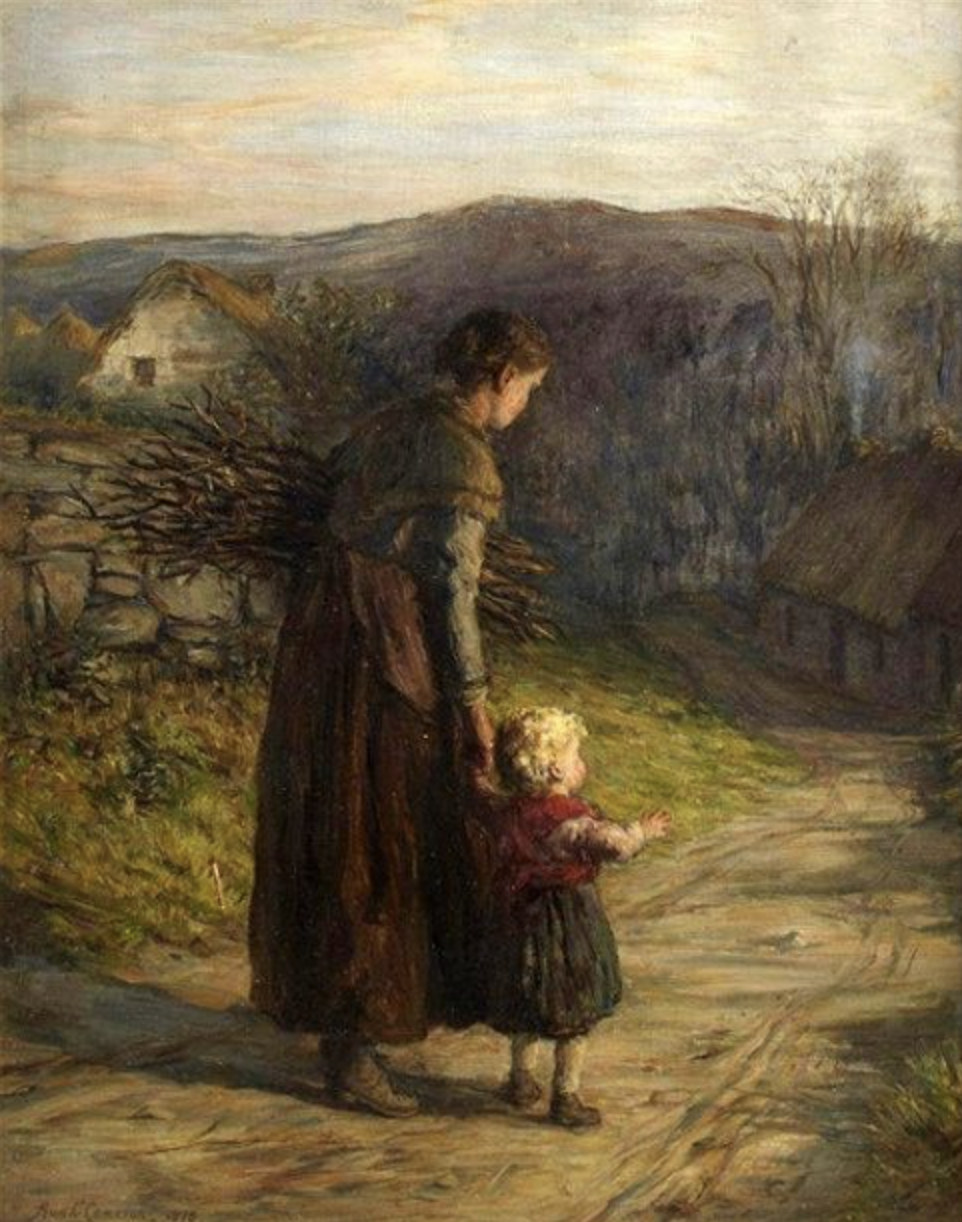
The painting is by Hugh Cameron (1835-1918).

“Some days are diamonds/ Some days are rocks”*

by chuckofish

Mood

Hope you are having a diamond of a day, able to enjoy the weather and read a little poetry.

The Real Prayers are not the Words, but the Attention that Comes First

The little hawk leaned sideways and, tilted, rode
the wind. Its eye at this distance looked like green
glass; its feet were the color of butter. Speed, obviously,
was joy. But then, so was the sudden, slow circle
it carved into the slightly silvery air, and the squaring
of its shoulders, and the pulling into itself the long,
sharp-edged wings, and the fall into the grass where it
tussled a moment, like a bundle of brown leaves, and
then, again, lifted itself into the air, that butter-color
clenched in order to hold a small, still body, and it flew
off as my mind sang out oh all that loose, blue rink
of sky, where does it go to, and why?        

–Mary Oliver

Today is the birthday of writer Eudora Welty (1909–2001) whom I have admired for many years. It is always a good day to take down one of her books from a shelf and open and read.

“The events in our lives happen in a sequence in time, but in their significance to ourselves they find their own order, a timetable not necessarily – perhaps not possibly – chronological. The time as we know it subjectively is often the chronology that stories and novels follow: it is the continuous thread of revelation.”

Eudora Welty, One Writer’s Beginnings

I will also note that tomorrow is daughter #2’s birthday.

We will celebrate her birthday in 10 days when she and baby Katie visit for a long weekend. Of course, we can’t wait to hold that baby, but I can’t wait to hold my baby…

…who was a precious bundle of joy not so long ago and is now a beautiful and talented young woman.

Sunrise, sunset. Time is the continuous thread of revelation.

The watercolor is by Louis Michel Eilshemius, painted between 1888 and 1910. (Detroit Institute of Arts)

*Tom Petty, Walls