dual personalities

Category: Poetry

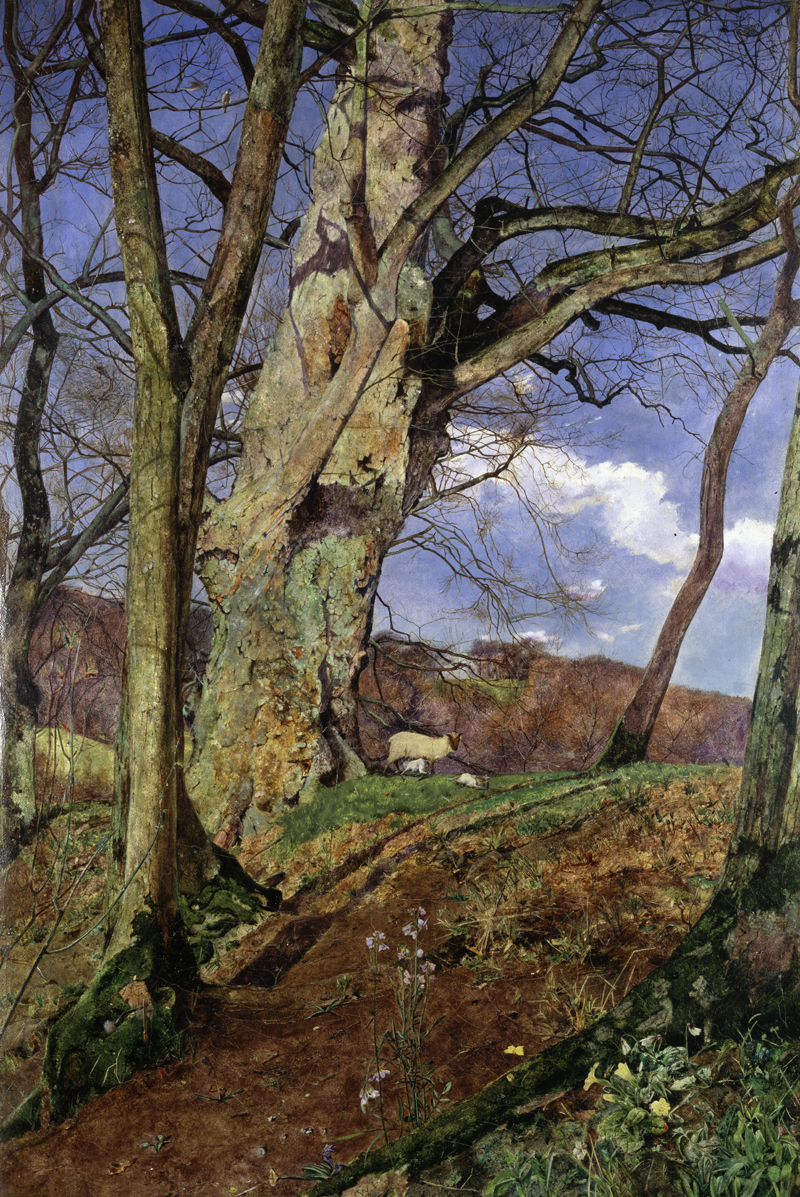
Dear March–Come in

by chuckofish

John William Inchbold (1830--1888)

Dear March — Come in —
How glad I am —
I hoped for you before —

Put down your Hat —
You must have walked —
How out of Breath you are —
Dear March, Come right up the stairs with me —
I have so much to tell —

I got your Letter, and the Birds —
The Maples never knew that you were coming — till I called
I declare — how Red their Faces grew —
But March, forgive me — and
All those Hills you left for me to Hue —
There was no Purple suitable —
You took it all with you —

Who knocks? That April.
Lock the Door —
I will not be pursued —
He stayed away a Year to call
When I am occupied —
But trifles look so trivial
As soon as you have come

That Blame is just as dear as Praise
And Praise as mere as Blame —

(Emily Dickinson)

The painting is “A Study, In March”  by John William Inchbold (1830–1888)

Have a nice Wednesday

by chuckofish

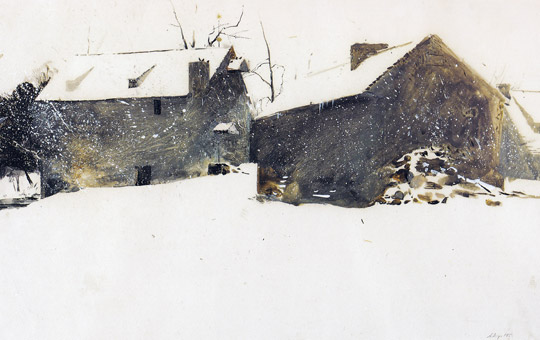
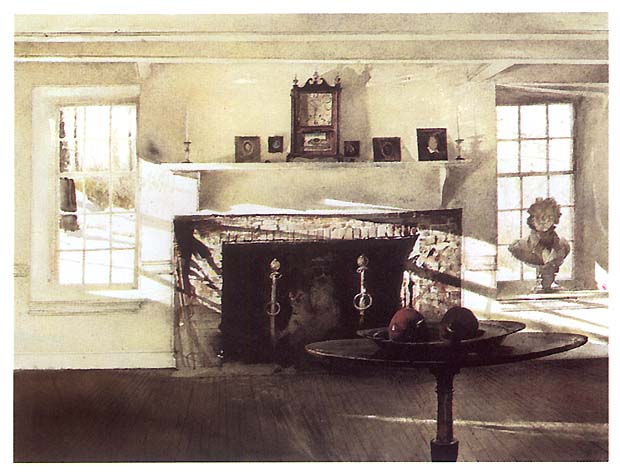
andrew_wyeth_snow_1

The way a crow

Shook down on me

The dust of snow

From a hemlock tree

Has given my heart

A change of mood

And saved some part

Of a day I had rued.

(Robert Frost)

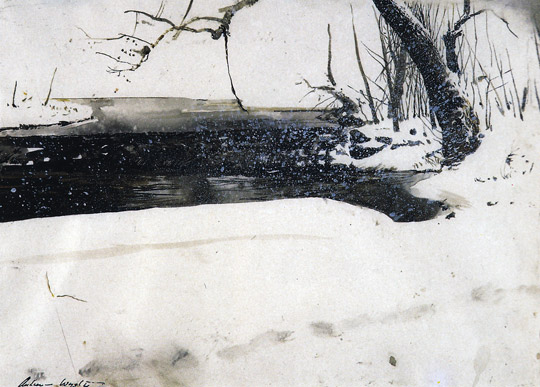
andrew_wyeth_snow_2

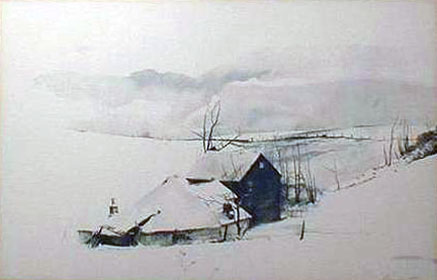
wyethandrew_23205_2

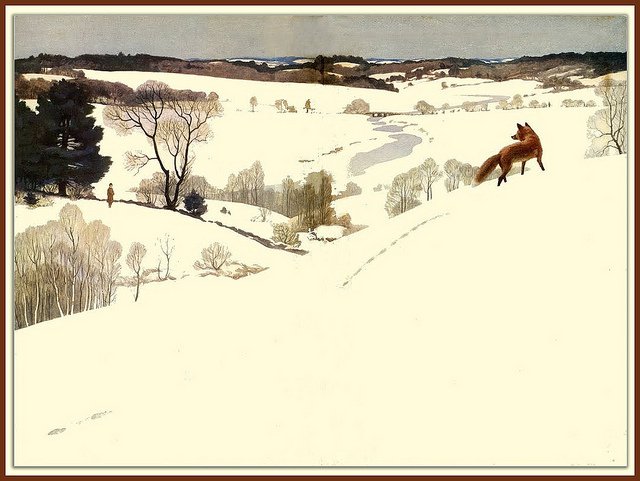
bigroom(All paintings above by Andrew Wyeth and one bonus piece by N.C. Wyeth below)

nc wyeth

Way Back Wednesday: we are but flowers

by chuckofish

MCC flower

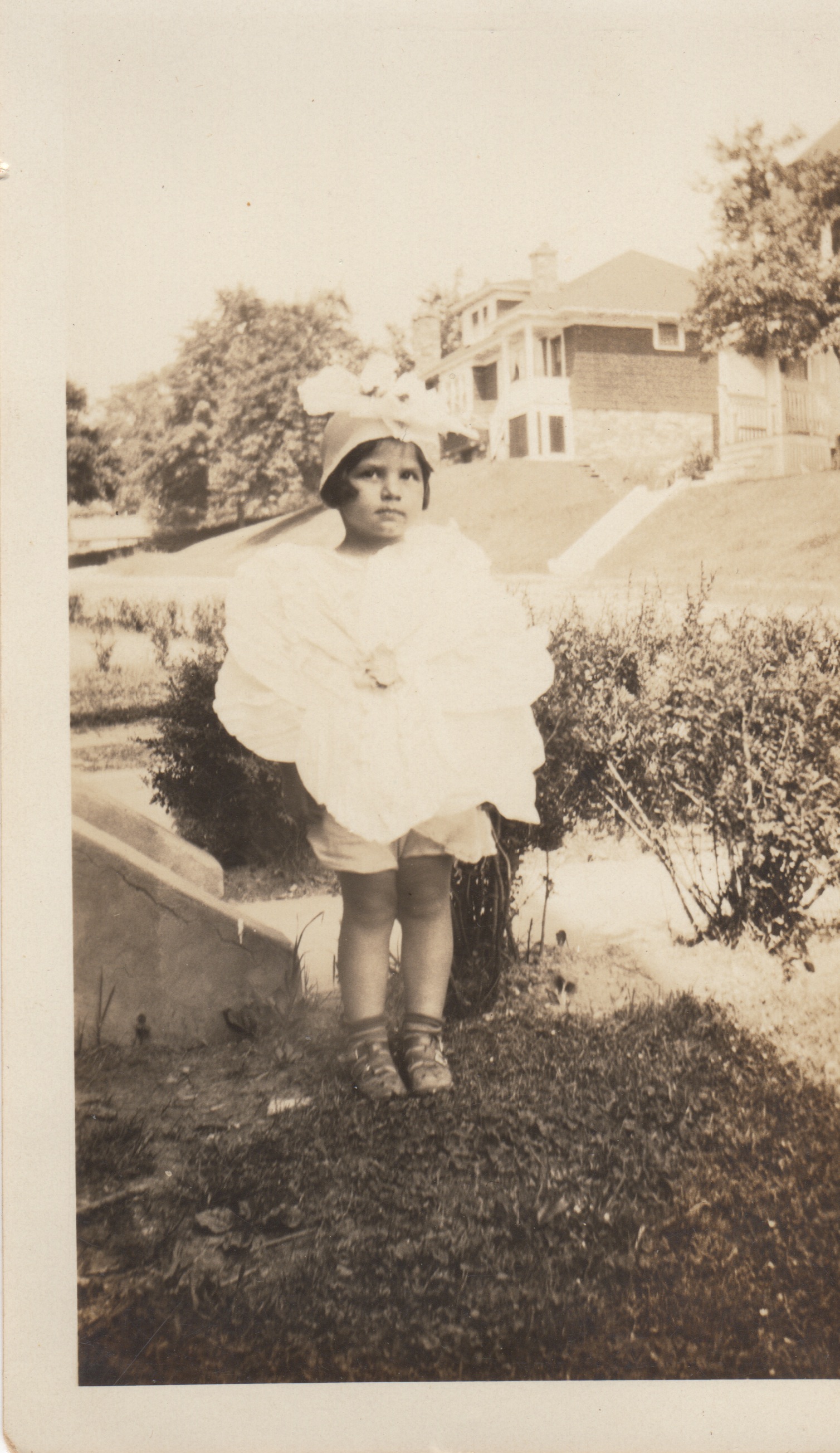
Little Mary in Worcester, MA, circa 1931

These are thy wonders, Lord of love,

To make us see we are but flowers that glide;

         Which when we once can find and prove,

Thou hast a garden for us where to bide;

                      Who would be more,

                      Swelling through store,

         Forfeit their Paradise by their pride.

–George Herbert, from “The Flower”

Happy New Year!

by chuckofish

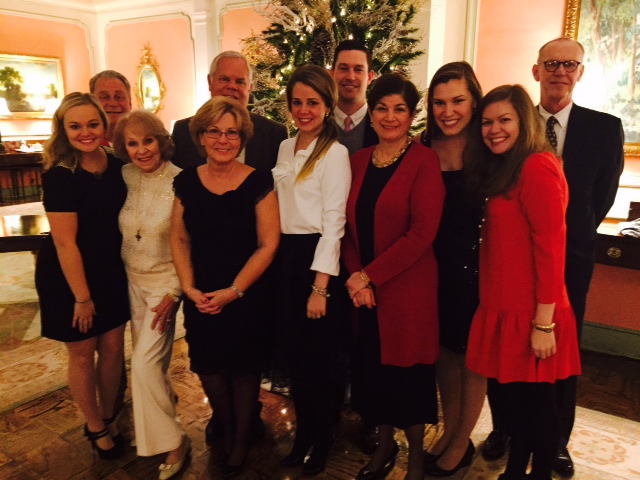
comptonbattram1.jpg

Can you find the pixilated Dual Personality in this festive bunch?

I give you an old reliable–but still wonderful–poem for the new year by Alfred Tennyson. Nothing much has changed since he wrote it in 1850. I mean people are still people and it is good to keep that in mind. Tennyson was writing about the “faithless coldness of the times” back then too.

Ring out, wild bells, to the wild sky,
The flying cloud, the frosty light;
The year is dying in the night;
Ring out, wild bells, and let him die.

Ring out the old, ring in the new,
Ring, happy bells, across the snow:
The year is going, let him go;
Ring out the false, ring in the true.

Ring out the grief that saps the mind,
For those that here we see no more,
Ring out the feud of rich and poor,
Ring in redress to all mankind.

Ring out a slowly dying cause,
And ancient forms of party strife;
Ring in the nobler modes of life,
With sweeter manners, purer laws.

Ring out the want, the care the sin,
The faithless coldness of the times;
Ring out, ring out my mournful rhymes,
But ring the fuller minstrel in.

Ring out false pride in place and blood,
The civic slander and the spite;
Ring in the love of truth and right,
Ring in the common love of good.

Ring out old shapes of foul disease,
Ring out the narrowing lust of gold;
Ring out the thousand wars of old,
Ring in the thousand years of peace.

Ring in the valiant man and free,
The larger heart, the kindlier hand;
Ring out the darknss of the land,
Ring in the Christ that is to be.


“There’s a certain Slant of light”*

by chuckofish

Today is Emily Dickinson’s birthday!

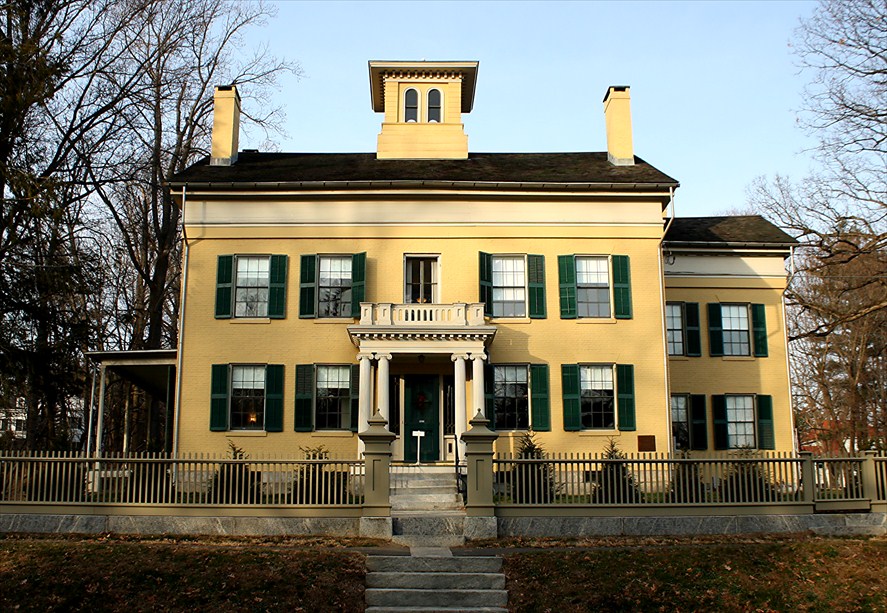
emily-dickinsonEmily lived her whole life (December 10, 1830 – May 15, 1886) in Amherst, Massachusetts. She lived in this beautiful house, called by her family “The Homestead”.

emily's home

She had a room of her own, and for Emily, this seems to have been enough. She also had her family and she did not lack for friends. She may have seemed “eccentric” to some, but plenty of people thought she was pretty cool. If she was mysterious back in her day, she is increasingly misunderstood now.

The Emily Dickinson Home, a National Historic Landmark, is located at 280 Main St. in Amherst, MA. Although I lived in the vicinity during my college years, I never visited the house. I saw it, but never went inside. The property, which is now owned by Amherst College, is a museum and is open to the public for guided tours March through December. It is definitely on my “to do/see” list.

So tonight let’s toast Emily and read a few of her poems. Here’s a good one for a winter afternoon:

There’s a certain Slant of light,
Winter Afternoons –
That oppresses, like the Heft
Of Cathedral Tunes –
Heavenly Hurt, it gives us –
We can find no scar,
But internal difference –
Where the Meanings, are –
None may teach it – Any –
‘Tis the seal Despair –
An imperial affliction
Sent us of the Air –
When it comes, the Landscape listens –
Shadows – hold their breath –
When it goes, ’tis like the Distance
On the look of Death –

Yet what I can, I give Him

by chuckofish

Today we celebrate the birthday of Christina Rosetti (December 5, 1830 – December 29, 1894), a 19th century English poet and devout Anglican. She wrote the poem that was set to music and is one of my favorite Christmas carols, In the Bleak Midwinter.

In the bleak mid-winter
Frosty wind made moan,
Earth stood hard as iron,
Water like a stone;
Snow had fallen, snow on snow,
Snow on snow,
In the bleak mid-winter
Long ago.

Our God, Heaven cannot hold Him
Nor earth sustain;
Heaven and earth shall flee away
When He comes to reign:
In the bleak mid-winter
A stable-place sufficed
The Lord God Almighty,
Jesus Christ.

Enough for Him, whom cherubim
Worship night and day,
A breastful of milk,
And a mangerful of hay;
Enough for Him, whom angels
Fall down before,
The ox and ass and camel
Which adore.

Angels and archangels
May have gathered there,
Cherubim and seraphim
Thronged the air –
But only His mother
In her maiden bliss
Worshipped the Beloved
With a kiss.

What can I give Him,
Poor as I am?
If I were a shepherd
I would bring a lamb;
If I were a wise man
I would do my part;
Yet what I can, I give Him –
Give my heart.

Here is a lovely rendition of this beautiful carol:

This may get you headed in the right direction–that is, not toward the mall, but to wherever you go to listen to that still, small voice in your heart.

Have a great weekend and enjoy Advent II.

Our shelter from the stormy blast*

by chuckofish

IMGP1124

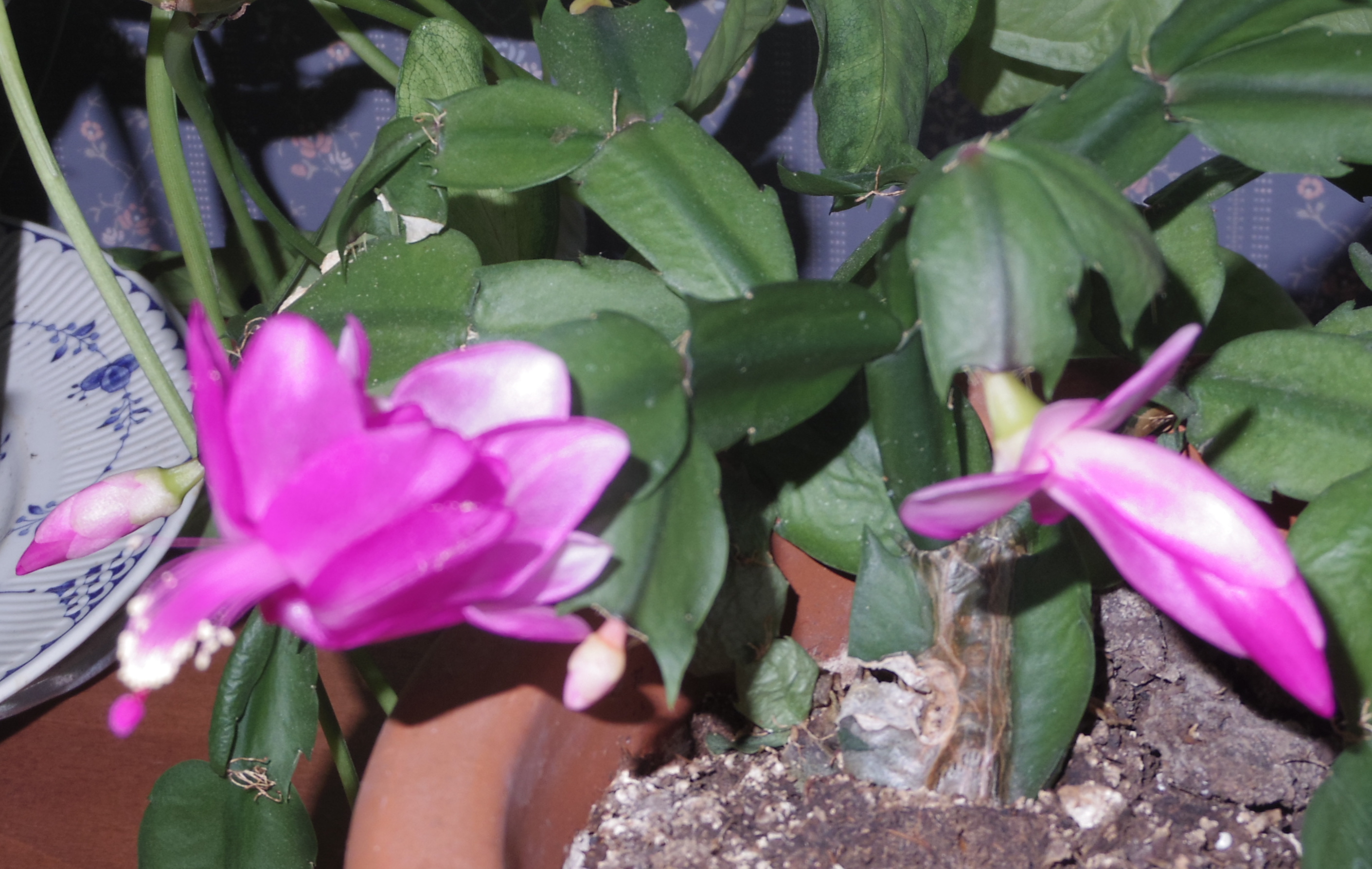
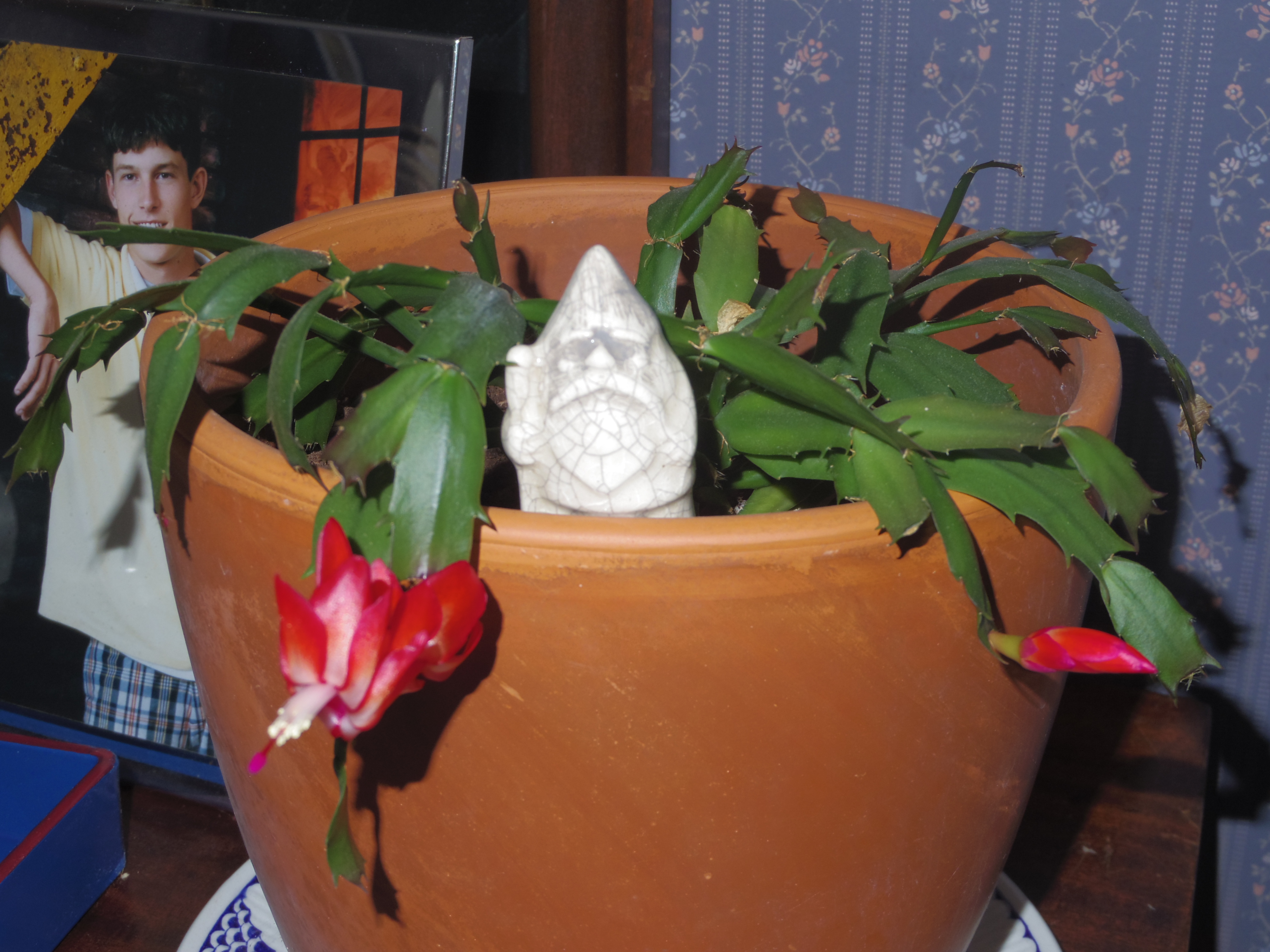
Yes, the Christmas cacti are blooming! Can it really be that time of year again?

IMGP1127

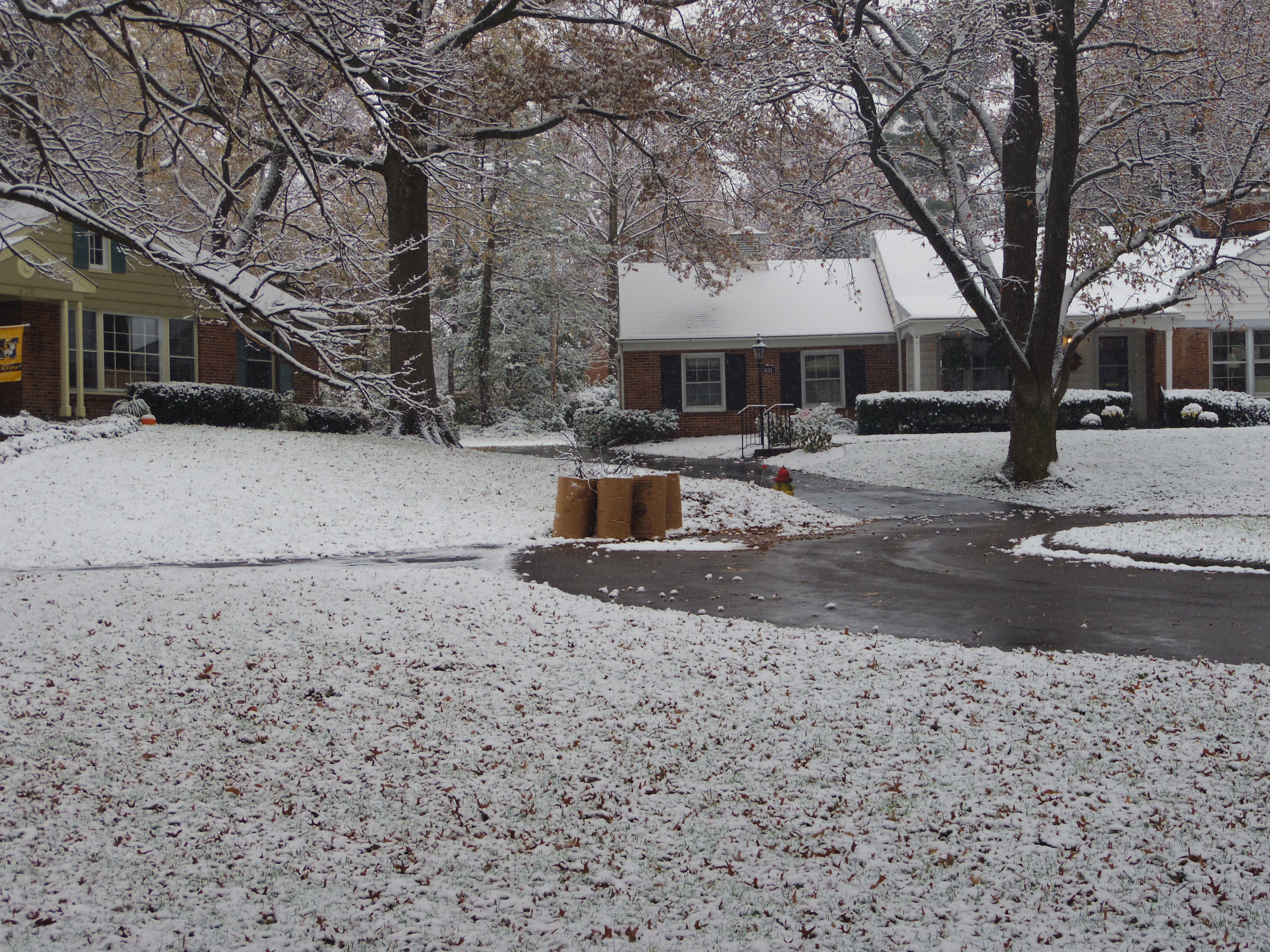
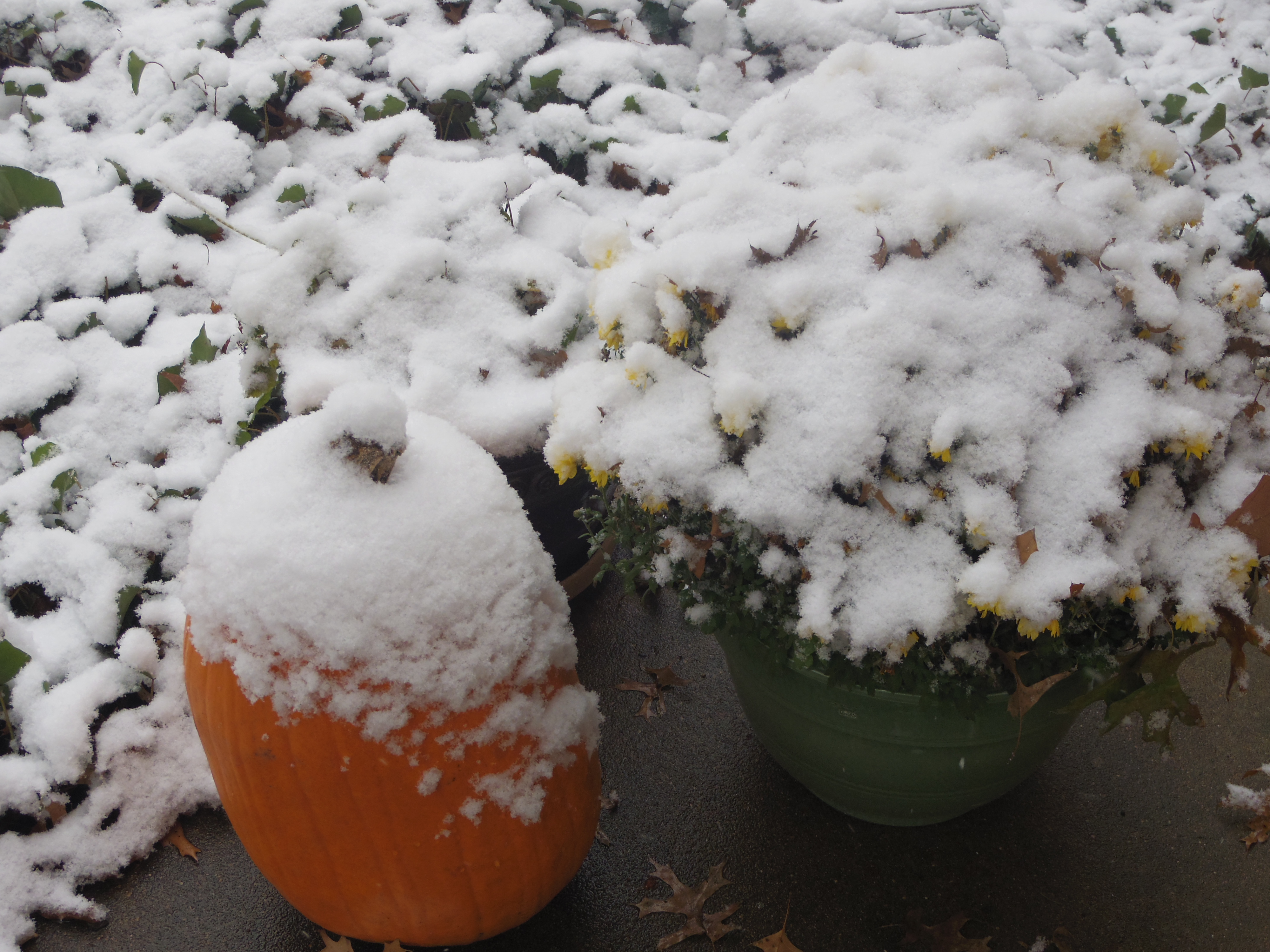
It must be…’cause it snowed too!

Note the leaf bags!

Note the leaf bags!

IMGP1129

The anthem at the Offertory at church on Sunday was the poem “Love” by George Herbert (1593-1632) which is a particularly lovely one:

Love bade me welcome: yet my soul drew back,

Guilty of dust and sin.

But quick-eyed Love, observing me grow slack

From my first entrance in,

Drew nearer to me, sweetly questioning

If I lacked anything.

“A guest,” I answered, “worthy to be here”:

Love said, “You shall be he.”

“I, the unkind, ungrateful? Ah, my dear,

I cannot look on thee.”

Love took my hand, and smiling did reply,

“Who made the eyes but I?”

“Truth, Lord; but I have marred them; let my shame

Go where it doth deserve.”

“And know you not,” says Love, “who bore the blame?”

“My dear, then I will serve.”

“You must sit down,” says Love, “and taste my meat.”

So I did sit and eat.

It snowed all day, but never amounted to too much. Time to get serious, though, about the snowball descent to the end of the year.

Have a good week!

*Hymn #680, Isaac Watts

In Xanadu

by chuckofish

Samuel Taylor Coleridge, a leader of the British Romantic movement and famous opium addict, was born on this day in 1772, in Devonshire, England.

In honor of his birthday, here is one of his famous poems to read aloud.

xanadtaipeinationalmuseum46

Kubla Khan Or a Vision in a Dream. A Fragment

In Xanadu did Kubla Khan

A stately pleasure-dome decree:

Where Alph, the sacred river, ran

Through caverns measureless to man

Down to a sunless sea.

So twice five miles of fertile ground

With walls and towers were girdled round;

And there were gardens bright with sinuous rills,

Where blossomed many an incense-bearing tree;

And here were forests ancient as the hills,

Enfolding sunny spots of greenery.


But oh! that deep romantic chasm which slanted

Down the green hill athwart a cedarn cover!

A savage place! as holy and enchanted

As e’er beneath a waning moon was haunted

By woman wailing for her demon-lover!

And from this chasm, with ceaseless turmoil seething,

As if this earth in fast thick pants were breathing,

A mighty fountain momently was forced:

Amid whose swift half-intermitted burst

Huge fragments vaulted like rebounding hail,

Or chaffy grain beneath the thresher’s flail:

And mid these dancing rocks at once and ever

It flung up momently the sacred river.

Five miles meandering with a mazy motion

Through wood and dale the sacred river ran,

Then reached the caverns measureless to man,

And sank in tumult to a lifeless ocean;

And ’mid this tumult Kubla heard from far

Ancestral voices prophesying war!

The shadow of the dome of pleasure

Floated midway on the waves;

Where was heard the mingled measure

From the fountain and the caves.

It was a miracle of rare device,

A sunny pleasure-dome with caves of ice!


A damsel with a dulcimer

In a vision once I saw:

It was an Abyssinian maid

And on her dulcimer she played,

Singing of Mount Abora.

Could I revive within me

Her symphony and song,

To such a deep delight ’twould win me,

That with music loud and long,

I would build that dome in air,

That sunny dome! those caves of ice!

And all who heard should see them there,

And all should cry, Beware! Beware!

His flashing eyes, his floating hair!

Weave a circle round him thrice,

And close your eyes with holy dread

For he on honey-dew hath fed,

And drunk the milk of Paradise.
If you prefer, here is the great Sir Ralph Richardson reciting the poem: 

http://www.dailymotion.com/video/xjn7vh_samuel-taylor-coleridge-kubla-khan-ralph-richardson_creation

Here is the deepest secret nobody knows

by chuckofish

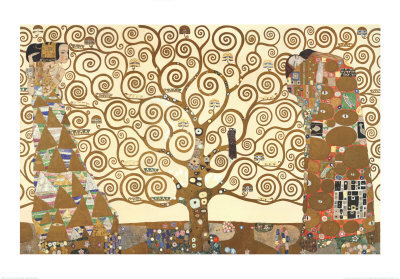
"The Tree of Life", 1909, Gustav Klimt

“The Tree of Life”, 1909, Gustav Klimt

Yesterday was the birthday of e.e. cummings, the poet, essayist, author,  playwright, and Unitarian (October 14, 1894 – September 3, 1962). So I thought I’d share this famous poem of his which I like very much.

i carry your heart with me(i carry it in
my heart) i am never without it(anywhere
i go you go, my dear; and whatever is done
by only me is your doing, my darling)
                                                      i fear
no fate (for you are my fate, my sweet) i want
no world (for beautiful you are my world, my true)
and it’s you are whatever a moon has always meant
and whatever a sun will always sing is you

here is the deepest secret nobody knows

(here is the root of the root and the bud of the bud
and the sky of the sky of a tree called life; which grows
higher than soul can hope or mind can hide)
and this is the wonder that’s keeping the stars apart

i carry your heart (i carry it in my heart)

If you want to read more about Cummings, here’s an interesting article  by Susan Cheever.

A sonnet for Wednesday

by chuckofish

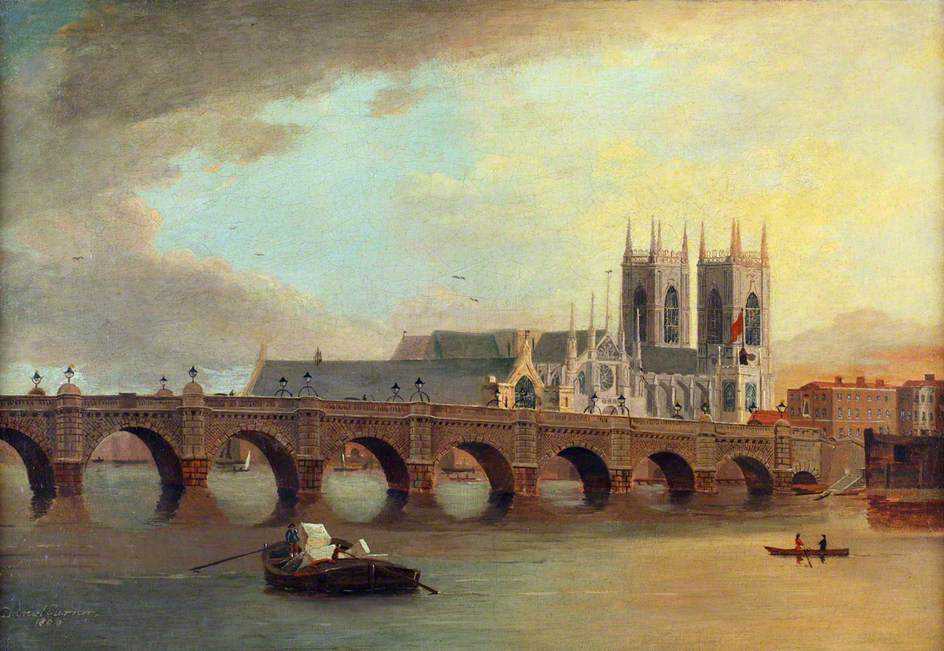
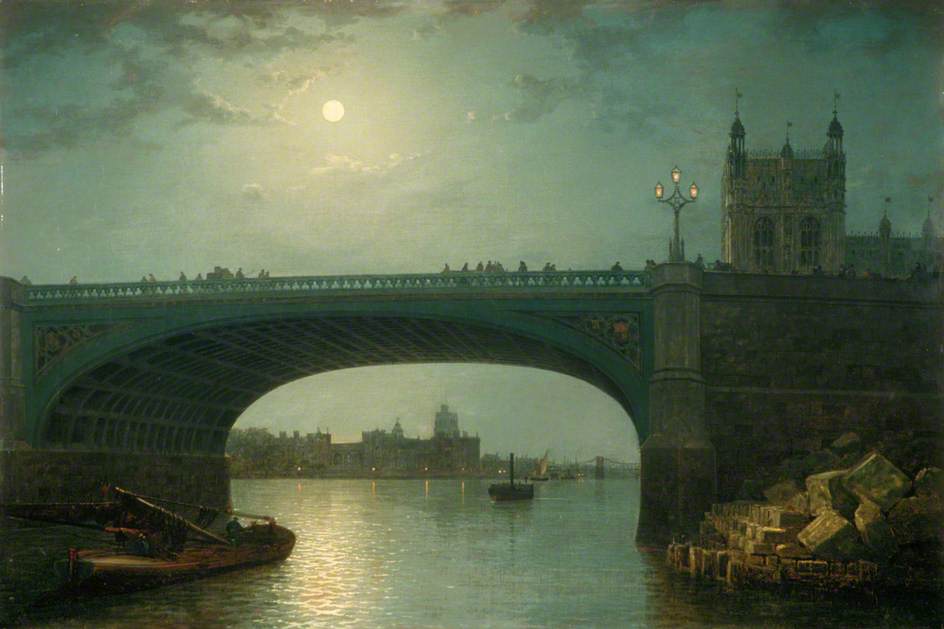
As if you didn’t already know, I’ll remind you that on this day in 1802 William Wordsworth composed the sonnet titled “Composed Upon Westminster Bridge, September 3, 1802”.

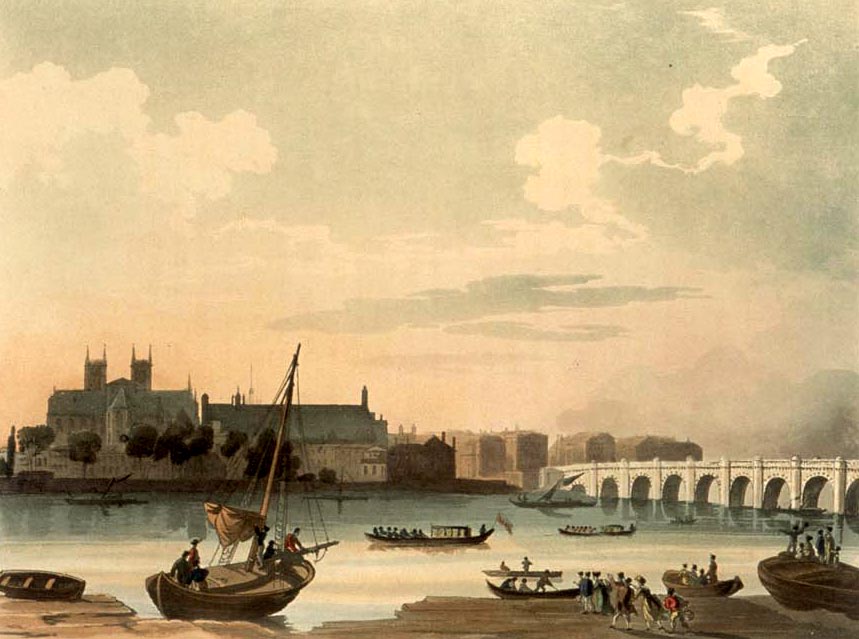
Thomas Rowlandson (1756–1827) and Augustus Charles Pugin (1762–1832) (after) John Bluck (fl. 1791–1819), Joseph Constantine Stadler (fl. 1780–1812), Thomas Sutherland (1785–1838)

Westminster Bridge as it appeared in 1808 by Thomas Rowlandson (1756–1827) and Augustus Charles Pugin (1762–1832)

Earth has not anything to show more fair:
Dull would he be of soul who could pass by
A sight so touching in its majesty:
This City now doth, like a garment, wear
The beauty of the morning; silent, bare,
Ships, towers, domes, theatres, and temples lie
Open unto the fields, and to the sky;
All bright and glittering in the smokeless air.
Never did sun more beautifully steep
In his first splendour, valley, rock, or hill;
Ne’er saw I, never felt, a calm so deep!
The river glideth at his own sweet will:
Dear God! the very houses seem asleep;
And all that mighty heart is lying still!

Now you’ll have something to discuss at the water cooler! Do they still have water coolers?

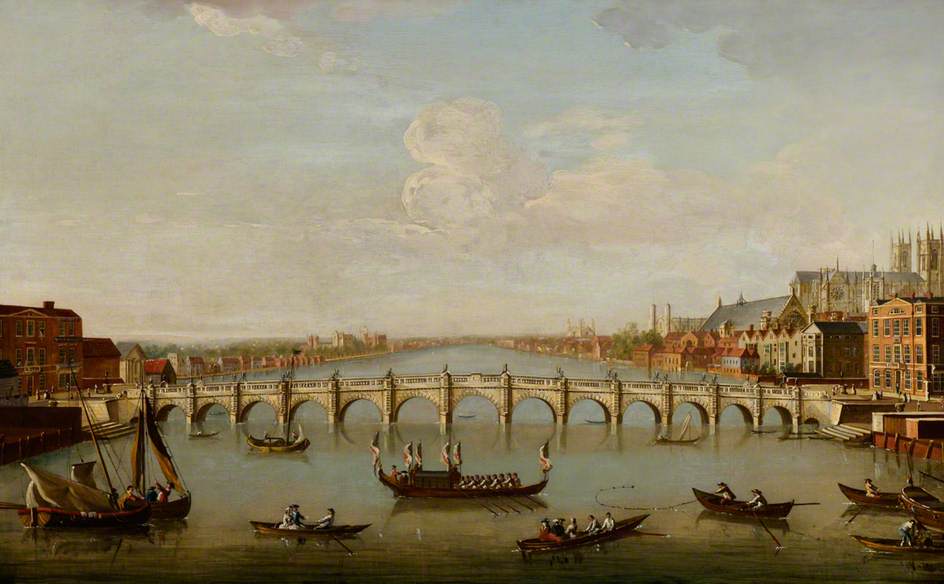
Joseph Nicholls 1742

Joseph Nicholls 1742

Daniel Turner

Daniel Turner

Henry Pether 1862

Henry Pether 1862