dual personalities

Category: Literature

Playing along with the farce

by chuckofish

I’m not saying I will, but I could go on for hours escorting the reader–forcibly, if necessary–back and forth across the Paris-Chinese border. I happen to regard the Laughing Man as some kind of super-distinguished ancestor of mine–a sort of Robert E. Lee, say, with the ascribed virtues held under water or blood. And this illusion is only a moderate one compared to the one I had in 1928, when I regarded myself not only as the Laughing Man’s direct descendant but as his only legitimate living one. I was not even my parents’ son in 1928 but a devilishly smooth imposter, awaiting their slightest blunder as an excuse to move in–preferably without violence, but not necessarily–to assert my true identity. As a precaution against breaking my bogus mother’s heart, I planned to take her into my underworld employ in some undefined but appropriately regal capacity. But the main thing I had to do in 1928 was watch my step. Play along with the farce. Brush my teeth. Comb my hair. At all costs, stifle my natural hideous laughter.

–J.D. Salinger, The Laughing Man

“Xmas all grown ups sa is the season for the kiddies but this do not prevent them from taking a tot or 2 from the bot and having, it may seme, a better time than us.”*

by chuckofish

Let us pause mid-week and take a deep breath.

"Lady at the tea table" by Mary Cassatt

“Lady at the tea table” by Mary Cassatt

Yes, it is less than ten days until Christmas, but all will be well.

All will be wonderful.

Maybe not perfect…but perfection, I think, is highly overrated.

(c) Northampton Museums & Art Gallery; Supplied by The Public Catalogue Foundation

Juriaen van Streeck, Northampton Museums & Art Gallery

Make yourself a cup of tea (or coffee) and take a few minutes to sit by the window and think.

DA1609-650x650

“Woman Sitting by the Window” by Pablo Picasso

Think about those Christmases of long ago.

“Years and years ago, when I was a boy, when there were wolves in Wales, and birds the color of red-flannel petticoats whisked past the harp-shaped hills, when we sang and wallowed all night and day in caves that smelt like Sunday afternoons in damp front farmhouse parlors, and we chased, with the jawbones of deacons, the English and the bears, before the motor car, before the wheel, before the duchess-faced horse, when we rode the daft and happy hills bareback, it snowed and it snowed. But here a small boy says: “It snowed last year, too. I made a snowman and my brother knocked it down and I knocked my brother down and then we had tea.”**

Feel better now? This is how my brain works.

Have a great Wednesday. Daughter #2 is flying in from the east coast today. Tra la, tra la.

*From How to Be Topp by Geoffrey Willans

**From A Child’s Christmas in Wales by Dylan Thomas

“The world was hers for the reading.”*

by chuckofish

Today is the birthday of Betty Smith (December 15, 1896 – January 17, 1972), who wrote A Tree Grows in Brooklyn, a classic about a sensitive young girl who escapes the grim realities of her tenement life through reading.

119626

I always thought the author was Irish-American, but she was born Elisabeth Wehner, the daughter of German immigrants. I guess I am thinking of the movie based on her famous book–the characters are all so Irish. It is a good movie and Peggy Ann Garner as Francie Nolan is quite affecting. James Dunn won an Academy Award for best supporting actor as Francie’s pathetic drunk of a father (whom she loves very much nevertheless.) He deserved the award, although I always had the feeling he was playing himself.

KEHR-SUB-popup

The characters are very real and the movie does not gloss over the hard realities of the book. This is probably due to the fact that the film is directed by the great Elia Kazan–in his directorial debut.

Anyway, a good book, a good movie–hat’s off and happy birthday to Betty Smith!

“People always think that happiness is a faraway thing,” thought Francie, “something complicated and hard to get. Yet, what little things can make it up; a place of shelter when it rains – a cup of strong hot coffee when you’re blue; for a man, a cigarette for contentment; a book to read when you’re alone – just to be with someone you love. Those things make happiness.”

I should also mention that yesterday was the birthday of one of my most favorite writers, Shirley Jackson (December 14, 1916 – August 8, 1965). I will happily toast both ladies. How about you?

*A Tree Grows in Brooklyn by Betty Smith

“Salutations!” said the voice.”*

by chuckofish

Well, here we go. Ninety-one days left in the year!

It will be Christmas before we know it. Plans are full-speed ahead for 2016 at work. 2016! But the millennium was yesterday!

Well, time marches on and all that.

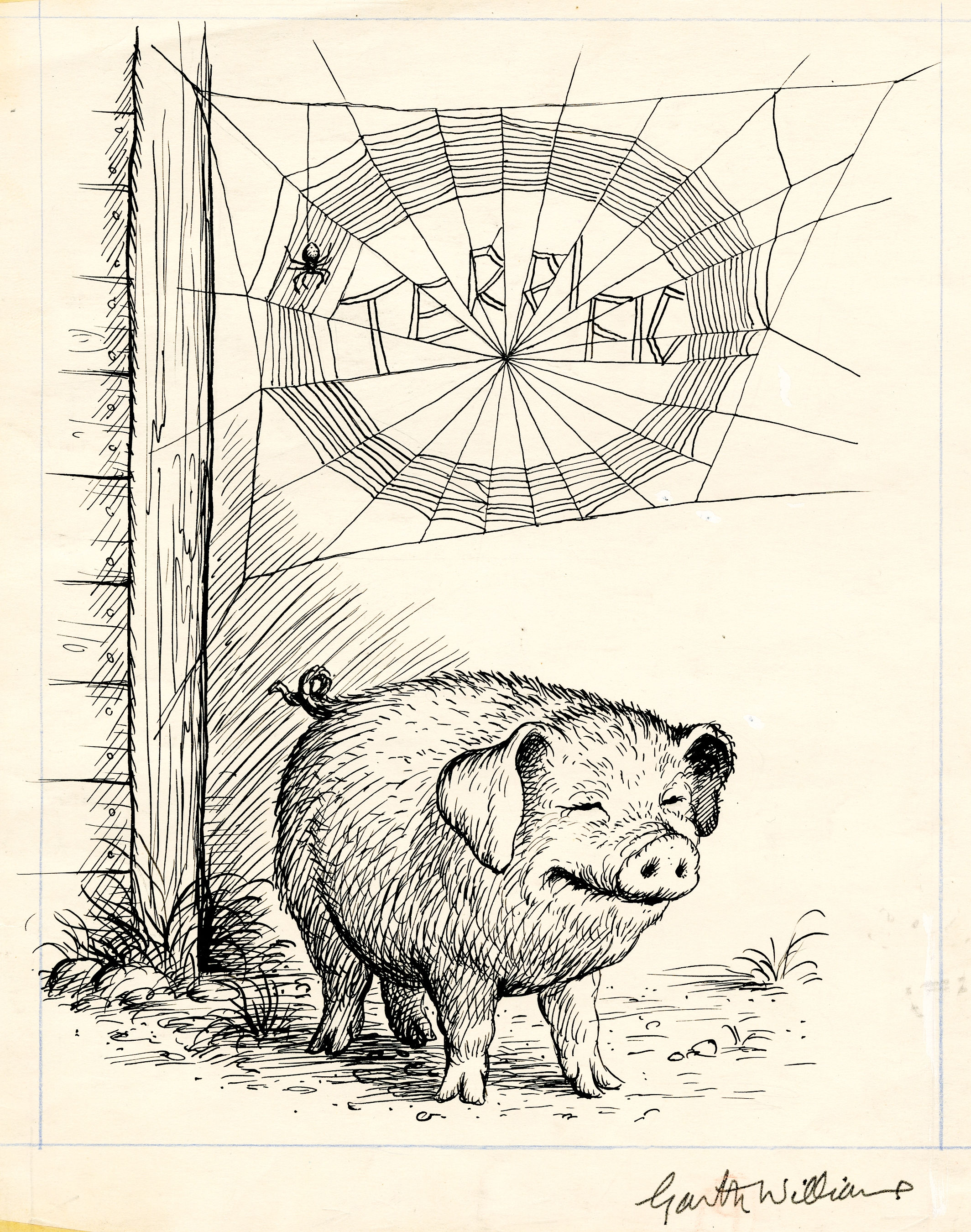
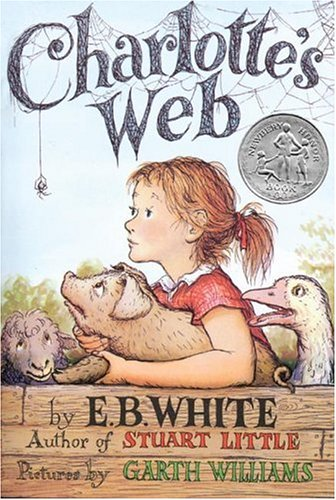
Today, in memory of E.B. White, who died on this day in 1985 (30 years ago!), let’s have a moment with our favorite spider Charlotte.

Charlottes-Web-Terrific-Garth-Williams

“Why did you do all this for me?’ he asked. ‘I don’t deserve it. I’ve never done anything for you.’

‘You have been my friend,’ replied Charlotte. ‘That in itself is a tremendous thing. I wove my webs for you because I liked you. After all, what’s a life, anyway? We’re born, we live a little while, we die. A spider’s life can’t help being something of a mess, with all this trapping and eating flies. By helping you, perhaps I was trying to lift up my life a trifle. Heaven knows anyone’s life can stand a little of that.”

CharlotteWeb

When the book was published in 1952, Eudora Welty reviewed it in the New York Times, writing, “As a piece of work it is just about perfect, and just about magical in the way it is done.” I concur.

As you know, I have a love/hate relationship with spiders, but I do love Charlotte.

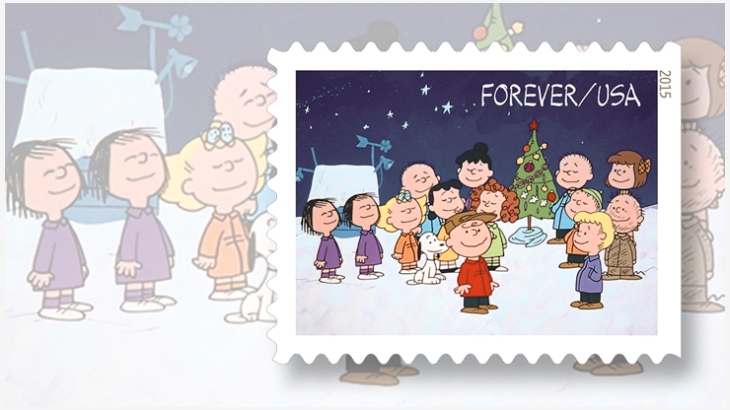
And, OMG, this year marks the 50th anniversary of A Charlie Brown Christmas! So buy your commemorative Christmas stamps today!

680204-S0

united-states-charlie-brown-christmas-stamp-2015

And the Cards won the division! There is joy in Mudville again!

*Charlotte

In the old days

by chuckofish

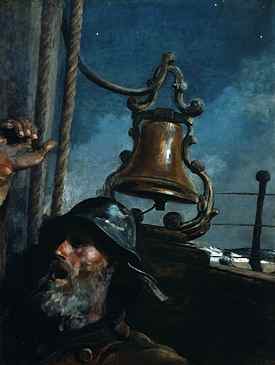
2.The Lookout Ð "All's Well" Winslow Homer (American, 1836Ð1910) 1896 Oil on canvas *Museum of Fine Arts, Boston. Warren CollectionÑWilliam Wilkins Warren Fund *Photograph © Museum of Fine Arts, Boston

“All’s Well”, Winslow Homer 1896

“It was a dog’s life,” said the poor old gentleman, quite reassured, “but it made men of those who followed it. I see a change for the worse even in our own town here; full of loafers now, small and poor as ’tis, who once would have followed the sea, every lazy soul of ’em. There is no occupation so fit for just that class o’ men who never get beyond the fo’cas’le. I view it, in addition, that a community narrows down and grows dreadful ignorant when it is shut up to its own affairs, and gets no knowledge of the outside world except from a cheap, unprincipled newspaper. In the old days, a good part o’ the best men here knew a hundred ports and something of the way folks lived in them. They saw the world for themselves, and like’s not their wives and children saw it with them. They may not have had the best of knowledge to carry with ’em sight-seein’, but they were some acquainted with foreign lands an’ their laws, an’ could see outside the battle for town clerk here in Dunnet; they got some sense o’ proportion. Yes, they lived more dignified, and their houses were better within an’ without. Shipping’s a terrible loss to this part o’ New England from a social point o’ view, ma’am.”

–Sarah Orne Jewett, The Country of the Pointed Firs

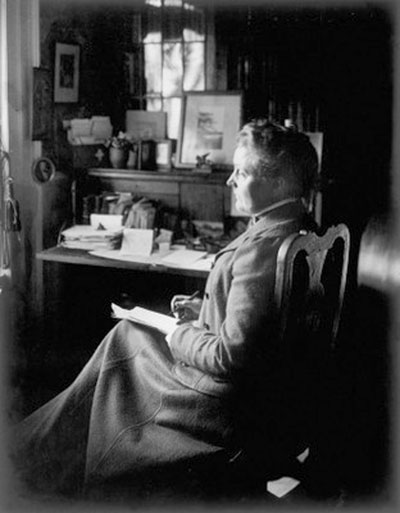
Today is the birthday of Sarah Orne Jewett (September 3, 1849 – June 24, 1909)–American novelist, short story writer and Episcopalian.

sarah-orne-jewett-at-her-desk1

The Sarah Orne Jewett House is a historic house museum at 5 Portland Street in South Berwick, Maine, which is just over the border from New Hampshire. Built in 1774,  it is an excellent example of late Georgian architecture.

Jewett House

I guess I’ll have to add it to my list of literary/historic places to visit. In the meantime, let’s toast old Sarah and maybe re-read The Country of the Pointed Firs, which I have somewhere. You can download it here.

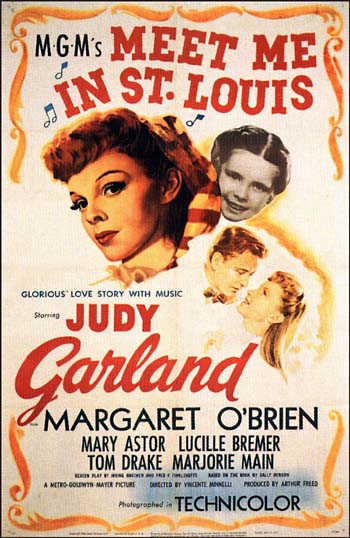
While we’re toasting Sarah, we may want to raise a glass to Sally Benson (September 3, 1897 – July 19, 1972) whose birthday is also today. She was a screenwriter and prolific short story writer for The New Yorker back in its heyday. She is best known for her semi-autobiographical stories collected in Junior Miss and Meet Me in St. Louis. Yes, that “Meet Me in St. Louis.”

Meet_Me_In_St_Louis_Poster

Her other screen credits include Shadow of a Doubt (1943) for Alfred Hitchcock, Summer Magic (1963) for Walt Disney, Viva Las Vegas (1964) for Elvis, and The Singing Nun (1966)–quite a disparate group!  Her screenplay for Anna and the King of Siam (1946) was nominated for an Academy Award.

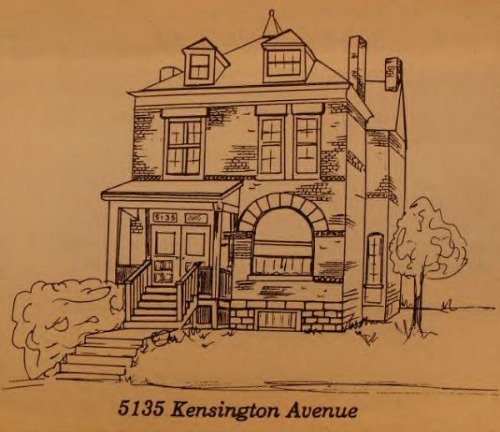
Here is a sketch of the St. Louis house in which Sally grew up:

Sketch-of-the-Real-5135-Kensington-Ave-house

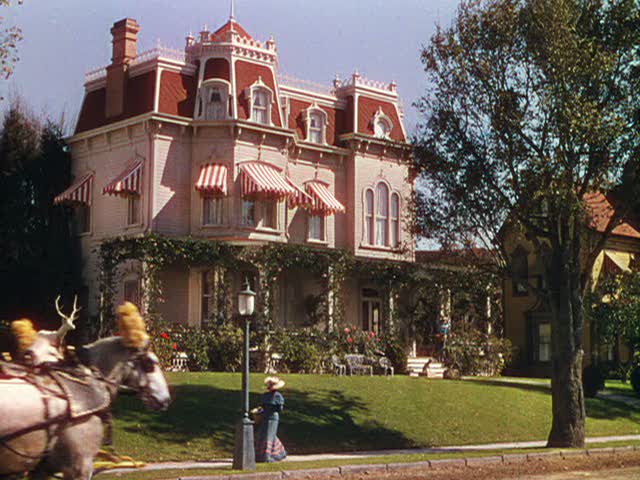
This North St. Louis neighborhood “declined” and the house was torn down in 1994. Here’s a picture of the Hollywood version:

Meet-Me-in-St.-Louis-movie-house-side-view-summer-porch

(The pictures of the “Meet Me in St. Louis” houses were found here on a fun blog about houses.)

The Hollywood version was eventually torn down too when MGM sold off its lots in the 1970s.

C’est la vie. Plus ça change, plus c’est la même chose. (See above quote.)

Good reading light

by chuckofish

almond_09_BigBend_lg

“The eastern sky was red as coals in a forge, lighting up the flats along the river. Dew had wet the million needles of the chaparral, and when the rim of the sun edged over the horizon the chaparral seemed to be spotted with diamonds. A bush in the backyard was filled with little rainbows as the sun touched the dew.

It was tribute enough to sunup that it could make even chaparral bushes look beautiful, Augustus thought, and he watched the process happily, knowing it would only last a few minutes. The sun spread reddish-gold light through the shining bushes, among which a few goats wandered, bleating. Even when the sun rose above the low bluffs to the south, a layer of light lingered for a bit at the level of the chaparral, as if independent of its source. The the sun lifted clear, like an immense coin. The dew quickly died, and the light that filled the bushes like red dirt dispersed, leaving clear, slightly bluish air.

It was good reading light by then, so Augustus applied himself for a few minutes to the Prophets. He was not overly religious, but he did consider himself a fair prophet and liked to study the styles of his predecessors. They were mostly too long-winded, in his view, and he made no effort to read them verse for verse—he just had a look here and there, while the biscuits were browning.”

–Larry McMurtry, Lonesome Dove

Today is the birthday of novelist Larry McMurtry (born June 3, 1936). May I suggest a toast with some good sipping whiskey and a peak at Isaiah or Jeremiah. Or red wine which is my libation of choice.

(The painting is “Big Bend Sunrise” by Chase Almond)

Well said, Daphne

by chuckofish

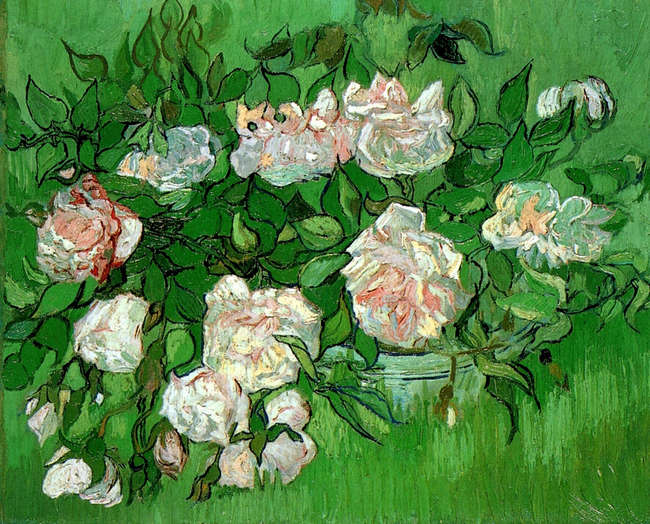
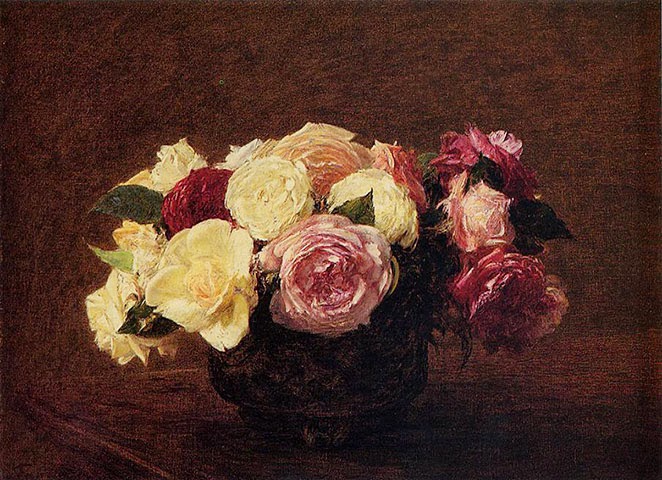
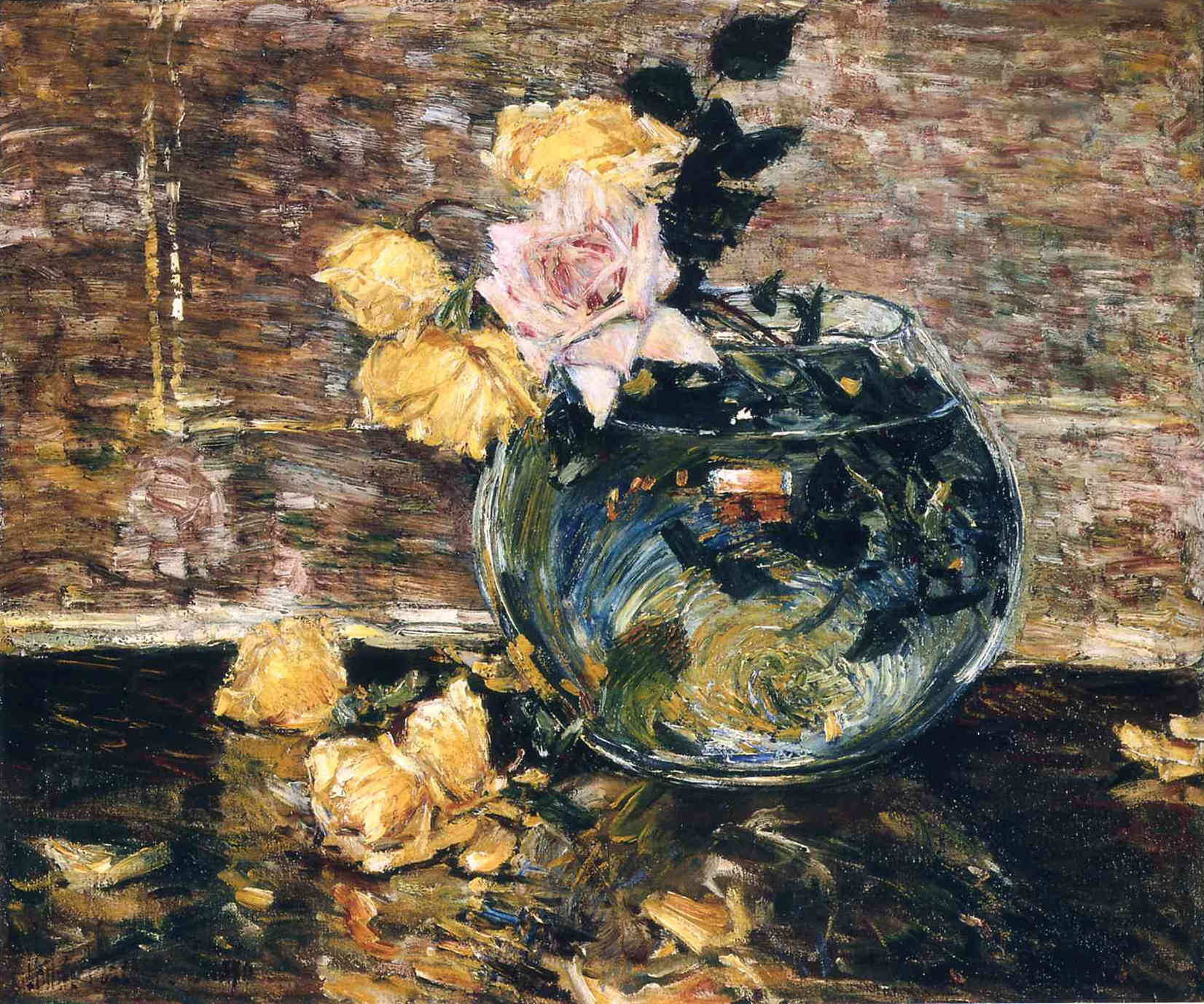
“There was something rather blousy about roses in full bloom, something shallow and raucous, like women with untidy hair”
–Daphne du Maurier, Rebecca

Vincent Van Gogh, Still Life with Pink Roses

Vincent Van Gogh, Still Life with Pink Roses

Roses by Henri Fantin-Latour

Roses by Henri Fantin-Latour

Roses in a Vase by Childe Hassam

Roses in a Vase by Childe Hassam

Happy birthday to Daphne du Maurier (13 May 1907 – 19 April 1989). Let’s toast her tonight and read from one of her great books. Jamaica Inn is my favorite. When she is in top form, there is no one better than Daphne du Maurier. Sadly, none of the movies made from her books are (in my opinion) all that great except, of course, for The Birds (1963).

the-birds-1963-Have a great Wednesday!


Festina lente

by chuckofish

Fred Ndercher, 1922, "Spring Landscape" in the St. Louis Mercantile Library collection

Nothing is so beautiful as Spring –

When weeds, in wheels, shoot long and lovely and lush;

Thrush’s eggs look little low heavens, and thrush

Through the echoing timber does so rinse and wring

The ear, it strikes like lightnings to hear him sing;

The glassy peartree leaves and blooms, they brush

The descending blue; that blue is all in a rush

With richness; the racing lambs too have fair their fling.

What is all this juice and all this joy?

A strain of the earth’s sweet being in the beginning

In Eden garden. – Have, get, before it cloy,

Before it cloud, Christ, lord, and sour with sinning,

Innocent mind and Mayday in girl and boy,

Most, O maid’s child, thy choice and worthy the winning.

“Spring” by Gerard Manley Hopkins

A friend at work brought this poem to my attention by stopping by my office and quoting, “What is all this juice and all this joy?” He was alluding to the beautiful spring day of course. We have certainly enjoyed an exceptionally beautiful spring with long strings of crisp, clear days in the high 60s. Carpe diem, I say–but I am glued to a desk. Sigh.

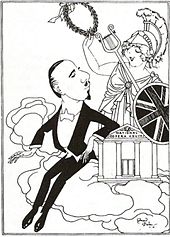
Anyway, it is also the birthday today of Sir Thomas Beecham (29 April 1879 – 8 March 1961) who, you will recall, was an English conductor and impresario best known for his association with the London Philharmonic and the Royal Philharmonic orchestras.
170px-Thomas_Beecham_1919_cartoon

From the early 20th century until his death, Beecham was a major influence on the musical life of Britain and, according to the BBC, was Britain’s first international conductor. If you are like me and my dual personality, you were brought up on Sir Thomas Beecham’s recordings. True, some may have considered him low-brow for saying things like, “I would give the whole of Bach’s Brandenburg Concertos for Massenet’s Manon, and would think I had vastly profited by the exchange.” But I can’t say I disagree with him.

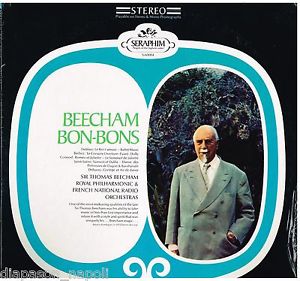
I remember in particular an LP titled “Beecham Bon-Bons” which included popular favorites by Faure, Delius, Sibelius, Ralph Vaughan Williams and the like.
beecham

I wiled away many an hour with Beecham’s music in the background. So a toast to Sir Thomas Beecham! And I think I’ll look him up on eBay and see what I can find.

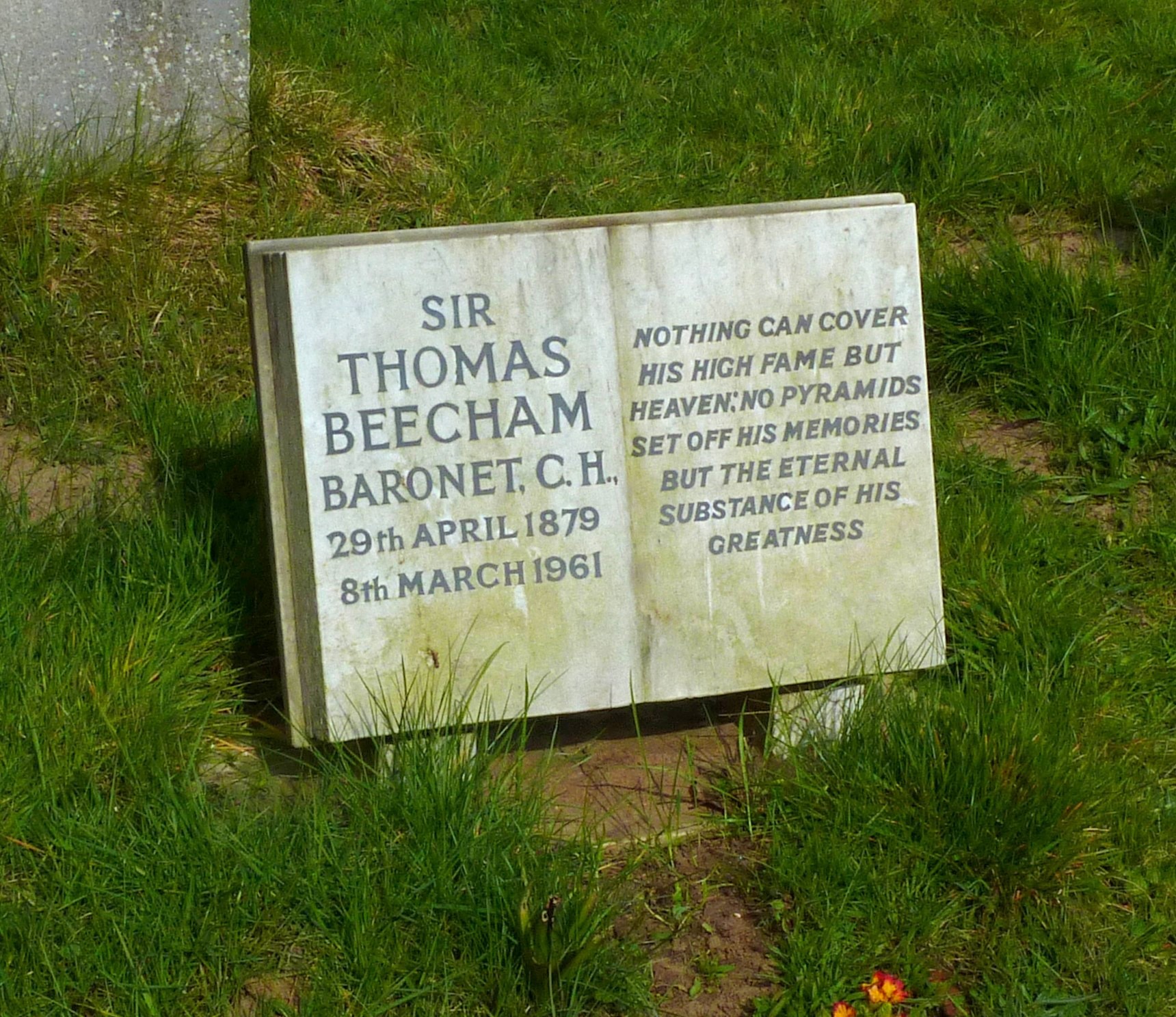
Beecham's grave in

Beecham’s grave in Surrey

By the way, the painting at the top of the page is by St. Louis artist Frank Nudercher (July 19, 1880 – October 7, 1959)–“Spring Landscape” in the St. Louis Mercantile Library collection. Nudercher is sometimes referred to as the “dean of St. Louis artists.” You can read about him here.
Stay positive

by chuckofish

kirkpatrick_sun_01

However mean your life is, meet it and live it; do not shun it and call it hard names. It is not so bad as you are. It looks poorest when you are richest. The fault-finder will find faults even in paradise. Love your life, poor as it is. You may perhaps have some pleasant, thrilling, glorious hours, even in a poorhouse. The setting sun is reflected from the windows of the almshouse as brightly as from the rich man’s abode; the snow melts before its door as early in the spring. I do not see but a quiet mind may live as contentedly there, and have as cheering thoughts, as in a palace.

–Henry David Thoreau, Walden

*Woodcut by Ethel Kirkpatrick, c. 1905

This and that: “Um Dasher, Dancer… Prancer… Nixon, Comet, Cupid… Donna Dixon?”*

by chuckofish

img_1224090636638_291

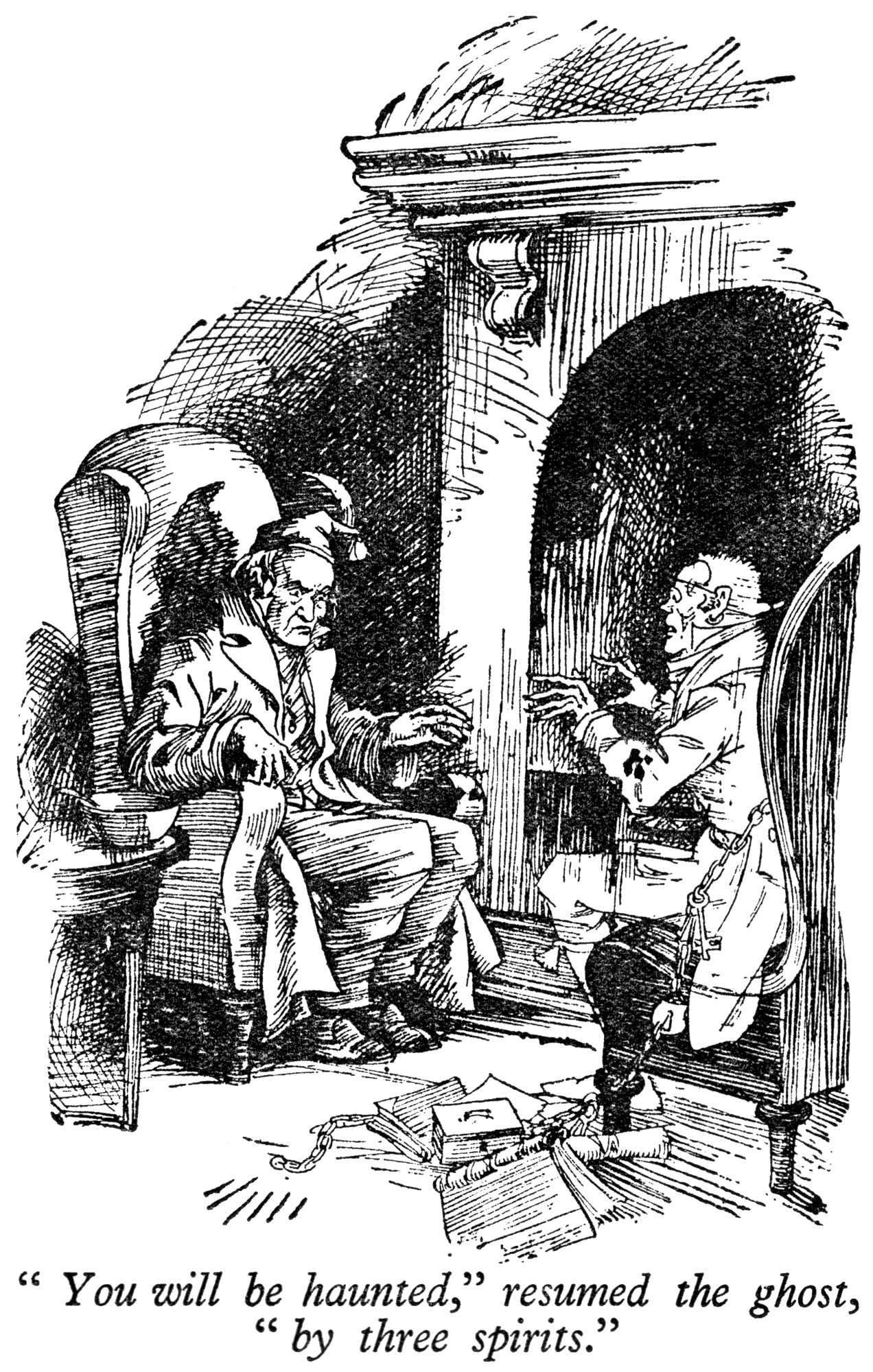
A Christmas Carol  was published on December 19 in 1843.

childrens387_2000

Have you read it recently? One year our headmaster read it in chapel and was much mocked for his efforts. He was new, following a genuine Englishman who could read anything he liked (although there may have been some eye-rolling when he hauled out A Child’s Christmas in Wales every year). Unfortunately the new guy set the tone badly for his tenure at our school with his oafish and over-dramatic reading of this classic (“God bless us every one!”). At least that’s the way I remember it.

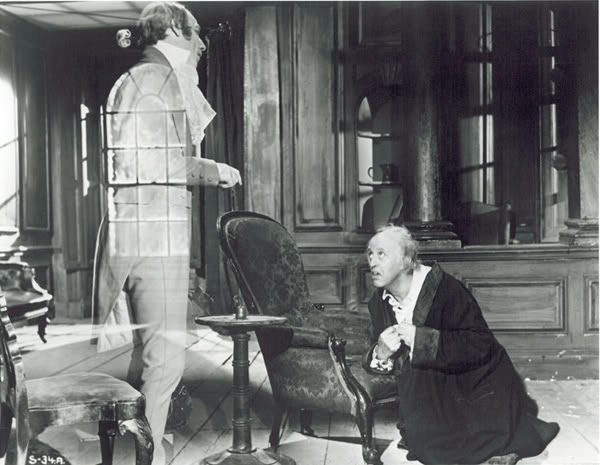
I usually watch one of the many versions filmed over the years. Scrooge, made in England in 1951, stars Alistair Sim, and is I believe a very close rendition of the original.

SCrooge8

Indeed, much of the dialogue is taken word-for-word from the book (“An intelligent boy!” said Scrooge. “A remarkable boy!”).

I’ll admit I cheated yesterday and read the end of the book online. Dickens writes that the reformed Scrooge:

…went to church, and walked about the streets, and watched the people hurrying to and fro, and patted children on the head, and questioned beggars, and looked down into the kitchens of houses, and up to the windows: and found that everything could yield him pleasure. He had never dreamed that any walk — that anything — could give him so much happiness.

Dickens himself was a great walker in the city and this passage probably is a pretty good description of himself, don’t you think?

Anyway, I think a re-reading might be in order.

img_1224090636638_291In other news, here’s some interesting advice for my fellow introverts.

img_1224090636638_291I love the  “Humans of New York” blog, but I really liked this one. Is the world random or is there an unseen finger guiding us? Hello.

img_1224090636638_291The first episode of The Simpsons, “Simpsons Roasting on an Open Fire,” aired on this day in 1989–25 years ago!

Simpsons_Roasting_on_an_Open_Fire_promo

You will recall that in this episode Homer gets a second job as a Santa Claus in a shopping mall in order to pay for Christmas presents. He doesn’t make enough, of course, so he goes to the dog track where Santa’s Little Helper enters into the story and Homer says, “Did you hear that, Boy? Santa’s Little Helper. It’s a sign. It’s an omen.” Bart replies, “It’s a coincidence, Dad.”

Again with the random/not-so-random question. Hmmm. Amazingly, it all ends well.

Have a good Wednesday–we’re over the hump! Daughter #2 arrives on Friday! Can daughter #1 be far behind?

mantel1

*”Simpsons Roasting on an Open Fire” (1989)