dual personalities

Category: History

“Summertime, and the livin’ is easy.”*

by chuckofish

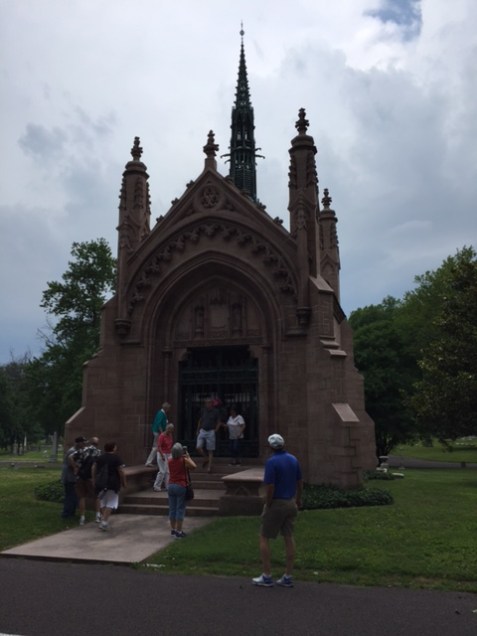
I was feted this weekend (belatedly for my birthday back in April) with a trip to and a tour of Bellefontaine Cemetery on the northern edge of our fair city. As you know, I do like a historically-significant cemetery. Bellefontaine (pronounced “Belle-fountain” by the locals), established in 1849, when the Rural Cemetery Association purchased the former Hempstead family farm located five miles northwest of the city, is such a cemetery.
IMG_3250
A mini Gothic cathedral fit for a beer baron

A storm was brewing in the southwest and came crashing in as we finished the tour. We got a little wet running to our car, but that was preferable to spending one more minute with the tedious docent who had triggered me almost immediately with her irreverent, “amusing” stories of the famous/infamous residents of the cemetery. I hate the attitude that reduces everything in history to an anecdote for simple minds. Sorry for the rant. I love Bellefontaine cemetery, but clearly a self-guided tour is the way I should go in the future!

After our tour the plan was to go to the Crown Candy Kitchen for lunch.
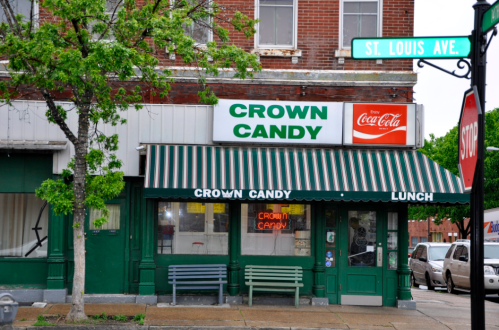
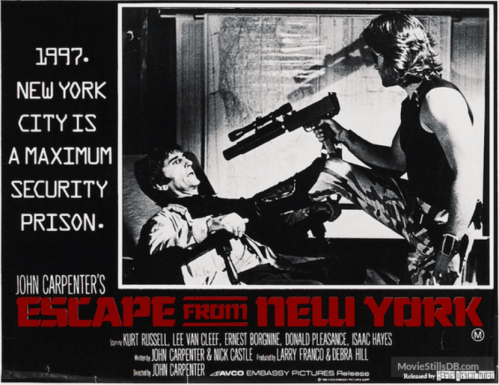
Screen Shot 2018-06-10 at 9.19.58 AM.pngI have never been to this local landmark, which like the cemetery is in a most disreputable and run-down part of town, and I was really looking forward to it. When we got there, however, there was a line of people waiting outside (under the awning) in the rain! We decided to pass and moved on to our favorite Cafe Osage in the CWE. The drive there was like something out of Escape from New York (1981)…
Screen Shot 2018-06-10 at 9.34.42 AM.png…but we got there and had a lovely lunch.

IMG_3252.JPG

All in all, it was a terrific outing with my creative (and flexible) BFFs…there were even presents!

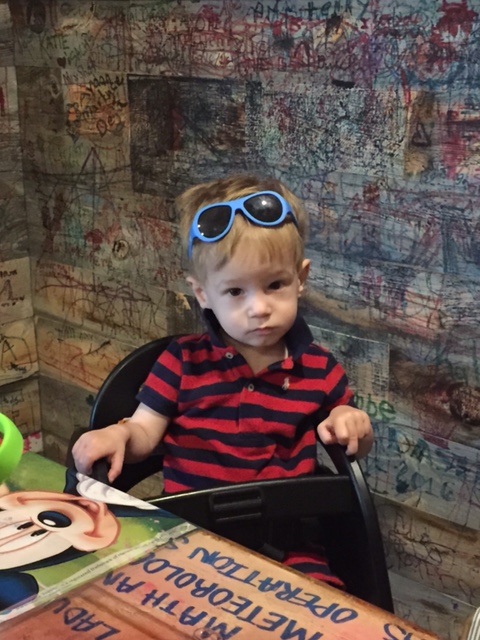
On Sunday the OM and I went out to breakfast with the wee babes and their parents, because they are headed to Florida today and didn’t want to come over for their usual Sunday night visit.
IMG_3255.JPG

IMG_3253.JPG

Joe Cool says 8:00 am is way early in the morning for socializing, dude

The rest of the weekend was spent puttering in the house and gabbing on the phone with my daughters. I also planted some more geraniums in pots and puttered around in my yard.


IMG_3260.JPGIMG_3258.JPG

Unfortunately, it was too hot to linger on the patio and the Florida room is only habitable in the early morning or evening hours.

Don’t forget that today is the feast day of Barnabas on the Episcopal calendar of saints. I always liked old Barnabas.

Those who were scattered because of the persecution that took place over Stephen traveled as far as Phoenicia, Cyprus, and Antioch, and they spoke the word to no one except Jews. But among them were some men of Cyprus and Cyrene who, on coming to Antioch, spoke to the Hellenists also, proclaiming the Lord Jesus. The hand of the Lord was with them, and a great number became believers and turned to the Lord. News of this came to the ears of the church in Jerusalem, and they sent Barnabas to Antioch. When he came and saw the grace of God, he rejoiced, and he exhorted them all to remain faithful to the Lord with steadfast devotion; for he was a good man, full of the Holy Spirit and of faith. And a great many people were brought to the Lord. Then Barnabas went to Tarsus to look for Saul, and when he had found him, he brought him to Antioch. So it was that for an entire year they met with the church and taught a great many people, and it was in Antioch that the disciples were first called “Christians.”

At that time prophets came down from Jerusalem to Antioch. One of them named Agabus stood up and predicted by the Spirit that there would be a severe famine over all the world; and this took place during the reign of Claudius. The disciples determined that according to their ability, each would send relief to the believers living in Judea; this they did, sending it to the elders by Barnabas and Saul.

Now in the church at Antioch there were prophets and teachers: Barnabas, Simeon who was called Niger, Lucius of Cyrene, Manaen a member of the court of Herod the ruler, and Saul. While they were worshiping the Lord and fasting, the Holy Spirit said, “Set apart for me Barnabas and Saul for the work to which I have called them.” Then after fasting and praying they laid their hands on them and sent them off.

(Acts 11:19-30;13:1-3)

Barnabas is a great role model for us all, although he did get fed up with Paul and bail on him. That happens; we are only human.

*Ben Quick in The Long, Hot Summer (1958)

Be yourself

by chuckofish

Screen Shot 2018-06-06 at 12.24.32 PM.png

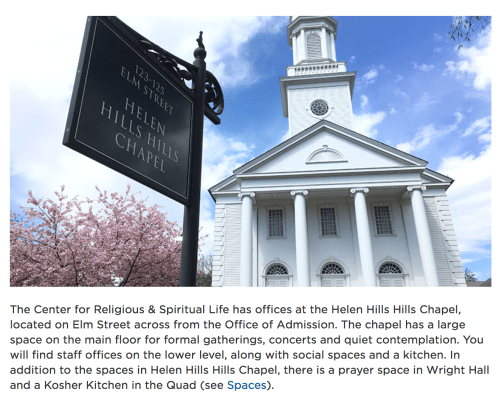
Jill Conway died last week. Here’s her obit in the NYT. She became the first female president of Smith College when I was a sophomore and I have to say I never really appreciated her until I was about to graduate. In her speech at the baccalaureate service at the Helen Hills Hills Chapel she told us to do what we wanted to do and not to worry about what we thought we should do. She said, in so many words, if you want to stay home and raise a family, do it. If you want to have a career, do it. Which is what my own mother had always said. It was quite freeing to hear it from Jill Ker Conway.

Be yourself. Don’t try to measure up to someone else’s vision of what you should be. Good advice. She was called a trailblazer, but really, she just didn’t want anyone telling her what she could or couldn’t do.

By the way, the Helen Hills Hills Chapel is really no longer a chapel. There is no longer a minister on staff.

Screen Shot 2018-06-06 at 5.38.20 PM.png

It is just a “large space…for formal gatherings.” They have “coordinators;” it is a “center.” Please. When this change occurred quite a long time ago, I gave up on my alma mater and I do not support them, financially or in any way. I certainly never encouraged my daughters to go there! Tant pis, mais c’est la vie.

But as for Jill Conway, Into paradise may the angels lead you. At your coming may the martyrs receive you, and bring you into the holy city Jerusalem. 

Laying down the bunt

by chuckofish

Memorial Day (or Decoration Day) is the federal holiday in the United States when we remember the men and women who died while serving in the country’s armed forces.

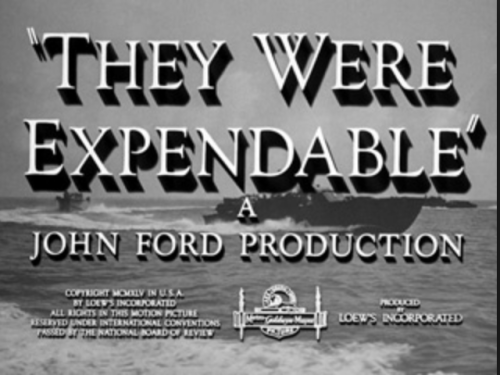
So today I recommend watching They Were Expendable (1945), John Ford’s loving paean to the U.S. Navy, specifically the PT boat unit, Motor Torpedo Boat Squadron Three, defending the Philippines from Japanese invasion during World War II. It is a case study in how to do wartime propaganda, but it is beautifully understated and moving.

Screen Shot 2018-05-27 at 6.46.56 PM.png

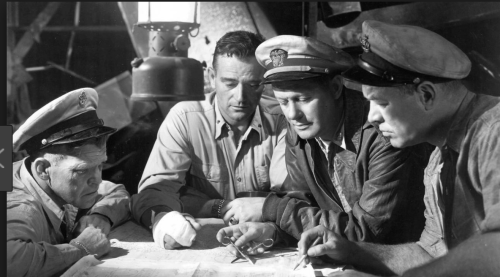
Robert Montgomery was never better.

Screen Shot 2018-05-27 at 12.06.43 PM.png

[After the U.S. entered World War II in December 1941, he joined the U.S. Navy, rising to the rank of lieutenant commander, and served on the USS Barton (DD-722) which was part of the D-Day invasion on June 6, 1944. He knew all about PT boats and the men who served on them; he helped direct the movie.]

John Wayne is, of course, terrific:

And the supporting characters are played by John Ford regulars, including Ward Bond, Jack Pennick, and the always wonderful Russell Simpson. Here he is watching the departing sailors after he refuses to go with them, preferring to stay and defend his property from the Japanese who are closing in.

Has “Red River Valley” ever been used more effectively? John Ford always gave his supporting players a chance to shine and they really do in this movie.

Gracious God, we give thanks for military men and women, both from the past and present, and for their courageous service and sacrifice to our country and its people to secure the blessings of life, liberty, and justice for all. May our remembrance be a timely reminder that our freedom was purchased at high cost, and should not be taken for granted. Give us resolve to labor in faithful service to you until all share the benefits of freedom, justice, and peace; through Jesus Christ our Lord. Amen (BCP)

Enjoy the rest of the three-day weekend!

“All is a procession, The universe is a procession with measured and perfect motion.”*

by chuckofish

Yesterday we highlighted the great James B. Eads. Well, here are a few more fun facts to know and tell about another of those great mid-19th century Americans we love–even though this one has no connection to our flyover town that we know of!

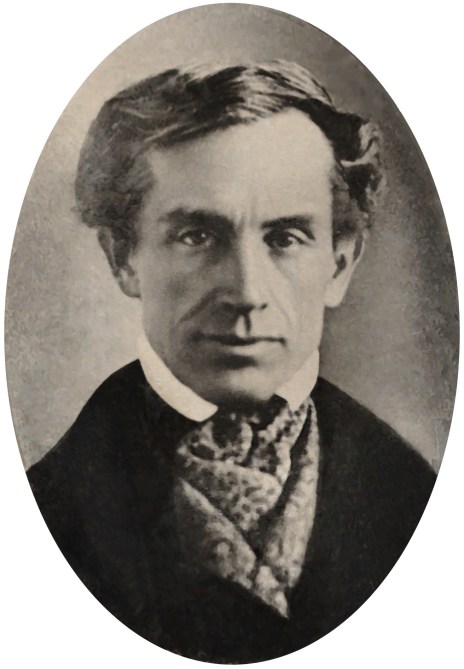
On this day in 1844 Samuel Morse sent the message “What hath God wrought” (Numbers 23:23) from the Old Supreme Court Chamber in the U.S. Capitol to his assistant, Alfred Vail, in Baltimore, Maryland to inaugurate a commercial telegraph line between Baltimore and Washington D.C.

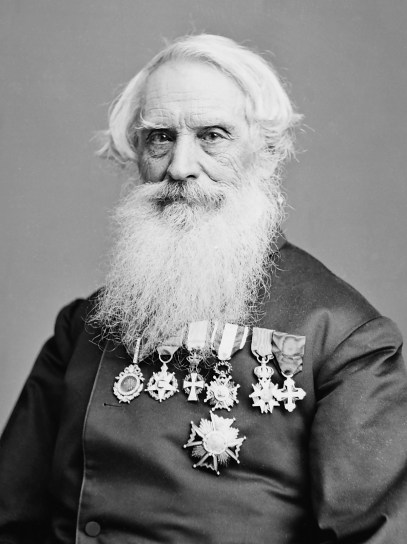
Samuel_Morse_1840

Samuel Finley Breese Morse (April 27, 1791 – April 2, 1872), American painter and inventor, was one of those guys who had it all going on. The son of a fiery Calvinist preacher, he graduated Phi Beta Kappa from Yale and became a noted portrait painter. The Marquis de Lafayette and Presidents Adams and Monroe were among his subjects.

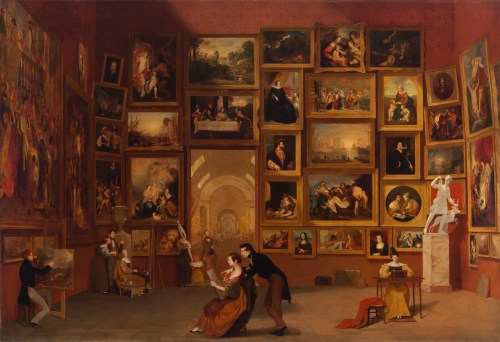
Gallery_of_the_Louvre_1831-33_Samuel_Morse.jpg

Gallery of the Louvre, 1833–Morse selected masterpieces from the Musée du Louvre’s collection and “reinstalled” them in one of the museum’s grandest spaces, the Salon Carr, envisioning that space as a workshop in which individuals study, sketch, and copy from his imagined assemblage.

His monumental “Gallery of the Louvre” was the culmination of a three-year period of study in Europe. Morse exhibited it only twice, in New York and New Haven, where it was highly praised by critics and connoisseurs but rejected by the public. Crushed by the response, Morse soon ceased painting altogether, moving on to his more successful experiments in communications technology and the invention of the Electro-Magnetic Telegraph.

During 1843, he successfully deployed the 38-mile telegraph line along the way of Baltimore and Ohio Railroad. The first information given by the telegraph was that of the nomination of James K. Polk for the Presidency by the Baltimore convention. The official demonstration of Samuel Morse’s telegraph occurred on May 24, 1844, carrying the famous words “What hath God wrought” from the Supreme Court chamber in Washington D.C. to the B&O’s Mount Clare Station in Baltimore. This demonstration is remembered as the starting point of telegraph’s expansion across the world.

The demands for the telegraph constantly increased; they spread over every civilized country in the world, and became, by usage, “absolutely necessary for the well being of society.” Convinced of their folly in so long ignoring the invention of Prof. Morse, the nations of Europe at once vied with each other in the honors they bestowed upon the inventor. Within the next few years he received respectively the decoration of the Nishan Iflichai, set in diamonds, from the Sultan of Turkey, gold medals of scientific merit from the King of Prussia, the King of Wurtemburg, and the Emperor of Austria; a cross of Chevalier in the Legion of Honor from the Emperor of France; the cross of Knight of Dannebrog from the King of Denmark; the Cross of Knight Commander of the Order of Isabelia the Catholic, from the Queen of Spain, besides being elected member of innumerable scientific and art societies in this and other countries.

Samuel_Morse.jpg

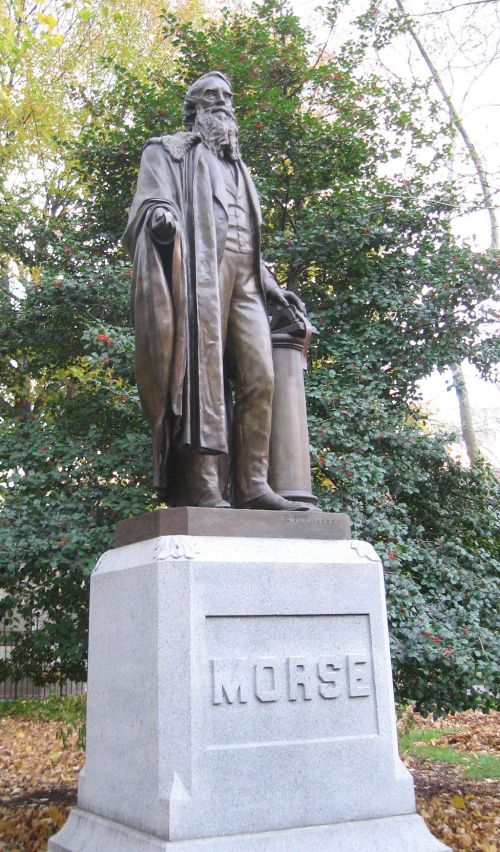
And there is a statue of him in Central Park.

1024px-Morse_statue_72_jeh.JPG

“What hath God wrought” is an exclamation of wonder, but we might ask it as a question: “What hath God wrought?”

Discuss among yourselves.

[By the way, on April 1, 2012, Google announced the release of “Gmail Tap,” an April Fool’s Day joke that allowed users to use Morse Code to send text from their mobile phones. Morse’s great-great-grandnephew Reed Morse—a Google engineer—was instrumental in the prank, which ultimately became a real product. 🙄]

*Walt Whitman, “I Sing the Body Electric”

“The Mississippi River will always have its own way”*

by chuckofish

Today is the birthday of James Buchanan Eads (May 23, 1820 – March 8, 1887) who was a world-renowned civil engineer and inventor, holding more than 50 patents.

Eads was born in Lawrenceburg, Indiana, but grew up in St. Louis. He was named for his mother’s cousin, future President James Buchanan. (I did not know that!)

Eads made his initial fortune in salvage by creating a diving bell, using a forty-gallon wine barrel to retrieve goods sunk in riverboat disasters, which at the time was a very dangerous thing and nearly impossible. He also devised special boats for raising the remains of sunken ships from the river bed. Eads did much of the diving himself because the work was so dangerous. His work gave Eads an intimate knowledge of the river, as he explored its depths from the Gulf of Mexico to Iowa. Because of his detailed knowledge of the Mississippi (the equal of any professional river pilot), his exceptional ability at navigating the most treacherous parts of the river system, and his personal fleet of snag-boats and salvage craft, he was afforded the much-prized courtesy title of “Captain” by the rivermen of the Mississippi and was addressed as Captain Eads throughout his life.

Screen Shot 2018-05-22 at 10.16.23 AM.png

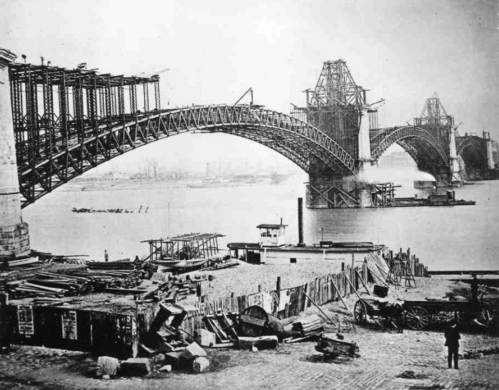
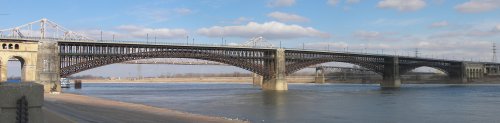
Eads designed and built the first road and rail bridge to cross the Mississippi River at St. Louis. The Eads Bridge, constructed from 1867 through 1874, was the first bridge of a significant size with steel as its primary material, and it was the longest arch bridge in the world when completed.

Screen Shot 2018-05-22 at 10.20.09 AM.png

The bridge under construction in 1870

Eads was the first bridge builder to employ the cantilever method, which allowed steam boat traffic to continue using the river during construction. The bridge is still in use today, carrying both automobile and light rail traffic over the river. The Eads Bridge is the only bridge to be named for its engineer.

Eads_Bridge_panorama_20090119.jpg

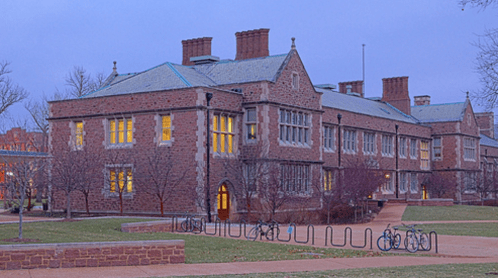
Eads’ accomplishments throughout his life earned him wealth and renown. Although he was living in New York at the time of his death, his funeral took place in St. Louis and he is buried in Bellefontaine Cemetery in the family vault. Eads is memorialized at my flyover university by James B. Eads Hall, erected in 1902-03, and long associated with science and technology.

Screen Shot 2018-05-22 at 10.15.00 AM.png

In fact, Eads Hall was the site of Professor Arthur Holly Compton’s Nobel Prize–winning experiments in electromagnetic radiation. 

So a toast to James Buchanan Eads–an awesome fellow, indeed!

Screen Shot 2018-04-04 at 8.31.14 PM.png

*Mark Twain

Hi-diddly-ho

by chuckofish

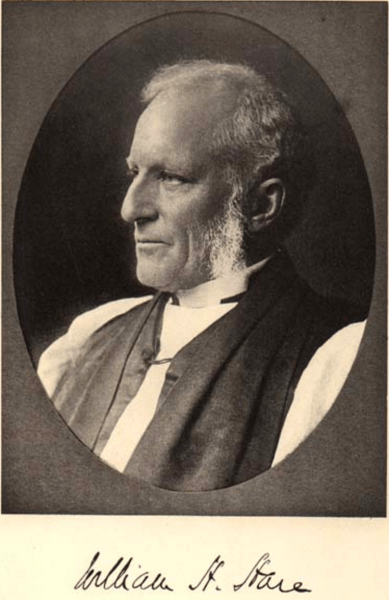
Today in the Episcopal Church we honor William Hobart Hare (May 17, 1838 – October 23, 1909) who was an American bishop of the Protestant Episcopal Church, back when that’s what it was called.

Screen Shot 2018-05-16 at 11.05.44 AM.png

One of the leading missionaries in America, Hare earned the title “the Apostle of the West” for his dedicated work in the rural Dakotas among pioneers and Native Americans. He was also known as the “Apostle to the Sioux.”

Screen Shot 2018-05-16 at 11.36.09 AM.png

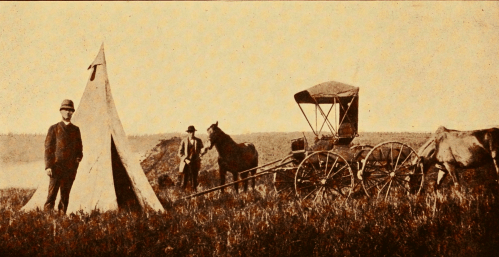
Bishop William Hobart Hare and traveling equipment(

The house of bishops elected him bishop in 1872 and his territory originally included everything north of the Niobrara River in Nebraska and west of the Missouri River as far as the Rocky Mountains. It was not an easy assignment.

He wrote from Cheyenne Reserve to his sister: “I have been on a trip now for ten days or more, a fairly comfortable one, though a heavy storm of wind and rain blew my tent down over my head last Tuesday night and gave me hours of work and much wretchedness, and my horse balked in the middle of the Cheyenne River on Friday last as I was fording it, broke the single-tree loose and left me in the middle of the rapidly running stream with the water running into my wagon-box. But such ills are the concomitants of travel out here, and I am used to them.” (You can read more about his experiences here.)

The wilderness assigned to the young bishop seemed an almost unmanageable field, but he betook himself to tent life and traveled over the wild country and, having thus made himself familiar with it, he gradually divided it into ten departments and placed a clergyman of ability and fidelity in charge of each of these departments and the missionary work soon fell into shape and was carried on with comparative ease.

The development of South Dakota and its final admission to statehood led to a slight change in the territory assigned to his jurisdiction, and in 1883 his title was changed to missionary bishop of South Dakota, and he chose Sioux Falls as the see city of his missionary diocese. He has labored with all of zeal and earnestness and has infused vitality into all departments of church work in his diocese, while he has been aided and encouraged by the hearty and faithful co-operation of his clergy and his people. It has been his to watch the progress of the church in South Dakota from its inception, ever keeping pace with the onward march of the years as they have fallen into the abyss of time. He has guided the destinies of his church with a hand made strong by power from on high, and with the power which came to steady the hand has also come the divine light to illume the way… He has witnessed the rise of the state, where he has served as bishop for thirty-two years, is loyal to it and its people and has the sincere respect and affectionate regard of all with whom he has come in contact as a church man and as a citizen. (Doane Robinson 1904)

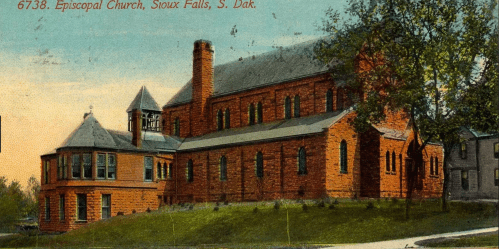
The Calvary Church was the first church built in Sioux Falls.

Screen Shot 2018-05-16 at 11.43.56 AM.pngAs Hare’s congregation grew, he saw the need for a building, “as solid and unmoving as his faith, to stand as the cornerstone for his congregation in the area’s biggest city.” Hobart enlisted the aid of John Jacob Astor III to help raise money for a cathedral. Astor’s contributions were in memory of his late wife, Charlotte Augusta Astor — a patron of Hare’s missions and of All Saint’s School, another Hare creation. Astor’s contributions came to $20,000. The cornerstone was laid Dec. 5, 1888, and Hare’s cathedral was finished a year later. The building itself was constructed of Sioux quartzite.
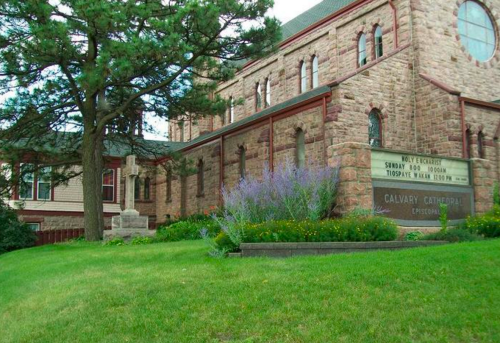
Bishop Hare, although he died in New Jersey, was buried in Sioux City next to the church under the large cross (below).

Screen Shot 2018-05-16 at 11.47.11 AM.png

Holy God, you called your servant William Hobart Hare to proclaim the means of grace and the hope of glory to the peoples of the Great Plains: We give you thanks for the devotion of those who received the Good News gladly, and for the faithfulness of the generations who have succeeded them. Strengthen us with your Holy Spirit, that we may walk in their footsteps and lead many to faith in Jesus Christ; who lives and reigns with you and the Holy Spirit, one God, now and for ever. Amen.

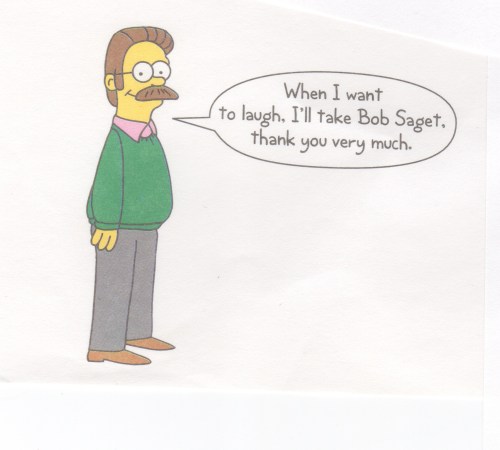
Oh and by the way, today is also Bob Saget’s birthday.

ned 1.jpeg

Have a good day. Tomorrow is Friday!

The Missouri Way

by chuckofish

Today is Truman Day in Missouri. It honors Harry S Truman, the only U.S. president who was born in Missouri.

Screen Shot 2018-05-07 at 11.42.33 AM.png

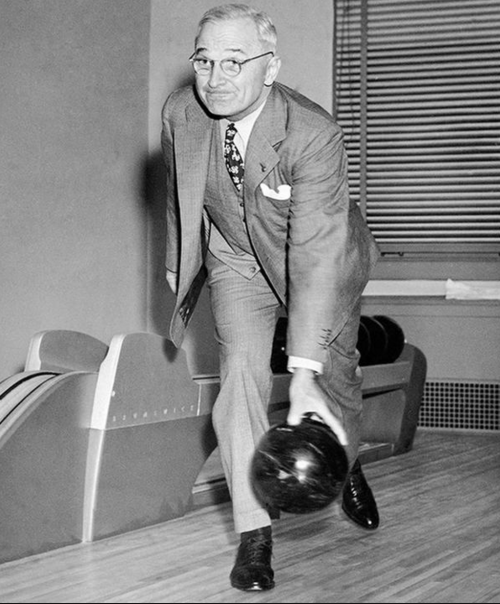
On April 25, 1947 Truman opened the first bowling alley at the White House. (What? No bowling shoes?)

State offices are closed in Missouri on Truman Day. However, schools, stores, post offices and other businesses and organizations are open and public transit services run to their regular schedules, so although I have lived here practically all my life, I never knew this was a holiday. Since daughter #1 works for the state of MO now, she has the day off, and that is how I found out about it.

You learn something new every day.

Truman did not change perceptibly when he became president. He still liked things the “Missouri way,” which extended to food served at the White House. I was not surprised to learn that Harry Truman was a “meat and potatoes” man–no arugula for him.

“Like the Roosevelts, the Trumans did not care for elaborate food, but, unlike their predecessors, they demanded it better-cooked. Mrs. Truman was a very good cook and she expected good cooking on her table…she brought with her to the White House Vietta Garr, the family cook from Independence, who would sometimes prepare special back-home dishes the family particularly liked…

Screen Shot 2018-05-07 at 1.37.41 PM.png

Vietta Garr and Leona Estes back in Missouri

The President’s breakfast menu remained nearly constant: orange juice, grapefruit, or tomato juice; hot cereal in winter and cold cereal other times; whole-wheat toast and milk–sometimes buttermilk. The staff had to learn how to make coffee for the Trumans…This attention to detail was typical of Bess Truman’s attitude toward food. She gained the reputation of serving the best of home-cooked food, even for guests…President Truman described himself as a “meat and potatoes man,” though he was actually a light eater…At one time when the White House was giving a luncheon for Prime Minister Churchill…the President ordered the menu…oyster soup, celery hearts, assorted olives, filet mignon with mushrooms, watermelon pickles, asparagus hollandaise, grilled tomatoes, hard rolls, hearts of lettuce salad with Roquefort dressing, strawberry shortcake…Special family “receipts” were guarded in the “Confidential File.”…Occasionally the Trumans would bring back from trips home to Missouri some sourghum molasses. It was a family favorite served on cornbread…Cornmeal Dumplings with Turnip Greens…was enjoyed many times at Truman family private suppers.”
The Presidents’ Cookbook, Poppy Cannon and Patricia Brooks

Here is Bess Truman’s Ozark Pudding recipe. (This is the copy of the recipe as it was sent out to people who requested it. It comes from the Social Correspondence Office Files of the Truman Papers.)

1 egg
3/4 cup sugar
2 Tablespoons flour
1 and 1/4 teaspoons baking powder
1/8 teaspoon salt
1/2 cup chopped nuts
1/2 cup raw apples, finely chopped
1 teaspoon vanilla
Beat egg and sugar a long time until very smooth. Mix flour, baking powder, salt, and stir into sugar-egg mixture. Add apples, nuts, and vanilla. Bake in a buttered pie pan in a 350 degree over for 35 minutes. Serve with whipped cream or ice cream.

Screen Shot 2018-05-07 at 1.46.58 PM.png

What do you say we whip up some Ozark Pudding for Truman Day? Cornbread with sourghum molasses sounds pretty good to me as well…

What are you reading?

by chuckofish

Screen Shot 2018-04-24 at 11.31.10 AM

“Part of the forces that sent Sam trudging across the white prairies was love of life, a gladness for health and youth that filled him as Mozart’s gayest music filled him; and part of it was his belief that the earth on which he walked had been designed by the greatest of artists, and that if a man had the courage and fortitude not to fail it, it would not fail him. In Sam’s rough mountain-man philosophy those persons who became the wards of sadness and melancholy had never summoned for use and trial more than a part of what they had in them, and so had failed themselves and their Creator. If it was a part of the inscrutable plan that he was to live through this ordeal, and again cover the bones of wife and child with mountain lilies, the strength was lying in him, waiting, and he had only to call on it- all of it- and use it, without flinching or whimpering. If he showed himself to be a worthy piece in the Great Architect’s edifice he would live; in Sam’s philosophy that was about all there was to it.”

–Vardis Fisher, Mountain Man

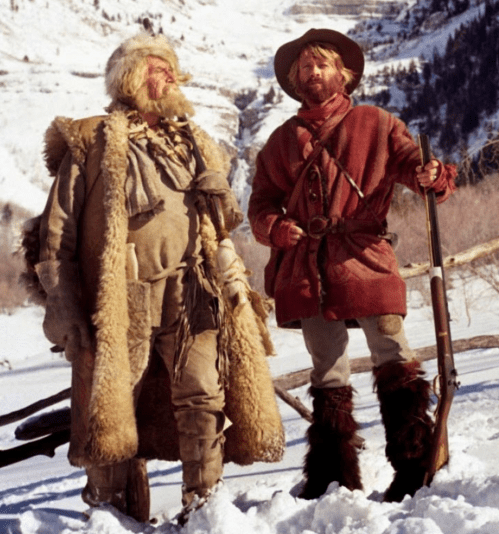
While reading through my pile of 1940s New Yorker magazines, I read a review of a novel by Vardis Fisher. This reminded me of the movie Jeremiah Johnson (1972) which is based on another Vardis Fisher novel, Mountain Man, which I had always meant to read. So I checked out Mountain Man (published in 1965) from my flyover university and have been reading it.

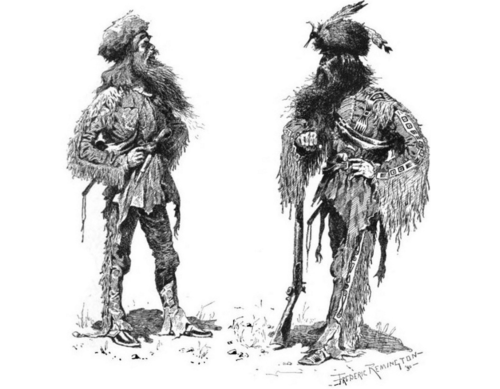
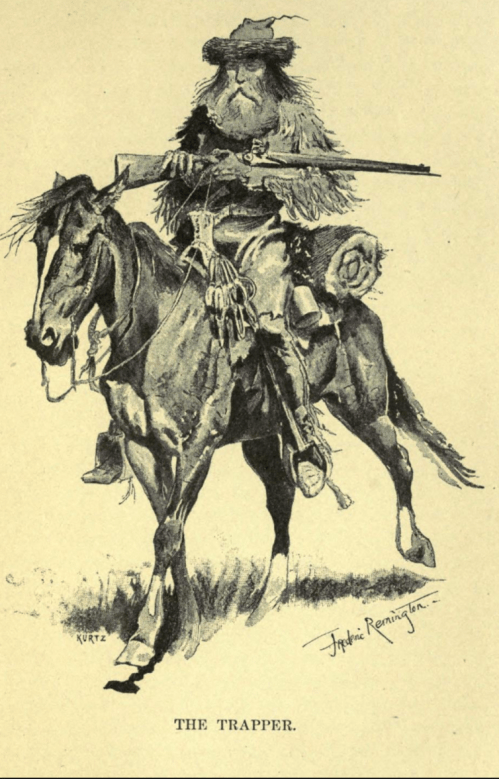
The story follows the life of Sam Minard (and various other fur-trappers) and his relations with the Crow and Blackfoot tribes in and around 1846. Two of the three central characters were suggested by actual people: Kate Bowden (i.e. Jane Morgan) who went crazy after killing with an ax the four Indians who had slaughtered her family on the Musselshell: secondly, Samson Minard (i.e. John Johnston- the “Crow-killer”). It is an action-packed tale, full of detail and interesting facts about the Wyoming-Montana-Idaho territory. Our mountain man hero is apt to wax eloquent on many subjects, such as which animal mothers will fight to the death to protect their children (wolf, wolverine,  bobcat, badger, bear, grouse, avocet, horned lark) and which will not (buffalo, elk). Sam is also quite a spiritual being:

Reading nature, for Sam, was like reading the Bible; in both, the will of the Creator was plain.

He is educated, well read and likes to sing. What’s not to like?

screen-shot-2018-04-24-at-11-30-23-am.png

It should be noted that the book has very little in common with the movie, however, and they must be enjoyed separately. I have no idea why the screenwriter strayed so far from the book, but he did. I guess they felt the need to lighten up on the Indians and make them more palatable to the movie-going audience. Whatever.

Screen Shot 2018-04-24 at 2.36.26 PM.png

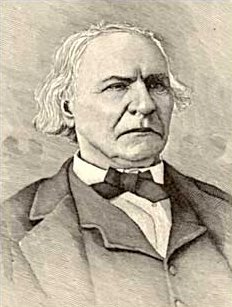
Our great-great grandfather, John Simpson Hough, was a good friend of “Uncle Dick” Wooten

Richens-Lacey-Wootton.jpg

Richens Lacey Wooten

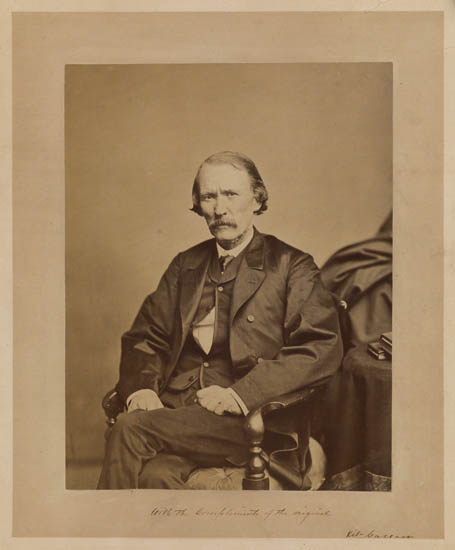
and Kit Carson,

FinalKitCarsonPhoto.jpg

who are both referred to in the book. Although no mountain man himself, John Hough was a great admirer of the breed. Family legend says that Kit Carson died in the Hough’s house in Boggsville (and not in Fort Lyon per Wikipedia). At least one of his daughters (Terasina) lived with and was raised by the Houghs for several years. When he knew Dick and Kit, they were both old men, and I’m sure John Hough enjoyed listening to their tales of the early days. In that, I am like him.

What are you reading?

No atheists in this foxhole

by chuckofish

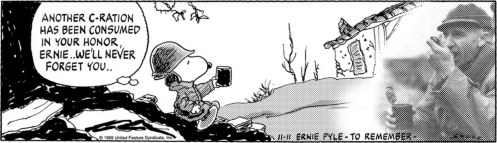
Screen Shot 2018-04-17 at 10.31.26 AM.png

Today is the anniversary of the day in 1945 when journalist Ernie Pyle was killed by enemy fire on Iejima during the Battle of Okinawa, the very last pitched battle of World War Two.

A roving correspondent for the Scripps-Howard newspaper chain, he earned wide acclaim (and a Pulitzer Prize) for his accounts of ordinary American soldiers.

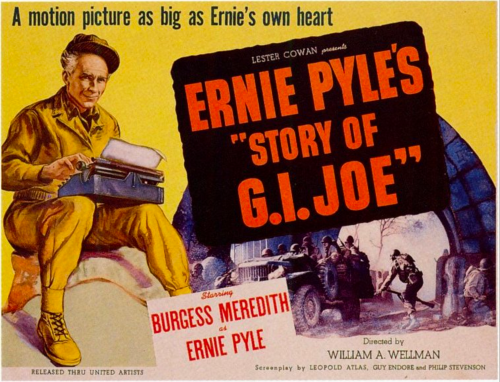
Now I feel like watching The Story of G.I. Joe (1945)

Screen Shot 2018-04-17 at 10.42.38 AM.png

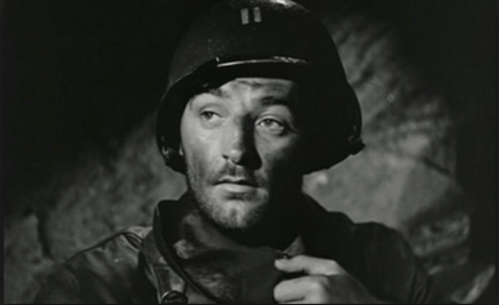
which stars Burgess Meredith as Ernie Pyle and Robert Mitchum at the very beginning of his career.

Screen Shot 2018-04-17 at 10.52.56 AM.png

The movie premiered two months to the day after Pyle was killed in action and was very popular.

Screen Shot 2018-04-17 at 10.54.18 AM

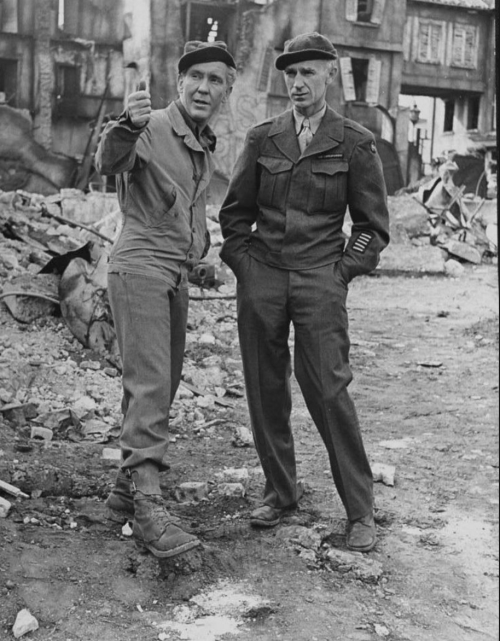
Burgess Meredith with Ernie Pyle

According to TCM, William Wellman, who was a fighter pilot in World War I, hated the infantry and had no interest in making a film about them. Wellman finally agreed to take the job only after meeting and spending several days with Ernie Pyle at Pyle’s home in New Mexico, where he saw how much former infantrymen revered him.

Wellman describes one of his evenings with Pyle in his memoirs, A Short Time for Insanity (1974): “During the meal, I saw two G.I.’s who had recognized Ernie, though his back was to them. I could tell they were talking about him by their frequent glances in his direction. Unknowingly, this was to be my first baptism of the greatness of this little giant of the G.I.’s. When we were halfway through our dinner, the two G.I.’s got up and left. Just before they passed through the door, they took a last look at Ernie, said a few words to each other. I felt that they wanted to come over and talk to him but thought that perhaps this wasn’t the time or the place. Not right in the middle of a man’s dinner. I’ll never forget the expression on their faces when they looked at Ernie.”

After doing a little search, it doesn’t look like I’ll be able to find the movie to watch, but I’ll keep looking! In the meantime we can read some of his wartime columns here in the Indiana University archive. (Yes, he was a hoosier hero.)

Join me in a toast to Ernie Pyle!

“What news on the Rialto?”*

by chuckofish

50e97854f7e4b3a8e5408b04df00e067.jpg

It seems like a good time to bring back this classic photo of antics in Mayberry.

While we’re at it, let us remember that on this day in 1945 Harry Truman became President when President Roosevelt died. He had been vice president for 82 days and had only met with the President alone twice. He had rarely discussed world affairs or domestic politics with Roosevelt; he was uninformed about major initiatives relating to the war and the top-secret Manhattan Project.

That afternoon, Truman presided over the Senate as usual. He had just adjourned the session for the day and was preparing to have a drink in House Speaker Sam Rayburn’s office when he received an urgent message to go immediately to the White House. Truman assumed President Roosevelt wanted to meet with him, but the First Lady informed him her husband had died after suffering a massive cerebral hemorrhage.

Shortly after taking the oath of office, plain-spoken Truman told reporters: “Boys, if you ever pray, pray for me now. I don’t know if you fellas ever had a load of hay fall on you, but when they told me what happened yesterday, I felt like the moon, the stars, and all the planets had fallen on me.”

Screen Shot 2018-04-11 at 2.49.25 PM

Truman’s presidency was full of discord and his approval ratings fluctuated wildly. You will recall that we went to war in Korea and that 78% of the people believed hat Soviet agents had infiltrated the government. There were serious steel and coal strikes and an assassination attempt. Truman’s longtime friend and chairman of the Democratic National Committee was forced to resign after being charged with financial corruption. Never one to respond calmly, the President replied to a bad review of his daughter’s concert by the music critic of the Washington Post thusly:

I’ve just read your lousy review of Margaret’s concert. I’ve come to the conclusion that you are an “eight ulcer man on four ulcer pay.” It seems to me that you are a frustrated old man who wishes he could have been successful. When you write such poppy-cock as was in the back section of the paper you work for it shows conclusively that you’re off the beam and at least four of your ulcers are at work. Some day I hope to meet you. When that happens you’ll need a new nose, a lot of beefsteak for black eyes, and perhaps a supporter below!  Pegler, a gutter snipe, is a gentleman alongside you. I hope you’ll accept that statement as a worse insult than a reflection on your ancestry.

I wonder what Harry would have done with a Twitter account?

Sic semper erat, et sic semper erit.

*The Merchant of Venice, Act 1, Scene III