What are you reading?
by chuckofish
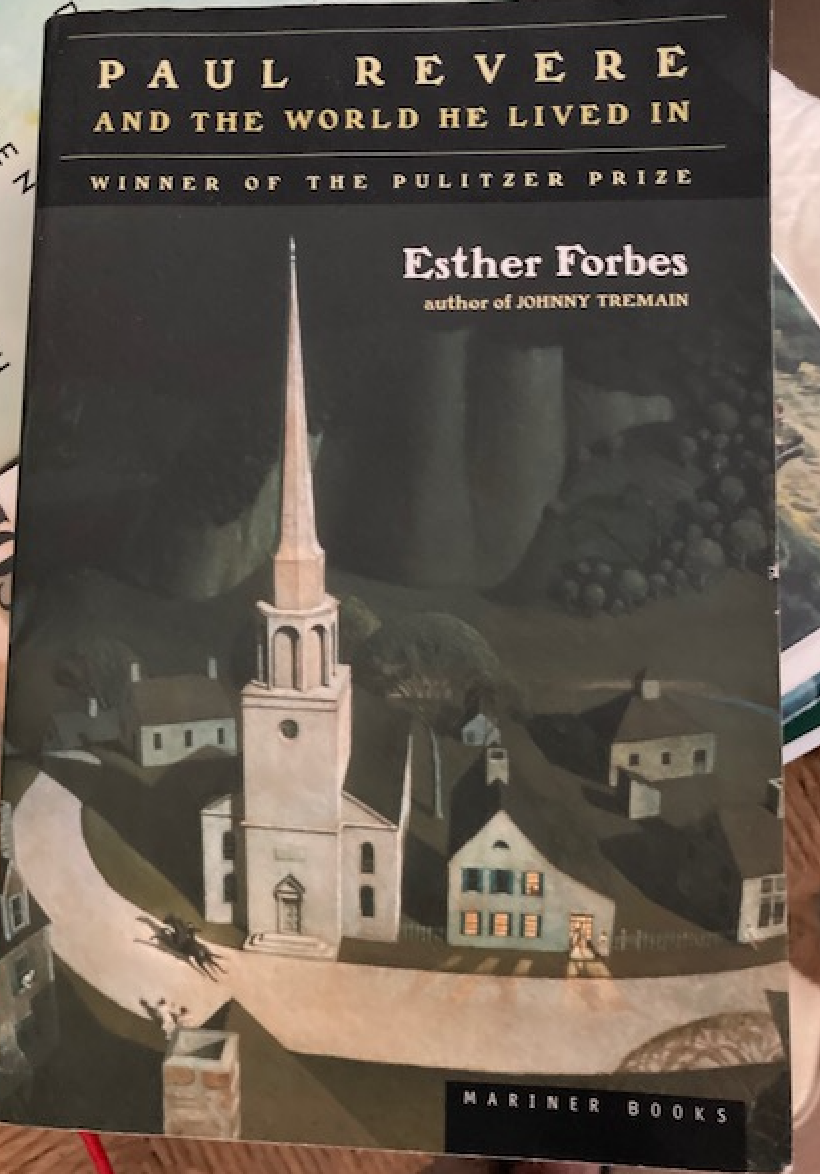
Recently I was reading about Esther Forbes (June 28, 1891 – August 12, 1967), the American novelist and historian. She wrote a number of historical novels, but she is mostly remembered for writing the Newbery Medal winner Johnny Tremain, published in 1943. She also won the Pulitzer Prize for history in 1942 for Paul Revere and the World He Lived In.
My grandmother, Mira Sargent, was about the same age as Esther and they grew up in the same social circle in Worcester, Massachusetts. Both were descendants of old Colonial families with roots in the seventeenth century. Esther attended Bancroft and Mira went to Miss Hall’s School in Pittsfield. Their paths continued to cross throughout their lives–in New York City, Boston and back in Worcester. My father always said they were friends but who knows.

Anyway, I decided to read Paul Revere and the World He Lived In, although my expectations were low, having read other books by mid-century female authors of this ilk. How wrong I was! From the first paragraph I was engaged:
There had been week upon week of the cold grey fury of the North Atlantic, for it was mid-winter when the little refugee, Apollos Rivoire, made his crossing. At such a season only the hardiest of passengers ventured much above deck. Bunks were dank, bread wormy, beef tainted, and many of these small sailing ships never made port, but at least the Atlantic was crossed in great company. God brooded upon the face of these waters. His hand parted the mountainous waves. He upheld the ship. Even if one drowned, it was the Providence of God. Apollos did not drown. He entered Massachusetts Bay late in 1715 or early 1716.
Apollos Rivoire was the father of Paul Revere. He came to Massachusetts as a 13-year old Huguenot refugee, fleeing persecution in France. His family owned great vineyards, but they saw no future for him in France, so he was sent to America as an indentured servant who was apprenticed to learn the silversmith trade. I did not know that! As usual, there is a lot I do not know, but this book is filling in the blanks in a delightfully readable manner.
So read an old book; learn something new!
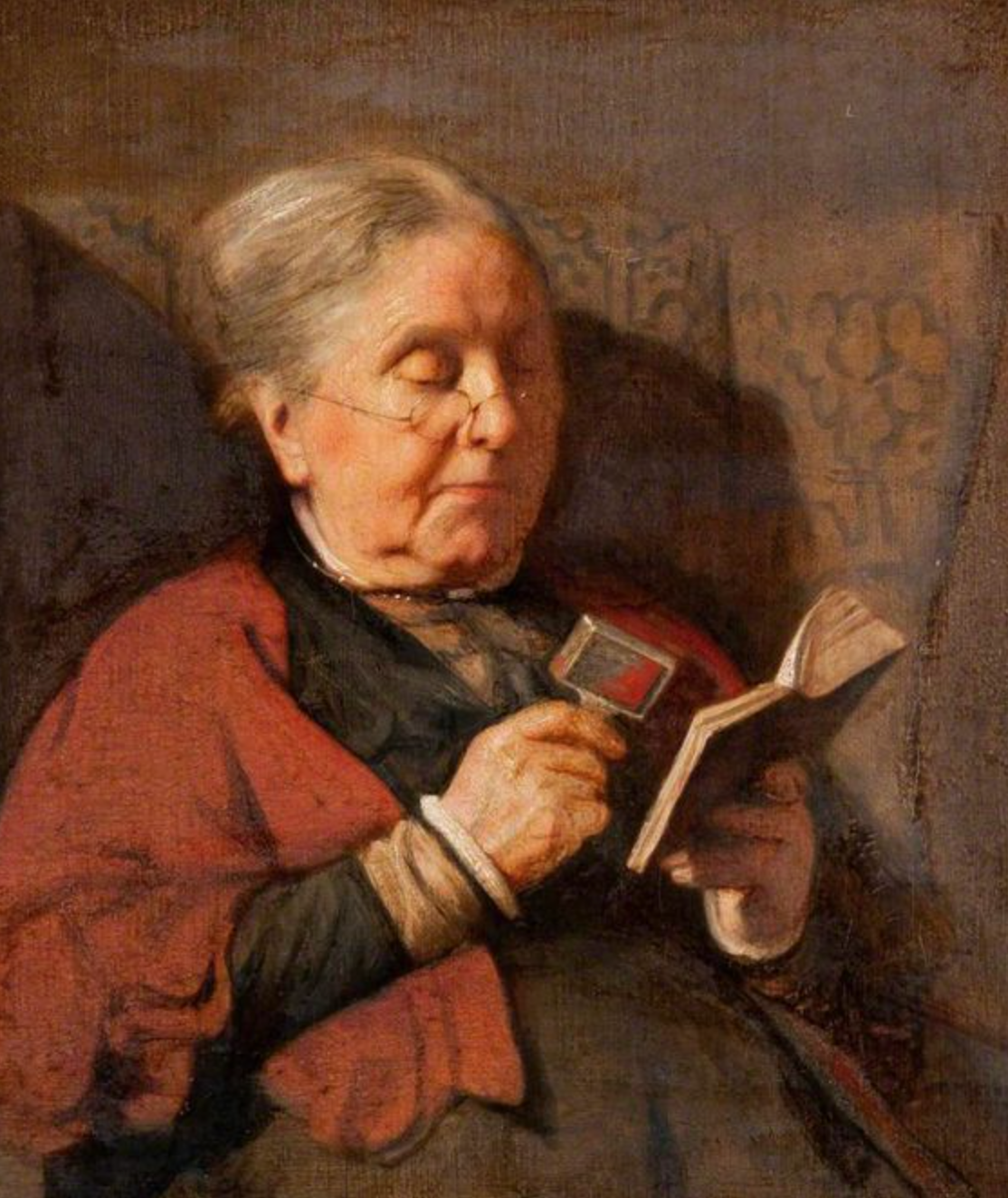
The painting at the top is by Albert Anker (1831-1910)
 dual personalities