
Nothing ever becomes real ’til it is experienced*
by chuckofish
I had a fine week. There’s a definite hint of spring in the air and the sun has been shining quite a lot. But what I really long for is a good thunderstorm and plenty of rain to wash away the winter grime. Since the forecast contains no hint of rain, I looked for thunderstorms online, and naturally found myself perusing 19th and early 20th century paintings. Somehow even the grimiest cities look romantic in the rain.
Take, for example, James Tissot’s painting of a Rainy Day on the Thames in 1876.
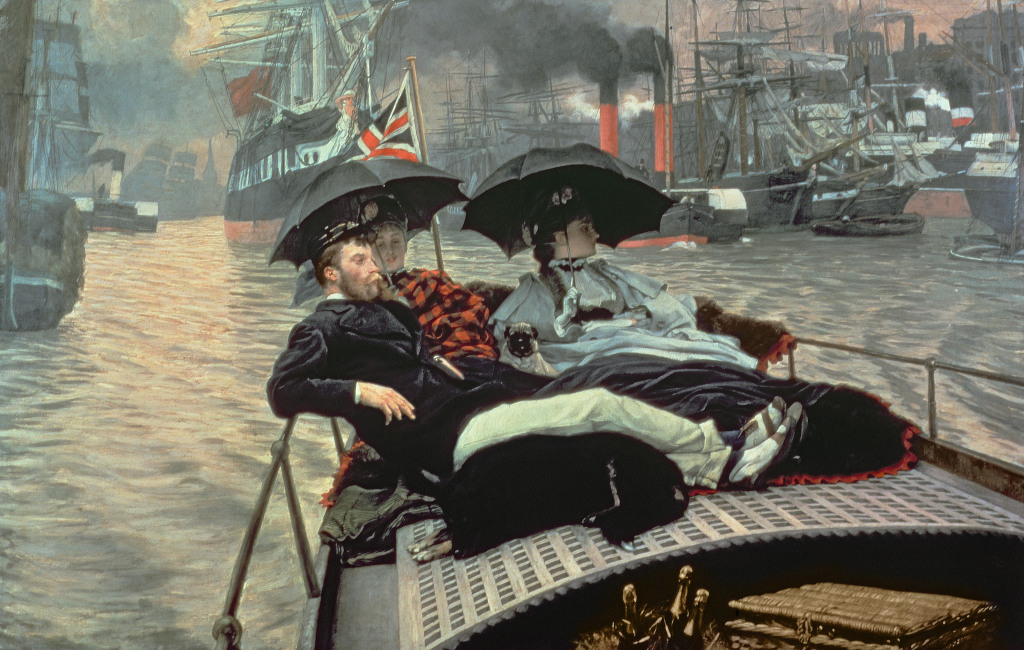
The date of this painting got me thinking that while people were swanning about in London (and indeed New York, Boston…), settlers were eking out a precarious existence in sod houses on the American prairie or riding to slaughter at the Little Big Horn with Custer (June, 1876).
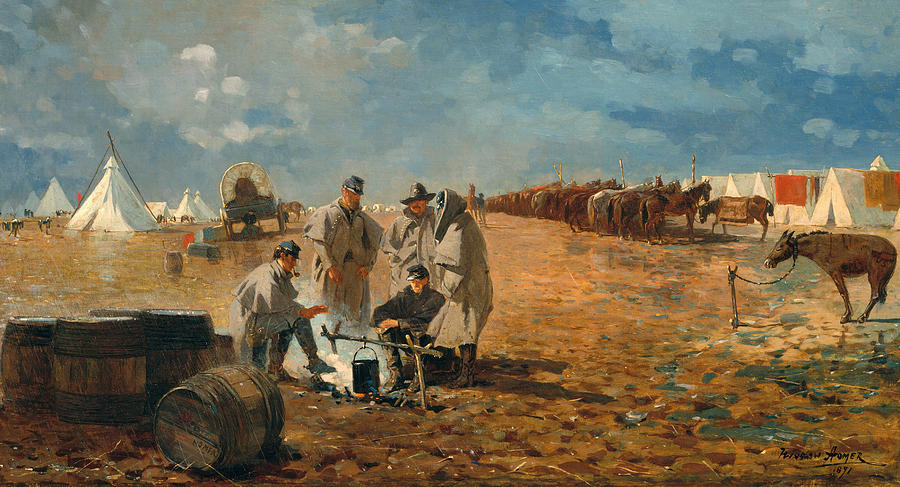
And that got me thinking that there has always been a disjunction between the experiences of city people and those who live in the countryside. Other people’s struggles are easy to judge from the comfort and safety of our homes but the consequences of such casual judgments can be dire.
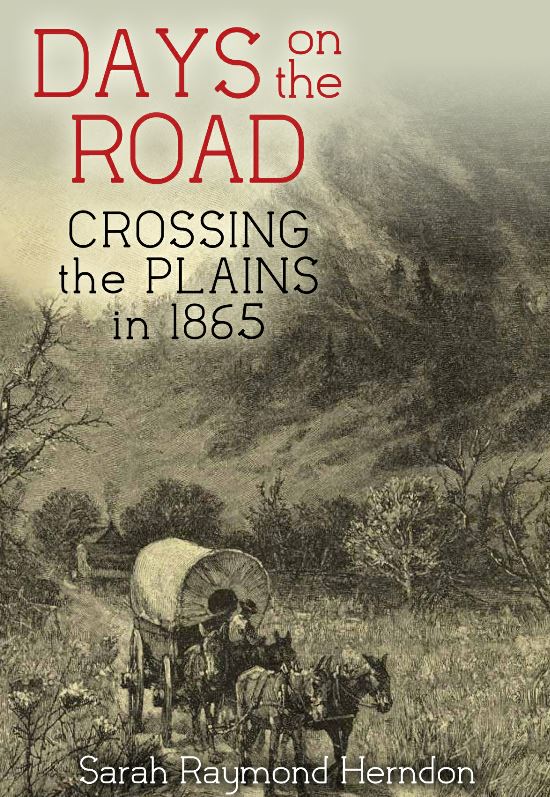
Recently, I read the memoir of Sarah Raymond Herndon, who traveled from Missouri to Montana in a wagon train in 1865, during a particularly violent period of the Indian wars in Montana Territory. She has firm convictions — as inexperienced youth often do — and is disparaging about the few Indians she encounters, noting that one warrior “was very disappointing as the ‘Noble Red Man’ we read about. He wore an old, ragged Federal suit, cap and all. There were no feathers, beads or blankets.” Obviously, back in Missouri she developed an idealized view that gave birth to a dangerous contempt when it met reality. Unconcerned about the Indians, she leaves camp frequently and wanders off into the hills to pick wild flowers. She seems impervious to the sight of burned-out sod houses and wagons and to the frequent graves they pass. When two men fleeing Montana because of the Indian deprivations join her train, she writes, “how I pity any man who has so little grit. I should think they’d be afraid to show their faces to their neighbors and say, ‘We were afraid, so we came back home.'” She goes on to remark, “We would not like to be scalped and butchered by the Indians, but it does seem so cowardly to run away from danger.” Her strong belief in God and her ingrained code of behavior give her the gumption to continue the trip as friends die of disease and the Indian threat increases. But make no mistake. Her fortitude is largely the result of inexperience, a jaw-dropping underestimation of the foe, and a deep determination that life will go her way. In short, it’s nothing short of a miracle that the Indians never kidnap her or attack her wagon train.
All of this reminds us of how our preconceptions can blind us to reality. When the news creates a stereotype, ask yourself if there can be more to the story. Next time you want to reject someone who doesn’t believe what you believe, bother to find out why. The answers may be hard to take, but at least they’ll be real.
*John Keats
 dual personalities