See what needs doing and do it
by chuckofish
My dual personality’s wonderful post yesterday got me thinking. She’s right about the senseless self-help drivel the internet spews at us these days. Aside from the general inanity, the underlying logic is faulty, for it assumes that the natural human state is happiness and that if we aren’t happy then we need fixing. Bunk. Life is a struggle. Get working.
Remember when people just got on with things and didn’t sit around worrying about their emotional state? They might look at one another with sympathy but they didn’t stop functioning just because life was hard. Let’s consider, for example, the days when the Texans had to deal with the double-whammy of invading Mexicans and the most threatening of all Native American tribes, the Comanche.
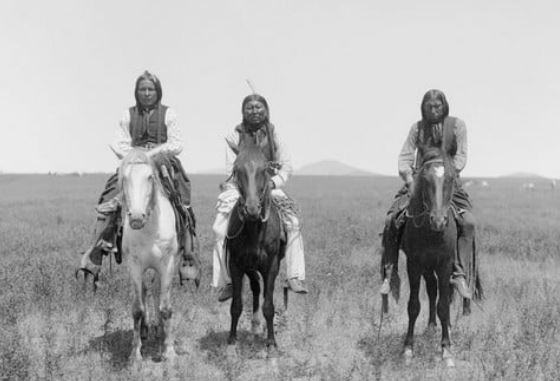
In the 1830s and 40s the Comanches reached the peak of their power on the Great Plains. People feared them for good reason. They made quick, ruthless raids and slaughtered everyone — Indian, Mexican and U.S settler alike — except for the occasional woman or child that they adopted into the band. It is worth noting that the conflict was not an exclusively Anglo vs. Indian fight; various different tribes, including Apaches and Tonkawas, allied with the Texans against the Comanches. Nevertheless, when the Texas Rangers formed to deal with the threat, they were woefully unprepared. Single shot, black-powder guns were no match against mounted bowmen who could deliver dozens of arrows accurately while the dismounted Rangers struggled to reload. The Rangers suffered 50% casualties in the early years.
Enter John Coffee Hays. Born in Little Cedar Lick, Tennessee on January 28, 1817, Hays moved down to Texas in 1837. Within three years, at the age of 23, he became captain of the San Antonio Rangers, and soon after he transformed them into a formidable fighting force.

First, he studied and then adopted Comanche tactics. He enacted elaborate drills to train his men to fight on horseback, to track and move like the Comanches, and to take the offensive. Having studied the Comanches’ behavior, he realized that they were predictable and superstitious. If he killed their war leader, they would scatter. The tactic proved extremely effective. He also adopted the new Colt Paterson revolver.
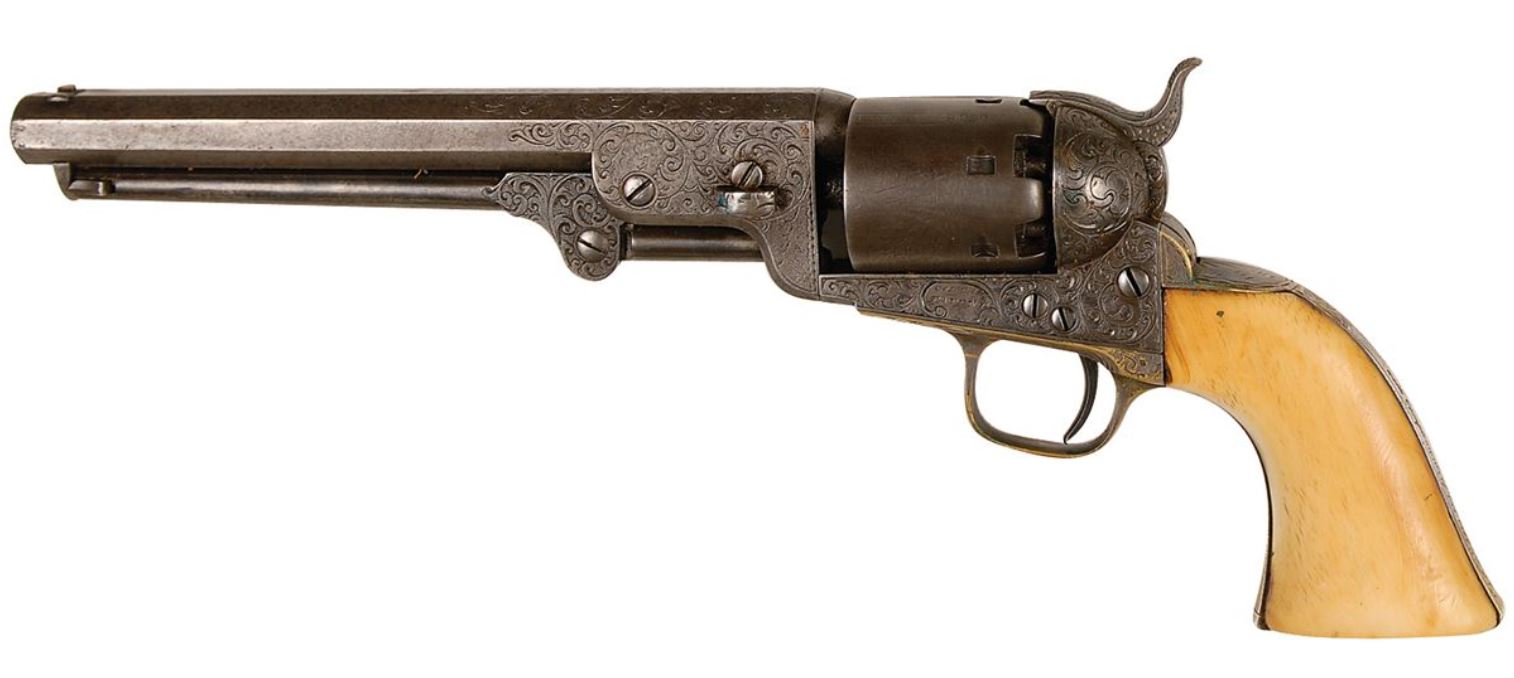
His success with the weapon saved Colt from bankruptcy and leveled the playing field with the Comanches. A good example of both the gun’s advantages and Hays’s ability as a leader is the Battle of Walker Creek. Read the whole thing.
In short, Hays was an excellent leader and a very smart man. He did not sit still wringing his hands or waiting for someone else to solve his problems; he paid attention to his surroundings, studied his enemies and came up with a solution. Moreover, he led by example and from the front. As S. C. Gwynne summed up his character, “What Hays did appeared to be unbelievably brave to men who did not have his ability to calculate odds; he was also, it must be said, unbelievably brave.”
I cannot do Hays justice in a short post, but if you are interested, there is much more about him around the internet and in actual books. We can learn a lot from such indomitable and resilient characters. And, of course, there’s nothing like studying the past to put our present woes (such as they are) into perspective.
If I’m ever allowed to leave New York again, I’d like to visit Texas!
 dual personalities