Well, that Christmas came and went in a hectic blur. We had loads of fun despite the unfinished kitchen: all the travel went well; church put us in the Christmas spirit; the cards on our presents included difficult riddles and crossword puzzles; there was plenty of music, and masses of food. We had long skype/facetime/phone conversations with son #2, and we even (mostly) dismantled the old piano preparatory to have it removed.

It probably wasn’t the best choice of Christmas day activity, but we learned a lot about pianos in the process. They are mighty heavy beasts. The kitchen guys promised to move it, but they haven’t done most of what they said they would, so I may end up with a piano carcass in my family room. It’ll make quite the conversation piece.
The celebrations were over way too soon. Son #1 left Boxing Day morning because he had to work in the afternoon, and son #3 left the day after in order to beat the freezing rain and avoid the construction (a house full of workmen definitely puts the kibosh on relaxation and socializing).
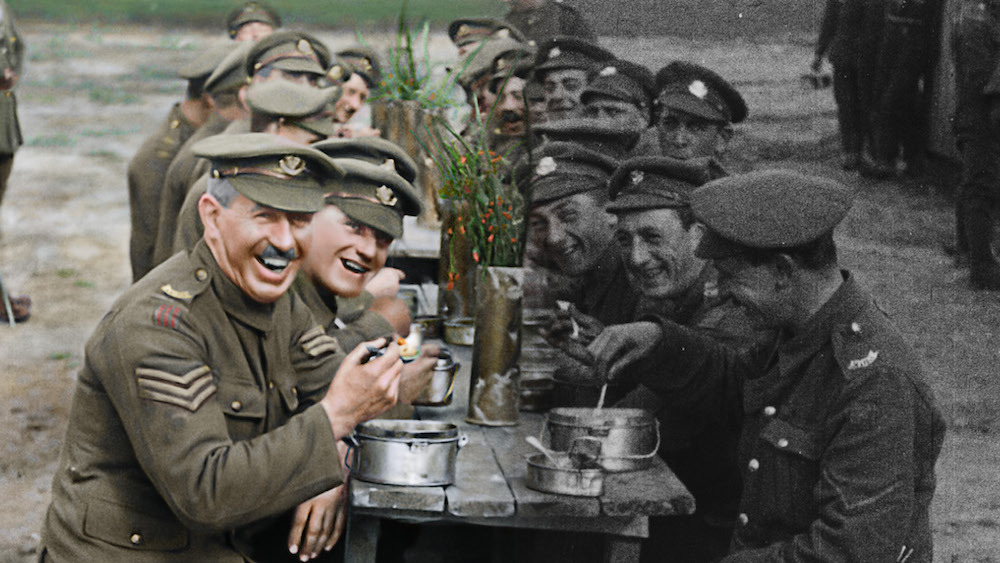
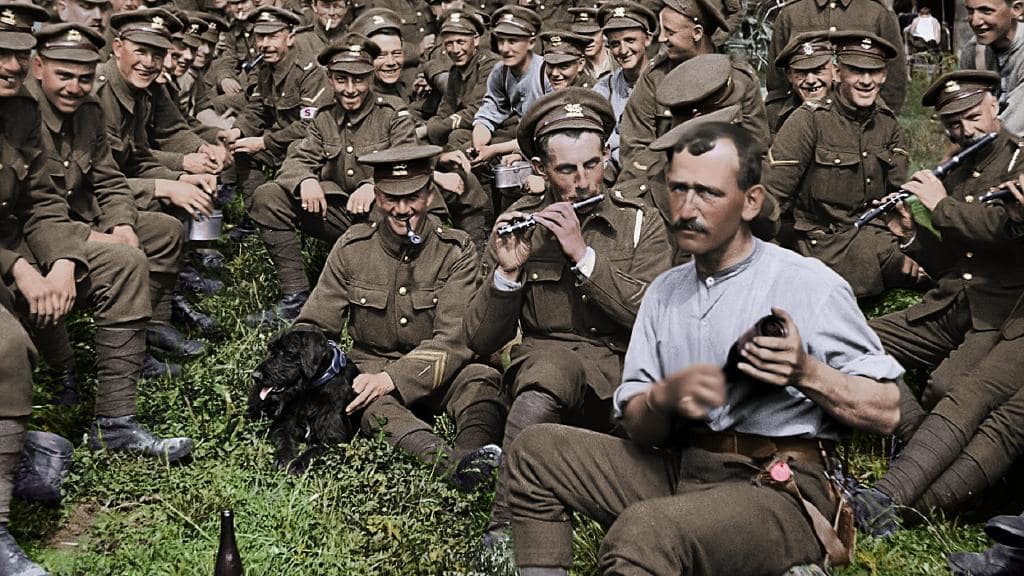
In order to distract ourselves from the departure of our children, the DH and I drove to Ottawa to see a special, one-day-only showing of They Shall Not Grow Old, Peter Jackson’s wonderful film put together from the Imperial War Museum’s WWI footage, which he restored and colorized. This gives you an idea of the quality he achieved.
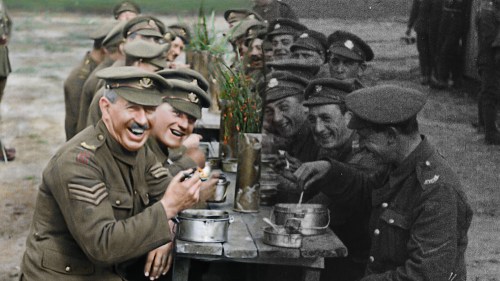
As with any colorization, Jackson’s isn’t perfect, but the stunning clarity and speed normalization (no jerky too-fast motion here) that he produced is beyond amazing. What had been ghostly silent movie stick figures he transformed into real, flesh and blood people that modern viewers can relate to easily. Sure, the film raises questions among historians and film critics — it should (see, for example, Johnathan Romney’s critical review), but I was really impressed by Jackson’s approach. He did not fall into the “all movies touching on war must be anti-war” camp or give in to maudlin sentiment. Nor did he attempt to represent the wide diversity of troop types and countries they represented, the home front, or all theaters of the war. In my view, he made excellent decisions.
After the film credits rolled, Jackson gave an 30 minute explanation of what he had done. A couple of points he made particularly struck me. First of all, he noted that while many of the men would have been familiar with movies, almost none would have encountered a movie camera, let alone been filmed. As a result, they mug for the camera and don’t quite know how to behave. The effect is to make WWI seem almost fun; little of the fatigue, despair or horror got captured by movie cameras. Since the veterans’ narration was chosen to compliment the footage, it also tends toward the cheery. Don’t get me wrong, Jackson does not whitewash the war; the gory reality is there, too.

Above all, Jackson emphasized that he made the movie to inspire people to find out what their own ancestors did in the Great War — a motive of which I heartily approve. If you get a chance to see the film, do!
Now we head into a new year and it’s time to contemplate past, present, and future. I plan to do just that this week. Here’s hoping 2019 finds you all healthy, hardworking, and full of gratitude!
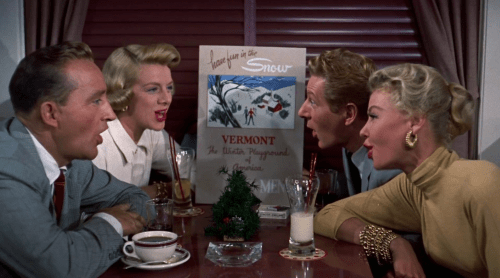
*chorus to Mademoiselle from Armentières, the popular and bawdy WWI song that Peter Jackson chose for the credits.
Stills from They Shall Not Grow Old recovered from Google Image.

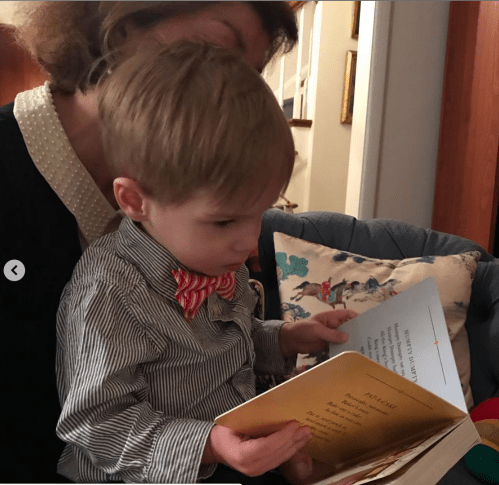








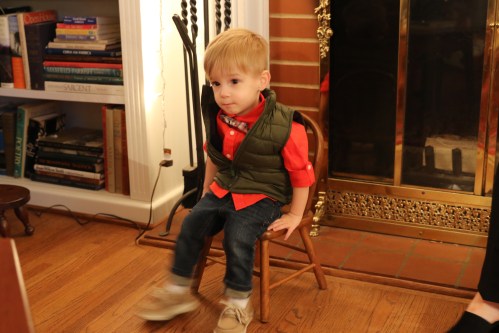
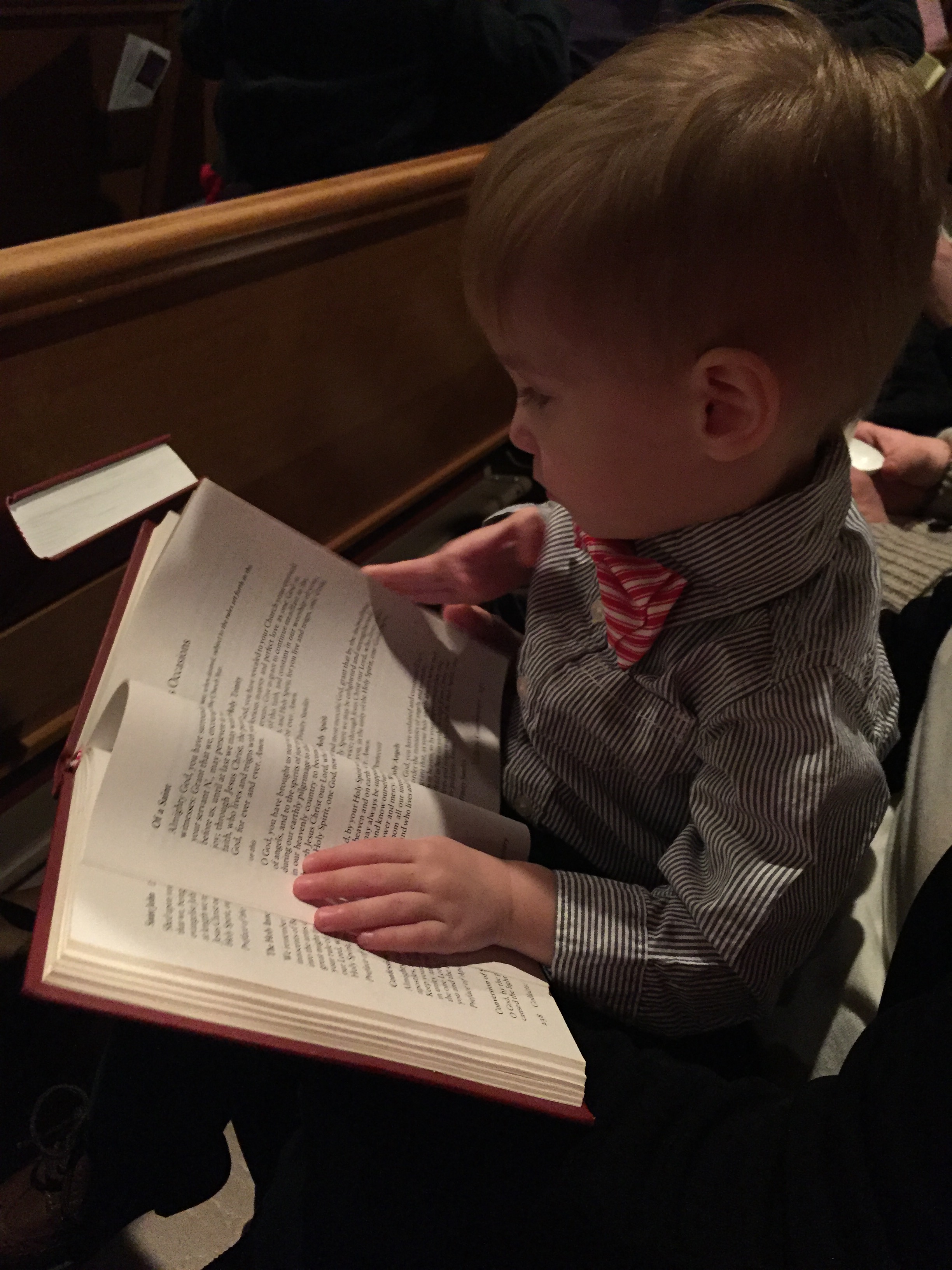 This was the most precious moment of my Christmas Eve…the wee laddie sitting on my lap toward the end of the Christmas Eve service, entertaining himself by paging through the Book of Common Prayer. I mean, c’mon…




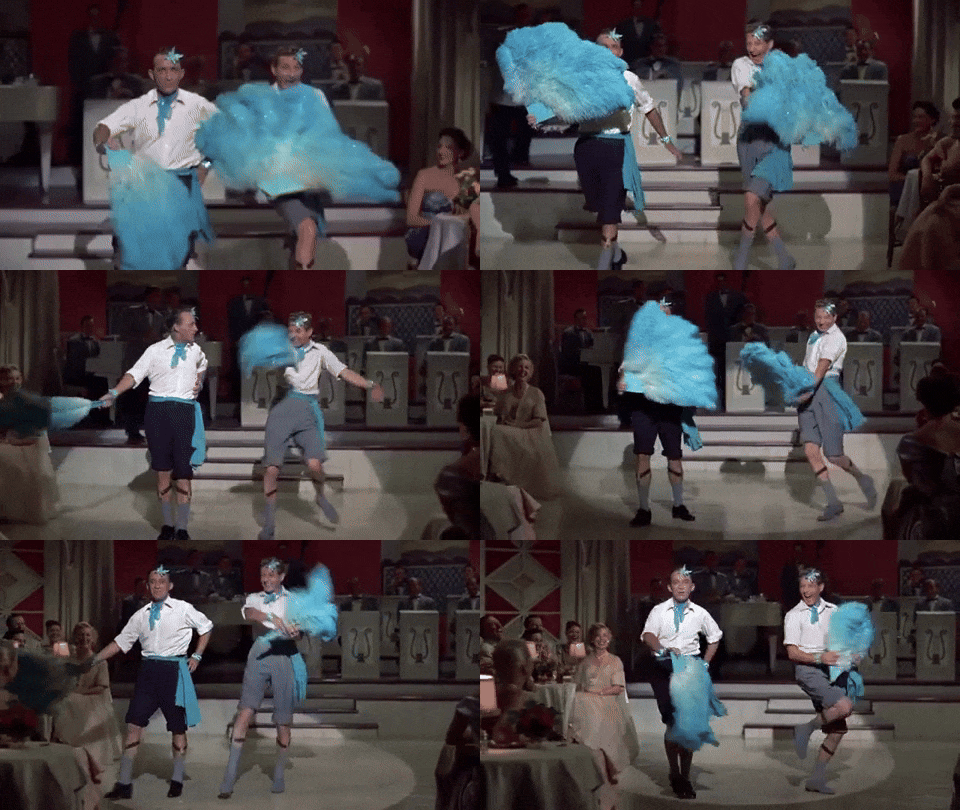

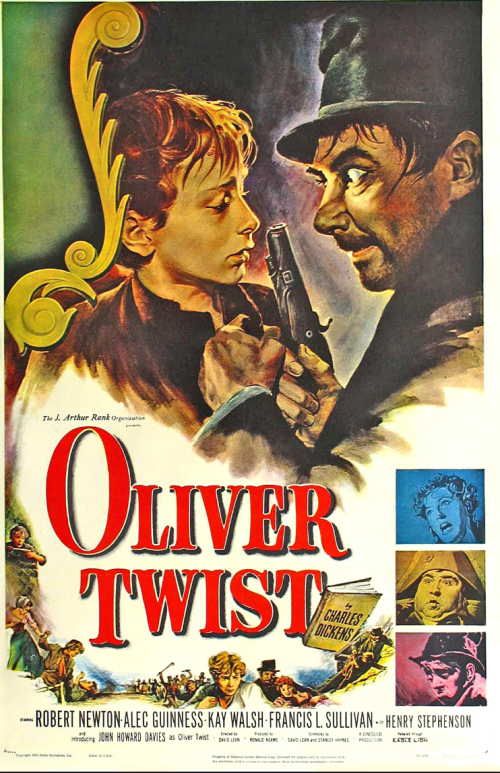
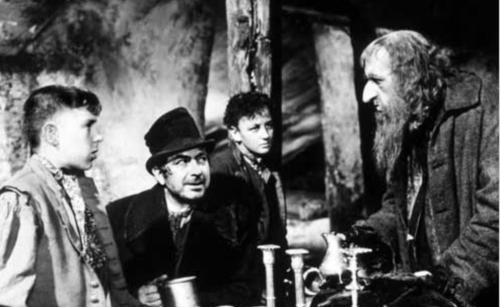 (His make-up is a little much, but supposedly they were trying to make him look like the character as he appeared in George Cruikshank’s illustrations in the first edition of the novel, which you could argue were anti-semitic in the first place. But, you know, Fagin is just a fictional character in a book, a villain, and not a stereotype of all Jews.)








 I also just heard that Penny Marshall died the other day. Although the New York Times chose to remember her as “the nasal-voiced co-star of the slapstick sitcom “Laverne & Shirley” and later the chronically self-deprecating director of hit films like “Big” and “A League of Their Own,” I will always remember her as the very talented director of one of my favorite movies, the wonderful Awakenings (1991).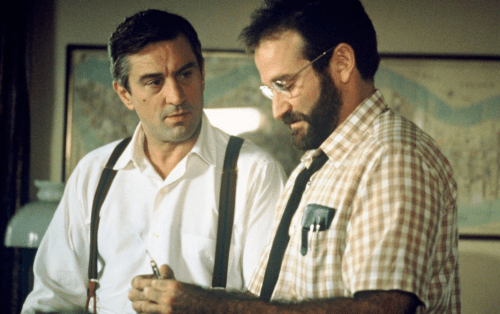
 dual personalities