dual personalities

Month: January, 2014

*No cloud above, no earth below,— A universe of sky and snow!”*

by chuckofish

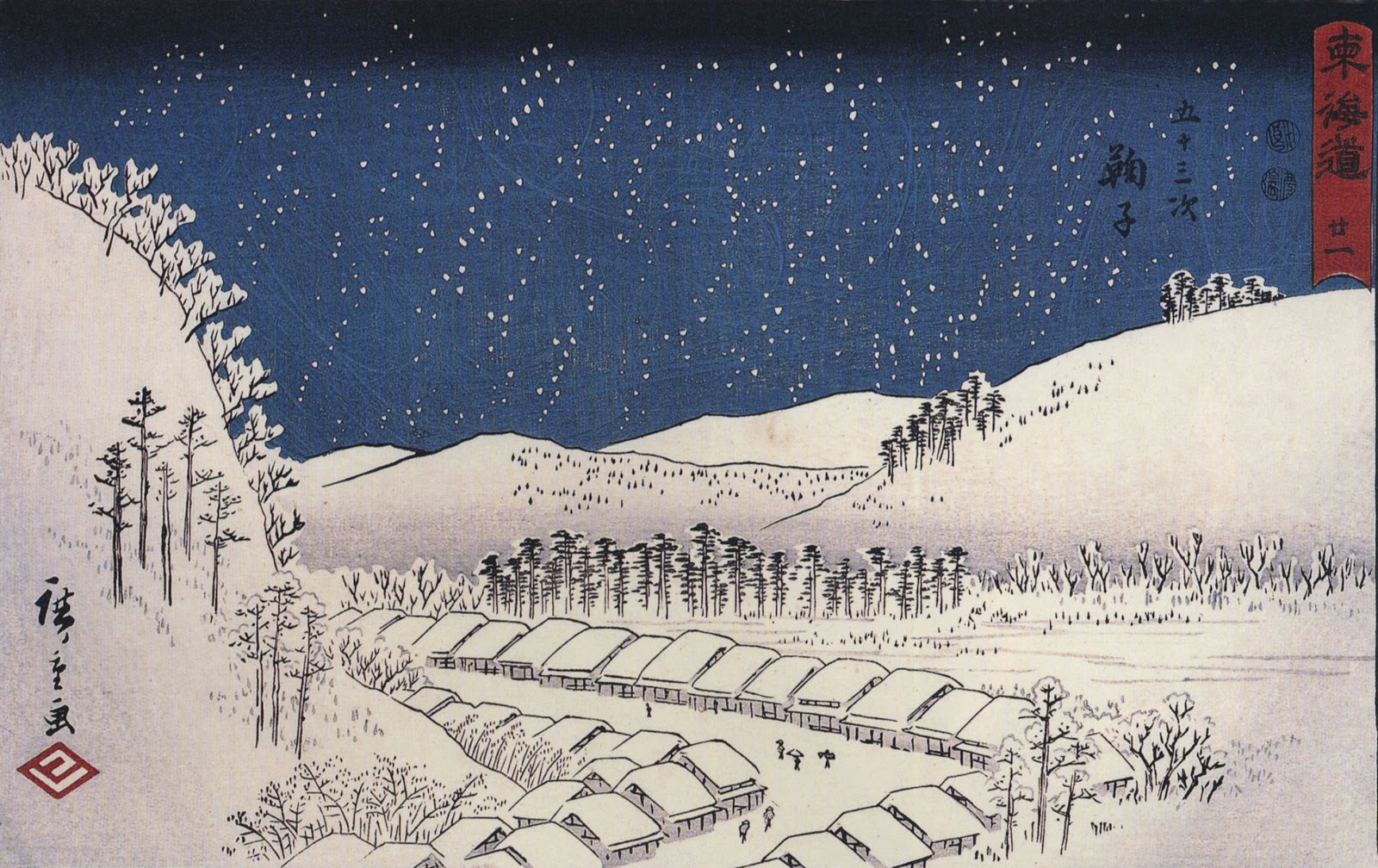
Yesterday’s post with the wonderful Hiroshige landscape got me thinking about my love of landscape paintings that include snow. I have always loved them. I don’t know why.

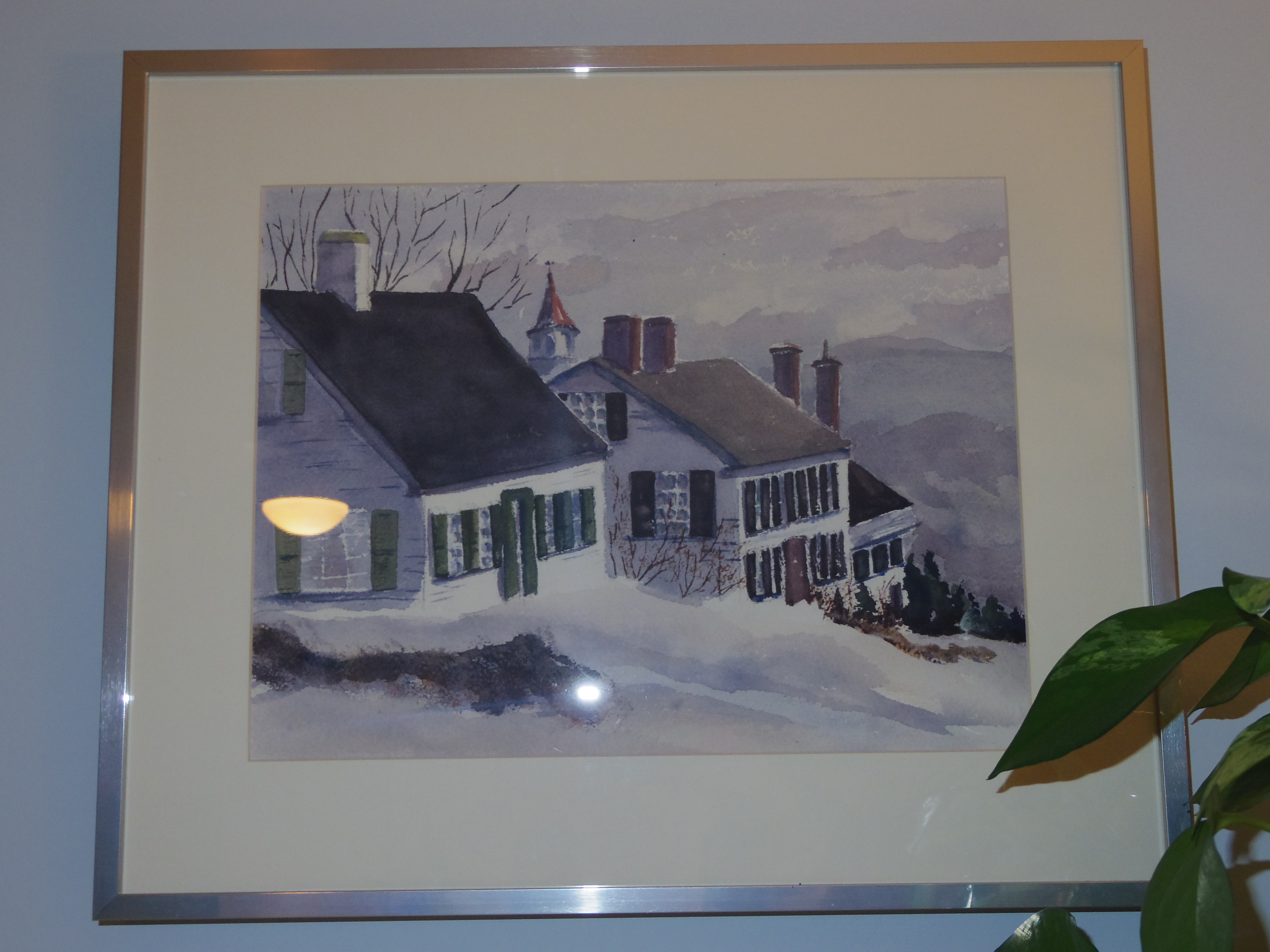
I have one in my kitchen which I love.

IMGP0906

I bought it on eBay and had it framed. It is a watercolor, painted by a talented amateur. Every day it makes me happy.

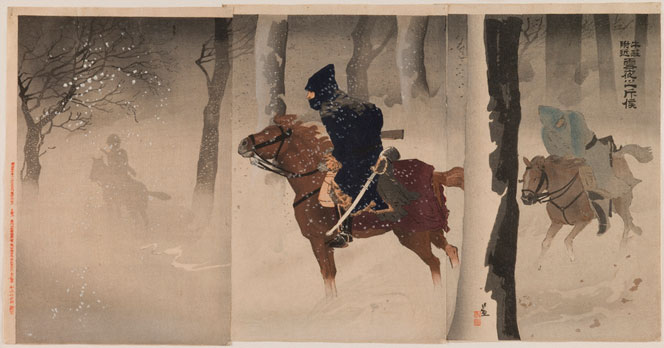
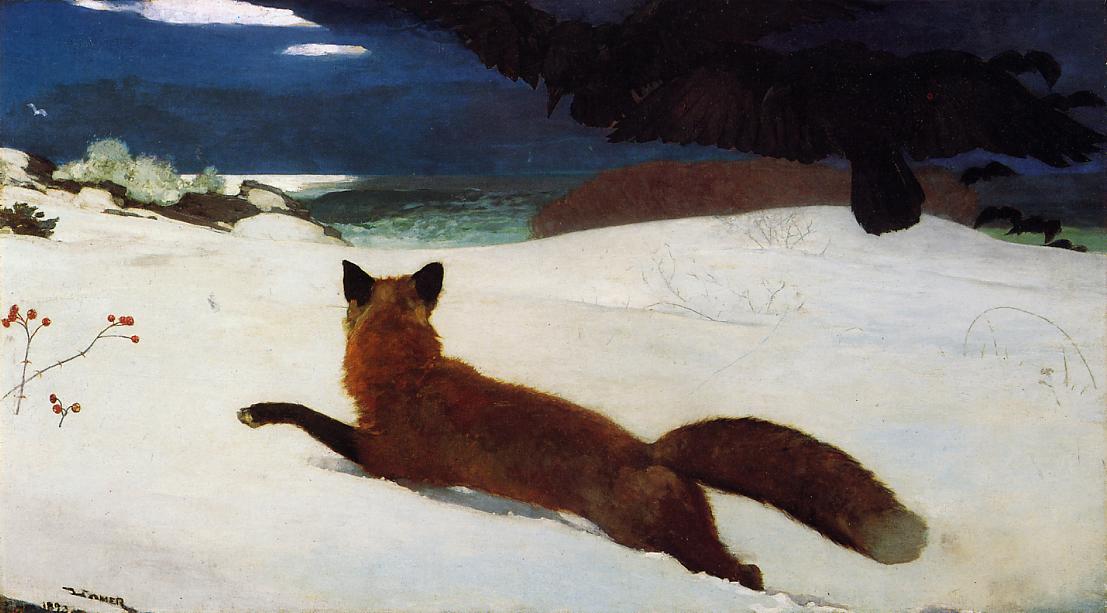
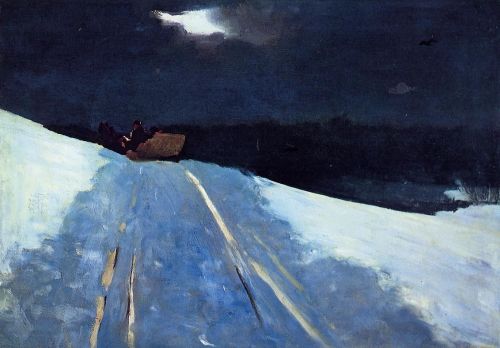
Here are a few examples of my favorite landscapes in snow:

Japanese, "Scouting Party near Niuzhuang on a Snowy Night" 1894

Japanese, “Scouting Party near Niuzhuang on a Snowy Night” 1894

Winslow Homer, "Fox Hunt" 1893

Winslow Homer, “Fox Hunt” 1893

Winslow Homer, "Sleigh Ride"

Winslow Homer, “Sleigh Ride”

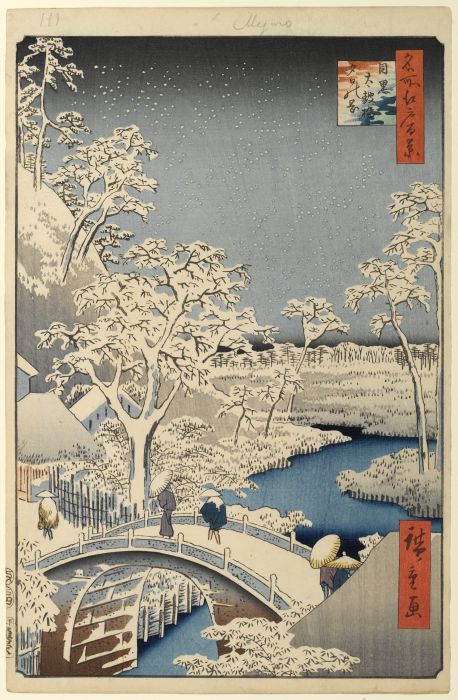
Hiroshige, Bridge in Snow

Hiroshige, Bridge in Snow

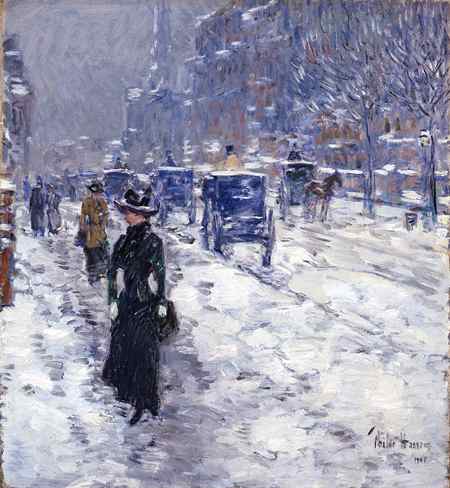
Childe Hassam, "Melting Snow"

Childe Hassam, “Melting Snow”

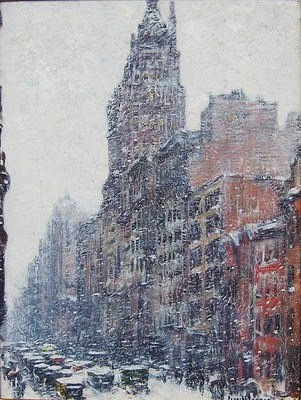
Childe Hassam, "Heckscher Tower"

Childe Hassam, “Heckscher Tower”

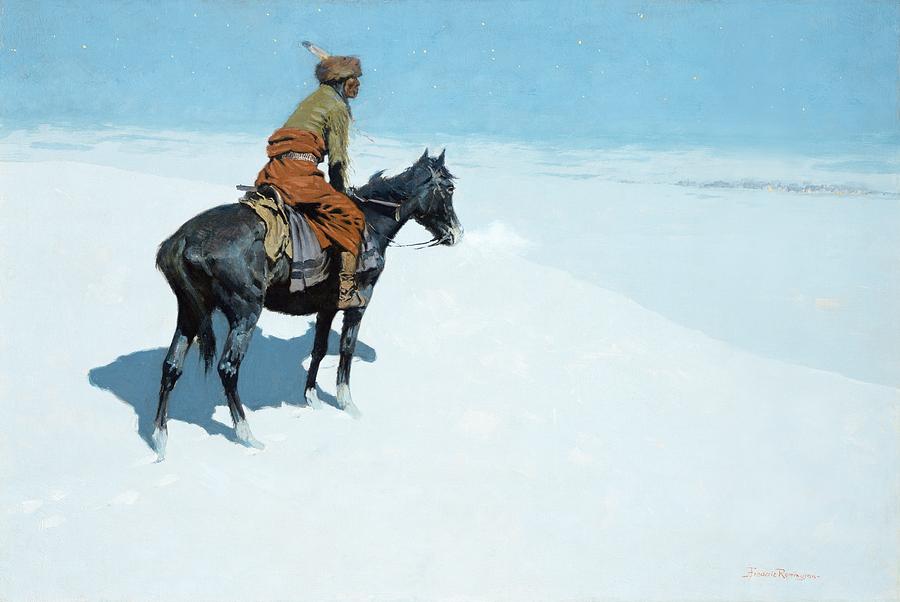
Frederic Remington, "The Scout--Friends or Foes"

Frederic Remington, “The Scout–Friends or Foes”

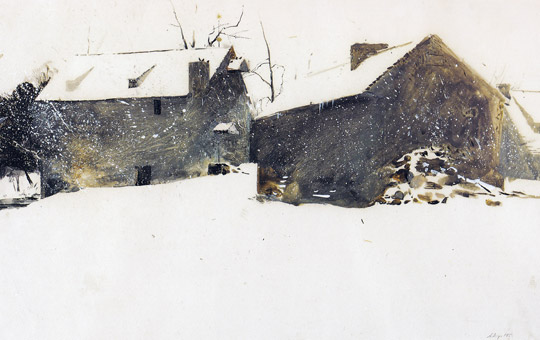
Andrew Wyeth, Winter Landscape

Andrew Wyeth, Winter Landscape

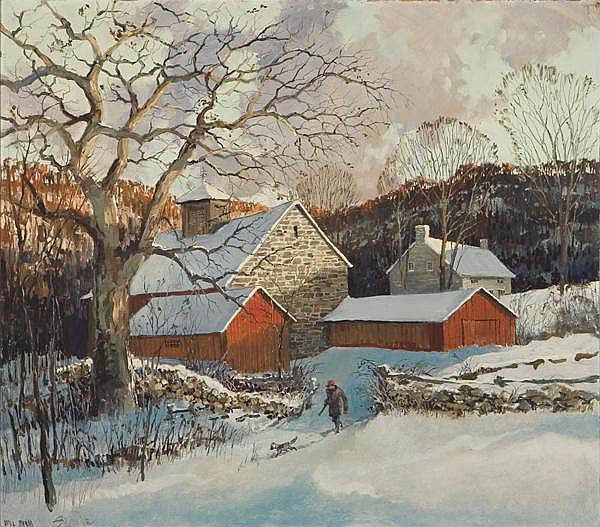
Eric Sloane

Eric Sloane

Maxfield Parrish may be too popular to be “art”, but these are among my absolute favorites:

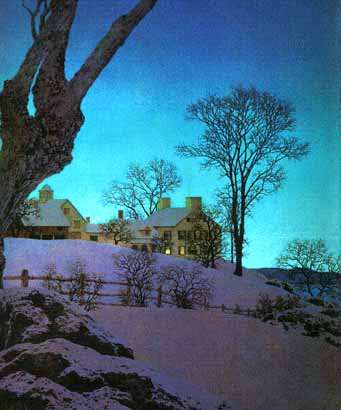
Maxfield Parrish, "Christmas Morning 1949"

Maxfield Parrish, “Christmas Morning 1949”

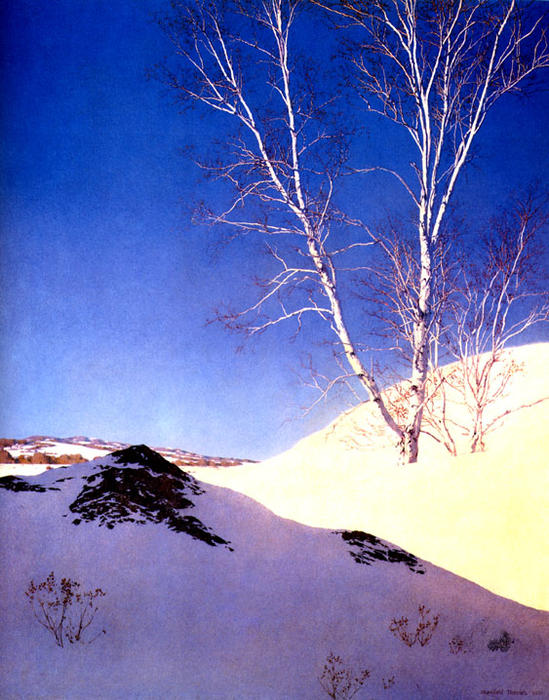
Maxfield Parrish, "White Birches in the Snow"

Maxfield Parrish, “White Birches in the Snow”

Aren’t they all wonderful? So many pictures, so little wall space left!

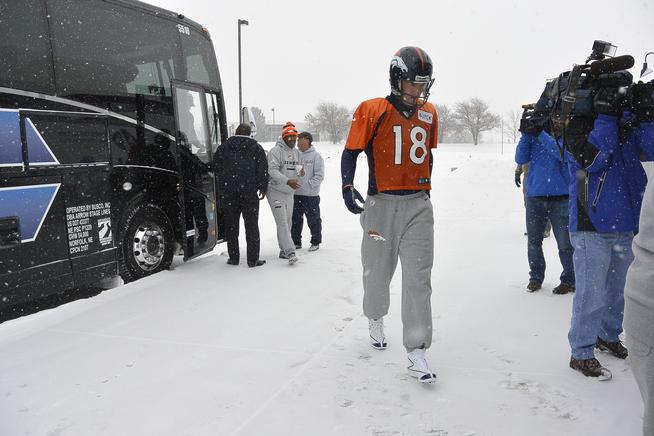
Well, onward to February! And have a nice weekend! Go, Broncos!

Peyton Manning...in the snow!

Peyton Manning…in the snow!

*John Greenleaf Whittier

And that’s my opinion from the blue, blue sky

by chuckofish

“Is not January the hardest month to get through? When you have weathered that, you get into the gulfstream of winter, nearer the shores of spring.”

–Henry David Thoreau, 1858

Hiroshige--"Snow Falling on a Town"

Hiroshige–“Snow Falling on a Town”

How the West Was Won

by chuckofish

Today is the 176th anniversary of the birth of one of my favorite ancestors, John Wesley Prowers, who was born on January 29, 1838 near Westport, Jackson County, Missouri.
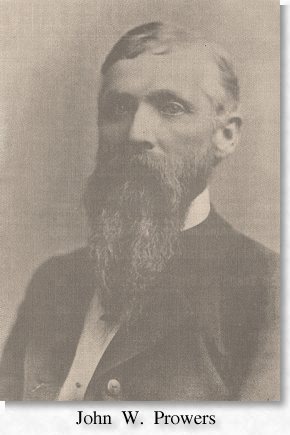
bent1881_jwprowers

Readers of this blog will recall that John was the older brother of our great-great-grandmother Mary Prowers Hough. Not much is known about their parents, Susan and John Prowers. Some say they came from Virginia, arriving in Missouri where John built a sturdy two-story log cabin near the Missouri River, which stood for nearly 75 years. The senior Prowers died (we know not why) in 1840, leaving 22-year-old Susan alone (literally) in the wilderness with two children under two and very little else save the sturdy cabin. She re-married–what else could she do?

Anyway, John Wesley Prowers did not get along with his step-father and skidaddled in 1856, at the age of eighteen. He went to work for Robert Miller, Indian agent for the Kiowa, Comanche, Apache, Cheyenne and Arapaho tribes of the Upper Arkansas region. They headed for Bent’s new fort. Soon he was working for Colonel Bent at the fort, who put him in charge of the wagon trains, freighting supplies from the trading posts on the Missouri to those west, making twenty-two trips across the plains over the next six years.

In 1861 he married the 15-year-old Indian “princess” Amache Ochinee, the daughter of Ochinee, a sub-chief of the Southern Cheyennes, near Camp Supply in Indian Territory. In 1862 when John made his usual trip to Westport he took his bride east with him and she remained there with his sister, giving birth to their first child. They named the baby Mary Hough Prowers after her aunt (my great-great-grandmother, Mary Prowers Hough)–which has been confusing genealogists ever since.

The Prowers went on to have nine children, eight surviving to adulthood. John became a cattle baron, building up his herds until at the fall round-up of his ranch, the cattle shipment was a matter of train loads, not carloads. Sometimes, according to his daughter, as many as eight train loads left the ranch for eastern markets. At one time, the fall “check-up” showed 70,000 cattle bearing the Box B and the Bar X brands. Later Prowers cut out the middle man, building his own modern slaughter-house in Las Animas.

For a man with very little formal education, he was a creative and scientific rancher/statesman. He was always trying to improve his herd and his ranch. He experimented to find the cattle best suited to the plains country, bringing cattle from Ireland (the Kurry breed) and he bought “Gentle the Twelfth” from Frederick William Stone of Guelph, Canada. At last he turned to the Hereford as the best North American beef animal, calling it the “American type.” Thus he set about systematically improving and enlarging his herds and acquiring larger range. During his lifetime he fenced 80,000 acres of land in one body and owned forty miles of river front on both sides of the Arkansas River, controlling 400,000 acres of land.

He liked to experiment with things other than cattle as well. He introduced prairie chickens and Bob White quail at the mouth of the Purgatoire River. Hoping to increase the wild game in the county he brought in white tail deer. He also experimented with irrigation, having miles of ditches dug on his ranch.

Unlike his sister, who was a devout Baptist, he belonged to no church or lodge, but he always gave generously to resident pastors, no matter what denomination. He founded a bank and had numerous partners who ran stores and shipping operations. He was elected to represent the county in the Legislature and again to represent Bent County in the General Assembly. Furthermore, he sent all his children, boys and girls, to school and to college.

My great-great-grandmother was a great believer in women’s rights and the need for women to be educated and to have their own property. I have no reason to believe that her brother didn’t feel the same way. I’m sure this stemmed from their own mother’s predicament when her husband died.

When a new county was created from Bent County on May 3, 1889, it was named for Prowers, the pioneer and cattleman. I could go on about this great man, and I haven’t even mentioned his dealings with the Cheyenne, but that’s enough for now. Tonight let us raise a toast to him in remembrance.

These words, attributed to the great warrior Tecumseh, seem appropriate:

“Live your life so that the fear of death can never enter your heart…Love your life, perfect your life, beautify all things in your life. Seek to make your life long and in the service of your people…Always give a word or a sign of salute when meeting or passing a friend, even a stranger, when in a lonely place. Show respect to all people and grovel to none. When you arise in the morning give thanks for the food and for the joy of living. If you see no reason for giving thanks, the fault lies only in yourself…
When it comes your time to die, be not like those whose lives are filled with the fear of death, so that when time comes they weep and pray for a little more time to live their lives over again in a different way. Sing your death song and die like a hero going home.”
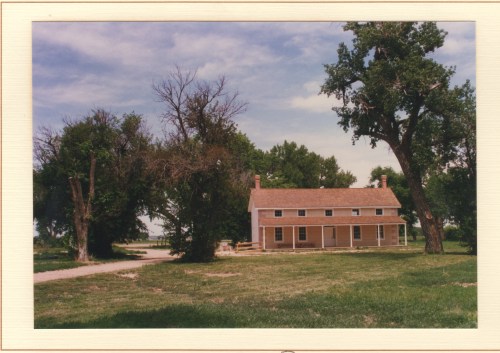
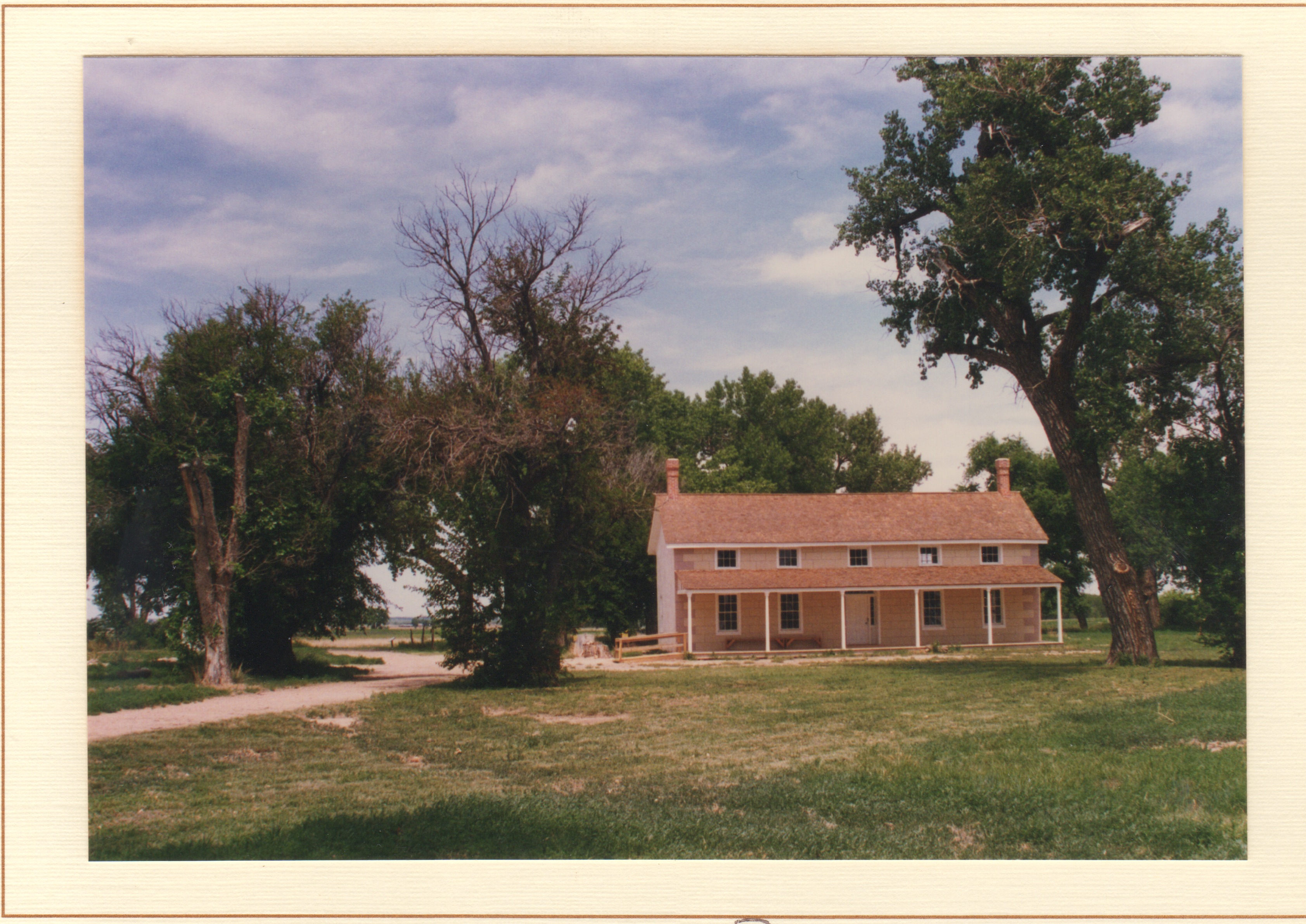
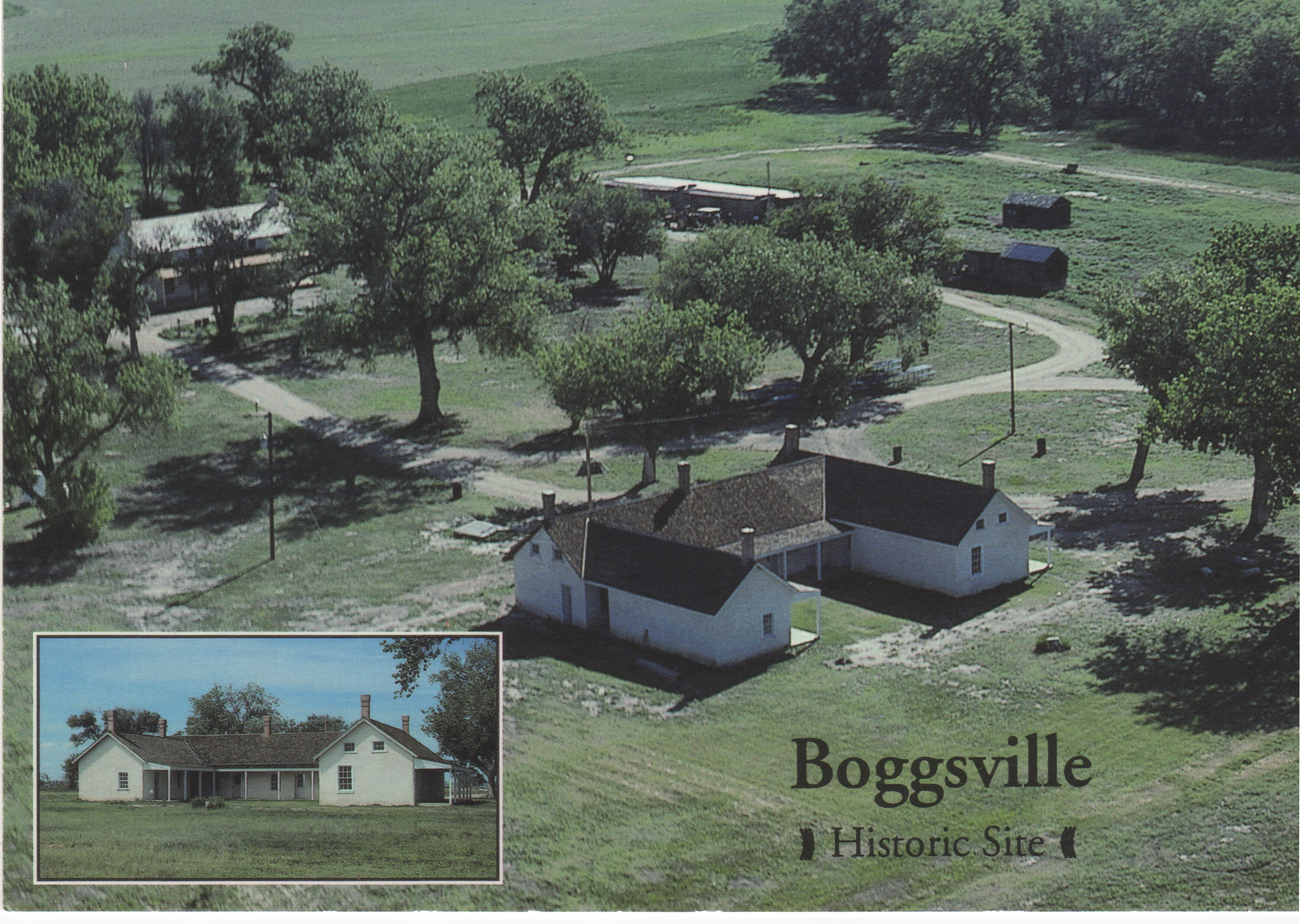
John Prower's 14-room house in Boggsville, Colorado
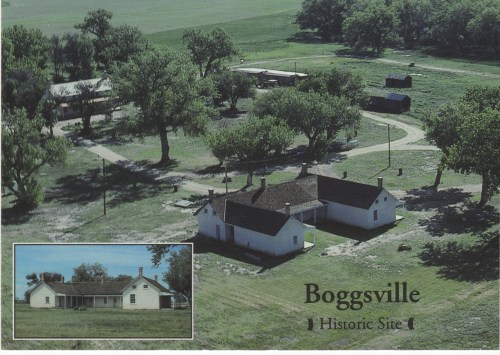
John Prower’s 14-room house in Boggsville, Colorado
boggsville

In the deep heart’s core

by chuckofish

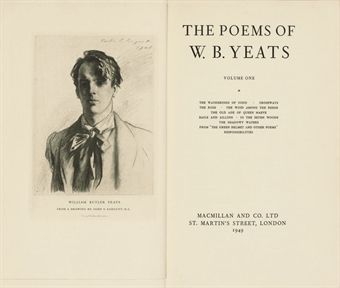
William Butler Yeats, famous Irish poet and playwright, who won the Nobel Prize for literature in 1923, was 73 years old when he died on this day in 1939.

yeats

The Lake Isle of Innisfree

I will arise and go now, and go to Innisfree,
And a small cabin build there, of clay and wattles made:
Nine bean-rows will I have there, a hive for the honey-bee;
And live alone in the bee-loud glade.

And I shall have some peace there, for peace comes dropping slow,
Dropping from the veils of the morning to where the cricket sings;
There midnight’s all a glimmer, and noon a purple glow,
And evening full of the linnet’s wings.

I will arise and go now, for always night and day
I hear lake water lapping with low sounds by the shore;
While I stand on the roadway, or on the pavements grey,
I hear it in the deep heart’s core.

You can read more poems by W.B. Yeats here.

Grant us strength and courage*

by chuckofish

How was your weekend?

I started mine off by going to a “Mass of Remembrance” (in other words, a Memorial Service) on Friday for the daughter of a friend of mine–a sad occasion, indeed.

However, I have to say that I, who am not easily shocked these days, was shocked to find out that this R.C. church uses white wine in the Eucharist service! (The explanation was that it is easier to clean and does not stain the linen.) Heavens to Betsy! What is the world coming to? I would sooner drink grape juice with the Baptists than white wine at communion. Gluten-free wafers and white wine. I will spare you more grumbling…but honestly what’s next?

I watched Hondo on Friday night and that cheered me up.
Then I had lunch with the boy on Saturday.

photo

We went to Steak ‘N Shake which never lets you down.

Sunday was the pick day weather-wise with blue sky and temperatures in the fifties! I went to church but skipped our 155th Annual Meeting. I walked around my favorite antique mall and then took a long walk around our flyover town in the afternoon and then did some world-class puttering around our house. I caught up on my “desk work” as my Aunt Susanne used to call it.

IMGP0902

All in all, not a bad weekend!

“Guard well your spare moments. They are like uncut diamonds. Discard them and their value will never be known. Improve them and they will become the brightest gems in a useful life.”

― Ralph Waldo Emerson

Flyover yard art

Flyover yard art

* BCP, Post-Communion Prayer

Thought for the day

by chuckofish

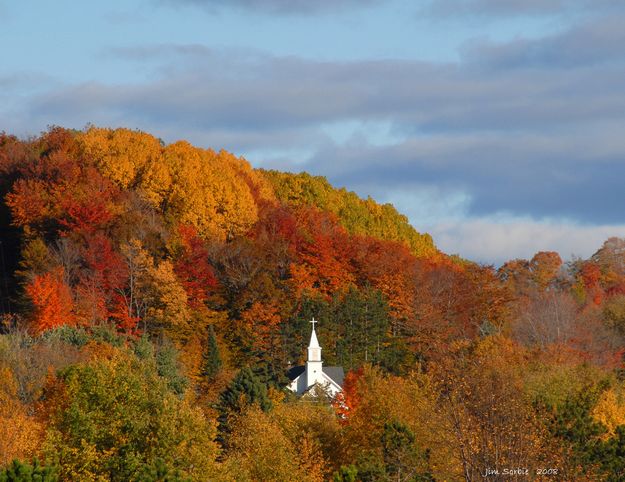
Whatever is true,

Found this beautiful, signed photo online ages ago -- don't know source

Found this beautiful, signed photo online ages ago — don’t know source

whatever is noble,

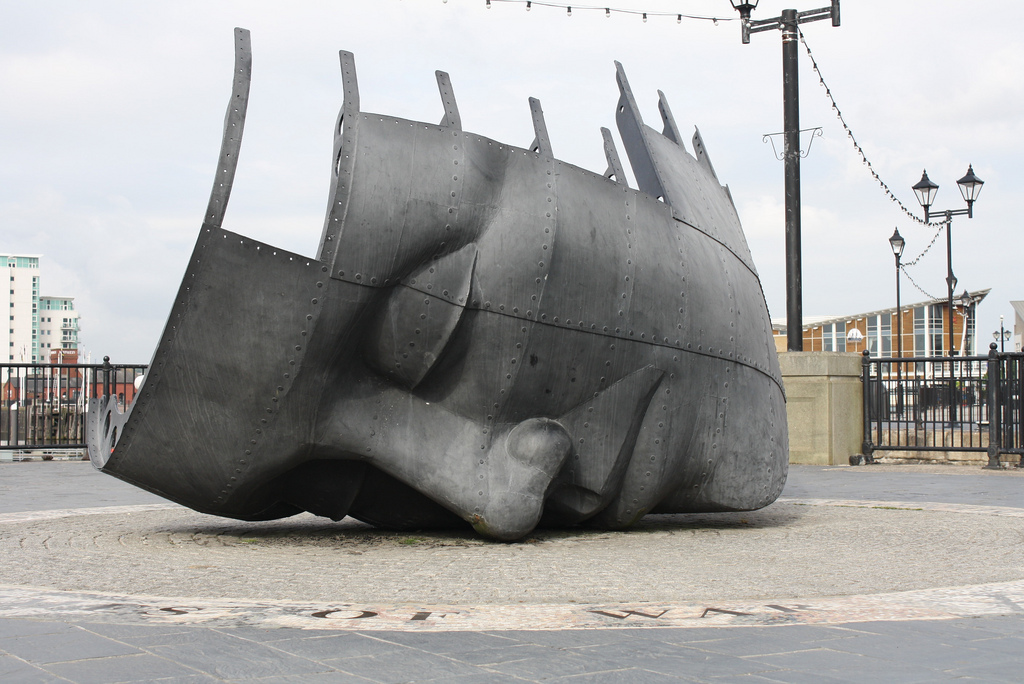
Merchant Seaman memorial, Snowce, Wales

Merchant Seaman memorial, Snowce, Wales

whatever is right,

Trinity college library

Trinity college library

whatever is pure,

top of the lake

whatever is lovely,

England 08 080

whatever is admirable

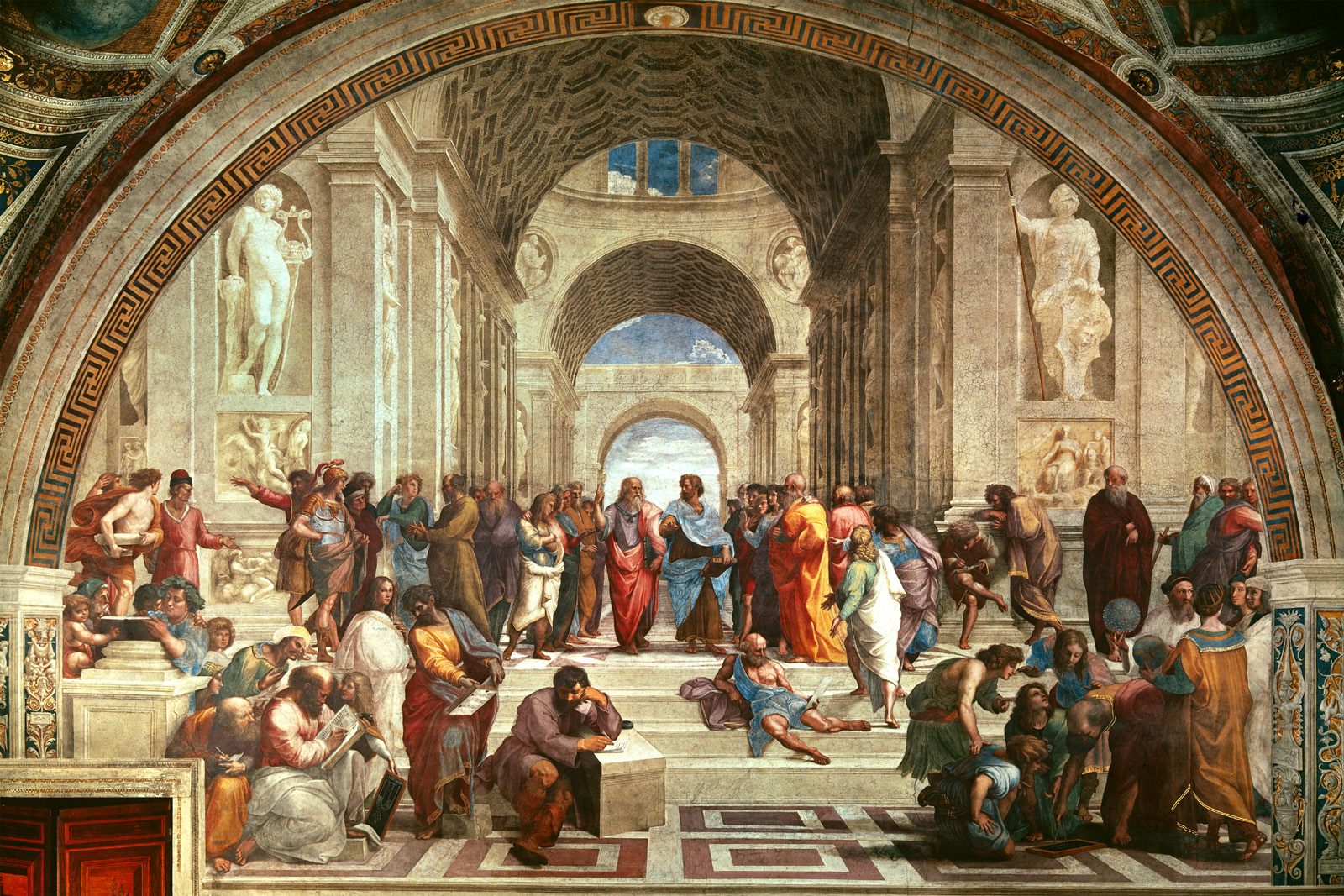
Raphael, School of Athens

Raphael, School of Athens

— if anything is excellent or praiseworthy — think about such things.*

And enjoy your weekend!

* Philippians 4:8


Friday movie pick: “A man oughta do what he thinks is right.”

by chuckofish

As I mentioned earlier, daughter #2 sent me two Josh Ritter CDs to get me all set for the concert I am going to in February. I have been listening to them non-stop for a week or so and the song that has stuck with me is “Make Me Down”.

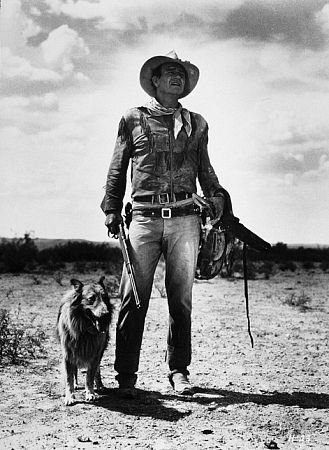
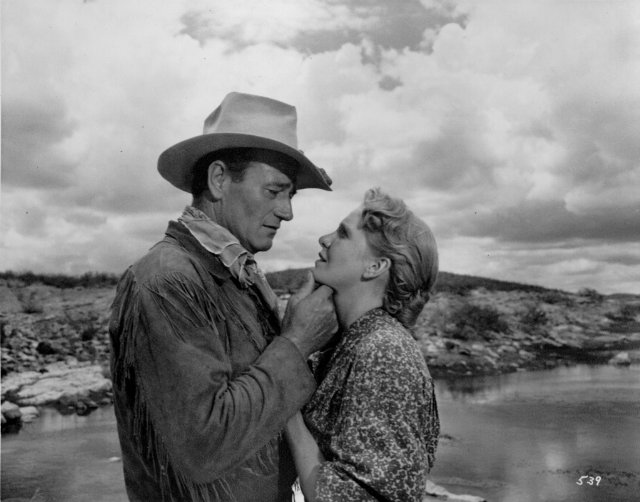
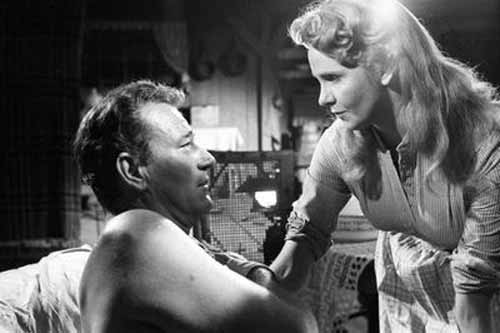
All that talk of making me down a pallet on your floor, has also given me an idea for this week’s movie pick: Hondo (1953) with John Wayne. You will recall that the Duke makes a pallet on Angie Lowe’s floor and, well, you can guess what happens.

John Wayne in the iconic Hondo pose with Dog

John Wayne in the iconic Hondo pose with Dog

This is a movie that would have benefited mightily from a better director, but it is still a good western, based on a solid story by Louis L’Amour. Directed frenetically in 3-D by John Farrow with a sometimes snicker-inducing screenplay by James Edward Grant, it is carried forward by the inestimable effort of the Duke who swings manfully through the movie, chopping wood, shoeing horses, fighting Indians, etc. There is a lot of action in this movie–really too much for the simple love story it tells. You can see that they are trying to use the 3-D to its optimum effect and that they overdo it. What a shame.

3-D already. We get it.

3-D already. We get it.

The great stage actress Geraldine Page stars here in her first movie as Angie Lowe, a woman living alone with her young son in the midst of hostile Apache territory. Cast for her non-Hollywood looks, she is unfortunately not terribly appealing. Louis L’Amour wrote a compelling female character–unusual for mid-century movies–but somehow Geraldine, even though she was nominated for an Academy Award, doesn’t quite pull it off, which is also a shame.

hindo20_

Hondo is a movie that has received some criticism for its portrayal of Native Americans. Some of it is deserved. The white actors who play Indians look Italian and wear way too much body make-up. They say idiotic things like, “You have good man. Treasure him.” Really? (This is what I meant by “snicker-inducing”.) John Wayne-haters often cite this role, but his famous line–“Everybody gets dead. It was his turn.”–is always taken out of context. Hondo is part Apache and has lived with the Indians and respects their way of life. One wonders if these critics have even seen the movie!

Bottom line: this movie could have been so much better. John Ford did not direct it. Noted. But there is still a lot of good in it and, for me, any movie with John Wayne is worth watching. It is easy to see why Angie makes up that pallet on the floor for old Hondo. Who in her right mind wouldn’t?

hondo (1)

There is also a great dog in this movie (see photo above)–really one of the great movie dogs of all time. His name, of course, is Dog.

In the midst of the arctic day

by chuckofish

Riverfront Times photo

Riverfront Times photo

The wind has gently murmured through the blinds, or puffed with feathery softness against the windows, and occasionally sighed like a summer zephyr lifting the leaves along, the livelong night. The meadow mouse has slept in his snug gallery in the sod, the owl has sat in a hollow tree in the depth of the swamp, the rabbit, the squirrel, and the fox have all been housed. The watch-dog has lain quiet on the hearth, and the cattle have stood silent in their stalls. The earth itself has slept, as it were its first, not its last sleep, save when some street-sign or wood-house door has faintly creaked upon its hinge, cheering forlorn nature at her midnight work, the only sound awake ‘twixt Venus and Mars, advertising us of a remote inward warmth, a divine cheer and fellowship, where gods are met together, but where it is very bleak for men to stand. But while the earth has slumbered, all the air has been alive with feathery flakes descending, as if some northern Ceres reigned, showering her silvery grain over all the fields.

Henry David Thoreau, A Winter’s Walk

This is the first paragraph of an essay first published in the Dial, October 1843. You can read the whole thing here.

We have more snow in our flyover state and it is good to read some HDT and imagine him walking through the woods without the benefit of Goretex clothing and Vasque hiking boots.

Stay warm!

Tout va bien

by chuckofish

One of my favorite bloggers was cogitating the other day on the question: “If you could give one piece of advice to your teenage self, what would it be?” This is pretty funny considering old Leandra is still in her early twenties.

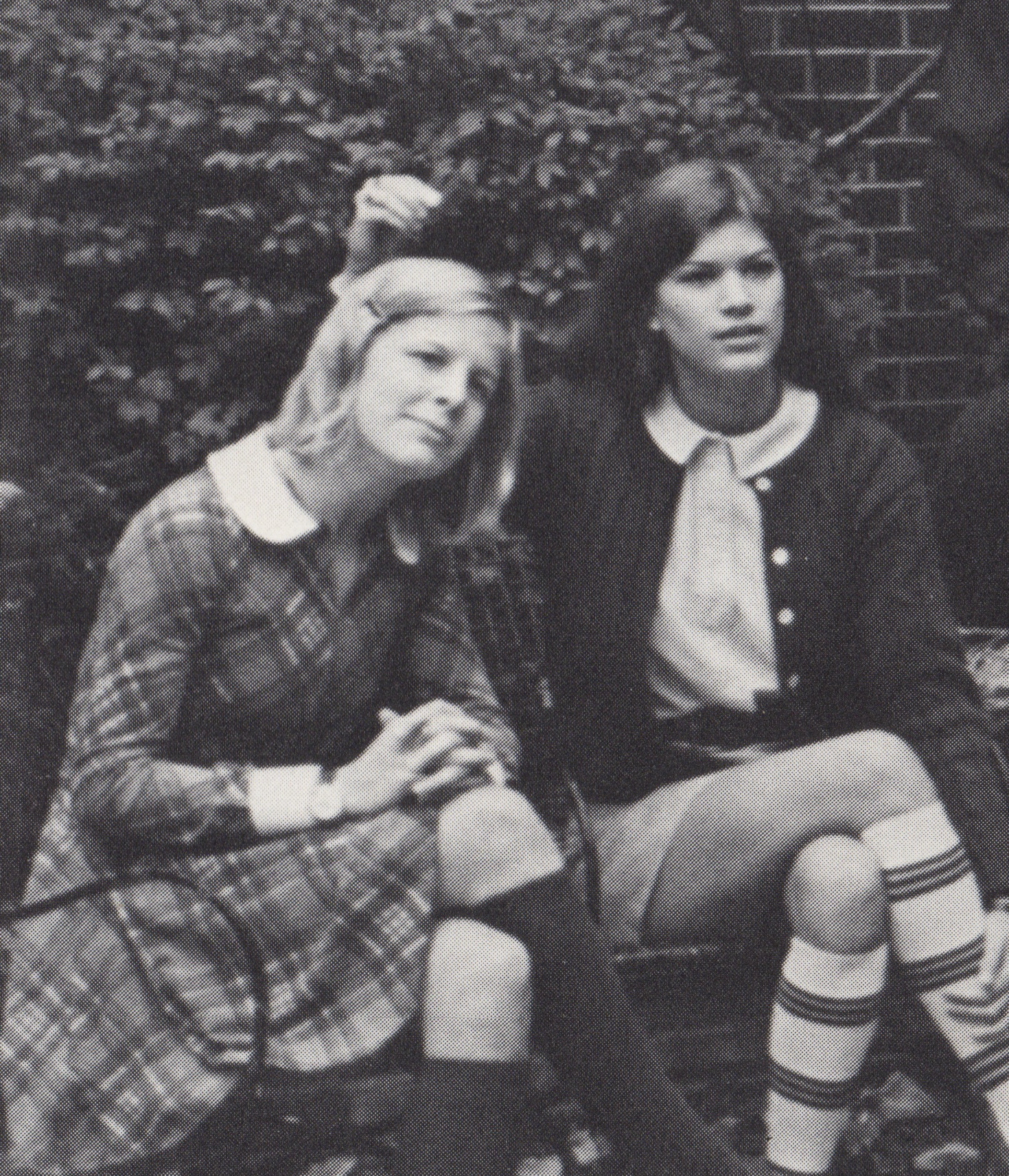
Looking back over a much longer expanse of years (!), I would have plenty to say to the poor, pitiful, mini-skirted me of the 1970s.

Striped knee socks were cool! Really.

Striped knee socks were cool! Really.

My 40th high school reunion is coming up this May, so I have actually been thinking about it.

First and Foremost: Do not worry so much about what other people think of you! My dual personality never worried about this, and for years she would say to me in a tone of mild disgust, “Why do you care what other people think?” Well, I don’t know why, but I just did. Some people are born caring about that.

It is, however, another one of those things you can train yourself not to do. But it takes years and a lot of effort. Well into my fifties now, I have pretty much succeeded in doing so and not caring is, indeed, freeing.

I think Holden Caulfield suffered from this too:

“I was sixteen then, and I’m seventeen now, and sometimes I act like I’m about thirteen. Sometimes, I act a lot older than I am–I really do. But people never notice it. People never notice anything.”*

I could relate back then, and I still do. Isn’t it natural to want recognition? I certainly did as a teenager. Other people always seemed to get the credit. Our headmaster once even thanked another girl for heading up some event for which I was co-chair. He was a doofus, but it was typical. Oh well, c’est la vie. By the time I graduated from high school, I couldn’t wait to leave, and that is as it should be.

I have learned though that ultimately none of it matters. Not in the long run. And the old saying about how you can get a lot done if you don’t care who gets the credit, is SO true. I embrace it.

Is this what Jung meant when he wrote, “The first half of life is devoted to forming a healthy ego, the second half is going inward and letting go of it.”

What would you tell your teenage self?

* The Catcher in the Rye

What are you reading?

by chuckofish

Girl-reading-758651

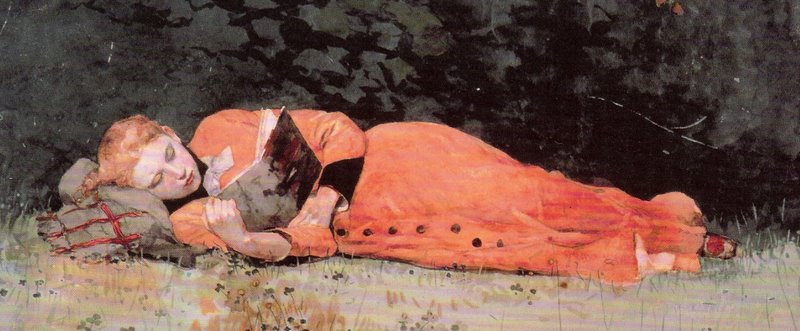
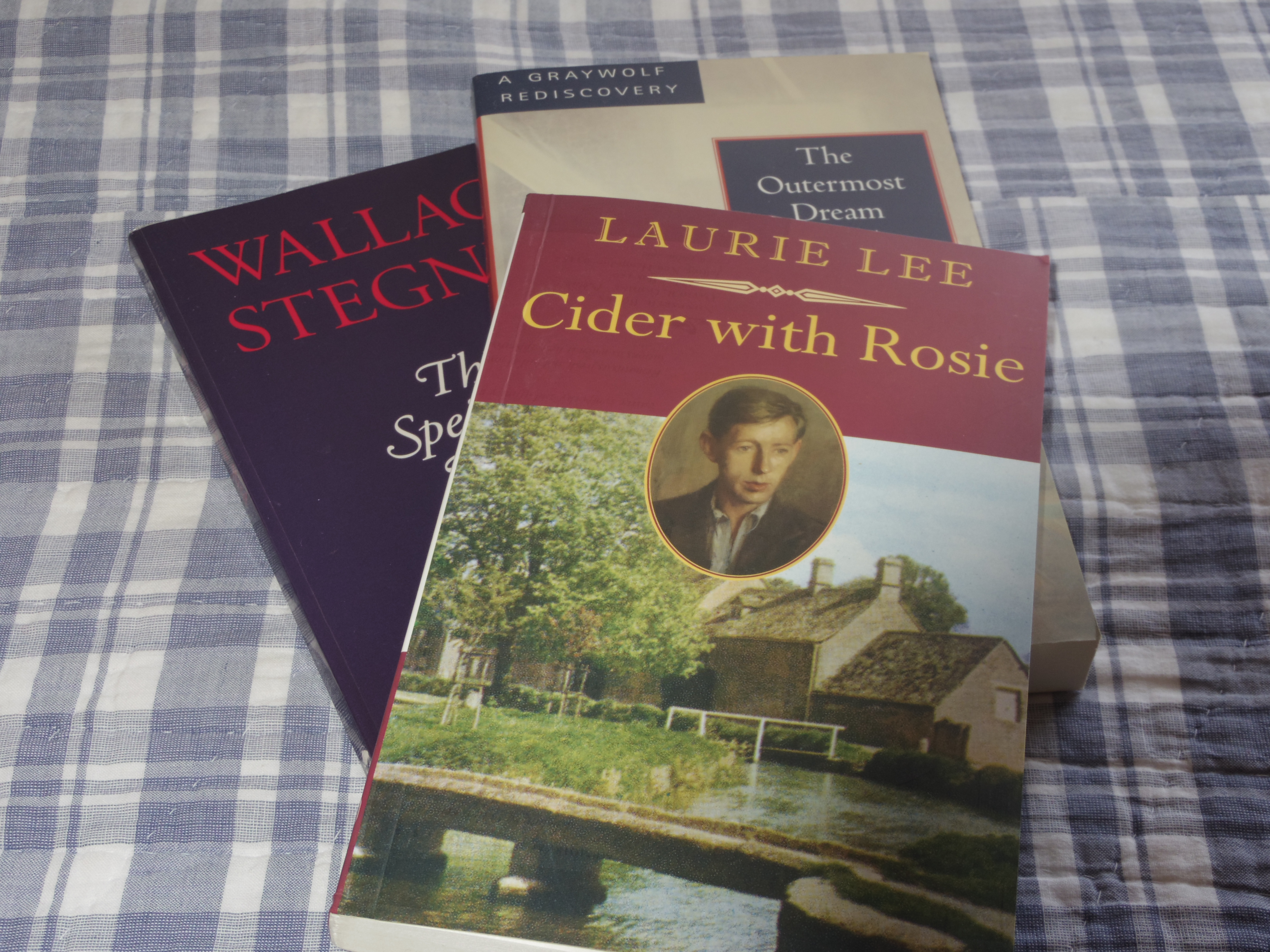
I finished The Spectator Bird by Wallace Stegner on MLK Day. I think I had tried to read this book several years ago, but had put it aside. Not in the mood. When I opened it up a few days ago, however, it immediately grabbed me and held my interest. Isn’t that funny how that works? I am that much older, I guess, and receptive, therefore, to this wonderful book about a retired literary agent who starts reading his journals from a trip he took with his wife to seek his roots in Denmark twenty years earlier. Although a spring chicken myself in my fifties, I have a lot of friends who are in their seventies and eighties, and what Stegner writes struck me as very true.

“What was it? Did I feel cheated? Did I look back and feel that I had given up my chance for what they call fulfillment? Did I count the mountain peaks of my life and find every one a knoll?”

Anyway, I liked it a lot and highly recommend it. Some of the things his hero gripes about back in 1973 seem like nothing to what we put up with now. They are the same things, of course. It won the National Book Award for fiction in 1977. It always surprises me when a book I like actually receives an award.

Wallace_Stegner

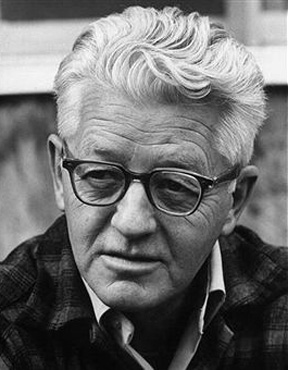
Wallace Stegner, you will recall, was an American novelist, short story writer and environmentalist. He won the Pulitzer Prize for Angle of Repose in 1972. He was an Eagle Scout.

IMGP0897

I also recently read Cider With Rosie by the English poet Laurie Lee published in 1959. I read about it in The Outermost Dream, a collection of essays by William Maxwell, the wonderful New Yorker editor who also wrote some good fiction and had impeccable taste. Laurie Lee was unknown to me, but my dual personality tells me that he is quite well known in Britain and that his aforementioned memoir is dearly loved there.

Well, who knew? Thanks to William Maxwell, I found out. Laurence Edward Alan “Laurie” Lee, MBE (26 June 1914 – 13 May 1997) was an English poet, novelist, and screenwriter. And, by the way, his memoir of a bygone way of life really is wonderful.

What are you reading?

P.S. The paperwhite bulbs my brother sent for Christmas are growing–not blooming yet–but soon!

IMGP0901