The feelin’ is gettin’ so intense,
That the young Virginia creepers
Hev been huggin’ the bejeepers
Outa all the mornin’ glories on the fence!
This may be true in New England, where Carousel takes place, but sadly, things have been bustin’ out all over our flyover state for a month already. Indeed, everything starts to droop here in June. The peonies have gone by as have the irises. They were lovely.
We put off as long as we can turning on the old AC, but finally the heat gets to be too much for us, and we seal off the house. Sigh. It won’t be long now.
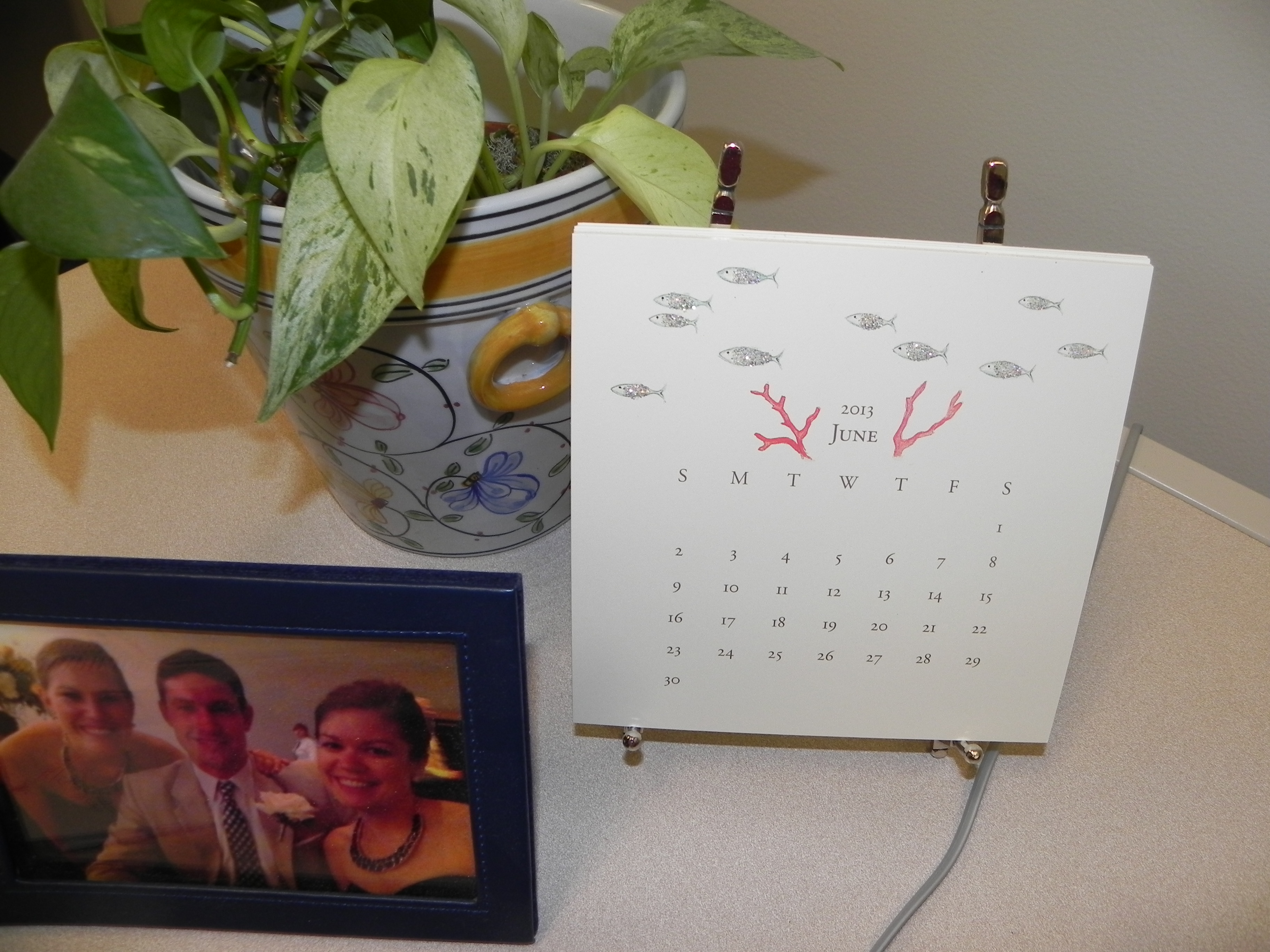
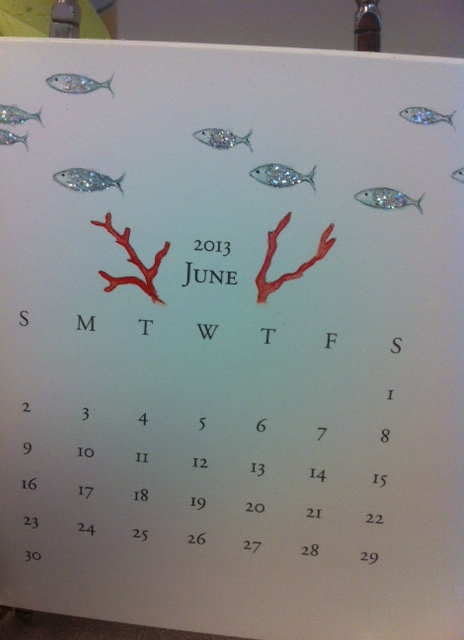
Oh well. I have a new calendar page for the new month–with sparkly fishes!
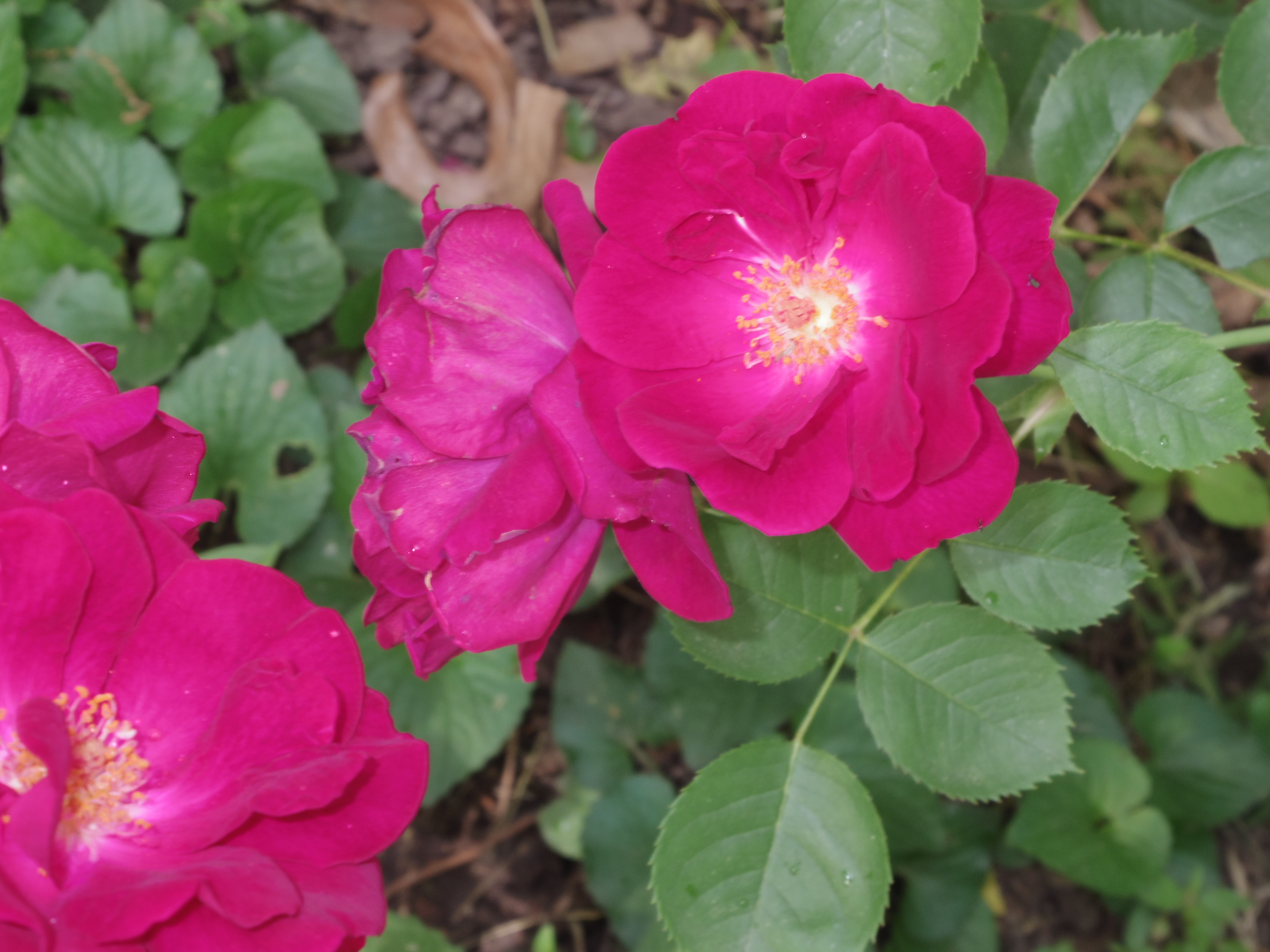
I have roses inside.
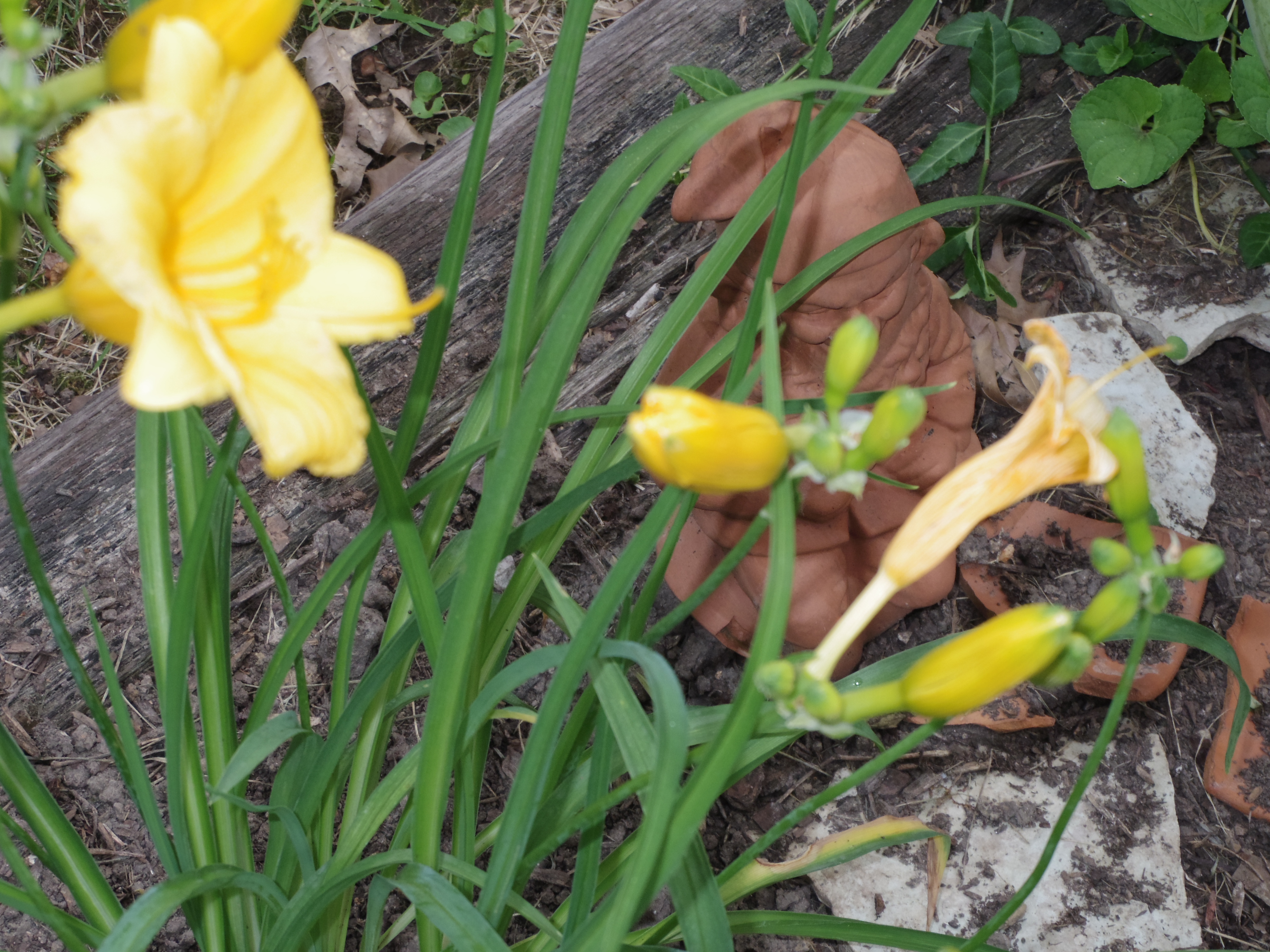
And roses outside.
Plus…
It was June, and the world smelled of roses. The sunshine was like powdered gold over the grassy hillside. (Maud Hart Lovelace, Betsy-Tacy and Tib, 1941)
Have a good weekend! A dear friend is visiting our flyover town from the east coast this weekend and my old man is celebrating his 40th high school reunion, so this introvert will be working overtime.
Happy Birthday to Clint Eastwood who turns 83 today! I do not think I own one of his movies (except a VHS copy of Paint Your Wagon!), but if I did, I’d watch one! Here he is singing “I Talk to the Trees”. I spent a good deal of 8th grade daydreaming about him. Can you blame me?
I have gushed previously about Willa Cather on this blog here. I am about to do so again.
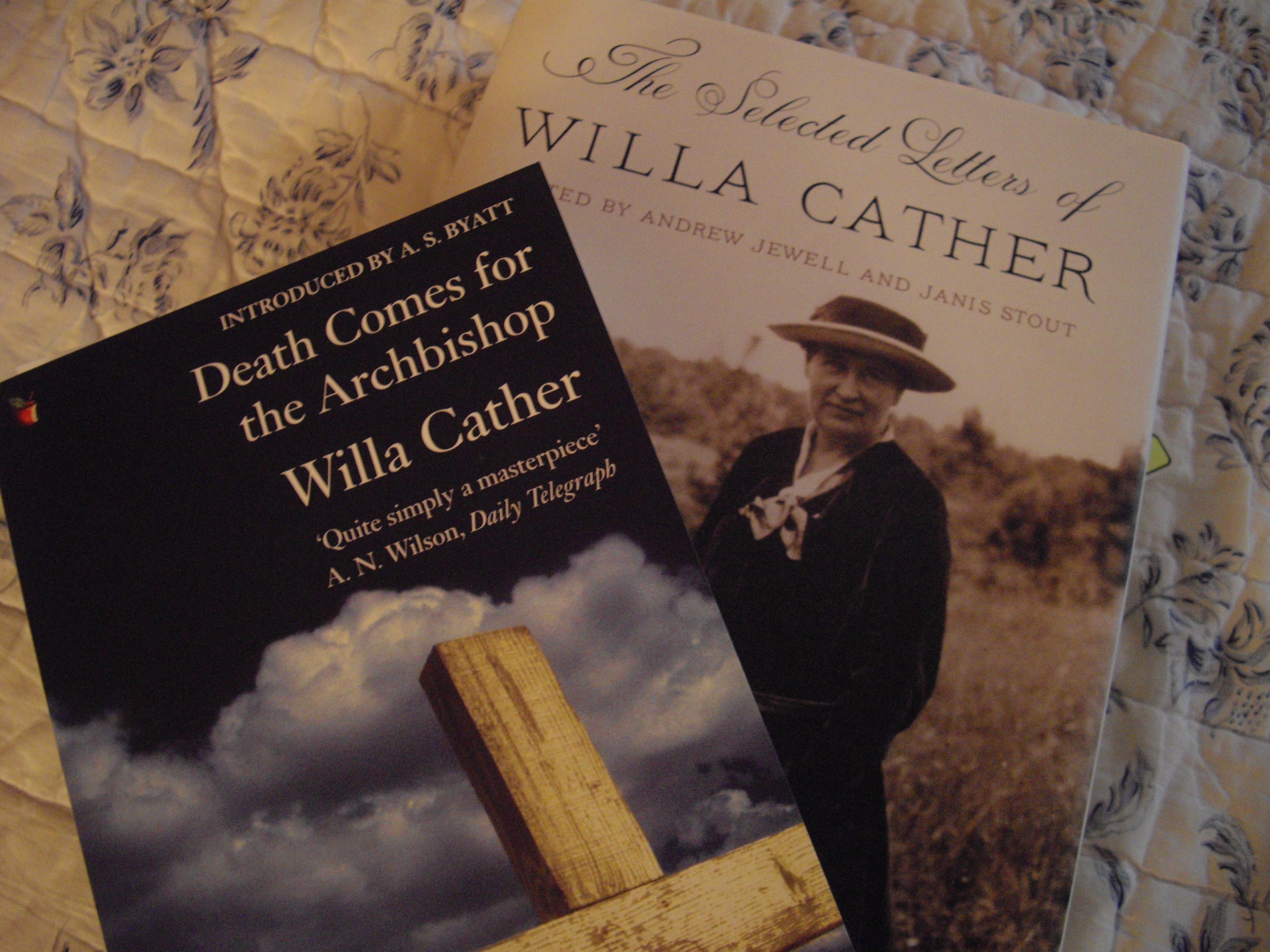
My dual personality gave me the newly published Selected Letters of Willa Cather for my birthday last month. Cather had left adamant instructions to her executors that her private correspondence not be published or quoted. “The editors of the new collection, Andrew Jewell and Janis Stout, acknowledge in the introduction that this publication flies in the face of Cather’s instructions, as set forth by a will that partially expired in 2011. Still, they believe that publication of her letters will prove invaluable for her legacy, arguing that ‘these lively, illuminating letters will do nothing to damage her reputation.'” (Melville House)
Oh well, I have been enthusiastically reading them. (Personally I think she was very depressed at the end of her life, and that is why she put those particular orders into effect.) I already knew from her fiction, that she was wonderfully talented and deep, but from her letters we get a real sense of Willa as a person. We see what gets her excited and the things that annoy her. We see her feelings hurt by mean-spirited reviewers and her confidence boosted by the encouraging words of worthy people.
“Weeks ago I got such a heart-warming letter from a former president of the Missouri Pacific, Edwin Winter, who as a young man helped to carry the U.P. across Nebraska, and who built the bridge over Dale Creek canyon–the first bridge, which was of timber! He asked if he could come to see me, and on Friday he came. Such a man! all that one’s proudest of in one’s country. He picked the book [My Antonia] up in his club and sat right down and wrote me the most beautiful of letters. I would rather have the admiration of one man like that than sell a thousand books…”
–from a letter to her brother Roscoe Cather, 1919
She loved her family and friends. She never married, and despite what some people who look at everything through the “queer lens” imagine, I think she would have liked to. But she was a passionate artist first and foremost. Had she married and had children, we might not have the wonderful books which are her legacy.
I also read Death Comes for the Archbishop, which she considered to be her best work. It is awesome. It tells the story of two well-meaning and devout French priests who encounter an entrenched Spanish-Mexican clergy whom they are sent to supplant after the United States acquired New Mexico in the Mexican-American War. She is very respectful of the Catholic Church (more so probably than a Catholic would be), and I am happy to say, she is a big fan of our old family friend Kit Carson, who plays a minor role in the novel.
“This Missourian, whose eye was so quick to read a landscape or a human face, could not read a printed page. He could at that time barely write his own name. Yet one felt in him a quick and discriminating intelligence. That he was illiterate was an accident; he had got ahead of books, gone where the printing-press could not follow him. Out of the hardships of his boyhood–from fourteen to twenty picking up a bare living as cook or mule-driver for wagon trains, often in the service of brutal and desperate characters–he had preserved a clean sense of honour and a compassionate heart.”
Through the 1910s and 1920s, Cather was firmly established as a major American writer, receiving the Pulitzer Prize in 1922 for her novel One of Ours. By the 1930s, however, critics began to dismiss her as a “romantic, nostalgic writer who could not cope with the present.” Critics such as Granville Hicks accused Cather of failing to confront “contemporary life as it is.” The same thing happened to Thornton Wilder, you may recall, and many other writers who are still read today (whereas Granville Hicks is long forgotten). It is good to see Willa Cather appreciated again. I agree with Wallace Stevens who wrote toward the end of her life: “We have nothing better than she is. She takes so much pains to conceal her sophistication that it is easy to miss her quality.” I am so grateful to have finally discovered her!
On a personal note, I was interested to read that one of her favorite nieces graduated from Smith College. I was gratified to learn that the college bestowed an honorary degree on Willa, the year her niece graduated.
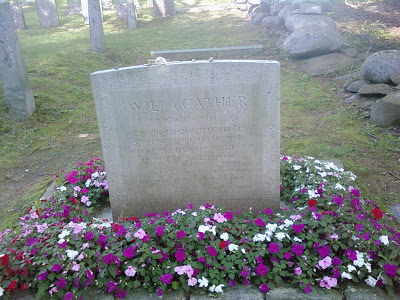
Someday I would like to visit her grave in Jaffrey, New Hampshire.
WILLA CATHER
December 7, 1873-April 24, 1947
THE TRUTH AND CHARITY OF HER GREAT
SPIRIT WILL LIVE ON IN THE WORK
WHICH IS HER ENDURING GIFT TO HER
COUNTRY AND ALL ITS PEOPLE.
“…that is happiness; to be dissolved
into something complete and great.”
From My Antonia
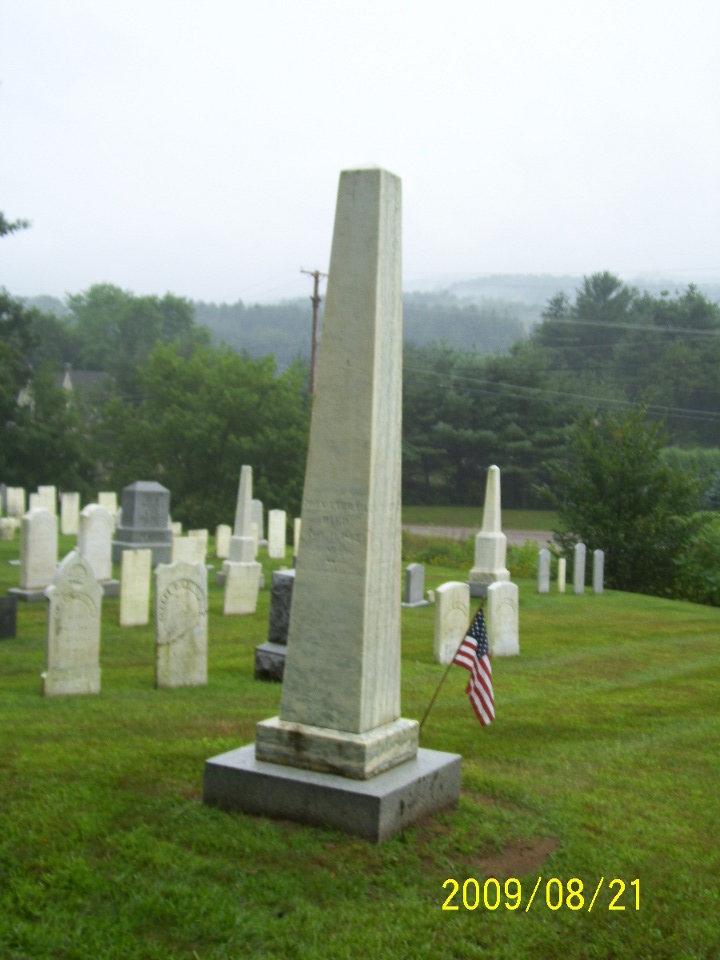
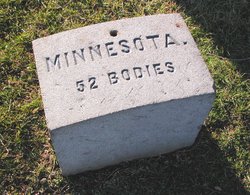
At his Post — so reads the monument dedicated to Waldo Farrar, a native of Moretown, Vermont who served in the 1st Minnesota Regiment and was killed on July 2nd, 1863 at Gettysburg.
Photo courtesy of findagrave.com
My father always said that one of our ancestors died at Gettysburg, repulsing Picket’s charge, so when I had the chance to research this family legend, I did. Although it turned out that Waldo was neither a blood relative nor involved in Picket’s charge, it is easy to see how his story worked itself into ours. Moretown, whose cemetery I’ve blogged about earlier, was (and is) a very tiny town; everyone knew everyone else. Clearly Waldo’s death had a big impact.
Born in 1836, Waldo grew up in Moretown but left when he was old enough to join his brother in Minnesota. When the war broke out the brothers volunteered for the 1st Minnesota regiment. Waldo served as a Sergeant and was promoted to 2nd Lieutenant on September 17th, 1862 at Antietam, the bloodiest day of battle in American history. The regiment also served at 1st and 2nd Fredericksburg. Worn out, perhaps, from so much carnage, or maybe troubled by a premonition, Waldo requested and was granted a 15 day leave of absence on May 17, 1863. He went home to Moretown to take care of “important private business which requires my personal attention” (findagrave.com). At least he got to go home before his luck ran out.
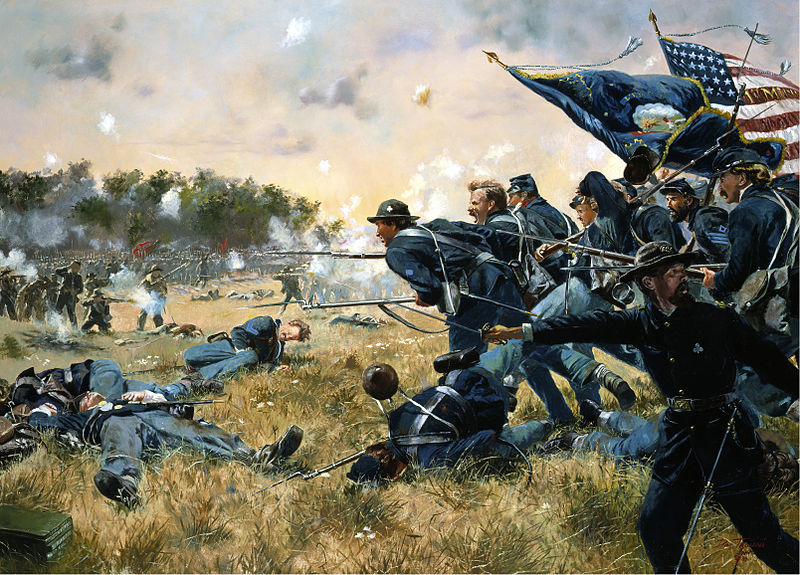
Waldo was among the 262 Minnesotans who attacked Wilcox’s 1,600 Alabamians on July 2 (Wikipedia). Twenty-six year old Waldo fell in the charge.
Painting by Don Troiani. Courtesy of The National Guard
He is buried along with his brothers-in-arms at the Gettysburg National Cemetery.
The fact that the people of Moretown raised a monument to Waldo shows how greatly his death and the battle resonated. Quite simply, it was a big deal. I’m glad I learned the truth about Waldo Farrar (who had a great name!) — it’s even better than family legend. And although we aren’t directly related, I remember him on this Memorial Day right along with family members who made the ultimate sacrifice: Daniel Herbert Cameron (senior), Arthur Newell Chamberlin (senior)and Guy Russell Chamberlin.
I leave you with the 1940 version of the great hymn “Eternal Father, Strong to Save”
Mighty Father, strong to save,
Whose arm hath bound the restless wave,
Who bidd’st the mighty ocean deep
Its own appointed limits keep:
O hear us when we cry to thee
For those in peril on the sea.
O Christ, the Lord of hill and plain
O’er which our traffic runs amain
By mountain pass or valley low;
Wherever, Lord, thy brethren go,
Protect them by thy guarding hand
From every peril on the land.
O Spirit, whom the Father sent
To spread abroad the firmament;
O Wind of heaven, by thy might
Save all who dare the eagle’s flight,
And keep them by thy watchful care
From every peril in the air.
O Trinity of love and power,
Our brethren shield in danger’s hour;
From rock and tempest, fire and foe,
Protect them whereso’er they go,
Thus evermore shall rise to thee
Glad praise from air and land and sea.
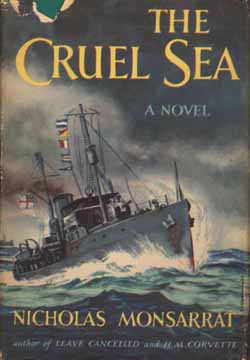
This week I’ve been reading Nicholas Monsarrat’s The Cruel Sea. First published in 1951 it’s a semi-autobiographical novel about a British Corvette crew escorting convoys during the Battle of the Atlantic in WWII.
Corvettes were the smallest escorts and they suffered as much from the “cruel sea” as from the German U-boats. As Monsarrat tells it,
For us the Battle of the Atlantic was becoming a private war. If you were in it, you knew all about it. You knew how to keep watch on filthy nights, and how to go without sleep, how to bury the dead, and how to die without wasting anyone’s time.
It’s a very English book from a very different time and well worth reading, not just for the action, but to remind us how much our respective societies have changed. Terrible, terrible things happened and most people — soldiers, sailors, and civilians — kept their feelings to themselves and just got on with it. We could do with more of that kind of restraint these days, don’t you think?
keep that stiff upper lip
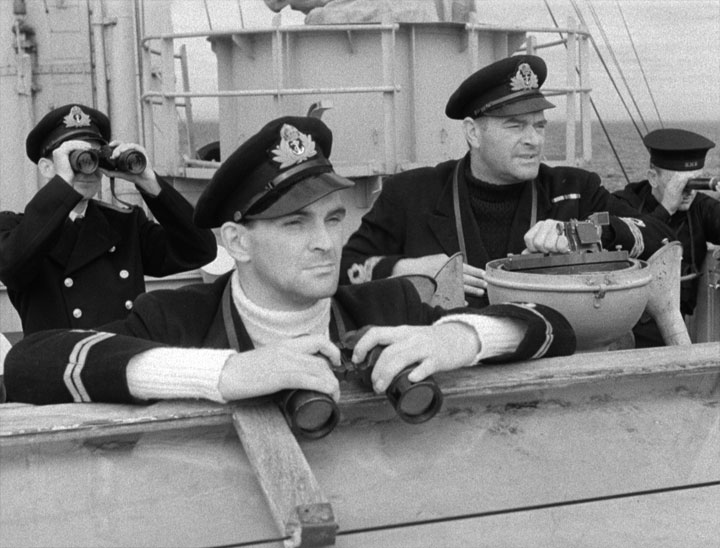
If you can’t find a copy of the book, the 1953 film version is quite good, too. It stars Jack Hawkins, Donald Sinden, Denholm Elliot, and a young Stanley Baker (as the crass, cruel officer). If I remember correctly the above film still shows Donald Sinden and Jack Hawkins trying to decide whether to pick up drowning sailors or drop depth charges to catch a U-boat and thus kill their own guys — horrible dilemma but no one cried about it.
Since we’re on the Sea theme and to tie in to the title of today’s post, I leave you with Gregory Alan Isakov favorite, That Sea, The Gambler:
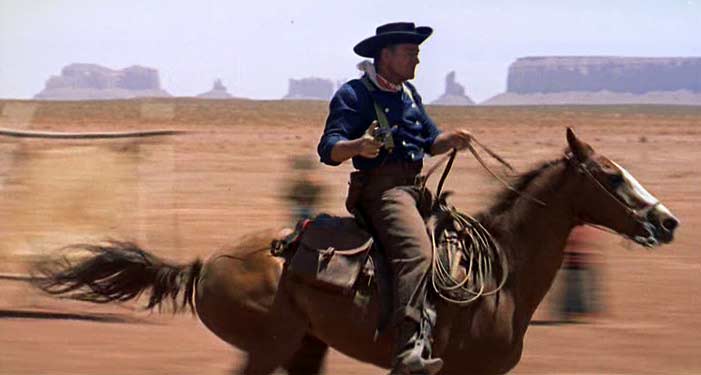
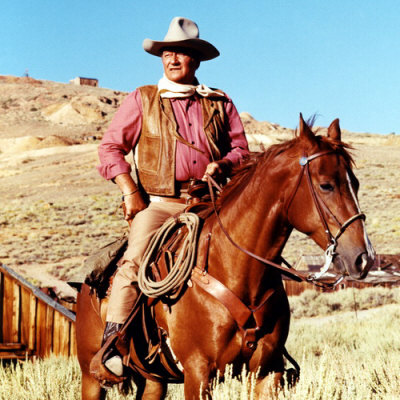
Sunday is John Wayne’s birthday–so you know what I’ll be doing to celebrate!
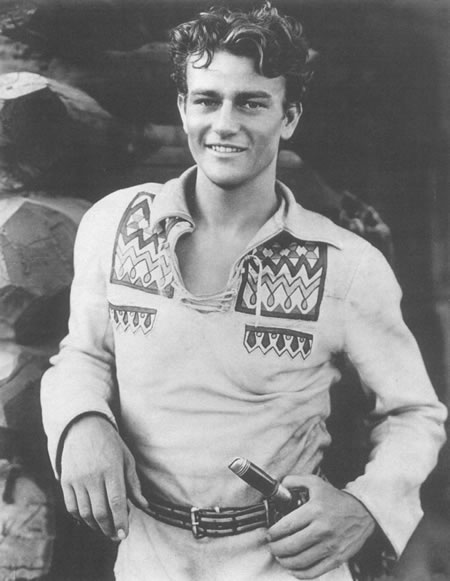
Marion Mitchell Morrison (May 26, 1907 – June 11, 1979) was born in Winterset, Iowa, but his family relocated to California when he was four years old.
A local fireman at the station on his route to school in Glendale started calling him “Little Duke” because he never went anywhere without his huge Airedale Terrier, Duke. He preferred “Duke” to “Marion”, and the name stuck for the rest of his life.
He attended Wilson Middle School in Glendale. He played football for the 1924 champion Glendale High School team. I think I read somewhere that he was president of his senior class. Of course he was. According to Wikipedia, he applied to the U.S. Naval Academy, but was not accepted. Well, their loss. Instead he attended the University of Southern California (USC), majoring in pre-law. He was a member of the Trojan Knights and Sigma Chi fraternities.
He found work at local film studios when he lost his football scholarship to USC as a result of a bodysurfing accident. Initially working for the Fox Film Corporation, he mostly appeared in small bit parts. His first leading role came in the widescreen epic The Big Trail (1930).
A star is born. Hello, John Wayne.
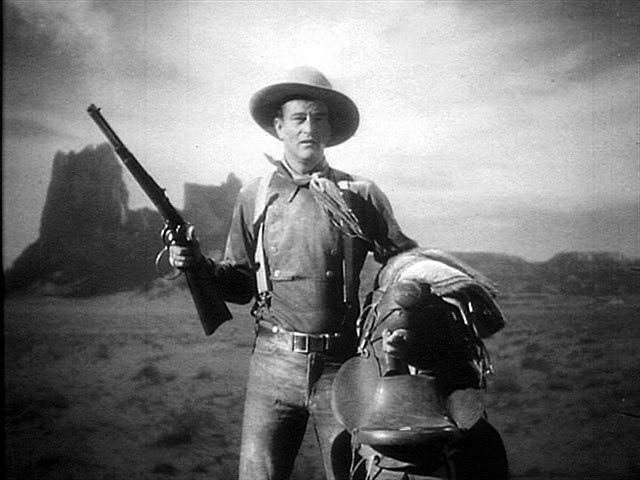
His career rose to further heights in 1939, with John Ford’s Stagecoach making him an instant superstar.
Wayne would go on to star in 142 pictures.
My “Top Ten”–make that Eleven–Best Films of John Wayne would include:
Stagecoach (1939)
3 Godfathers (1948)
She Wore a Yellow Ribbon (1949)
Rio Grande (1950)
The Quiet Man (1952)
The Searchers (1956)
Rio Bravo (1959)
The Horse Soldiers (1959)
The Man Who Shot Liberty Valance (1962)
El Dorado (1966)
True Grit (1969)
Eight of these were directed by John Ford. What a great team! Has there been another like it in film history? I think not.
Three of these would be on my “Ten Best Movies of All Time” List.
There are so many other really good movies which do not make the top eleven, but are eminently entertaining. Consider:
Tall in the Saddle (1944)
Fort Apache (1948)
Red River (1948)
Sands of Iwo Jima (1949)
Hondo (1953)
Blood Alley (1955)
Legend of the Lost (1957)
The Comancheros (1961
Hatari (1962)
How the West Was Won (1962)
Donovan’s Reef (1963)
The Sons of Katie Elder (1965)
The War Wagon (1967)
The Cowboys (1972)
The Shootist (1976)
John Wayne is great at all ages, in all decades of his stardom. I contend that even a bad movie with John Wayne is entertaining and worth watching. And I always feel better after I’ve watched one.
I grew up watching John Wayne Theater on Saturday/Sunday afternoons. My parents were both John Wayne fans so we always went to the movies to see his newest film. The first “new” John Wayne movie I went to see at the movies was El Dorado. My mother was back east visiting her dying mother, so our father took my dual personality and me to see it. I’m sure if my mother had been home, we would have been deemed “too young”, but my father wanted to go, so he took us along. It was the summer after fifth grade (second grade for my sister!). It was so great. When I went home I looked up the poem “El Dorado” by Edgar Allan Poe and memorized it. I still know it by heart. Quelle nerd, I know.
When I was a graduate student at the College of William and Mary, John Wayne came to town to tape an appearance on the Perry Como Christmas Special. It was late in 1978. Completely out of character, I went down to Colonial Williamsburg, armed with my Kodak Instamatic, hoping to catch a glimpse of the Great Man. My guardian angel was with me that day. I ran into my hero coming out of one of the colonial shops. A small crowd was forming but people were respectful. I snapped a picture (where is it?!)–he was standing a few feet away. I started to cry. I could cry now writing about it. It’s silly, but it was just so great. He was very tall. He was kind and patient and smiled at everyone, even though he clearly was not well. He died the following June.
John Wayne’s enduring status as an iconic American was formally recognized by the U.S. government by awarding him the two highest civilian decorations. He was recognized by the United States Congress on May 26, 1979, when he was awarded the Congressional Gold Medal. Hollywood figures and American leaders from across the political spectrum, including Maureen O’Hara, Elizabeth Taylor, Frank Sinatra, Mike Frankovich, Katharine Hepburn, General and Mrs. Omar Bradley, Gregory Peck, Robert Stack, James Arness, and Kirk Douglas, testified to Congress of the merit and deservedness of this award.
On June 9, 1980, Wayne was posthumously awarded the Presidential Medal of Freedom by President Jimmy Carter, at whose inaugural ball Wayne had appeared “as a member of the loyal opposition,” as Wayne described it in his speech to the gathering.
So I know what I’ll be doing on Sunday–honoring old John Wayne by watching some of his movies. What is your favorite John Wayne movie?
Here’s a nice tribute TCM did with Harry Carey, Jr. (By the way, they are showing a whole slew of John Wayne films on Sunday starting at 6:45 a.m.–all war movies.)
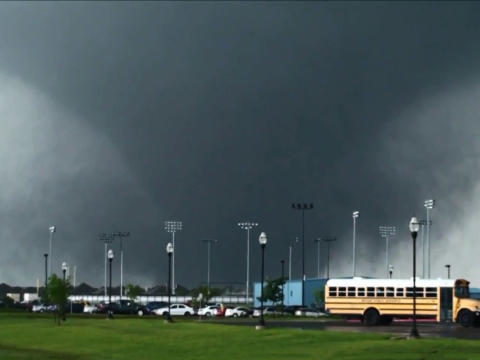
Two years ago today the city of Joplin in our flyover state was devastated by a tornado, the fifth deadliest since 1900.
We felt their pain then and we feel for those poor people in Oklahoma who suffer the effects of Monday’s EF-5 tornado.
We know about tornadoes here. We take them very seriously.
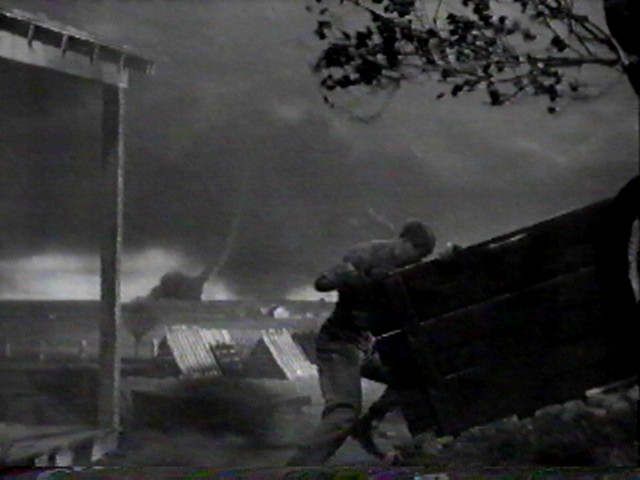
This image from “The Wizard of Oz” (1939) was always very scary to me growing up because it was true-to-life.
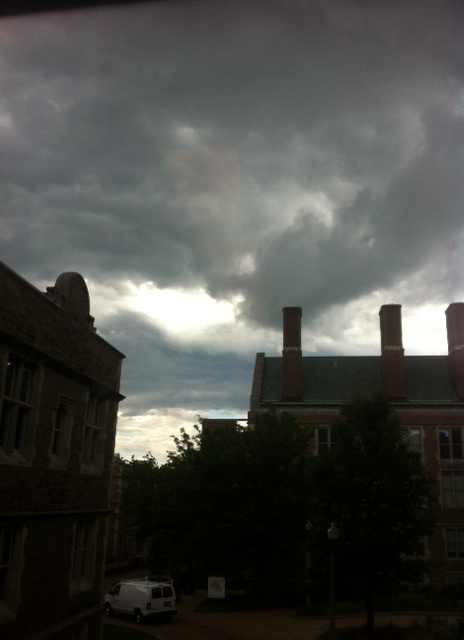
Every time I look at the sky and it looks like this:
my heart does a little flip flop. We keep an eye on the sky.
2 p.m. in the afternoon yesterday
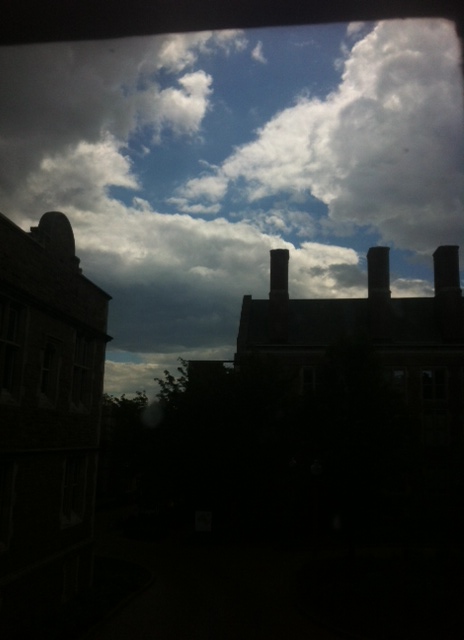
Things look worse. But then, usually,
things look better. But not always. Plenty of times we have taken to the basement.
I remember once at school when I was in the fourth grade or so, we filed down to the lowest level and sat along the wall on the terrazzo floors and waited. I remember being really worried–not about myself, because I figured I was safe downstairs with the rest of my school. But I just knew my mother at home was ignoring the sirens. And probably not only ignoring them, she was no doubt outside looking up at the sky, daring the weather gods, hoping to get a good look at this tornado. After all, she was not originally from the Midwest–what did she know? I was really worried.
I’m sure I told her so when I got home. I’m sure she laughed.
Many’s the time when the sky looked threatening and greenish and we all would run outside and yell, “Auntie Em! Auntie Em!” We learned that from our mother. But she also taught us when to take the sirens seriously and go downstairs.
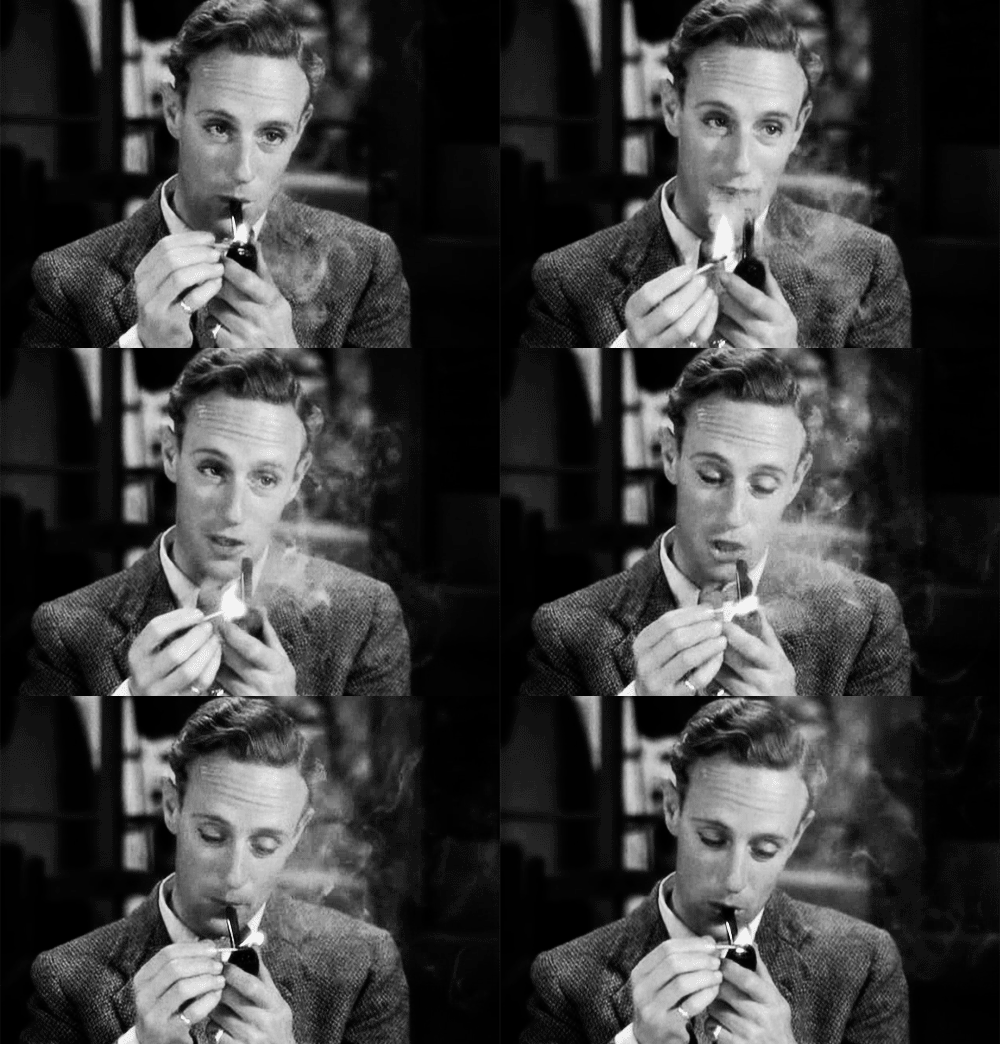
Oh, Leslie Howard. I still love you after all these years.
Did you see The Petrified Forest (1936) last night? It was on TCM*. I have been a fan of LH since high school when I first saw this movie on TV. One of the quotes on my senior page was from this play/movie:
“I had a vague idea that I’d like to see the Pacific Ocean and perhaps drown in it. But that depends.”
Boy, if you put that on your senior page these days, you’d be sent to the guidance counselor’s office for sure. But back then, if they even noticed, no one thought twice about it. Just an angst-y teenager, whatever.
* Full disclosure: I recorded it, because DWTS finale was on.
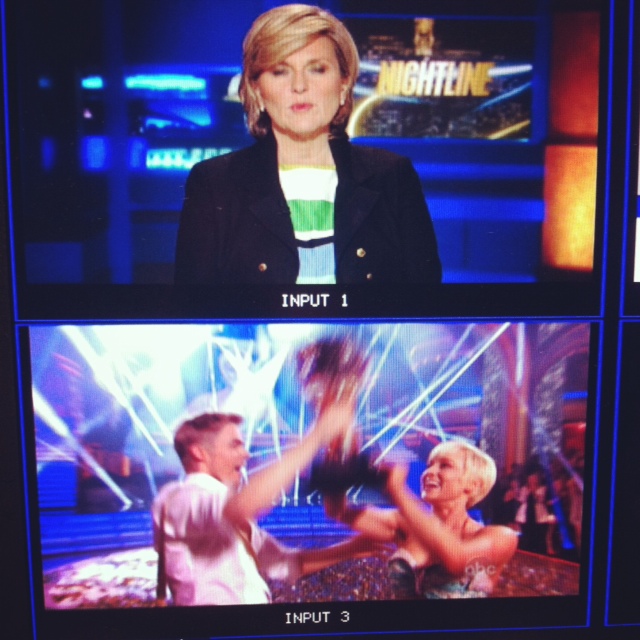
P.S. Kellie Pickler won the mirror ball on Dancing With the Stars! This made my day. My week. What is wrong with me?
Hat tip to daughter #1’s instagram feed. Hello, Cynthia McFadden.
I am closing in on the final pages of The Sand Pebbles. This 597-page novel is really wonderful and I highly recommend it. Written by Richard McKenna, it centers on an American gunboat on the Yangtze River in 1926. The author completed it in May, 1962, just in time to enter it in the 1963 Harper Prize Novel Contest. Not only was it picked over 544 other entries for the $10,000 first prize and accepted for publication by Harper & Row, but it was also chosen as the following January’s Book-of-the-Month Club selection. It was also serialized in the Saturday Evening Post for the three issues from November 17, 1962 through December 1, 1962.
The author’s life story is not the usual back-of-the-book blurb. Enlisting in the Navy in 1931 at the age of 18, he served until 1953 when he retired after 22 years of service as a machinist’s mate. He then entered the University of North Carolina. He received his degree in English in 1956, married one of the university librarians and settled down to write. Sadly, he died in 1964 at the age of 51, but one feels that to have written his magnus opus and seen it published to acclaim is a great thing. He must have been an extraordinary man.
I am reminded of what John Steineck said about his own East of Eden: “I put everything I knew into that book.” One feels this is the case with Richard McKenna. The Sand Pebbles is full of truth. The author pours everything he has into this well-crafted, well-written story of a man struggling to understand himself and the world he finds himself in.
Jake Holman, the hero of the story, is a great character with whom many can relate:
They could command you what you had to do, he thought, but they could not command you how you had to feel about it, although they tried. So you did things their way and you felt about them your own way, and you did not let them know how you felt. That way you kept the two things separate and you could stand it.
One imagines that there is a whole lot of Richard McKenna in Jake. Toward the end of the book he describes Jake’s thoughts about Shirley, the missionary teacher: “He kept her deliberately on the edge of his dream. He would get books from her and read them and later they would talk about them. They would be friends, but she would still be just a teacher.” One can’t help thinking of the author’s courtship of the UNC librarian.
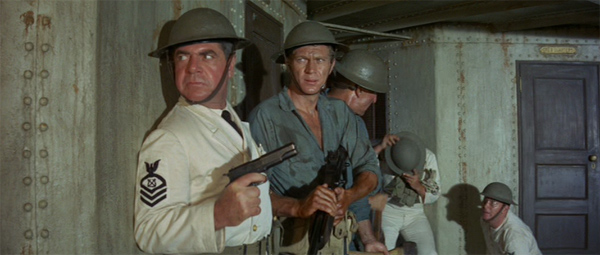
The movie, which was released in 1966, is one of my favorites and Steve McQueen is perfectly cast as Jake Holman.
Any excuse to insert a picture of Steve McQueen in the blog is a good one.
The screenwriter did take many liberties with the story, however, which is a necessity I suppose with such a long, detailed book. In the book the sailors (the “sand pebbles”) are good guys deep down and not all are the low-lifes portrayed in the movie. The captain, also, is a good guy and not the duty-obsessed, blinders-wearing martinet portrayed in the film.
Perhaps it is better that Richard McKenna never saw it.
*P.S. No one says this in the book. Instead, Jake says, “Go to hell, you bastards!” The book is always better.





 dual personalities