dual personalities

Month: March, 2013

Happiness is…

by chuckofish
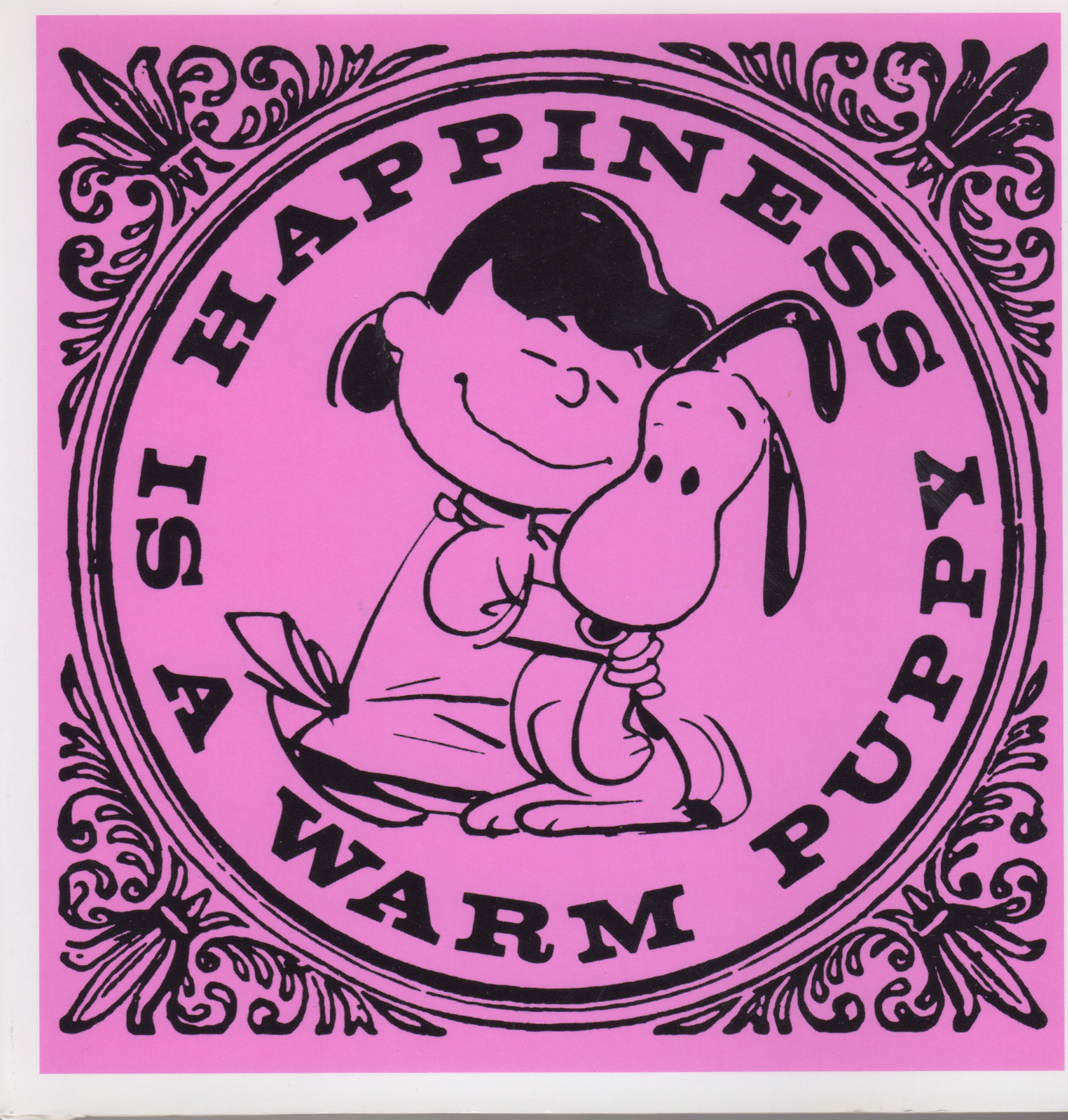
happiness is

Remember this book from 1962? It reminds us that it’s the simple things that make us happy. Things like warm puppies and walking in the grass in your bare feet and knowing how to tie your own shoes and my favorite: “some black, orange, yellow, white and pink jelly beans, but no green ones.” (I am okay with the green ones.)

Charles M. Schulz certainly understood what makes a happy life. To this I would add a few things, such as a full tank of gas

gas

and a stack of new magazines in the mail.

mags

I had a happy weekend–did you?

I batted “0” at the only estate sale I went to on Saturday, but that’s okay. I had a text exchange with daughter #2 who was at an estate sale in Bethesda, Maryland, which warmed the cockles of my heart. (I taught her something!)

The boy came over to carry a chair upstairs for me. He was wearing one of his “coach” shirts.

laxshirt

Now I can sit by this sunny window and read or work on my blog.

chair2

We went to lunch at Qdoba Mexican Grill. I had a naked burrito–yummo.

Although snow was in the forecast this weekend, there were plenty signs of spring in our yard.

daffo

And the Christmas Cactus surprised me yet again!

xmas cac

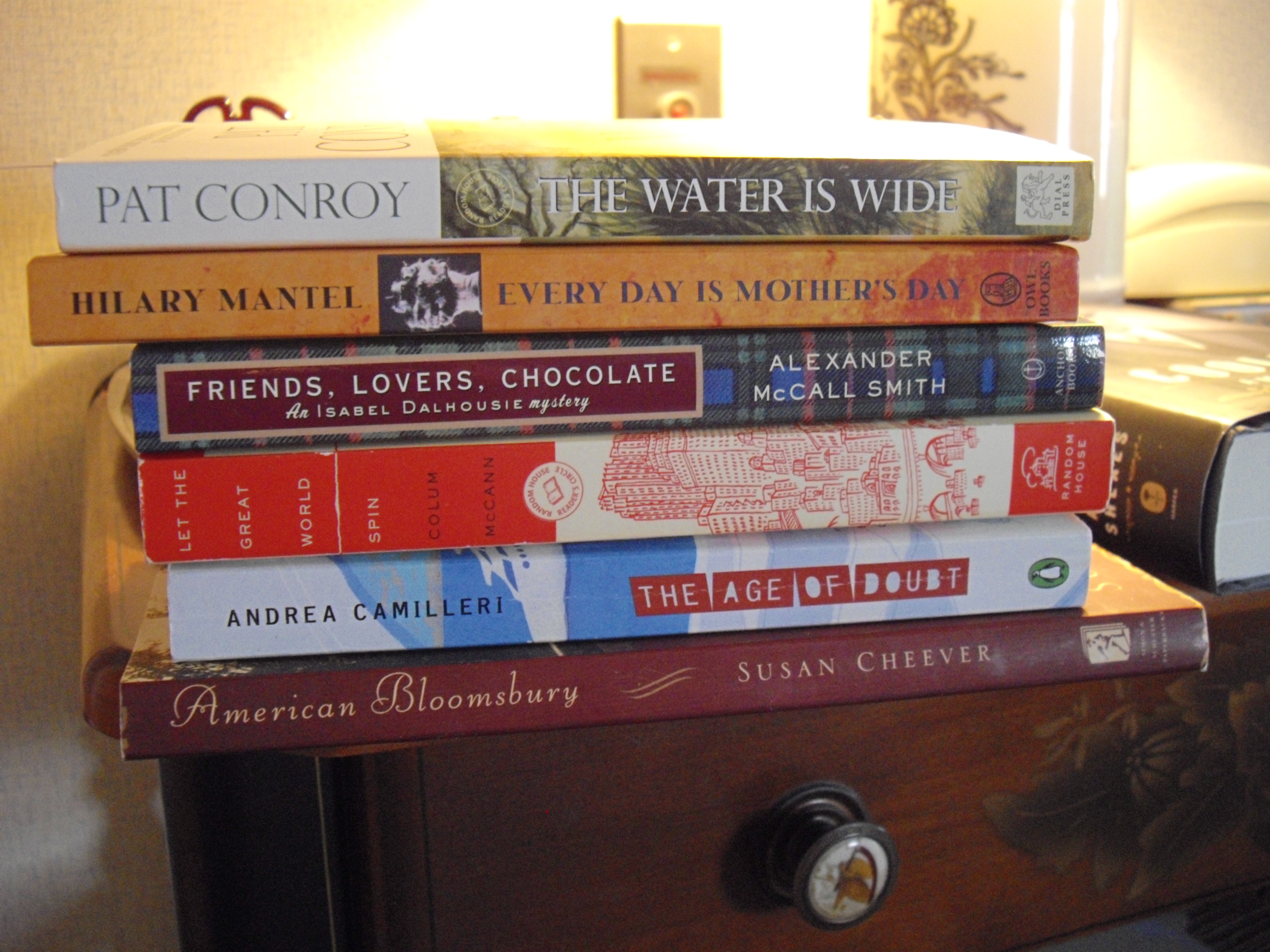
I spent a good part of my weekend reading a book by Hilary Mantel published in 2000, Every Day is Mother’s Day. The book cover announces that it is “an accomplished novel of striking originality” and describes it as having certain elements of a “suspense thriller.” Really. Never in a million years would I confuse this book, although it is riveting, with a suspense thriller. Clearly prior to Wolf Hall no one knew what to make of Hilary Mantel. She defies pigeon-holing. She reminds me a lot of Shirley Jackson.

The characters in this book have no claim on happiness. One even admits: “Happiness seems a bit ambitious. I’m not sure I can see my way to that.”

England, we are reminded, is a depressing and dreadful place. One of the main characters describes his life thusly:

“I am a history teacher, a teacher of the benighted past to the benighted present, ill-recompensed for what I suffer and despairing of promotion. My feet are size eight and a half, and I belong to the generation of Angry Young Men, though I was never angry until it was too late, oh, very late, and even now I am only mildly irritated. I am not a vegetarian and contribute to no charities, on principle; I loathe beetroot, and the sexual revolution has passed me by. My taste in clothes is conservative but I get holes in my pockets and my small change falls through; I do not speak to my wife about this because she is an excellent mother and I am intimidated by her, also appalled by the paltry nature of this complaint or what might be construed by her as a complaint. The sort of writing I want to do is the sort that will force me to become a tax-exile.”

Terrible things happen. Funny things happen. As always I am in awe of Hilary and her amazing powers, but I really think I need to revisit the high, green hills of Mitford now, where the air is pure, the village is charming and the people are generally lovable.


From the Big Sleazy with Love and Turtle Soup

by chuckofish

Here I am in New Orleans for my yearly spa vacation, a.k.a the SMH Annual Conference. I’m having a wonderful and intellectually stimulating time (no kidding) and what’s more getting here actually went smoothly despite starting out at 6am in the snow and dark. By the time I got to the Champlain ferry it was merely a pretty, but cold and gray morning.

DSC00112

After shockingly pleasant interludes at airports (including JFK!) and on planes, I arrived in New Orleans, where the temperature is in the mid to upper 60s (perfect!) and if one sticks to the main drags (e.g. the three blocks of Canal street by the hotel and a couple of blocks of Bourbon) it seems reasonably charming. My hotel room is comfortably standard in every respect except this window, which looks deceptively normal with the shutters closed

DSC00120

but has a disconcertingly vertiginous view when the shutters are open.

Don't Look Down!

Don’t Look Down!

Did I mention that my room is on the 45 floor?

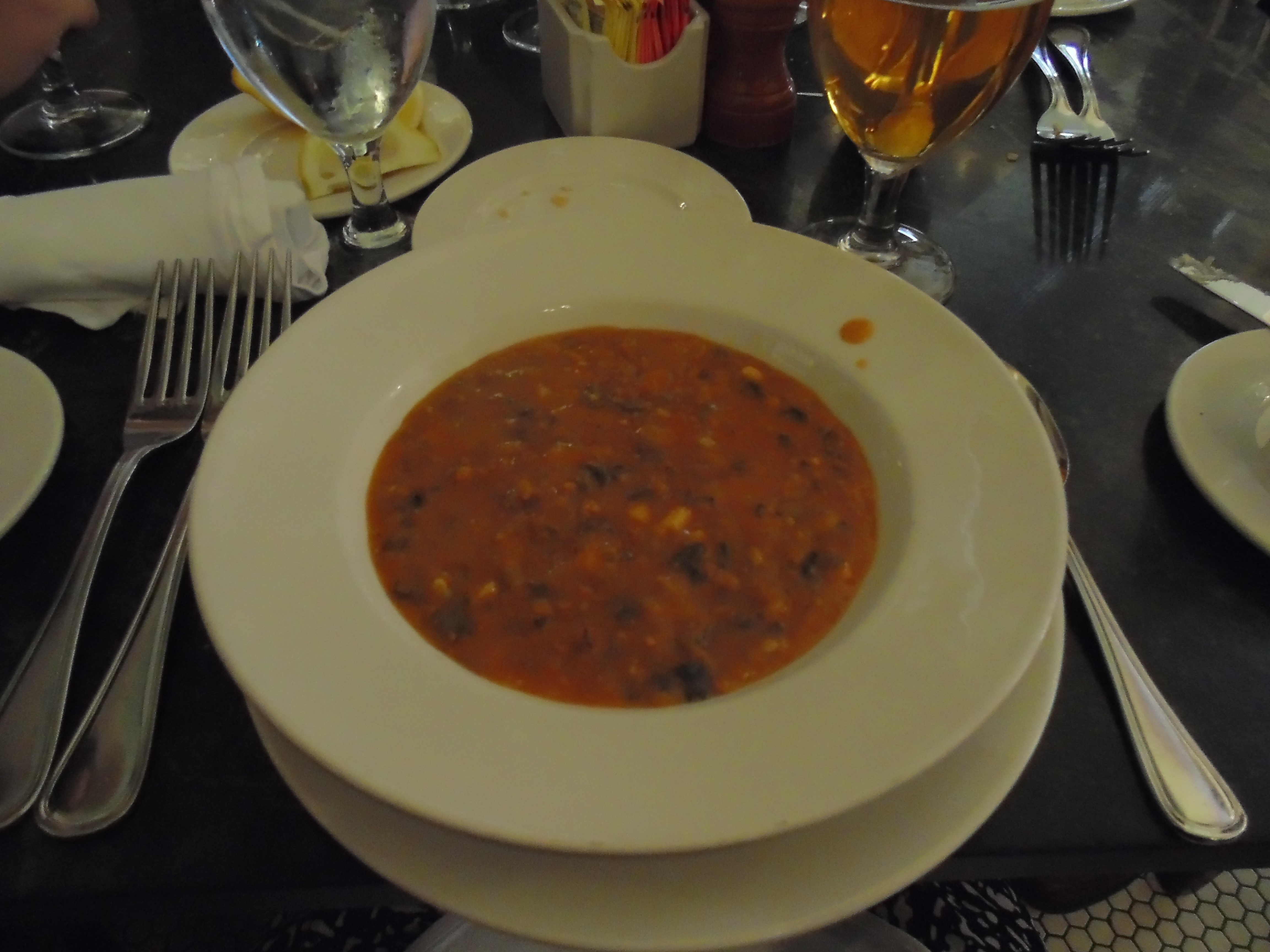
Yesterday, with my 8am talk out of the way (it went well), I was free to enjoy myself at other sessions and with friends. For lunch I was adventurous and had turtle soup, which was delicately spicy and quite delicious,

DSC00116

at a lovely restaurant

DSC00117

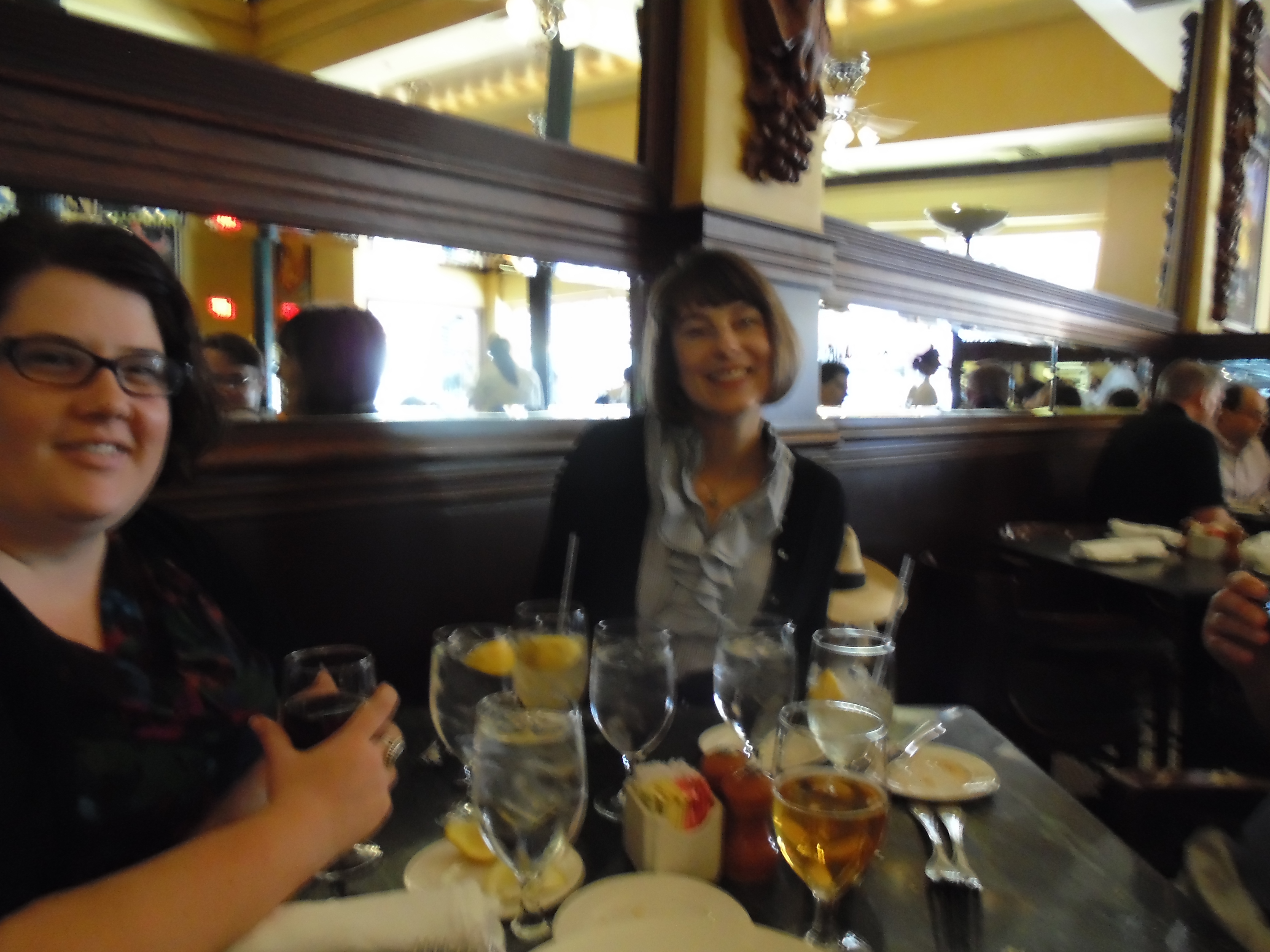
in good company

DSC00118

After a gin and tonic fueled “meet and give advice to aspiring graduate students” reception last night, I had an early morning — 7am — meeting today so I’m tired and plan on attending conference sessions and napping (but not at the same time) until the banquet tonight. Then it’s up at the crack of dawn to start the long, grueling trip home. Keep your fingers crossed that all goes well!

P.S Mid-morning update: I ventured out in search of a diet coke that doesn’t cost $4. and I have to admit I’m horrified at how alcoholic this city is. You can buy booze anywhere and people drink all the time. I’m no teetotaler but it seems that people only come here for excess. It was only 10am and the number of people I saw in outrageous St. Patrick’s day garb heading into or out of bars was, quite frankly, disgusting. I think I’ll stick to the hotel!

Rock of ages

by chuckofish

5StPeterLadue

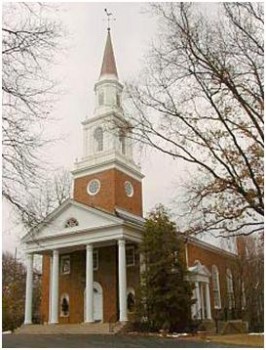
Yesterday I went to a “Service of Thanksgiving” for the life of the father of a friend of mine who died the day after his 95th birthday. The funeral was at the church we went to together when I was growing up. They stayed; we left. I have been a member of two churches since, but I am seriously considering going back. I like the plain windows that let the sunshine in and the total lack of iconography.

Anyway, this man had an amazing life. According to his obit in the paper, he was president of his senior class and “the lead in several high school musicals”. He graduated from college in 1939 (!) and then spent 5 years in the U.S. Army during WWII. He finished the war as a Major, having taken part in D-Day and the Battle of the Bulge. He had a very successful career and served as the president of his country club and on the vestry of his church (where he was a member for over 60 years), as well as on multiple boards.

I knew him as a cheerful, kind man, who always knew my name. He was an authority figure who knew his duty. He took care of his family, was present, but not overly involved. His children were all devoted to him.

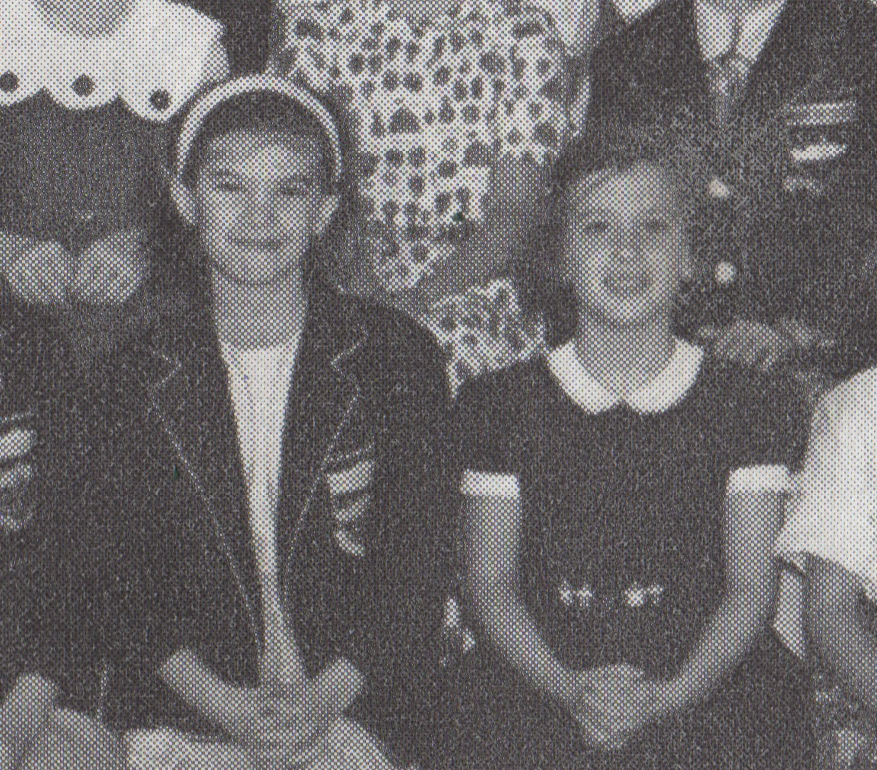
Best friends in third grade--1965--I was giggling in this picture as I usually was when in her company.

Best friends in third grade–1965–I was giggling in this picture as I usually was when in her company.

His wife, of course, did not work. She kept the home fires burning. Their house was impeccable and so was she. She still is!

Times have changed. It’s a different world. Maybe it’s better, maybe not. I can’t help wondering who is going to take the place of men like this. I knew lots of men like him back in the day. I miss them.

P.S. The funeral was your basic Episcopal memorial service (sans communion). Included were excellent scripture choices (KJV) and good hymns, although the organist charged through them like he was in a hurry. But oh well.

I sing a song of the saints of God,
Patient and brave and true,
Who toiled and fought and lived and died
For the Lord they loved and knew.
And one was a doctor, and one was a queen,
And one was a shepherdess on the green;
They were all of them saints of God, and I mean,
God helping, to be one too.

They loved their Lord so dear, so dear,
And his love made them strong;
And they followed the right for Jesus’ sake
The whole of their good lives long.
And one was a soldier, and one was a priest,
And one was slain by a fierce wild beast;
And there’s not any reason, no, not the least,
Why I shouldn’t be one too.

They lived not only in ages past,
There are hundreds of thousands still.
The world is bright with the joyous saints
Who love to do Jesus’ will.
You can meet them in school, or in lanes, or at sea,
In church, or in trains, or in shops, or at tea;
For the saints of God are just folk like me,
And I mean to be one too.

Tout va bien

by chuckofish

IMGP0433

“Maybe it’s all utterly meaningless. Maybe it’s all unutterably meaningful. If you want to know which, pay attention to what it means to be truly human in a world that half the time we’re in love with and half the time scares the hell out of us. Any fiction that helps us pay attention to that is religious fiction. The unexpected sound of your name on somebody’s lips. The good dream. The strange coincidence. The moment that brings tears to your eyes. The person who brings life to your life. Even the smallest events hold the greatest clues.”
–Frederick Buechner

Lost Highway

by chuckofish

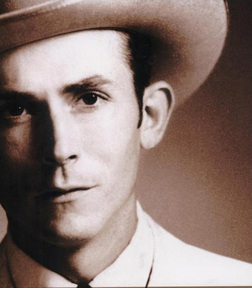
The original rolling stone, you know, was not Bob Dylan or Mick Jagger. It was Hank Williams.

hankw

I’m a rolling stone, all alone and lost
For a life of sin, I have paid the cost
When I pass by, all the people say
“Just another guy on the lost highway”

Most people think old Hank Sr. wrote that song, since he wrote so many famous songs during his sad, short life, but he did not. Written by Leon Payne, “Lost Highway” was recorded by Hank Williams in 1949 at age 26 and he came to personify that “just another guy on the lost highway”.

I was listening to an old burned mix the other day and I heard Beck’s version of Williams’ poignant “Your Cheatin’ Heart” and that got me thinking about one of America’s greatest singer-songwriters.

What a great song! (I like Beck’s version.)

Widely considered country music’s first superstar, Hiram “Hank” Williams was born September 17, 1923, in Mount Olive, Alabama. Never much of a singer (in my opinion) he wrote many American classics, such as “Cold, Cold Heart,” “Your Cheatin’ Heart,” “Hey, Good Lookin'” and “Move It on Over,” as well as Christian classics like “I Saw the Light.” He died of a heart attack at the age of 29 in 1953 in the backseat of his Cadillac on the way to a show. It was really no surprise, since he had been abusing his poor, frail body for years with drugs and alcohol, trying to dull his constant back pain due to spinal bifida.

He packed a lot in to his short life span though, didn’t he? His mysterious talent has always interested me. How can the same man who wrote “Honky Tonkin'” and “You’re Gonna Change (Or I’m Gonna Leave)” –jarring, jangling chart-toppers–also have written the contemplative “I’m So Lonesome I Could Cry” and “Lost on the River”? Human beings are amazing.

Hear the lonesome whiperwill
He sounds too blue to fly
The midnight train is whining low
I’m so lonesome I could cry

I’ve never seen a night so long
When time goes crawling by
The moon just went behind a cloud
To hide its face and cry

Did you ever see a robin weep
When leaves begin to die
That means he’s lost the will to live
I’m so lonesome I could cry

The silence of a falling star
Lights up a purple sky
And as I wonder where you are
I’m so lonesome I could cry

Beautiful. I think John Keats would agree. He died at 25. Hopefully they are talking shop in heaven. I like to think so.

P.S. Hollywood made a movie of Williams’ made-to-order drama-filled life in 1964. It starred George Hamilton and was called Your Cheatin’ Heart. It was pretty homogenized and I think they could do a whole lot better. I’m surprised they haven’t tried again. James Franco? Ryan Gosling? It could be Academy Awardsville for you.

Thought for the day

by chuckofish

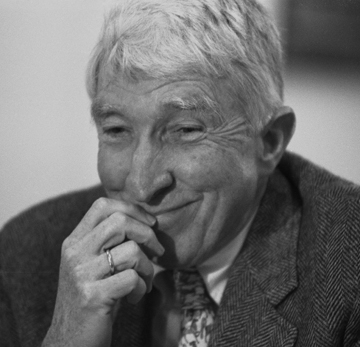
“Ancient religion and modern science agree: we are here to give praise. Or, to slightly tip the expression, to pay attention. Without us, the physicists who have espoused the anthropic principle tell us, the universe would be unwitnessed, and in a real sense not there at all. It exists, incredibly, for us. This formulation (knowing what we know of the universe’s ghastly extent) is more incredible, to our sense of things, than the Old Testament hypothesis of a God willing to suffer, coddle, instruct, and even (in the Book of Job) to debate with men, in order to realize the meager benefit of worship, of praise for His Creation. What we beyond doubt do have is our instinctive intellectual curiosity about the universe from the quasars down to the quarks, our wonder at existence itself, and an occasional surge of sheer blind gratitude for being here.”

Updike_2

–John Updike

Seek him who made the Pleiades and Orion, and turns deep darkness into the morning, and darkens the day into night; who calls for the waters of the sea and pours them out upon the surface of the earth: The Lord is his name. Amos 5:8

Use it or lose it

by chuckofish

Today’s lesson is one I have learned over the years: stop saving things for later! Use them now. I learn this every weekend anew when I go to estate sales and there are linens galore that have been put away “for later” or for “company” and then never used.

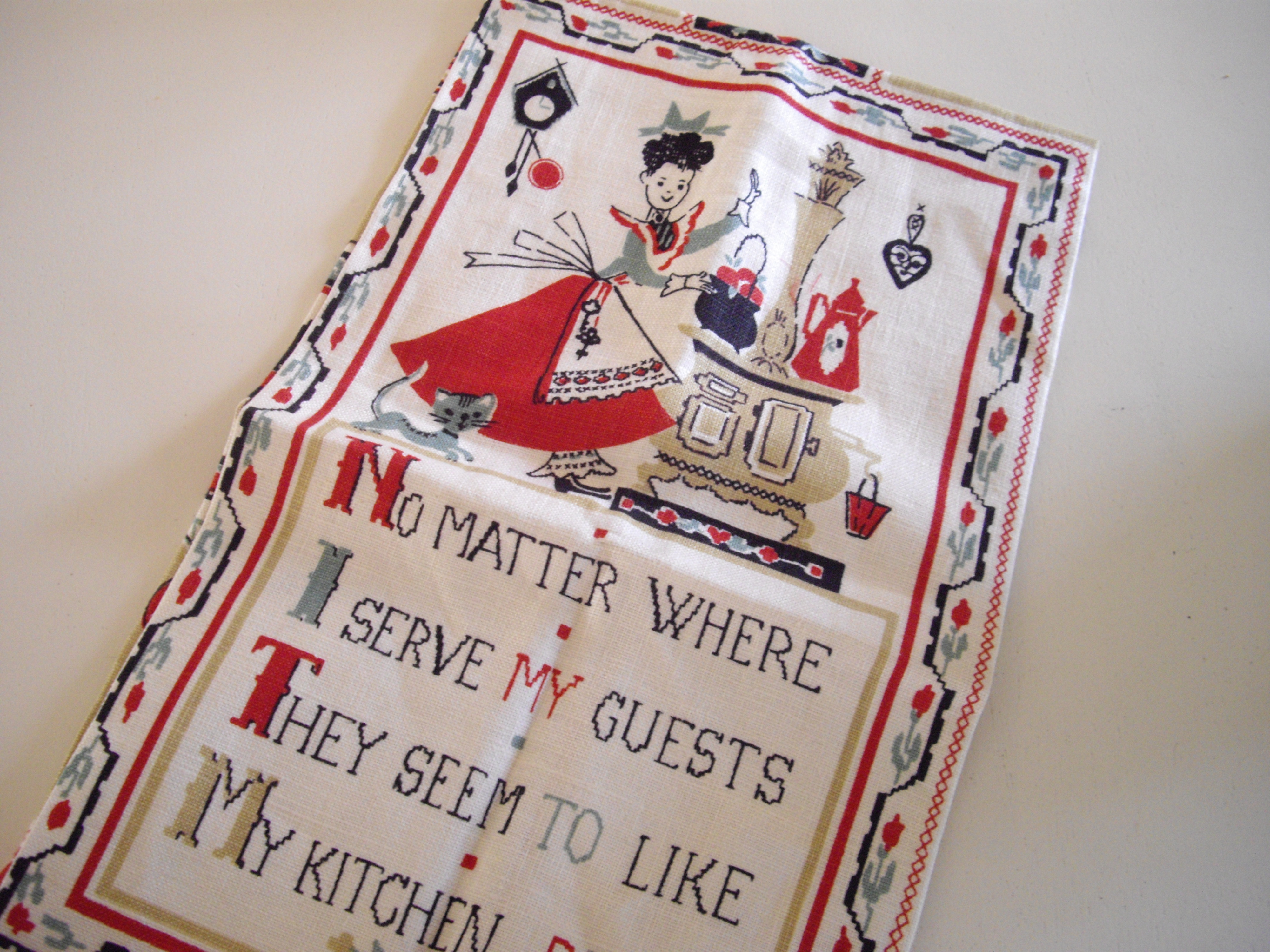
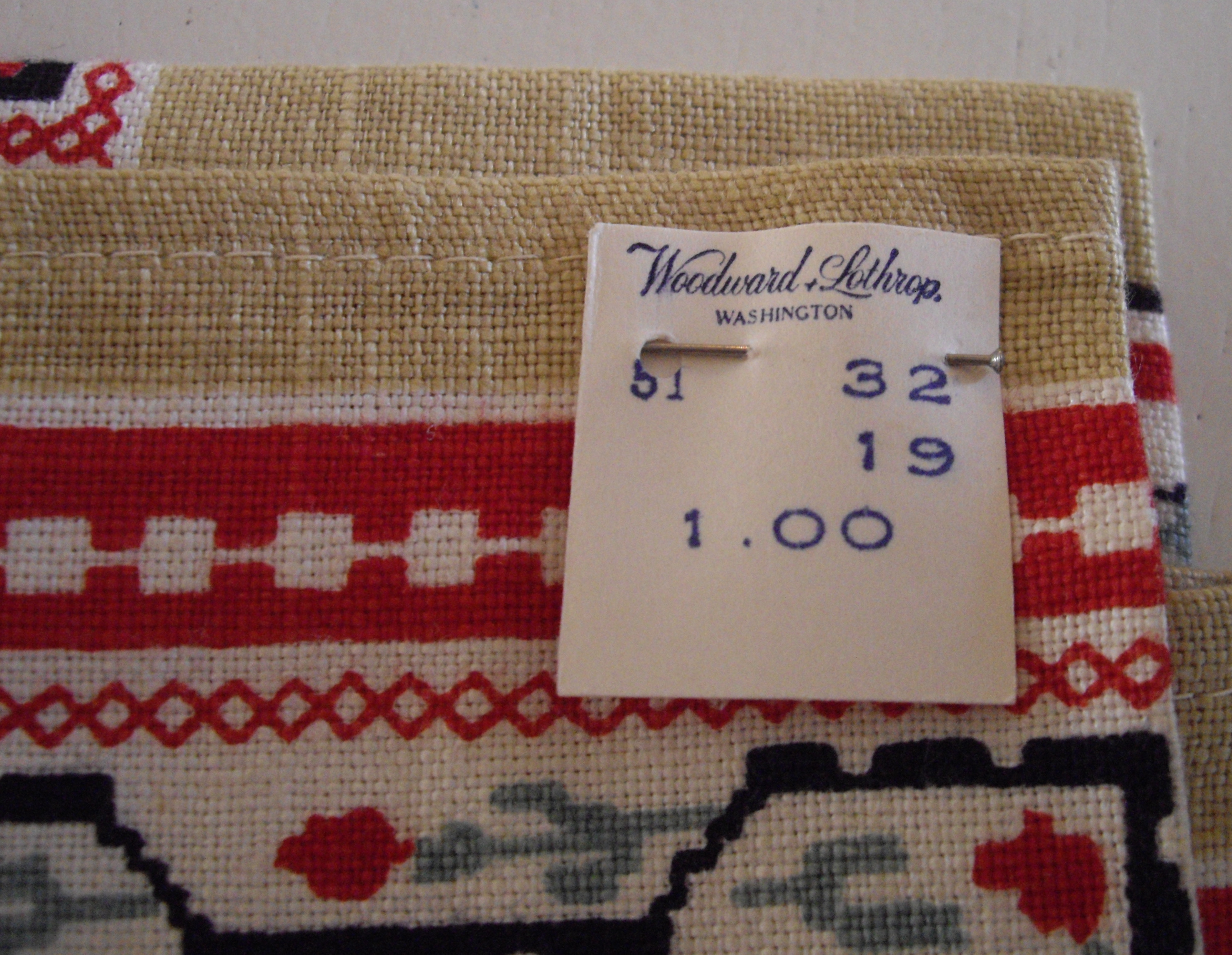
I was reminded of this again when I received a vintage linen kitchen towel in the mail that I had won on eBay. (Yes, I also collect these.)

towel1

It had clearly never been used. It even sported the original Woodward and Lothrop price tag pinned to it. How long has it been since they pinned on price tags? Or, for that matter, since anything cost a dollar? Or since Woodward and Lothrop closed its doors?

tag1

I say, use the good china! Light the candles! Bring out the cloth napkins! When my kids were growing up, we always did. It gives meals a certain gravitas and everyday elegance which is lacking in our do-it-fast, throw-away world. There is no denying that even McDonalds hamburgers taste better on Wedgwood.

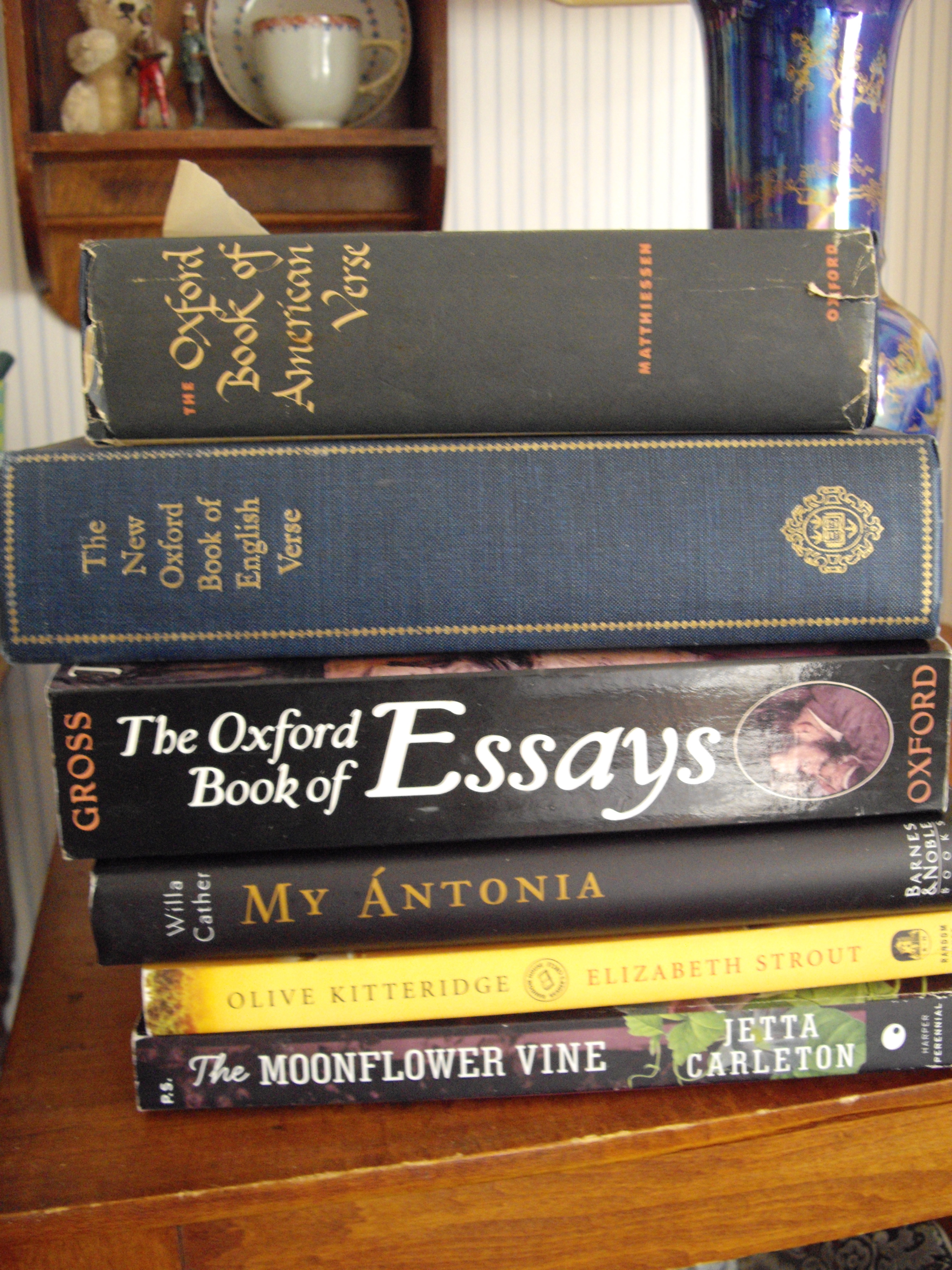
On another note, I went to the book fair at our local Unitarian Church this weekend. It is my experience that Unitarians and “ethical humanists” in general, have the best book sales, and once again I came away with two bulging bags of books. Some of them are duplicates and I will send them off to daughters #1 and #2.

book1

But quite a few I bought for myself. Ah, such a satisfying (and cheap) indulgence!

books2

It is, however, difficult to decide what to read after reading three novels by Willa Cather. I mean how do you follow that? I may have to resort to some mindless fun like this:

elmoreL

In other news, the boy, who is the head coach of the J.V. lacrosse team of one of our local public high schools–one known, let us say, more for its academic prowess than for its sports prowess–led his team to victory (in overtime) in their first game. (And the game was against a R.C. school, known conversely for being a sporting powerhouse.)

lax

Way to go, Hounds! (Greyhounds, that is, not Hounds of Hell–that would be the other team. But now I am mixing up my religious orders. Mea culpa.)

What did you do this weekend?

Generations

by chuckofish

History and tradition are not fashionable in academe at the moment, though thankfully they both remain popular just about everywhere else. In academia the Progressives have the floor and they think the past, like God, is dead. In reply, rather than rant, I refer to G.K. Chesterton, who rightly pointed out the importance of tradition (and by extension, history):

“Tradition means giving votes to the most obscure of all classes, our ancestors. It is the democracy of the dead. Tradition refuses to submit to that arrogant oligarchy who merely happen to be walking around.”

Hear, hear! Learn about your past and find out what the dead have to say — they speak volumes if you listen and use your imagination. Leave the comfort of your armchair (at least mentally), visit their landscapes, which were often harsh and unforgiving.

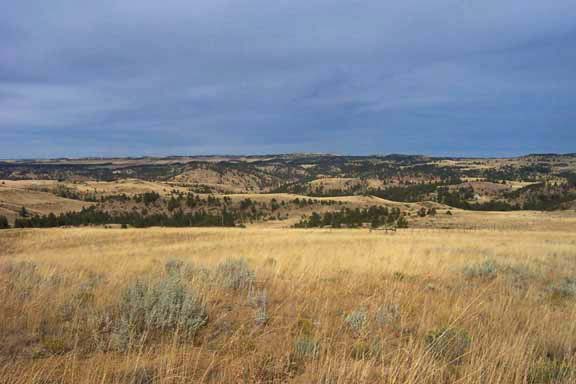
Site of the Battle of the Rosebud River 1876

Site of the Battle of the Rosebud River 1876

Appreciate the challenges they faced, which were many and cruel, from war to illness, poverty, disappointment, and old age.

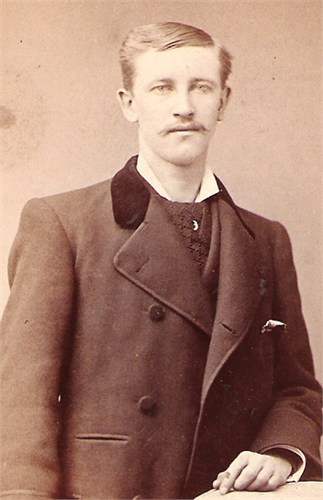
Arthur Newell Chamberlin (I) who fought at the Rosebud

Arthur Newell Chamberlin (I) who fought at the Rosebud

In short, the very things that plague us still.

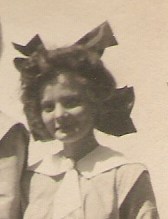
Caroline Hendren Chamberlin

Caroline Hendren Chamberlin

If we gain nothing else from the exercise, at least we acquire perspective on our own transient lives, though I have to admit that I have always found comfort in the past. The dead are never cruel or petty or indifferent. They are whatever we want them to be (like it or not, however much one strives to be accurate and objective, one always sees through the lens of personal experience and the present).

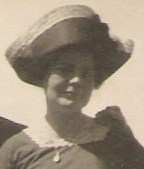
Ethel Chamberlin

Ethel Chamberlin

I like what Annie Dillard wrote:

Ours is a planet sown in beings. Our generations overlap like shingles. We don’t fall in rows like hay, but we fall. Once we get here, we spend forever on the globe, most of it tucked under. While we breathe, we open time like a path in the grass. We open time as a boat’s stem slits the crest of the present.”

I don’t want to sound all heavy-duty doom and gloom, though. Our ancestors had plenty of fun and it is a good idea to remind ourselves to do it, too.

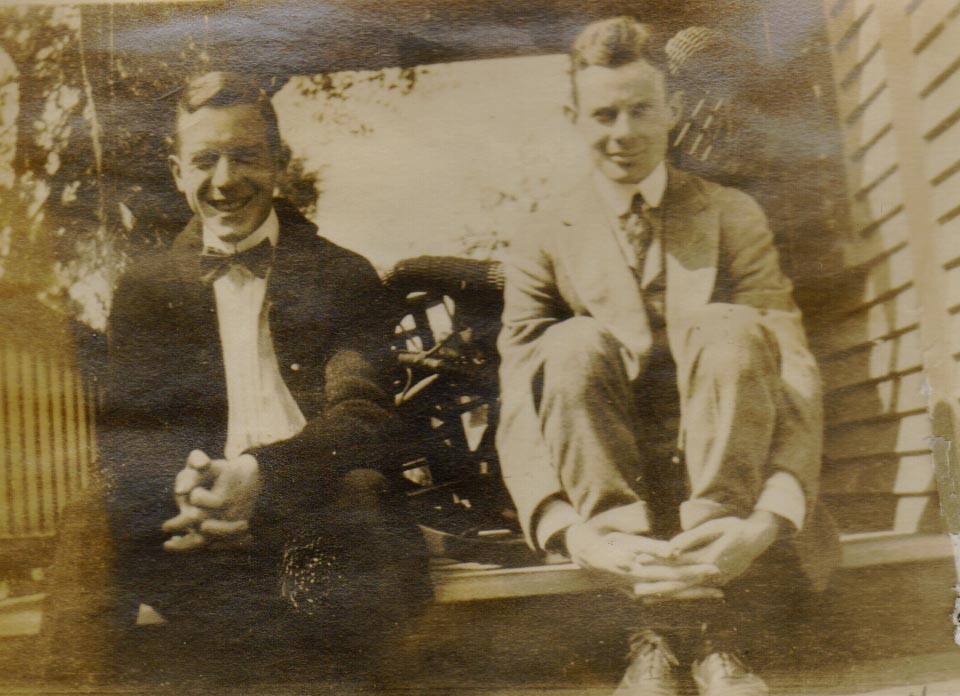
ANC jr and Guy c. 1911

Guy and ANC Jr. c. 1911

Here’s to those who came before us and to everything they did (and managed not to do) so that we could be here now.

The good reader*

by chuckofish

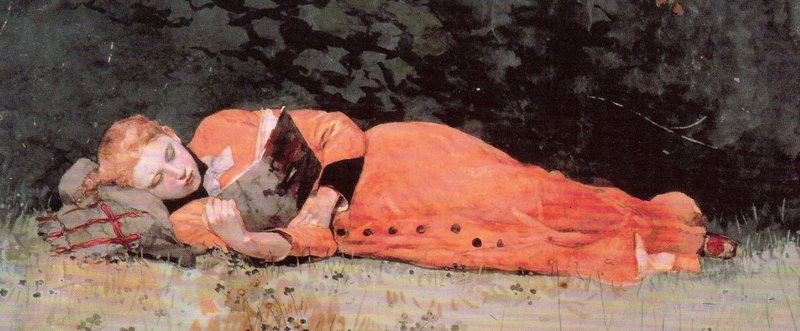
Winslow Homer, "Girl Reading"

Winslow Homer, “Girl Reading”

“The only advice … that one person can give another about reading is to take no advice, to follow your own instincts, to use your own reason, to come to your own conclusions. If this is agreed between us, then I feel at liberty to put forward a few ideas and suggestions because you will not allow them to fetter that independence which is the most important quality that a reader can possess. After all, what laws can be laid down about books? The battle of Waterloo was certainly fought on a certain day; but is Hamlet a better play that Lear? Nobody can say. Each must decide that question for himself. To admit authorities, however heavily furred and gowned, into our libraries and let them tell us how to read, what to read, what value to place upon what we read, is to destroy the spirit of freedom which is the breath of those sanctuaries. Everywhere else we may be bound by laws and conventions — there we have none.”

–Virginia Woolf, How Should One Read a Book? (1925)

*”Tis the good reader that makes the good book; in every book he finds passages which seem confidences or asides hidden from all else and unmistakenly meant for his ear; the profit of books is according to the sensibility of the reader; the profoundest thought or passion sleeps as in a mine, until it is discovered by an equal mind and heart.”
― Ralph Waldo Emerson

A spirit of power and of love and of self-control

by chuckofish

“The earth was warm under me, and warm as I crumbled it through my fingers…I kept as still as I could. Nothing happened. I did not expect anything to happen. I was something that lay under the sun and felt it, like the pumpkins, and I did not want to be anything more. I was entirely happy. Perhaps we feel like that when we die and become a part of something entire, whether it is sun and air, or goodness and knowledge. At any rate, that is happiness; to be dissolved into something complete and great. When it comes to one, it comes as naturally as sleep.”

For weeks now I have been meaning to write something about Willa Cather, but I have been so busy that I have not been able to think about it. I have read The Song of the Lark and My Antonia in quick succession, followed by O Pioneers! They are all three deep goldmines of insight and wonderful writing. I (literally) wept the tears a writer sheds when she reads something better than she can ever write.

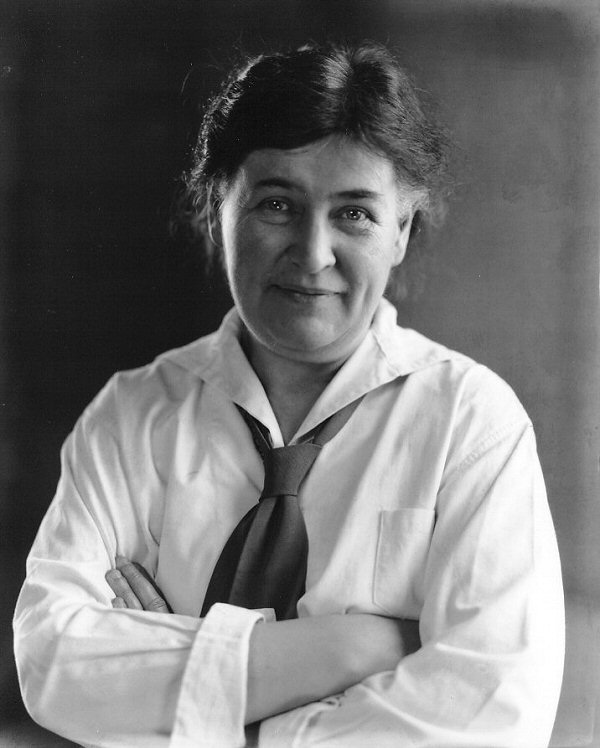
Portrait of Willa Cather by Edward Steichen

Portrait of Willa Cather by Edward Steichen

She was born Wilella Sibert Cather in 1873 in the Back Creek Valley near Winchester, Virginia. Her father was Charles Fectigue Cather, whose family had lived on land in the valley for six generations. Her mother was Mary Virginia Boak, a former school teacher. The Cathers moved to Nebraska in 1883, joining Charles’ parents, when Willa was nine years old. Her father tried his hand at farming for eighteen months; then he moved the family into the town of Red Cloud, where he opened a real estate and insurance business, and the children attended school for the first time. Clearly Cather’s time in this frontier state was a deeply formative experience for her.

For now I will just give you a few quotes to give you some idea of the power of her writing and of her strong feelings about things. Reading three books in a row, I have a pretty good idea what was important to her: art, home, the land, childhood, hard work, authenticity. She repeats themes, and characters have similarities that indicate clearly where old Willa was coming from. I have to say, I am with her all the way.

As she says of one character: “Everything she said seemed to come right out of her heart.”

Here she writes about the young main character in The Song of the Lark:

“The clamor about her drowned out the voice within herself. In the end of the wing, separated from the other upstairs sleeping rooms by a long, cold, unfinished lumber room, her mind worked better. She thought things out more clearly. Pleasant plans and ideas occurred to her which had never come before. She had certain thoughts which were like companions, ideas which were like older and wiser friends. She left them there in the morning, when she finished dressing in the cold, and at night, when she came up with her lantern and shut the door after a busy day, she found them awaiting her.”

Many years later, the girl, now a famous opera singer, tries to explain her art in a long, brilliant section. Here’s just a snippet:

“They saved me: the old things, things like the Kohlers’ garden. They were in everything I do…the light, the color, the feeling. Most of all the feeling. It comes in when I’m working on a part, like the smell of a garden coming in at the window. I try all the new things, and then go back to the old. Perhaps my feelings were stronger then. A child’s attitude toward everything is an artist’s attitude. I am more or less of an artist now, but then I was nothing else…”

Here in My Antonia the narrator describes houses in the town:

“They were flimsy shelters, most of them poorly built of light wood, with spindle porch-posts horribly mutilated by the turning-lathe. Yet for all their frailness, how much jealousy and envy and unhappiness some of them managed to contain! The life that went on in them seemed to me made up of evasions and negations; shifts to save cooking, to save washing and cleaning, devices to propitiate the tongue of gossip.”

And here in O Pioneers! a person expresses something important to a friend:

“It’s by understanding me, and the boys, and mother, that you’ve helped me. I expect that is the only way a person ever really can help another. I think you are about the only one that ever helped me.”

Have I convinced you yet? Go now and order this book!

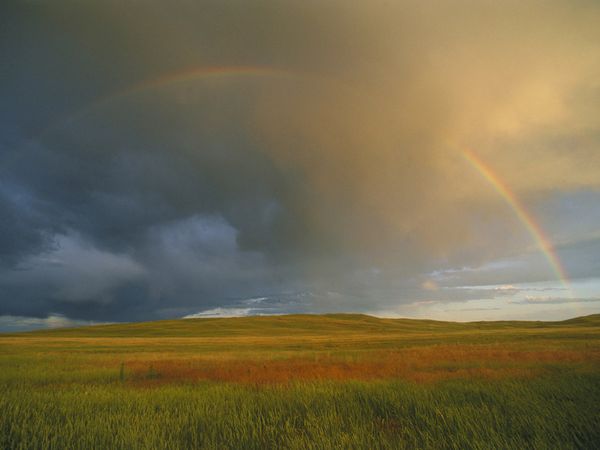
nationalgeographic.com

nationalgeographic.com