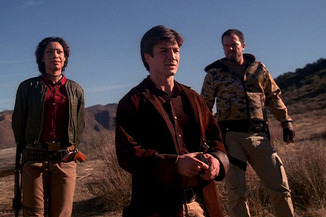
Well, while my dual personality was posting about Achilles and The Illiad and heroes ‘n such and carrying on a deep conversation with the boy in the comments section, I was busy enjoying a Firefly marathon.
What a great show, though sadly short-lived. You may recall that it follows the exploits of a rag-tag bunch of misfits on a small spacecraft 500 years in the future. It’s an old story, but one we can relate to, can’t you? “We’re deep in space, corner of No and Where.” You gotta love it.
Meanwhile, back in reality, it is already the week of Thanksgiving. How did we get here? We haven’t even begun to post about all that we are thankful for! We have been side-tracked. We’ll have to do better.
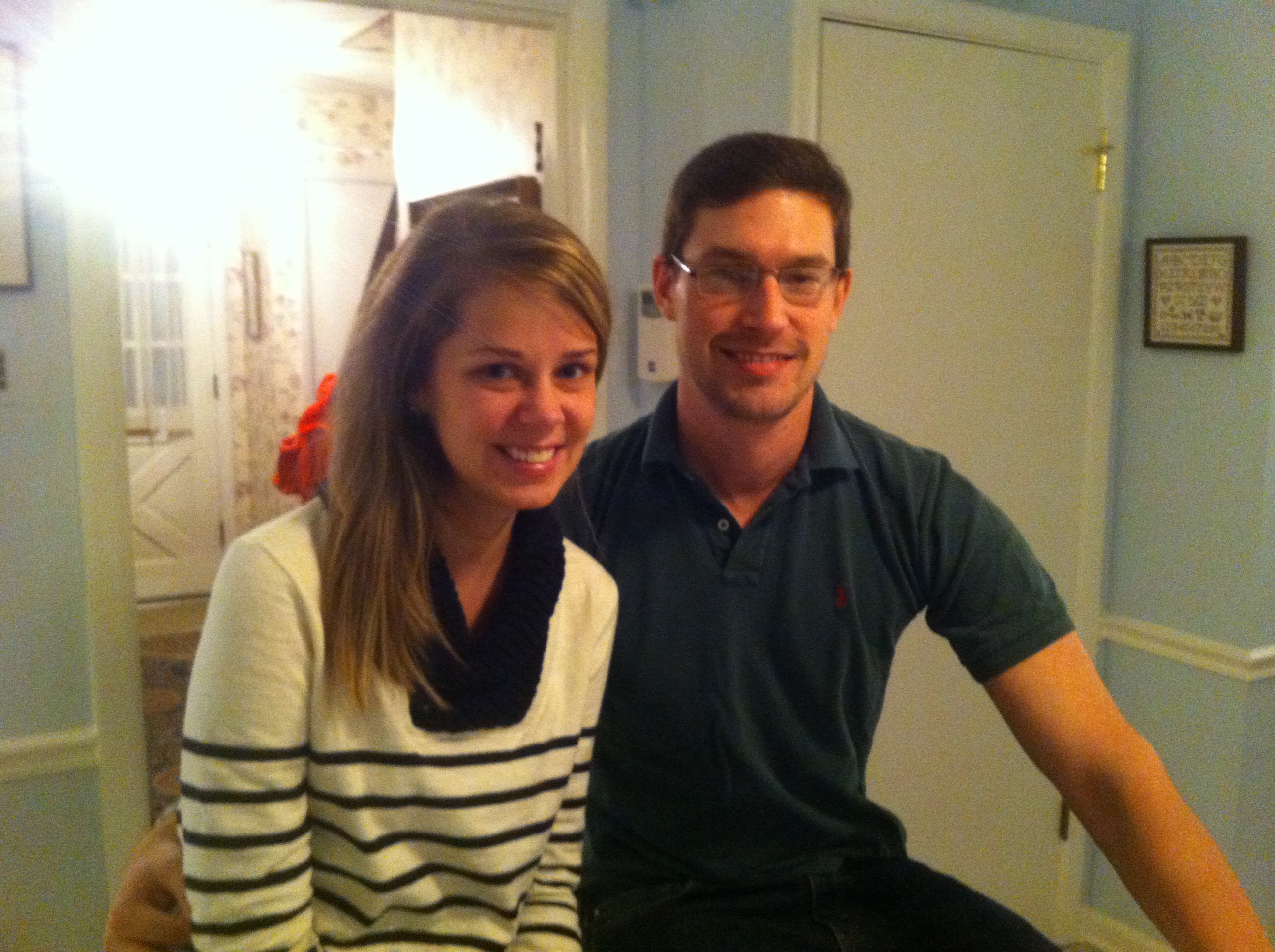
For starters, I am thankful that the boy and his lovely bride came over for dinner last night. I made sloppy-joes and french fries. I am thankful that they live here in town and that they are always happy to come over.
We are going over to their place for Thanksgiving dinner with her parents. I am bringing my cheesy potato casserole. How wonderful, after all these years, to have an extended family!
Finally, here’s a little treble heroics ( Christ Church Cathedral Choir, Oxford: “Jubilate Deo”) to perk up your day:
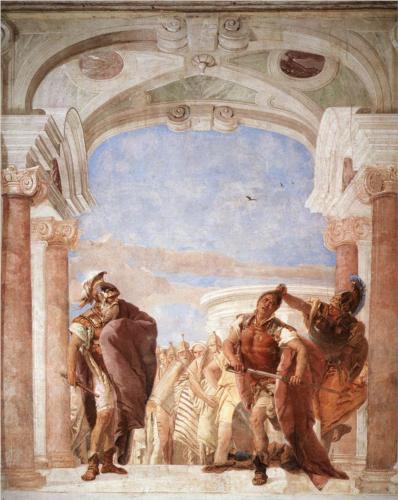
That’s Agamemnon looking worried on the left, while Athena (far right) tries to stop Achilles from chopping Agamemnon up into tiny pieces. I’m not sure the painting really captures the rage, but it is kind of pretty.
If your only acquaintance to The Iliad is through that ridiculous film, Troy, you can be forgiven for relegating the story to “the dustbin of history”. But I urge you to give the poem a chance. It, together with its twin, the Odyssey, ranks right up there with Shakespeare and the Bible — and it’s certainly the best war story ever.
What makes it great is its humanity. Sure, there’s plenty of testosterone-fuelled violence and, yes, the gods are interfering bastards, but there are real characters here, in real situations, to which the modern reader can still relate. I could go on and on, but today I’m going to concentrate on Achilles, who is, after all, central to the poem. The poet makes sure that Achilles is not just a dumb, sulky jerk. In fact, he gets some of the best lines, many of which point out the contradictions and difficulties inherent in war.
For example, during his argument with Agamemnon at the beginning of the poem, Achilles angrily declares that
I don’t have a quarrel with the Trojans
They didn’t do anything to me to make me
Come over here and fight, didn’t run off my cattle or horses
Or ruin my farmland back home in Pthia…
How often do soldiers find themselves wondering what their war really has to do with them? The Iliad is as conscious as we are that it’s the politicians (or in the poem’s case, kings) who start the wars and who send people to die in them, usually while they (the politicians) stand at the back. Achilles notably accuses Agamemnon of never having “buckled on armor in battle or come out with the best fighting Greeks” because it’s “more profitable to hang back in the army’s rear.” So true.
The poem also explores larger, more existential questions. In book 9, when people are trying to get Achilles to re-join the fight, he rants bitterly:
It doesn’t matter if you stay in camp or fight —
In the end, everyone comes out the same.
Coward and hero get the same reward:
You die whether you slack off or work.
In other words, life’s a bitch and then you die.
Even so, there’s a soft side to Achilles, who, in the same speech, reminds us that
Every decent, sane man
Loves his woman and cares for her, as I did,
Loved her from my heart. It doesn’t matter
That I won her with my spear.
Although it is common to assume that women in times past were horribly abused and oppressed, the poem is surprisingly appreciative of the plight of women, most of whom it is well aware will come to bad ends as a result of what men have done.
But the poem has a lighter side, too. Even the greatest of heroes were babies once. Phoenix, Achilles’ old nurse/mentor reminds the angry hero of their long-standing relationship:
You wouldn’t eat
Whether it was at a feast or a meal in the house
Unless I sat you on my lap and cut your food up
And fed it to you and held the wine to your lips.
Many a time you wet the tunic on my chest,
Burping up wine when you were colicky.
Okay, there’s also underage drinking here, but they didn’t have infant formula and wine was really the safest thing to drink…but anyway, you get the idea. Achilles was just as human as anyone else.
This poem has everything: action, adventure, plenty of conflict, lots of heart-rending emotional scenes, and a whole lot of wise things to say about human nature and war. Read it. Really. Stanley Lombardo’s translation, quoted here, is highly accessible, though it does take certain liberties. If you’re a purist, try Fagles’s or Latimore’s translations.
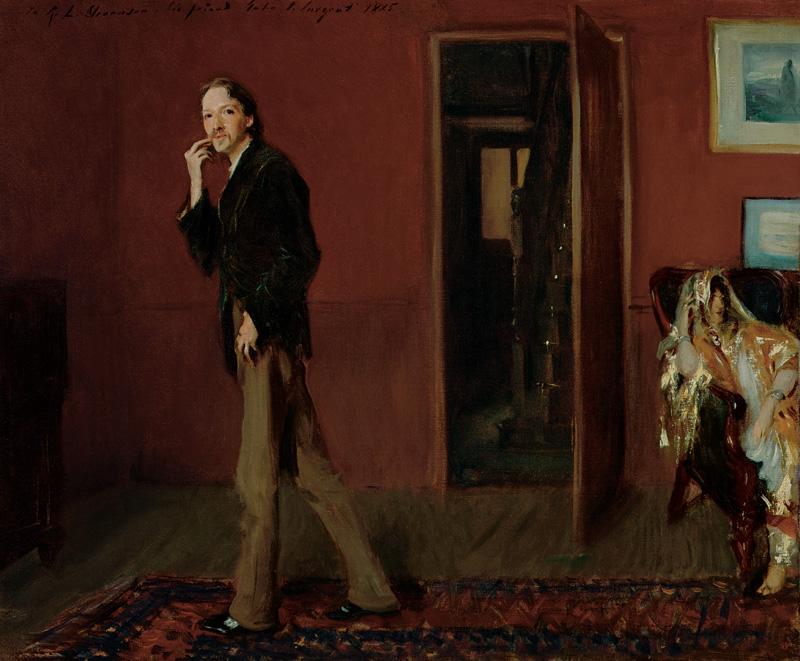
John Singer Sargent’s portrait of Robert Louis Stevenson and his wife
“Give us grace and strength to forbear and to persevere. Give us courage and gaiety, and the quiet mind. Spare to us our friends, soften to us our enemies. Bless us, if it may be, in all our innocent endeavours. If it may not, give us the strength to encounter that which is to come, that we may be brave in peril, constant in tribulation, temperate in wrath, and in all changes of fortune, and down to the gates of death, loyal and loving to one another.”
— Robert Louis Stevenson
Have a great weekend. Good luck with that quiet mind.
The birthday yesterday of Gerard Butler and my recommendation of Dear Frankie got me thinking about movies that make me cry and the benefits of said cry.
The complexities of the human body are varied and innumerable. We all know that lacrimation can have cathartic effects. Science has proven this. When we cry, we actually excrete toxins. Additionally, it protects the body from high levels of stress hormones and has also been linked to the release of endorphins. Because endorphins numb pain and improve mood, this is another reason why crying tends to make us feel better. These mental effects of crying are also reflected in the altered physical state it results in. Generally after crying, our breathing, sweating, and heart rate decrease, and we enter a more relaxed state. Therefore, a good cry (every once in a while) is a good thing.
So, without further ado, I will give you a list of my favorite movies that are guaranteed to make you cry time and time again. (First, as a disclaimer, let me say that I was probably the only teenager in 1970 who did not shed a tear at Love Story, and generally speaking, movies of the tear-jerker variety leave me cold.)
1. To Kill a Mockingbird (1962) The music by the great Elmer Bernstein is killer. I dare you to watch this scene where Scout says hey to Boo Radley behind the bedroom door and not cry. I double dog-dare you. (It cuts off too soon, but you get the idea.)
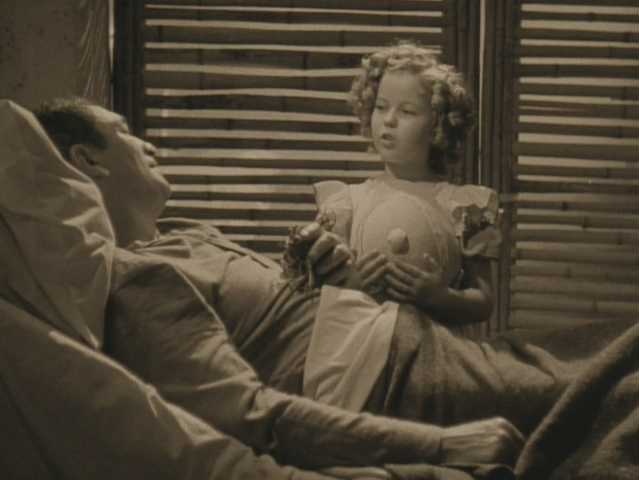
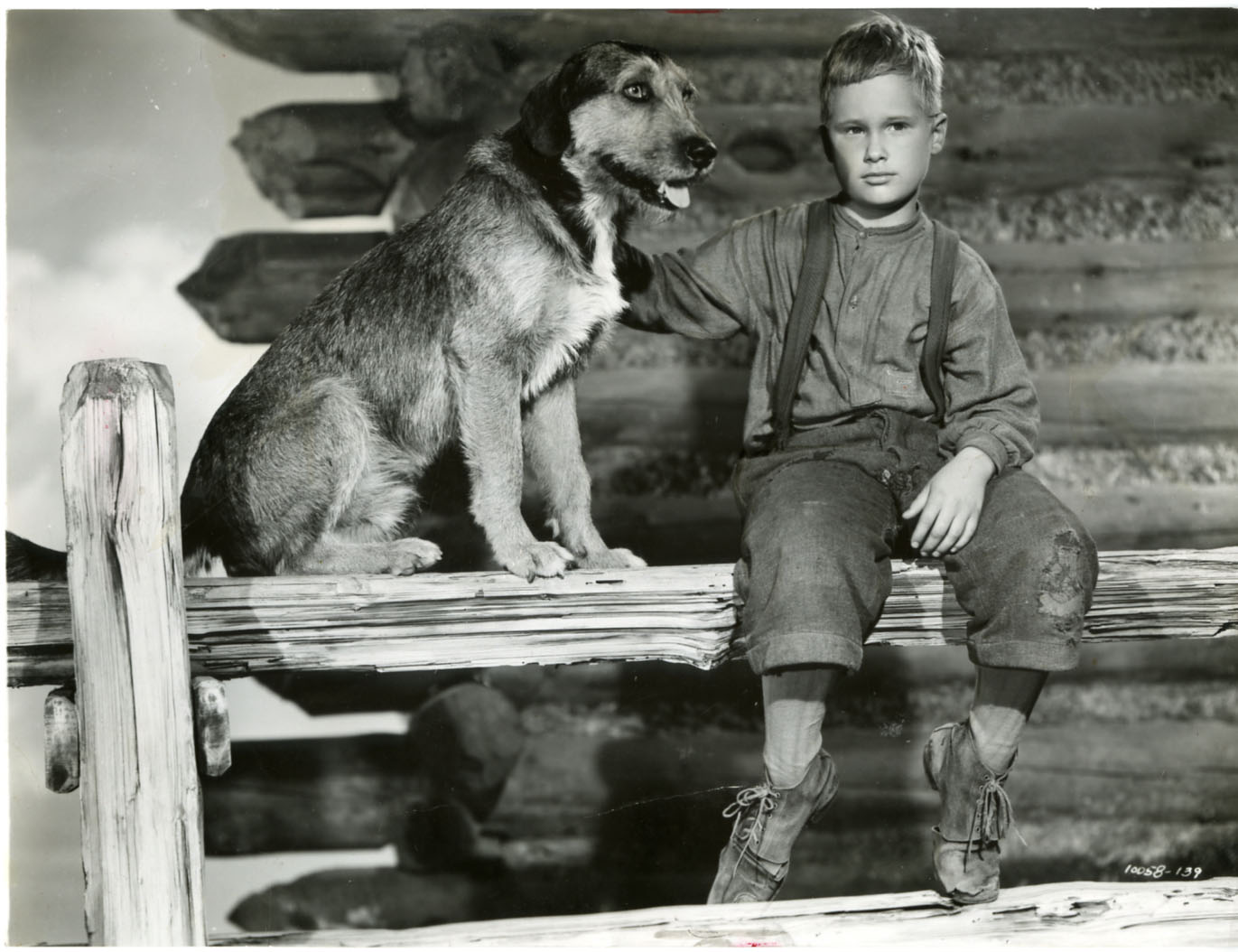
2. Wee Willie Winkie (1937), directed by John Ford and starring Shirley Temple. When she sings Auld Lang Syne to the dying Victor McLaglen even my teenage brother broke down.
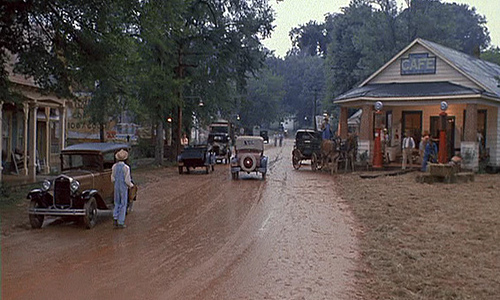
3. Fried Green Tomatoes (1991) from the book by Fannie Flagg is all about the meaning of family. The music by Thomas Newman, son of the awesome Alfred Newman, is a stab to the heart every time.
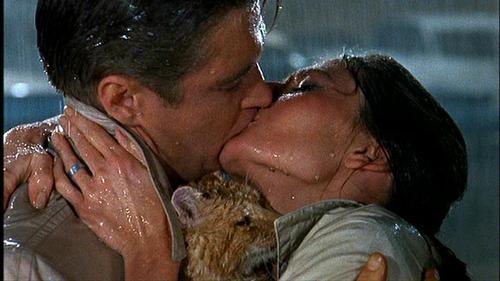
4. Breakfast at Tiffany’s (1961), although a funny movie, always makes me sad. The music by Henry Mancini is key–Moon River–c’mon. Audrey, George and Cat in the rain, the music swells, sobbing ensues. I should also add that pretty much any time Audrey Hepburn tears up in a movie, so do I. I really do feel her pain. (Think Roman Holiday.)
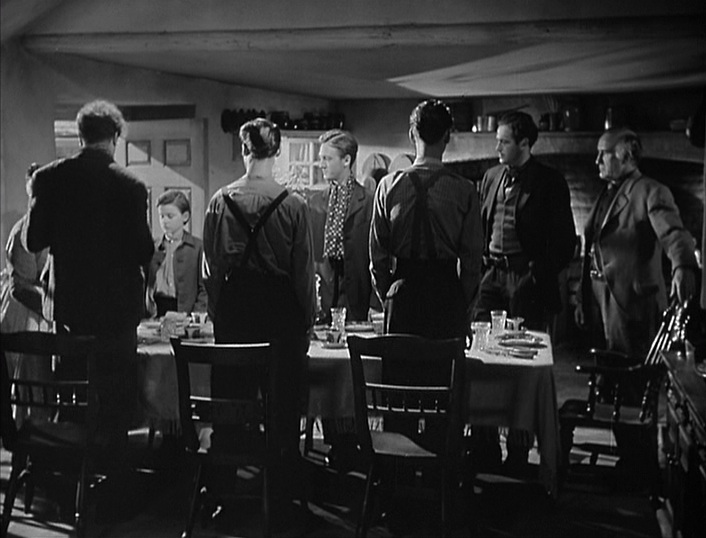
5. How Green Was My Valley (1941), another film directed by John Ford to great manipulative effect. The music by Alfred Newman is so sad. Indeed, John Ford knew how to use music to its optimal effect. Not all great directors do. (For instance, John Huston invariably comes close to ruining his movies with terrible or inappropriate music–e.g.The Treasure of the Sierra Madre.) There are a lot of wonderfully sad moments in Ford films, many featuring Henry Fonda, who teamed with the director for his best movies, notably Young Mr. Lincoln, The Grapes of Wrath, My Darling Clementine, etc.–all with the aforementioned throat-tightening scenes.
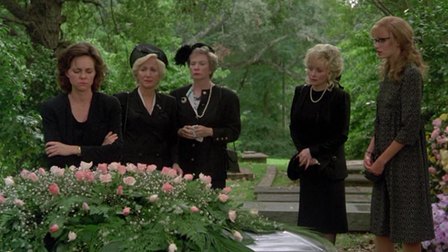
6. Steel Magnolias (1989)–granted it’s the exception to my tear-jerker/soap opera rule, but it’s sure to cause major Kleenex usage. The scene in the cemetery with Sally Field never fails. (And Dolly Parton co-stars!)
7. The King and I (1956)–oh yes. The first time I saw this (when I was about 8), I could not believe the ending of the movie. Pure disbelief. It still stings every time.
8. Shane (1953) “Shane, come back!” Need I say more? There are other scenes in Shane that are sad (if not tear-inducing) as well–such as Stonewall’s funeral where they sing Rock of Ages. There is the scene where Shane walks out in the rain and the one where Joey tells his mother that he loves Shane. Well, you get the picture.
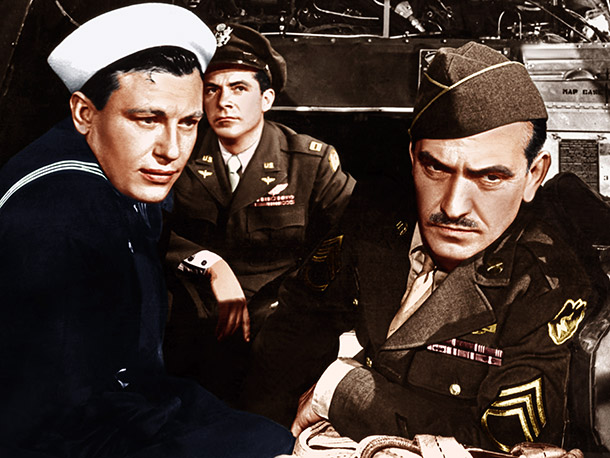
9. The Best Years of Our Lives (1946)–the great post-war film directed by William Wyler with an unsentimental screenplay by Robert Emmet Sherwood from a story by Mackinlay Kantor rises above the maudlin and soars, helped by a really good musical score by Hugo Friedhofer. So well done. So many great scenes.
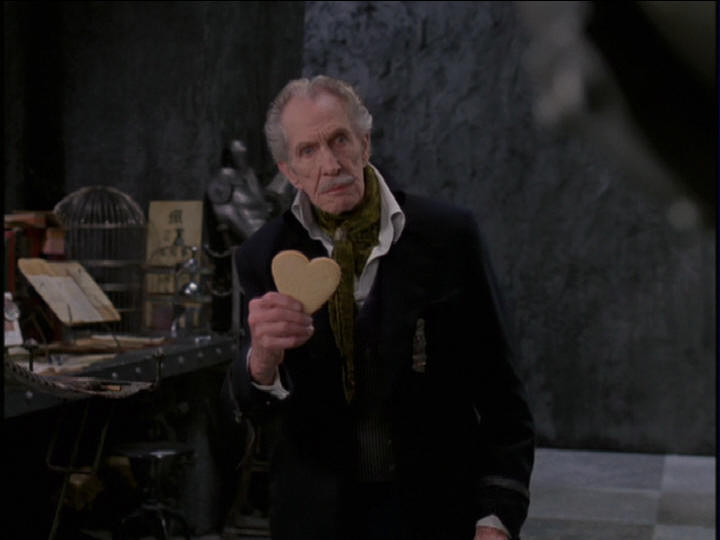
10. Edward Scissorhands (1990), directed by Tim Burton and starring Johnny Depp and Vincent Price in his last movie. The music by Danny Elfman is perfect and so is Johnny. In different ‘hands’ this movie would have been frightful, but it is sweet and innocent and sad.
I know. I know. I haven’t mentioned Cool Hand Luke (1967) or Awakenings (1990) or Life is Beautiful (1997) orThe Shawshank Redemption (1994) or The Elephant Man (1980) or The Bicycle Thief (1948) or, find me in the right mood, Scott of the Antarctic (1948), but I had to draw the line somewhere!
What movies have I forgotten? Which ones make you cry?
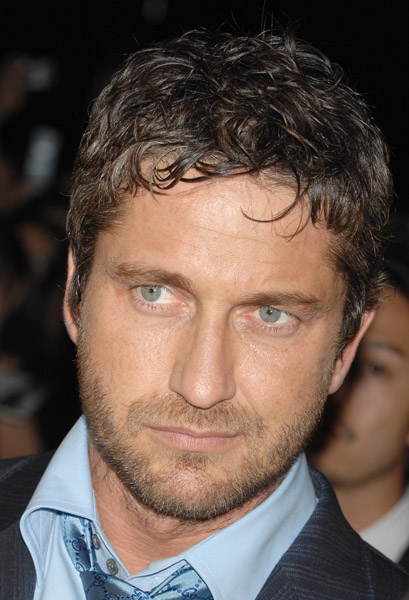
Gerard Butler (born 13 November 1969) is a Scottish actor who has appeared in an unusually varied array of films, most of them pretty bad. If he weren’t so darn good looking, I wouldn’t have suffered through half of them.
That may sound harsh, but really, think about it. Have you seen Lara Croft Tomb Raider, The Phantom of the Opera, 300, P.S. I Love You, Nim’s Island…the list goes on and on. I did like Machine Gun Preacher , and The Game of Their Lives was shot in St. Louis and was about a (true) St. Louis story, so it was bearable.
However, Gerard has made one movie that has redeemed his whole career and gives us hope for his future: Dear Frankie.
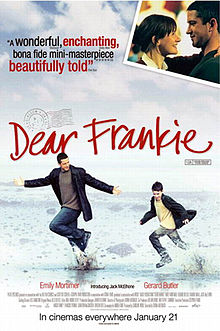
Dear Frankie (2004) is a film directed by Shona Auerbach and starring Emily Mortimer, Gerard Butler, and Jack McElhone. The screenplay by Andrea Gibb focuses on a young single mother in Scotland whose love for her son prompts her to perpetuate a deception designed to protect him from the truth about his father. It truly is a gem, and Gerard Butler is just right in the part of “the stranger” who pretends to be Frankie’s father. Would that he would play a few more parts in movies like this!
So I suggest we all watch Dear Frankie in honor of Gerard’s 43rd birthday. Have your Kleenex handy, because it’s a weeper (despite the feel-good cover art). I put it in the same category as Fried Green Tomatoes, another favorite of mine, which I cannot watch 10 minutes of before I am hopelessly weeping. Let me hasten to say, this is not a bad thing. Maybe what we need is a good cry.
Whatever new technology they come up with, nothing can ever replace the look, feel, and smell of a book. Curling up in a corner with a Kindle doesn’t cut it — where’s the romance in that? Lately, I’ve been ruminating over the books that have had the greatest impact on me, the ones that came out of the blue as a sort of revelation, whose worlds sucked me in and made me want to stay forever. But there were others that weren’t what you’d call “great literature” but nonetheless had an impact. Some of the great adventure/spy/romance writers of the 50s, 60s, and 70s (give or take a few years) are still worth a look. I’m leaving mystery for another post. My favorites were:
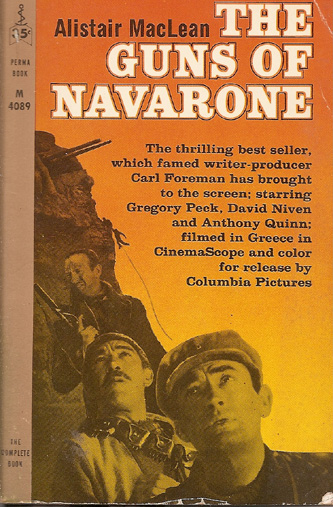
1. Alistair MacLean, especially the early works
No kidding, those WWII and Cold War spy novels are just great reading. We’re the good guys, they’re the bad guys, the hero is a solid citizen and all around decent bloke, and the heroine is smart and brave but slightly vulnerable. The books are well written and as vehicles for a set of straightforward and laudable ideals, you can’t go wrong.
2. Mary Stewart, especially the early works
a river of lava on the Isle of Skye? Who designed the cover?
Civilized romance. The heroine meets plenty of peril, but remains pretty cool, uses her head, and always finds true love in the process.
3. Helen MacInnis
In some ways, more versatile than MacLean or Stewart, Helen MacInnis wrote some cracking spy novels and one of my favorites, a low-key cowboy romance, Rest and Be Thanksful. Always worth a read and very thoughtful.
4. Georgette Heyer
High-brow romance. We used to make-fun of my mother for reading these, but once I tried it myself I realized that they are really pretty well written and very entertaining. She’s witty; a sort of B-list Jane Austen.
5. Jane Aiken Hodge
Well, if you are in the mood for a simple, chaste (but reasonably well written) romance in which the heroine faces danger, isn’t sure whether the guy she loves is okay or an ax murderer, but eventually ends up with the hero, these are for you.
All of the above tend toward formula, of course, but they are so superior to contemporary B-lit that it’s an insult to compare them. It’s telling that they’re all still in print. When you’re down, tired, or just don’t feel like tackling anything heavy, curl up with a cup of tea or glass of wine and have a good escape read.
You need a LOUD MUSIC NIGHT! Crank up the tunes and dance.
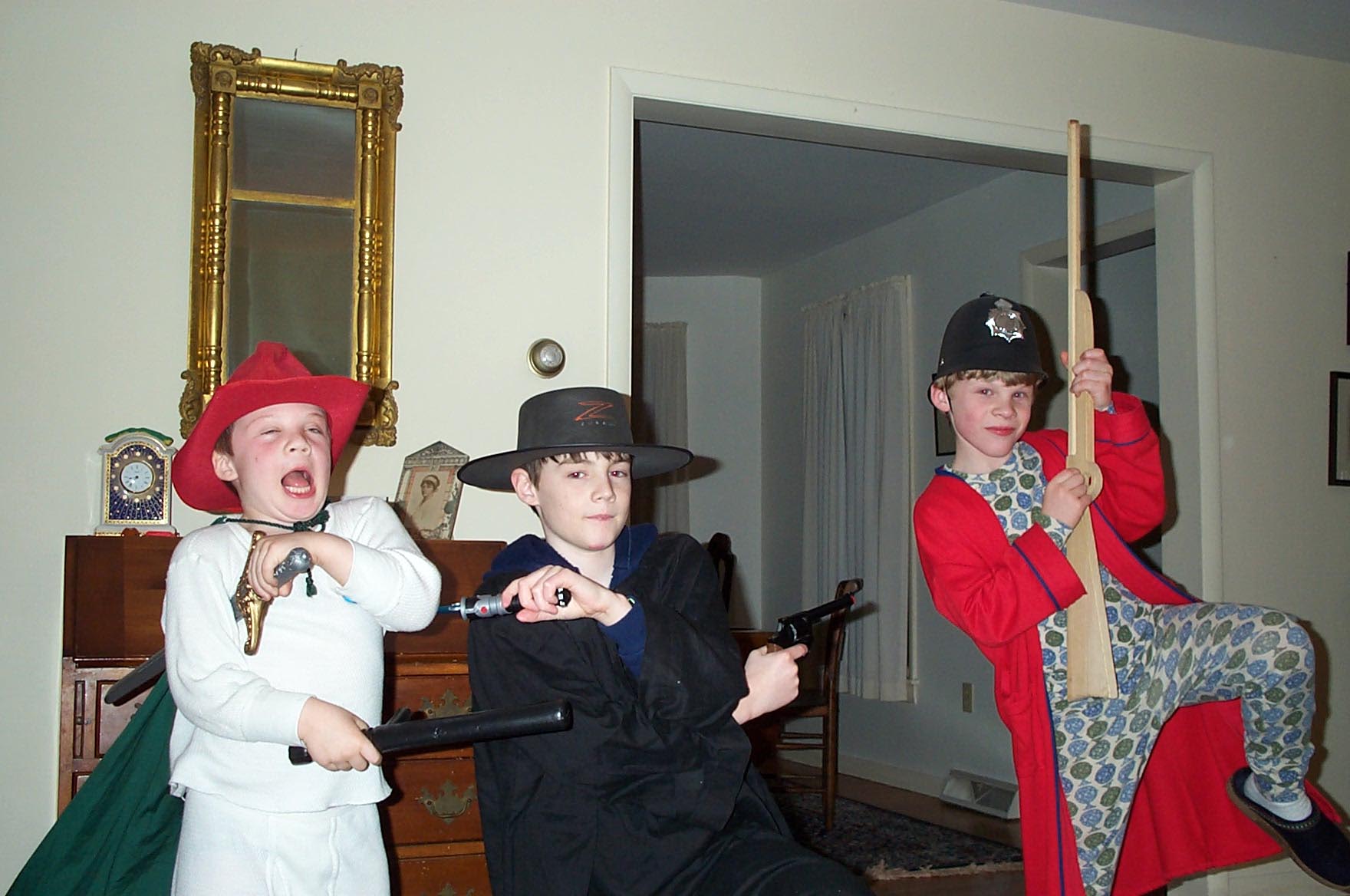
Accountrements, especially weapons, are optional, although they do liven things up and add a certain je ne sais quoi to the occasion.
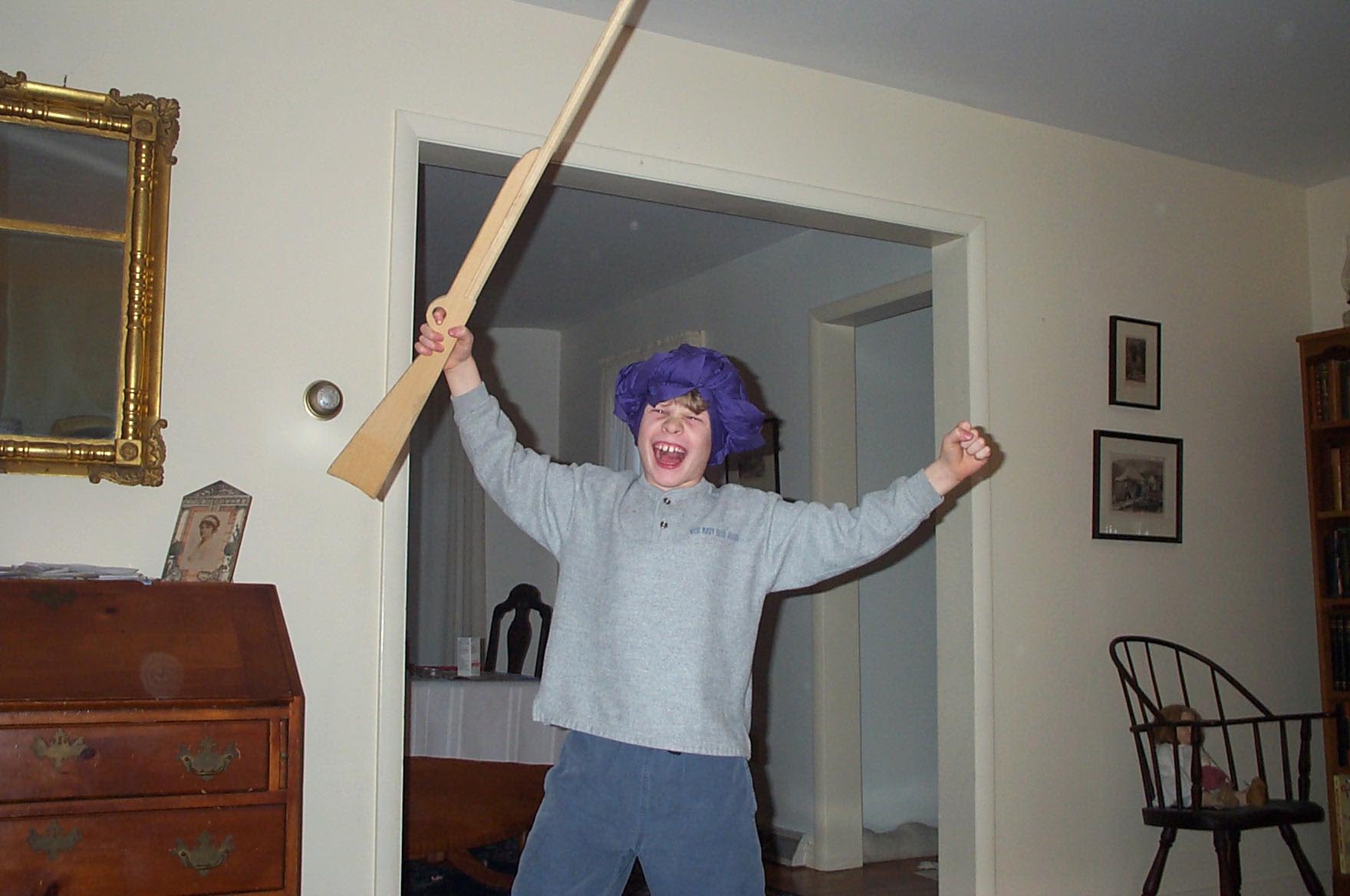
there’s something so invigorating about a turban, don’t you think?
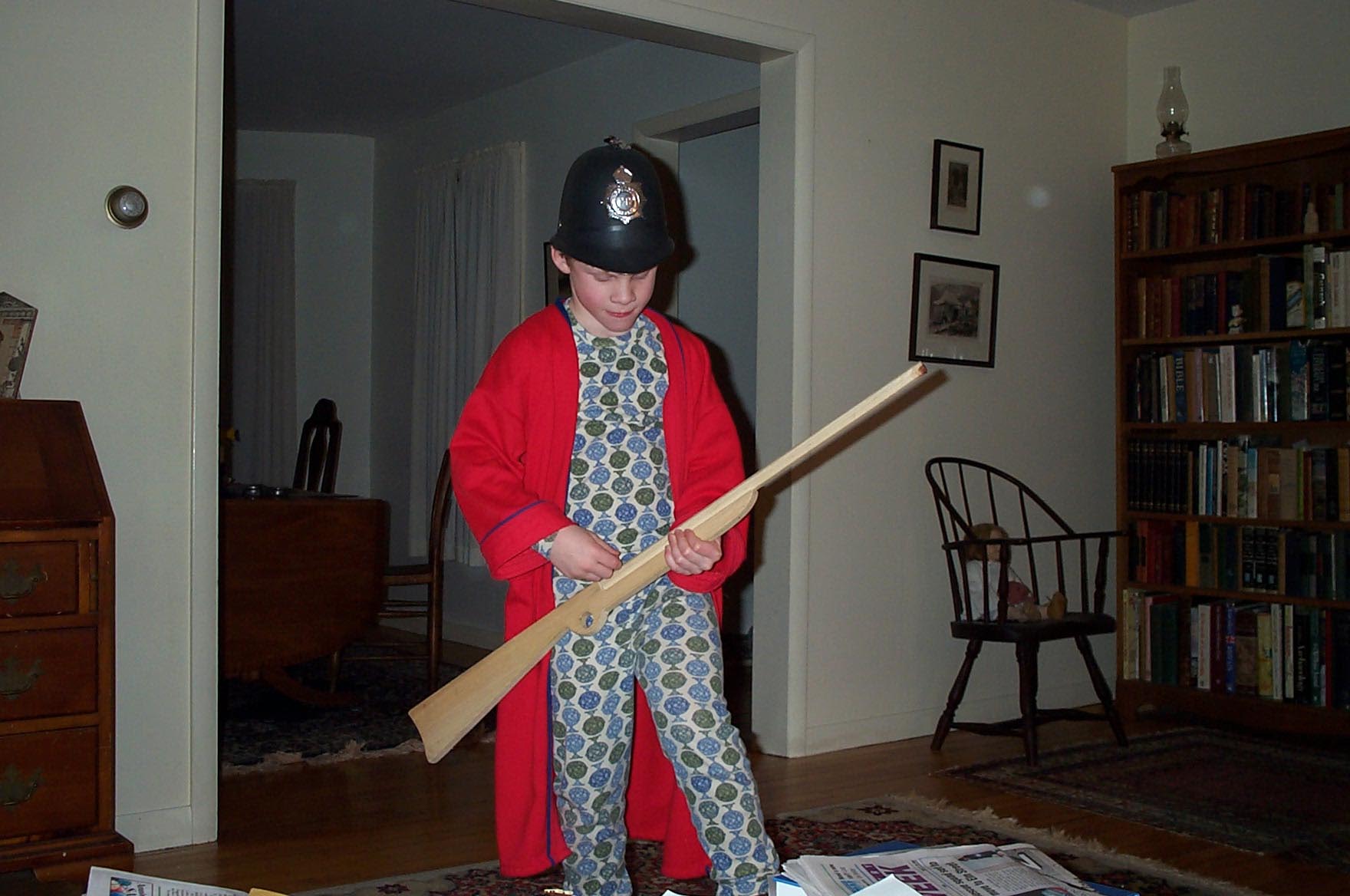
No kidding, wooden rifles are perfect for playing air guitar.
It won’t be the same with out the little guys in pjs and armor, but loud music and boogieing are cathartic — very good for the troubled soul. I highly recommend both. But instead of a turban and toy gun, I’m going for a glass of red wine on the side.
Oh, it’s home again and home again, America for me!
I want a ship that’s westward bound to plough the rolling sea
To the blessed land of Room Enough beyond the ocean bars,
Where the air is full of sunlight and the flag is full of stars.










 dual personalities